The best walks and hikes around Muñogrande
2
hikers
3
hikes
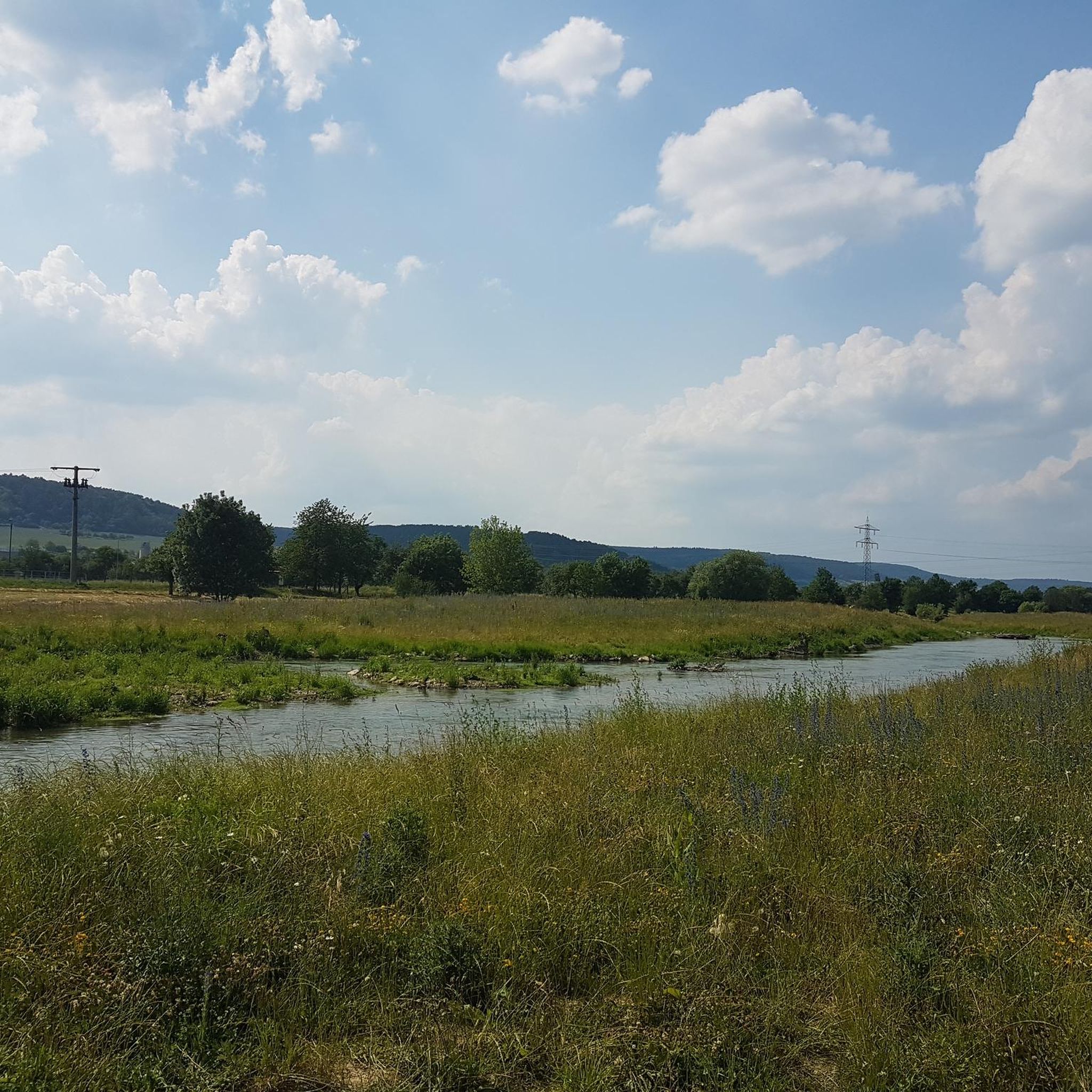
Hiking around Muñogrande offers trails through the agricultural plains and gentle hills characteristic of the Ávila province. The immediate area features open landscapes with low elevation changes, providing accessible routes for various activity levels. While the broader region includes the rugged Sierra de Gredos, trails directly around Muñogrande typically traverse cultivated fields, small river valleys, and rural paths. The terrain is generally flat to undulating, with occasional minor ascents.
Best hiking trails around Muñogrande
- The most popular hiking route is…
Last updated: May 16, 2026
Moderate hike. Good fitness required. Mostly accessible paths. Sure-footedness required.
23.4km
06:08
190m
190m
Hard hike. Very good fitness required. Easily-accessible paths. Suitable for all skill levels.

Sign up for free
10.4km
02:44
90m
90m
Moderate hike. Good fitness required. Easily-accessible paths. Suitable for all skill levels.
Easy hike. Great for any fitness level. Easily-accessible paths. Suitable for all skill levels.
2
hikers
11.4km
02:59
90m
90m
Moderate hike. Good fitness required. Easily-accessible paths. Suitable for all skill levels.
Our route recommendations are based on thousands of hikes, rides, and runs completed by other people on komoot.
Start today with a free account
Your next adventure awaits.
Login or Signup
Popular around Muñogrande

Tips from the Community

Narros de Saldueña Castle, also known as the Castle of the Duke of Montellano, is one of the best-preserved fortresses in the province of Ávila. It is located in the town of Narros de Saldueña, within the town limits. Construction: Late 15th century, attributed to Rodrigo de Valderrábanos, Lord of the Saldueña Estate. Expansions: It was renovated and enlarged at the beginning of the 16th century by his successors.
4
0
Opened in 2017, the center offers a variety of educational and recreational activities, including guided tours, real-time bird watching via video cameras, and exhibits on local fauna and flora. The center also features dioramas, a screening room, and an observation deck, providing an immersive experience for visitors.
4
0
The museum allows visitors to explore the cultural and natural heritage of El Oso while enjoying a walk in the open air. It is a great way to learn more about the history and traditions of this small municipality in Ávila. 🌄😎🚶♂️
3
0
The Church of San Pedro Apóstol in El Oso, Ávila, is a parish church dating back to the 16th century. It stands out for its stone architecture, with three naves separated by large semicircular arches and a 17th-century Baroque main altarpiece. ⛪😎 In front of the church, there is the Stone Bear, also known as Verraco Vettón. This stone sculpture is part of the town's Open Air Museum and has great historical and cultural importance.🐻
4
0
Half a century ago, the Avila town of Las Berlanas suffered a catastrophe of hitherto unknown proportions. A flood devastated the municipality and one of its main surroundings, El Burgo, in addition to ending the lives of two people. To commemorate this tragic event, a monument has been erected that remembers the victims and the catastrophe, but also the efforts of the people of Berlin to improve themselves.
3
0
Aveinte, a name with historical roots, has a fascinating legend dating back to ancient times. Many centuries ago, at the dawn of the Middle Ages, there was a small town in what we know today as Aveinte. The inhabitants of this place were simple people, dedicated mainly to agriculture and livestock. They lived in harmony with nature and worshiped the gods of the earth and sky. One day, during a time of drought and scarcity, the locals gathered in the town square to pray for rain and good harvests. The wise old man of the place, known as Adventius, led the ceremony. With his wrinkled hands and deep voice, he spoke words of supplication to heaven. Legend has it that, at that crucial moment, a mysterious figure appeared among the clouds. He was a luminous being, dressed in white robes and silver hair. The villagers were amazed and knelt before this heavenly presence. The being addressed Adventius and spoke to him in an ancient language that only he understood. “For your devotion and the faith of your people, I will grant a blessing,” he said. “From now on, every twenty years, the waters of the river that runs through Aveinte will overflow, fertilizing the land and ensuring abundant harvests.” Thus the name Aveinte was born, which means “advent” or “arrival” in honor of the heavenly visit. Since then, every twenty years, the river overflows and renews the earth, fulfilling the promise of the luminous being. The inhabitants of Aveinte keep this tradition alive and celebrate “Aveinte” with joy and gratitude. The legend has been passed down from generation to generation, and the town's name remains a reminder of its connection to the divine and renewed hope. So, when you walk through the cobblestone streets of Aveinte, remember this story and the magic that surrounds its name. 🌟🏡
2
0
The Castle-Palace of Castronuevo, also known as Castle of Rivilla de Barajas, is an impressive fortification located in the municipality of Rivilla de Barajas, in the province of Ávila, within the autonomous community of Castilla y León. Although its current use is null, its history and structure reveal its former greatness. It was erected by Gil de Vivero before 1481, on the site of Castronuevo, and later remodeled by his son before selling it in 1489 to the Duke of Alba. The castle has three circular towers and two rectangular towers. Despite its age and danger of collapse, this castle remains a fascinating testament to medieval history and architecture. 🏰🌟
3
0
The Castle of the Duke of Montellano, also known as Castle of Narros de Saldueña, is located at the end of the town of Narros de Saldueña, in the heart of the La Moraña plain, in the province of Ávila, autonomous community of Castilla y León. This castle, tracing its origins to the 15th century, is a good example of a castle-palace built with brick and mud (mortar), which relates it to Mudejar architecture.
6
0
Frequently Asked Questions
How many hiking trails are available directly around Muñogrande?
There are several dedicated hiking routes directly around Muñogrande, with over 3 routes documented on komoot. For a wider range of options, the nearby Sierra de Gredos offers an extensive network of trails, from gentle walks to challenging ascents.
Are there easy hiking trails suitable for beginners or casual walkers?
Yes, for an easy and accessible walk, consider the Castillo del Duque de Montellano — circular desde Muñomer del Peco. This route is just under 5 km and features minimal elevation changes, making it ideal for a relaxed outing through the rural landscape.
What kind of terrain can I expect on hikes around Muñogrande?
Hikes directly around Muñogrande typically traverse agricultural plains, gentle hills, and rural paths. The terrain is generally flat to undulating with low elevation changes. While the broader Ávila province includes the rugged Sierra de Gredos, routes in the immediate vicinity offer open landscapes and cultivated fields.
Are there any circular walks available in the area?
Yes, many routes around Muñogrande are circular, allowing you to start and end at the same point. Examples include the Castillo-Palacio de Castronuevo — circular por los Parajes de La Mora, which explores rural surroundings and historical sites, and the Camino de Villaflor — circular by Aveinte, passing through agricultural landscapes and small villages.
What historical sites or landmarks can I see while hiking near Muñogrande?
The region is rich in history. You can explore sites like the Castronuevo Castle-Palace or the Ruins of Castronuevo. The Castillo-Palacio de Castronuevo — circular por los Parajes de La Mora route specifically highlights some of these historical points of interest.
Are there any longer, more challenging hikes for experienced trekkers?
For a more challenging experience, the Gotarrendura and El Oso Loop is a difficult 23.4 km path that offers an extended exploration of the local countryside, featuring open fields and distant views. For even more demanding treks, the nearby Sierra de Gredos provides routes with significant elevation gains.
Is Muñogrande a good base for exploring the Sierra de Gredos?
While Muñogrande itself is in a flatter agricultural area, its location makes it a potential base for exploring the stunning Sierra de Gredos mountain range. The Sierra de Gredos offers diverse landscapes, impressive peaks, and an extensive network of trails, including glacial cirques and mountain lakes, which are a short drive away.
What is the best time of year to go hiking around Muñogrande?
Spring and autumn are generally the most pleasant seasons for hiking around Muñogrande. The temperatures are milder, and the landscapes are vibrant with either blooming flora or autumnal colors. Summer can be very hot, especially in the open plains, while winter can bring colder temperatures, though snow is less common in the immediate vicinity compared to the higher altitudes of the Sierra de Gredos.
Are there any natural features like waterfalls or rivers to see?
While the immediate area around Muñogrande features small river valleys, for more prominent natural features like impressive granite canyons with waterfalls and crystal-clear pools, you would need to venture into the nearby Sierra de Gredos, such as areas along the Tormes River or the Laguna del Duque Trail.
What do other hikers enjoy most about hiking in Muñogrande?
Hikers often appreciate the peaceful, open landscapes and the opportunity to experience the rural charm of the Ávila province. The routes provide a chance to connect with nature away from crowded areas, offering a sense of tranquility and a glimpse into traditional Spanish countryside life.
Are there options for family-friendly hikes?
Yes, the generally flat and undulating terrain around Muñogrande makes many of its shorter routes suitable for families. The Castillo del Duque de Montellano — circular desde Muñomer del Peco is an excellent easy option for families looking for a pleasant walk without significant challenges.
Can I bring my dog on the hiking trails?
Most rural paths and trails in the Muñogrande area are generally dog-friendly, but it's always advisable to keep your dog on a leash, especially when passing through agricultural fields or near livestock. Always ensure you clean up after your pet to maintain the natural environment.
Most popular routes around Muñogrande
Most popular attractions around Muñogrande

Get inspired with the komoot mobile app


Explore more
Browse the best Hikes in other regions.
