The best road cycling routes around Agulo
4.3
(42)
847
riders
21
rides
Road cycling around Agulo is characterized by its dramatic coastal cliffs and varied inland topography. The region features a mix of arid landscapes that transition into lush laurel forests as elevation increases, particularly within the vicinity of Garajonay National Park. Cyclists encounter valleys and gorges, with routes often providing views of the Atlantic Ocean and distant islands. The terrain offers a range of challenges, from sustained climbs to rewarding descents.
Best road cycling routes around Agulo
- The most popular road…
Last updated: October 16, 2026
5.0
(2)
23
riders
41.9km
02:56
1,490m
1,480m
Hard road ride. Very good fitness required. Mostly well-paved surfaces and easy to ride.
5.0
(5)
108
riders
54.1km
03:56
2,060m
2,060m
Hard road ride. Very good fitness required. Mostly well-paved surfaces and easy to ride.

3.0
(3)
67
riders
75.4km
04:59
2,400m
2,400m
Hard road ride. Very good fitness required. Mostly well-paved surfaces and easy to ride.
72
riders
55.3km
03:49
1,810m
1,820m
Hard road ride. Very good fitness required. Mostly well-paved surfaces and easy to ride.
19
riders
48.7km
03:16
1,590m
1,590m
Hard road ride. Very good fitness required. Mostly well-paved surfaces and easy to ride.
Get access to more routes and recommendations from other explorers.
Already have an account?
Our route recommendations are based on thousands of hikes, rides, and runs completed by other people on komoot.
Start today with a free account
Your next adventure awaits.
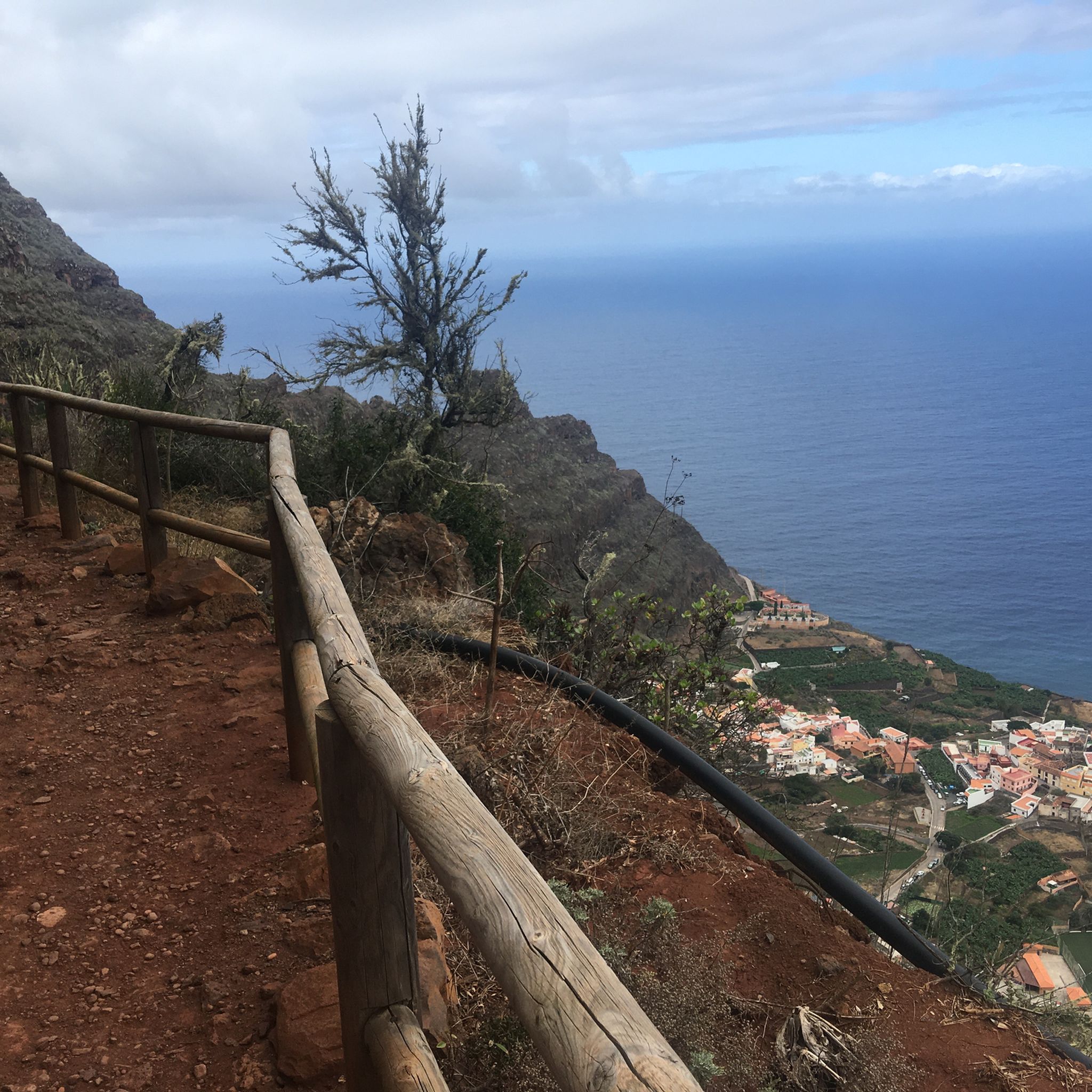
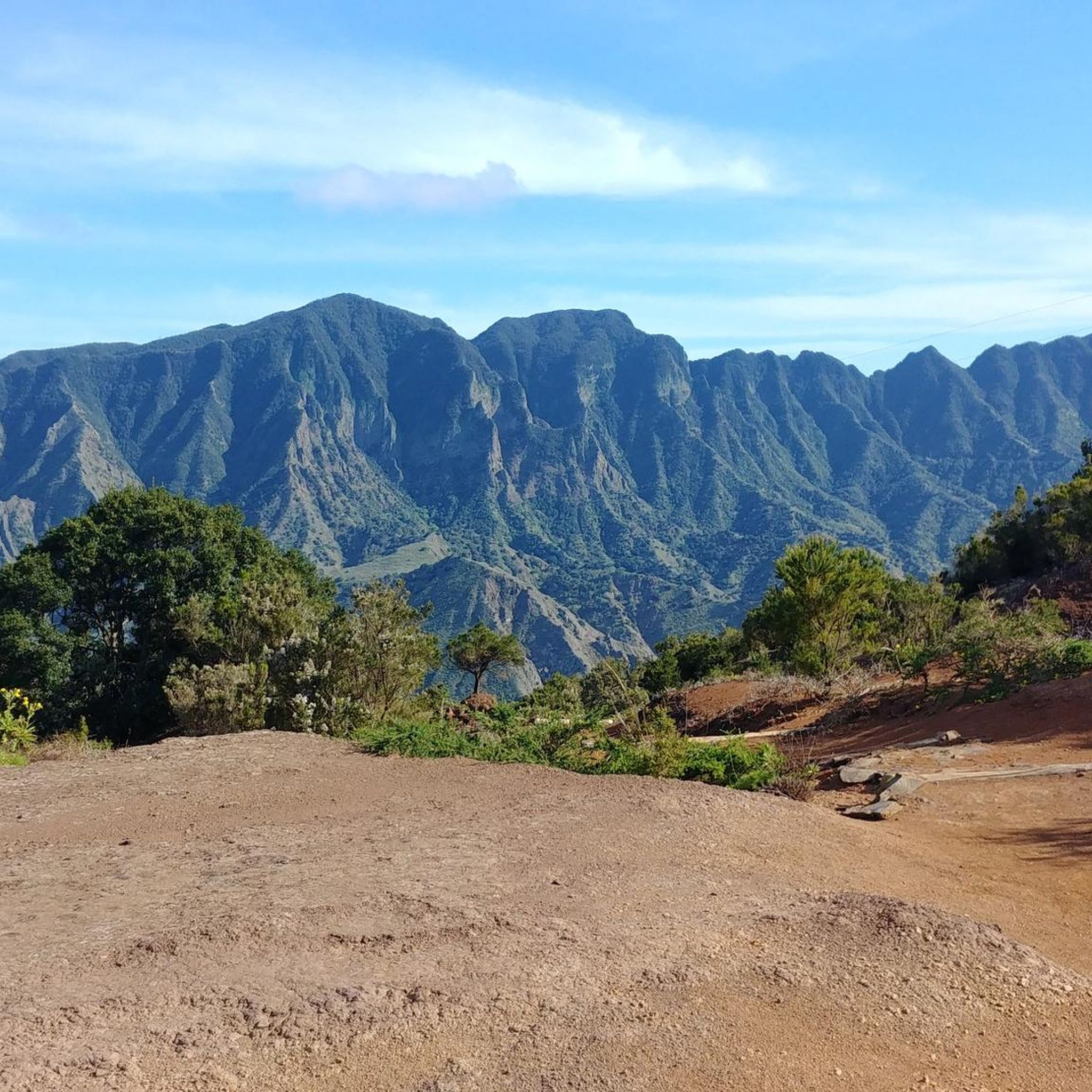
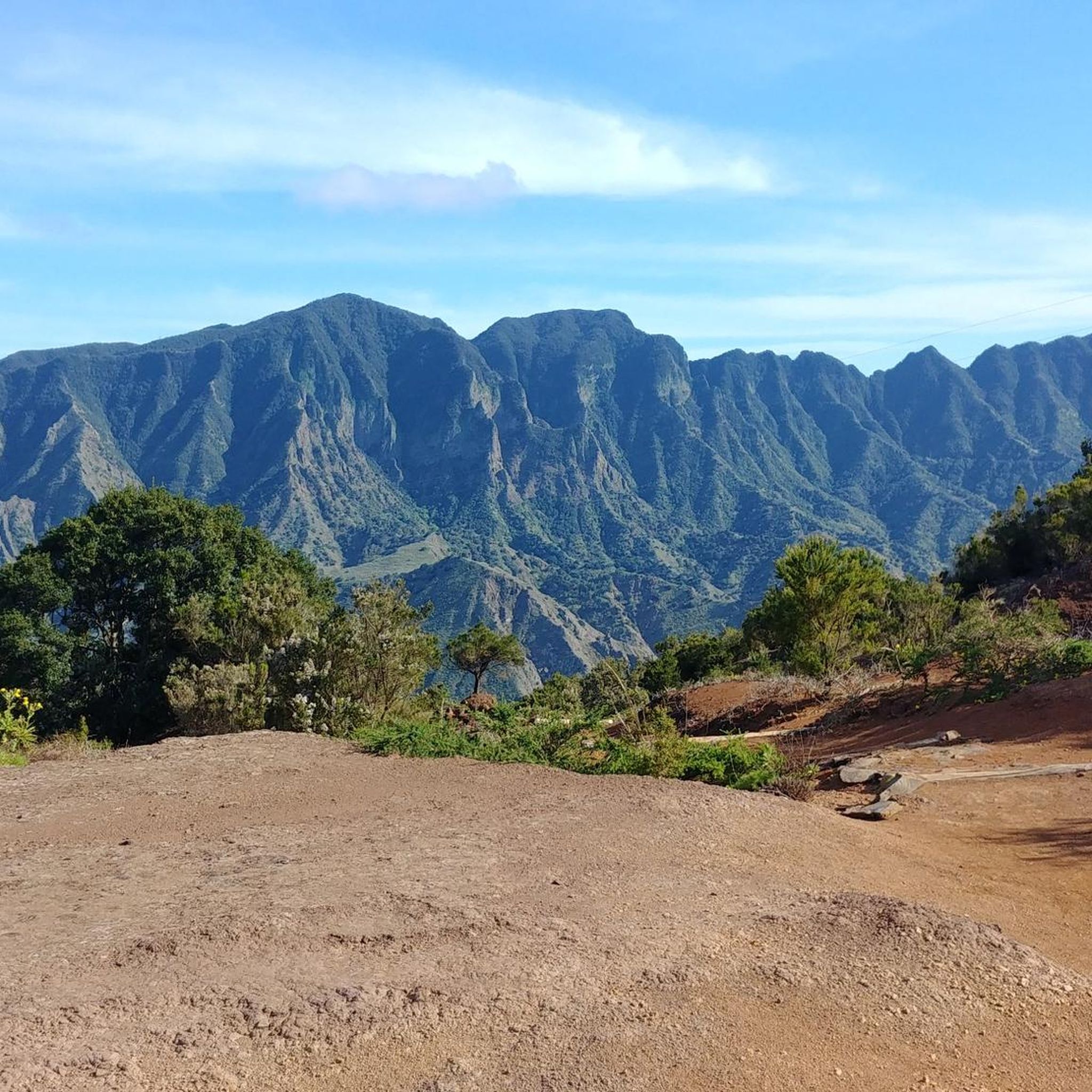
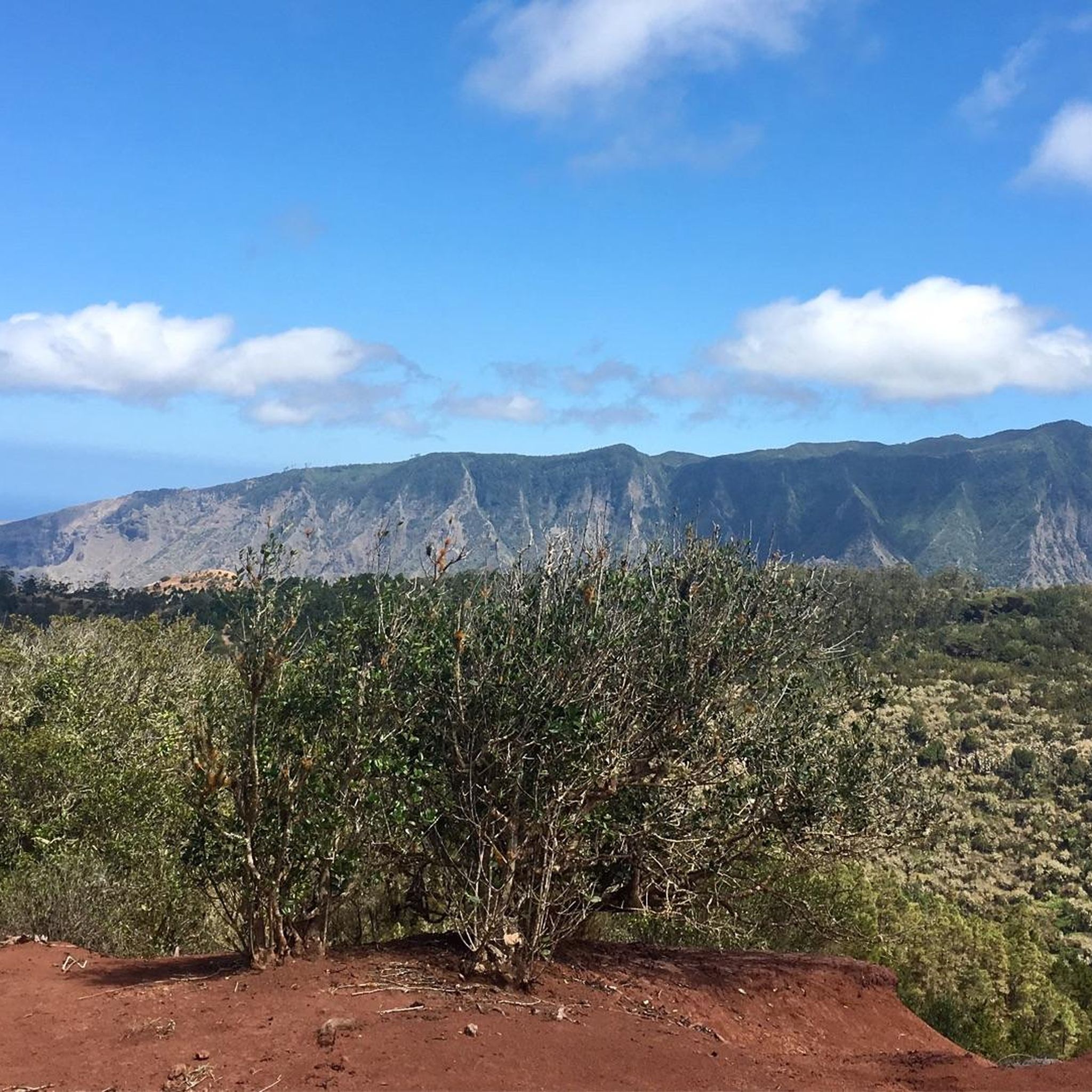

Tips from the Community

Vallehermoso was for decades one of the most important and richest municipalities in La Gomera thanks to agriculture, especially bananas, tomatoes, and the cultivation terraces that still cover a large part of its ravines and slopes today. It even surpassed 10,000 inhabitants during the 20th century, although emigration to Tenerife, Venezuela, and Cuba greatly reduced the population, leaving a quiet and almost timeless atmosphere today. The village was born linked to water and the fertile ravines of the north of the island, something very unusual in the Canary Islands, where drier landscapes normally predominate. Precisely for this reason, the valley received the name “Vallehermoso”. The area retains a very rural and authentic identity, with isolated hamlets, ancient royal roads, and one of the most spectacular agricultural landscapes in the Canary Islands. Furthermore, this entire northern coast is full of seafaring stories and shipwrecks, such as the famous sinking of the French corsair La Mosca in 1801 off the village beach. Above all this rises the impressive Roque Cano, a huge volcanic plug that has become the absolute symbol of the municipality, visible practically from any point in the valley like a gigantic stone head watching over the Atlantic.
0
0
La Mosca, or La Mouche, was a French privateer sunk off Vallehermoso in 1801, during the naval conflicts between France and England. According to local history, the ship arrived pursued by three English warships, and its captain, finding himself cornered, decided to run the corvette aground on the beach rather than surrender it intact to the enemy. Anglo-French sources cite the pursuit by HMS Diamond and link the episode to March 6, 1801. For years, the shipwreck left real traces in the area: cannons, bullets, metal fragments, and wooden remains documented on Vallehermoso beach; in 1969, two large bronze cannons, each weighing about a thousand kilos, were even recovered. Between history and legend, La Mosca remains one of the most powerful tales of this northern coast: a pursued ship, a captain with no way out, and a sea that still today seems capable of swallowing everything.
1
0
Small volcanic beach located below the northern cliffs of La Gomera, in a much wilder and more authentic setting than a tourist one. Here the Atlantic enters with force and the coast combines black sand with large pebbles polished by the sea, creating that characteristic landscape of the island. Even so, the area is very well equipped, with umbrellas, a beach bar, restrooms, and a quiet atmosphere perfect for stopping after a hike. Very close to here, ancient storms and shipwrecks caused by the harshness of this northern coast are remembered, where the ocean and the wind have always marked the life of Vallehermoso.
1
0
The so-called Castillo del Mar is not a historical or defensive castle, but a large structure built on the coast of Vallehermoso as part of an old recreational and maritime project. For years it functioned as a leisure area linked to the sea and the natural pools in the area, becoming one of the most recognizable places on the northern coast of La Gomera. The most striking thing is its location: built practically over the Atlantic and constantly battered by the sea and storms. Strong waves damaged the structure greatly over the years, and it ended up becoming almost a kind of "modern ruin" facing the ocean, much photographed for the contrast between concrete, waves, and volcanic cliffs.
1
0
This black sand and pebble beach hides one of La Gomera's most curious stories: the shipwreck of the ship “La Mosca” at the beginning of the 19th century. According to documents and oral tradition, the French vessel ended up running aground on this coast while fleeing or seeking refuge from English ships and Atlantic storms. For years, cannons and wreckage appeared on the seabed and some were even seen embedded in the old walls of the breakwater. Today the area is much quieter: sunshades, a relaxed atmosphere, and a wild beach surrounded by enormous volcanic cliffs. And right next door, it is highly recommended to stop at Bar Pirata for a bite to eat after the route. Simple cuisine, local produce, and that kind of place where a cold beer and any dish taste even better facing the Atlantic.
1
0
Camino de La Quintana It is not the most famous humid forest of La Gomera, but it is one of the most authentic and least frequented. While many visitors concentrate on the classic areas of Garajonay National Park, here you can still feel a quieter and more natural laurisilva, with fog entering between the curves, moss covering the trunks, and that constant smell of humidity and wet earth that defines the island's peaks.
0
0
Mirador de La Retama From this viewpoint, the wild dimensions of the ravines of La Gomera are perfectly understood. Directly opposite, you can see ancient caves dug into the rock, used for generations as shelter, storage, and even housing by the island's inhabitants in times when moving between valleys was much more complicated than today. The new road and tunnel have completely changed the connectivity of this area, but from here you can still perceive what the more isolated and rugged Gomera was like.
1
0

anyone looking for quite comfortable and joint-friendly paths - amidst all the steep trails of La Gomera - will find them here - and "incidentally" there is also the island's "roof"... an area for relaxation...
0
0
Frequently Asked Questions
What is the typical difficulty level for road cycling routes around Agulo?
Road cycling around Agulo offers a range of challenges. You'll find routes catering to moderate to difficult ability levels. The terrain often includes sustained climbs and rewarding descents, with 5 routes rated as moderate and 9 as difficult among the 14 available.
What kind of terrain and elevation can I expect on road cycling routes in Agulo?
The region features dramatic coastal cliffs and varied inland topography. You can expect a mix of arid landscapes transitioning into lush laurel forests, especially as you gain elevation towards Garajonay National Park. Routes often traverse valleys and gorges, providing constantly changing scenery and significant elevation gains, such as the Arure – La Calera Beach loop from Vallehermoso which has over 2,000 meters of ascent.
Are there many circular road cycling routes available in Agulo?
Yes, Agulo is a great starting point for circular road cycling tours. A popular option is the From Agulo through the Garajonay Natural Park – circular route through La Gomera, which covers diverse landscapes and offers a comprehensive experience of the area.
What scenic viewpoints or natural landmarks can I see while road cycling in Agulo?
Agulo's routes are rich with stunning views and natural features. You can encounter dramatic cliffs offering panoramic views of the Atlantic Ocean and Mount Teide on clear days. Notable landmarks include the Alto de Garajonay, the island's highest point, and the iconic Roque de Agando. The Arure Waterfall is another beautiful natural attraction you might encounter.
Are there any road cycling routes that pass through the famous laurel forests?
Absolutely. The proximity to Garajonay National Park means many routes traverse these ancient laurel forests. For example, the Laurel Forest – Arure loop from Garajonay National Park takes you directly through this unique, lush environment, offering a stark contrast to the more arid coastal areas.
When is the best time of year to go road cycling in Agulo?
La Gomera generally enjoys a mild climate year-round, making road cycling a pleasant activity in most seasons. However, for optimal conditions, spring and autumn offer comfortable temperatures and less chance of extreme weather, allowing you to fully enjoy the varied landscapes from coastal views to the misty laurel forests.
What do other road cyclists enjoy the most about road cycling in Agulo?
The komoot community highly rates road cycling in Agulo, with an average score of 4.1 stars from over 30 reviews. Cyclists frequently praise the dramatic and constantly changing scenery, from breathtaking coastal views to the unique ancient laurel forests, as well as the challenging yet rewarding climbs and descents.
Are there any easy or family-friendly road cycling routes in Agulo?
The road cycling routes around Agulo are generally geared towards moderate to difficult fitness levels, with no routes specifically categorized as easy. The terrain often involves significant elevation changes, making it more suitable for experienced cyclists or families with older, fit children.
Can I find routes with impressive viewpoints of Mount Teide from Agulo?
Yes, Agulo's cliffside location often provides stunning views of Mount Teide on clear days. The Agulo Road – Best view of Teide loop from Hermigua is specifically designed to offer exceptional vistas of Tenerife's iconic volcano, making for a memorable cycling experience.
Are there any routes that include the Mirador de Abrante?
While not all routes pass directly by it, the Mirador de Abrante is a prominent feature in the region, offering spectacular panoramic views over Agulo and the surrounding area. The Red Path (La Gomera) – Abrante Viewpoint loop from Hermigua is a challenging route that brings you close to this famous glass viewpoint.
What cultural attractions can I explore near the road cycling routes in Agulo?
Agulo itself boasts one of the most well-preserved historic quarters in the Canary Islands, with narrow, cobbled streets and traditional architecture. You can visit the Church of San Marcos or the Plaza de Leoncio Bento. The Juego de Bolas visitor center, near Mirador de Abrante, also offers insights into the island's natural history and features a botanical garden, providing interesting stops during your cycling excursions.
Most popular attractions around Agulo

Get inspired with the komoot mobile app


Explore more
Browse the best Road cycling routes in other regions.
