The best MTB trails around Agulo
4.5
(214)
908
riders
17
rides
Mountain biking around Agulo offers routes through diverse landscapes, characterized by the dense laurel forests of Garajonay National Park and the rugged terrain of Majona Park. The region features significant elevation changes, with trails winding through valleys and ascending to viewpoints. Many routes explore areas with rich vegetation and water sources, indicative of a subtropical environment.
Best mountain bike trails around Agulo
- The most popular mountain bike trail is Garajonay National Park Loop from Laguna Grande, a 23.7 miles…
Last updated: October 18, 2026
4.3
(6)
23
riders
38.1km
03:29
980m
980m
This difficult 23.7-mile mountain bike route through Garajonay National Park offers ancient Laurisilva forests and panoramic views.
4.3
(3)
15
riders
31.5km
03:41
1,260m
1,260m
This difficult 19.5-mile mountain bike route near Hermigua, La Gomera, offers stunning views of Teide and the Hermigua Valley.

4.5
(10)
23
riders
Moderate mountain bike ride. Good fitness required. Advanced riding skills necessary.
4.6
(10)
33
riders
Moderate mountain bike ride. Good fitness required. Advanced riding skills necessary.
4.9
(7)
24
riders
43.2km
04:15
1,160m
1,160m
Hard mountain bike ride. Very good fitness required. Advanced riding skills necessary. Some portions of the route may require you to push your bike.
Get access to more routes and recommendations from other explorers.
Already have an account?
Our route recommendations are based on thousands of hikes, rides, and runs completed by other people on komoot.
Start today with a free account
Your next adventure awaits.
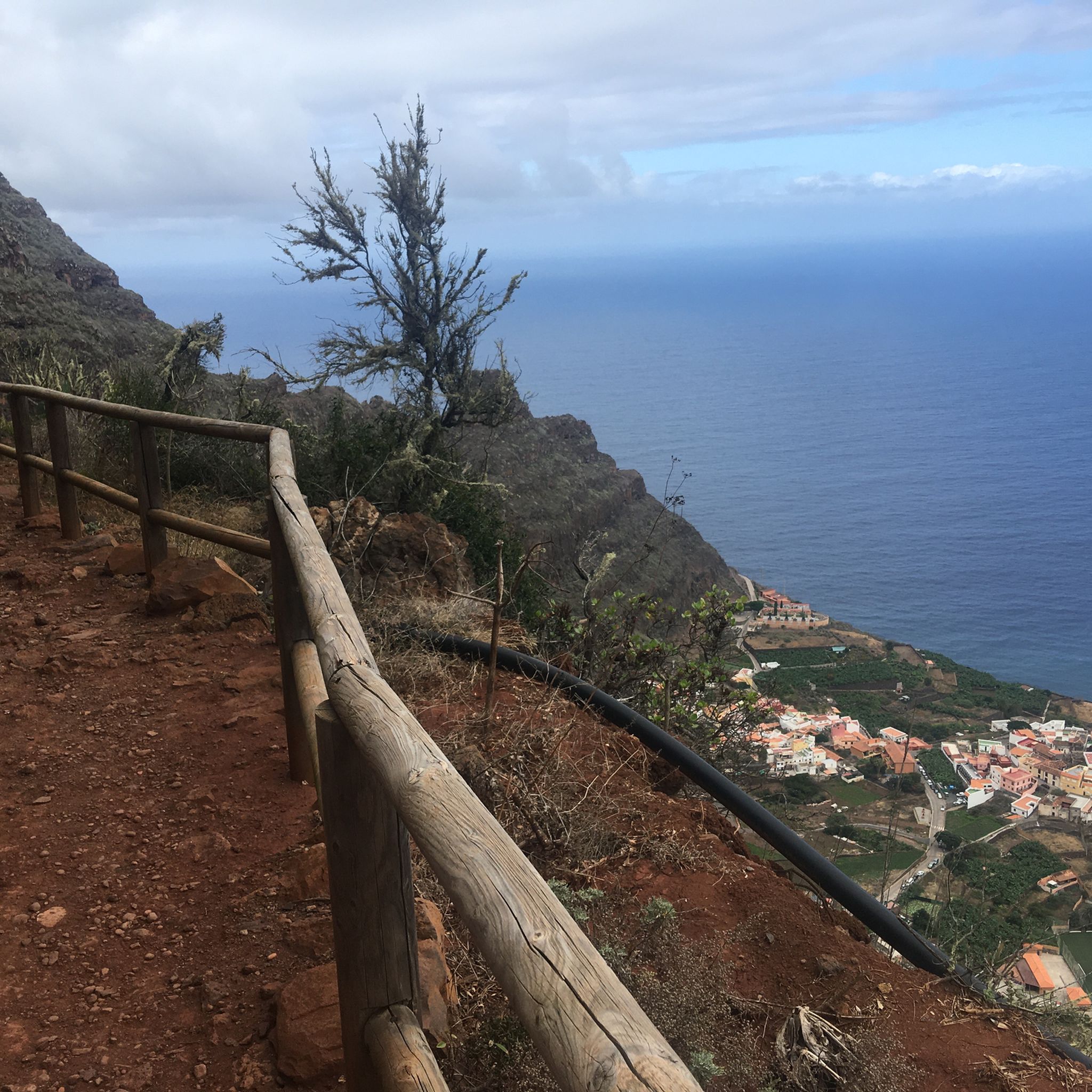
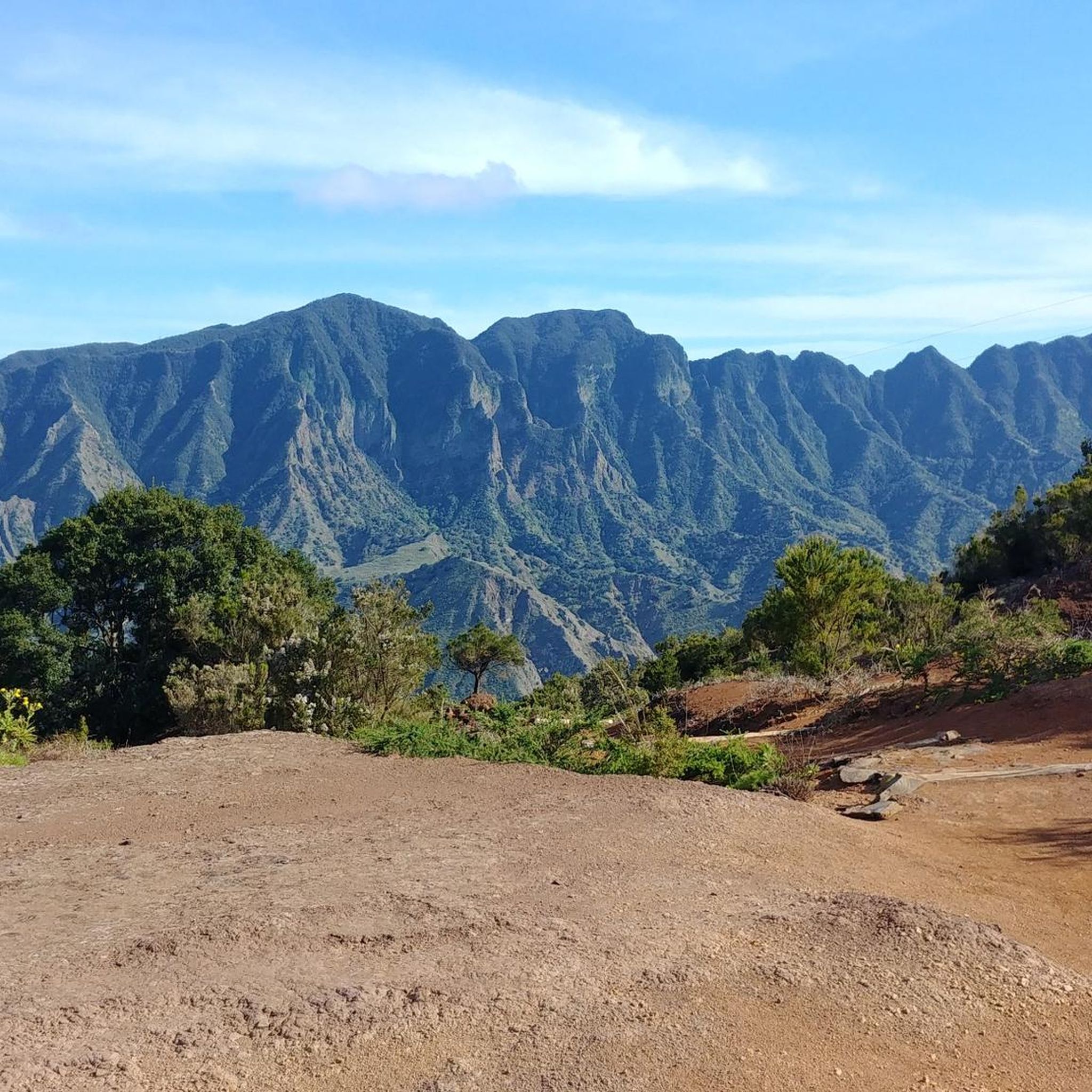
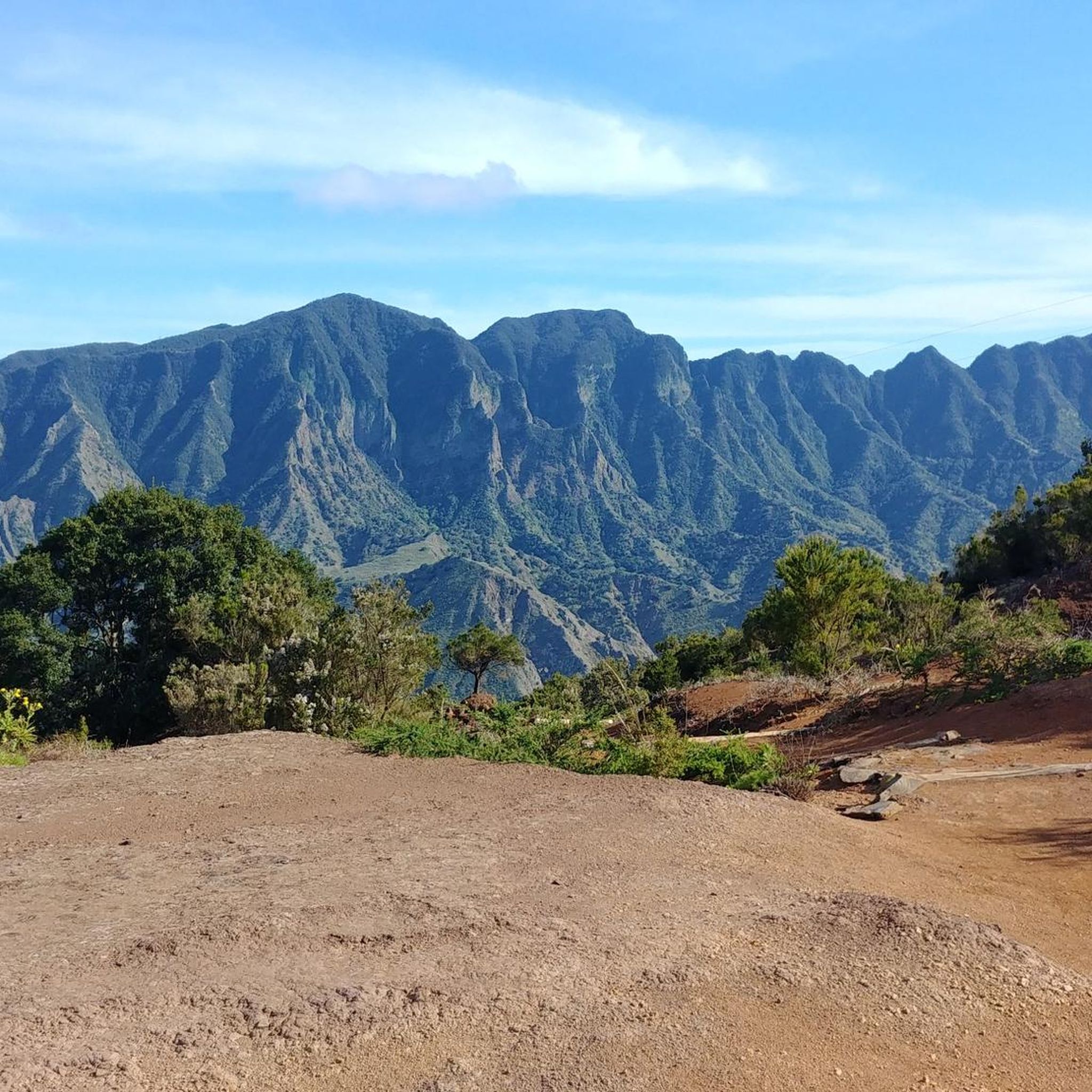
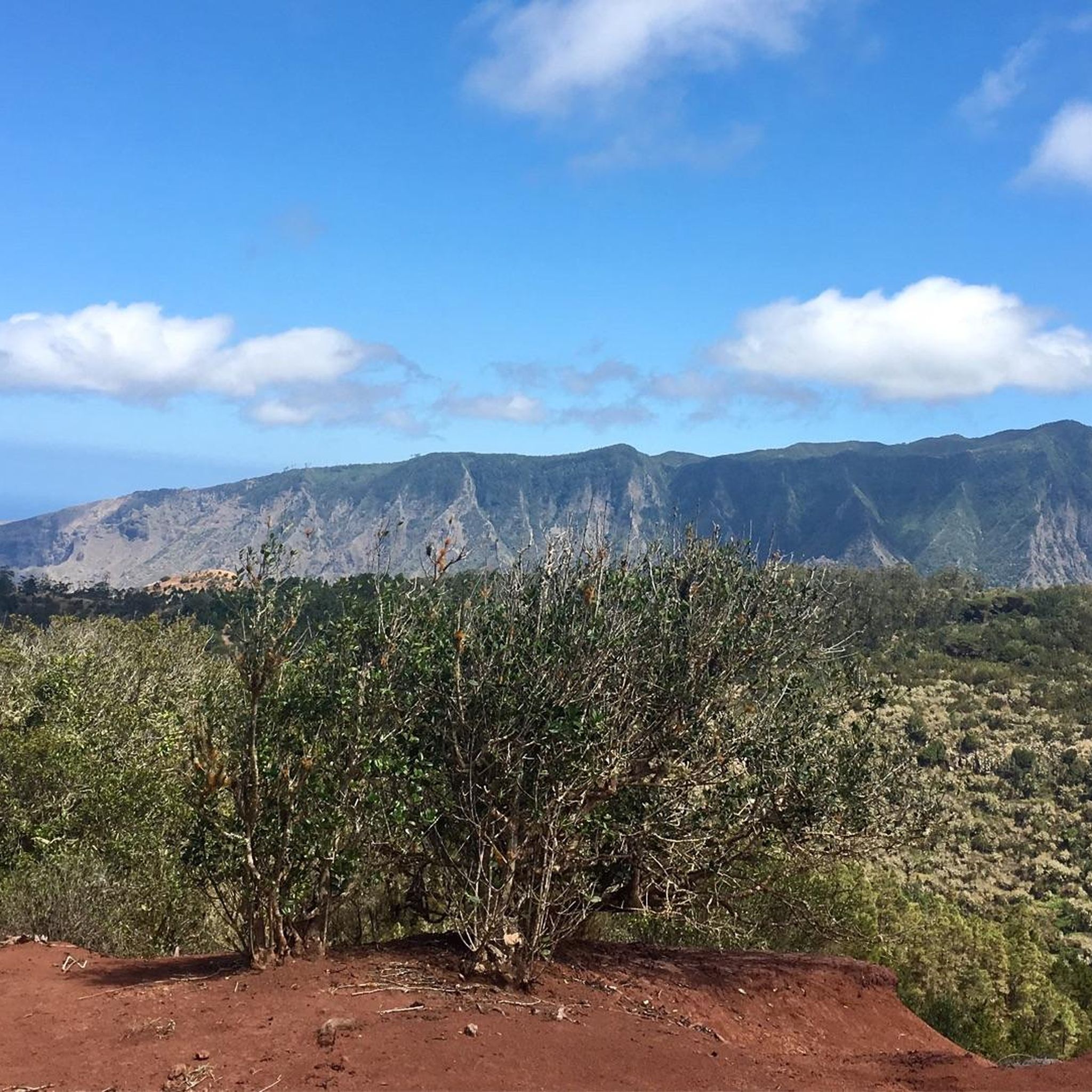

Tips from the Community

A very popular stopping area within Garajonay National Park, next to one of the most used parking lots for accessing trails, forest tracks, and viewpoints in the upper part of La Gomera. Here the landscape changes constantly: fog, humidity, laurel forest, and clearings from which enormous views open up towards the island's ravines. It is a strategic point for cyclists and hikers because it connects several park routes and allows easy connection to summit roads. Garajonay's laurel forest is one of the oldest and rarest forests in Europe, a humid ecosystem that survived from prehistoric times thanks to the trade winds. That's why this area has such a distinct atmosphere from the rest of the Canary Islands. Very close by, there is usually total silence... until the wind moves the trees or the fog rolls in suddenly.
0
0
A very well-known stop on the GM-1 road, going up from Vallehermoso towards the upper area of Garajonay. It's one of those strategic points on La Gomera where there are usually cars, cyclists, and motorcyclists stopping to rest, have coffee, or eat something before continuing their route along the summit. The access is fully asphalted and very convenient from Vallehermoso. From here you can easily connect with mountain roads that lead towards the area of El Cercado, Arure, Monte de Ayamosna, and several viewpoints from which you can see Teide on clear days. The restaurant is known for traditional Gomera cuisine, especially grilled meats, stews, almogrote, cheeses, and homemade dishes. The area is also famous for the historic Chorros de Epina, well-known springs on the island associated with ancient legends and popular beliefs. It's one of those places where many people end up stopping even if they hadn't planned it.
3
0
La Fortaleza is a large volcanic formation located in the west-central part of La Gomera, near Chipude. It is an ancient volcanic plug that resisted erosion for millions of years, becoming isolated and elevated above the surrounding ravines. At an altitude of approximately 1,243 meters, it was a sacred place for the ancient gomeros and today it is one of the island's most emblematic landscapes, with spectacular views towards the mountains, ravines, and the Atlantic.
1
0
“Route 4 is short but seems to enter directly into a Jurassic forest, with dense laurisilva and moss-covered trees everywhere. Route 6, from Laguna Grande, allows you to traverse a wider part of the heart of Garajonay between old gomero paths and areas where you can still see how the forest recovered after the 2012 fire. Two easy but very atmospheric routes.”
1
0
A small mountain hermitage located in one of the wettest and quietest areas of northern La Gomera. The surroundings are notable for the large trees and the frequent fog that enters from the peaks, creating an atmosphere very different from the island's coast. The Virgen de Las Nieves has a strong tradition in the Canary Islands and is usually associated with high, cool places linked to water and the trade winds. It is a simple, but very authentic stop, surrounded by nature and silence. 0 0
0
0
El Barranco del Cedro is one of the most humid, green, and spectacular places on the whole of La Gomera. Located in the heart of Garajonay National Park, this ravine crosses one of the best-preserved laurel forest areas in the Canary Islands, with dense vegetation, moss, giant ferns, and small watercourses that keep the environment constantly humid and fresh. The area is well known for its trails and the feeling of entering an almost tropical or prehistoric forest. Here, fog tends to get trapped between the mountains for much of the year, creating a very special microclimate that allows ancient plant species to survive. The constant sound of water, the trees covered in moisture, and the almost total absence of noise make this place one of the most magical and tranquil corners of the island. In addition to its enormous natural value, El Barranco del Cedro also had historical importance for water use and for small rural settlements linked to traditional Gomera agriculture. Old terraces, canals, and hydraulic elements integrated into the ravine's landscape can still be seen.
2
0
El Roque de Agando is probably the most iconic and photographed rock formation on La Gomera. It is a huge volcanic plug formed by very resistant rock that was exposed after millions of years of erosion. While the rest of the volcanic terrain gradually disappeared, this gigantic needle remained standing, dominating the entire landscape in the center of the island. It rises to an altitude of about 1,250 meters and is part of a group of volcanic rocks visible from much of Garajonay. Its vertical and isolated silhouette, especially when it appears shrouded in mist or illuminated by the setting sun, gives it an almost unreal appearance. The road that passes by the rock is considered one of the most spectacular on La Gomera and is a classic spot to stop and contemplate the landscape. For the ancient inhabitants of Gomera, it also held symbolic and territorial importance, and even today it remains one of the island's great natural emblems. The contrast between the dark rock, the green ravines, and the low clouds creates one of the most recognizable images of the Canary Islands.
1
0
El Roque de Agando is probably the most iconic and photographed rock formation on La Gomera. It is a huge volcanic plug formed by very resistant rock that was exposed after millions of years of erosion. While the rest of the volcanic terrain gradually disappeared, this gigantic needle remained standing, dominating the entire landscape in the center of the island. It rises to an altitude of about 1,250 meters and is part of a group of volcanic rocks visible from much of Garajonay. Its vertical and isolated silhouette, especially when it appears shrouded in mist or illuminated by the low sun, gives it an almost unreal appearance. The road that passes by the roque is considered one of the most spectacular on La Gomera and is a classic spot to stop and contemplate the landscape. For the ancient inhabitants of La Gomera, it also had symbolic and territorial importance, and even today it remains one of the island's great natural emblems. The contrast between the dark rock, the green ravines, and the low clouds creates one of the most recognizable images of the Canary Islands.
2
0
Frequently Asked Questions
Are there mountain bike trails suitable for beginners in Agulo?
While many routes around Agulo are challenging, there are some moderate options available. For instance, the Mountain bike trail permitted – Laguna Grande Recreation Area loop from Garajonay National Park is a moderate 14.5-mile (23.3 km) trail that offers a less strenuous experience compared to the more difficult routes.
What kind of challenge can experienced mountain bikers expect in Agulo?
Experienced mountain bikers will find plenty of challenging terrain around Agulo. The region is known for significant elevation changes and rugged paths, particularly within Garajonay National Park and Majona Park. Routes like the Garajonay National Park Loop from Laguna Grande, a difficult 23.7-mile (38.1 km) trail, offer substantial climbs and technical sections.
Are there family-friendly mountain bike routes around Agulo?
The mountain bike trails around Agulo are generally characterized by significant elevation changes and difficult terrain, making them less suitable for young children or beginners. However, families with older, experienced riders might enjoy some of the moderate sections or shorter, less technical paths if available, though specific 'family-friendly' designated routes are not prominent in this area.
How long do mountain bike trails typically take to complete around Agulo?
The duration of mountain bike trails around Agulo varies depending on the route's length and difficulty. For example, the difficult Garajonay National Park Loop from Laguna Grande typically takes around 3 hours 29 minutes, while the Mountain bike trail permitted – Laguna Grande Recreation Area loop, a moderate route, can be completed in about 1 hour 59 minutes.
Can I find loop mountain bike trails near Agulo?
Yes, many mountain bike trails around Agulo are designed as loops, offering varied scenery without retracing your steps. Examples include the Majona Park and Enchereda Loop and the In the heart of the rainforest – Water source loop from Meriga.
Do I need a permit to mountain bike in Agulo, especially in Garajonay National Park?
Some trails within Garajonay National Park are designated as 'permitted' for mountain biking. It's always advisable to check local regulations, especially when riding in protected areas like national parks, as specific sections might require permits or have restrictions to protect the natural environment. Look for signs or official park information regarding permitted trails.
Where can I find parking for mountain bike trails near Agulo?
Parking availability often depends on the specific trailhead. Many routes, especially those starting near popular areas like Laguna Grande or within Garajonay National Park, will have designated parking areas. For example, routes originating from Laguna Grande or Los Barranquillos typically have parking facilities nearby. Always check the starting point of your chosen route for specific parking information.
What is the best time of year for mountain biking in Agulo?
Agulo, located on La Gomera, enjoys a mild climate year-round, making mountain biking possible in most seasons. However, the cooler, drier months from autumn through spring (October to May) are generally preferred to avoid the higher temperatures of summer and potential heavy rainfall. Always check the local weather forecast before heading out.
Are mountain bike trails around Agulo dog-friendly?
While many outdoor areas in La Gomera are generally welcoming to dogs, specific regulations apply within Garajonay National Park to protect wildlife. Dogs are often required to be on a leash in designated areas and may be restricted from certain trails. It's best to verify the specific rules for each trail or park section you plan to visit with your dog.
What interesting sights or viewpoints can I expect along the mountain bike trails in Agulo?
Mountain bike trails around Agulo offer stunning natural beauty and panoramic views. You can expect to encounter dense laurel forests, characteristic of Garajonay National Park, and rugged landscapes in Majona Park. Notable viewpoints include the Three Islands Viewpoint and the Peraza Pass Viewpoint, offering expansive vistas of the island and surrounding ocean. Some routes also pass by historical sites like the Santa Clara Hermitage.
What do other mountain bikers enjoy the most about mountain biking in Agulo?
The mountain biking experience around Agulo is highly rated by the komoot community, with an average score of 4.6 stars. Reviewers often praise the diverse landscapes, from the ancient laurel forests to the rugged coastal terrain, and the challenging nature of the trails. The sense of immersion in nature and the rewarding views from high elevations are frequently highlighted.
Are there any trails that feature water sources or waterfalls in the Agulo area?
Yes, the subtropical environment of Agulo, particularly within the laurel forests, means some routes explore areas with rich vegetation and water sources. The In the heart of the rainforest – Water source loop from Meriga is an example of a trail that takes you through areas known for their lush, water-fed ecosystems.
Most popular attractions around Agulo

Get inspired with the komoot mobile app


Explore more
Browse the best MTB trails in other regions.
