Attractions and Places To See around Agullana - Top 20
Best attractions and places to see around Agullana, a municipality in the Alt Empordà region of Catalonia, Spain, offers a blend of historical, cultural, and natural attractions. The area is known for its past in the cork industry, its megalithic heritage, and its scenic landscapes within the Albera massif. Agullana's location near the French border provides opportunities for exploring nature and its unique historical and cultural past.
Best attractions and places to see around Agullana
- The most popular attractions is Puig Saint-Christau Summit, a summit that offers panoramic views. This location provides a rewarding experience for those seeking altitude and scenic vistas.
- Another must-see spot is Church of Sant Llorenç de la Muga, a religious building and historical site. Visitors can explore a Romanesque-style temple with a unique structure, located within a well-preserved medieval walled enclosure.
- Visitors also love Old Bridge of Pont de Molins, a historical bridge over the Muga River. This 16th-century structure is protected as a cultural asset and is a central feature of the town.
- Agullana is known for its megalithic heritage, historical buildings, and natural landscapes. The region offers a variety of attractions, from ancient dolmens and modernist architecture to the forests of the Albera massif.
- The attractions around Agullana are appreciated by the komoot community, with more than 160 upvotes and 58 photos shared across 7 highlights.
Last updated: July 6, 2026
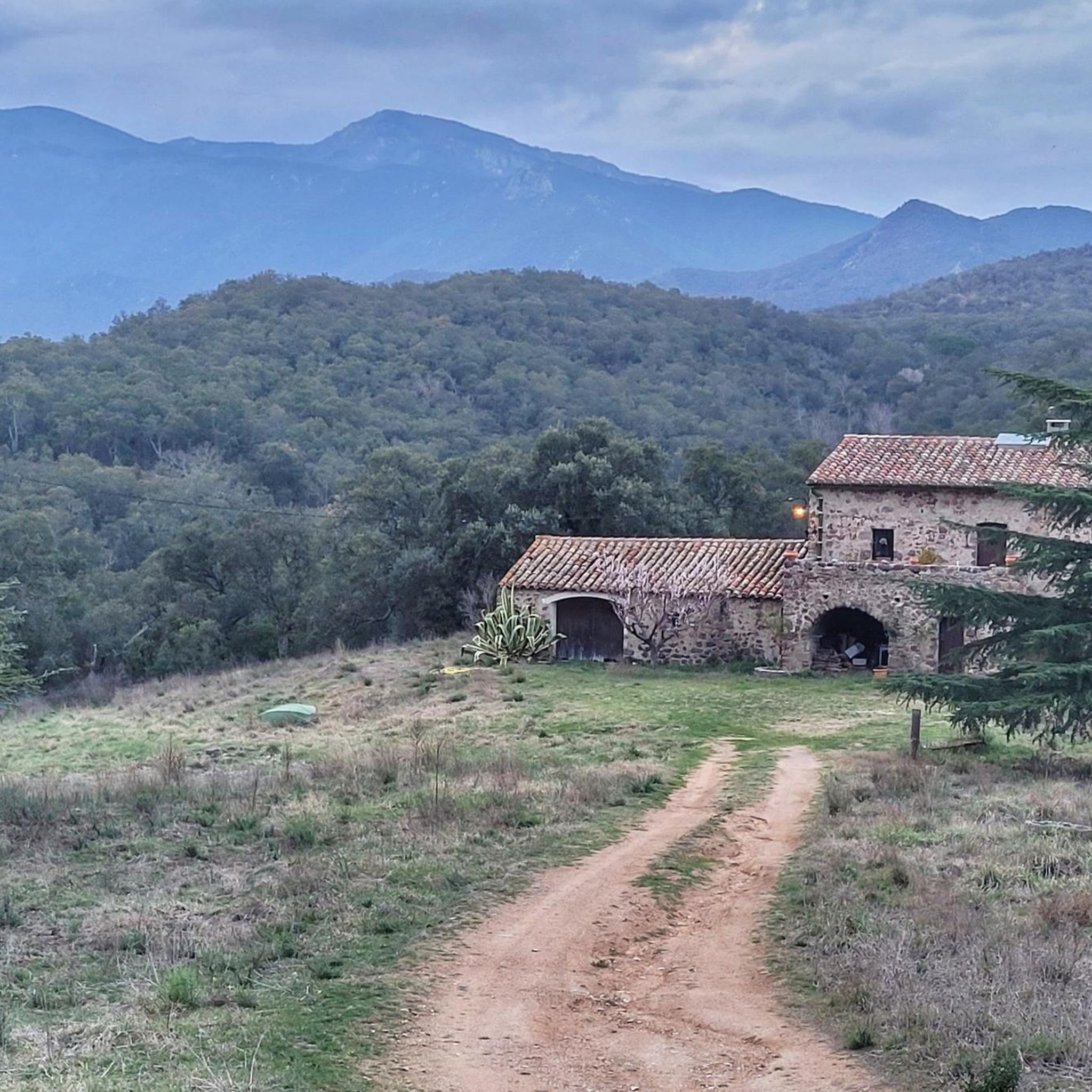
Chalet of the Albère
Highlight • Other
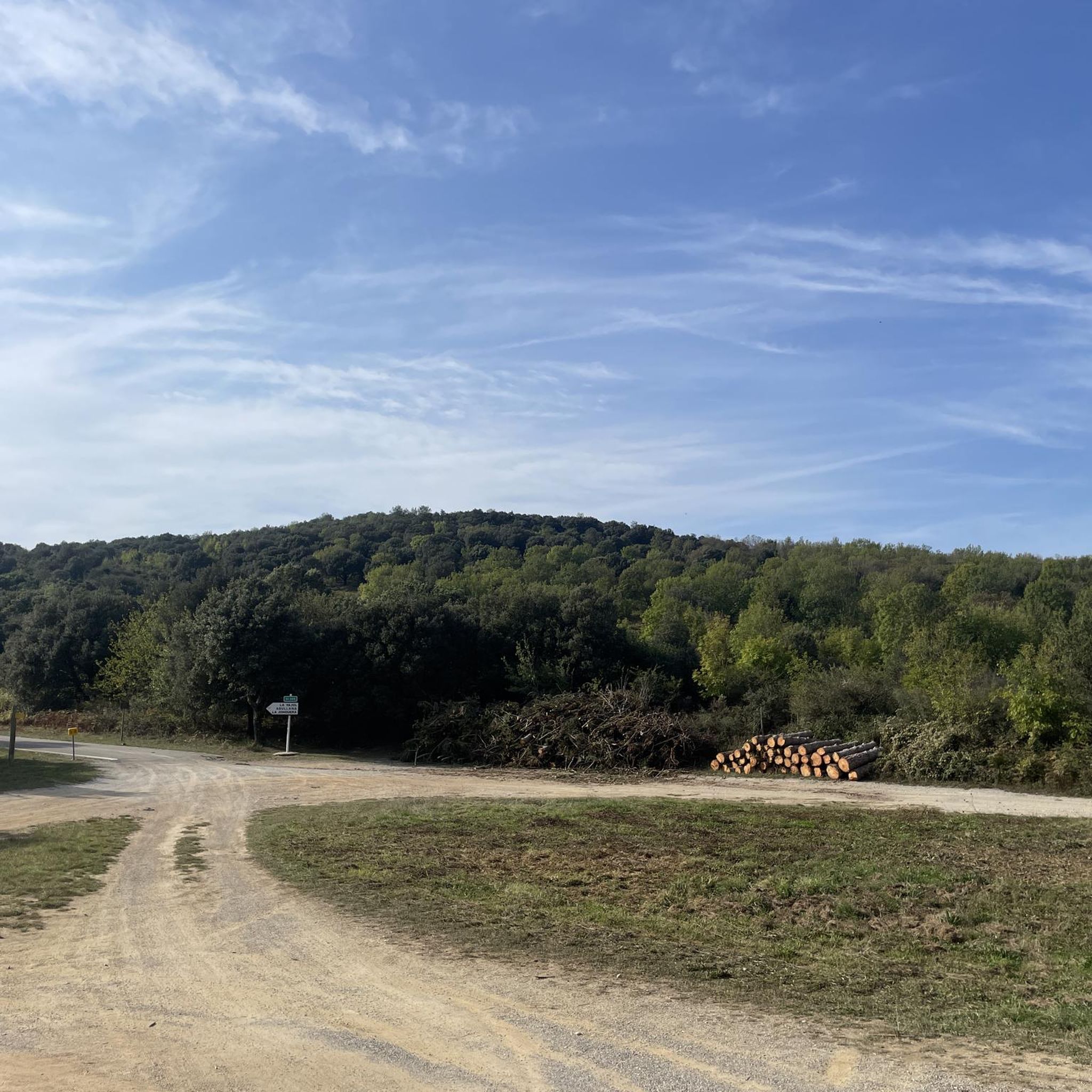
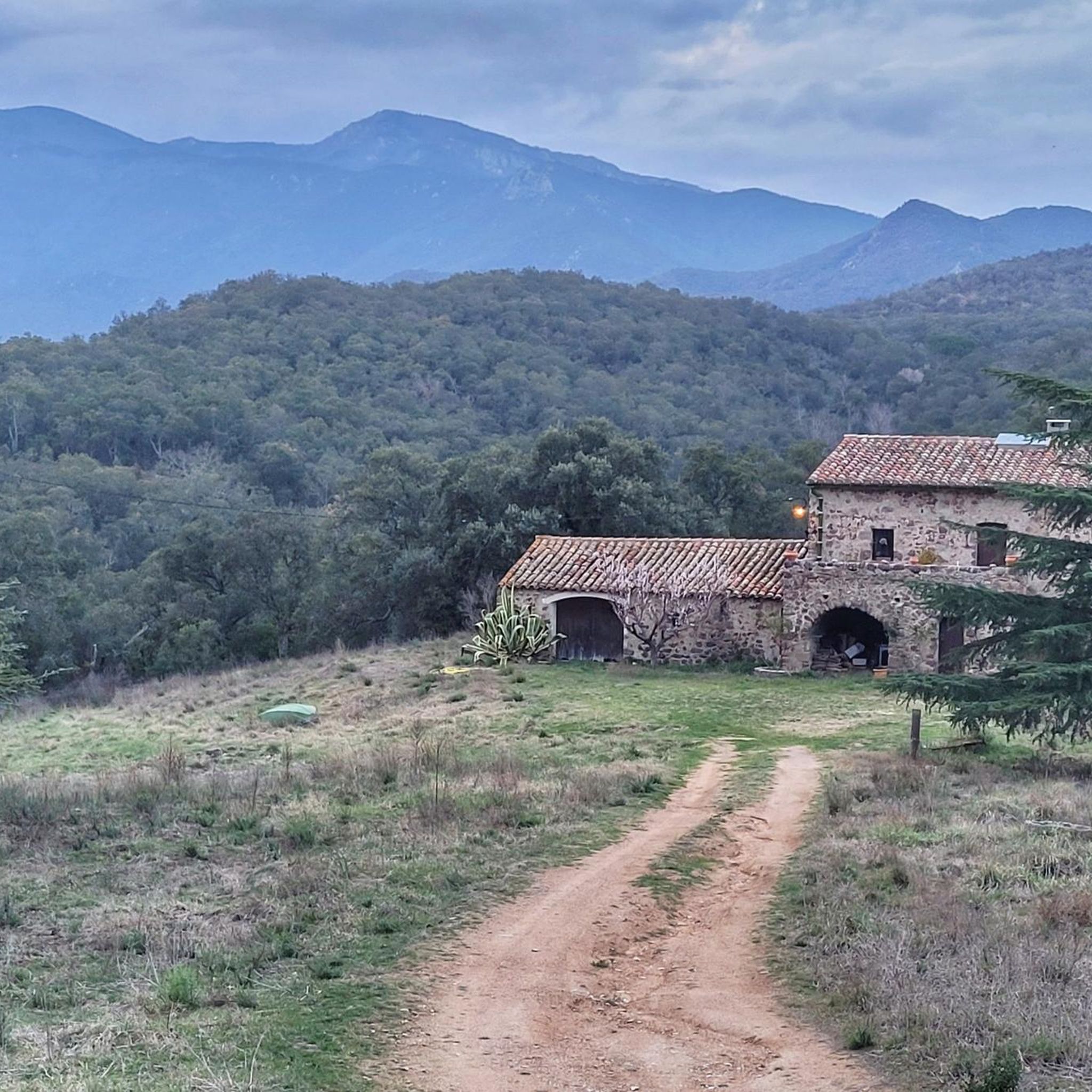
Its privileged location at the Col de l'Ouillat offers a breathtaking setting and panoramic view.
Translated by Google •
Tip by

Old Bridge of Pont de Molins
Highlight • Bridge
Near the church there is a small group of houses from the 17th and 18th centuries. The parish church of San Sebastián was completed in 1789, a date that appears on the door lintel.
A few meters north of the canonical church of El Roble, is the sanctuary of the Virgen del Roble (17th century). We find the ruins of the monastery of Santa Maria del Roure 1 km north of Molins, at the top of a hill. It is worth highlighting the parish church of San Sebastián (18th century), and, near the Muga, in different places in the area, remains of old mills, the best preserved of those found to the left of the river, between Pont de Molins and Molins.
Molins Castle is located in front of the Molins neighborhood. Several elements remain, such as the tower, walls and the remains of its Romanesque chapel. It was part of the defensive system of Llers (the term to which it belonged) and was one of the eleven castles that surrounded this town. It is known for the Buac tower. In this half-destroyed castle there are remains from the 11th-12th centuries.
Translated by Google •
Tip by

Sign up now to discover places like this
Get recommendations on the best single tracks, peaks, & plenty of other exciting outdoor places.
Sign up for free
Devil's bridge
Highlight • Bridge
Translated by Google •
Tip by

Douglas DC-6 crash site (1986)
Highlight • Monument
Translated by Google •
Tip by

Ascent to Coll de Banyuls from Espolla
Highlight (Segment) • Mountain Pass
Translated by Google •
Tip by
Sign up for free to discover even more attractions around Agullana.
Sign up for free
Already have an account?
Start today with a free account
Your next adventure awaits.
Login or Signup

Tips from the Community

Beautiful route and a great view
0
0

In a movie they always just make it to the top, how unlucky this crew was, so close to the top and just missing out.
6
0

The Tech River rises in the Canigou massif in the Pyrénées-Orientales, France, at an altitude of around 2,500 metres. It runs for approximately 84 km through the Vallespir and Roussillon, passing through towns such as Prats-de-Mollo, Céret and Le Boulou, before flowing into the Mediterranean Sea near Argelès-sur-Mer. The Tech is a Mediterranean river, with irregular flows that depend on seasonal rainfall and snowmelt. It is essential for agricultural irrigation and the ecosystem of the region.
1
0
It spans the Tech River and has become a symbol of both the city and medieval engineering. It was built in the early 14th century, between 1321 and 1341, and is one of the finest examples of medieval architecture in the region. In its time, it was considered a masterpiece of engineering.
1
0
Pont du Diable, a single arch of 45 metres, standing out for its age and grandeur.
1
0
The refuge is surrounded by lush nature, with beech and oak forests, and is an excellent place to observe the local fauna and flora. It is also a strategic point for those who wish to explore the biodiversity and natural heritage of the Albera mountain range.
1
0
The refuge can be reached on foot from various points in the region, and is accessible via several hiking trails that cross the forests and hills of the Albera. It is a starting or resting point for those exploring the Puig Neulós or hiking through the Eastern Pyrenees.
1
0
The shelter offers basic accommodation, with bunk beds and essential services for hikers. It is an ideal place to rest during long hiking routes. It also has a kitchen and a dining room where visitors can prepare their meals.
1
0
Frequently Asked Questions
What natural features can I explore around Agullana?
Agullana is nestled within the Albera Massif, offering abundant forests of cork, holm oak, and chestnut trees, ideal for outdoor activities. You can also discover monumental trees, some with trunks exceeding 7 meters in thickness. The municipality is also close to the Salines-Bassegoda Nature Reserve, providing further opportunities to enjoy picturesque landscapes.
What historical and cultural sites are worth visiting in Agullana?
Agullana boasts a rich history. You can visit the iconic Church of Santa Maria d'Agullana, an 11th-12th century Romanesque church, or the Romanesque Hermitage of Santa Eugènia d'Agullana, set within a cork oak forest. The town also features several modernist buildings like Chalet Parellada and Can Vidal, reflecting its prosperous cork industry era. Don't miss the prehistoric Megalithic Complex of Agullana and the Necropolis of Can Bec de Baix.
What outdoor activities can I do near Agullana's attractions?
The region around Agullana is excellent for various outdoor activities. You can find numerous trails for hiking, including moderate routes like "Las Illas – Manrella Pass loop from la Vajol." For cyclists, there are road cycling routes such as the "Small Variant Over the Muga" and MTB trails like the "Darnius-Boadella Reservoir loop from Darnius." The Albera Massif and Salines-Bassegoda Nature Reserve offer scenic backdrops for these activities.
Where can I find ancient megalithic sites in Agullana?
Agullana is known for its megalithic heritage. You can explore the Megalithic Complex of Agullana, which includes two dolmens—the Dolmen of the Barraca del Lladre and the Llosa de la Jaça d'en Torrent—and two menhirs: Pedra Dreta (Roc del Frare) and Menhir dels Palaus. These ancient monuments are located in the forests of the Serra de Comunera. Additionally, the Necropolis of Can Bec de Baix is another significant prehistoric megalithic site.
Are there any family-friendly attractions in the Agullana area?
Yes, several attractions are suitable for families. The Old Bridge of Pont de Molins is a historical site that can be enjoyed by all ages. The Church of Sant Llorenç de la Muga is also listed as family-friendly. Beyond specific sites, the natural landscapes of the Albera Massif offer gentle walking paths and opportunities for outdoor exploration that families can enjoy together.
What is the significance of the cork industry in Agullana?
Agullana played a crucial role in the cork industry, believed to be one of the first towns to process cork around 1750. At its peak in the early 20th century, the town housed up to 40 cork factories. This prosperous era left its mark on the town's architecture, with several modernist buildings serving as reminders of this important historical period.
Can I find any unique architectural sites in Agullana?
Absolutely. Agullana features a collection of modernist buildings, including Chalet Parellada, Estela, Can Vidal, the Gomis asylum, and Concòrdia café. These structures showcase the town's architectural heritage from its prosperous cork industry days. Additionally, the 11th-12th century Church of Santa Maria d'Agullana and the Romanesque Hermitage of Santa Eugènia d'Agullana offer historical architectural interest.
What do visitors enjoy most about the attractions around Agullana?
Visitors particularly appreciate the panoramic views from summits like Puig Saint-Christau Summit, which offers real sensations of altitude and splendid vistas of the Canigou and the sea. The historical significance of sites like the Old Bridge of Pont de Molins and the well-preserved medieval walled enclosure of the Church of Sant Llorenç de la Muga are also highly valued. The blend of natural beauty and rich history makes the area appealing.
Are there any bridges of historical interest near Agullana?
Yes, the Old Bridge of Pont de Molins is a significant historical work over the Muga River, dating back to the 16th century. It is protected as a cultural asset and is a central feature of the town of Pont de Molins. Another notable bridge is the Devil's bridge, a single-arch structure spanning the Tech River, known for its age and grandeur as a masterpiece of medieval engineering.
What is the best time to visit Agullana for outdoor activities?
The region's mountainous terrain and diverse landscapes, particularly within the Albera Massif, make it suitable for outdoor activities year-round. The changing landscapes depending on the season offer different experiences. For hiking, spring and autumn generally provide pleasant temperatures. Summer can be warm but is ideal for enjoying the natural pools in the Muga river, while winter offers a different, often quieter, perspective of the forests.
Are there any viewpoints or summits offering scenic views?
Yes, the Puig Saint-Christau Summit is a popular highlight known for its panoramic views. From the summit, you can enjoy splendid vistas of the Canigou mountain on one side and the sea on the other. The approach to the summit is forested, contrasting with the more rocky and alpine peak, making for a rewarding experience.
Most popular routes around Agullana
Most popular attractions around Agullana

Get inspired with the komoot mobile app


Explore more
Still not found the Highlight you’re looking for? See guides of the top attractions in other regions:
