Attractions and Places To See around Roubaix - Top 20
Best attractions and places to see around Roubaix encompass a diverse range of sites, reflecting its industrial heritage and cultural revitalization. The city offers notable landmarks, natural features, and cultural sites. Visitors can explore a mix of historical architecture, green spaces, and artistic venues.
Best attractions and places to see around Roubaix
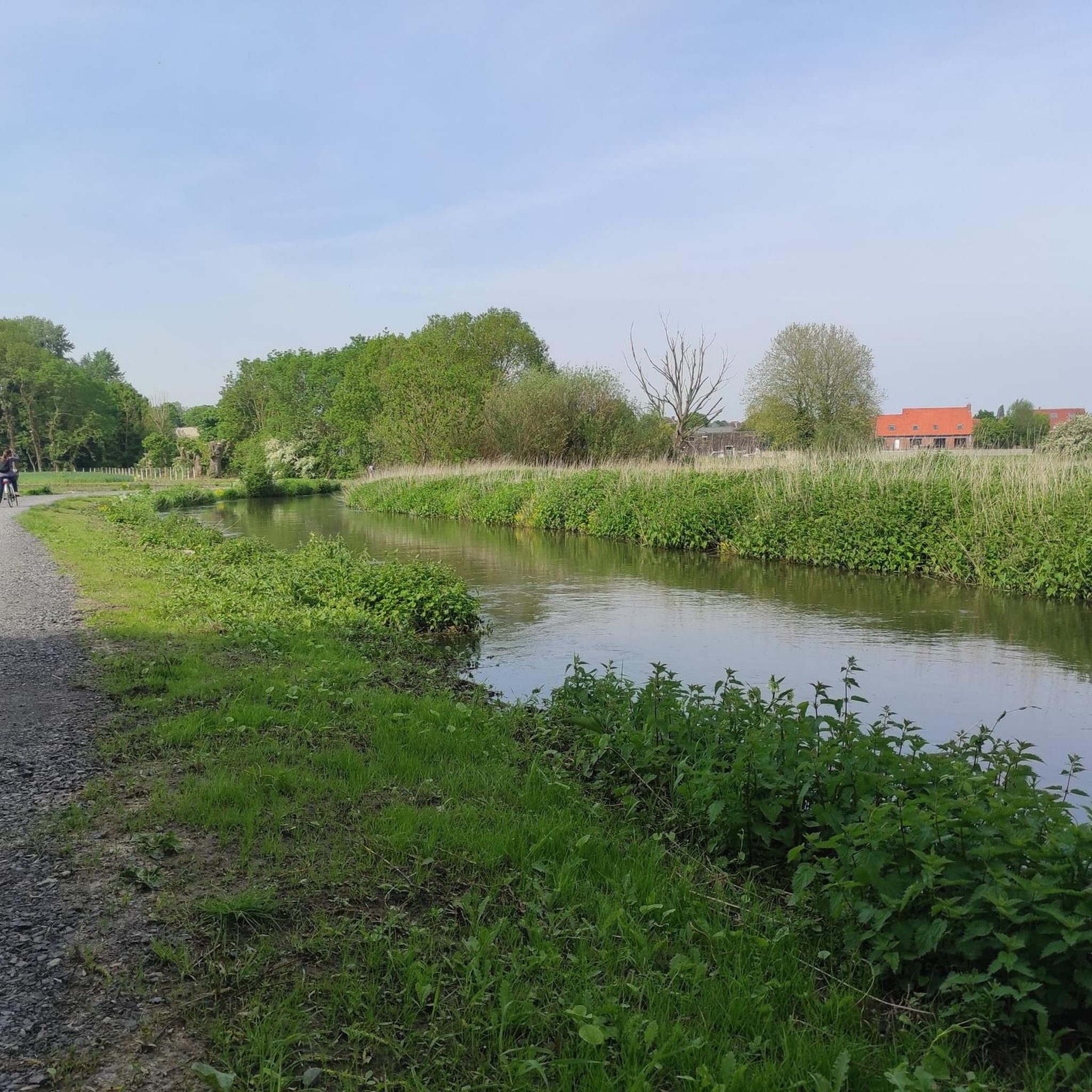
- The most popular attractions is Port of Wambrechies, a river that is a quiet and peaceful place to visit. It is located close to the church, the castle of Robersart, and a distillery.
- Another must-see spot is Roubaix Velodrome, a man-made monument. This open cycle track has a long history and serves as the finish line for the Paris-Roubaix cycling race.
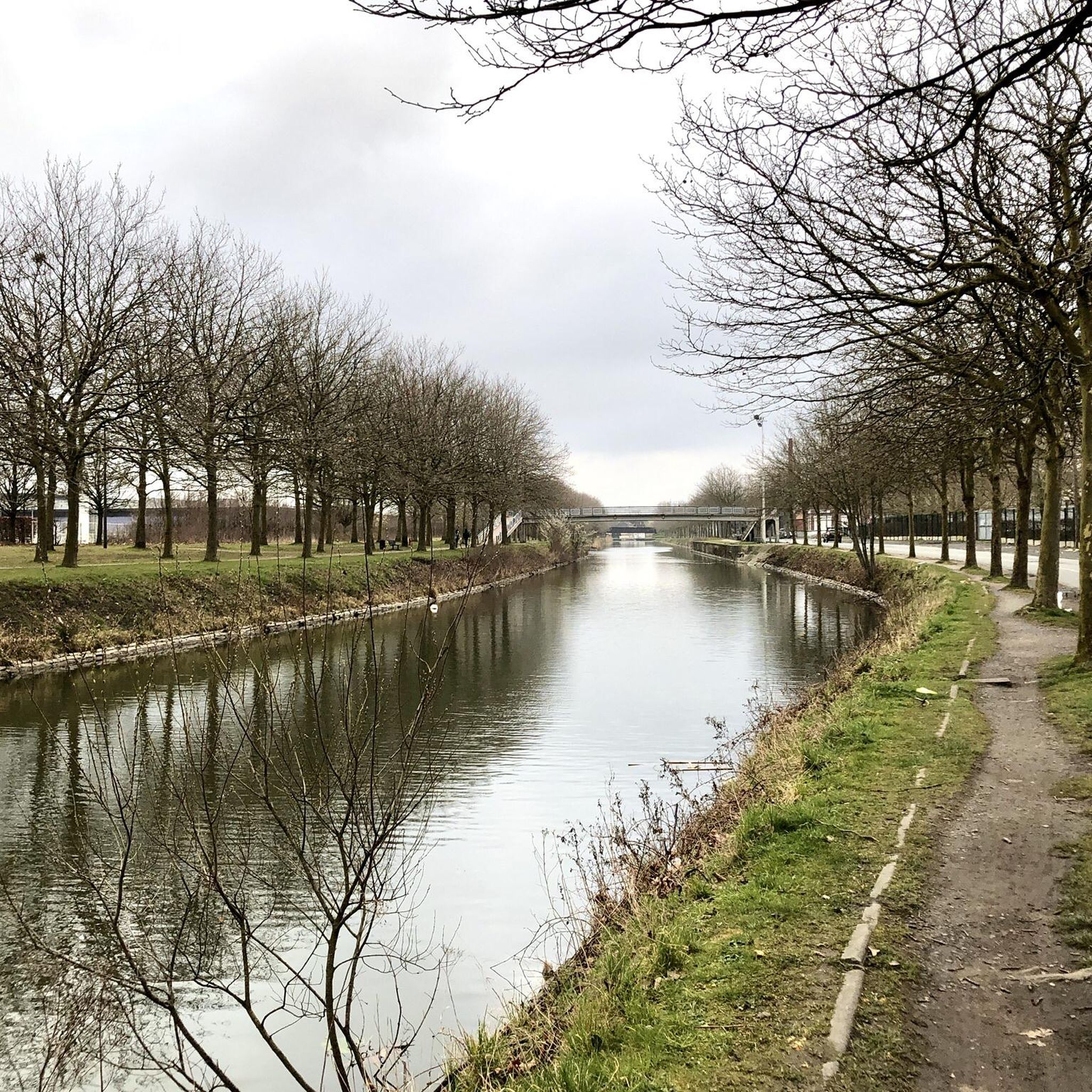
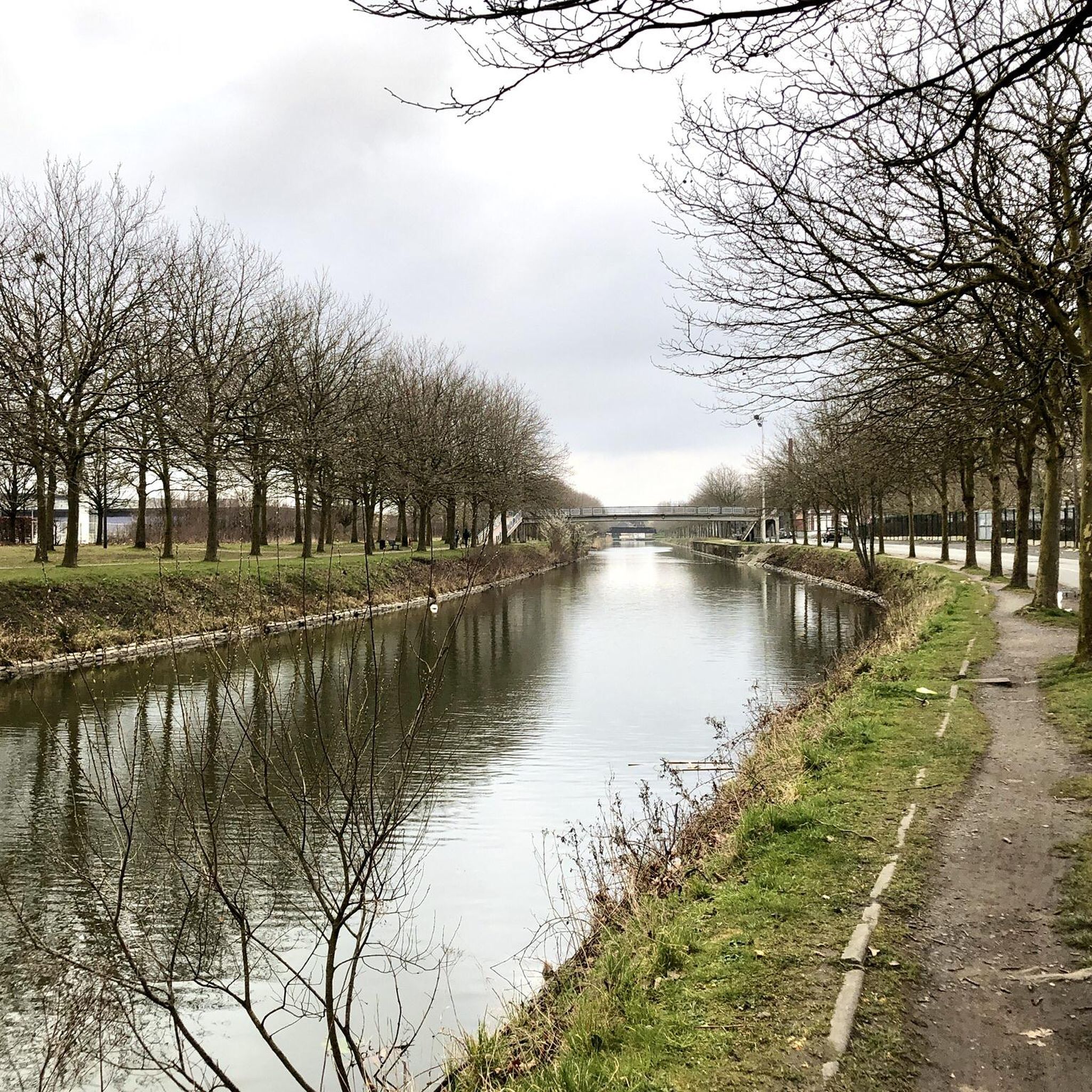
- Visitors also love Espierres Canal, a river that lies between the French border and the Scheldt. It was originally built to connect the Deûle with the Scheldt.
- Roubaix is known for its industrial heritage, cultural sites, and natural features. The region offers a variety of attractions to see and explore, from museums in former factories to urban parks and canals.
- The attractions around Roubaix are appreciated by the komoot community, with more than 700 upvotes and over 40 photos shared.
Last updated: August 16, 2026
Port of Wambrechies
Highlight • River
Translated by Google •
Tip by

Belgium–France Border on the Canal de Roubaix
Highlight • Monument
Translated by Google •
Tip by

Sign up now to discover places like this
Get recommendations on the best single tracks, peaks, & plenty of other exciting outdoor places.
Sign up for free
Roubaix Velodrome
Highlight • Monument
Translated by Google •
Tip by

Espierres Canal
Highlight (Segment) • River
Translated by Google •
Tip by

Old Stock Exchange of Lille
Highlight • Historical Site
The tower features a gold-colored Mercury (the god of trade) and the facade looks rich due to the combination of red brick with white natural stone, lavishly decorated with fruit, horns of plenty, medallions and other ornaments.
It is a successful calling card of (Baroque) Flemish architecture in the 17th century.
Translated by Google •
Tip by

Sign up for free to discover even more attractions around Roubaix.
Sign up for free
Already have an account?
Start today with a free account
Your next adventure awaits.
Login or Signup

Other adventures around Roubaix

Tips from the Community

Smooth tarmac, but be carefull as nothing will stop you to fall into the canal, particularly for new skateboarders. One part of the track is halas closed for some months now.
0
0

The Roubaix Canal, or the Espierres Canal, as it's called in French or Belgian, forms part of the link between the Deûle River in France and the Scheldt River in Belgium. In 1843, the two canals were connected between Leers, France, and Leers-Nord, Belgium. Despite damage sustained during the two world wars, the canal was the pinnacle of the region's textile industry for over a hundred years, transporting coal from Belgium to numerous French factories. In Leers-Nord, Belgium, the workers who pulled the coal-laden barges were called "satcheux" (sailors). Next to the lock keeper's house, a stone's throw from France, the crossing point between France and Belgium, a customs guardhouse was built. Customs officers were present to inspect the numerous goods transported by barge. After the decline of the textile industry in the 1970s and 1980s, the canal gradually lost its usefulness and was closed to shipping in 1983. In the early 2000s, the canal was the subject of a cross-border rehabilitation project to allow tourist boats to pass through again. As part of the Interreg Blue Links project, a collaboration between France, Flanders, and Wallonia, it was flooded again. The final works were completed in 2011, and navigation reopened. Since the early 20th century, the Roubaix/Espierres Canal has been a place of conviviality, walking, and fishing for cross-border residents and commuters. Consequently, strong public opposition has arisen to the plan to convert the canal into a motorway. Source: www.caue-nord.com
3
0

Super nice, and go inside the courtyard, you have old book sellers there.
2
0

For a cycling tourist, the arrival at the Roubaix velodrome is also a great moment. Even after dozens of times!
5
0
For the legend this race is, and how normal in fact the velodrome is...
4
0

Built between 1652 and 1653, this former stock exchange is a jewel of Flemish architecture. It is made up of 24 identical houses surrounding an interior courtyard where book sellers and tango demonstrations take place today in summer.
3
0

A very famous part of the Paris/Roubaix cycling race
6
1
Frequently Asked Questions
What are some must-see historical and cultural sites in Roubaix?
Roubaix is rich in history and culture. A highlight is Roubaix Velodrome, famous as the finish line for the Paris-Roubaix cycling race. You should also visit La Piscine - Musée d'Art et d'Industrie André Diligent, housed in a stunning Art Deco swimming pool, and the Hôtel de Ville with its impressive facade depicting the city's wool trade history. For industrial heritage, explore La Manufacture des Flandres, a textile museum in a former weaving factory, or La Condition Publique, a restored wool warehouse now a cultural center.
Where can I find green spaces and natural features in Roubaix?
For nature and relaxation, visit Parc Barbieux, a magnificent urban park spanning 34 hectares with waterfalls, rock gardens, and serene lakes. The Espierres Canal (also known as Canal de Roubaix) offers charming waterside settings perfect for walks or bike rides, connecting to the Belgium–France Border on the Canal de Roubaix.
Are there family-friendly attractions in Roubaix?
Yes, Roubaix offers several family-friendly options. Parc Barbieux is ideal for a day out with its open spaces and playgrounds. The Port of Wambrechies is a quiet and peaceful place to visit, often enjoyed by families. Many museums, like La Piscine, also offer engaging experiences for various age groups. Exploring the Canal de Roubaix by bike or on foot is another great family activity.
What outdoor activities can I do near Roubaix?
Roubaix and its surroundings are excellent for outdoor activities, especially cycling and walking. You can find numerous routes for gravel biking, running, and road cycling. For instance, explore routes like the 'Canal de Roubaix – La Marque Canal Towpath loop' for gravel biking or the 'Barbieux Park, Roubaix – The monument to Gustave Nadaud loop' for running. You can find more detailed routes and guides for these activities on the Gravel biking around Roubaix, Running Trails around Roubaix, and Road Cycling Routes around Roubaix guide pages.
Where can I go for a walk or bike ride along a canal?
The Espierres Canal, which extends into the Canal de Roubaix, provides a beautiful setting for walks and bike rides. It features a renovated towpath and offers scenic views, connecting France and Belgium. You can even cycle across the Belgium–France Border on the Canal de Roubaix.
What is the best time to visit Roubaix for outdoor attractions?
The best time to visit Roubaix for outdoor attractions is generally during the spring (April to June) and early autumn (September to October). During these months, the weather is typically mild and pleasant, ideal for exploring parks, canals, and cycling routes. Summer can also be enjoyable, though it can get warmer.
Are there any unique or 'hidden gem' attractions in Roubaix?
Beyond the main highlights, Roubaix offers some unique spots. The Villa Cavrois, a masterpiece of modernist architecture by Robert Mallet-Stevens, is a short distance away. The Roubaix Cemetery is considered a peaceful haven and an open-air museum due to its ornate tombstones. Also, keep an eye out for the dynamic street art scene found throughout the city, particularly around L'Usine and old mill facades.
What do visitors enjoy most about the attractions around Roubaix?
Visitors particularly appreciate the blend of industrial heritage and cultural revitalization. The unique setting of La Piscine museum, the historical significance of the Roubaix Velodrome, and the peaceful ambiance of Parc Barbieux and the canals are frequently praised. Many also enjoy the opportunity for cycling and walking along the waterways, especially the Espierres Canal.
Can I find shopping opportunities in Roubaix?
Yes, Roubaix is known for its shopping. You can visit McArthurGlen Roubaix or L'Usine Roubaix, which was France's first factory outlet, housed in a former spinning mill. For a taste of local life and fresh produce, the vibrant Market Halls of Roubaix are also worth exploring.
What is the 'Brick Thread' in Roubaix?
The 'Brick Thread' (Le Chemin de Briques) is a self-guided trail that allows visitors to discover Roubaix's rich industrial and cultural heritage at their own pace. It connects key sights such as the train station, the Town Hall, La Piscine, and the Motte Bossut Factory, offering a comprehensive overview of the city's history and architecture.
Are there any notable churches or religious buildings to visit?
Roubaix features several historic religious buildings. The Église Saint-Martin is the oldest, dating back to the ninth century and rebuilt in the 15th-16th centuries, featuring paintings by Watteau. The neo-Gothic Église Saint-Joseph, built in the late 19th century, is another listed building of interest.
Where can I find information about cycling events or history in Roubaix?
The Roubaix Velodrome is the ultimate destination for cycling enthusiasts. It's not only the finish line for the legendary Paris-Roubaix race but also a place where cycling history was made. You can visit the velodrome and learn about its significance in the world of professional cycling.
Most popular routes around Roubaix

Get inspired with the komoot mobile app


Explore more
Still not found the Highlight you’re looking for? See guides of the top attractions in other regions:
