The best gravel rides around Roubaix
4.5
(765)
3,653
riders
13
rides
Gravel biking around Roubaix offers a diverse landscape characterized by flat to gently rolling terrain, extensive canal networks, and significant urban green spaces. The region is notable for its historic cobbled sections, known as pavé, which present a unique challenge for cyclists. Canal towpaths provide accessible and flatter routes, while areas like the Pévèle Carembault region feature rural landscapes suitable for mixed-surface riding.
Best gravel bike trails around Roubaix
- The most popular gravel bike trail is Port of Wambrechies –…
Last updated: October 19, 2026
10
riders
118km
06:30
420m
420m
Hard gravel ride. Very good fitness required. You may need to push your bike for some segments of this route.
4.3
(4)
11
riders
35.0km
02:04
180m
180m
Moderate gravel ride. Good fitness required. Mostly paved surfaces. Suitable for all skill levels.

11
riders
88.2km
04:30
210m
210m
Moderate gravel ride. Good fitness required. Mostly paved surfaces. Suitable for all skill levels.
5.0
(2)
9
riders
40.2km
02:16
160m
160m
Moderate gravel ride. Good fitness required. Mostly paved surfaces. Suitable for all skill levels.
11
riders
Easy gravel ride. Great for any fitness level. Mostly paved surfaces. Suitable for all skill levels.
Get access to more routes and recommendations from other explorers.
Already have an account?
Our route recommendations are based on thousands of hikes, rides, and runs completed by other people on komoot.
Start today with a free account
Your next adventure awaits.
Other adventures around Roubaix

Tips from the Community

This place is magnificent. Be careful though as some portions are not allowed for 2-wheelers, especially the upper portion near the nature relay. Happy riding everyone! 🙂
0
0


***** a journey of discovery through beautiful nature
0
0

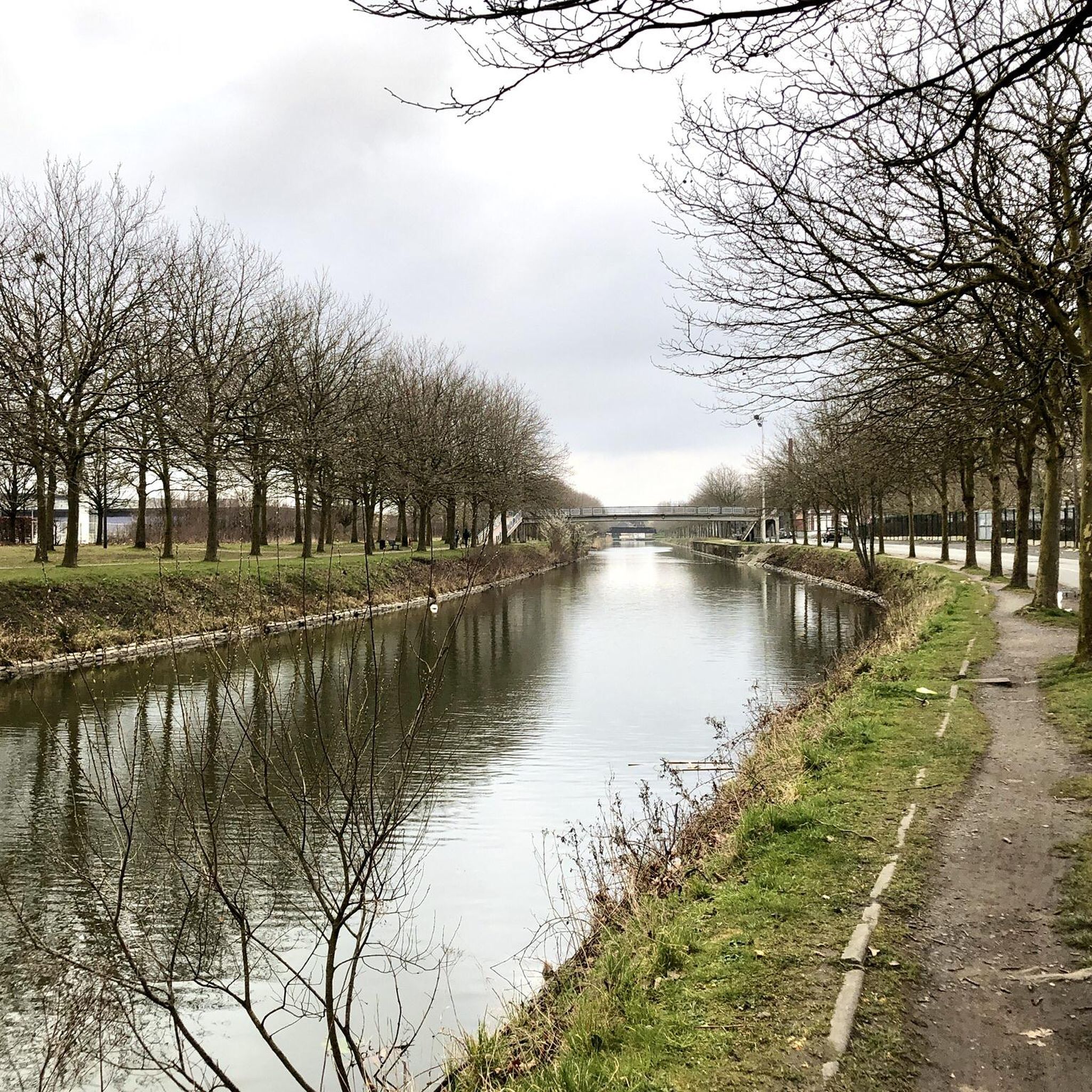
The Canal de Roubaix connects the Deûle River to the Scheldt via the Espierres Canal. Plans for this canal date back to 1821, and it was deemed necessary to supply water and coal to the rapidly developing textile industries in Roubaix and Tourcoing. The first section of the canal begins at the Deûle and includes the canalization of part of the Marque River. This section opened in 1831. The connection from Roubaix to the Belgian-French border was also completed in 1843. The section through Belgium to the Scheldt, the Espierres Canal, was also opened at that time. A watershed existed between the two sections of the canal (between the Lys and the Scheldt), and a tunnel was planned, but this led to difficulties and delays. Therefore, an alternative route was chosen further north, also serving Tourcoing. This more northerly section opened in 1877. A branch of this section of the canal is the Canal de Tourcoing. This was completed in 1893. In 1985, the canal was closed due to dilapidated infrastructure. However, it was restored as an industrial heritage site and reopened to shipping in 2010. The canal is 20 km long and has 12 locks. Source: Wikipedia
3
0
The Roubaix Canal, or the Espierres Canal, as it's called in French or Belgian, forms part of the link between the Deûle River in France and the Scheldt River in Belgium. In 1843, the two canals were connected between Leers, France, and Leers-Nord, Belgium. Despite damage sustained during the two world wars, the canal was the pinnacle of the region's textile industry for over a hundred years, transporting coal from Belgium to numerous French factories. In Leers-Nord, Belgium, the workers who pulled the coal-laden barges were called "satcheux" (sailors). Next to the lock keeper's house, a stone's throw from France, the crossing point between France and Belgium, a customs guardhouse was built. Customs officers were present to inspect the numerous goods transported by barge. After the decline of the textile industry in the 1970s and 1980s, the canal gradually lost its usefulness and was closed to shipping in 1983. In the early 2000s, the canal was the subject of a cross-border rehabilitation project to allow tourist boats to pass through again. As part of the Interreg Blue Links project, a collaboration between France, Flanders, and Wallonia, it was flooded again. The final works were completed in 2011, and navigation reopened. Since the early 20th century, the Roubaix/Espierres Canal has been a place of conviviality, walking, and fishing for cross-border residents and commuters. Consequently, strong public opposition has arisen to the plan to convert the canal into a motorway. Source: www.caue-nord.com
3
0

Former railway line. There are numerous marked crossings for crossing the roads. Beware of blind spots which may conceal the approach of a car.
0
0

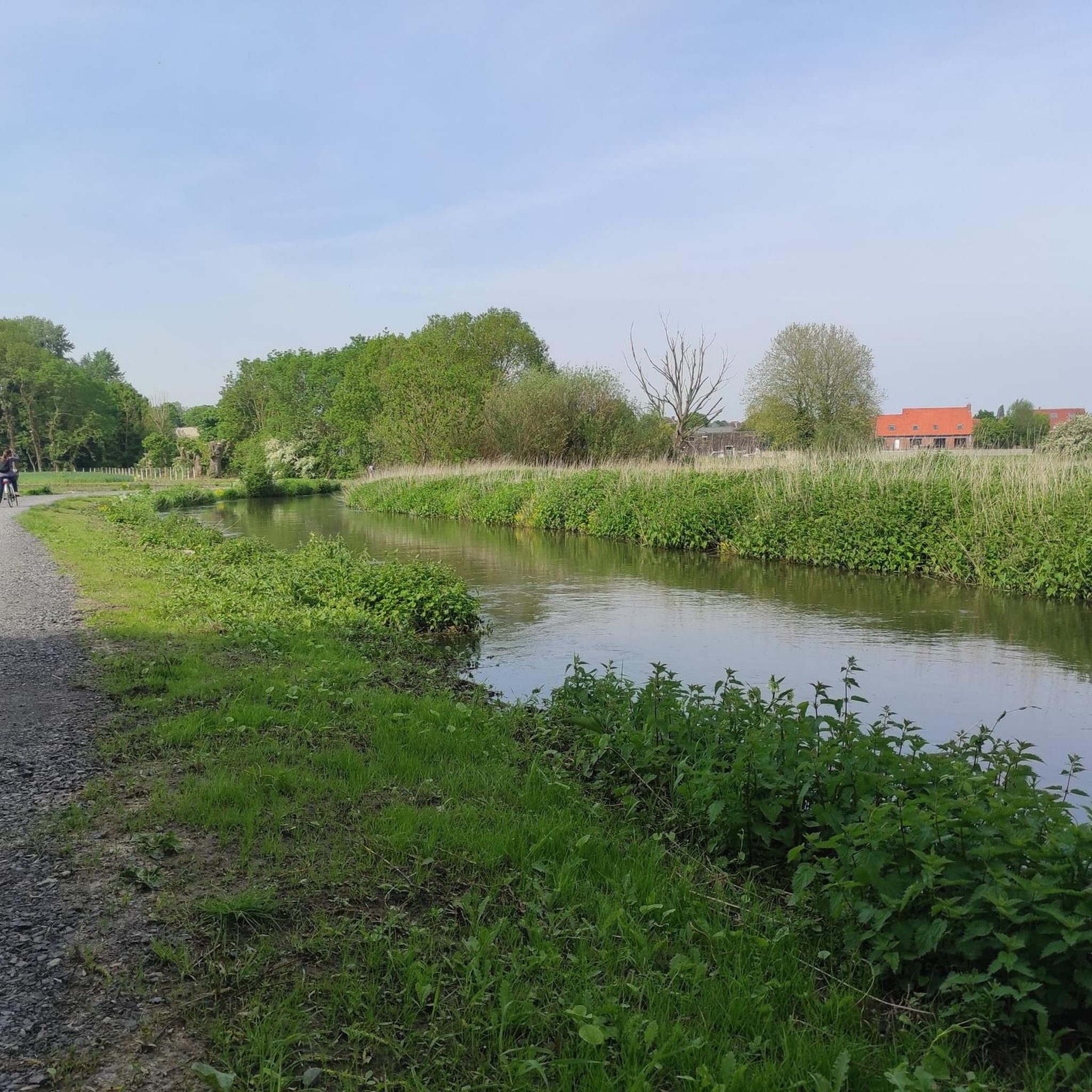
Enjoy nature instead of the hustle and bustle.
0
0

Bad tarmac for inline skaters or longboarders. It is so much better along the Lys.
0
0
Frequently Asked Questions
What types of gravel bike trails can I expect around Roubaix?
Roubaix offers a diverse range of gravel biking experiences. You'll find routes that navigate tranquil canal towpaths, providing accessible and flatter rides, as well as paths that incorporate the region's historic cobbled sections (pavé) for a more challenging experience. The surrounding areas, like the Pévèle Carembault region, also feature rural landscapes suitable for mixed-surface riding.
How many gravel bike trails are available in the Roubaix area?
There are over 20 gravel bike trails available around Roubaix, catering to various skill levels. The komoot community has explored more than 2,900 gravel biking tours in the region, highlighting its popularity among cyclists.
Are there easy gravel bike trails suitable for beginners or families in Roubaix?
Yes, Roubaix has several easy gravel bike trails perfect for beginners or family outings. Many of these routes follow the serene canal networks, offering flat and accessible paths. An excellent example is the Port of Wambrechies – La Marque Canal Towpath loop from Épeule - Montesquieu, an easy 18.3-mile (29.5 km) path that navigates along the region's canals.
What are some notable landmarks or attractions I can see while gravel biking in Roubaix?
While gravel biking around Roubaix, you can encounter several interesting landmarks. The historic Roubaix Velodrome, the finish line of the Paris-Roubaix race, is a significant cycling landmark. You might also pass by the Port of Wambrechies or the Belgium–France Border on the Canal de Roubaix. The region's extensive canal networks, such as the Canal de Roubaix and Espierres Canal, are also prominent features.
Are there any circular gravel bike routes around Roubaix?
Yes, many of the gravel routes in Roubaix are designed as loops, allowing you to start and finish at the same point. For instance, the Canal de Roubaix – La Marque Canal Towpath loop from Croix l'Allumette is a popular 9.7-mile (15.6 km) circular trail that takes you through scenic canal-side landscapes.
What is the best time of year for gravel biking in Roubaix?
The best time for gravel biking in Roubaix is generally during the spring and autumn months when the weather is milder and more predictable. Spring offers the iconic Paris-Roubaix atmosphere, while autumn provides pleasant temperatures and beautiful scenery. While summer can be good, it can also be hot. Winter riding is possible, but conditions on the pavé sections can be more challenging due to mud or ice.
Can I find longer distance gravel routes near Roubaix?
Absolutely. For those looking for longer rides, Roubaix and its surroundings offer extended routes. The Marque Trail – Val de Marque Greenway loop from Eurotéléport is a good option, covering nearly 37 miles (59 km) and offering a moderate challenge through varied terrain.
What do other gravel bikers say about the trails in Roubaix?
The gravel biking routes in Roubaix are highly regarded by the komoot community, with an impressive average rating of 4.5 stars from over 500 reviews. Riders often praise the unique blend of historic cycling challenges, like the pavé, with the serene beauty of the canal towpaths and urban green spaces.
Are there any gravel routes that pass through green spaces or parks?
Yes, Roubaix's gravel routes often incorporate its significant green spaces. Parc Barbieux, known as one of France's most beautiful urban parks, features winding paths and lush scenery, making it an ideal spot for leisurely rides. You can also find routes like the Bois Leurent Park – Greenway Tourcoing - Halluin loop from Mercure, which integrates parkland and greenways into the cycling experience.
Is public transport available to access gravel trails around Roubaix?
Roubaix has a well-developed public transport network, including trams and buses, which can help you access various starting points for gravel trails. Many routes, especially those along the canals, are often accessible from urban areas or near public transport stops. It's advisable to check local transport maps for specific access points.
Where can I find parking for gravel biking routes in Roubaix?
Parking is generally available in and around Roubaix, particularly near urban parks, canal access points, or village centers in the surrounding Pévèle Carembault region. For specific routes, it's recommended to check the starting point on komoot for details on nearby parking facilities, which are often indicated by other users.
Are there challenging gravel routes for experienced riders in Roubaix?
While many routes are easy to moderate, the presence of historic cobbled sections (pavé) offers a unique challenge for experienced gravel bikers. These sections, famously part of the Paris-Roubaix race, demand skill and endurance. Routes that incorporate these elements, often found in the Pévèle Carembault region, provide a more demanding ride.
Most popular attractions around Roubaix

Get inspired with the komoot mobile app


Explore more
Browse the best Gravel rides in other regions.
