Attractions and Places To See around Antibes - Top 20
Best attractions and places to see around Antibes include a diverse range of historical landmarks, cultural sites, and natural features along the French Riviera. The region offers a blend of ancient architecture, art, and Mediterranean coastal landscapes. Visitors can explore a variety of environments, from fortified towns to botanical gardens and extensive coastal paths. This area provides numerous opportunities for exploration across its varied terrain.
Best attractions and places to see around Antibes
- The most popular attractions is Littoral Trail…
Last updated: October 9, 2026
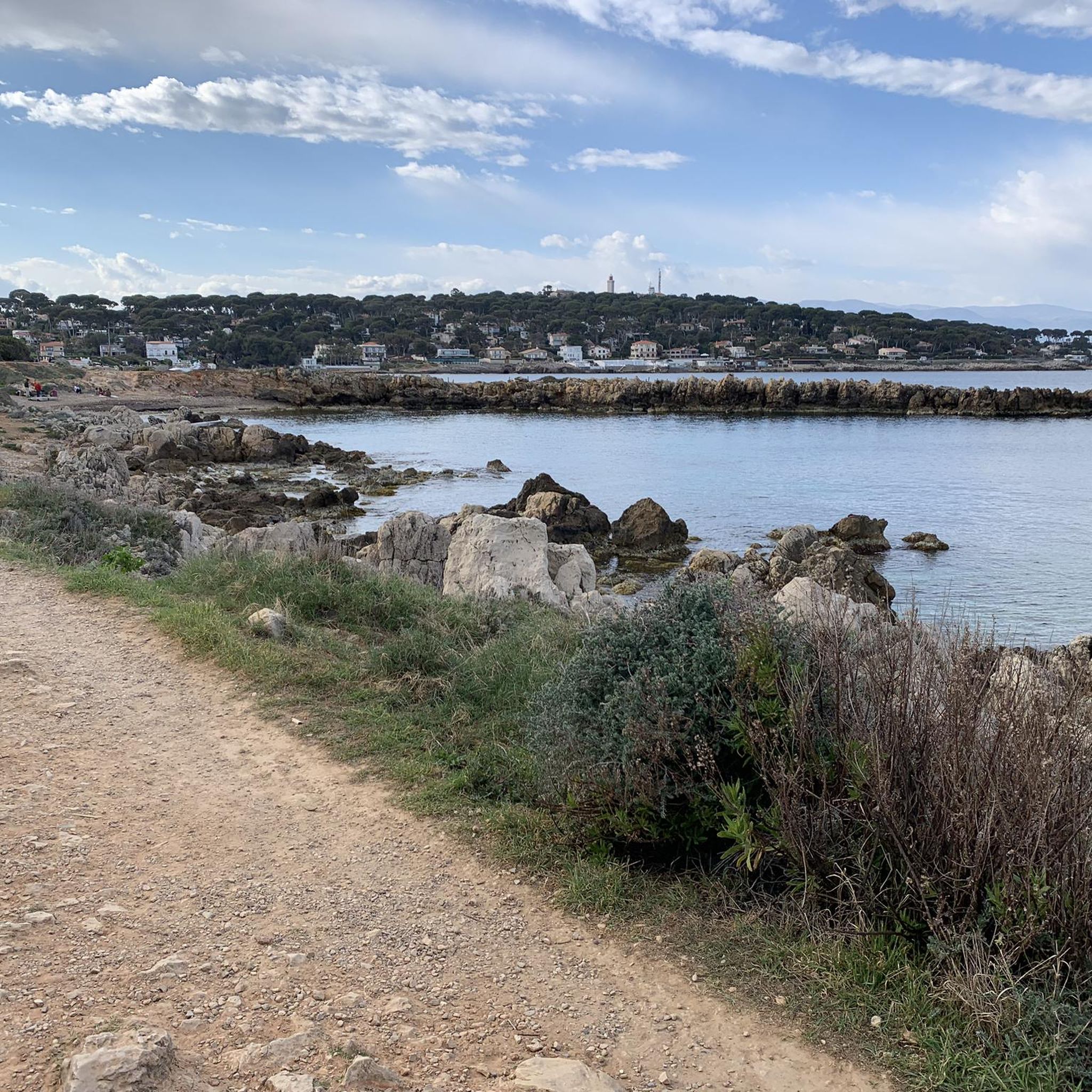
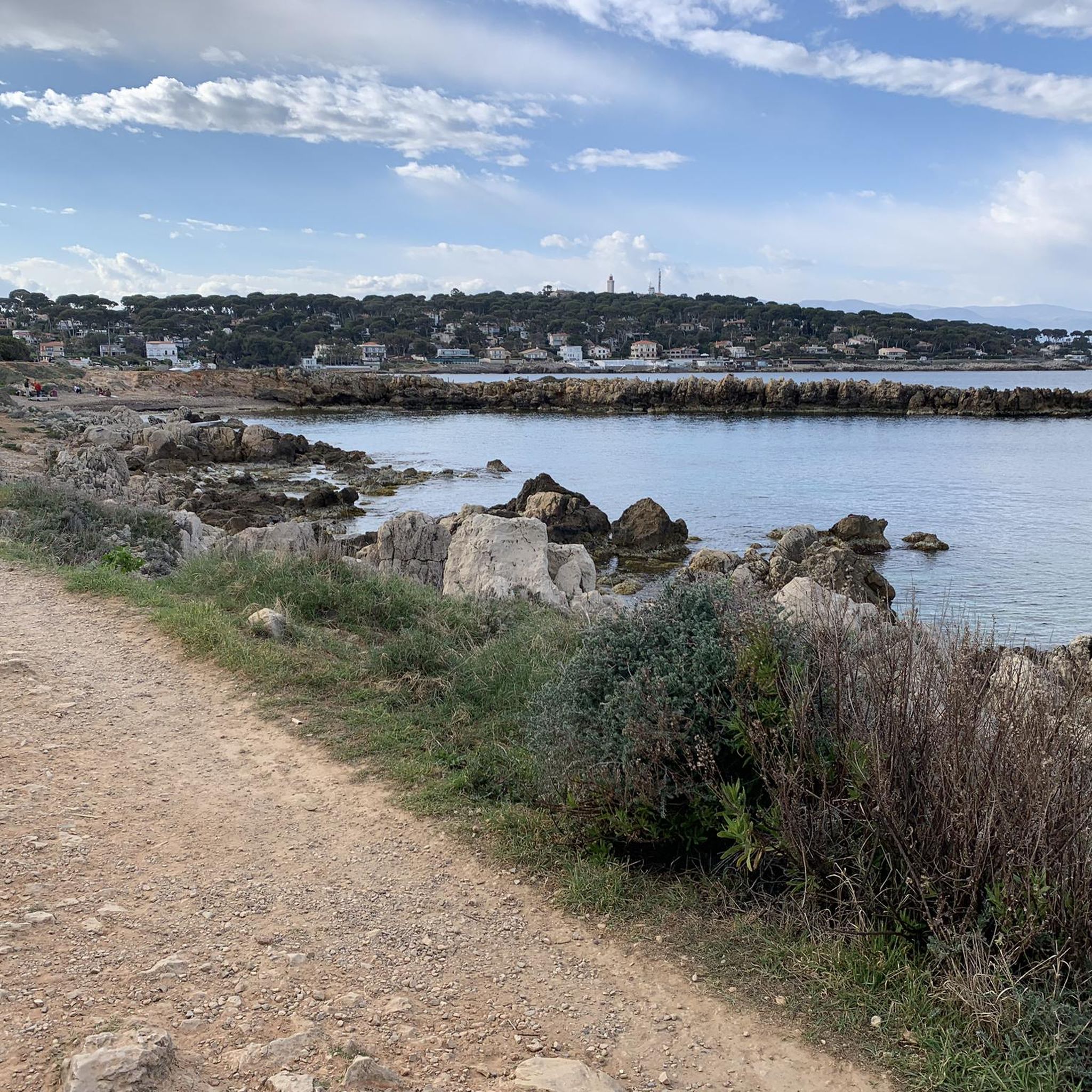
Littoral Trail of Cap d'Antibes
Highlight (Segment) • Trail
Sturdy footwear is recommended, the small path and the many steps can be partly slippery and over-washed.
Translated by Google •
Tip by

Promenade des Arts de Cagnes-sur-Mer
Highlight • Structure
Translated by Google •
Tip by

Sign up now to discover places like this
Get recommendations on the best single tracks, peaks, & plenty of other exciting outdoor places.
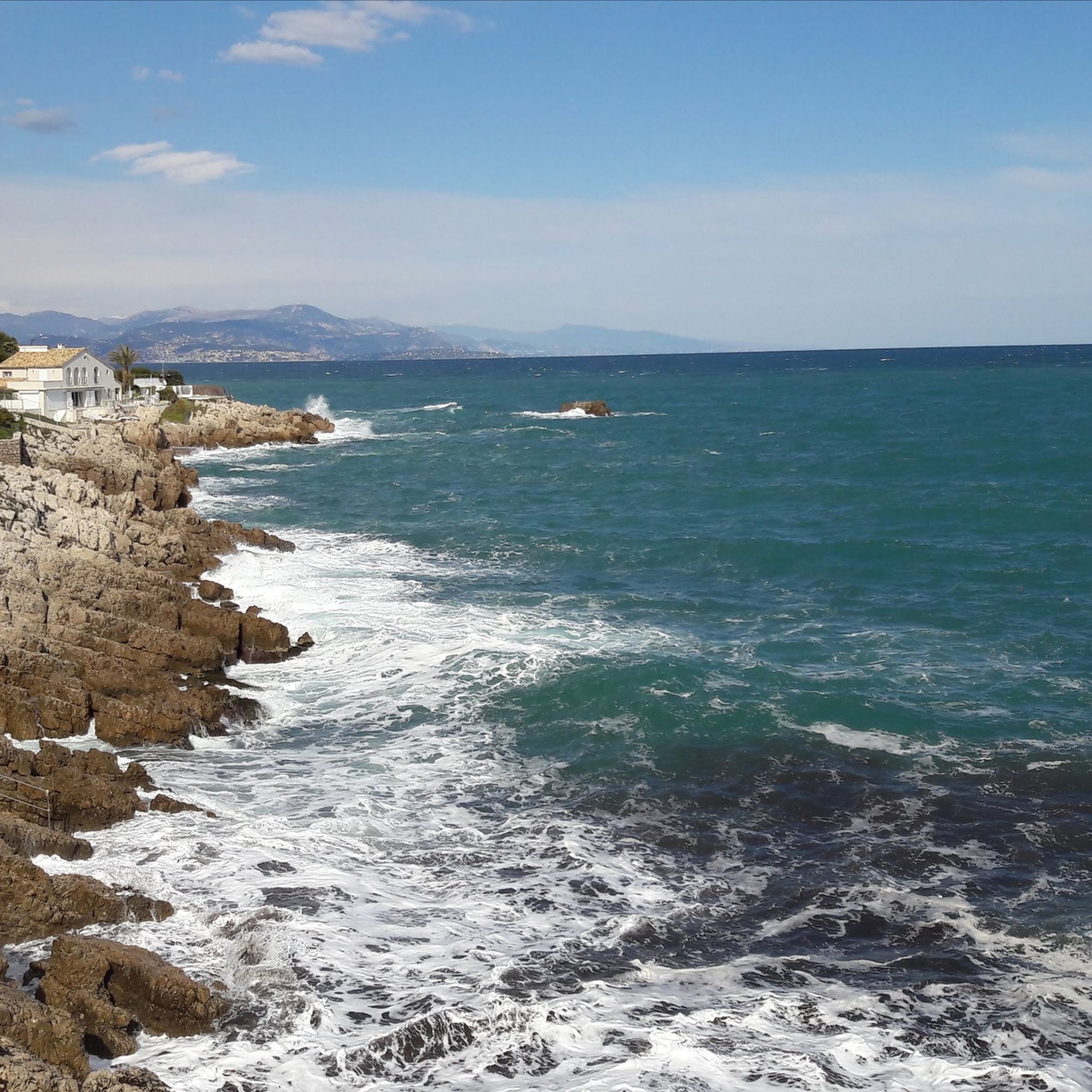
Seaside road
Highlight • Other
Translated by Google •
Tip by

Town Hall
Highlight • Historical Site
Translated by Google •
Tip by

Billionaires' Bay Beach
Highlight • Beach
Translated by Google •
Tip by

Sign up for free to discover even more attractions around Antibes.
Already have an account?
Start today with a free account
Your next adventure awaits.
Tips from the Community


Historically, this port was the largest fishing port in the Alpes-Maritimes in the 1920s and 1930s, and it still maintains a professional fishing industry today. Cros-de-Cagnes is known for its fishing village and maritime traditions. You can even find a Cros de Cagnes Fishermen's Market located on Rue du Capitaine de Frégate Vial, where you can buy fresh fish and seafood directly from local fishermen. This market is generally open from Tuesday to Sunday mornings. There are also initiatives to preserve maritime heritage, such as the restoration of the Sainte-Thérèse lobster boat, a traditional fishing boat. For those interested in learning how to fish or taking a sea trip, there are opportunities for boat trips or fishing trips, particularly from nearby Saint-Laurent-du-Var.
0
0
Fort Carré... is a historic military fortification located in Antibes. It is an iconic monument in the region, known for its star-shaped architecture and its strategic location offering panoramic views of the coast and the Mediterranean Sea. Here are some key facts about Fort Carré: * History: It was built in the mid-16th century by order of King Henry II of France. At that time, Antibes was an important border town with the County of Nice (then part of the Duchy of Savoy). The fort served to defend the city and monitor this border. It was later improved by the famous military engineer Vauban in the late 17th century. The fort remained a strategic site until the 19th century, when Nice was annexed to France and the border was extended. It was decommissioned from military use in 1860. * Architecture: The fort is characterized by its star-shaped shape with four bastions (called Bastion Nice, Bastion Corsica, Bastion Antibes, and Bastion France). Its patrol path rises 43 meters above sea level, offering a 360-degree view. * Protected Natural Site: Fort Carré is located on the Saint-Roch peninsula and is surrounded by a 4-hectare preserved natural area, classified as a Natura 2000 site and a ZNIEFF (Natural Zone of Ecological, Faunistic, and Floristic Interest). This site is owned by the Conservatoire du Littoral (Coastal Protection Agency). * Visits: The fort has been open to the public since 1998 and offers guided tours (strongly recommended, or even mandatory depending on the season) that allow visitors to explore the ramparts, towers, and barracks. Information on the fort's history and strategic importance is provided. Children's game booklets are also available. *Fun fact: Fort Carré served as the setting for the James Bond film "Never Say Never Again" (1983). In short, Fort Carré in Antibes is a fascinating historical site that offers insight into the region's military history, all in a magnificent natural setting with breathtaking views.
0
0

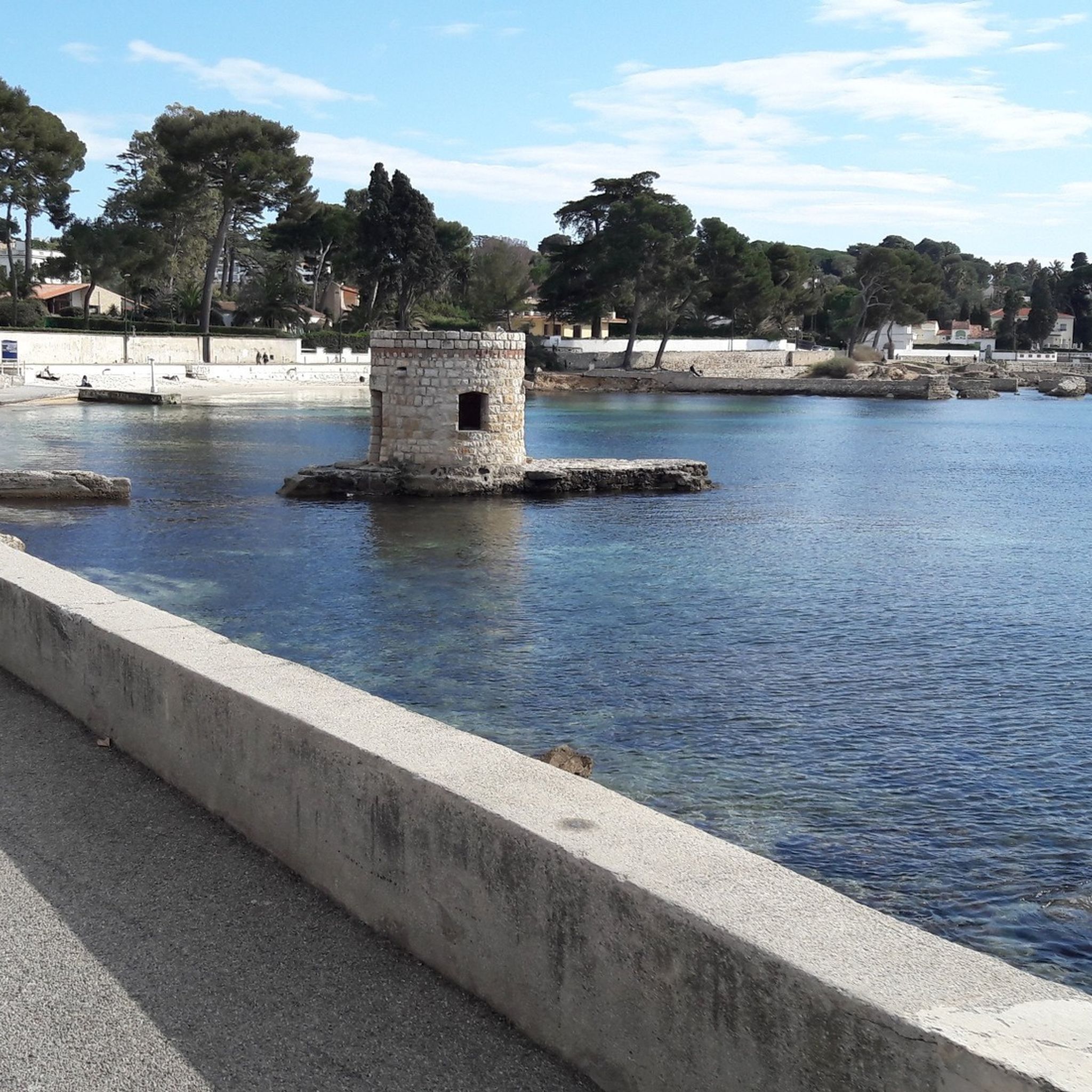
Well-designed dedicated cycle path
0
0

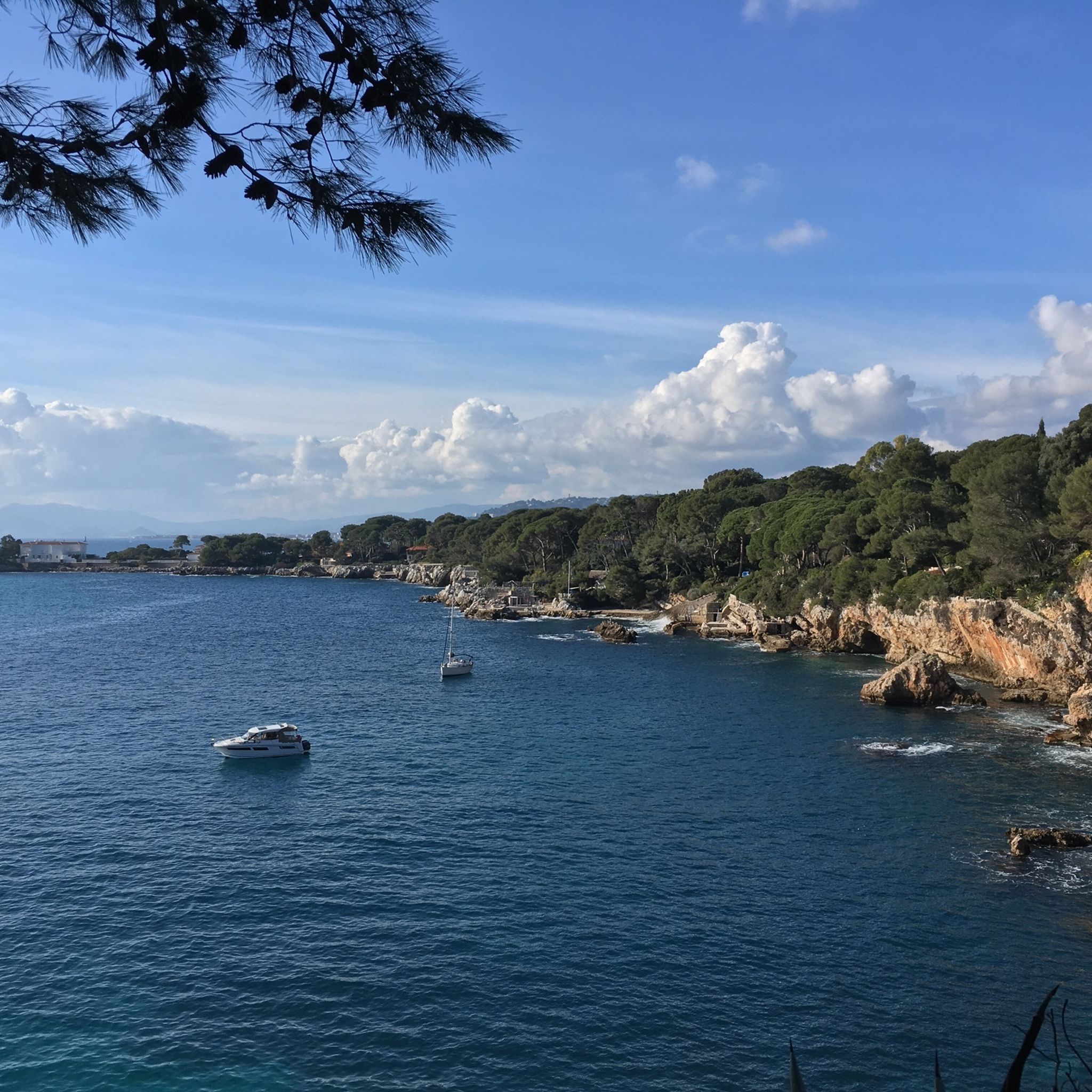
Billionaires Bay owes its name to the presence of several villas hidden in the vegetation. In the past, it was only accessible by boat. Today, it is possible to get there on foot.
0
1

The town hall is built in an eclectic style with a classical tendency, in limestone and cut stone, on a rectangular and homogeneous tripartite plan with an intersecting symmetry axis used as a vestibule. The mezzanine and the bayed elevation of the two square floors of the north and south facades are arranged, on either side of a monumental bay, with Doric and Ionic columns placed one above the other. The third level is an attic floor whose trumeaux support high reliefs representing women leaning against them with palms, fruit, bouquets and garlands of flowers, as a symbol of local production. Above the inscription "French Republic" and above "Hôtel de ville" carved in the middle of the third level, the pediment, whose cover imitates a dome, carries a clock and still above it the coat of arms of the city projecting on an anchor and crowned with a crown in the form of a crenellated tower. The mechanical flat tiled roof is a long sloping roof over the building and a hipped roof over the pediment.
4
0

yahhh, I like the scenery here. How wonderful. Wish I could come here and enjoy https://geometrydash-lite.com
1
0
Frequently Asked Questions
What are the best hiking trails around Antibes?
One of the most popular hiking trails is the Littoral Trail of Cap d'Antibes. This path offers varied terrain, stunning sea views, and access to secluded coves. It's known for its panoramic Mediterranean vistas. Sturdy footwear is recommended due to potentially slippery sections and steps.
Can I walk around Cap d'Antibes?
Yes, the Cap d'Antibes is famous for its picturesque coastal path, also known as the Sentier du Littoral or Sentier de Tirepoil. This walk offers breathtaking panoramic views of the Mediterranean, luxurious villas, and hidden coves. It's a fantastic way to experience the natural beauty of the peninsula.
What natural attractions can I explore in the Antibes region?
Beyond the coastal paths, you can visit the Billionaires' Bay Beach for its beautiful turquoise waters. The Jardin Botanique de la Villa Thuret on Cap d'Antibes features a diverse collection of tropical and exotic plants. For a refreshing escape, explore the Garoupe Woods with its rare tree species, or the extensive Valmasque Park, rich in wildlife and perfect for walks and cycling.
What historical landmarks can I see in Antibes?
Antibes boasts a rich history. You can explore the 16th-century military fortress of Fort Carré, which offers 360-degree views over the Baie des Anges. The Vauban Ramparts provide a scenic walk along the sea, and the Saint-André Bastion houses the Archaeology Museum with Greek and Roman remains. Don't miss the Antibes Cathedral in the old town, known for its Romanesque architecture.
What cultural sites are there in Antibes?
The Château Grimaldi, once a fortress and Picasso's studio, now houses the renowned Picasso Museum. Another cultural highlight is the Musée Peynet, dedicated to Raymond Peynet's humorous drawings. The Marché Provençal in the heart of Old Town offers a vibrant experience with local produce and artisanal goods. The charming Antibes Old Town itself, with its narrow streets and colorful houses, is a cultural experience.
Are there family-friendly activities in Antibes?
Marineland is a major family attraction, one of Europe's largest marine parks, offering dolphin shows and diverse marine life exhibits. The wide, sandy Plage de la Gravette is popular with families due to its calm waters and proximity to the city center. Exploring the Old Town and its markets can also be an engaging activity for all ages.
Are there any wheelchair-accessible attractions in Antibes?
The Promenade des Arts de Cagnes-sur-Mer is noted as wheelchair-accessible, offering a seaside route with artworks and a cycle path. While specific accessibility details for all attractions vary, many promenades and public spaces in Antibes are generally accessible.
When is the best time to visit Antibes attractions?
The shoulder seasons (spring and early autumn) are often ideal for visiting Antibes. The weather is pleasant for exploring outdoor attractions like the coastal paths and botanical gardens, and the crowds are generally smaller than in the peak summer months. Summer offers warm weather perfect for beaches, but attractions can be busier.
Where can I find the best viewpoints in Antibes?
For stunning panoramic views, head to Fort Carré or the Notre-Dame de la Garoupe Church, which offers vistas over the bay. The Garoupe Lighthouse, adjacent to the church, provides extensive views of the sea, Estérel Mountains, and Mercantour. The Littoral Trail of Cap d'Antibes also offers numerous breathtaking viewpoints along its route.
What cycling routes are available near Antibes?
Antibes offers a variety of cycling routes. You can find options for touring bicycles, road cycling, and even gravel biking. Popular routes include scenic loops around Cap d'Antibes, coastal rides towards Cagnes-sur-Mer, and more challenging routes into the hinterland. For detailed routes, explore the Cycling around Antibes guide on komoot.
Which are the best beaches in Antibes?
Antibes offers several beautiful beaches. Billionaires' Bay Beach, accessible via the coastal path, is known for its wild charm and turquoise waters. Plage de la Gravette, located between the Old Town and Port Vauban, is a wide, sandy beach protected by ramparts, making it ideal for families. Juan-les-Pins, part of the Antibes commune, is also famous for its sandy beaches.
Are there any hidden gems to discover in Antibes?
Beyond the main attractions, seek out the Chapelle Saint-Bernardin, an historical monument with recently restored 16th and 19th-century frescoes. The Safranier commune within the Old Town is particularly noted for its pretty cobbled lanes and local traditions, offering a glimpse into authentic Antibes life. The Promenade Amiral de Grasse also features various artworks and splendid views.
Most popular routes around Antibes
Most popular attractions around Antibes

Get inspired with the komoot mobile app


Explore more
Still not found the Highlight you’re looking for? See guides of the top attractions in other regions:
