The best gravel rides around Antibes
4.6
(43)
308
riders
39
rides
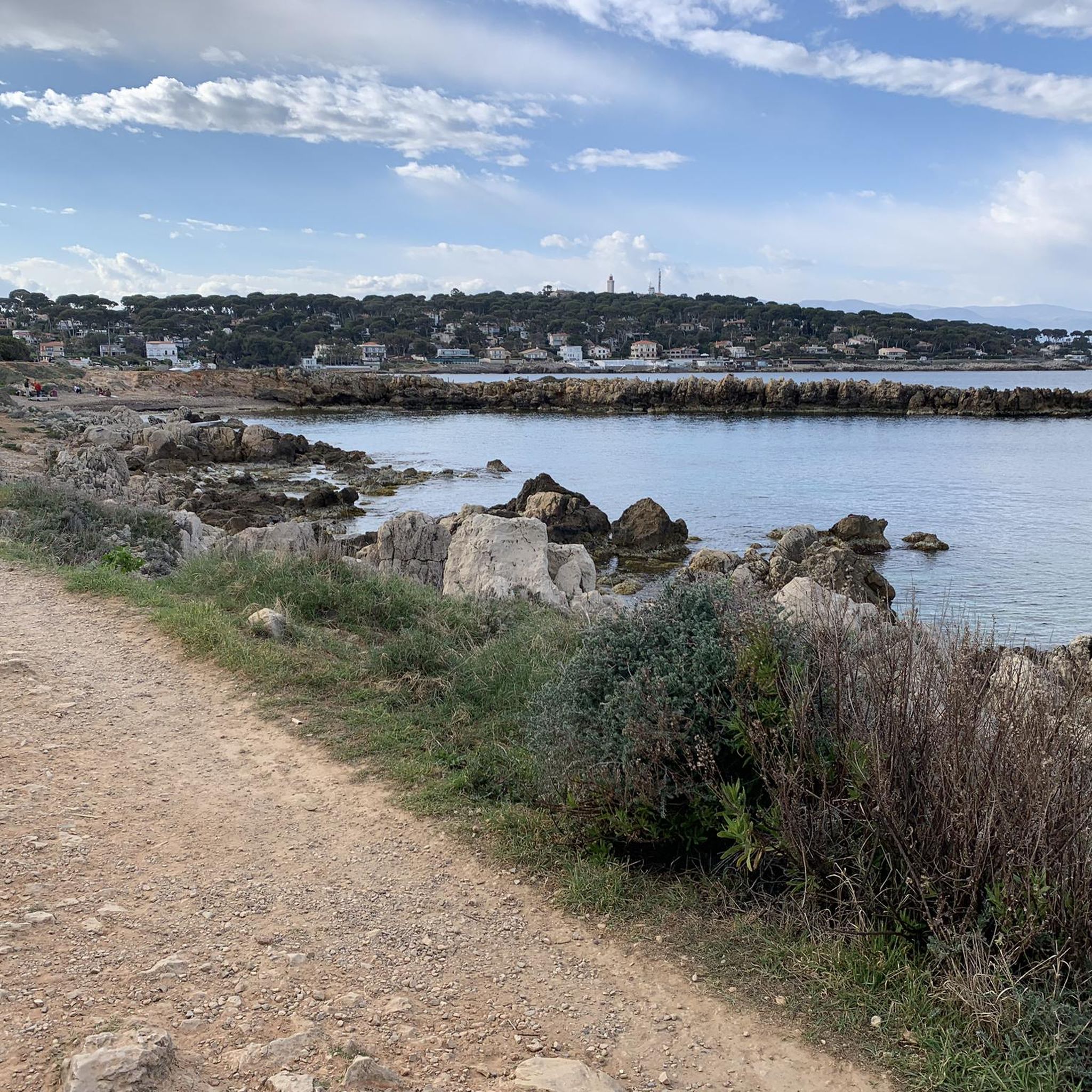
Gravel biking around Antibes offers a diverse landscape on the French Riviera, situated between the Mediterranean Sea and the foothills of the Alps. The terrain features a mix of coastal paths, rolling hills, and more challenging ascents into the pre-Alps. Riders can expect routes that traverse pine forests, olive groves, and areas with limestone formations, providing varied surfaces suitable for gravel bikes.
Best gravel bike trails around Antibes
- The most popular gravel bike trail is Dirt track in the woods – Fontmerle Pond loop from Mouans-Sartoux, a 46.4 miles (74.7 km) trail that takes 5 hours 9 minutes to complete. This route features significant elevation gain and panoramic views of the surrounding hills.
- Another top favourite among local gravel bikers is Dirt track in the woods – Au Val de la Bénite Trail loop from Saint-Laurent-du-Var, a difficult 48.8 miles (78.5 km) path. This trail offers a mix of coastal scenery and passes by historical landmarks within Antibes.
- Local gravel bikers also love the Biot a Valmasque – Fontmerle Pond loop from Mouans-Sartoux, a 16.2 miles (26.1 km) trail leading through forested sections, often completed in about 1 hour 57 minutes.
- Gravel biking around Antibes is defined by coastal paths, rolling hills, and forested sections. The network offers options for different ability levels, from moderate coastal rides to difficult routes with substantial climbs.
- The routes in Antibes are highly rated by the komoot community with an average score of 4.5 stars from over 30 reviews. More than 180 gravel bikers have used komoot to explore Antibes's varied terrain.
Last updated: August 12, 2026
5.0
(3)
19
riders
75.1km
05:11
1,310m
1,310m
Hard gravel ride. Very good fitness required. Mostly paved surfaces. Suitable for all skill levels.
4.8
(4)
16
riders
Hard gravel ride. Very good fitness required. You may need to push your bike for some segments of this route.

Sign up for free
4.0
(1)
12
riders
37.5km
02:23
470m
470m
Hard gravel ride. Very good fitness required. Mostly paved surfaces. Suitable for all skill levels.
5.0
(1)
10
riders
Hard gravel ride. Very good fitness required. Mostly paved surfaces. Suitable for all skill levels.
4.8
(4)
13
riders
104km
06:18
1,080m
1,080m
Hard gravel ride. Very good fitness required. Mostly paved surfaces. Suitable for all skill levels.
Get access to more routes and recommendations from other explorers.
Sign up for free
Already have an account?
Our route recommendations are based on thousands of hikes, rides, and runs completed by other people on komoot.
Start today with a free account
Your next adventure awaits.
Login or Signup
Tips from the Community

The view is really great, but the traffic conditions for cyclists can be very dangerous.
0
0


Beautiful route. Keep well to the right and a light on your bike is recommended for visibility.
0
0

Historically, this port was the largest fishing port in the Alpes-Maritimes in the 1920s and 1930s, and it still maintains a professional fishing industry today. Cros-de-Cagnes is known for its fishing village and maritime traditions. You can even find a Cros de Cagnes Fishermen's Market located on Rue du Capitaine de Frégate Vial, where you can buy fresh fish and seafood directly from local fishermen. This market is generally open from Tuesday to Sunday mornings. There are also initiatives to preserve maritime heritage, such as the restoration of the Sainte-Thérèse lobster boat, a traditional fishing boat. For those interested in learning how to fish or taking a sea trip, there are opportunities for boat trips or fishing trips, particularly from nearby Saint-Laurent-du-Var.
0
0
Fort Carré... is a historic military fortification located in Antibes. It is an iconic monument in the region, known for its star-shaped architecture and its strategic location offering panoramic views of the coast and the Mediterranean Sea. Here are some key facts about Fort Carré: * History: It was built in the mid-16th century by order of King Henry II of France. At that time, Antibes was an important border town with the County of Nice (then part of the Duchy of Savoy). The fort served to defend the city and monitor this border. It was later improved by the famous military engineer Vauban in the late 17th century. The fort remained a strategic site until the 19th century, when Nice was annexed to France and the border was extended. It was decommissioned from military use in 1860. * Architecture: The fort is characterized by its star-shaped shape with four bastions (called Bastion Nice, Bastion Corsica, Bastion Antibes, and Bastion France). Its patrol path rises 43 meters above sea level, offering a 360-degree view. * Protected Natural Site: Fort Carré is located on the Saint-Roch peninsula and is surrounded by a 4-hectare preserved natural area, classified as a Natura 2000 site and a ZNIEFF (Natural Zone of Ecological, Faunistic, and Floristic Interest). This site is owned by the Conservatoire du Littoral (Coastal Protection Agency). * Visits: The fort has been open to the public since 1998 and offers guided tours (strongly recommended, or even mandatory depending on the season) that allow visitors to explore the ramparts, towers, and barracks. Information on the fort's history and strategic importance is provided. Children's game booklets are also available. *Fun fact: Fort Carré served as the setting for the James Bond film "Never Say Never Again" (1983). In short, Fort Carré in Antibes is a fascinating historical site that offers insight into the region's military history, all in a magnificent natural setting with breathtaking views.
0
0

This path allows you to avoid red lights, but is also popular with rental bikes and golf carts. Beware of children who may mistake the path for a playground.
0
0
Frequently Asked Questions
How many gravel bike trails are available around Antibes?
There are over 50 gravel bike trails available around Antibes, offering a wide range of options for different skill levels and preferences.
Are there easy gravel bike trails suitable for beginners in Antibes?
While many routes in Antibes feature rolling hills and some climbs, there are options suitable for beginners. For example, the Var Bike Path – Promenade de Cagnes-sur-Mer loop from Le Cros-de-Cagnes is rated moderate and offers a more accessible experience along coastal promenades and river paths.
What kind of terrain can I expect on gravel bike trails near Antibes?
Gravel biking around Antibes offers a diverse landscape, from coastal paths and pine forests to olive groves and rolling hills. You'll encounter varied surfaces, including limestone formations, suitable for gravel bikes, with some routes ascending into the pre-Alps.
Are there any challenging gravel bike routes for experienced riders?
Yes, Antibes has plenty of challenging routes. The Col de Vence – Tourrettes-sur-Loup loop from Villeneuve-Loubet is a difficult 48.9-mile trail with significant elevation gain and panoramic views. Another demanding option is the View of Gourdon – Gourdon loop from La Colle-sur-Loup, which features substantial climbs.
Can I find circular gravel bike routes in the Antibes area?
Many of the gravel bike routes around Antibes are designed as loops, allowing you to start and finish at the same point. Examples include the Fontmerle Pond – Fort Carré (Antibes) loop from Antibes and the Col de Vence – Vence Pass loop from Roquefort-les-Pins.
What are some scenic viewpoints or attractions I can see along the gravel bike trails?
Many routes offer stunning views of the Mediterranean coastline and the surrounding hills. You can explore highlights like the Littoral Trail of Cap d'Antibes, the Pointe de la Garoupe, or pass by Fontmerle Pond, which is featured on some routes.
What is the best time of year for gravel biking in Antibes?
The French Riviera generally enjoys a mild Mediterranean climate. Spring (April-May) and Autumn (September-October) are often ideal, offering pleasant temperatures and less crowded trails than the peak summer months. Winter can also be good, with cooler but often sunny days.
Are there family-friendly gravel biking options around Antibes?
For families, routes that stick to dedicated bike paths or flatter coastal sections are recommended. The Var Bike Path – Promenade de Cagnes-sur-Mer loop offers a relatively flat and scenic ride along the coast, which can be suitable for families depending on their experience.
Where can I find parking near the trailheads for gravel biking in Antibes?
Parking availability varies by trailhead. For routes starting from towns like Antibes, Villeneuve-Loubet, or Le Cros-de-Cagnes, you can often find public parking lots, though they may be paid, especially during peak season. It's advisable to check local parking regulations for your chosen starting point.
What do other gravel bikers enjoy most about the trails in Antibes?
The gravel trails in Antibes are highly rated by the komoot community, with an average score of 4.5 stars from over 55 reviews. Riders often praise the diverse scenery, from stunning coastal views to challenging climbs into the hills, and the variety of terrain suitable for gravel bikes.
Are there any routes that follow dedicated bike paths or "pistes cyclables"?
Yes, some routes incorporate sections of dedicated bike paths. The Var Bike Path – Promenade de Cagnes-sur-Mer loop is a good example, utilizing coastal promenades and river paths that are often part of the local 'piste cyclable' network, offering a smoother ride.
How long do gravel bike rides typically take around Antibes?
Ride durations vary significantly based on the route's length and elevation. Shorter, moderate routes like the Var Bike Path – Promenade de Cagnes-sur-Mer loop can take around 2 hours 49 minutes, while longer, more challenging rides such as the Col de Vence – Tourrettes-sur-Loup loop can extend to over 6 hours.
Most popular attractions around Antibes

Get inspired with the komoot mobile app


Explore more
Browse the best Gravel rides in other regions.
