Attractions and Places To See around Optevoz - Top 20
Attractions and places to see around Optevoz offer a blend of historical landmarks, natural landscapes, and artistic heritage in the Isère department of France. The commune features significant cultural sites and natural areas, including sensitive natural zones. Visitors can explore a variety of sites that reflect the region's past and its inspiration for landscape painters.
Best attractions and places to see around Optevoz
- The most popular attractions is Crémieu, medieval town, a historical site that boasts a sumptuous architectural heritage. Walking through its narrow streets reveals the Delphinal castle, a 16th-century hall, a cloister, and an Augustinian convent.
- Another must-see spot is Greenway from Crémieu to Arandon-Passins, a cycle way. This former railway has been converted into a greenway, offering a route away from the road through a small gorge and woods.
- Visitors also love La Balme Caves, a cave system with a long history. Archaeological finds indicate habitation since the Bronze Age, and two chapels were built at its entrance in the 9th and 14th centuries.
- Optevoz is known for its historical sites, natural areas, and artistic heritage. The region provides a variety of attractions to see and explore, from ancient caves to medieval towns and scenic greenways.
- The attractions around Optevoz are appreciated by the komoot community, with 58 upvotes and 186 photos shared by visitors.
Last updated: July 2, 2026
Château de Bienassis
Highlight • Castle
Translated by Google •
Tip by

La Balme Caves
Highlight • Cave
Translated by Google •
Tip by

Sign up now to discover places like this
Get recommendations on the best single tracks, peaks, & plenty of other exciting outdoor places.
Sign up for free
Cingle Castle
Highlight • Castle
Translated by Google •
Tip by

Crémieu, medieval town
Highlight • Historical Site
Translated by Google •
Tip by

Hières-sur-Amby village
Highlight • Settlement
Translated by Google •
Tip by
Sign up for free to discover even more attractions around Optevoz.
Sign up for free
Already have an account?
Start today with a free account
Your next adventure awaits.
Login or Signup

Tips from the Community

Very beautiful village with character, entirely made of stone; from the village, you can see the Madonna of the Larina Archaeological site.
0
0

Beautiful little town, quite touristy, but worth the detour
0
0

Cool during the heatwave while visiting the caves
0
0

Information in German: https://www.balconsdudauphine-tourisme.com/de/equipement/les-grottes-de-la-balme/ Website (French): https://www.grotteslabalme.com/ Also closed on certain days, information in the calendar: https://www.grotteslabalme.com/organisation/les-horaires-calendrier/
0
0

Although first mentioned in 1540, the Cingle fortified house was undoubtedly built in the second half of the 14th century by the Pèlerin family. Originally composed of a main tower and a wing back to the west, it perhaps originally included a curtain wall. During the 15th century, the south wing was extended towards the west, a main building comprising a lower room and an upper room was attached to the north of the main tower, while a turret occupied on the first floor by an oratory and on the second by a dovecote is built to the east, projecting. A wing including the kitchen on the ground floor is also built at right angles to the north of the courtyard. The farm itself retains some architectural elements dating from the 16th century. Source: Ministry of Culture
1
0
The Bienassis fortified house, built by the Vallin family at the end of the 14th century, was organized around an enclosed courtyard and included a pavilion surrounded by watchtower turrets. The current building was completed in 1897 for Casimir Gournet, who wanted to give the old feudal residence the appearance of a medieval castle. Alphonse de Lamartine made several stays in Bienassis with his friend Nicolas Prosper Guichard, between 1804 and 1808. The castle, built of limestone rubble, consists of an L-shaped building covered with a long-pitched roof covered with mechanical tiles extended to the south by a high quadrangular tower with a porch in the work. The north wing has four levels of elevation: three cellars on the basement floor, a square floor and an attic floor. The tower rises on three levels: a ground floor with ribbed vaults and two square floors, the buildings are crowned with false machicolation. The corner turrets are covered with conical slate roofs. The stained glass windows of the ground floor living room are decorated with two bust-length women and two bust-length men in rondels. The coat of arms of the Joubert de Montlevon family can be found on one of the windows of the first living room on the ground floor. In the library, two shields with scrolling scroll motifs, a shield decorated with three female heads, a shield decorated with a passing griffin, and a shield decorated with two hammers with the initials C G for Casimir Gournet adorn the windows. Source: Châteaux de France
0
0

This small city of character, located 40 kilometers from Lyon has a sumptuous architectural heritage. Walking through its narrow streets, you will discover the Delphinal castle, its majestic 16th century hall, its cloister or its Augustinian convent. The medieval town of Crémieu is classified as a Protected Area for Urban and Landscape Architectural Heritage (ZPPAUP).
0
0

A very beautiful town! There is a good restaurant in the center right next to the village.
0
0
Frequently Asked Questions
What historical sites can I explore in and around Optevoz?
Optevoz is rich in history. You can visit the 19th-century Church of Saint-Symphorien, which is listed in the General Inventory of Cultural Heritage. The impressive Optevoz Washhouse, built in 1873, is also a notable historical landmark. Nearby, the medieval town of Crémieu offers a sumptuous architectural heritage, including its Delphinal castle and 16th-century hall. You can also find the ancient Cingle Castle, dating back to the 14th century, and the Château de Bienassis, a fortified house with origins in the late 14th century.
Are there any natural areas or parks to visit near Optevoz?
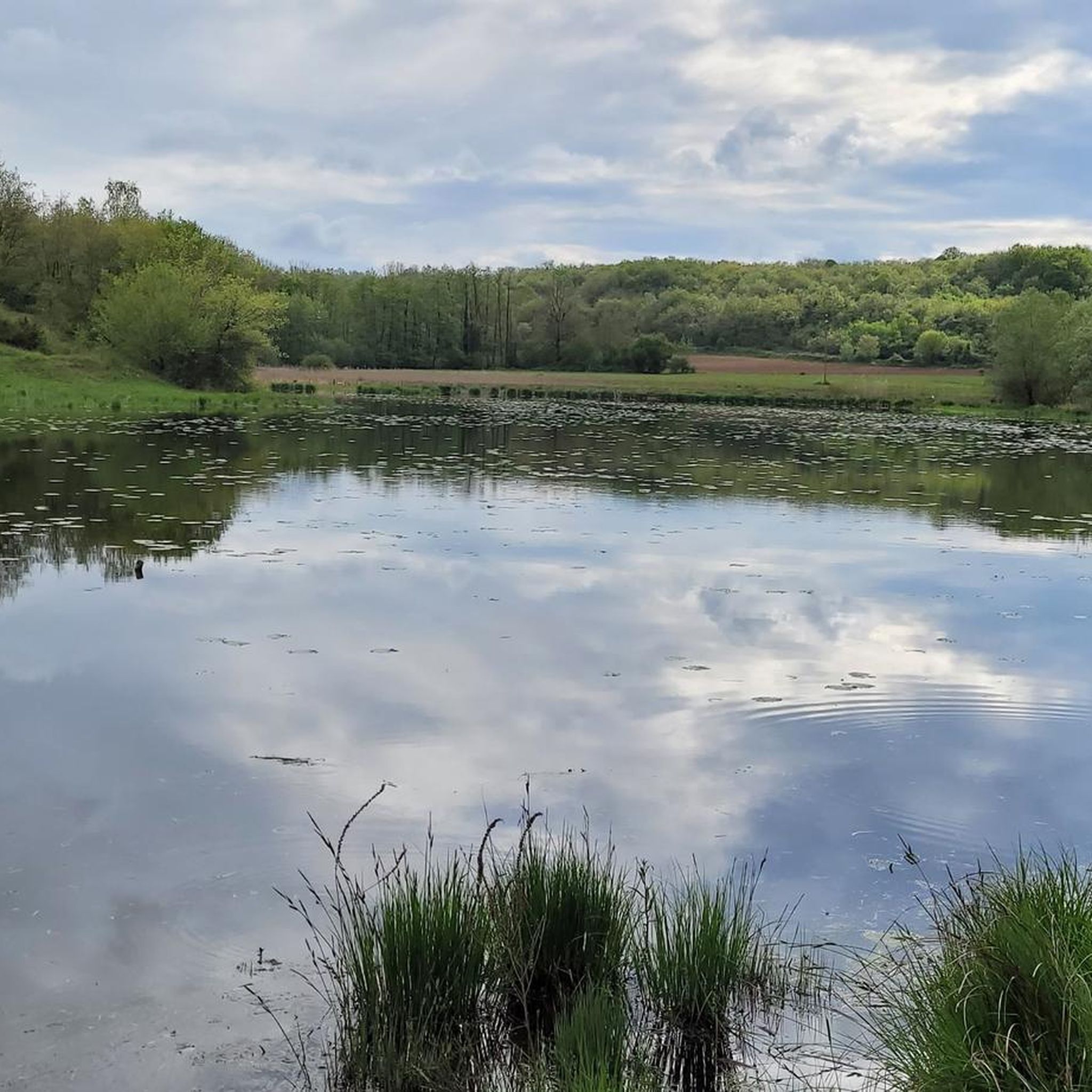
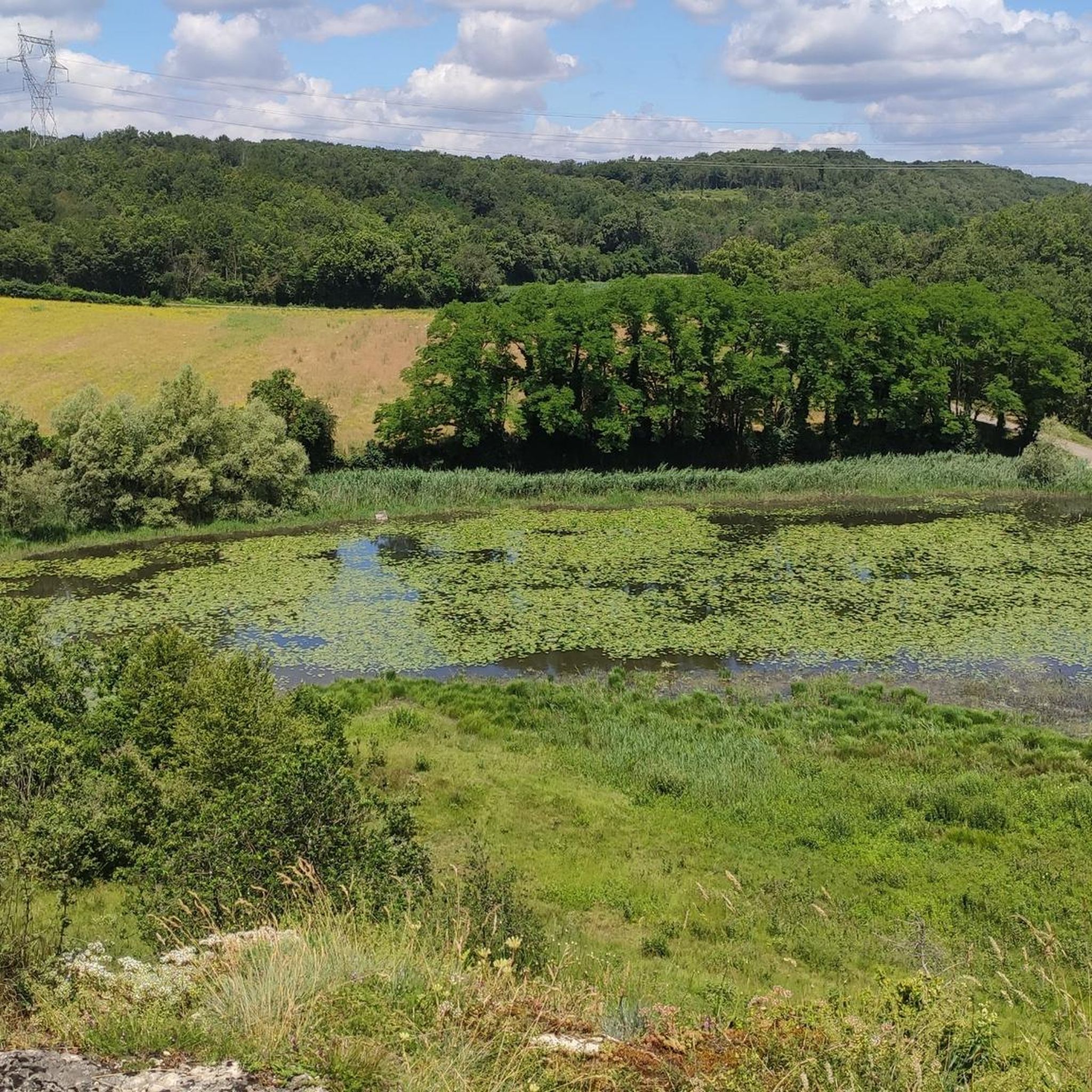
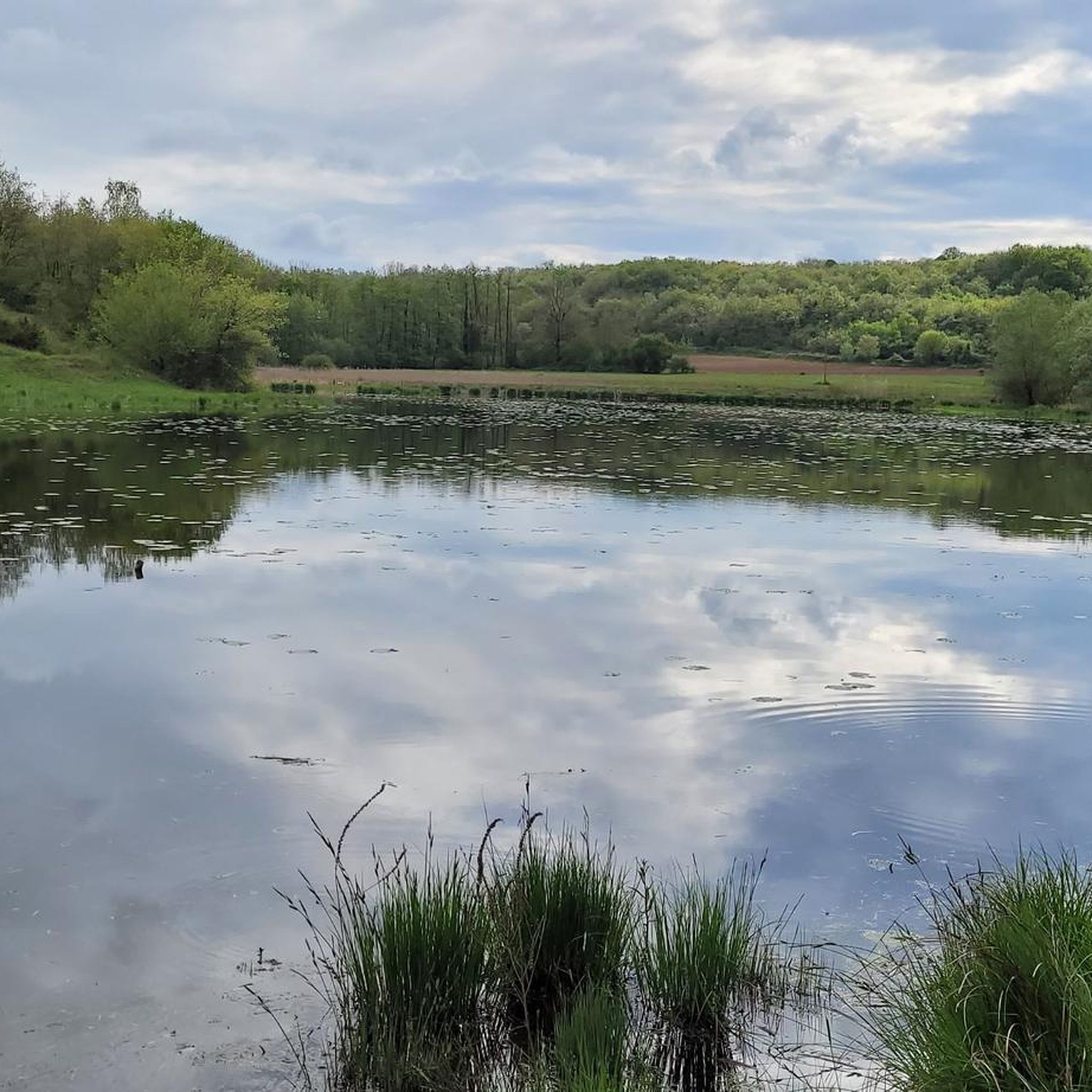
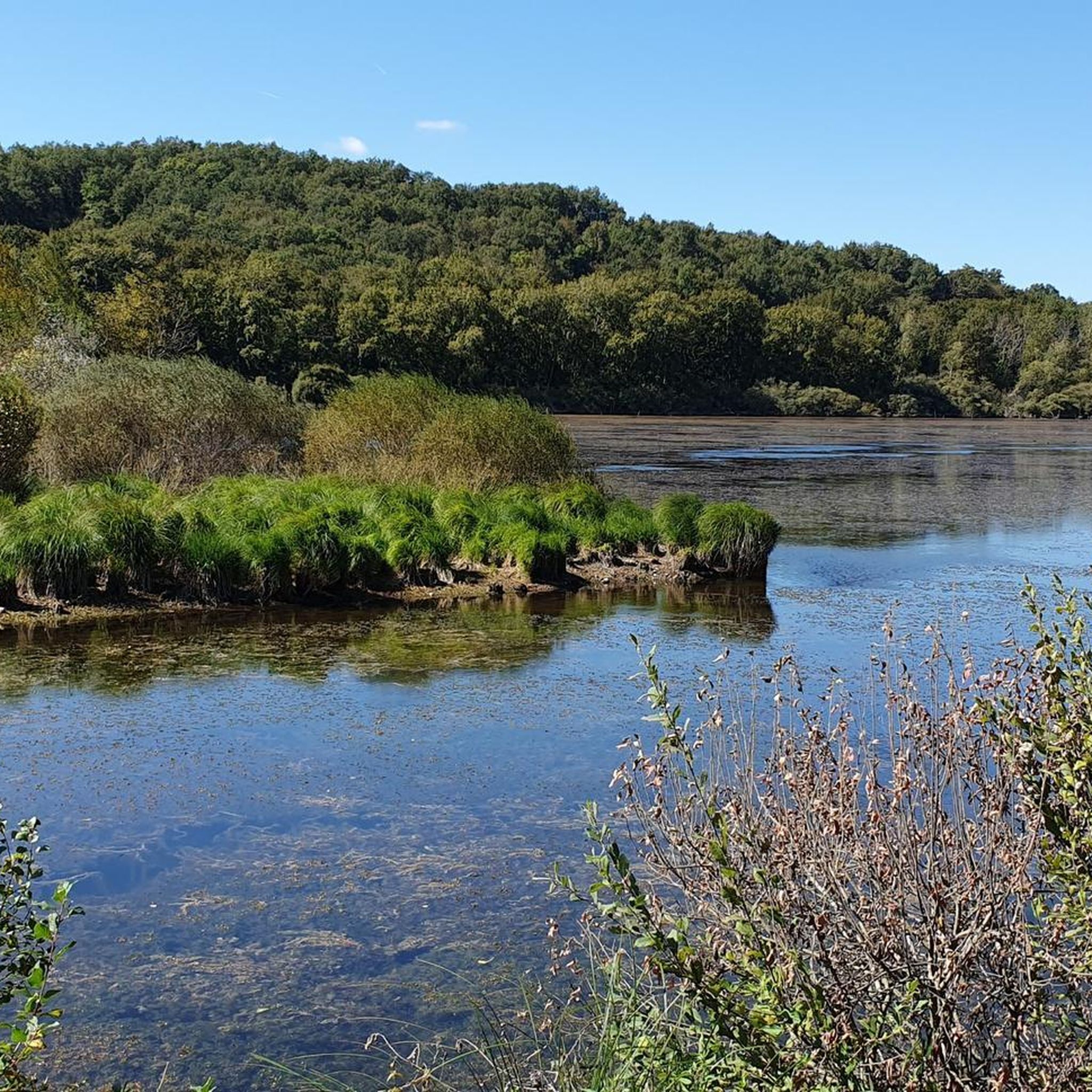
Yes, Optevoz is surrounded by remarkable natural beauty. The Sensitive Natural Area (ENS) of Étang de Lemps is an ideal habitat for rare flora and fauna, offering a 3 km thematic trail and an accessible wooden ornithological observatory for birdwatching. Another significant area is the Sensitive Natural Area (ENS) of Val d'Amby, known for rare species like the fragrant orchis, with walking routes available to explore its landscapes.
What kind of outdoor activities can I do around Optevoz?
The region around Optevoz offers diverse outdoor activities. For cyclists, there's the Greenway from Crémieu to Arandon-Passins, a converted railway line perfect for hybrid or mountain bikes. If you're looking for more extensive cycling, you can explore various road cycling routes or gravel biking routes. Mountain biking enthusiasts will find several MTB trails, including routes around Étang Bénétan and La Roche Waterfall. For hikers, a 9.7 km trail from Optevoz center leads to the Étang de Lemps, and a 4.6 km marked trail explores the Val d'Amby.
Are there family-friendly attractions in the Optevoz area?
Absolutely. The La Balme Caves offer an engaging experience for all ages, allowing visitors to explore a kilometer-long paved path through ancient caverns with a rich history. The Étang de Lemps also provides a family-friendly 3 km thematic trail and an ornithological observatory, perfect for nature observation. The medieval town of Crémieu is also considered family-friendly, with its charming streets and historical atmosphere.
What is the artistic heritage of Optevoz?
Optevoz has a rich artistic past, having inspired many 19th and 20th-century landscape painters from Lyon and Paris, including Camille Corot and Charles-François Daubigny. The village is even Station 5 on the 'Route des Peintres' (Painters' Route), which highlights spots that inspired approximately one hundred artists. The Auberge des Peintres in the village houses a permanent exhibition showcasing this flourishing artistic era.
Can I visit any castles or fortified houses in the region?
Yes, the area features several historical fortifications. You can visit the Château de Bienassis, a fortified house with origins in the late 14th century, which was later given the appearance of a medieval castle. The Cingle Castle, first mentioned in 1540, is another significant historical monument. While Optevoz Castle itself is a private site and not open for visits, its origins trace back to 1404, with remnants of a 15th-century fortified house visible.
What is the significance of the Optevoz Washhouse?
The Optevoz Washhouse, built in 1873, is notable for its impressive size and distinctive slate roof, fed by the Amby river. Beyond its functional history, it holds cultural significance as it has been a subject for renowned painters like Jean Célestin Tancrède Bastet and Charles Rouvière. You can find more information about it on the Balcons du Dauphiné tourism site: Optevoz Washhouse.
Are there any ancient archaeological findings in Optevoz?
Yes, archaeological campaigns by INRAP have revealed the existence of an ancient settlement in Optevoz dating from the 1st to 4th centuries CE. Additionally, medieval occupation has been discovered at Chemin de la Cure Bataillier, indicating a long history of human presence in the area.
What is the 'Route des Peintres' and how does Optevoz fit into it?
The 'Route des Peintres' (Painters' Route) is a regional route that highlights the favorite spots of approximately one hundred artists who were inspired by the local landscapes, particularly the misty ponds bathed in light. Optevoz is designated as Station 5 on this route, underscoring its importance as a muse for many 19th and 20th-century landscape painters.
Is there a very old tree in Optevoz?
Yes, on the village square in Optevoz, you can find a remarkable Linden tree, often referred to as Sully, which is over 400 years old. It stands as a living testament to the village's long history.
What is special about the La Balme Caves?
The La Balme Caves offer a journey through history, with archaeological finds indicating human habitation since the late Bronze Age. Two chapels were built at its entrance between the 9th and 14th centuries, and it was rumored to be a hiding place for a famous French smuggler in the 18th century. Visitors can explore the caves on a self-guided tour along a paved path or opt for guided tours. It's also a great spot to cool down during a heatwave.
Most popular routes around Optevoz

Get inspired with the komoot mobile app


Explore more
Still not found the Highlight you’re looking for? See guides of the top attractions in other regions:
