Attractions and Places To See around Saint-Hilaire-De-La-Côte - Top 20
Best attractions and places to see around Saint-Hilaire-De-La-Côte include a mix of historical landmarks and natural features within the Isère department of France. This commune serves as a starting point for exploring local points of interest such as châteaux and chapels, alongside wider regional attractions. The area is characterized by its historical sites and proximity to natural landscapes, including notable waterfalls.
Best attractions and places to see around Saint-Hilaire-De-La-Côte
- The most popular attractions is Dead monk cross, a memorial…
Last updated: July 2, 2026
Château Louis XI
Highlight • Castle
Translated by Google •
Tip by

Notre-Dame-du-Mont Chapel
Highlight • Religious Site
Translated by Google •
Tip by

Sign up now to discover places like this
Get recommendations on the best single tracks, peaks, & plenty of other exciting outdoor places.
Sign up for free
Château de Montgontier
Highlight • Castle
Located on the GR 65, facing south, Espace Montgontier dominates the plain of Bièvre.
A large …
Translated by Google •
Tip by

Dead monk cross
Highlight • Other
Translated by Google •
Tip by

La Fée Verte: The perfect illusion
Highlight • Other
Translated by Google •
Tip by
Sign up for free to discover even more attractions around Saint-Hilaire-De-La-Côte.
Sign up for free
Already have an account?
Start today with a free account
Your next adventure awaits.
Login or Signup
Popular around Saint-Hilaire-De-La-Côte


Tips from the Community

The faithful trust in the help of the Mother of God – who in France is always venerated under the title “Notre-Dame” (which corresponds to the German name “Our Lady”) – was expressed by the French nun, mystic and Doctor of the Church, Saint Thérèse of Lisieux (religious name Thérèse of the Child Jesus and the Holy Face, 1873 to 1897) as follows: “In trials or difficulties I turn to Mother Mary, whose gaze alone is enough to dispel all fear.”
0
0
This memorial cross made of light wood—dedicated to the memory of a deceased monk—is one of many that bikers encounter repeatedly along the way. They are all symbols of remembrance of the crucifixion, but also of the resurrection of Jesus Christ. + "With us on earth, His memory exists, but in the kingdom of heaven is His presence: This presence is the joy of those who have already attained salvation. The memory is our consolation, as we are still wanderers, journeying toward our fatherland." (Bernard of Clairvaux) Some passersby have placed stones at the foot of the small sacred monument.
1
0

In 1869, the Marist Brothers purchased the castle and its grounds. They raised the body of the central building by one floor. The castle was then acquired by the city in 1906. In 1914, it became a military hospital and from 1940 to 1960, a modern college. The castle now houses a music school and meeting rooms. Many areas are vacant. The Ministry and the public agency for cultural cooperation (aida) conducted a feasibility study for the establishment of a European Cultural Exchange Center in the building. If you take a walk in the park in the afternoon, you can hear the musicians practicing.
6
0
In L'Après-midi Bourgeoise, painted in 1900 at the Grand-Lemps and exhibited in the Musée d'Orsay, Pierre Bonnard portrayed his entire family.
7
0
At guests' disposal: reception rooms for 20 to 170 people, accommodation for up to 102 beds and a shared kitchen, a 500 m2 terrace equipped with tables, arbors and parasols with an exceptional view of the Bièvre plain and a large park of approximately 4000 m2 for an outdoor reception.
9
0

great tour I'm very happy with it
1
0

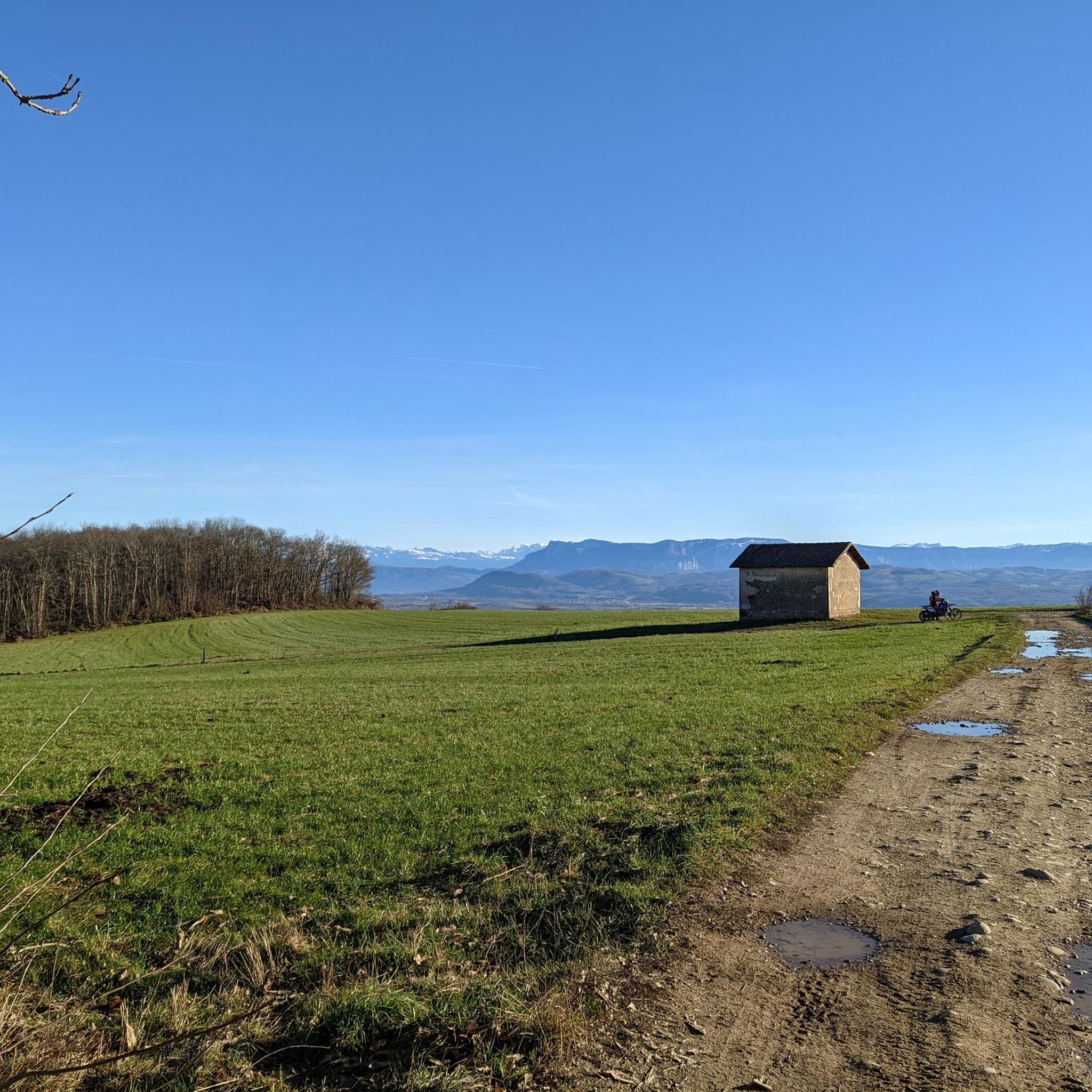
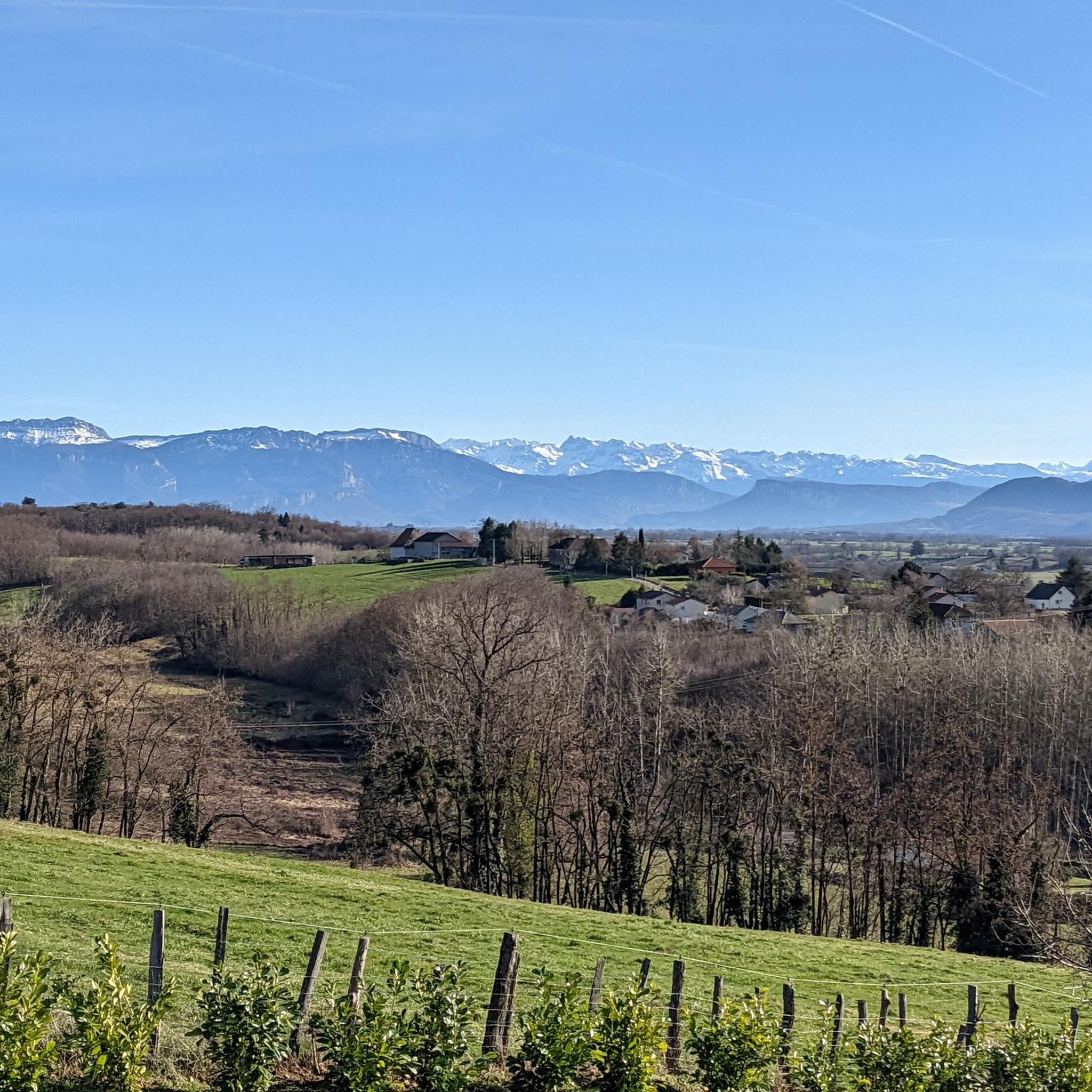
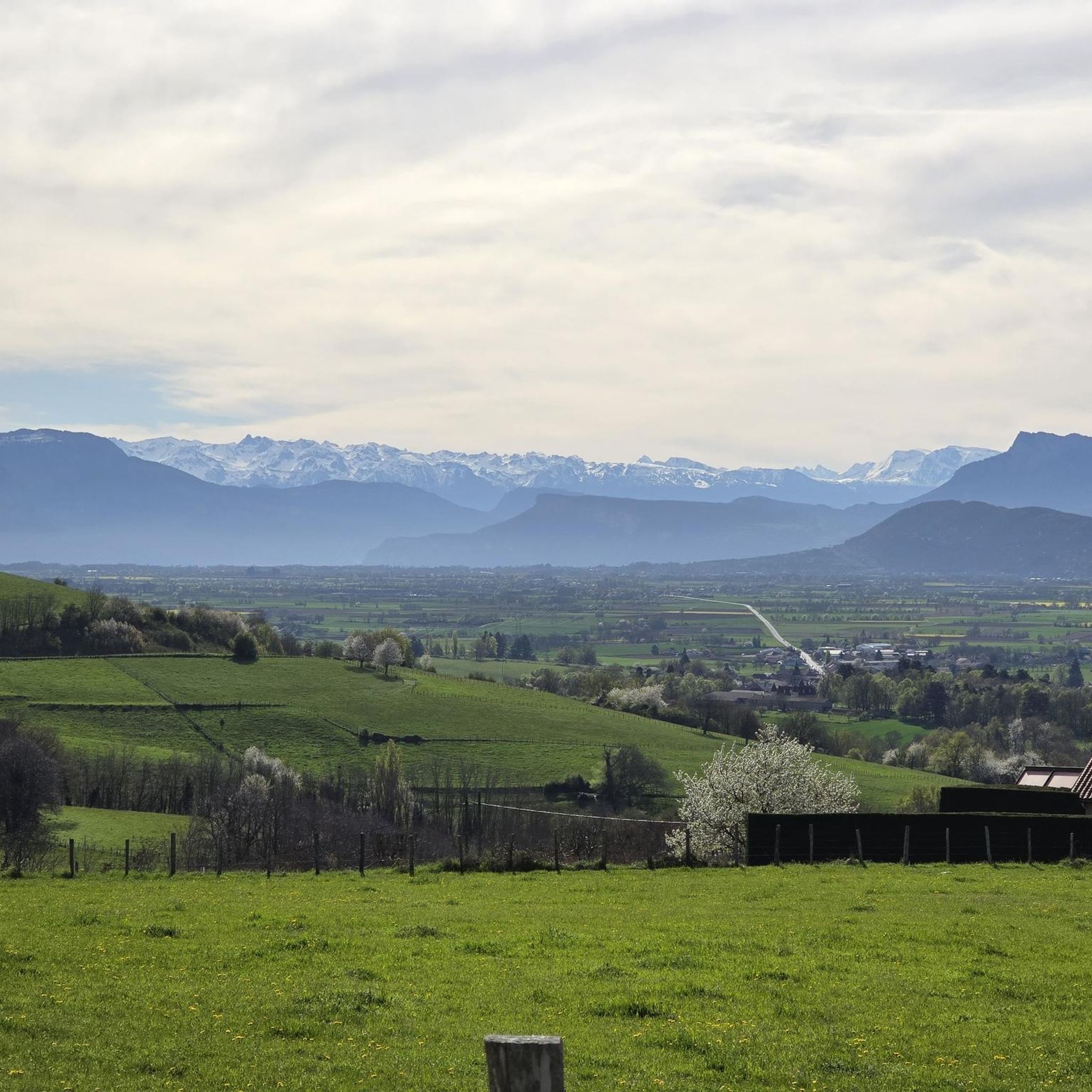
Magnificent place with views of the Chartreuse and the Vercors, several picnic tables, and a charming little chapel accessible to the public.
2
0
Discover the Notre-Dame-du-Mont Chapel and its breathtaking view of Vercors and Chartreuse, with the small chapel you can enter, numerous picnic tables, large green space... A perfect place! ---------- This chapel was built in the 13th century on the hill overlooking the Bièvre plain, an exceptional panorama of the Alps and the Chambaran plateau. With an orientation table. According to legend, the chapel was founded by a Lord of Bressieux, who, returning from a crusade, was surprised at sea by a violent storm. He made a vow if he survived to build a chapel to the Saint Virgin on the hillside, opposite his castle, which is also located just opposite the castle of Bressieux to the north of the Bièvre plain. Source: Terres de Berlioz
0
0
Frequently Asked Questions
What historical landmarks can I visit in Saint-Hilaire-De-La-Côte?
Within the commune, you can explore the historical Château Louis XI, which now houses a music school and offers views of La Côte-Saint-André. Another significant site is the Notre-Dame-du-Mont Chapel, a religious building with panoramic views. The old market hall, a large wooden structure from the French Middle Ages, is also a notable historical site.
Are there any natural attractions or waterfalls near Saint-Hilaire-De-La-Côte?
Yes, the region is known for its natural beauty, particularly its waterfalls. The Saint-Même Cirque Waterfalls are located at the foot of the Hauts de Chartreuse nature reserve. You can also visit the Gouille Waterfall, a collection of falls with accessible paths, and the Alloix Waterfalls, including the impressive 43-meter Grand Cascade.
What kind of outdoor activities are available around Saint-Hilaire-De-La-Côte?
The area offers various outdoor activities, including mountain biking, running, and gravel biking. You can find numerous routes, such as the 'Chapelle 20 km loop from Gillonnay' for MTB, or the 'Mont Avalon loop from Saint-Hilaire-de-la-Côte' for running. For more details on routes and their difficulty, explore the MTB Trails around Saint-Hilaire-De-La-Côte, Running Trails around Saint-Hilaire-De-La-Côte, and Gravel biking around Saint-Hilaire-De-La-Côte guides.
Are there family-friendly attractions in the area?
Yes, several attractions are suitable for families. The Notre-Dame-du-Mont Chapel offers picnic tables and charming views. The Château de Montgontier, a historic site, provides a park suitable for games and walks. For a day of entertainment, Walibi Rhône-Alpes, an amusement park, is located about 32 km away.
Where can I find the best panoramic views around Saint-Hilaire-De-La-Côte?
For stunning panoramic views, head to the Notre-Dame-du-Mont Chapel. From this elevated site, you can enjoy sublime vistas of the Chartreuse and Vercors mountains, especially beautiful at sunset. The grounds of Château Louis XI also offer a lovely perspective of the roofs of La Côte-Saint-André.
What is the significance of the "Dead monk cross"?
The Dead monk cross is a memorial cross made of light wood, located at the junction of several paths. It commemorates the death of a monk and serves as a symbol of remembrance. Many visitors place stones at its base as a sign of respect.
Can I explore medieval sites near Saint-Hilaire-De-La-Côte?
Absolutely. Beyond the local old market hall, you can venture to Saint-Antoine-l'Abbaye, about 25 km away, renowned for its abbey complex and listed among France's 'Most Beautiful Villages'. Crémieu, approximately 38 km north, boasts some of the most extensive medieval ramparts in France. Pont-en-Royans, 36 km south, features medieval houses built along cliffs above a river gorge.
What do visitors enjoy most about the attractions around Saint-Hilaire-De-La-Côte?
Visitors particularly appreciate the historical depth and scenic beauty. The panoramic views from sites like the Notre-Dame-du-Mont Chapel are frequently highlighted. The historical significance of places like Château Louis XI and the unique charm of the old market hall also receive positive feedback.
Are there any unique architectural sites worth visiting in the wider region?
Yes, a truly unique architectural site is the Palais Idéal du Facteur Cheval, located approximately 27 km from Saint-Hilaire-De-La-Côte. This fantastical palace was built by a postman over 33 years and is a remarkable example of naive art architecture.
What is the best time of year to visit Saint-Hilaire-De-La-Côte for outdoor activities?
The region is generally pleasant for outdoor activities from spring through autumn. Spring offers lush greenery and comfortable temperatures, while summer is ideal for enjoying the waterfalls and longer daylight hours. Autumn brings beautiful foliage, perfect for hiking and cycling. Winter can be suitable for some activities, but check local conditions, especially for higher elevations.
Can I find Roman or ancient monuments near Saint-Hilaire-De-La-Côte?
Yes, the town of Vienne, located about 38 km away, is rich in Roman and medieval monuments. It offers a fascinating glimpse into ancient history with its well-preserved Roman theater, temple, and other archaeological sites.
Are there any specific tips for visiting Château Louis XI?
When visiting Château Louis XI, take a walk in the park in the afternoon; you might hear musicians practicing as it now houses a music school. The garden offers a beautiful view of La Côte-Saint-André, which many visitors find to be the highlight.
Most popular routes around Saint-Hilaire-De-La-Côte

Get inspired with the komoot mobile app


Explore more
Still not found the Highlight you’re looking for? See guides of the top attractions in other regions:
