Attractions and Places To See around Farbus - Top 20
Best attractions and places to see around Farbus include sites reflecting its historical significance, particularly its reconstruction after World War I. This farming village, located in the Pas-de-Calais department of the Hauts-de-France region, offers insights into the era. Farbus is situated approximately 9.7 km northeast of Arras. The area features both historical monuments and natural landscapes for exploration.
Best attractions and places to see around Farbus
- The most popular attractions is Notre-Dame-de-Lorette National Cemetery, a historical site that contains…
Last updated: October 9, 2026
Canadian National Vimy Memorial
Highlight (Segment) • Monument
Translated by Google •
Tip by

Notre-Dame-de-Lorette National Cemetery
Highlight • Historical Site
Translated by Google •
Tip by

Sign up now to discover places like this
Get recommendations on the best single tracks, peaks, & plenty of other exciting outdoor places.
The Church of Ablain-Saint-Nazaire
Highlight • Historical Site
Showing Translation
Tip by

Marais de Maroeuil
Highlight (Segment) • Natural
Translated by Google •
Tip by
Arras Citadel
Highlight • Castle
Translated by Google •
Tip by

Sign up for free to discover even more attractions around Farbus.
Already have an account?
Start today with a free account
Your next adventure awaits.


Tips from the Community

Magnificent memorial. The site as a whole is pleasant and rather touristy.
0
0

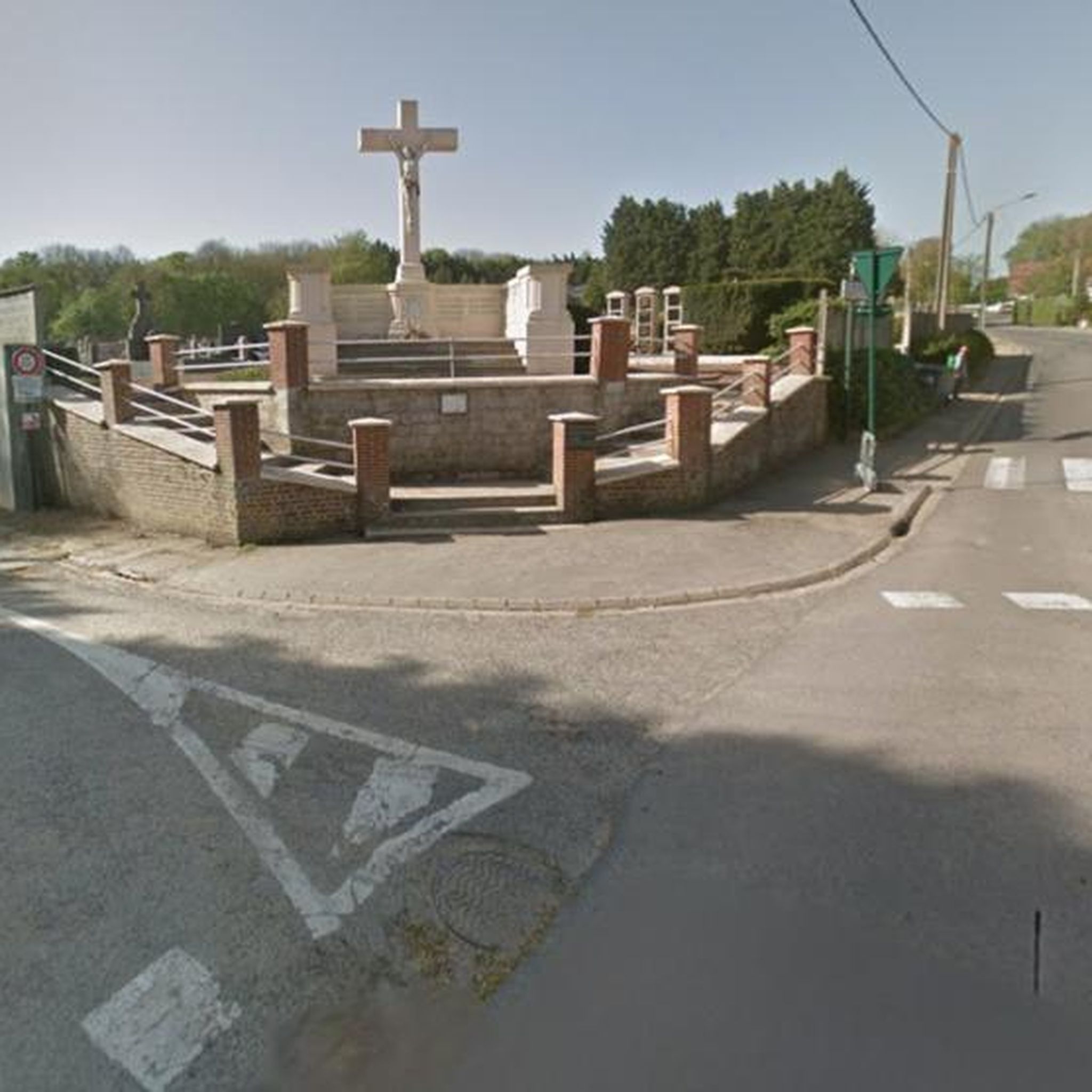
The ruins of the old church of Ablain-Saint-Nazaire are an impressive and symbolic remnant of the First World War. This church, built in the 16th century in flamboyant Gothic style by Jacques Le Caron, was heavily damaged during the fighting in 1915. The ruins have been preserved as a monument to commemorate the horrors of war.
7
0
A remarkable story about the ruins concerns the decision not to rebuild the church after the war. Although the church had been classified as a historical monument in 1908, the Commission for Historical Monuments decided that the ruins should remain as a testimony to the German destruction. Ironically, it was the French guns that had destroyed the church, but the ruins became a symbol of the war and the reconstruction.
6
0
The Nécropole nationale de Notre-Dame-de-Lorette is one of the largest and most impressive military cemeteries in France. Situated on a hill in Ablain-Saint-Nazaire, this cemetery contains the graves of more than 42,000 soldiers who died during the First World War. The cemetery was inaugurated in 1925 and includes a basilica, a tower-lantern and a museum.
7
2

a very pleasant treetop adventure course is taking shape on this route inside the citadel
2
0

The church dedicated to the Mother of God under the title "Notre-Dame de Lorette" rises in brilliant white and is visible from far away. But the brilliant impression is deceptive, at the latest when the visitor to the site realizes that they are in a huge military cemetery. Around 20,000 individual graves and a further 23,000 victims of war and tyranny buried in ossuaries are deeply disturbing.
3
0
Such places are still very important today as memorials to the countless war dead. "Now, Lord, you let your servant depart in peace, as you have said..." says the so-called "Hymn of Simeon" (Luke's Gospel, Chapter 2, Verse 29). However, the many people buried here did not depart in peace, but became victims of war and an inhuman tyranny. The most important and at the same time everlasting function of the military or honorary cemeteries or war graves is therefore to keep the memory of this suffering alive and - every generation anew (!) - to remind them of the need to maintain peace in the long term.
0
0

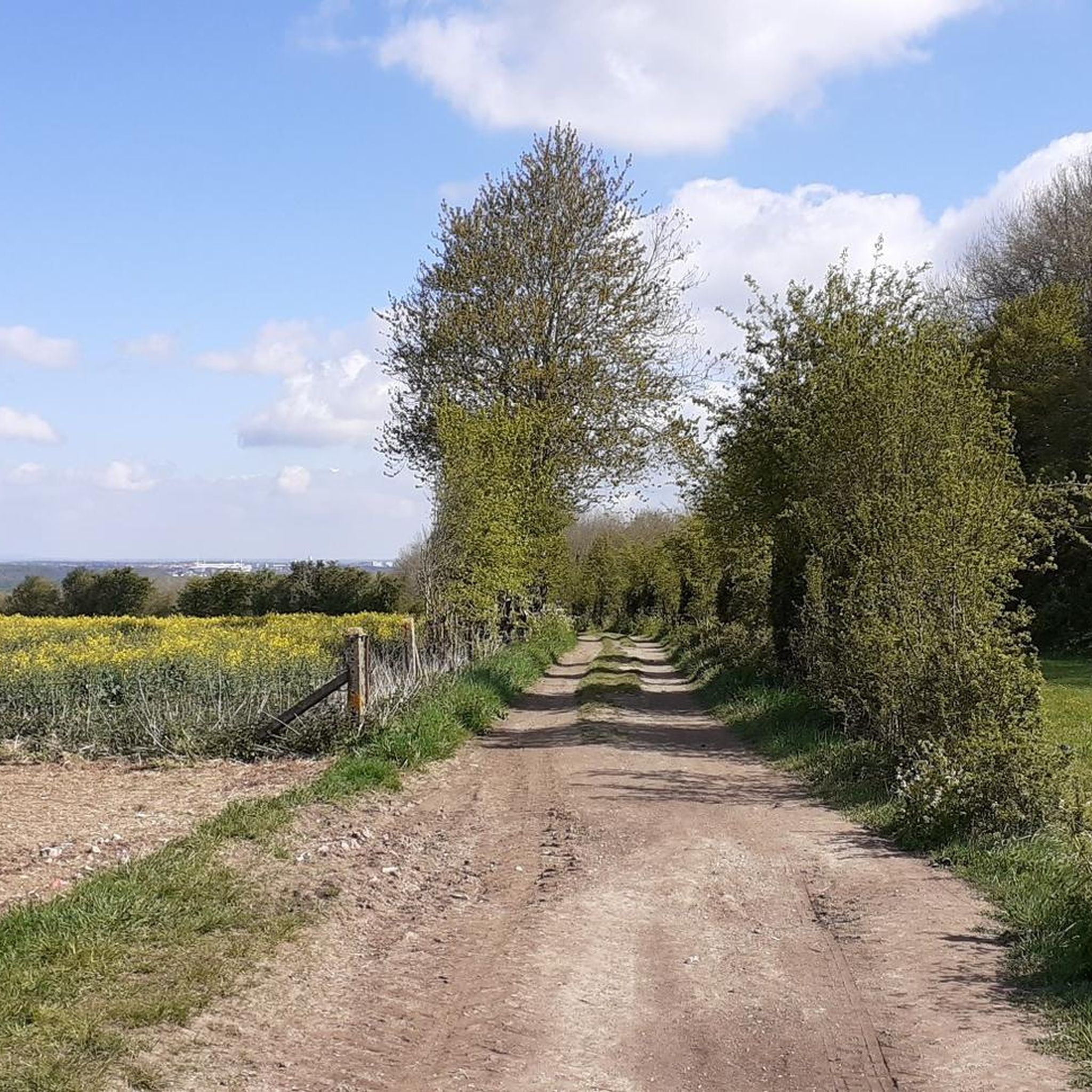
This hike takes private paths... To avoid ending up with a complaint filed
1
0
Frequently Asked Questions
What historical sites related to World War I can I visit near Farbus?
Farbus and its surroundings are rich in World War I history. You can visit the Canadian National Vimy Memorial, which commemorates Canadian soldiers who died in France and have no known grave. Another significant site is the Notre-Dame-de-Lorette National Cemetery, one of France's largest military cemeteries, containing over 42,000 graves. Additionally, explore Towards the Canadian trenches of Vimy to see preserved WWI trench systems, and the symbolic ruined church of Ablain-Saint-Nazaire, preserved as a monument to the war's impact.
Are there any natural attractions or outdoor areas to explore near Farbus?
Yes, for nature lovers, the Marais de Maroeuil is a protected natural swamp area. It offers a rich and varied flora and fauna, including rare species, and provides a quiet corner for walks along the Scarpe river.
What kind of hiking trails are available around Farbus?
There are several hiking opportunities around Farbus, many of which incorporate historical sites. You can find routes like the 'Moroccan monument – Canadian Memorial loop from Vimy' or the 'Canadian Memorial loop from Vimy'. These trails range from easy to moderate difficulty. For more details and specific routes, you can explore the Hiking around Farbus guide.
Can I find family-friendly attractions in the Farbus area?
Many of the historical sites around Farbus are suitable for families, offering educational experiences. The Canadian National Vimy Memorial, Notre-Dame-de-Lorette National Cemetery, and Towards the Canadian trenches of Vimy are all categorized as family-friendly, allowing for reflective and informative visits for all ages.
What cycling routes are available near Farbus?
Farbus is a good starting point for various cycling adventures. Road cyclists can enjoy routes like 'The White Way – Abbey of Mont Saint-Éloi loop from Farbus' or 'Fampoux - Canalized Scarpe – Farbus Hill loop from Farbus'. For mountain biking, options include 'Canadian Memorial loop from Vimy' and 'In the heart of nature near Arras – Biache Marsh loop from Farbus'. You can find detailed routes in the Road Cycling Routes around Farbus and MTB Trails around Farbus guides.
What is the Church of St. Ranulphe in Farbus known for?
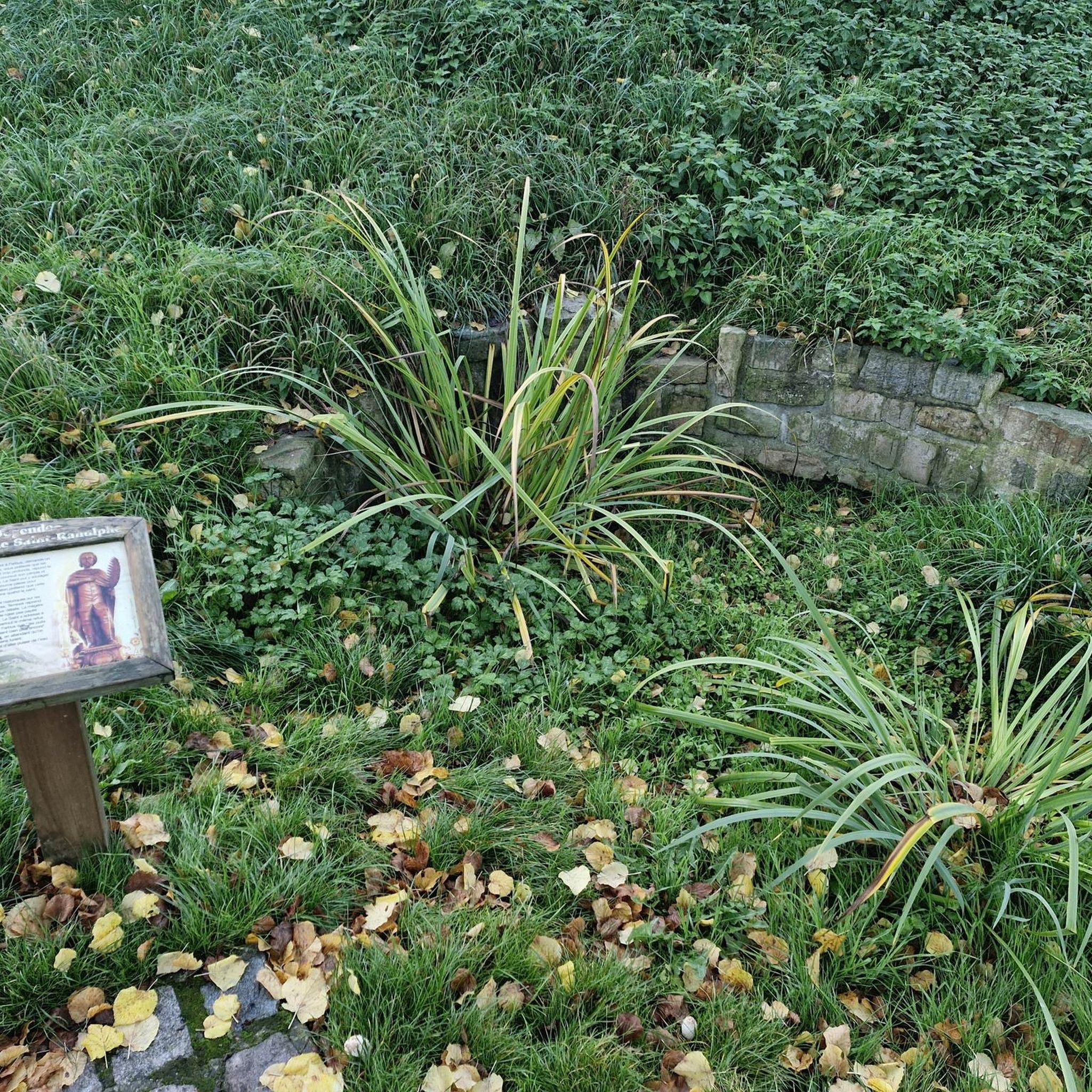
The Church of St. Ranulphe in Farbus was rebuilt after its destruction during World War I. It is notable for housing historical objects such as 16th-century sandstone baptismal fonts from Artois and the tombstone of Antoine de la Derrière, a village priest from the 18th century. Its altar stone is also very old, recovered from the church's rubble after the war.
How far is the Canadian National Vimy Memorial from Farbus?
The Canadian National Vimy Memorial is located approximately 7 kilometers (about 4.3 miles) from Farbus, making it a short drive or a pleasant cycle ride away.
What do visitors particularly appreciate about the attractions near Farbus?
Visitors frequently appreciate the profound historical significance of the sites, especially those related to World War I. The memorials and preserved battlefields offer a powerful and moving experience. The natural areas, like the Marais de Maroeuil, are valued for their tranquility and biodiversity, providing a contrast to the historical intensity.
Are there any specific tips for visiting the Canadian National Vimy Memorial?
When visiting the Canadian National Vimy Memorial, allow ample time to explore. The site includes the impressive memorial itself, dedicated to Canadian soldiers with no known grave, as well as preserved trench systems and two Canadian cemeteries. It's a place for reflection on the courage and sacrifice of the First World War.
What is the significance of the Notre-Dame-de-Lorette National Cemetery?
The Notre-Dame-de-Lorette National Cemetery is the largest military cemetery in France, serving as a memorial and resting place for over 42,000 soldiers from the First World War. It features a basilica, a 52-meter high tower-lantern, and a memorial ring bearing the names of nearly 580,000 soldiers who died in the region. It's a powerful site for remembrance and reflection.
What is the best way to get to Farbus and its attractions?
Farbus is situated about 6 miles (9.7 km) northeast of Arras, at the junction of the D50 and D51 roads. Access is primarily by car, offering flexibility to visit the various historical sites and natural areas scattered around the commune and its immediate vicinity.
Most popular attractions around Farbus

Get inspired with the komoot mobile app


Explore more
Still not found the Highlight you’re looking for? See guides of the top attractions in other regions:
