The best running trails around Farbus
4.4
(288)
23,065
runners
565
runs
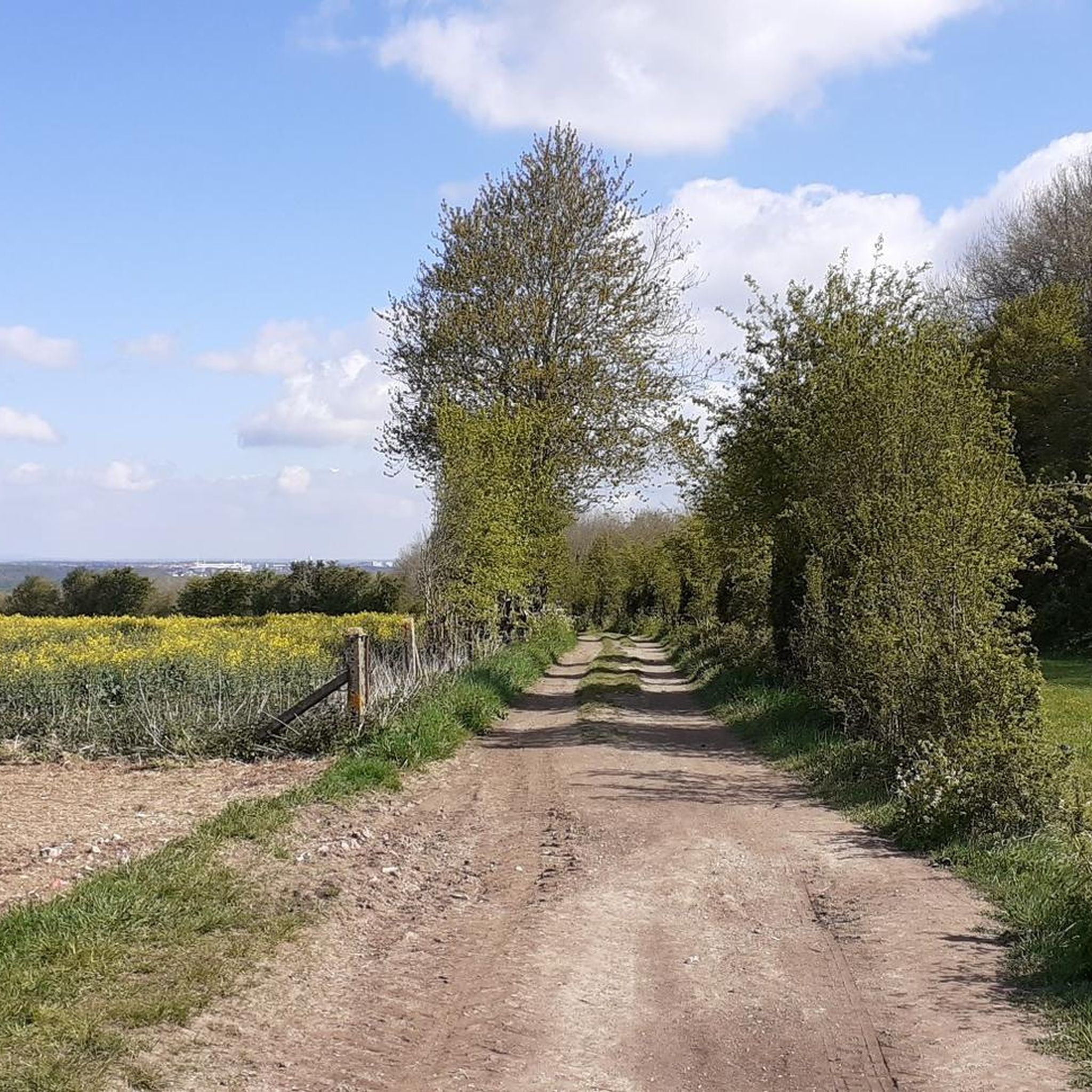
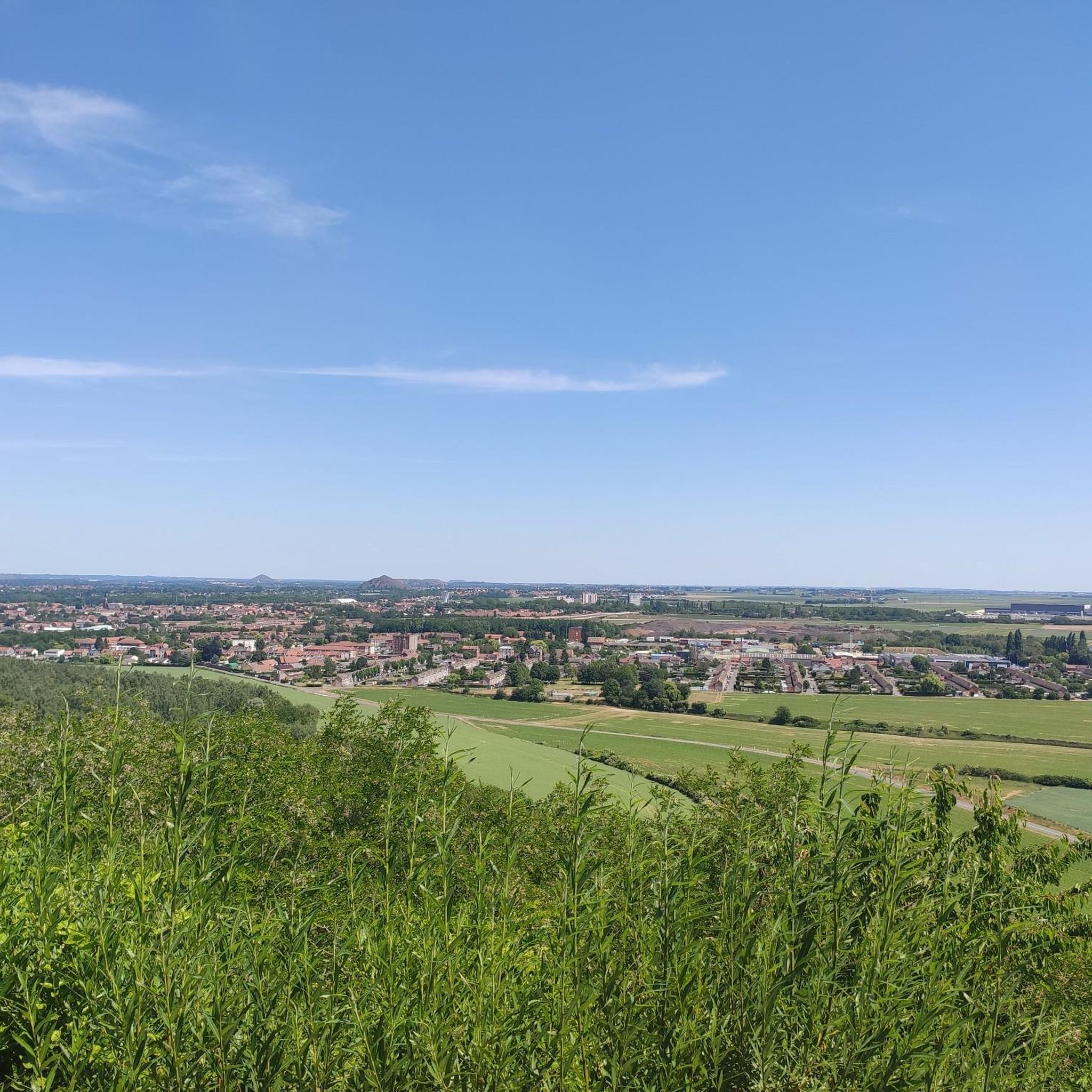
Jogging routes around Farbus traverse a landscape shaped by the Artois hills and historical significance. The region features varied topography, with altitudes ranging from 61 to 139 meters, offering diverse running conditions. Woodlands, including the Vimy forested area and Bois de l'Abîme, provide shaded paths, while views extend over the Gohelle plain and the Artois region. Visible remnants of the First World War, such as bomb craters and trenches, are present in the landscape.
Best jogging routes around Farbus
- The…
Last updated: October 13, 2026
4.0
(1)
261
runners
11.3km
01:12
110m
110m
Moderate run. Good fitness required. Mostly paved surfaces. Suitable for all skill levels.
4.0
(2)
108
runners
12.9km
01:23
120m
120m
Moderate run. Good fitness required. Mostly paved surfaces. Suitable for all skill levels.

4.0
(2)
135
runners
15.8km
01:42
160m
160m
Hard run. Very good fitness required. Mostly paved surfaces. Suitable for all skill levels.
20
runners
5.67km
00:37
90m
90m
Moderate run. Good fitness required. Mostly paved surfaces. Suitable for all skill levels.
19
runners
20.3km
02:16
260m
260m
Hard run. Very good fitness required. Mostly paved surfaces. Suitable for all skill levels.
Get access to more routes and recommendations from other explorers.
Already have an account?
Our route recommendations are based on thousands of hikes, rides, and runs completed by other people on komoot.
Start today with a free account
Your next adventure awaits.

Tips from the Community

Superb site to honor all the victims of history.
0
0
Super memorial of Arras. It's worth the detour.
0
0
One of the two splendid memorials of Arras.
0
0
A memorial that should not be missed
0
0
Splendid memorial. It is worth the detour, to the point of meeting many Canadians.
0
0

Located right next to the monument, the historical interpretation center presents the Battle of Vimy Ridge in two ways. First, you can discover an exhibition with diagrams, photographs, maps, and some exhibits. You'll learn about the historical context from a political and military perspective, with numerous images showing the lunar landscapes of the trench line and No Man's Land. Books about the Battle of Vimy Ridge are also available for purchase at the reception desk. Next, a superb Sound & Light show, using period videos, recounts the preparation for the offensive, the fighting, the advance of the troops, and the lives of soldiers during the battle. A video table and televisions allow you to relive these moments. Commentary is available in French, English, and German.
0
0

A remarkable story about the Vimy Memorial concerns its unveiling in 1936. More than 50,000 people, including 6,200 Canadians, attended the ceremony. The presence of so many veterans and survivors underscored the profound impact of the war and the enduring bond between Canada and France. The memorial has since become a symbol of Canadian courage and sacrifice.
6
0
The Mémorial national du Canada à Vimy is an impressive war memorial, commemorating the members of the Canadian Expeditionary Force who died during the First World War. The memorial, designed by Walter Seymour Allward, was unveiled on 26 July 1936 by King Edward VIII. It commemorates the 11,169 Canadian soldiers who died in France and have no known grave.
7
0
Frequently Asked Questions
How many running routes are available around Farbus?
Farbus and its surrounding area offer a wide variety of options for runners, with over 500 routes available. These range from easy jogs to more challenging trails, ensuring there's something for every fitness level.
What kind of terrain can I expect on jogging routes near Farbus?
Jogging routes around Farbus feature a diverse landscape, from the wooded areas of Vimy Ridge and Bois de l'Abîme to open plains. You'll encounter varied topography with altitudes ranging from 61 to 139 meters, offering both flat sections and moderate elevation changes. Many routes, like the Running loop from Farbus, feature mostly paved surfaces, while others lead through natural undergrowth.
Are there any historical landmarks or natural features to see while running in Farbus?
Yes, the Farbus area is rich in both natural beauty and historical significance. You can run through woodlands that are part of a ZNIEFF (Natural Zone of Ecological, Faunal and Floral Interest) and encounter visible remnants of the First World War, such as bomb craters and trenches. Notable historical sites include the Vimy Ridge area, which is near the Canadian National Vimy Memorial. You can also explore natural monuments like the Vimy Ridge Shell Craters and the Vimy Foundation Centennial Park.
What do other runners enjoy most about the trails in Farbus?
The running trails in Farbus are highly rated by the komoot community, with an average score of 4.4 stars from over 180 reviews. Runners often praise the varied terrain, the unique historical context provided by sites like the Vimy Ridge area, and the peaceful, wooded paths that offer a refreshing escape into nature.
Are there circular running routes available in the Farbus area?
Yes, many of the running routes around Farbus are circular, providing convenient starting and ending points. For example, the Running loop from Farbus is a moderate 11.5 km circular path, and the Single in the wood – Canadian Memorial loop from Vimy is another popular circular option.
Are the jogging routes around Farbus suitable for families?
While specific family-friendly routes are not explicitly detailed, the region offers a range of difficulties from easy to moderate. Shorter, less elevated routes like the Running loop from Vimy (5.7 km) could be suitable for families looking for a gentle jog or walk. The presence of historical sites also adds an educational element for older children.
Can I bring my dog on the running trails in Farbus?
The natural and wooded areas around Farbus are generally welcoming for dogs, but it's always recommended to check local regulations or signage on specific trails, especially those within historical or protected zones like the Vimy Ridge area. Keeping dogs on a leash is usually a good practice to ensure safety and respect for wildlife and other trail users.
What are the difficulty levels of the running trails in Farbus?
The running trails in Farbus cater to various fitness levels. Out of over 500 routes, approximately 42 are considered easy, 369 are moderate, and 125 are difficult. This means you can find everything from gentle jogs with minimal elevation to longer, more challenging runs with significant climbs, such as the Tour de Vimy – Single in the wood loop from Farbus.
Is there parking available near the running routes in Farbus?
Given Farbus's proximity to popular sites like the Canadian National Vimy Memorial and various trailheads, parking is generally available. For routes starting from Vimy or Farbus itself, you can often find designated parking areas, though it's advisable to check specific route details or local maps for the most convenient spots.
Are there any lakes or natural water features near the jogging paths?
Yes, the broader area around Farbus features several natural water bodies. While not directly on every jogging path, you can find highlights such as Marais de Maroeuil, Marais de la Galance, and the Blue Lake. These offer additional scenic spots to explore in the region.
What is the best time of year to go running in Farbus?
Farbus, located in northern France, experiences a temperate climate. Spring and autumn generally offer the most pleasant conditions for running, with mild temperatures and beautiful scenery. Summer can be warm but is still suitable, especially in the shaded woodlands. Winter running is possible, but trails may be wet or muddy, and temperatures will be cooler.
Can I access the running trails in Farbus using public transport?
Farbus is a small commune, but its proximity to Arras (8 km away) suggests that public transport might connect to nearby towns. However, direct public transport access to specific trailheads within Farbus itself may be limited. It's recommended to check local bus schedules from Arras or Vimy for connections to the Farbus area if you plan to rely on public transport.
Most popular attractions around Farbus

Get inspired with the komoot mobile app


Explore more
Browse the best Running Trails & Routes in other regions.
