Attractions and Places To See around Mont-Saint-Éloi - Top 20
Best attractions and places to see around Mont-Saint-Éloi include historical landmarks, natural features, and remembrance sites. This village, situated on a hill near Arras, offers panoramic views over the Scarpe Valley and the Artois plain. The area is characterized by its wooded hillsides and is recognized for its ecological significance. Visitors can explore ancient ruins, significant war memorials, and various outdoor trails.
Best attractions and places to see around Mont-Saint-Éloi
- The most popular attractions is The Caucourt Ford and Watermill…
Last updated: October 19, 2026
Canadian National Vimy Memorial
Highlight (Segment) • Monument
Translated by Google •
Tip by

The Caucourt Ford and Watermill
Highlight • Monument
Translated by Google •
Tip by

Sign up now to discover places like this
Get recommendations on the best single tracks, peaks, & plenty of other exciting outdoor places.
Notre-Dame-de-Lorette National Cemetery
Highlight • Historical Site
Translated by Google •
Tip by

The Church of Ablain-Saint-Nazaire
Highlight • Historical Site
Showing Translation
Tip by

Marais de Maroeuil
Highlight (Segment) • Natural
Translated by Google •
Tip by
Sign up for free to discover even more attractions around Mont-Saint-Éloi.
Already have an account?
Start today with a free account
Your next adventure awaits.
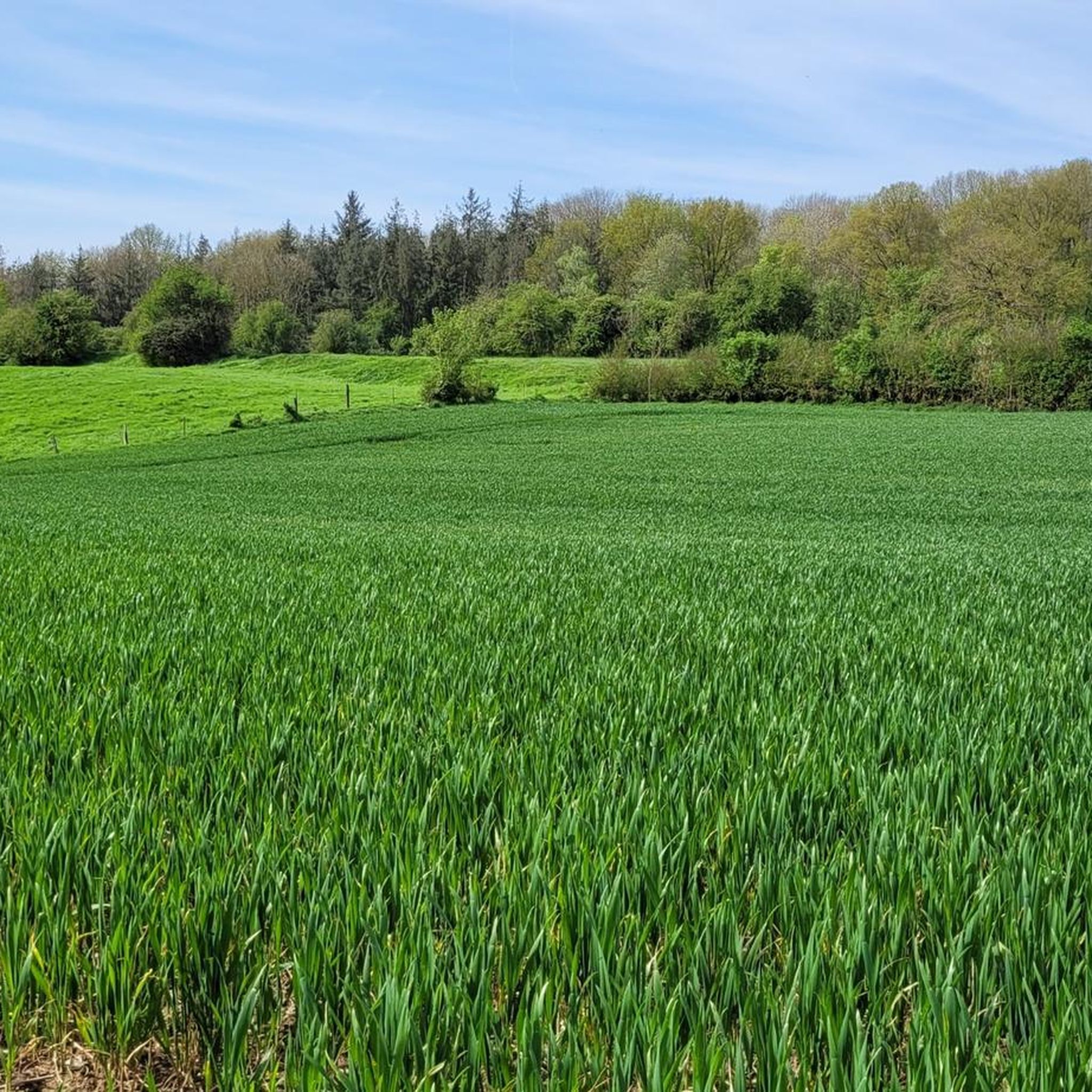
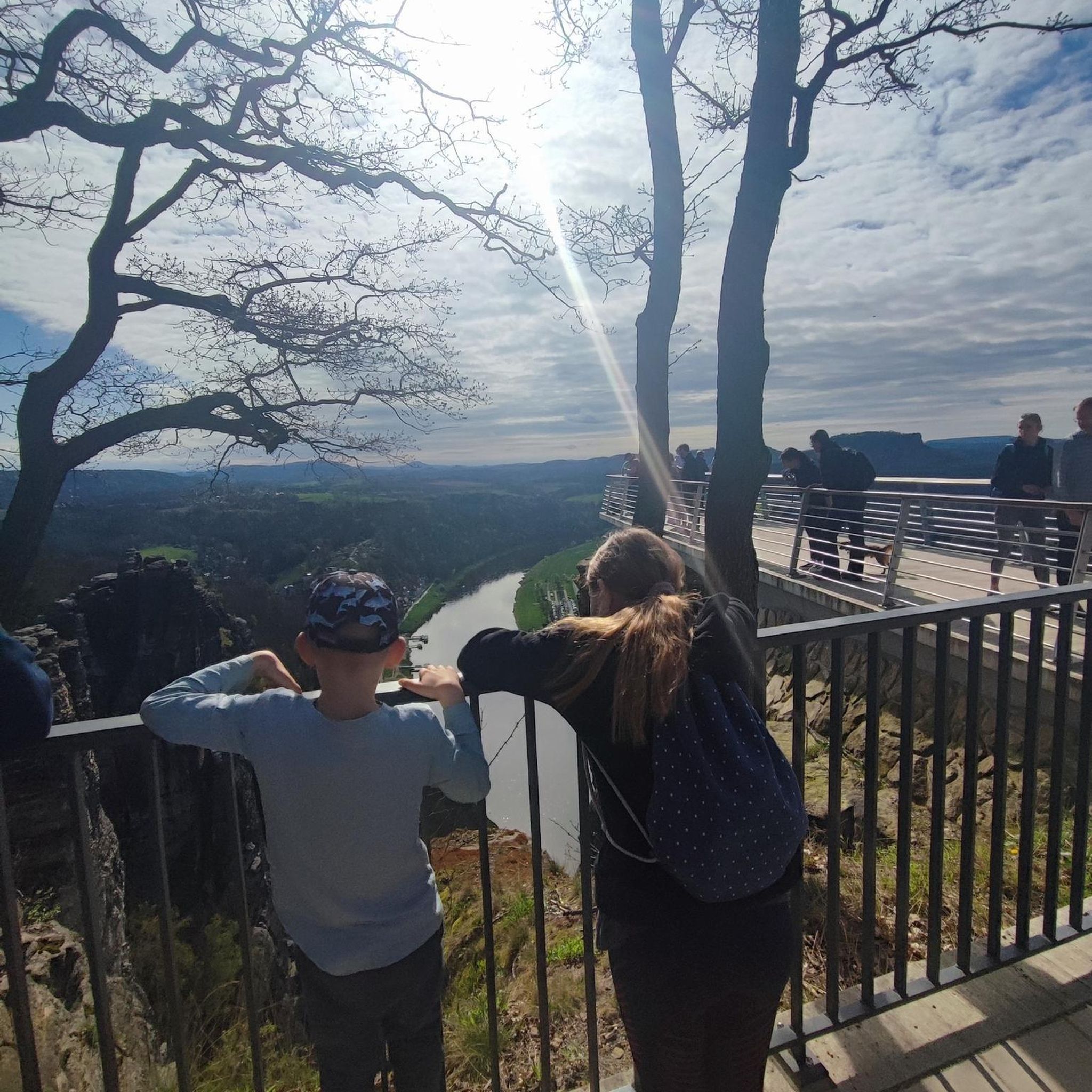
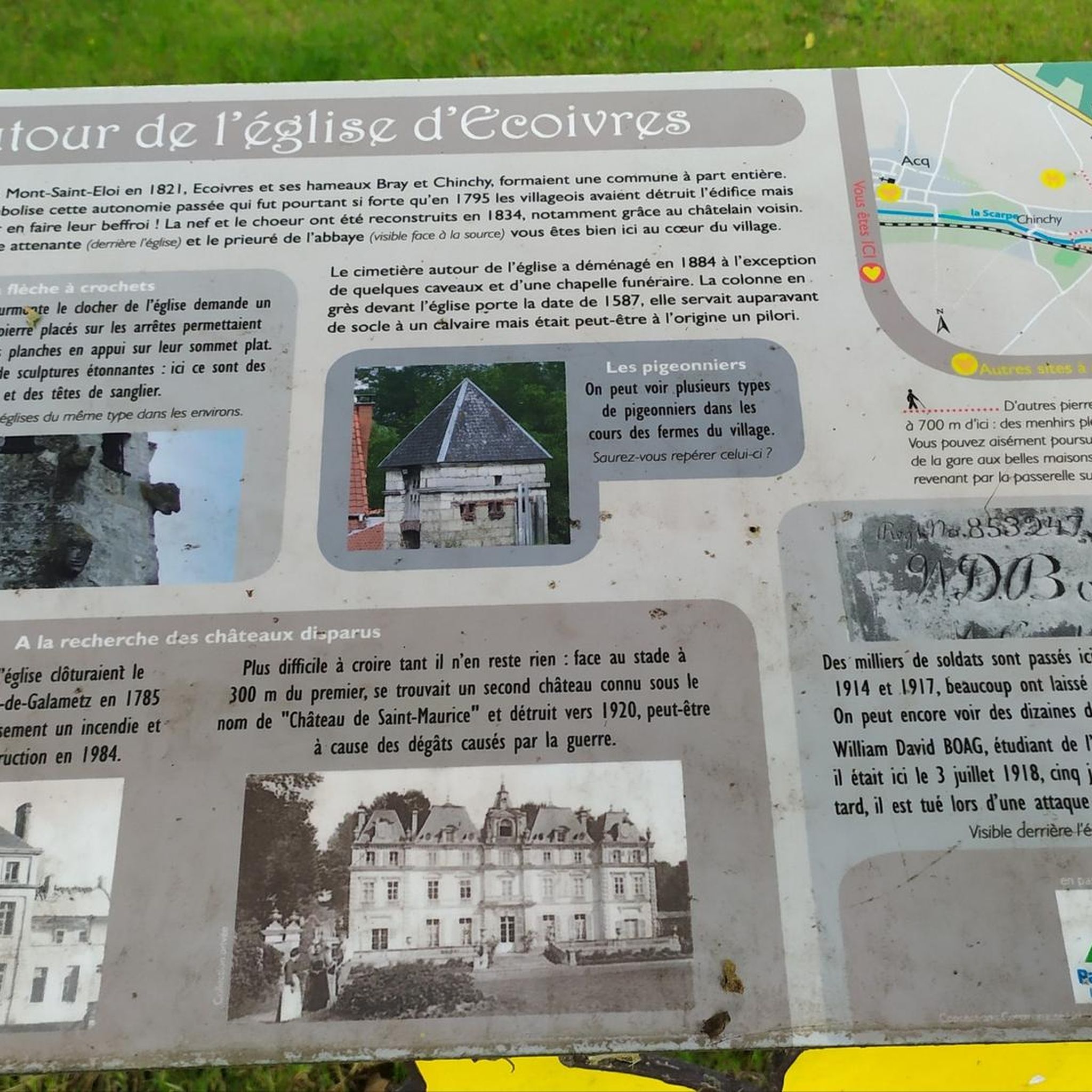
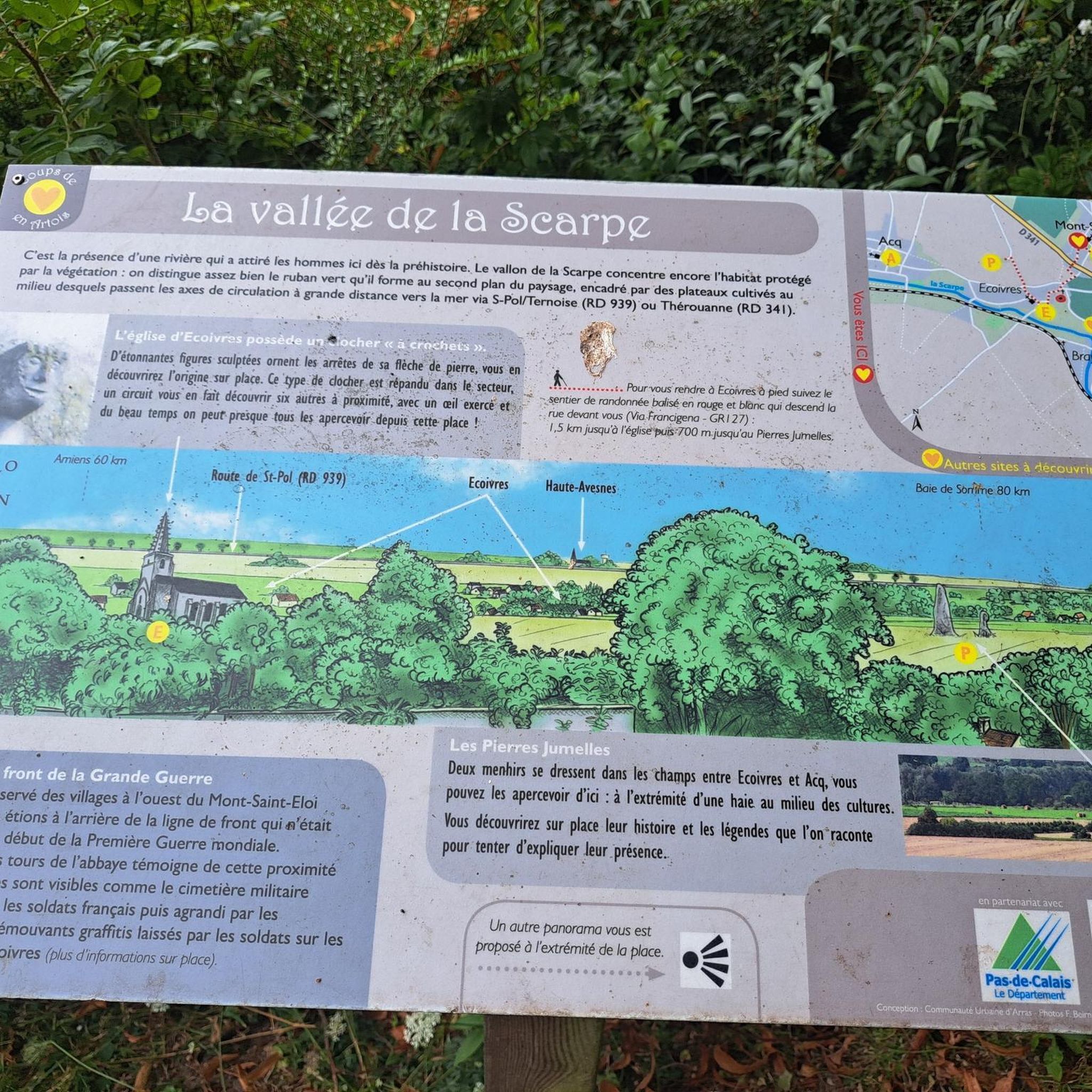
Tips from the Community

Magnificent memorial. The site as a whole is pleasant and rather touristy.
0
0

The ruins of the old church of Ablain-Saint-Nazaire are an impressive and symbolic remnant of the First World War. This church, built in the 16th century in flamboyant Gothic style by Jacques Le Caron, was heavily damaged during the fighting in 1915. The ruins have been preserved as a monument to commemorate the horrors of war.
7
0
A remarkable story about the ruins concerns the decision not to rebuild the church after the war. Although the church had been classified as a historical monument in 1908, the Commission for Historical Monuments decided that the ruins should remain as a testimony to the German destruction. Ironically, it was the French guns that had destroyed the church, but the ruins became a symbol of the war and the reconstruction.
6
0
The Nécropole nationale de Notre-Dame-de-Lorette is one of the largest and most impressive military cemeteries in France. Situated on a hill in Ablain-Saint-Nazaire, this cemetery contains the graves of more than 42,000 soldiers who died during the First World War. The cemetery was inaugurated in 1925 and includes a basilica, a tower-lantern and a museum.
7
2

The church dedicated to the Mother of God under the title "Notre-Dame de Lorette" rises in brilliant white and is visible from far away. But the brilliant impression is deceptive, at the latest when the visitor to the site realizes that they are in a huge military cemetery. Around 20,000 individual graves and a further 23,000 victims of war and tyranny buried in ossuaries are deeply disturbing.
3
0
Such places are still very important today as memorials to the countless war dead. "Now, Lord, you let your servant depart in peace, as you have said..." says the so-called "Hymn of Simeon" (Luke's Gospel, Chapter 2, Verse 29). However, the many people buried here did not depart in peace, but became victims of war and an inhuman tyranny. The most important and at the same time everlasting function of the military or honorary cemeteries or war graves is therefore to keep the memory of this suffering alive and - every generation anew (!) - to remind them of the need to maintain peace in the long term.
0
0

This hike takes private paths... To avoid ending up with a complaint filed
1
0

Be careful if you take the wooden passage, slippery if wet
1
0
Frequently Asked Questions
What historical landmarks can I explore in Mont-Saint-Éloi?
Mont-Saint-Éloi is rich in history. You can visit the iconic Abbey Towers, which are ruined but offer splendid panoramic views. The village also features charming local architecture with houses built from white stone, often sourced from the abbey ruins. Additionally, the nearby ruined church of Ablain-Saint-Nazaire stands as a poignant reminder of World War I.
Are there any significant World War I remembrance sites near Mont-Saint-Éloi?
Yes, the area around Mont-Saint-Éloi is deeply connected to World War I history. You can visit the War Cemetery in Ecoivres, which is the resting place for 2,400 soldiers. Other significant sites include the Notre-Dame-de-Lorette National Cemetery, one of France's largest military cemeteries, and the impressive Canadian National Vimy Memorial, commemorating Canadian soldiers who died in the war.
What kind of natural landscapes and views can I expect around Mont-Saint-Éloi?
Mont-Saint-Éloi offers breathtaking natural beauty. From the esplanade near the Abbey Towers, you can enjoy panoramic views over the Scarpe Valley and the Artois plain. The village is surrounded by wooded hillsides, including Ecoivres Wood, which is part of a classified 'Zone Naturelle d'Intérêt Écologique, Faunistique et Floristique' (ZNIEFF). You can also explore the Marais de Maroeuil, a protected natural wetland area.
Are there family-friendly attractions in Mont-Saint-Éloi?
Several sites around Mont-Saint-Éloi are suitable for families. The Canadian National Vimy Memorial and the Notre-Dame-de-Lorette National Cemetery offer educational experiences about history. Exploring the Abbey Towers and enjoying the panoramic views can also be a rewarding family outing. The various hiking trails in the surrounding woods provide opportunities for outdoor family adventures.
What hiking trails are available near Mont-Saint-Éloi?
Mont-Saint-Éloi is an excellent starting point for hikers. Popular trails include the 16 km “Sentier des 3 Abbayes,” which connects Mont-Saint-Éloi, Etrun, and Maroeuil, and the 10 km “Sentier des Pierres du Diable,” leading to the Twin Stones of Acq. For more options, you can explore various routes like the 7 km “The two Towers – Abbey of Mont-Saint-Éloi loop” or the 6 km “The two Towers – Ruins of Mont-Saint-Eloi Abbey loop.” Find more details on the Hiking around Mont-Saint-Éloi guide.
Can I go cycling or mountain biking in the Mont-Saint-Éloi area?
Yes, the region offers several cycling and mountain biking opportunities. The “Hauts-Lieux de la Grande Guerre en France” is a 29.5 km tourist cycle trail focusing on World War I sites. For mountain biking, you can find routes like the “Brick bridge – EuroVélo 5 at Souchez loop” or the “The two Towers loop from Marœuil.” Discover more trails on the MTB Trails around Mont-Saint-Éloi guide.
Are there any unique geological sites to visit?
Yes, for those interested in geology, the hamlet of Bray features a chalk quarry. Here, outcrops of chalk protected by sandstone reveal the geological strata of Artois, which were formed 90 million years ago. It's a fascinating glimpse into the region's ancient past.
What is the best time to visit Mont-Saint-Éloi for outdoor activities?
The spring and summer months are ideal for outdoor activities in Mont-Saint-Éloi, offering pleasant weather for hiking, cycling, and exploring the natural landscapes. Autumn also provides beautiful scenery with changing foliage, though it's advisable to dress in layers for cooler temperatures.
What are the Twin Stones of Acq?
The Twin Stones of Acq (Pierres Jumelles d'Acq) are two significant menhirs, or megalithic standing stones, located in the Pays d'Artois. These ancient stones are steeped in local legend and can be discovered by following the “Sentier des Pierres du Diable” trail, offering a blend of history and folklore.
Are there any cultural events in Mont-Saint-Éloi?
Mont-Saint-Éloi hosts an annual cultural event called “Souvenir d'un Grand Duc, de Tour en Tour.” This sound and light show takes place every September, offering a unique way to experience the village's history and atmosphere.
What is the Caucourt Ford and Watermill?
The Caucourt Ford and Watermill is a picturesque man-made monument where you can cross a river or walk alongside it. It's a charming spot that combines historical interest with natural beauty, and there's even a cafe nearby.
Most popular routes around Mont-Saint-Éloi
Most popular attractions around Mont-Saint-Éloi

Get inspired with the komoot mobile app


Explore more
Still not found the Highlight you’re looking for? See guides of the top attractions in other regions:
