The best cycling routes around Mont-Saint-Éloi
4.5
(512)
4,770
riders
455
rides
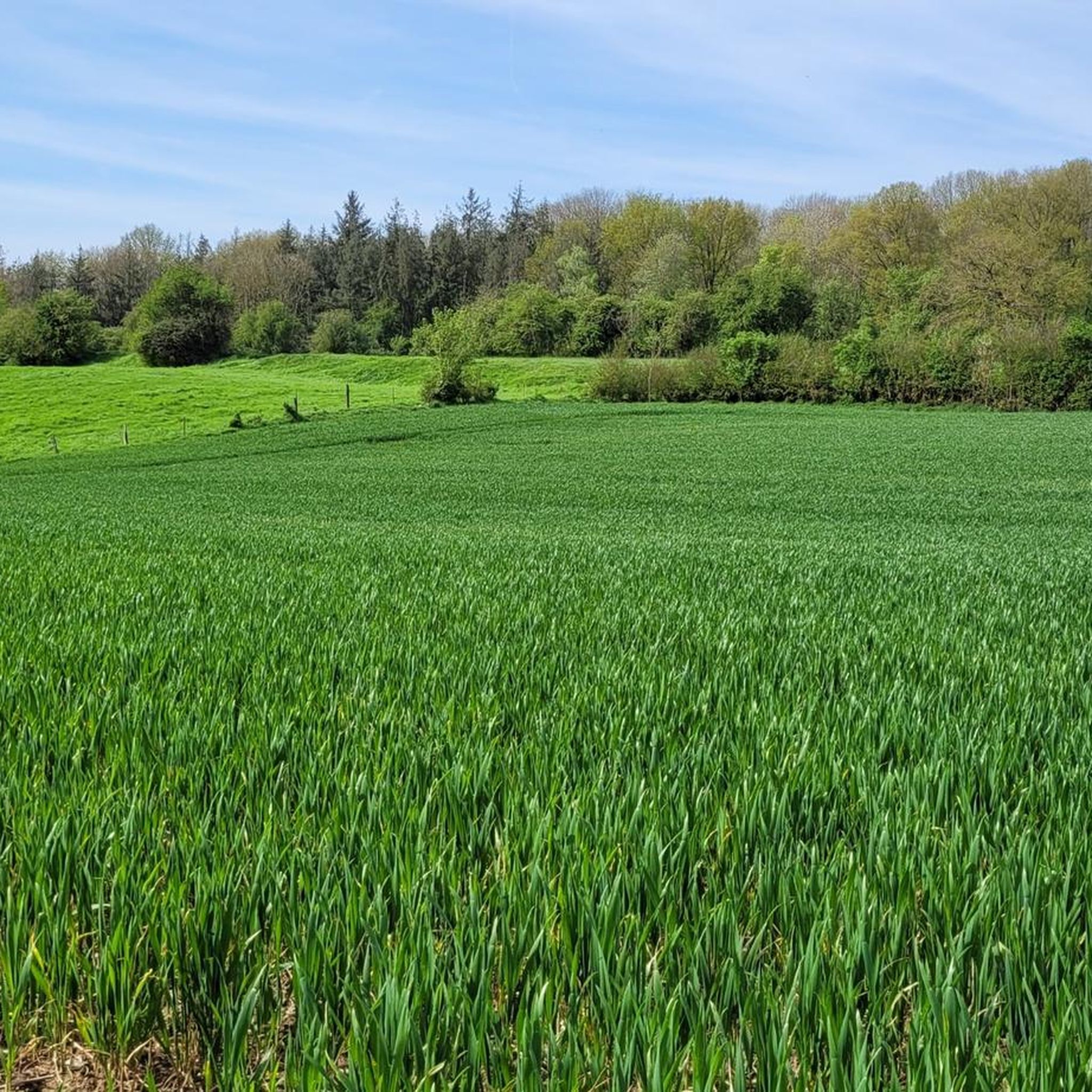
Touring cycling around Mont-Saint-Éloi offers diverse landscapes, from challenging ascents to scenic routes through picturesque plains and valleys. The region features rolling hills, open plains, and wooded areas, characterized by chalk and sandstone outcrops. Cyclists are often rewarded with expansive views over the Scarpe Valley and Artois plain from elevated positions.
Best touring cycling routes around Mont-Saint-Éloi
- The most popular touring cycling route is Bray Chalk Quarry – Bluebells in Bois de Noulette loop from Marœuil, a 28.4 miles…
Last updated: October 19, 2026
5.0
(2)
32
riders
28.7km
01:48
100m
100m
Easy bike ride. Great for any fitness level. Mostly paved surfaces. Suitable for all skill levels.
32
riders
39.2km
02:56
320m
320m
Moderate bike ride. Good fitness required. Mostly paved surfaces. Suitable for all skill levels.

5.0
(2)
18
riders
42.4km
02:38
400m
400m
Moderate bike ride. Good fitness required. Mostly paved surfaces. Suitable for all skill levels.
19
riders
45.6km
03:26
450m
450m
Hard bike ride. Good fitness required. You may need to push your bike for some segments of this route.
13
riders
50.6km
03:57
510m
510m
Hard bike ride. Very good fitness required. You may need to push your bike for some segments of this route.
Get access to more routes and recommendations from other explorers.
Already have an account?
Our route recommendations are based on thousands of hikes, rides, and runs completed by other people on komoot.
Start today with a free account
Your next adventure awaits.
Tips from the Community

Super memorial of Arras. It's worth the detour.
0
0
Quiet path with uneven surface. Abandoned locks.
0
0
Splendid memorial. It is worth the detour, to the point of meeting many Canadians.
0
0


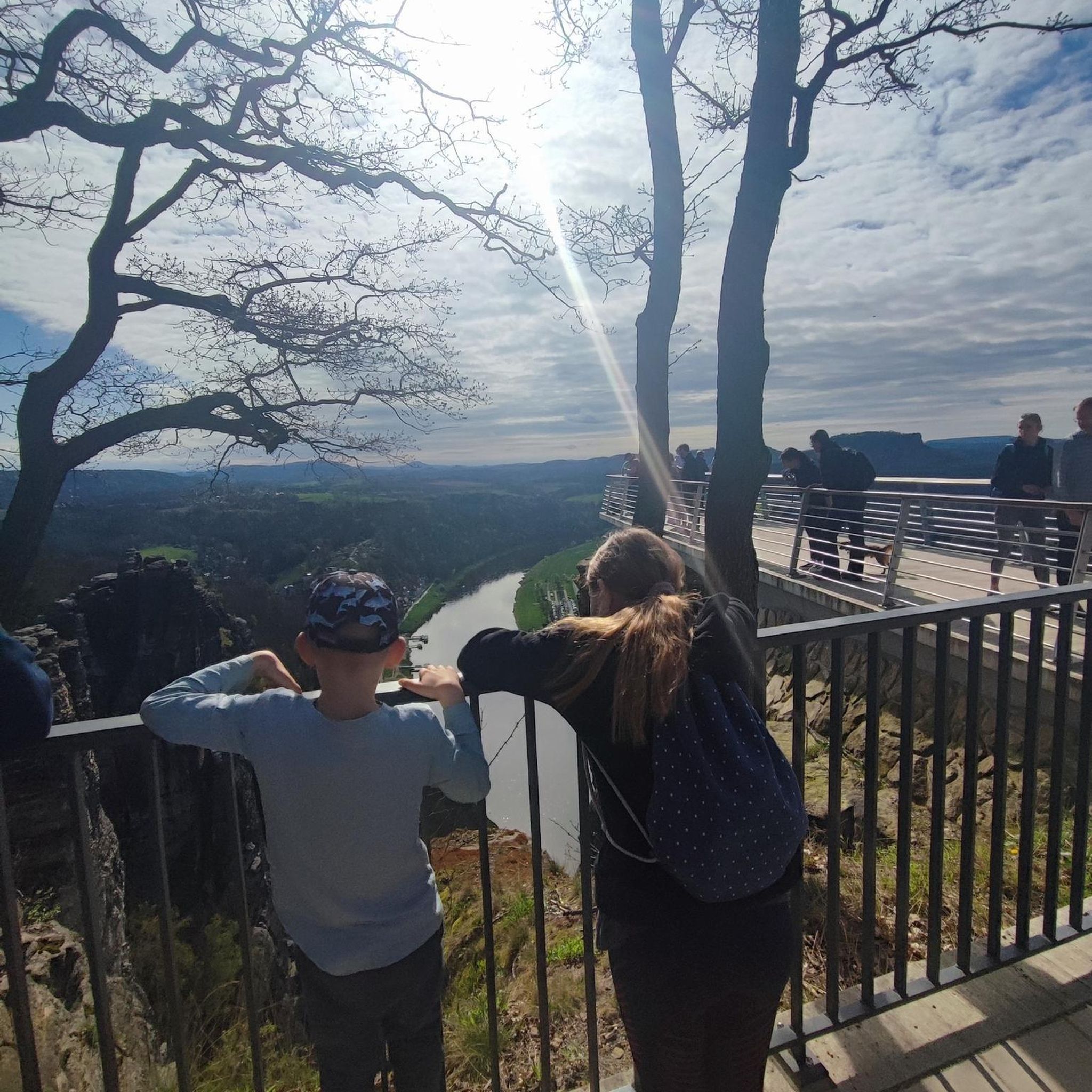
The National Necropolis of Notre-Dame-de-Lorette is located on Mont Hernu (173m) and opposite the necropolis, next to the anneau de la Mémoire you have a balcony set up as a lookout point.
6
0

The Maroeuil Marsh natural area offers a pleasant walk along the Scarpe River, with interesting flora and fauna. The signposting is illustrated by the small Vertigo de Des Moulins snail, which you can try to spot on the marsh plants.
0
0
Frequently Asked Questions
What kind of terrain and difficulty can I expect on touring cycling routes around Mont-Saint-Éloi?
The region offers a diverse mix of terrain, including rolling hills, open plains, and wooded areas, often characterized by chalk and sandstone outcrops. You'll find routes suitable for various skill levels: there are 149 easy routes, 213 moderate routes, and 77 difficult routes. For an easier ride, consider the Maroeuil Marshes – Bray Chalk Quarry loop from Marœuil. A moderate option is the Bray Chalk Quarry – Canadian Trail loop from Marœuil, while more challenging ascents can be found on routes like the Bray Chalk Quarry – Bluebells in Bois de Noulette loop from Marœuil.
Are there any specific viewpoints or panoramic vistas along the cycling routes?
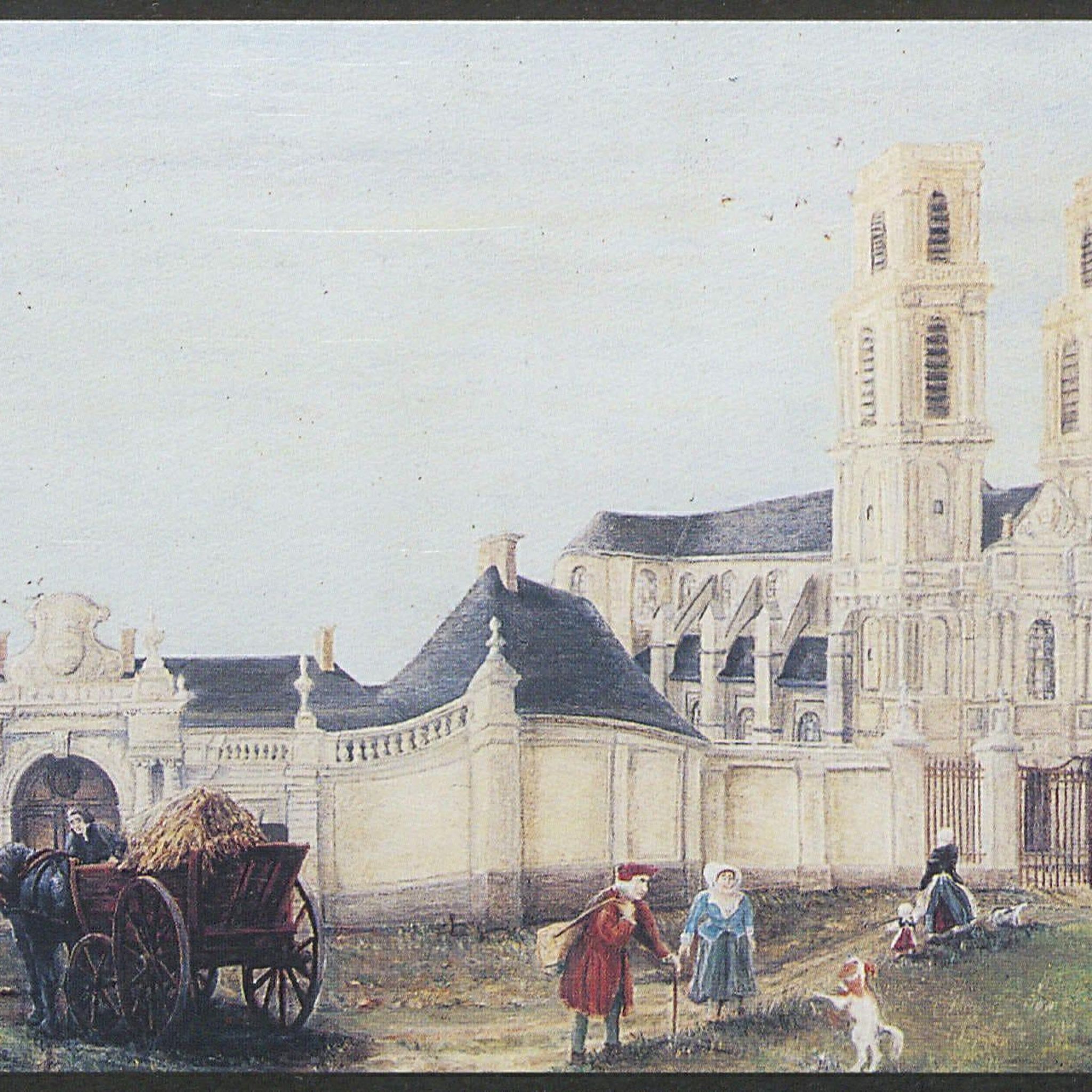
Yes, Mont-Saint-Éloi is perched on a hill, offering splendid panoramic views over the entire Scarpe Valley and the Artois plain. Many routes will reward cyclists with expansive vistas, especially after climbs. The iconic ruined towers of the Abbey of Mont-Saint-Éloi also serve as a significant visual reference point and offer great views.
What historical landmarks or natural features can I discover while cycling in Mont-Saint-Éloi?
Cycling routes in Mont-Saint-Éloi often pass by significant historical and natural sites. You can explore the majestic ruins of the Abbey of Mont-Saint-Éloi, which dominate the skyline. Other notable attractions include the site of an ancient Gallic oppidum at Mont César, the mysterious Pierres Jumelles (Twin Stones) of Acq, and tranquil natural spots like the Source Sainte-Bertille and the Marais de Maroeuil. The Bray Chalk Quarry is also a unique natural feature found on several routes.
Are there any family-friendly touring cycling routes in the area?
Yes, with 149 easy routes available, Mont-Saint-Éloi offers several options suitable for families. These routes typically feature less elevation gain and smoother terrain. While specific 'family-friendly' designations aren't provided, routes with lower difficulty grades, such as the Maroeuil Marshes – Bray Chalk Quarry loop from Marœuil, are generally more accessible for a family outing.
What do other touring cyclists enjoy most about cycling in Mont-Saint-Éloi?
The area is highly rated by the komoot community, with an average score of 4.5 stars from over 380 reviews. Cyclists often praise the diverse landscapes, from challenging ascents to scenic routes through picturesque plains and valleys, and the rewarding panoramic views. The mix of historical sites and natural beauty also contributes to a highly enjoyable cycling experience.
Are there any circular touring cycling routes available?
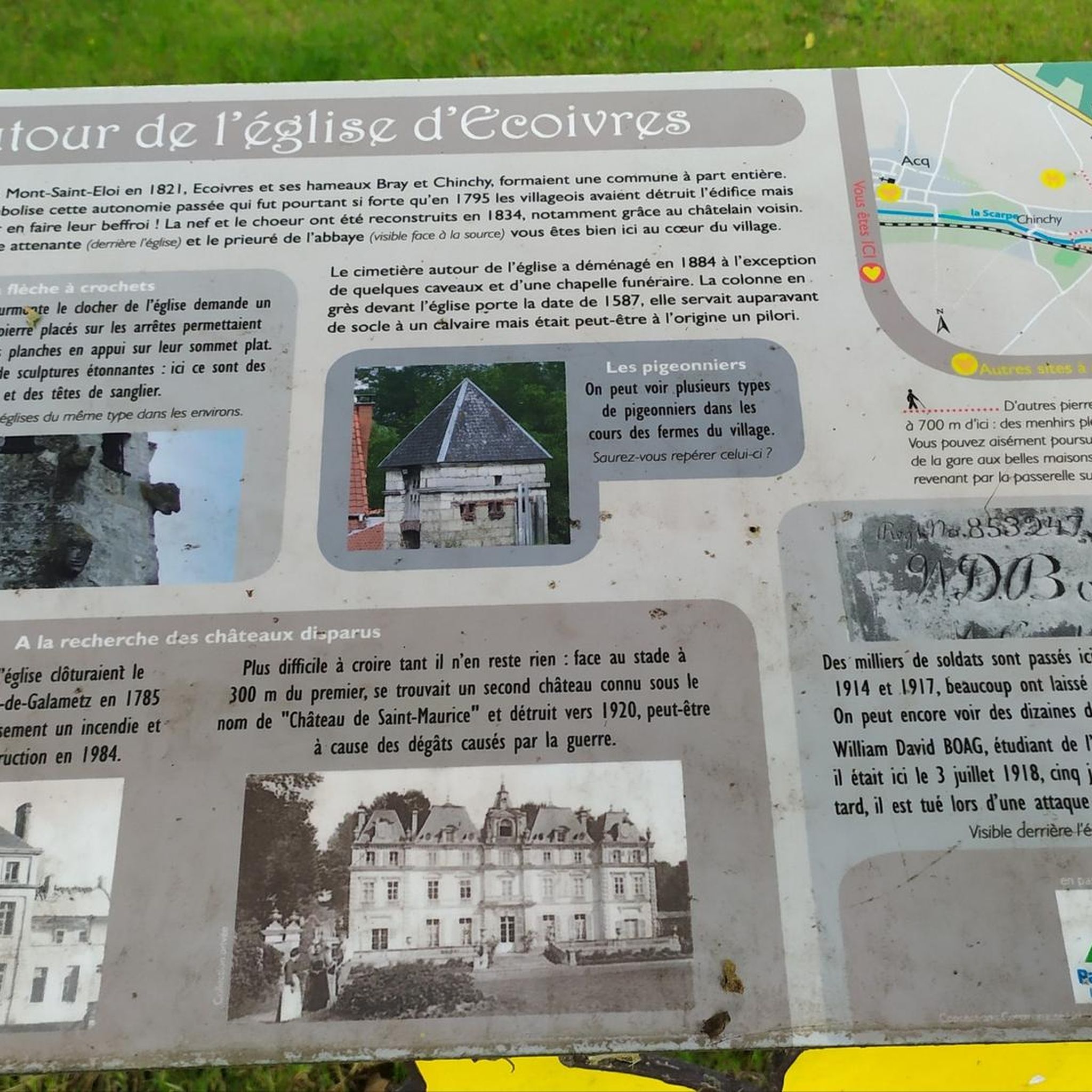
Many of the touring cycling routes around Mont-Saint-Éloi are designed as loops, allowing you to start and end at the same point. Examples include the Maroeuil Marshes – Lorette Hill via Ablain loop from Marœuil, which takes you through marshlands and up Lorette Hill, or the Bray Chalk Quarry – Saint Martin d'Ecoivres church loop from Camblain-l'Abbé.
What is the best time of year to go touring cycling in Mont-Saint-Éloi?
While cycling is possible year-round, the diverse landscapes of Mont-Saint-Éloi are particularly enjoyable during spring and autumn when the weather is milder and the scenery is vibrant. Spring brings blooming flora, while autumn offers beautiful foliage. Summer can also be pleasant, but it's advisable to start earlier in the day to avoid the midday heat.
Are there any specific attractions or points of interest near the cycling routes that I should visit?
Absolutely! Beyond the main landmarks, you can find several interesting points of interest. Consider visiting the The Caucourt Ford and Watermill, the Canadian National Vimy Memorial, or the historic ruined church of Ablain-Saint-Nazaire. For a poignant historical site, the Notre-Dame-de-Lorette National Cemetery is also nearby.
How many touring cycling routes are there in Mont-Saint-Éloi?
There are over 400 touring cycling routes available around Mont-Saint-Éloi, offering a wide variety of options for different preferences and skill levels. Specifically, komoot lists 439 routes in the area.
Is it possible to access the cycling trails using public transport, or is parking readily available?
While specific public transport links directly to trailheads might be limited, Mont-Saint-Éloi is generally accessible. For those driving, parking is typically available in and around the main village and at various starting points for popular routes. It's always a good idea to check local parking information for your chosen starting point before you set off.
Are there any cafes or pubs along the touring cycling routes for a break?
The region has a network of villages and towns, so you'll often find opportunities for refreshments. While specific establishments aren't listed for every route, many routes pass through or near communities where you can find local cafes, bakeries, or pubs to take a break and refuel.
Most popular routes around Mont-Saint-Éloi
Most popular attractions around Mont-Saint-Éloi

Get inspired with the komoot mobile app


Explore more
Browse the best Cycling routes in other regions.
