Attractions and Places To See around Sinsat - Top 20
Attractions and places to see around Sinsat, located in the Ariège department of the Occitanie region in France, offer a mix of local historical sites and access to the natural and cultural heritage of the Ariège Pyrenees. The area provides opportunities for exploring diverse landscapes, from mountain peaks to historical monuments. Sinsat serves as a base for discovering both local points of interest and wider regional attractions.
Best attractions and places to see around Sinsat
- The most popular attractions is…
Last updated: July 7, 2026
Notre-Dame de Sabart Chapel
Highlight • Monument
Translated by Google •
Tip by

Plateau de Beille
Highlight • Mountain Pass
Translated by Google •
Tip by

Sign up now to discover places like this
Get recommendations on the best single tracks, peaks, & plenty of other exciting outdoor places.
Sign up for free
Mount Fourcat
Highlight • Summit
Translated by Google •
Tip by

Tarascon-sur-Ariège
Highlight • Other
Translated by Google •
Tip by
View of Lordat castle
Highlight • Other
Translated by Google •
Tip by
Sign up for free to discover even more attractions around Sinsat.
Sign up for free
Already have an account?
Start today with a free account
Your next adventure awaits.
Login or Signup


Tips from the Community

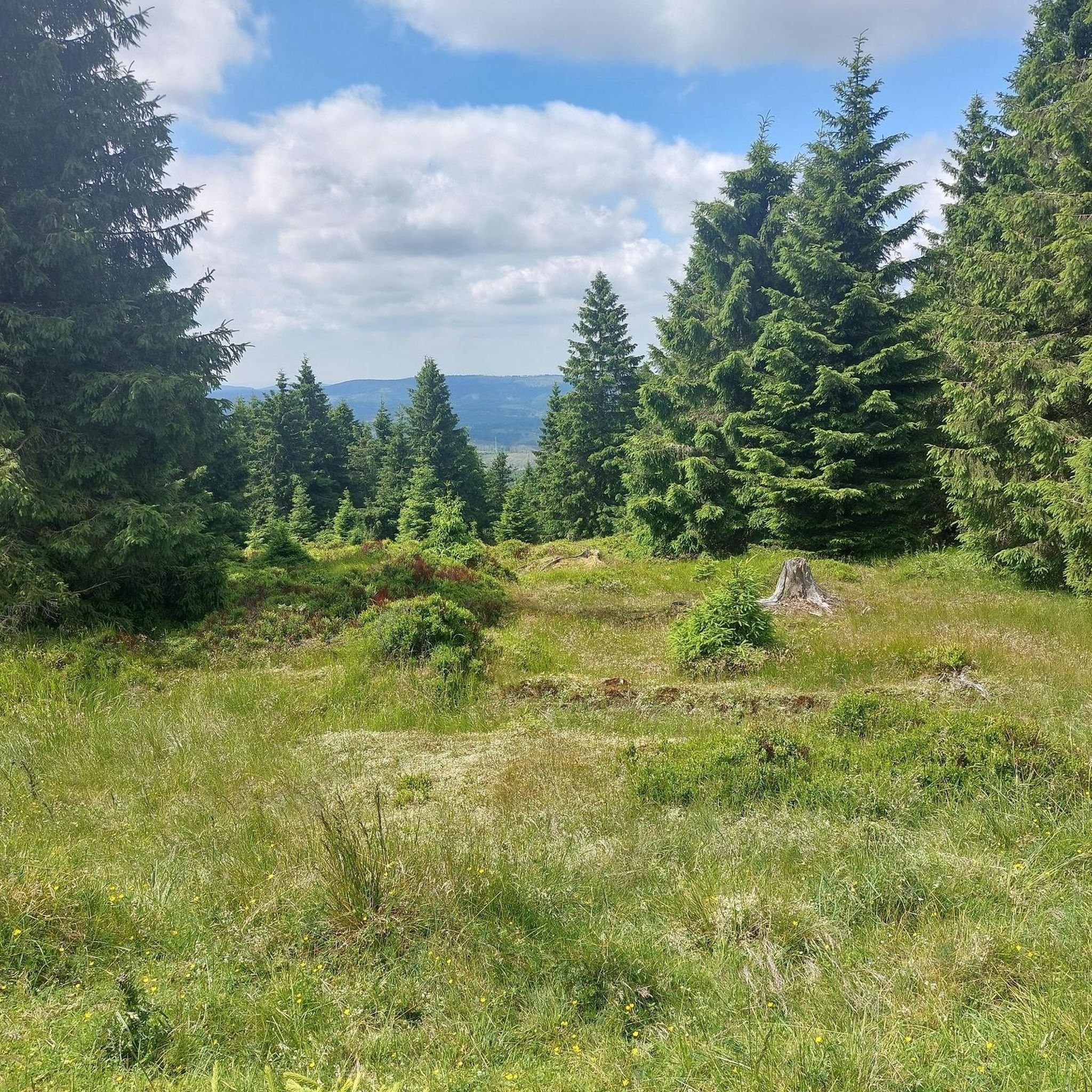
Very good place to practice skating skiing in winter!
0
0
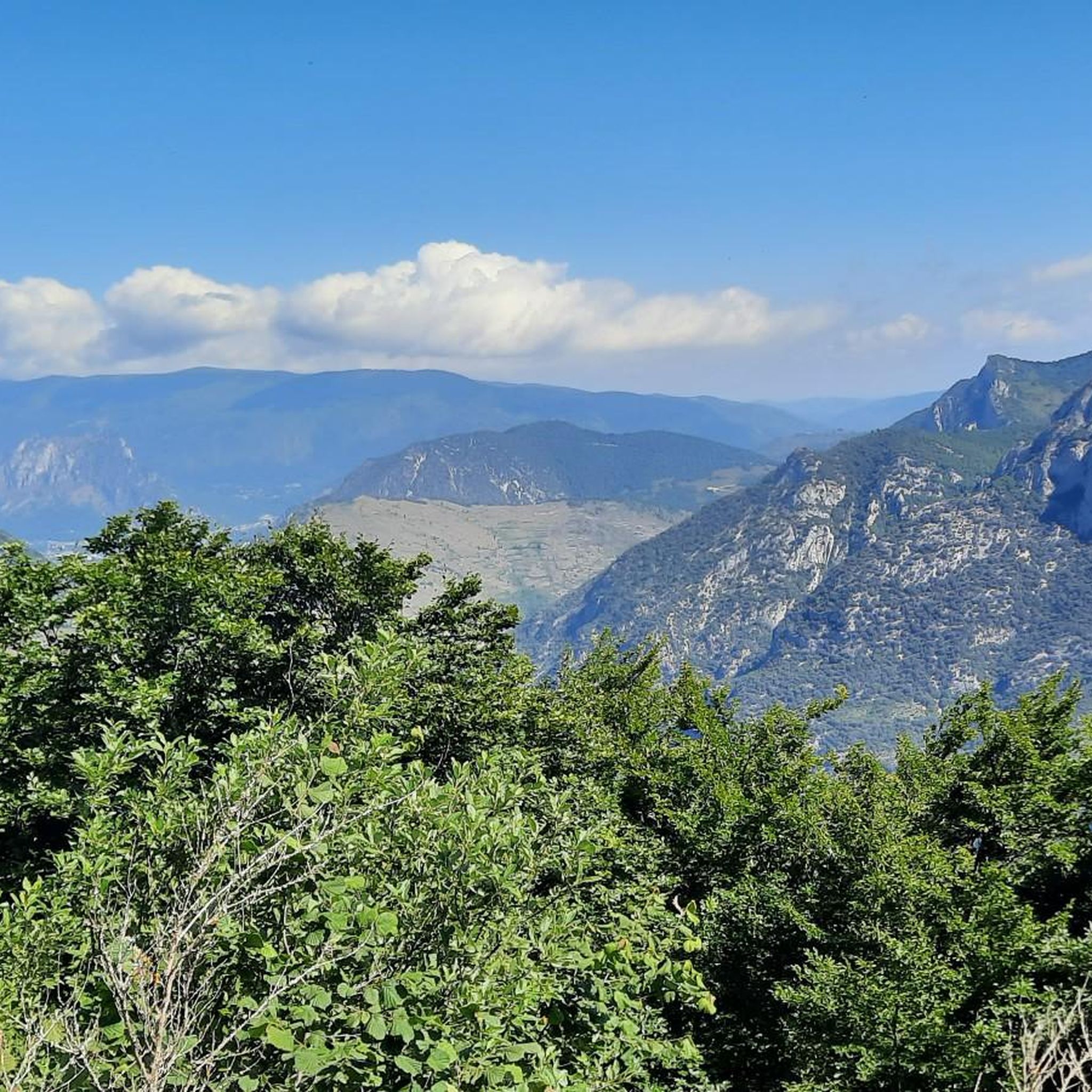
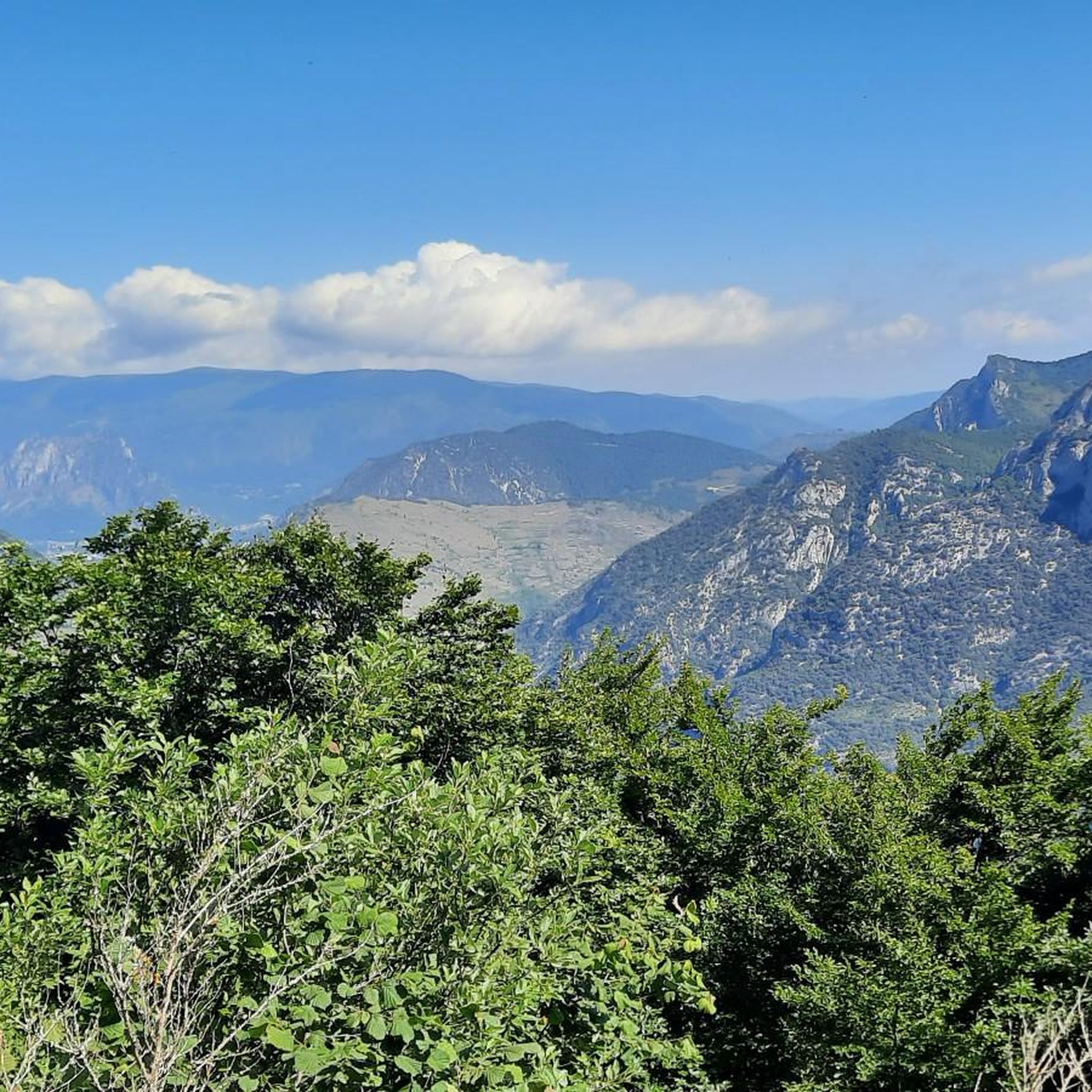
A magnificent location offering stunning views of the Ariège Pyrenees: the Montcalm Massif, the Bassiès Massif, the Beille Plateau, and more. Easily accessible from Croquié in both summer and winter, provided you're well-equipped and at least a little fit (800m+). Its only drawback: it's very crowded, especially in winter.
0
0

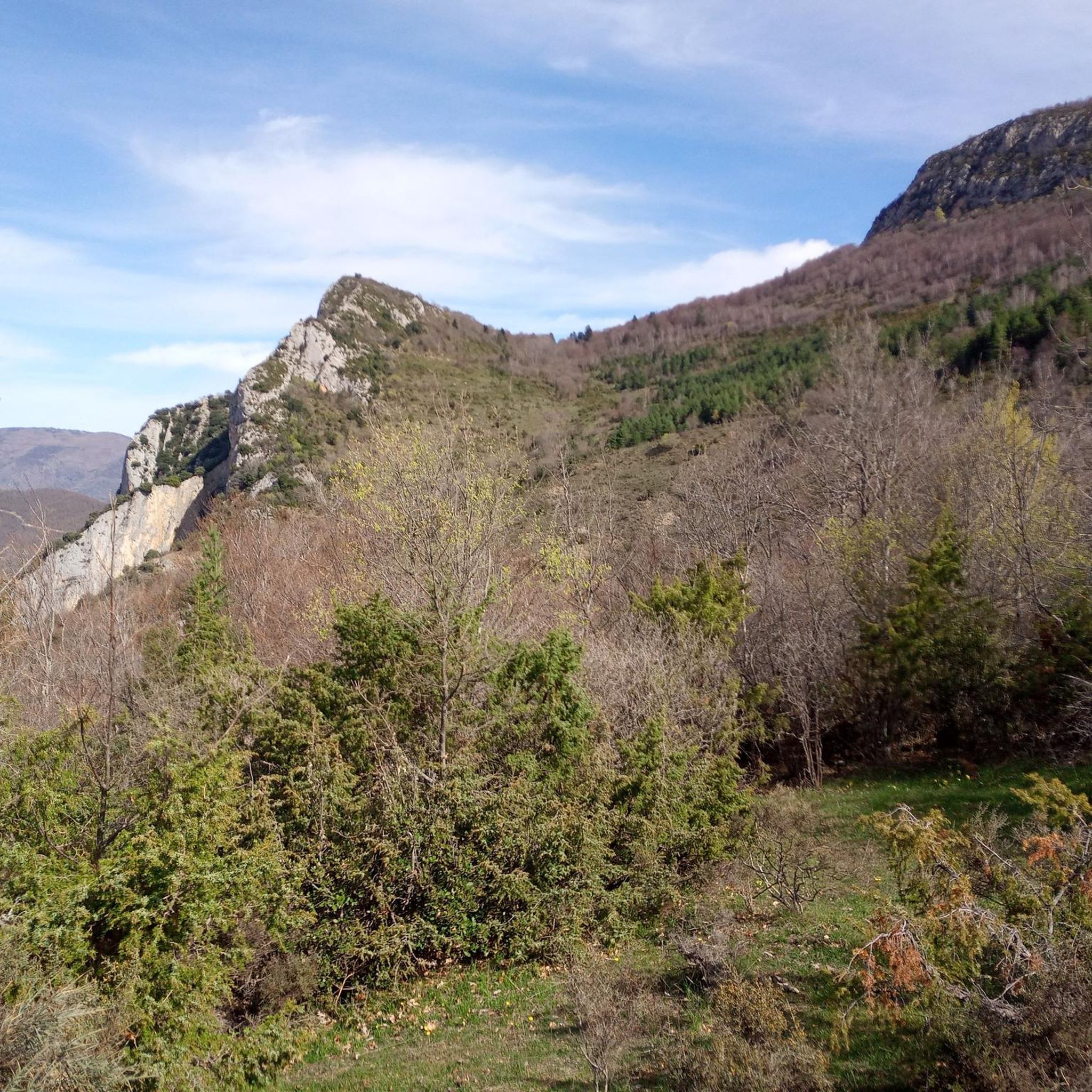
Possibility of bivouac and magnificent natural spectacle by numerous griffon vultures
1
1


Very impressive complex on the hilltop
0
0

Beautiful city that deserves a stopover.
0
0

According to legend, following the victory over the Saracens at Pré Lombard in 778, Charlemagne witnessed an apparition. A lady radiant with beauty then appears and immediately disappears. At dawn, the ground is plowed and a bronze statue of Notre-Dame-de-la-Victoire emerges from the ground. Transported to the church of Foix, the statue miraculously returned to Sabart twice: “This is where Our Lady wants to be honored.” Thus was decided the erection of a chapel dedicated to Notre-Dame-de-la-Victoire. The chapel that we can currently see has its origins in a Romanesque church rebuilt in 1104 on a Carolingian church partly destroyed in 865. But it was largely remodeled in the 16th and 19th century. The facade has some granite stones from the 11th century, the remaining bell tower-façade copy only dates from 1842 and the crenellated keep is only from 1870. Having thus resisted numerous destructions, the chapel became an emblematic monument of the Pyrenean region. Sabarthès, in the upper Ariège valley. Even today, an important pilgrimage is held there in September each year.
0
0
From the top of its spur overlooking the Ariège valley at a height of 965m, Lordat is considered, with its two enclosures, as one of the largest medieval fortresses in the former county of Foix. Of earl then royal rank, Cathar den, built in several phases, it is mentioned in writings from 1030 and was occupied from the 11th to the 17th century. It offers a remarkable panorama of the bottom of the Ariège valley.
0
0
Frequently Asked Questions
What natural attractions can I explore around Sinsat?
The Sinsat area, nestled in the Ariège Pyrenees, offers diverse natural beauty. You can find impressive cliffs like the Quié de Sinsat, which are popular for climbing. Further afield, explore the vast chambers of Mount Fourcat, a summit offering superb views, or discover the unique petrifying waterfalls of Roquefort-les-Cascades. The Pyrenees Ariégeoises Regional Natural Park also provides breathtaking mountain scenery and diverse flora and fauna.
What historical and cultural sites are there to visit near Sinsat?
Sinsat itself is home to the historic Church of Saint-Laurent, a Romanesque parish church with parts dating back to the 12th century, and the renovated 17th-century Sinsat Mill Farm. Nearby, you can visit the emblematic Notre-Dame de Sabart Chapel, a monument with origins in a Romanesque church rebuilt in 1104. The wider Ariège region is rich in Cathar history, featuring impressive castles like Château de Foix and Château de Montségur, and prehistoric sites such as the Grotte de Niaux.
Are there opportunities for rock climbing in Sinsat?
Yes, Sinsat is well-known for its rock climbing opportunities. The Quié de Sinsat Cliffs are a major attraction for climbers, offering a wide array of routes from easy to challenging. These south-facing cliffs are a popular destination due to their diverse climbing styles, including multi-pitch routes.
What outdoor activities can I do in the Sinsat area?
The region is a haven for outdoor enthusiasts. Besides climbing the Quié de Sinsat Cliffs, you can enjoy extensive hiking, with routes like the Mont Fourcat loop from Arnave, which is a difficult mountain hike. Cycling is also popular, including challenging ascents like the Plateau de Beille Climb. Mountain biking, fishing, and exploring lakes like Lac de Montbel for water activities are also popular. For more detailed routes, check out the nearby Mountain Hikes around Sinsat, Road Cycling Routes around Sinsat, and MTB Trails around Sinsat guides.
Are there family-friendly activities around Sinsat?
Absolutely. Families can explore the interactive Prehistory Park (Parc de la Préhistoire de Tarascon-sur-Ariège), which offers workshops and educational experiences. Another unique option is a boat trip through the Underground River of Labouiche, the longest navigable underground river in Europe. The Sinsat Mill Farm also provides a glimpse into local history. For outdoor fun, Lac de Montbel is suitable for relaxation and water sports.
What are some challenging cycling routes near Sinsat?
Cyclists looking for a challenge will find the Plateau de Beille Climb to be a highlight. This route features an average gradient of 7.8% over 16 km and offers rewarding views of the Ariège valley. Other difficult road cycling routes include the Plateau de Beille – Plateau de Beille loop from Arnave. You can find more challenging options in the Road Cycling Routes around Sinsat guide.
Can I find hiking trails near Sinsat?
Yes, the Sinsat area is excellent for hiking. You can embark on trails leading to summits like Mount Fourcat, which is a classic peak in the Tabe massif offering superb views. There are also routes like the Notre-Dame de Sabart Chapel – Tarascon-sur-Ariège loop, which is a moderate hike. For a comprehensive list of trails, refer to the Mountain Hikes around Sinsat guide.
What are some scenic viewpoints in the Sinsat region?
For breathtaking panoramas, head to Mount Fourcat, which offers superb views of the Ariège region. The Plateau de Beille Climb also rewards cyclists with beautiful vistas of the Ariège valley and surrounding mountains. Additionally, the View of Lordat castle provides a remarkable panorama of the bottom of the Ariège valley from its elevated position.
Where can I explore prehistoric caves near Sinsat?
The Ariège region is renowned for its prehistoric caves. The Grotte de Niaux is one of Europe's most significant Paleolithic rock art galleries. For a different experience, visit the Grottes de Lombrive, known as the biggest accessible cave in Europe by volume, or take a boat trip through the spectacular Underground River of Labouiche.
What is the best time of year to visit Sinsat?
The Sinsat area is enjoyable throughout the year, depending on your interests. Spring and autumn offer pleasant temperatures for hiking and cycling, with vibrant foliage or blooming wildflowers. Summer is ideal for water activities and higher mountain excursions. Winter provides opportunities for skiing in the wider Ariège region. For specific events or conditions, it's always best to check local tourism information.
Are there any unique cultural experiences or markets in the Ariège region?
Yes, the Ariège region offers several unique cultural experiences. You can explore charming medieval towns like Foix, Mirepoix, and Saint-Lizier. The Les Forges de Pyrène in Montgaillard reconstructs a historical hamlet, showcasing old trades. For a vibrant local experience, the Saint Girons market, held on Saturdays, is known as Ariège's most colorful and popular market, offering a mix of local products and crafts.
Is there public transport access to attractions around Sinsat?
While Sinsat itself is a smaller commune, the wider Ariège region has some public transport options, primarily buses connecting larger towns. However, many natural and historical attractions, especially those in mountainous or remote areas, are best accessed by car. For specific routes and schedules, it's advisable to consult local transport services or tourist information centers.
Most popular attractions around Sinsat

Get inspired with the komoot mobile app


Explore more
Still not found the Highlight you’re looking for? See guides of the top attractions in other regions:
