The best cycling routes around Cormatin
4.7
(127)
728
riders
31
rides
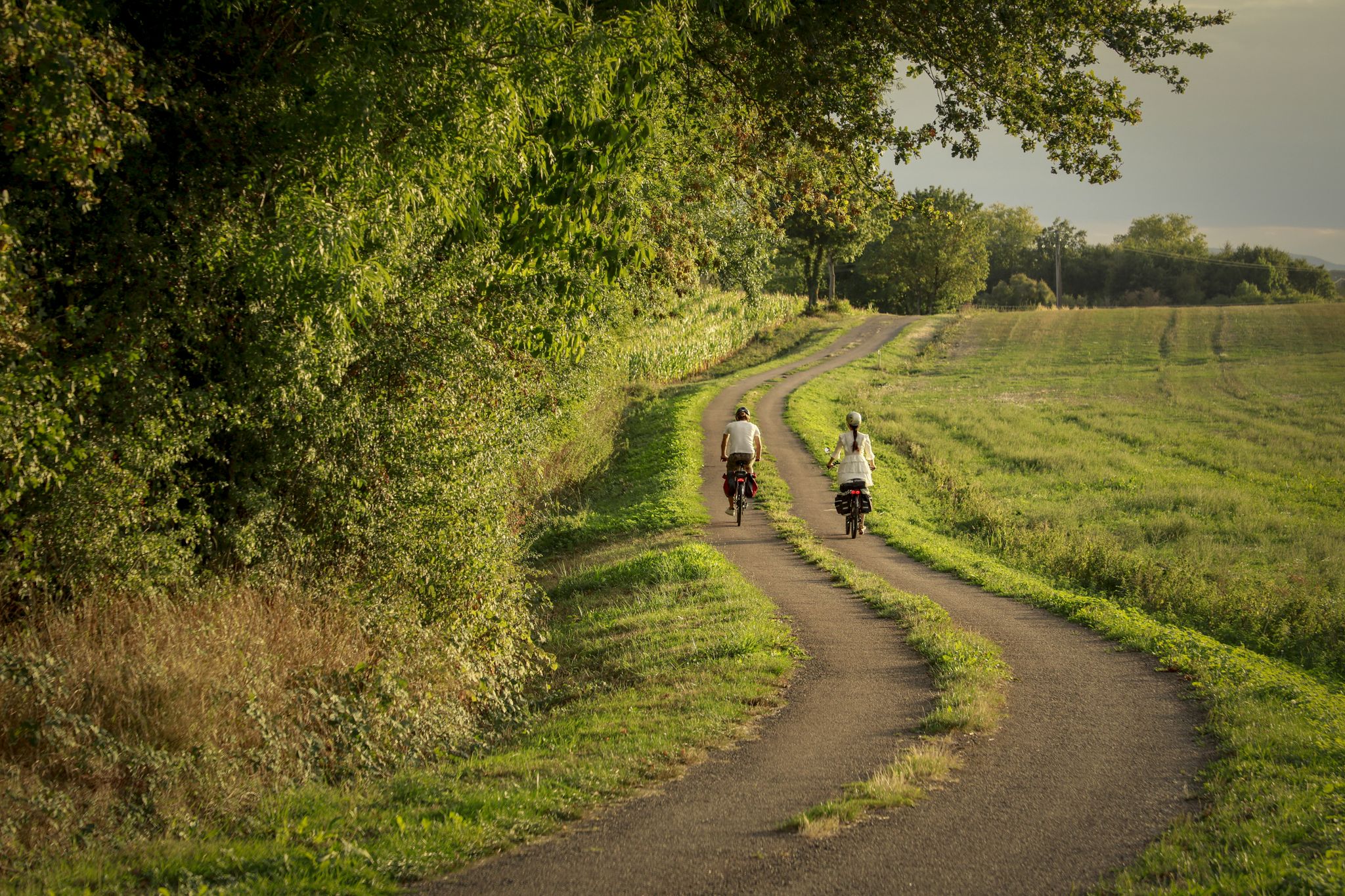
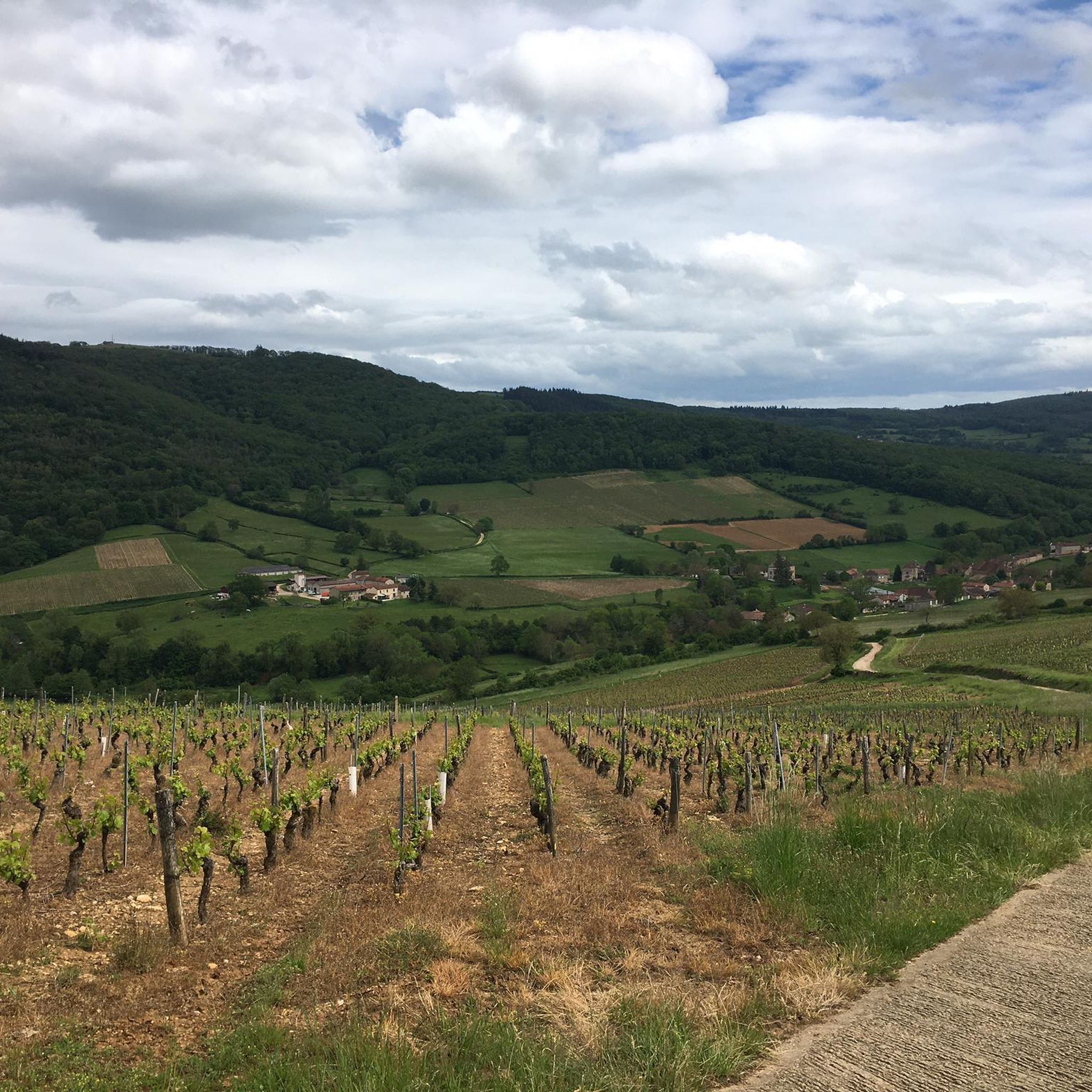
Cormatin cycling routes traverse the picturesque landscapes of Southern Burgundy, characterized by gentle green hills, vine-covered slopes, and the tranquil Grosne Valley. The region is renowned for its extensive network of "Voie Verte" (Greenway) paths, built on disused railway lines, offering accessible and largely flat terrain. These routes provide connections to historical towns and châteaux, immersing cyclists in a blend of natural beauty and cultural heritage. The area's topography generally features moderate elevation changes, making it suitable for various cycling abilities.
Best touring cycling routes around Cormatin
- The most popular touring cycling route is Cormatin Castle – Southern Burgundy Greenway loop from Cormatin, a 40.4 miles (65.1 km) trail that takes 3 hours 54 minutes to complete, offering a journey through the region's greenway and past the historic Château de Cormatin.
- Another top favourite among local touring cyclists is Circuit through fields, hills and villages from Cormatin to Culles-les-Roches, a moderate 23.4 miles (37.6 km) path. This route winds through varied rural scenery, including fields, gentle hills, and charming villages.
- Local touring cyclists also love the Taizé Community – Sainte-Marie-Madeleine Church loop from Cormatin, a 5.6 miles (9.0 km) trail leading through the local countryside, often completed in about 33 minutes.
- Touring cycling around Cormatin is defined by the well-maintained Voie Verte, vine-covered Côte Chalonnaise slopes, and the peaceful Grosne Valley. The network offers options for different ability levels, from easy family rides to more challenging routes with greater elevation gain.
- The routes in Cormatin are highly rated by the komoot community with an average score of 4.7 stars from more than 100 reviews. More than 700 touring cyclists have used komoot to explore Cormatin's varied terrain.
Last updated: May 12, 2026
5.0
(9)
21
riders
Moderate bike ride. Good fitness required. Mostly paved surfaces. Suitable for all skill levels.
4.4
(7)
58
riders
Easy bike ride. Great for any fitness level. Mostly paved surfaces. Suitable for all skill levels.

Sign up for free
5.0
(4)
25
riders
38.0km
02:25
450m
450m
Hard bike ride. Very good fitness required. Mostly paved surfaces. Suitable for all skill levels.
5.0
(1)
14
riders
29.7km
01:49
270m
270m
Moderate bike ride. Good fitness required. Mostly paved surfaces. Suitable for all skill levels.
4.0
(1)
16
riders
74.2km
04:24
330m
330m
Moderate bike ride. Good fitness required. Mostly paved surfaces. Suitable for all skill levels.
Get access to more routes and recommendations from other explorers.
Sign up for free
Already have an account?
Our route recommendations are based on thousands of hikes, rides, and runs completed by other people on komoot.
Start today with a free account
Your next adventure awaits.
Login or Signup
Other adventures around Cormatin

Tips from the Community

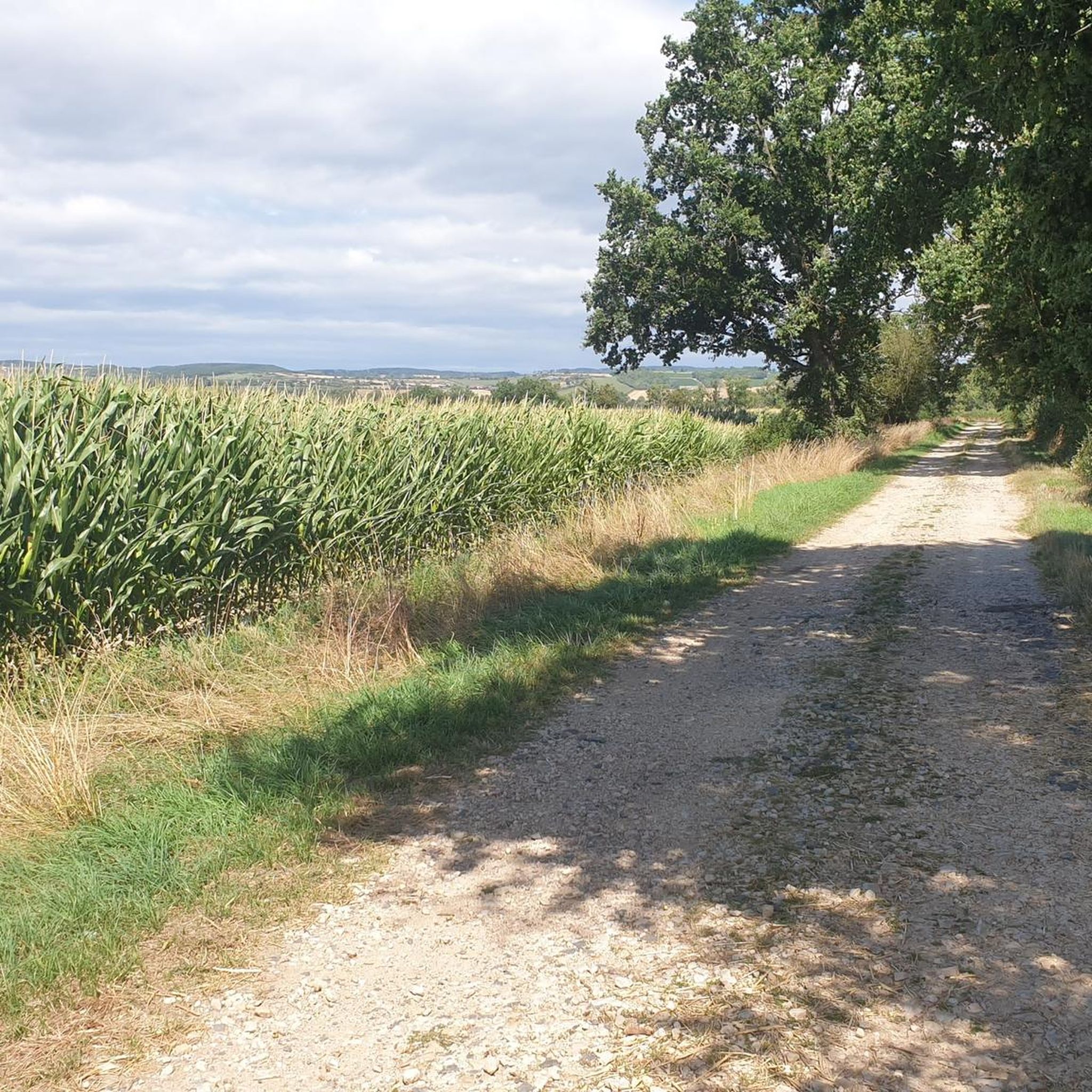
This route is part of the famous Voie Verte de Bourgogne du Sud, France's oldest car-free railway path. The section runs on a perfectly asphalted, flat former railway line. It passes directly under a classic old stone arch bridge and is lined with wooded embankments. The stretch directly between the old train station in Saint-Gengoux and Cormatin is about 8 kilometers long. It is ideal for families, cyclists, and inline skaters without any significant gradients.
0
0
The church Notre-Dame-de-la-Nativité in the French municipality of Malay in the department. The Romanesque parish church was first mentioned in a document in 1095. It once served as Deanery (Doyenné) of the famous Abbey of Cluny. The oldest, eastern part with the choir and transept was built at the end of the 11th century. The three-nave nave was added in the mid-12th century, followed by the construction of the striking bell tower. The historic building has been classified as a Monument historique and is state-protected since June 16, 1931.
0
0
The church Notre-Dame-de-la-Nativité in the French municipality of Malay in the department. The Romanesque parish church was first mentioned in a document in 1095. It once served as Deanery (Doyenné) of the famous Abbey of Cluny. The oldest, eastern part with the choir and transept was built at the end of the 11th century. The three-aisled nave was added in the mid-12th century, followed by the construction of the striking bell tower. The historic building has been classified as a Monument historique and is state-protected since June 16, 1931.
0
0
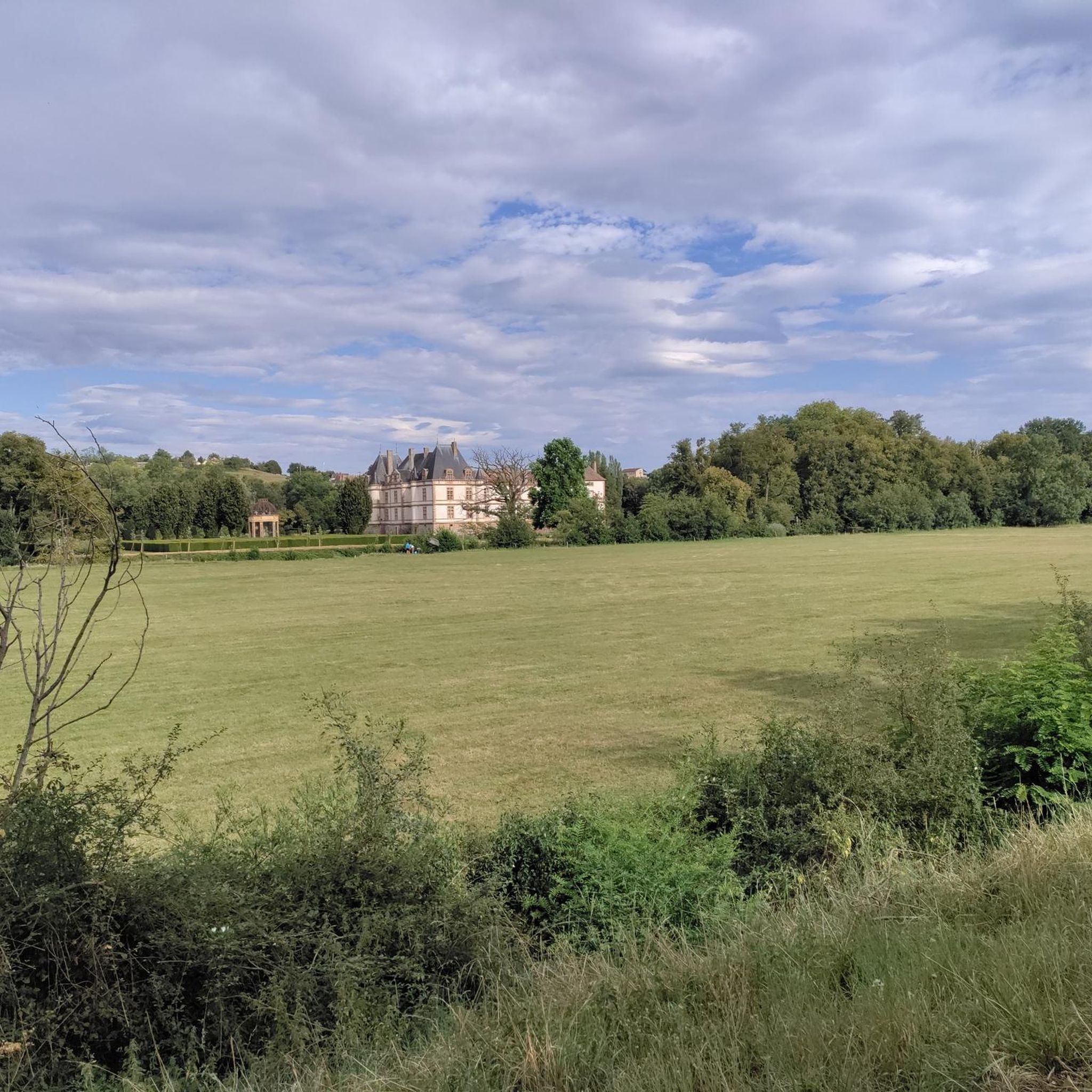
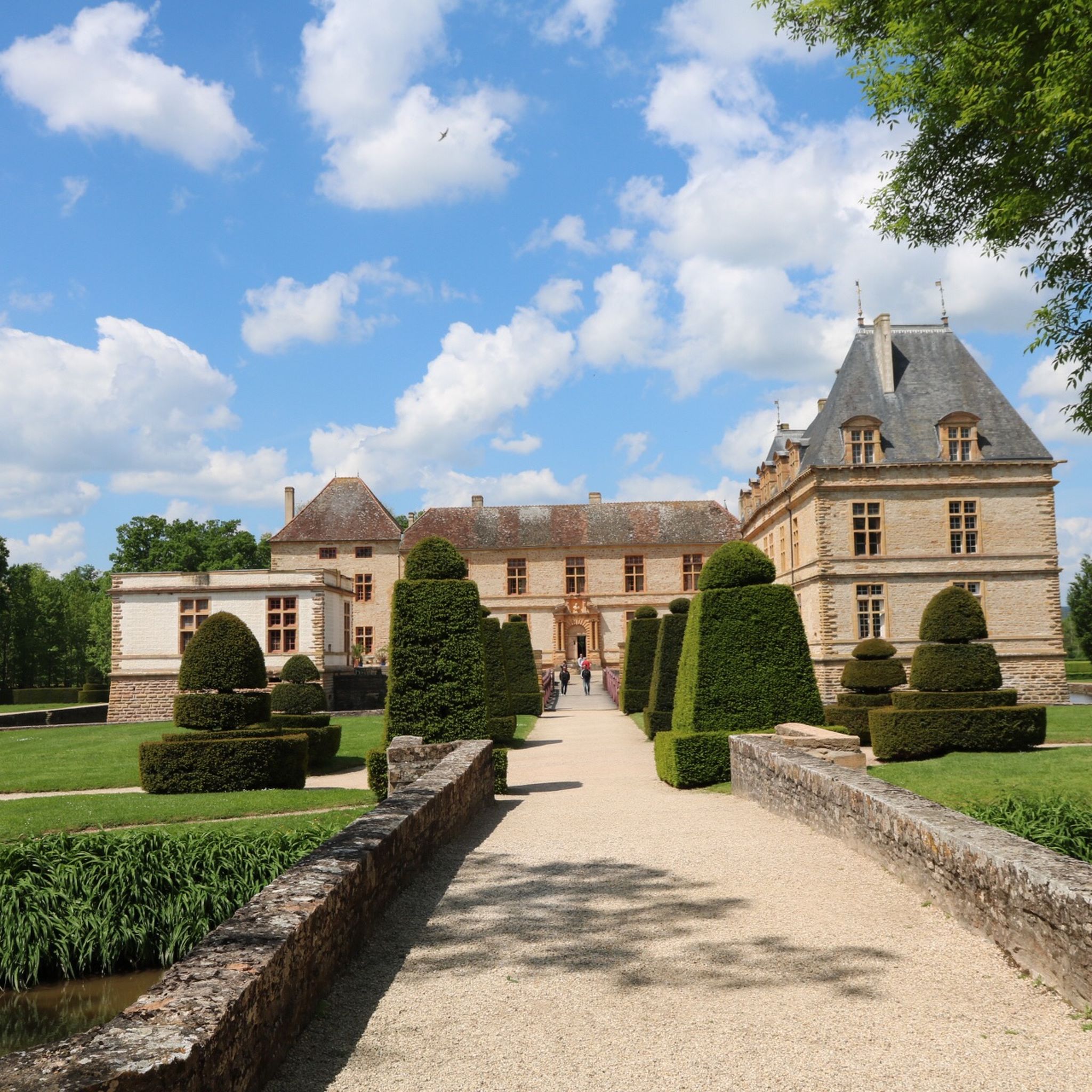
Château de Cormatin is a magnificent moated castle from the early 17th century. The castle was built between 1606 and 1625 by the Marquises d'Huxelles. It houses the best-preserved state rooms from the time of Louis XIII in all of France. Famous are the "Gilded Rooms" (Salles Dorées) with opulent paintings, sculptures, and gilded ceilings. The extensive grounds, covering around 12 hectares, are among the most beautiful gardens in France. Highlights in the outdoor area include a large boxwood maze, an open-air baroque theatre, water features, and a historic vegetable garden.
0
0
The historic Romanesque parish church of the municipality of Ameugny. The first documented mention dates from the year 1050, with the Romanesque west portal visible today having been built in the 12th century. A typically Burgundian hall church with three bays and a pointed barrel vault, which appears very massive and is covered with lava stones. The tympanum above the portal shows a cross in a circle and bears the rare signature of the sculptor Seguin. The church has been a listed historic monument since October 22, 1913.
0
0
This is a simple, Romanesque village church from the 12th century. It was already mentioned in the documents of the famous Cluny Abbey in the year 1156. The building has been a listed "monument historique" since 1913. In the small cemetery directly in front of the church is, among other things, the grave of Frère Roger, the founder of the well-known ecumenical community of Taizé. The church is used by many young people and pilgrims as a place of silence and personal prayer.
0
0
The striking wooden structure of the bell tower, which stands right next to the large Church of Reconciliation.
0
0
The Community of Taizé is an international ecumenical monastic order for men in the small village of Taizé, founded in 1940 by Brother Roger. It is considered one of the most important symbols of the ecumenical movement worldwide and a spiritual center of attraction for young people. The brotherhood consists of around 80 to 100 brothers from about 30 countries. They belong to various Christian denominations, including Catholics, Anglicans, and Protestants. The brothers do not accept donations or inheritances. They finance their livelihood exclusively through their own work, such as producing pottery and handicrafts, as well as selling books and music recordings.
0
0
Frequently Asked Questions
How many touring cycling routes are available around Cormatin?
There are over 30 touring cycling routes around Cormatin, catering to various skill levels. You'll find a good mix, with 5 easy routes, 15 moderate routes, and 11 more challenging options for experienced cyclists.
What makes touring cycling in Cormatin unique?
Cormatin is at the heart of Southern Burgundy's extensive "Voie Verte" (Greenway) network, built on disused railway lines. This provides largely flat, safe, and accessible cycling through picturesque landscapes, including vine-covered slopes, the tranquil Grosne Valley, and rolling green hills. The routes also connect to numerous historical towns and châteaux, offering a rich blend of natural beauty and cultural heritage.
Are there easy touring cycling routes suitable for beginners or families in Cormatin?
Yes, Cormatin is an excellent destination for easy cycling, especially for beginners and families. The region's "Voie Verte" is designed for all skill levels, offering gentle, largely flat paths without steep climbs. Routes like the Taizé Community – Sainte-Marie-Madeleine Church loop from Cormatin are short and easy, perfect for a relaxed ride.
Can I find challenging touring cycling routes with more elevation around Cormatin?
While many routes are gentle, there are indeed more challenging options with greater elevation gain for experienced cyclists. For instance, the Voie verte of Southern Burgundy – Greenway of Southern Burgundy loop from Cormatin is classified as difficult, featuring significant climbs and descents. Overall, 11 of the routes in the area are considered difficult.
What kind of landscapes and attractions can I expect to see while cycling around Cormatin?
Cycling around Cormatin immerses you in the idyllic scenery of Southern Burgundy. You'll pedal through vine-covered Côte Chalonnaise slopes, the peaceful Grosne Valley, green hills, forests, and fields. Beyond natural beauty, routes often pass historical sites such as the magnificent Château de Cormatin, the remnants of Cluny Abbey, and charming Romanesque churches like the Chapaize Church. Picturesque medieval villages like Saint-Gengoux-le-National are also common sights.
Are there circular touring cycling routes available from Cormatin?
Yes, many routes around Cormatin are designed as loops, allowing you to start and end in the same location. Examples include the Cormatin Castle – Southern Burgundy Greenway loop from Cormatin, which covers 65.1 km, or the shorter Circuit through fields, hills and villages from Cormatin to Culles-les-Roches. These loops offer varied scenery and points of interest.
What do other touring cyclists say about the routes in Cormatin?
The touring cycling routes in Cormatin are highly rated by the komoot community, with an average score of 4.7 stars from over 130 reviews. More than 700 touring cyclists have explored the area using komoot, often praising the well-maintained Voie Verte, the scenic vine-covered slopes, and the peaceful Grosne Valley.
What are the typical distances and elevation gains for touring cycling routes in Cormatin?
Distances vary widely, from shorter rides of around 9 km, like the Taizé Community – Sainte-Marie-Madeleine Church loop from Cormatin with about 76 meters of elevation gain, to longer excursions over 65 km, such as the Cormatin Castle – Southern Burgundy Greenway loop from Cormatin, which features around 308 meters of ascent. Moderate routes typically fall in between, offering distances around 30-40 km with 200-400 meters of elevation.
Is it possible to combine the Voie Verte with other cycling paths in the region?
Absolutely. The Voie Verte around Cormatin is a central hub. You can easily link it to other routes like the "Voie Bleue," which runs along the banks of the River Saône, offering even more varied and extended cycling opportunities. This connectivity allows for diverse touring experiences across Southern Burgundy.
Where can I find maps or more detailed information about the cycling routes?
While komoot provides detailed route information and navigation, you can also find free maps titled "Voies Vertes & Cyclotourisme" published by Bourgogne du Sud Tourisme. These maps help navigate the well-signposted circuits that branch off the main greenway. For specific route details and GPX tracks, komoot is an excellent resource.
Are there any specific historical sites or castles accessible by bike from Cormatin?
Yes, several significant historical sites and castles are easily accessible by bike. The magnificent Château de Cormatin is often a starting or focal point. You can also cycle to the historic Cluny Abbey, just 12.2 km away, or pass by other notable castles like Sercy Castle and Brancion Castle on various routes.
What is the best time of year to go touring cycling in Cormatin?
The region around Cormatin is generally pleasant for cycling from spring through autumn. Spring offers lush greenery and blooming landscapes, while summer provides warm weather ideal for longer rides. Autumn brings beautiful fall foliage and comfortable temperatures. Always check local weather forecasts before heading out.
Most popular attractions around Cormatin

Get inspired with the komoot mobile app


Explore more
Browse the best Cycling routes in other regions.
