The best traffic-free bike rides around Cormatin
4.6
(52)
835
riders
14
rides
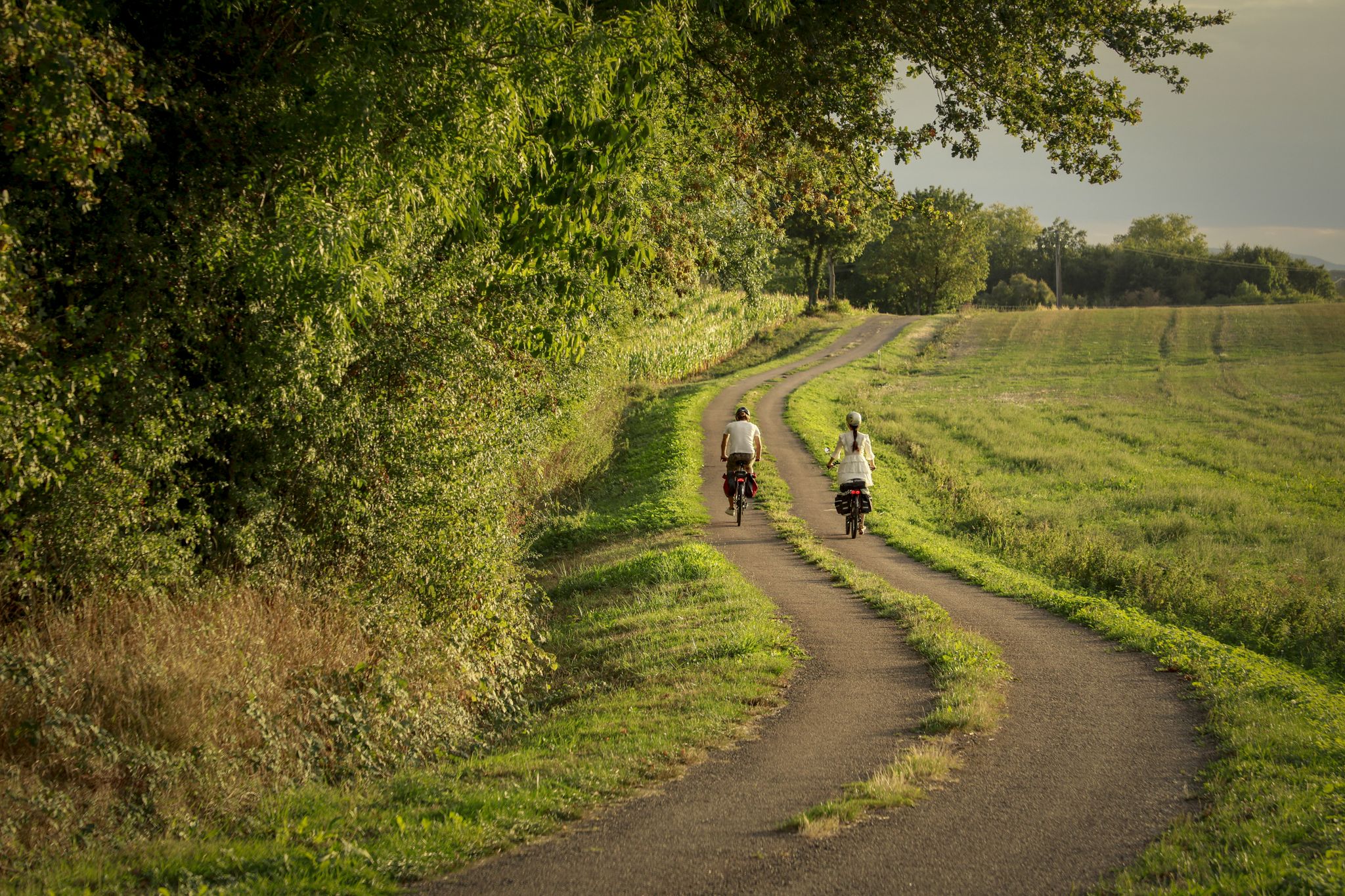
No traffic road cycling routes around Cormatin are characterized by the rolling, hilly countryside of Southern Burgundy, encompassing the Charollais and northern Mâconnais regions. The area features a well-developed cycling infrastructure, including the Voie Verte, a protected cycle path often following disused railway lines. Cyclists encounter varied landscapes, from open fields and vineyards to picturesque villages and river valleys. The terrain offers routes with moderate elevation changes, suitable for diverse cycling preferences.
Best no traffic road cycling routes around Cormatin
…Last updated: July 6, 2026
3.7
(6)
14
riders
31.7km
01:38
470m
470m
Moderate road ride. Good fitness required. Some segments of this route may be unpaved and difficult to ride.
11
riders
41.1km
01:53
270m
270m
Moderate road ride. Great for any fitness level. Some segments of this route may be unpaved and difficult to ride.

Sign up for free
9
riders
51.6km
02:27
460m
460m
Moderate road ride. Good fitness required. Mostly well-paved surfaces and easy to ride.
5.0
(1)
5
riders
41.5km
02:14
510m
510m
Moderate road ride. Good fitness required. Some segments of this route may be unpaved and difficult to ride.
3
riders
31.2km
01:21
190m
190m
Easy road ride. Great for any fitness level. Mostly well-paved surfaces and easy to ride.
Get access to more routes and recommendations from other explorers.
Sign up for free
Already have an account?
Our route recommendations are based on thousands of hikes, rides, and runs completed by other people on komoot.
Start today with a free account
Your next adventure awaits.
Login or Signup



Tips from the Community

The Tour des Fromages is a preserved defensive tower from the 11th century, which originally belonged to the ramparts of the powerful Abbey of Cluny. In the Middle Ages, the structure was still called Tour des Fèves (Bean Tower), as supplies were stored there. It got its current, curious name in the 19th century because a merchant used the tower to dry her homemade cheeses. Today, the tower is a popular attraction. Visitors can climb the 120 steps to the top. From up there, you have a beautiful 360-degree panoramic view over the entire medieval monastic city and the surrounding Burgundy landscape. Access to the tower is directly through the local Cluny tourist office.
1
0
Relaxed riding on good and level ground and mostly shady.
2
0
A route through a green corridor, that brings joy.
1
0
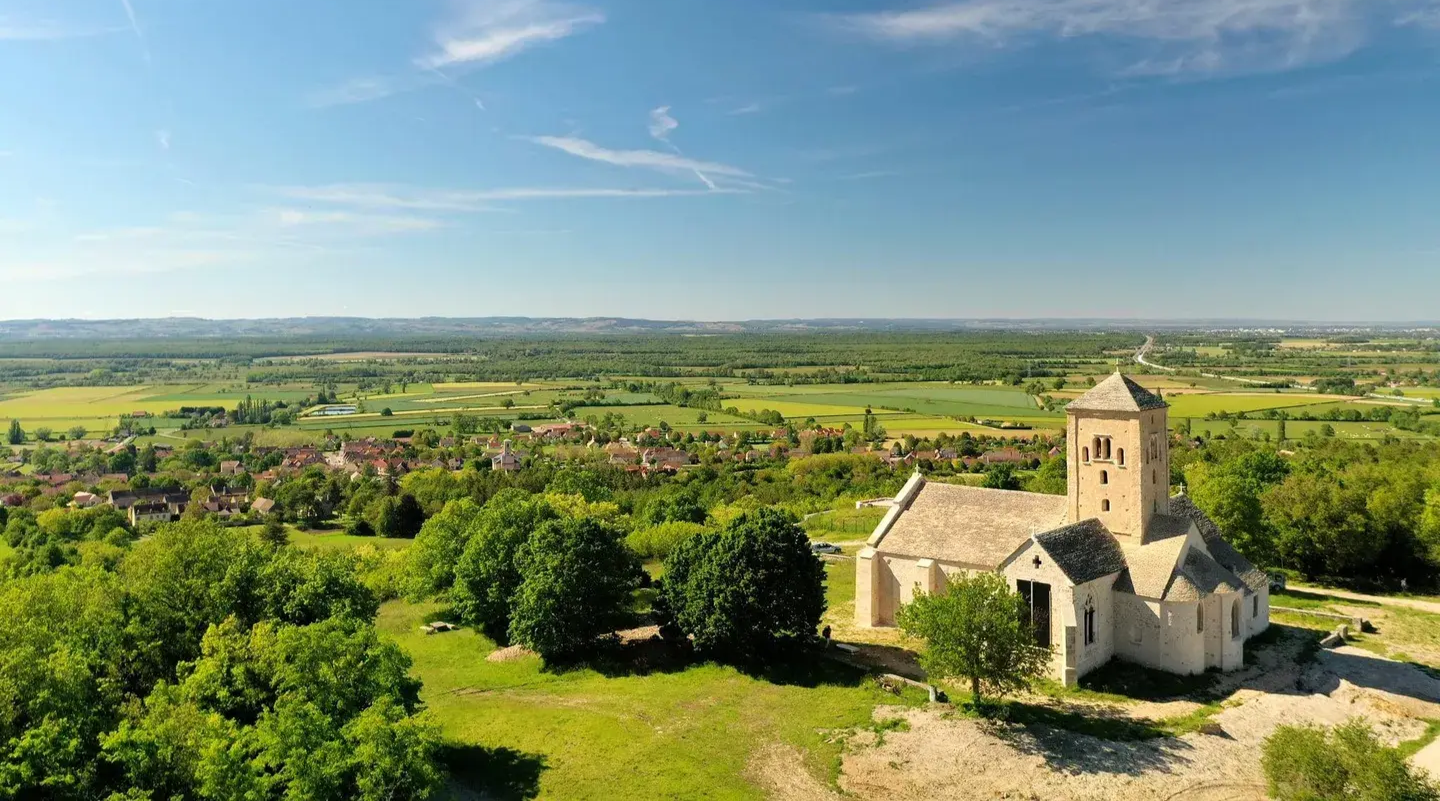
The Saint-Martin church in Chapaize is a beautiful, old church. Its huge, 35-meter-high tower can be seen from afar. The church was built almost 1000 years ago in the Romanesque style, it has thick stone walls and round arches.
3
0
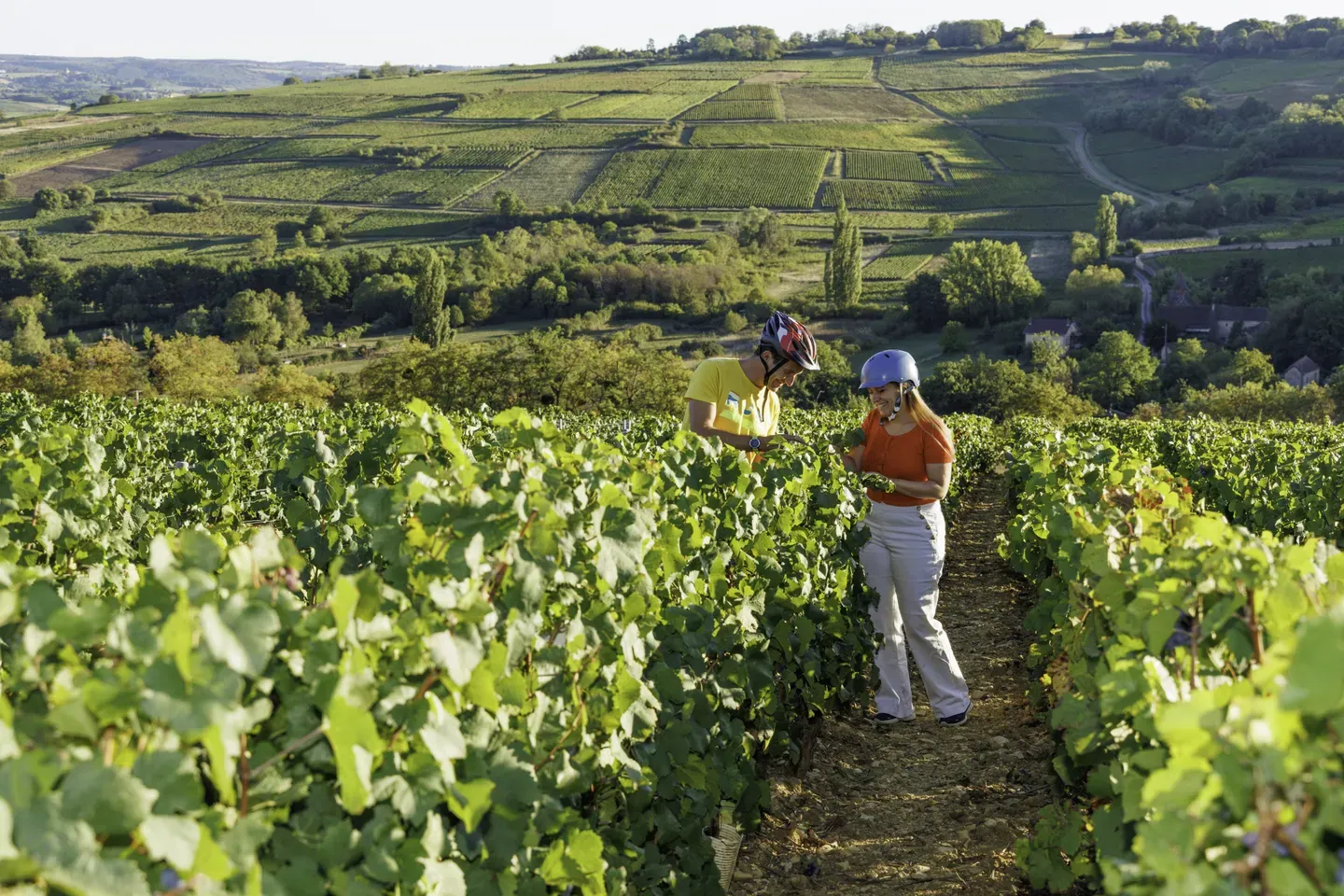
The tour leads through a picturesque, typically Burgundian landscape of rolling fields, dense forests, and vineyards. It connects the small, historic communities of Bray, Cortambert, and Blanot. In the listed historic village of Blanot, you will find, among other things, the famous Grottes de Blanot (a cave that reaches over 80 meters deep into the earth) as well as a historic Romanesque church. www.burgund-touri... +1
1
0
The station no longer serves trains. The historic site has been transformed into a vibrant leisure zone (Aire de loisirs de la gare). The building is located directly on the Voie Verte de Bourgogne du Sud, a well-known 77 km cycle path on a former railway line. Travelers will find a bicycle rental service for regular and electric bikes, a tool station for repairs, picnic tables, public restrooms, and a children's playground. It also serves as a starting point for excursions, for example to the nearby Château de Cormatin.
0
0
The historic town of Cluny, located in the Bourgogne-Franche-Comté region, can best be admired from the viewing platform of the famous Cheese Tower (Tour des Fromages), from which you can enjoy a striking 360-degree view over the historic rooftops and the gentle, green hills of Southern Burgundy. Cluny is world-renowned for its Benedictine abbey, founded in 910 AD. In the High Middle Ages, the abbey was the starting point of the pioneering Cluniac reform movement and developed into the head of a Europe-wide monastic order with over 1,200 monasteries.
0
0
The imposing church was originally built in the 12th century by the monks of the Abbey of Cluny. It officially belongs to the Cluniac sites and is on the candidate list for UNESCO World Heritage. The building combines different architectural eras. While the striking transept and the octagonal bell tower date from the Romanesque era, the three-aisled choir visible in the background shows Gothic features. A central eye-catcher in the sanctuary is the large, colorful neo-Gothic church window, which casts a soft light into the elongated interior. Along the mighty pillars of the nave, detailed sculptures and reliefs on the capitals can be seen in the foreground.
0
0
Frequently Asked Questions
How many no-traffic road cycling routes are available around Cormatin?
There are over 60 dedicated no-traffic road cycling routes around Cormatin, offering a wide range of options for all skill levels. You'll find 13 easy routes, 42 moderate routes, and 9 more challenging options.
What kind of terrain can I expect on these traffic-free routes?
The routes around Cormatin primarily feature rolling, hilly countryside, characteristic of the Charollais and northern Mâconnais regions. You'll cycle through picturesque fields, vineyards, and charming villages, with elevation gains up to 1500 feet on some longer rides. The Voie Verte (Greenway) provides a particularly flat and protected experience, often following disused railway lines.
Are there any easy, family-friendly no-traffic road cycling routes?
Yes, Cormatin is well-suited for family-friendly cycling, especially along the Voie Verte. For a specific easy route, consider the Taizé Community – Cluny loop from Ameugny, which is just over 26 km with minimal elevation gain, perfect for a relaxed ride.
What are some notable landmarks or attractions I can visit along the no-traffic routes?
Many routes pass by significant cultural and natural attractions. You can cycle past the magnificent Cormatin Castle, known for its 17th-century architecture and extensive gardens. The Château de Cormatin – Cluny Abbey loop from Taizé, for instance, takes you near both the castle and the historic Cluny Abbey. Other points of interest include the Sainte-Marie-Madeleine Church in Taizé and the beautiful Romanesque Chapaize Church.
Are there any circular no-traffic road cycling routes around Cormatin?
Yes, many of the routes are designed as loops, allowing you to start and finish in the same location. An example is the moderate Cormatin Castle – Percée Pass loop from Cormatin, which covers about 32 km and offers scenic views.
What do other road cyclists enjoy most about cycling in Cormatin?
The komoot community highly rates the cycling experience around Cormatin, with an average score of 4.4 out of 5 stars. Reviewers often praise the region's quiet, traffic-free roads, the stunning natural beauty of the rolling hills and vineyards, and the opportunity to discover charming villages and historic sites like Cormatin Castle along the way.
What is the best season for no-traffic road cycling in Cormatin?
Spring (April-May) and Autumn (September-October) are generally considered the best seasons for road cycling in Cormatin. The weather is typically mild, and the landscapes are particularly beautiful with spring blossoms or autumn colors. Summer can also be pleasant, but it's advisable to start earlier in the day to avoid the midday heat.
Are there any longer, more challenging no-traffic routes for experienced cyclists?
Absolutely. For those seeking a greater challenge, routes like the Besanceuil Church – Mount Saint-Vincent loop from Ameugny offer a substantial ride of over 57 km with significant elevation gain, providing a rewarding experience through varied terrain.
Can I access these routes using public transport?
While Cormatin itself is a village, the region is connected by various transport options. The Voie Verte is accessible from several towns, some of which may have train stations or bus services that accommodate bicycles. It's recommended to check local public transport schedules and bike policies for specific connections to Cormatin or nearby access points.
Where can I find parking for these no-traffic road cycling routes?
Many villages and towns along the routes, including Cormatin, offer public parking facilities. For routes starting directly from Cormatin, you can typically find parking near the Château de Cormatin or in the village center, providing convenient access to the Voie Verte and other local roads.
Are there opportunities for cafe stops or refreshments along the routes?
Yes, the routes often pass through charming villages where you can find local cafes, bakeries, and restaurants. Towns like Cluny, Saint-Gengoux-le-National, and Tournus, which are accessible via the cycling network, offer excellent opportunities for refreshment stops and to experience local Burgundian hospitality.
Most popular attractions around Cormatin

Get inspired with the komoot mobile app


Explore more
Browse the best Road cycling routes in other regions.
