Top 7 Castles around L'Albère
Best castles around L'Albère are situated in a region known for its historical significance and strategic location in the Pyrenees, near the border between France and Spain. This area features a landscape characterized by hills and forests, offering natural vantage points. The castles here often served as defensive structures, reflecting centuries of territorial disputes. L'Albère provides a setting where history and natural surroundings converge.
Best castles around L'Albère
- The most popular castles is Tour de la Massane, a historical…
Last updated: June 24, 2026
Fort de Bellegarde
Highlight • Viewpoint
The main purpose of the Fort de Bellegarde was to control and protect the strategic passage through the Pyrenees between France and Spain. For centuries, this region was disputed …
Translated by Google •
Tip by

Panissars Ruins
Highlight • Historical Site
If the site retains such strong historical interest, it is because General Pompey had his trophy built …
Translated by Google •
Tip by

Sign up now to discover places like this
Get recommendations on the best single tracks, peaks, & plenty of other exciting outdoor places.
Sign up for free
Castell de Requesens
Highlight • Castle
Translated by Google •
Tip by

Tour de la Massane
Highlight • Historical Site
Translated by Google •
Tip by

Church of Sant Esteve
Highlight • Religious Site
Translated by Google •
Tip by
Sign up for free to discover even more castles around L'Albère.
Sign up for free
Already have an account?
Start today with a free account
Your next adventure awaits.
Login or Signup
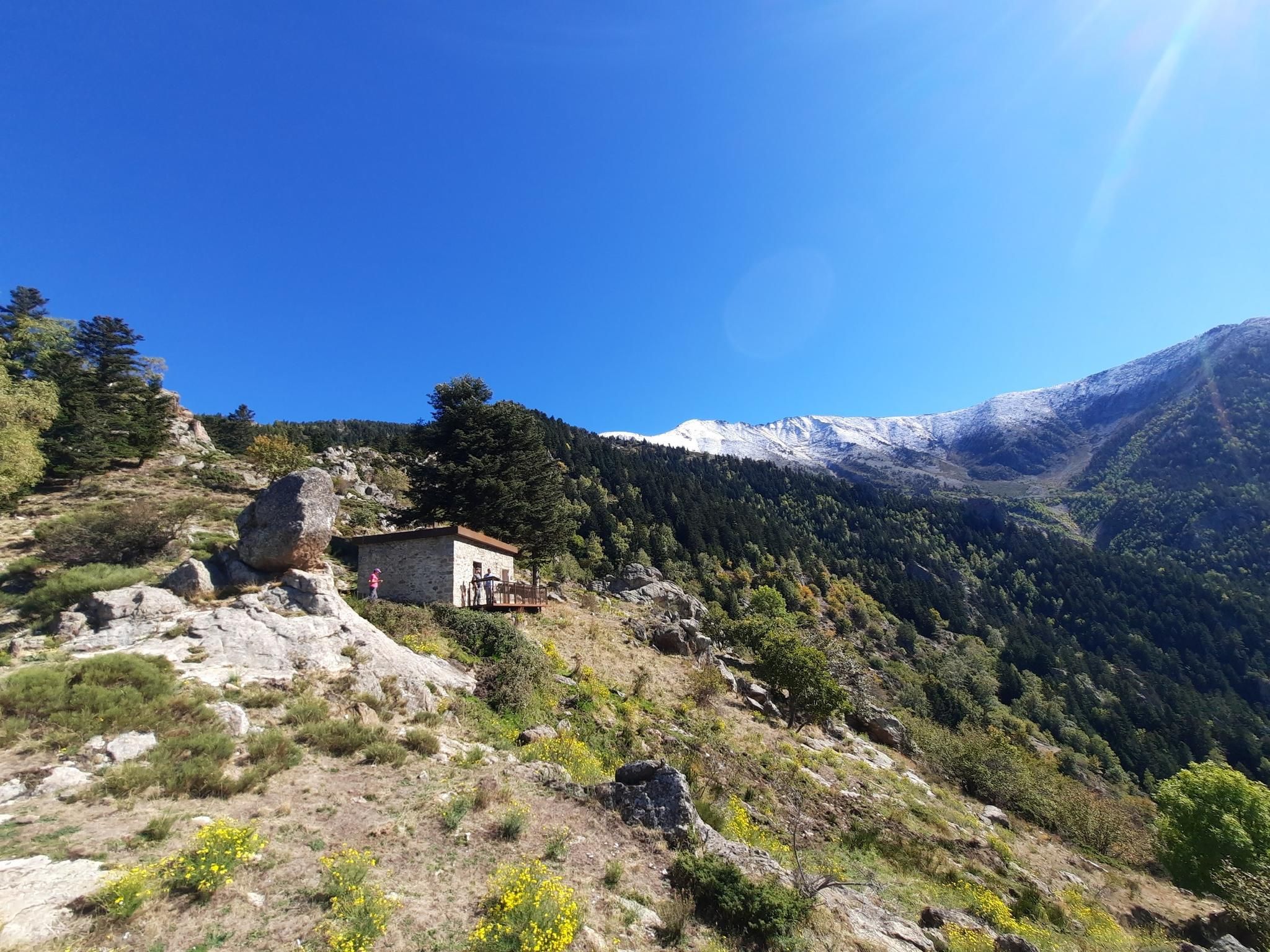
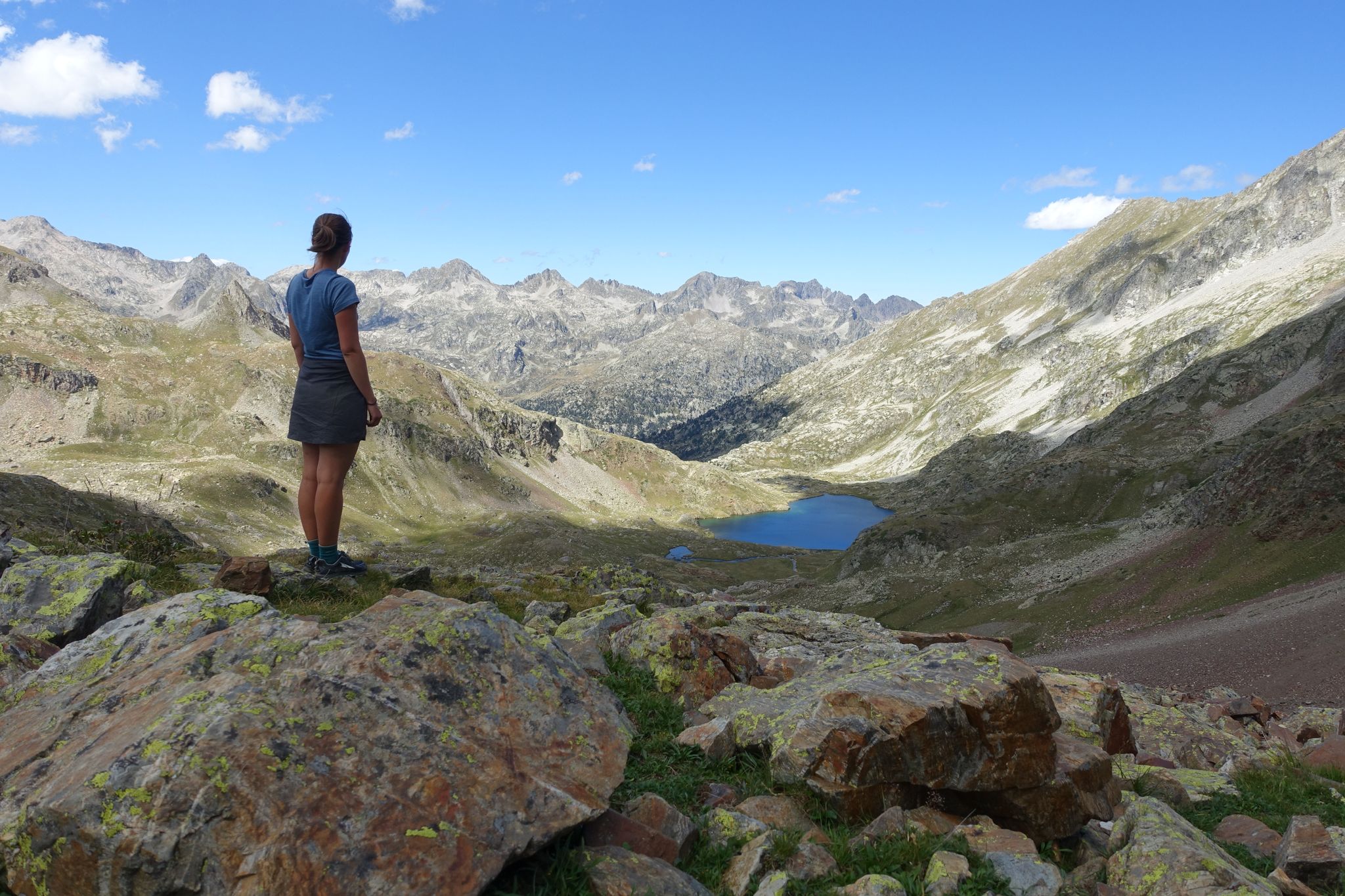
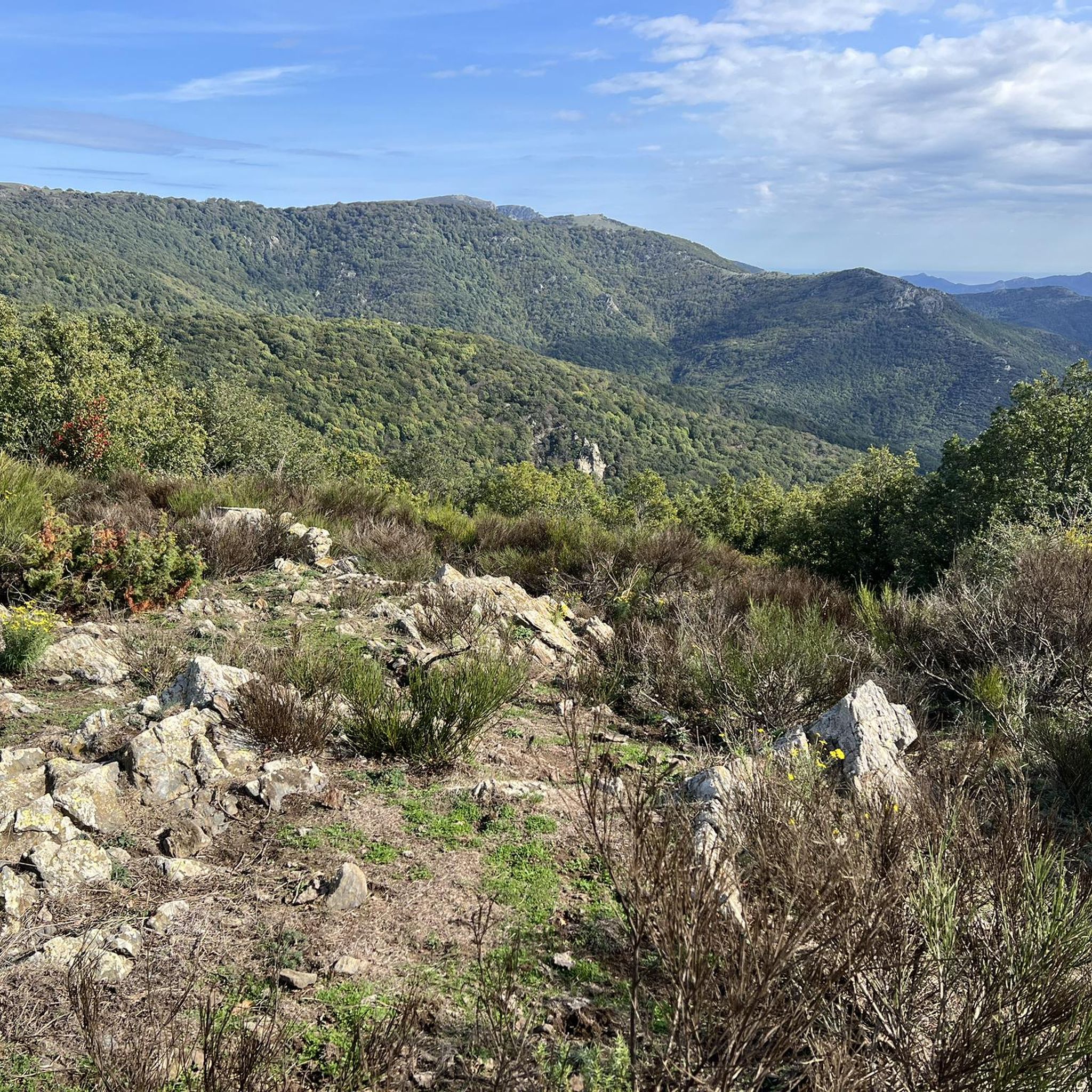
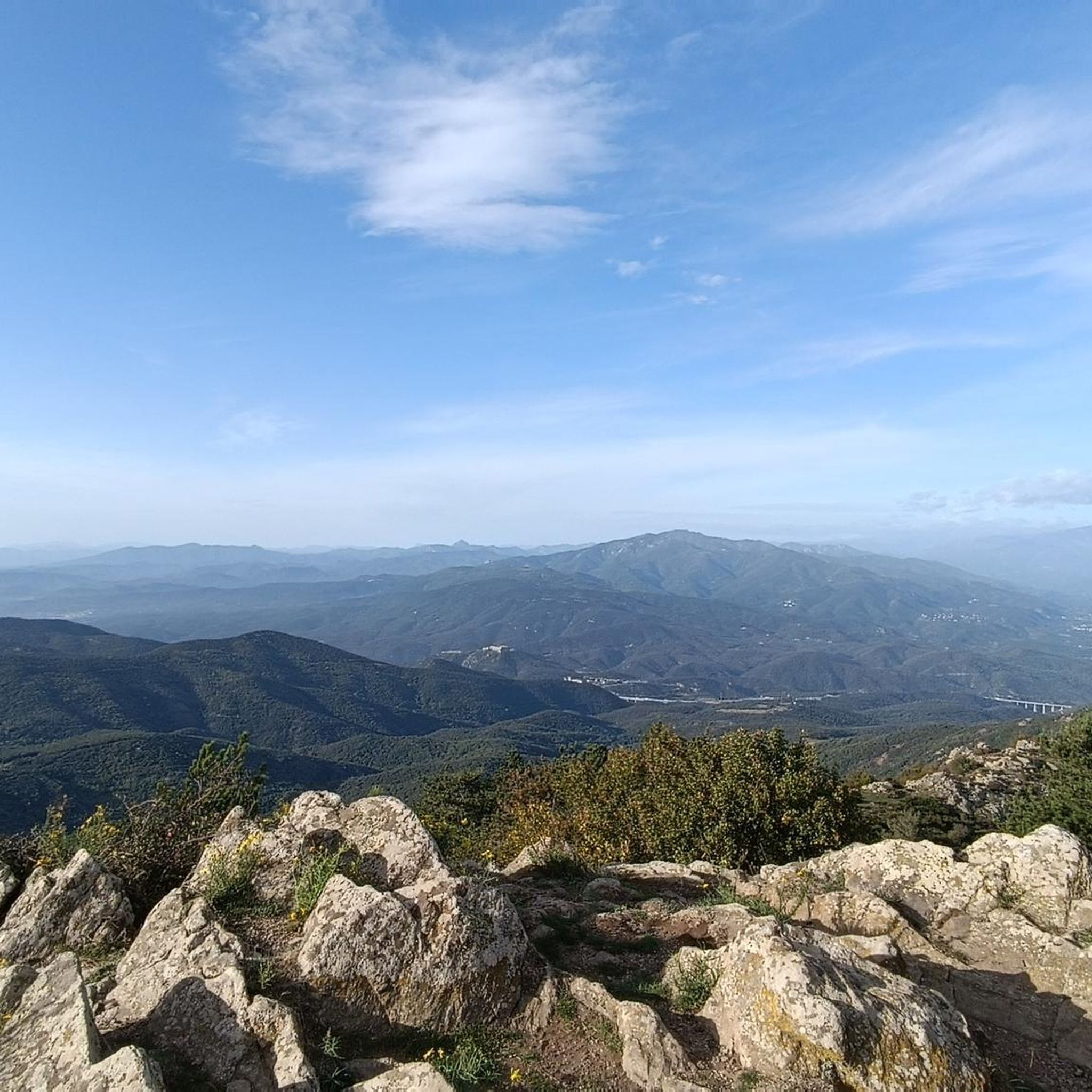
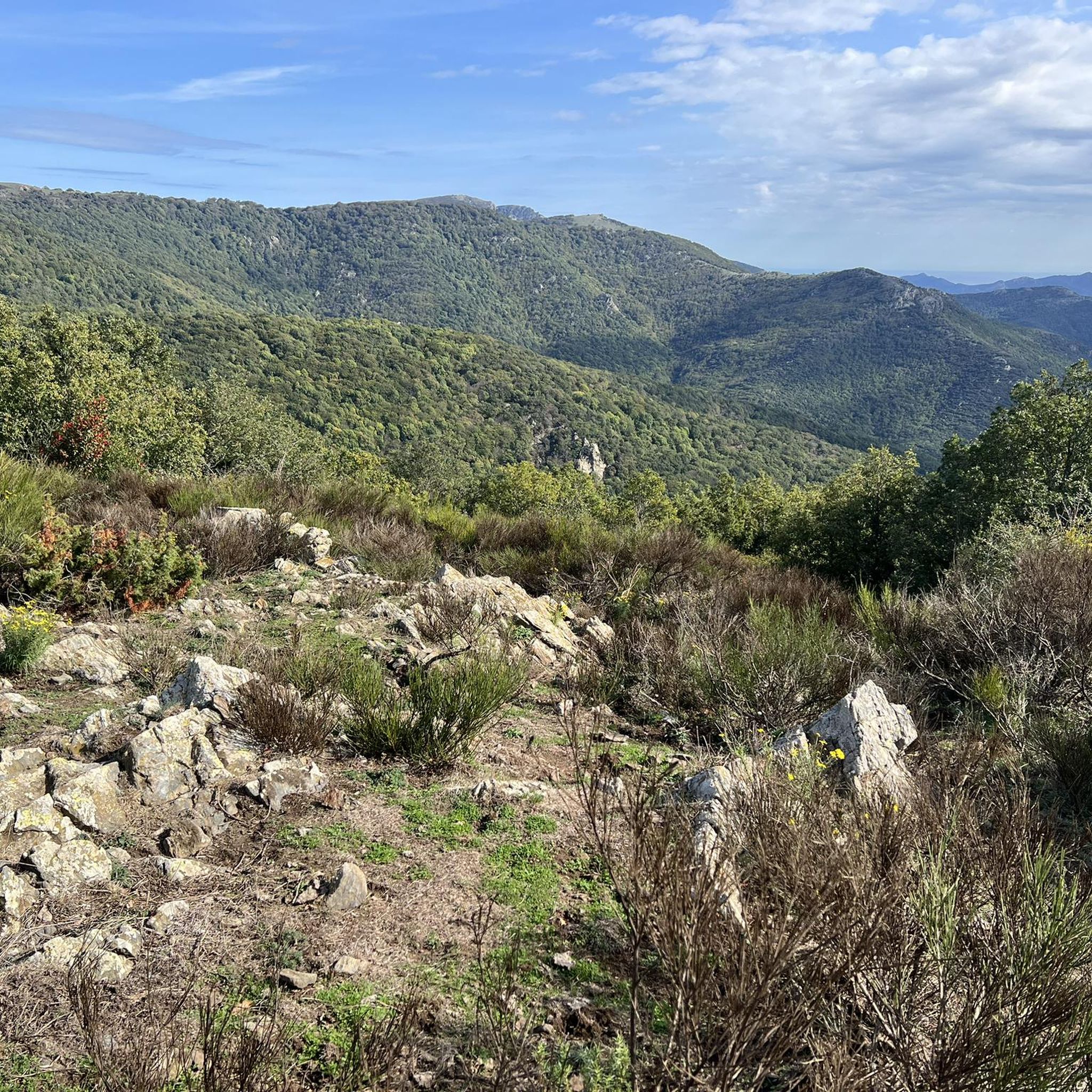
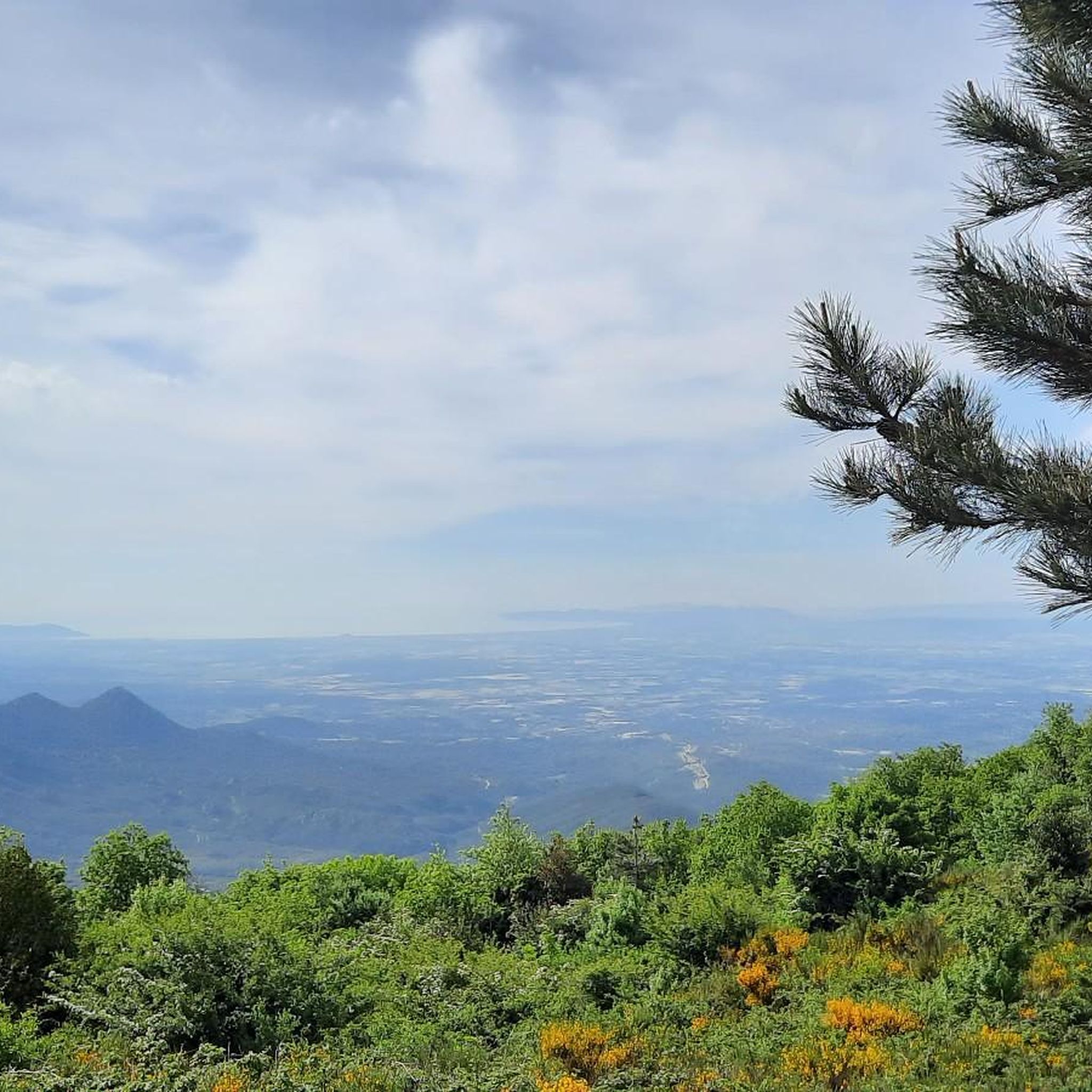
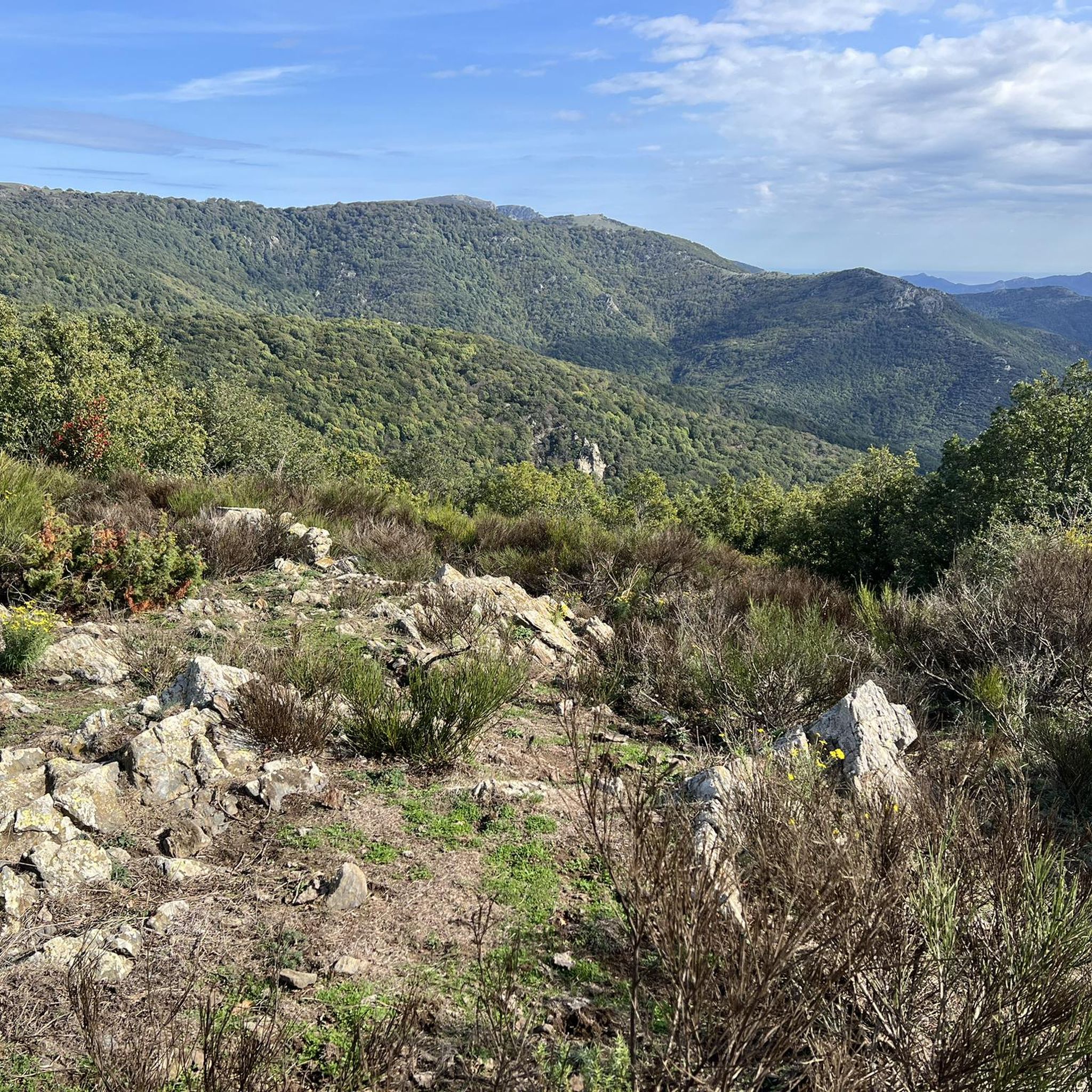



Tips from the Community


Cantallops is built around the 11th century Castle and Church of Sant Esteve.
0
0

Requesens Castle is an old fortress in this region of Alt Empordà. It is a medieval building that was built in the 11th and 12th centuries.
13
0


Built in the 13th century, its original function was to watch over the coast and warn of possible invasions. Today, it is a popular hiking destination due to its location on a hilltop that offers spectacular panoramic views.
0
0
Throughout its history, Fort de Bellegarde was the scene of numerous conflicts and battles, including the wars between France and Spain, as well as the Napoleonic Wars. However, over time and with changes in political and military circumstances, its strategic importance diminished. Today, Fort de Bellegarde is a historic and tourist site. Visitors can explore its imposing walls, towers and passageways, and learn about its fascinating history through exhibits and guided tours. The fortress offers stunning views of the surrounding landscape and remains a tangible reminder of the importance of border defence in European history.
1
0
@Marcus. It's very sad that you resort to editing and cropping photos that were not taken by you and pretending that you had been there in order to get points and become the leader of a region (Ceret).
0
0

Only open on weekends and only with a guided tour: 11:30 Catalan, 12:00 Spanish.
2
0
Frequently Asked Questions
What kind of historical significance do the castles around L'Albère hold?
The castles in the L'Albère region, situated in the Pyrenees near the French-Spanish border, served as crucial defensive structures for centuries. They reflect a rich history of territorial disputes and strategic importance. For example, Fort de Bellegarde was specifically designed to control the strategic passage between France and Spain, while Castell de Requesens is a medieval building dating back to the 11th and 12th centuries.
Are there castles with notable viewpoints in the L'Albère area?
Yes, several castles offer excellent viewpoints. Fort de Bellegarde provides fantastic views of the borderland between France and Spain. From Montesquieu Castle, you can enjoy a great view of the plains of the region. Additionally, the Tour de la Massane offers a wonderful view of the coast on a clear day, despite the watchtower itself being inaccessible.
What are some lesser-known historical sites or ruins to explore near L'Albère?
Beyond the more prominent castles, you can explore the Panissars Ruins. This site was once a small village in Antiquity and holds strong historical interest, featuring vestiges of an old priory and Benedictine hospital, and even the remains of a monument erected by General Pompey in 71 BC. It marks the old border between Gaul and Hispania.
What outdoor activities can I do near these castles?
The L'Albère region offers various outdoor activities. You can find numerous hiking trails, such as the Puig Sant Cristau Loop Trail, or more challenging routes like the Puig Neulós – Ullat Pass loop. For cycling enthusiasts, there are routes like the Saint-Jean-Pla-de-Corts – Cycle Path Through the Fields loop. Mountain biking is also popular, with trails like the Albera Massif: Puig Neulós and Requesens Castle Loop. You can find more details on these activities in the hiking, cycling, and MTB guides for L'Albère.
Are there any circular walks that incorporate castles around L'Albère?
Yes, for those interested in combining castle visits with walks, there are routes that pass by or around these historical sites. For instance, the 'Albera Massif: Puig Neulós and Requesens Castle Loop' is a challenging MTB route that incorporates Castell de Requesens. While not all are strictly circular walks directly from a castle, many hiking and cycling routes in the area offer views or access to these historical points. Check the hiking guide for routes in the vicinity.
What is the best season to visit the castles around L'Albère?
The L'Albère region, being in the Pyrenees, generally offers pleasant conditions for visiting castles during spring, early summer, and autumn. These seasons typically provide mild weather, making outdoor exploration and walks around the historical sites more enjoyable. Winters can be colder, and some higher-altitude sites might have limited access due to weather conditions.
Are the castles around L'Albère generally accessible for visitors?
Accessibility varies significantly between sites. Some castles, like Fort de Bellegarde, are well-maintained historical sites that may offer better access. However, others, such as the Tour de la Massane, involve challenging climbs to reach, and the medieval watchtower itself cannot be climbed. Ruins like Panissars Ruins are more rugged. It's advisable to check specific site information for detailed accessibility before planning your visit.
Are there family-friendly options among the castles in the L'Albère area?
Many of the castles and historical sites, such as Fort de Bellegarde and Montesquieu Castle, offer an engaging historical experience that can be interesting for families. The historical context and the opportunity to explore ancient structures can be educational and fun. However, some sites might involve walks or terrain that could be challenging for very young children or strollers. Consider the difficulty of the approach when planning with family.
Can I bring my dog to the castle grounds or nearby walks?
Policies regarding dogs can vary by specific castle or historical site. Generally, outdoor areas and walking trails around historical sites in natural settings, like those leading to Castell de Requesens or the Tour de la Massane, are often dog-friendly, especially if dogs are kept on a leash. However, access to interior parts of castles or protected historical monuments might be restricted. It's always best to check the specific rules of each site before your visit.
How long should I allocate for visiting a castle in the L'Albère region?
The time required for a visit depends on the specific castle and your interest. For a site like Fort de Bellegarde, which is a significant historical structure with extensive grounds and viewpoints, you might want to allocate 2-3 hours. For ruins or watchtowers like the Tour de la Massane, the visit might be shorter, focusing on the views, but the hike to get there will add to the overall time. Consider the approach time and your desire to explore when planning.
Are there cafes or restaurants near the castles for refreshments?
The castles themselves are often located in more remote or historical settings, so direct cafes or restaurants on-site are uncommon. However, the L'Albère region has charming towns and villages nearby where you can find dining options and cafes. It's recommended to plan your refreshments in one of these towns before or after your castle visit.
Most popular routes around L'Albère
Most popular attractions around L'Albère

Get inspired with the komoot mobile app


Explore more
Looking for the best castles somewhere else? Discover other guides around L'Albère:
