Top 14 Mountain Passes around Lées-Athas
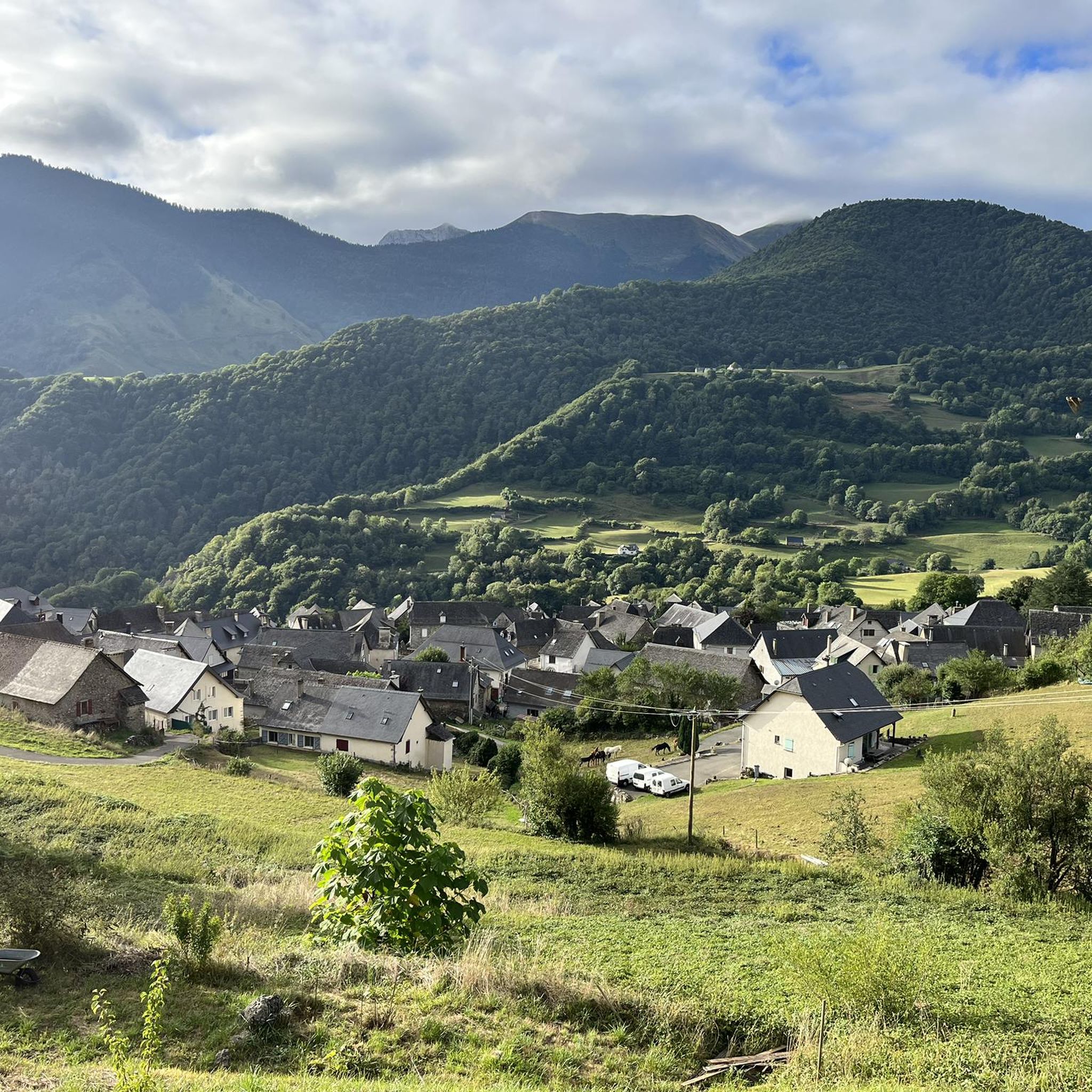
Best mountain passes around Lées-Athas are found in the Pyrénées-Atlantiques department of southwestern France. This region provides access to several mountain passes known for their challenging climbs and natural landscapes. These passes offer opportunities to experience the Pyrenees' geography.
Best mountain passes around Lées-Athas
- The most popular mountain passes is Pierre Saint-Martin Pass, a mountain pass that combines high mountain green meadows with stony areas. It features a photogenic 360-degree curve.
- Another must-see spot is Ascent of Col de Marie-Blanque from Escot, a challenging mountain pass. This nine-kilometer climb begins gently before becoming steeper over the last four kilometers, with an average gradient of 7.6%.
- Visitors also love Soudet Pass, a mountain pass culminating at 1,540 meters above sea level. The various climbs leading to it are relatively long and maintain low average percentages.
- Lées-Athas is known for challenging climbs, scenic viewpoints, and intermediate mountain pass routes. The area offers a variety of mountain passes to explore for different skill levels.
- The mountain passes around Lées-Athas are appreciated by the komoot community, with more than 40 upvotes and 19 photos contributed.
Last updated: August 19, 2026
Pierre Saint-Martin Pass
Highlight • Mountain Pass
Translated by Google •
Tip by

Soudet Pass
Highlight • Mountain Pass
Translated by Google •
Tip by

Sign up now to discover places like this
Get recommendations on the best single tracks, peaks, & plenty of other exciting outdoor places.
Sign up for free
Labays Pass
Highlight • Mountain Pass
Tip by

Petrechema Pass
Highlight • Mountain Pass
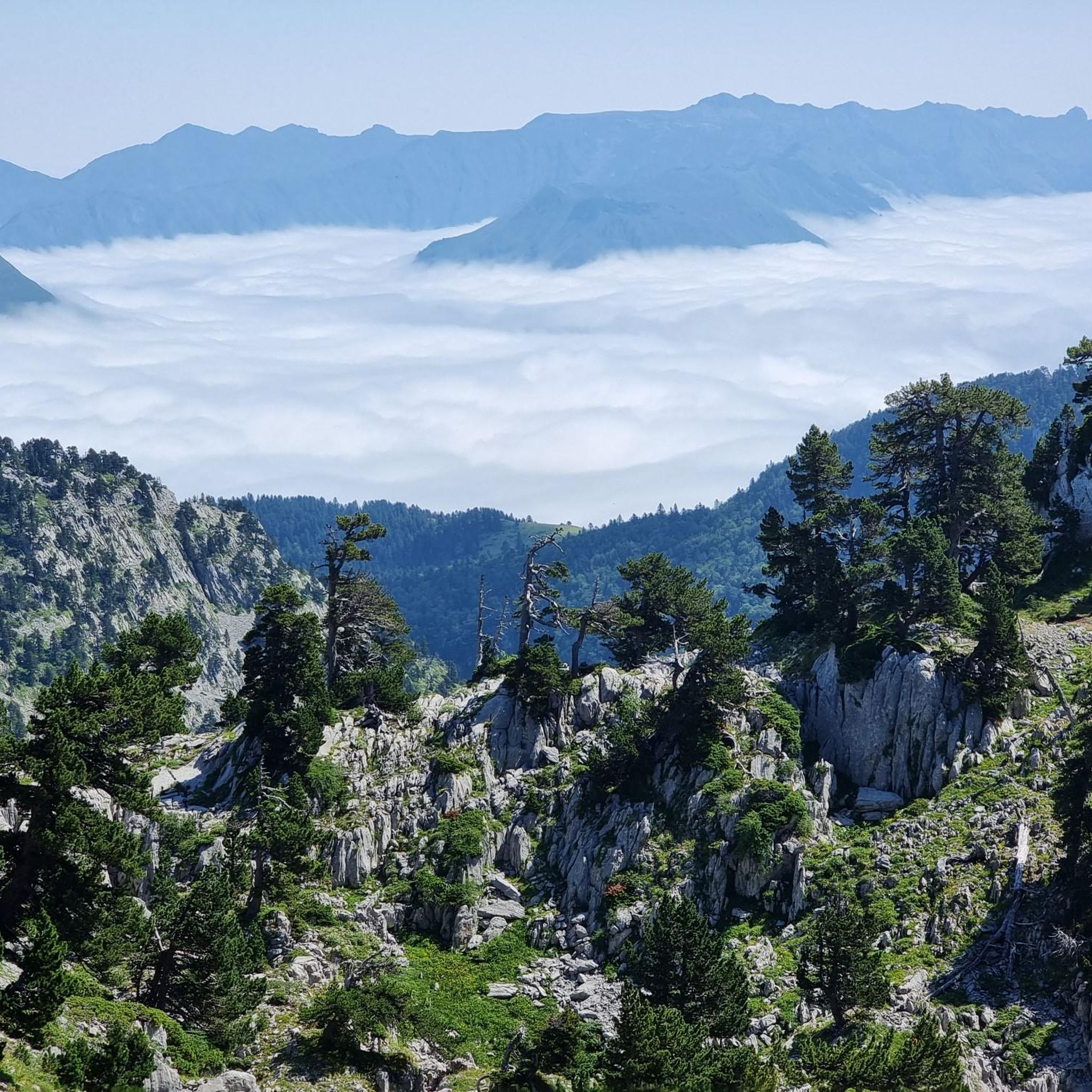
Here you will have the Sobarcal peak on our right, which you can climb in 25 minutes, on the left the Petrechema (which you can climb, but it is better through the Linza pass), and the view of the Agujas de Ansabere, which leave you amazed. any. Two needles of 300 vertical meters.
Translated by Google •
Tip by

Puerto del Palo (Col de Pau) 1942 m
Highlight • Mountain Pass
Tip by

Sign up for free to discover even more mountain passes around Lées-Athas.
Sign up for free
Already have an account?
Start today with a free account
Your next adventure awaits.
Login or Signup

Tips from the Community

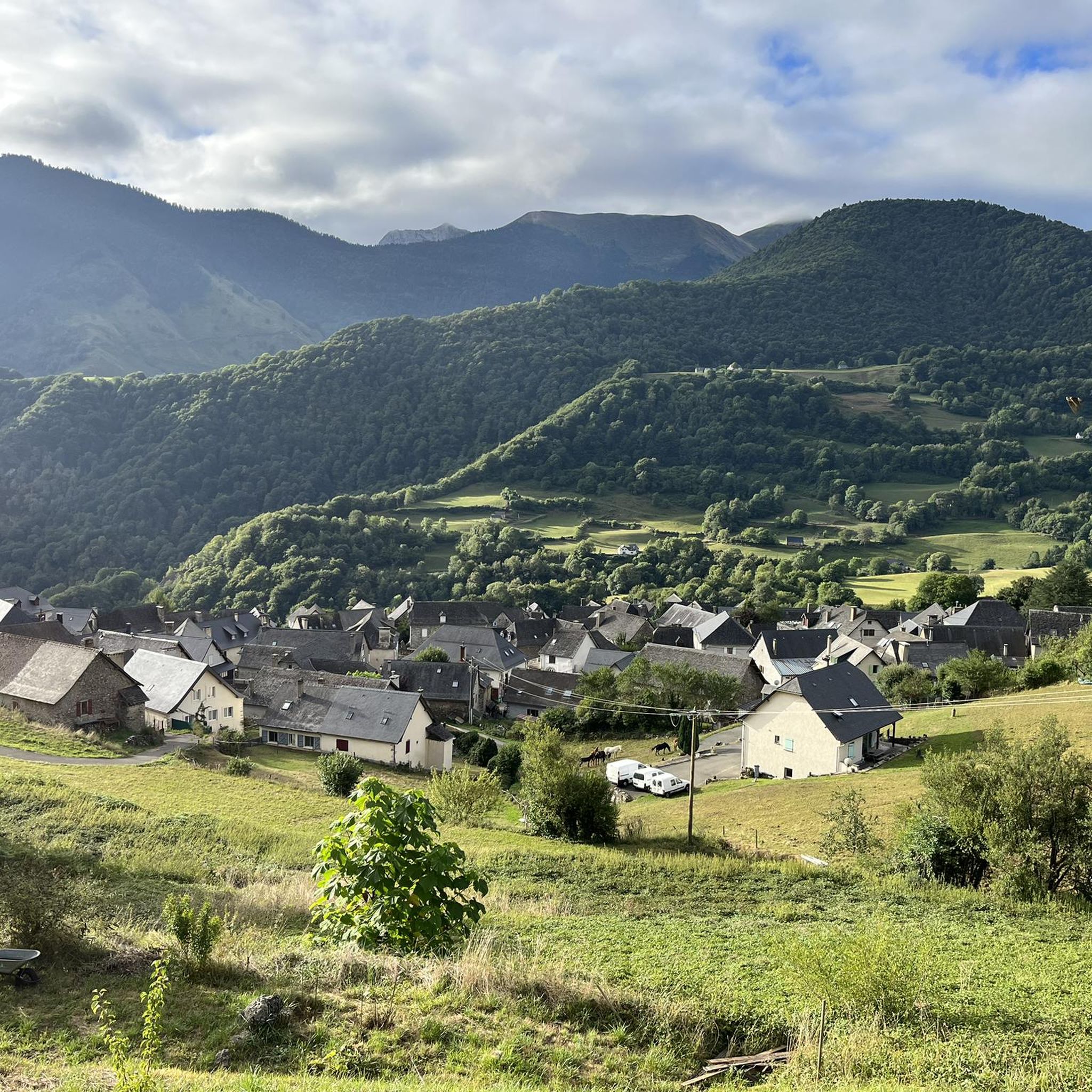
At 1,942 meters right on the border, Puerto del Palo (or Col de Pau) it's an ancient border spot. Look one way and you've got the lush Aspe Valley, look the other and there are rugged Spanish peaks everywhere, plus that iconic silhouette of the Pic du Midi d'Ossau hanging out in the distance.
2
0

beautiful climb starting from the valley of Larrau. Count 21km but the bulk of the elevation gain starts in Saint Engrace
0
0

Magnificent view of the Aspe valley, the Pic du Midi D'Ossau and the Spanish peaks 🤩
0
0

Without a doubt, the Col de la Piedra de Saint Martin or Pierre Saint-Martin is one of the Top 10 in the whole of the Pyrenees. Without exceeding 2000 metres of altitude, it is a very long pass, with a lot of accumulated gradient (due to the innumerable French slopes, the gradient is 1,450 metres), with very hard slopes and several kilometres above 10%, with wonderful landscapes and panoramic views and with little traffic, except for the slopes crossed by the main road (D132 in France, the NA 137 in Spain). It is a pass with many slopes; in Europe there are few other passes that have as many slopes as this one (col de Turini, Passo delle Erbe, would be comparable in number of slopes approximately). I have only climbed it by 2 slopes: (i) my first time was from Lourdios Ichère, crossing the col de Labays and the col de Soudet. Simply spectacular; (ii) I have subsequently climbed the Spanish side on several occasions, which is unique, and which starts from Belagua and crosses the Belagua cross-country ski resort to reach the mountain pass. It is also very beautiful, with a landscape and views different from the north-east side. If I had to choose one of the two, I liked the north-west side better because it is more remote, harder and in my opinion more authentic. It is also a culturally special mountain pass because the Tribute of the 3 cows takes place on its summit every 13th of July, which is considered the oldest treaty in force in Europe. So... you know... you cannot miss the opportunity to come here and enjoy this wonderful jewel of the Pyrenees!!!!
1
0

I would not recommend right now. They recently did a chip and seal so a LOT of loose gravel. I live in the area and even the road to Osse en Aspe.
1
0

A very irregular climb, with even a descending passage, which gives the opportunity to recover after a few slightly steeper passages. But not really any big difficulty on this pass.
0
0

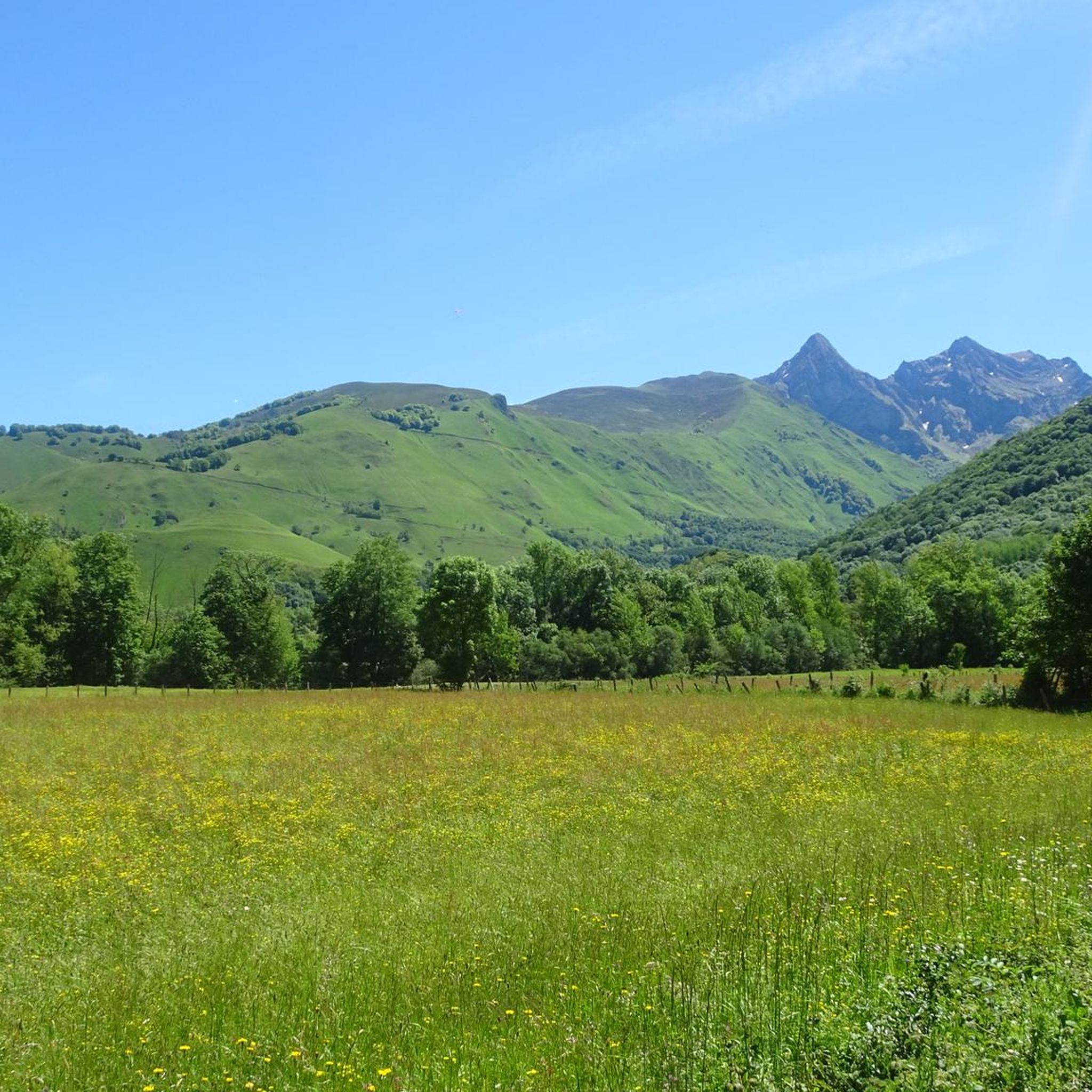
Culminating at 1,540 meters above sea level, the Soudet pass is one of the first to be encountered from the Atlantic coast. The various climbs that lead to it are relatively long and maintain low average percentages despite a few passages around 10%.
0
0

If you come from the south (Col du Soudet) you almost fly over it.
0
0
Frequently Asked Questions
Which mountain passes around Lées-Athas are known for their challenging climbs?
For cyclists seeking a challenge, the Ascent of Col de Marie-Blanque from Escot is a classic. This nine-kilometer climb starts gently but becomes significantly steeper over the last four kilometers, with an average gradient of 7.6%. It's a demanding route popular with those testing their endurance.
What kind of natural landscapes can I expect to see at the mountain passes?
The passes offer diverse landscapes. For instance, Pierre Saint-Martin Pass combines high mountain green meadows with stony areas, providing a very photogenic 360-degree curve. The region generally features the rugged grandeur of the Pyrenees, with breathtaking vistas.
Which mountain passes offer the best panoramic views?
The Pierre Saint-Martin Pass is celebrated for its stunning panoramic views, especially from its 360-degree curve. The Petrechema Pass also offers unique perspectives, including views of the Sobarcal and Petrechema peaks, and the dramatic Agujas de Ansabere.
Are there mountain passes suitable for intermediate cyclists or hikers?
Yes, the area offers a variety of mountain passes for different skill levels. The Soudet Pass, for example, culminates at 1,540 meters and features relatively long climbs with low average percentages, making it an intermediate option despite some steeper sections. The Labays Pass is also considered an intermediate route with an irregular climb.
What outdoor activities can I do near these mountain passes?
The mountain passes around Lées-Athas are excellent for various outdoor activities. You can find numerous road cycling routes, such as the 'Somport Pass – emblematic passes of the Pyrenees' or the 'Haut-Béarn Passes Loop'. There are also running trails and challenging mountain hikes like the 'Collado de Linza loop' or the 'Pic d'Arlas – Anie Peak loop'. You can explore more options in the Road Cycling Routes, Running Trails, and Mountain Hikes guides for the region.
When is the best time to visit the mountain passes around Lées-Athas?
The mountain passes are generally best visited during the warmer months, typically from late spring to early autumn, when the weather is more stable and the passes are clear of snow. This period offers the best conditions for cycling, hiking, and enjoying the panoramic views.
Are there any cultural or historical aspects associated with these mountain passes?
Yes, the Pierre Saint-Martin Pass holds cultural significance as the site where the 'Tribute of the 3 cows' takes place every July 13th, considered one of the oldest treaties in Europe. The Petrechema Pass also acts as a natural dividing line between the Spanish region of Aragón and the French valley of Bearn, highlighting the cross-border cultural heritage of the Pyrenees.
What do visitors enjoy most about the mountain passes around Lées-Athas?
Visitors particularly appreciate the challenging climbs, the breathtaking vistas, and the rich natural beauty of the Pyrenees. The sense of accomplishment after conquering a pass, combined with the unique geography and cultural crossroads, makes for a memorable experience. The komoot community has contributed over 40 upvotes and 19 photos, highlighting the area's appeal.
Are there any specific tips for cycling the mountain passes in this region?
When cycling, be prepared for varied conditions. For example, the Labays Pass recently had a lot of loose gravel due to chip and seal work, so caution is advised. The climbs can be long, with some passes like the Soudet Pass maintaining low average percentages despite a few passages around 10%.
Can I find wild swimming spots near the mountain passes?
While specific wild swimming spots are not detailed in the provided information, the region's natural beauty and numerous water features in the Pyrenees suggest that opportunities might exist. It's recommended to research local regulations and safety for any potential swimming locations.
What wildlife might I encounter in the mountain passes around Lées-Athas?
The Pyrenees are home to diverse wildlife. While specific sightings are not guaranteed, visitors might encounter various bird species, chamois, marmots, and other mountain fauna. The wilder areas, especially around passes like Col d'Arlet (not detailed in highlights but mentioned in region research), are more likely to offer wildlife viewing opportunities.
Are there any less crowded or alternative mountain passes to explore?
While the main passes are popular, the region offers a vast network of routes. The Labays Pass, for instance, is often mentioned in conjunction with other climbs and might offer a slightly less frequented experience compared to the more famous Tour de France routes. Exploring nearby local roads can also lead to quieter, equally scenic routes.
Most popular routes around Lées-Athas
Most popular attractions around Lées-Athas

Get inspired with the komoot mobile app


Explore more
See even more epic mountain passes by checking out these guides around Lées-Athas:
