Attractions and Places To See around Fontpédrouse - Top 20
Best attractions and places to see around Fontpédrouse include natural thermal waters and extensive hiking opportunities within the French Pyrenees-Orientales. This commune is situated in the Regional Natural Park of the Catalan Pyrenees, offering diverse landscapes. The area is known for its dramatic gorges and historical significance, with its name meaning "Stony Fountain" in Catalan. Visitors can explore natural features and cultural landmarks in this mountainous region.
Best attractions and places to see around Fontpédrouse
- The most popular attractions is…
Last updated: May 9, 2026
Carança Corniche
Highlight • Gorge
Translated by Google •
Tip by

The Footbridges of the Carançà Gorge
Highlight • Gorge
Translated by Google •
Tip by

Sign up now to discover places like this
Get recommendations on the best single tracks, peaks, & plenty of other exciting outdoor places.
Sign up for free
Suspension bridge over the Carança Gorge
Highlight • Bridge
Translated by Google •
Tip by
Chemin de la Corniche
Highlight (Segment) • Trail
Translated by Google •
Tip by

Puigmal d'Er Summit
Highlight • Summit
Translated by Google •
Tip by

Sign up for free to discover even more attractions around Fontpédrouse.
Sign up for free
Already have an account?
Start today with a free account
Your next adventure awaits.
Login or Signup
Popular around Fontpédrouse
The Crossing of the Pyrenees via the GR 10 — Eastern Pyrenees
On wild ridges: Catalonia to Ariège – Hexatrek, Eastern Pyrenees
Road Cycling Routes around Fontpédrouse
Running Trails around Fontpédrouse
Cycling around Fontpédrouse
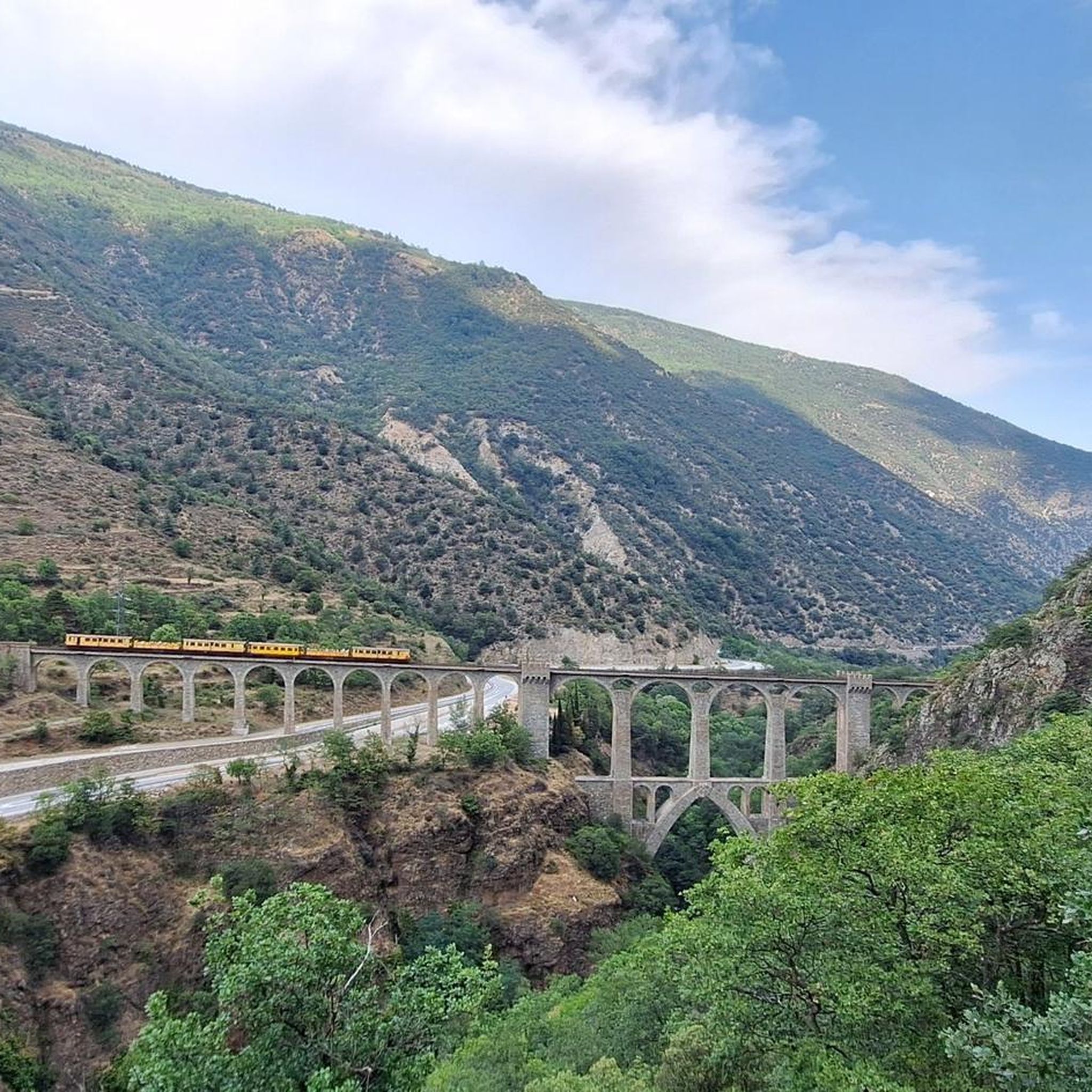
Hiking around Fontpédrouse
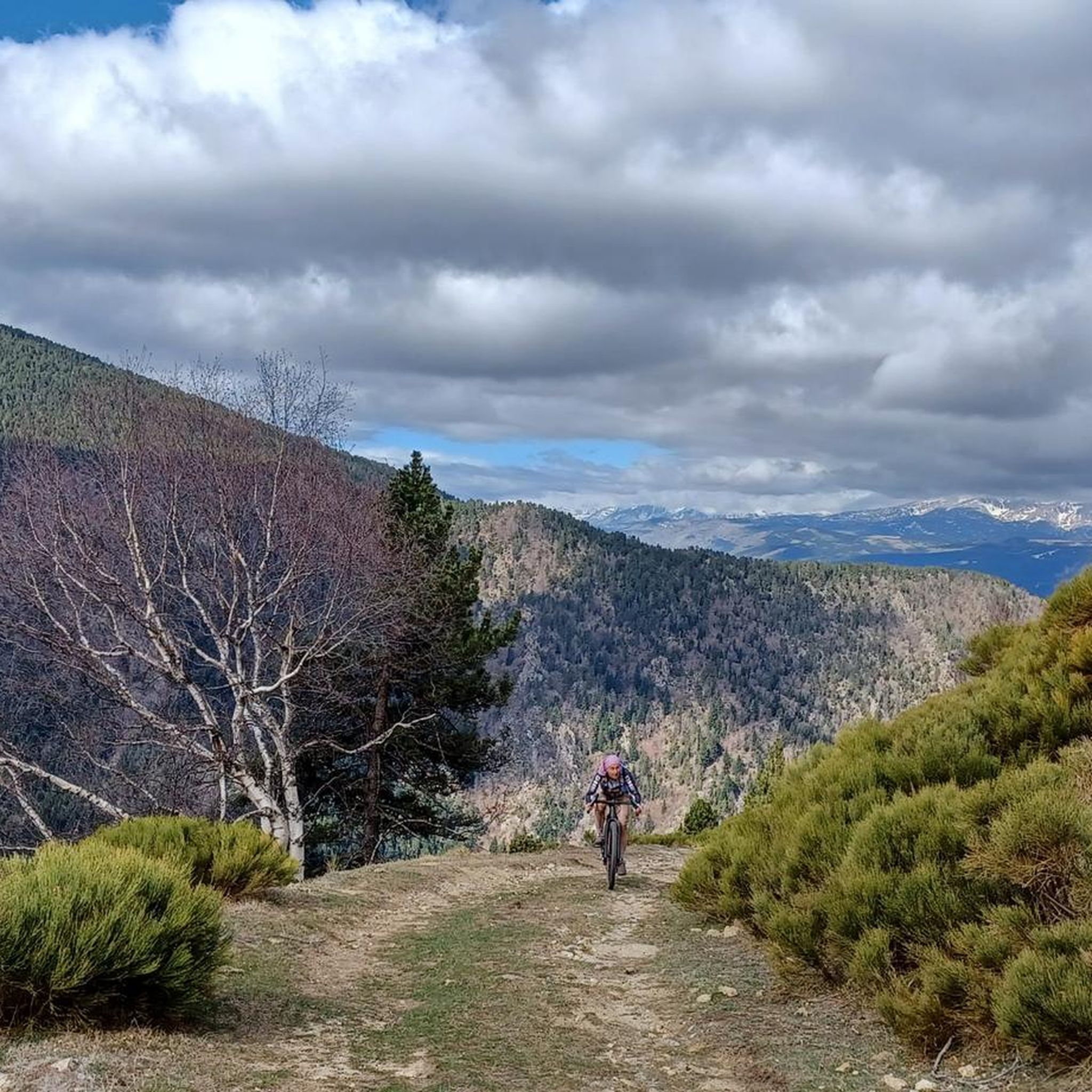
MTB Trails around Fontpédrouse
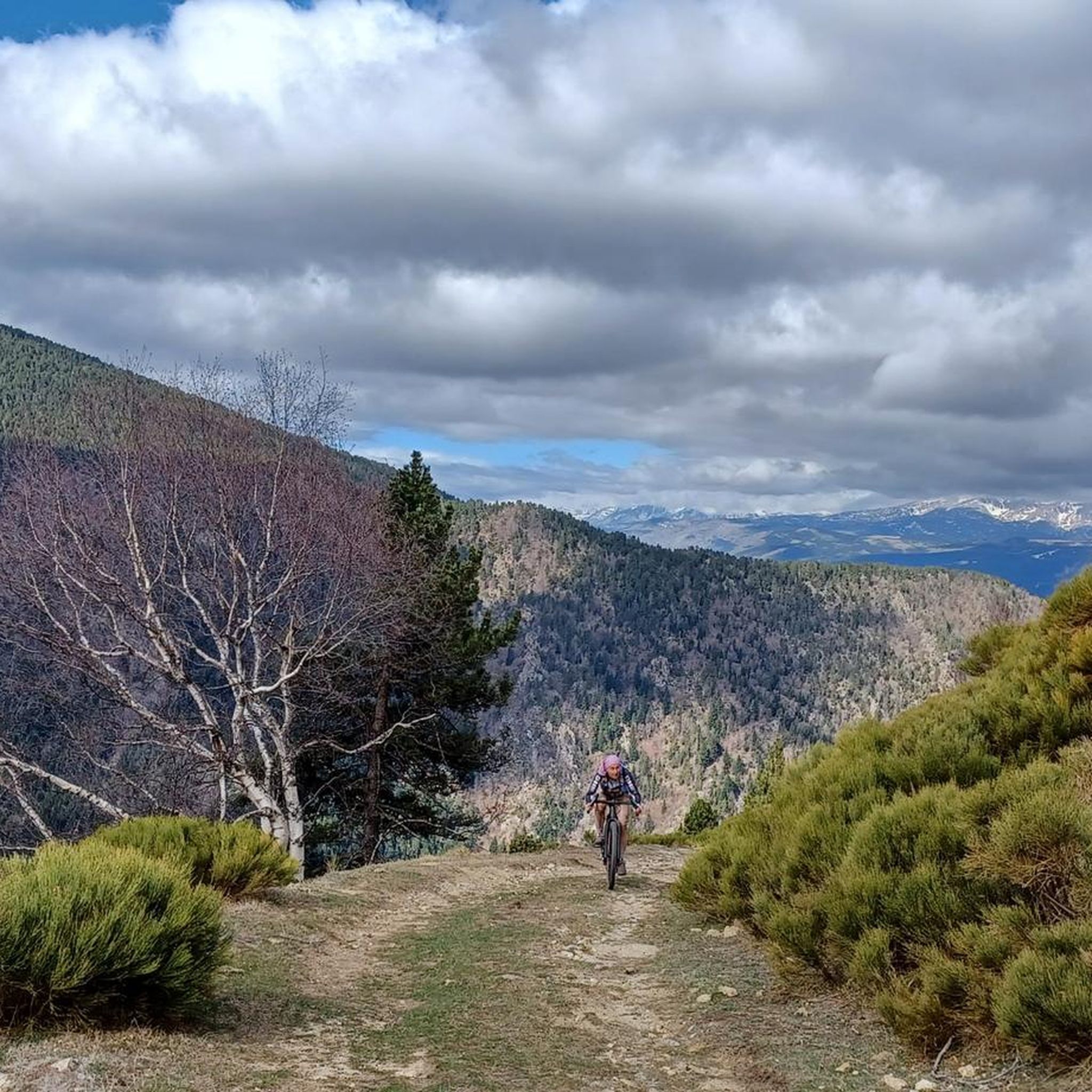
Gravel biking around Fontpédrouse

Mountain Hikes around Fontpédrouse

Tips from the Community

Take your time and respect the two-person-at-a-time rule.
0
0

the views and the pleasure of climbing almost to 3000 m
1
0

Where did you drive up there from and which gate did you take? Where did you drive up there from and which gate did you take? From where did you drive up there and which gate did you take?
0
1

There isn't really much of a view to enjoy here. The other mountains in the same category that can be hiked along the ridge are more impressive. But you are still "up there" here. Away from the hustle and bustle of the world, in silence. Only the wind blows over the peaks, kicks up a few dust devils, and in summer cools the sweat of the climb.
3
0

Beautiful point, but watch your head because of the rock points and where you put your feet. Here you can easily pass each other
20
0
Breathtaking gorge, great parking 5 euros, just follow komoot for the most beautiful route, fear of heights? Do not look into the depths, but especially where you put your feet. If you are Dutch tall, then also pay attention to the rocky points at head height. What a great trip😀
22
0

When the path joins the river and next to a small dam, we connect with the path that comes from the ledge. Here begins the most exciting part of the excursion! Ahead of us are ten bridges, numbered in yellow paint, as well as walkways built with metal panels from which we see the river slide between the rocks beneath our feet. All steps are aerial but well secured with cables and railings. Of course: we have to pay special attention if we go with children. This area, in addition to being a real adventure, is ideal for contemplating the small waterfalls from the front row and listening to the murmurs of the river. Here you can enjoy the grandeur of an overflowing nature… After the bridge marked with a 10, the path widens and we pass over a small stone bridge that crosses the Roig stream, a tributary of the Tet river. We pass a stone hut without a roof and arrive at the last footbridge, located at a point where the river is enclosed by a rock wall. At this point, most walkers turn around and those who continue do so thinking of reaching the refuge of the Ras de Carançà, still far away. The last time I did this stretch (see excursion: https://www.komoot.com/es-es/tour/994475321/ ) it was just the other way around, coming from the refuge of Ras de Carançà.
1
0
When we reach the fork in the road, we will continue on the left that goes across the river over a suspension bridge. Here we will find the last footbridge of the route. We enter the Camí de la Corniche (Chemin de la Corniche), which runs along the cliff and is a luxury balcony: Roc de la Madrieu, Serrat del Cortal, Thuès and its church of Sant Genís, the Tet valley... It is a narrow and vertiginous path dug into the rock, similar to the Ruta del Cares, which follows the cliff formed by the river. It seems that it was built to have access to the hydroelectric plant that we left a little above and that produces the energy that moves the yellow train. That is why during the tour we will find access doors to the company's facilities almost hidden among the rocks. The road to the ledge produces vertigo, seen from the other side it looks like a small scratch in the rock, but once inside we see that this is not the case. It is wide enough to walk without problems and it also has a safety cable, as a handrail. There is nothing to fear, but if one wants to admire the abyss it is better to stop and thus avoid a possible trip with dramatic consequences.
5
0
Frequently Asked Questions
What are the most popular hiking experiences in Fontpédrouse?
The most popular hiking experiences revolve around the dramatic Carança Gorge. Visitors particularly enjoy the adventurous sections like The Footbridges of the Carançà Gorge, which features ladders and suspension bridges, and the Suspension bridge over the Carança Gorge itself. For those seeking spectacular views, the Carança Corniche offers dizzying passages carved into the rock.
Are there challenging hikes for experienced trekkers in the area?
Yes, the Carança Gorge offers several challenging sections. The Carança Corniche and the Chemin de la Corniche are known for their narrow, vertiginous paths carved into the rock, similar to the Ruta del Cares. These routes often involve steep ascents, rocky terrain, and require a good head for heights, providing a strenuous yet rewarding experience.
Can I find family-friendly outdoor activities around Fontpédrouse?
While some parts of the Carança Gorge can be challenging, especially for those with vertigo or very young children, sections of the gorge with footbridges and suspension bridges can be an exciting adventure for families with older children. It's advisable to assess the difficulty and potential for vertigo before embarking on the more exposed sections. The region also offers numerous less strenuous walks within the broader Regional Natural Park of the Catalan Pyrenees.
Are there any natural thermal springs to visit in Fontpédrouse?
Fontpédrouse is renowned for its natural thermal springs. The Bains de Saint-Thomas offer developed facilities with outdoor pools, jacuzzis, and massage jets, all fed by natural sulfurous water at around 37°C. For a more rustic experience, free natural thermal pools can be found amidst the forest, where water emerges at over 60°C and forms various basins of different temperatures.
What kind of natural landscapes can I expect to see in the Fontpédrouse region?
The Fontpédrouse region, nestled in the French Pyrenees-Orientales and part of the Regional Natural Park of the Catalan Pyrenees, offers diverse and dramatic natural landscapes. You can expect to see deep gorges like the Carança, rugged mountain terrain, lush forests, and stunning viewpoints along corniche paths. The area is characterized by its mountainous environment and the unique geological features shaped by the torrents.
What cultural or historic sites are nearby Fontpédrouse?
While Fontpédrouse is a small village, its history is tied to its name, meaning 'Stony Fountain.' A notable cultural landmark is the Church of La Trinité et Sainte-Marie, located in the hamlet of Prats-Balaguer, perched at an altitude of 1,300 meters. Historically, the area was linked to Prats de Balaguer, which once had an old castle. The hamlet of Sant Tomàs de Balaguer, home to the thermal baths, also originated as a monastic cell.
What other outdoor activities can I do near Fontpédrouse besides hiking?
Beyond hiking, the Fontpédrouse area is excellent for various outdoor activities. You can explore numerous routes for cycling, mountain biking, and gravel biking. For example, there are several gravel biking routes, MTB trails, and cycling tours that allow you to discover the diverse landscapes of the Catalan Pyrenees.
What do visitors enjoy most about the attractions around Fontpédrouse?
Visitors consistently praise the spectacular and adventurous nature of the Carança Gorge. Many highlight the thrill of navigating the footbridges, ladders, and suspension bridges, and the breathtaking views from the corniche paths. The unique experience of hiking through sections carved into the rock, combined with the stunning natural beauty, makes for a memorable trip. The natural thermal springs are also a major draw for relaxation.
Is there parking available for the Carança Gorge trails?
Yes, there is parking available for the Carança Gorge trails, typically for a fee (e.g., 5 euros). It's recommended to arrive early, especially during peak season, as the area is popular. The parking lot often has amenities like kiosks and toilets, and staff can provide information and maps for the routes.
What should I be aware of when hiking in the Carança Gorge?
When hiking in the Carança Gorge, be prepared for varied and sometimes challenging terrain. Sections like the Carança Corniche can be dizzying, so those with vertigo or young children should exercise caution. The trails involve ladders, footbridges, and suspension bridges, and some parts are carved into the rock, requiring attention to foot placement and head clearance. It's not recommended in wet weather due to slippery conditions, but it's a fantastic experience in dry weather.
Are there any hidden gems or less-known outdoor spots near Fontpédrouse?
Beyond the main Carança Gorge, the broader Regional Natural Park of the Catalan Pyrenees holds many less-traveled paths and viewpoints. Exploring the various hamlets and villages like Prats de Balaguer offers glimpses into local history. The free natural thermal pools in the forest, away from the developed baths, also provide a more secluded and authentic experience of the region's natural wonders.
Most popular routes around Fontpédrouse
Most popular attractions around Fontpédrouse

Get inspired with the komoot mobile app


Explore more
Still not found the Highlight you’re looking for? See guides of the top attractions in other regions:
