The best walks and hikes around Craonne
4.4
(443)
1,834
hikers
81
hikes
Hiking around Craonne offers a blend of historical landscapes and diverse natural features. The region is characterized by varied terrain including forests, hillsides, fields, and vineyards, with gently rolling plains and plateaus. Deeply marked by World War I history, the area provides a unique setting for outdoor activities.
Best hiking trails around Craonne
- The most popular hiking route is Vauclair Abbey and Lake Ailette Loop, a 7.1 miles (11.5 km) trail that takes 3 hours 6 minutes to complete.…
Last updated: October 10, 2026
4.5
(19)
71
hikers
11.5km
03:06
150m
140m
Moderate hike. Good fitness required. Mostly accessible paths. Sure-footedness required.
3.7
(6)
33
hikers
12.0km
03:12
130m
120m
Moderate hike. Good fitness required. Mostly accessible paths. Sure-footedness required.

4.5
(33)
89
hikers
10.2km
02:41
90m
90m
Moderate hike. Good fitness required. Easily-accessible paths. Suitable for all skill levels.
3.8
(4)
30
hikers
5.17km
01:24
70m
70m
Easy hike. Great for any fitness level. Easily-accessible paths. Suitable for all skill levels.
4.3
(12)
61
hikers
14.5km
03:55
200m
200m
Moderate hike. Good fitness required. Easily-accessible paths. Suitable for all skill levels.
Get access to more routes and recommendations from other explorers.
Already have an account?
Our route recommendations are based on thousands of hikes, rides, and runs completed by other people on komoot.
Start today with a free account
Your next adventure awaits.
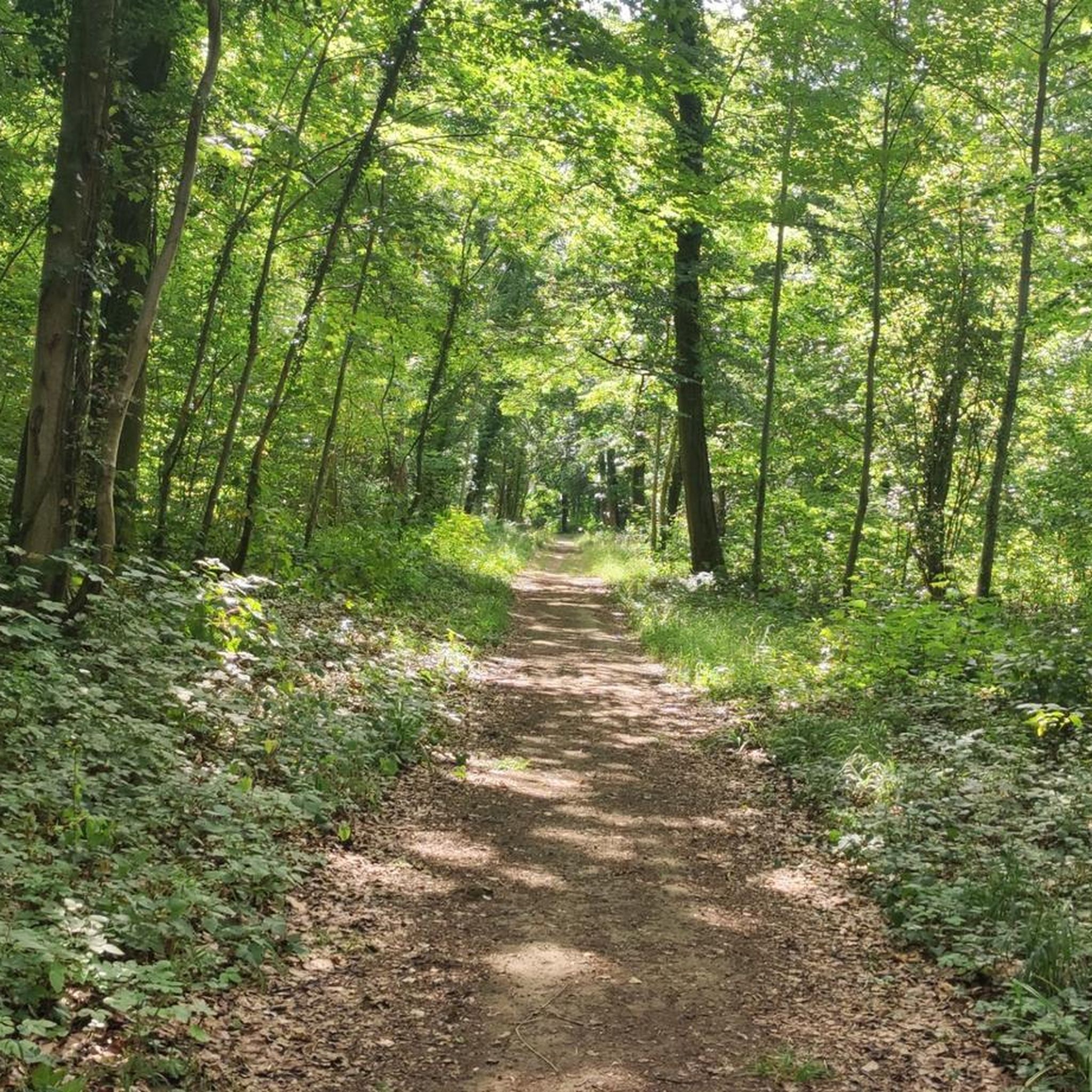
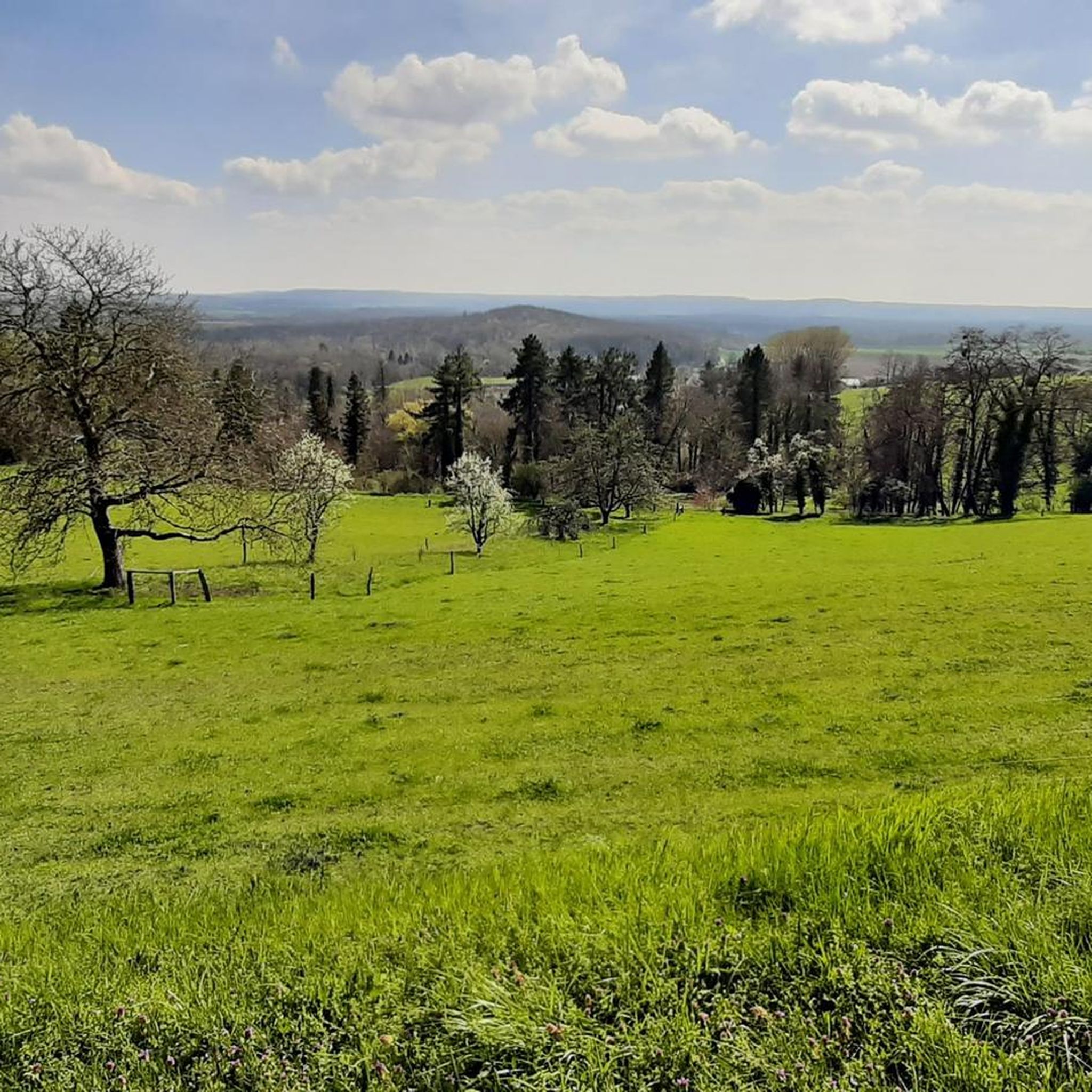
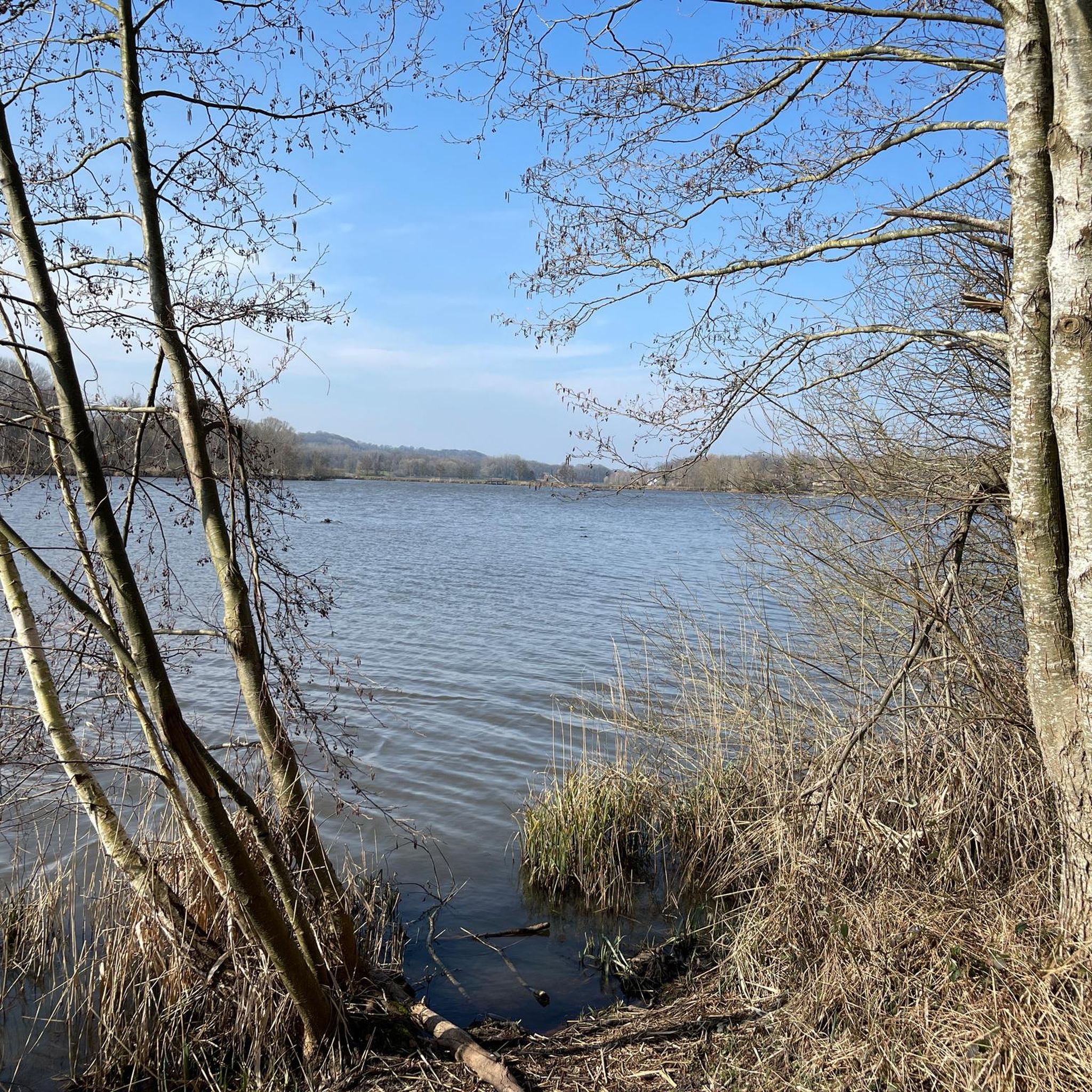
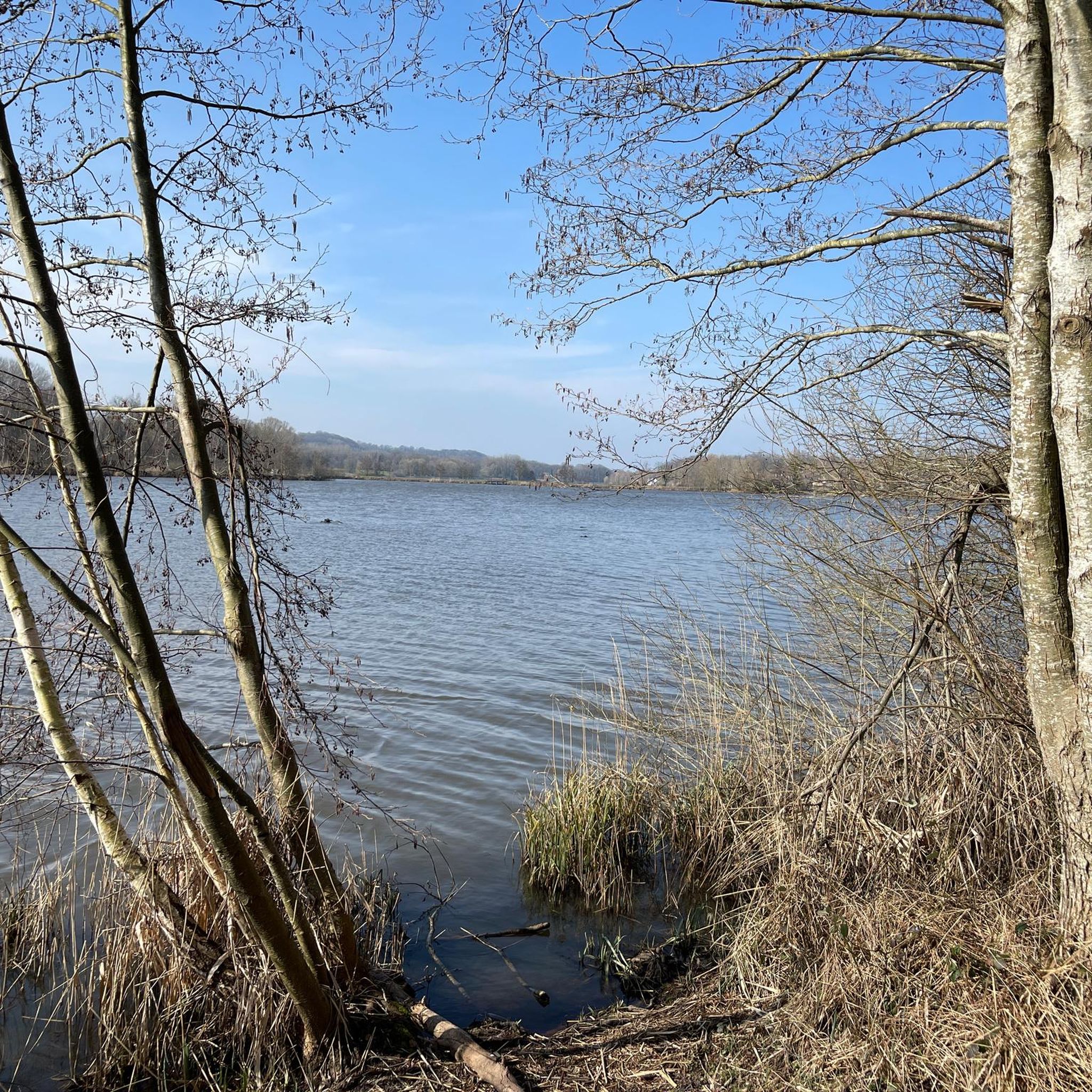
Tips from the Community

The Vauclair Abbey near Bouconville-Vauclair in the Aisne department was founded in 1134 by Bernard of Clairvaux as a Cistercian monastery. In the Middle Ages, it developed into an important monastic complex; it was significantly expanded, particularly in the 13th century. During the First World War, Vauclair was located directly in the combat zone of the Chemin des Dames and was almost completely destroyed by artillery fire in 1917. The ruins visible today have been archaeologically investigated, excavated, and partially secured since the 1960s. Directly next to the ruins, there is now a medicinal herb garden with around 400 species and a conservation orchard. This verger conservatoire preserves old regional apple and pear varieties; according to the French Garden Association, there are about 84 different varieties represented there. Together with the monastery ruins, the site thus commemorates not only the history of the Cistercians but also their close connection to agriculture, horticulture, and botany.
1
0

In 1914, the peasant village of Ailles covered about 340 hectares, one third of which was forest. 61 houses were grouped around the church of Saint-Martin. The population was declining: in the 1901 census there were still 147 inhabitants, while in 1911 there were only 118. In honor of the Battle of Craonne, a magnificent elm had been planted on March 7, 1814. A century later, it witnessed a new battlefield as French and German shells wiped the village off the map...
1
0
Hidden in the middle of the forest, this Cistercian abbey, founded in 1134 by Bernard of Clairvaux, appears like a mirage. Its majestic ruins bear witness to a turbulent past. From the Hundred Years' War and the French Revolution to the First World War, the abbey suffered considerable destruction. In the 1960s, the site was overgrown with brambles and forgotten. Thanks to the archaeological excavation group "Sources" led by Father Courtois, it experienced a rebirth.
2
0
The observation tower, inaugurated on April 16, 2013, overlooks the Plateau de Californie, a strategic site of the battles of the Chemin des Dames. The 20-meter-high, freely accessible tower offers a historical insight into the landscape and recalls the importance of the heights during the war. It also offers visitors who climb it an unparalleled view of the village of Craonne below, but also of the Chemin des Dames and the Champagne plain... The observation tower is topped with a blue beacon that is activated at night, thus forming a monument in the landscape. During the day, it allows one to survey the plain of Reims, while at night, conversely, it is visible from this plain. The structure of the tower consists of a spatially modular wooden Mikado, whose arrangement has been chosen according to the configuration of the terrain and the orientation of the viewpoints. The dimensions of the steps and handrails facilitate the climb and mitigate the feeling of vertigo that may arise. For this structure built amidst trees, wood was the obvious material. Renewable materials were selected: glued laminated timber from pine for the long supports, posts and beams from larch, larch wood for the steps, and tropical woods (Massaranduba, Cumaru, Ipé, Doussié…) for the platforms and railings. These woods, originating from French Guiana, are certified and their extraction is controlled. Source and further information: https://www.chemindesdames.fr/
1
0

Beautiful quiet place for a walk
0
0

This stone statue of Napoleon I , sculpted by Georges Thurotte in 1974, commemorates the victory of the French armies at Craonne against the Russian and Prussian armies of General Blücher on March 7, 1814 . It was built on the site of the Vauclair mill which served as an observation post during this battle...
0
0
Inaugurated on April 16, 2013, the observation tower overlooks the Plateau de Californie, a strategic location during the war on the Chemin des Dames. Standing at a height of 20 meters and freely accessible, it offers a historical perspective on the landscapes and serves as a reminder of the importance of high points during the war. It also offers visitors who climb it an incomparable view of the village of Craonne below, as well as the Chemin des Dames and the Champagne plain. Equipped at its summit with a blue lighthouse, put into operation at night, the observation tower constitutes a beacon of memory in the landscape. Allowing a view of the plain of Reims during the day, it is, in a reverse movement, visible at night from this plain.
0
0
This stone statue of Napoleon I, sculpted by Georges THUROTTE, commemorates the victory of the French armies at Craonne against the Russian and Prussian armies of General Blücher on March 7, 1814, which left 12,000 dead (7,000 French and 5,000 Russians, whose mass graves were scattered during the fighting of the First World War. Placed high on a mound and built on the former site of the Moulin de Vauclerc, which served as an observatory for the emperor, the limestone statue represents the Emperor scanning the horizon in a dignified position.
0
0
Frequently Asked Questions
How many hiking trails are available around Craonne?
Craonne offers a wide selection of hiking opportunities, with over 70 routes available. These range from easy strolls to more challenging treks, ensuring options for various fitness levels.
What kind of terrain can I expect on hikes in Craonne?
The terrain around Craonne is quite diverse, featuring a mix of forests, hillsides, open fields, and vineyards. You'll encounter gently rolling plains and plateaus, characteristic of agricultural areas, alongside historical landscapes marked by WWI.
Are there any easy hiking trails suitable for families in Craonne?
Yes, Craonne has numerous easy trails perfect for families. One excellent option is the California Plateau – Old Craonne Cemetery loop from Craonne. This easy 4.7 km route takes you through significant historical sites, including the site of the original village of Old Craonne, which was destroyed during WWI.
What historical landmarks can I see while hiking in Craonne?
Craonne is rich in history, particularly from WWI. You can explore the ruins of the 12th-century Cistercian Vauclair Abbey, walk through the site of the original Old Craonne village, or visit the strategic California Plateau. Many trails also pass by war memorials and vestiges of the Great War, such as the Napoleon Statue in Craonne.
Are there any circular hiking routes in the Craonne area?
Yes, many of the trails around Craonne are circular, offering convenient starting and ending points. For instance, the Vauclair Abbey Ruins – Monks' Pond loop from Craonne is a moderate 11 km circular route that takes you through historical sites and natural beauty.
What are the best viewpoints or scenic spots along the hiking trails?
For panoramic views, the California Plateau is a must-visit. It was a critical observation point during WWI and now offers superb vistas of the village and surrounding terrain. The Chemin des Dames ridge also provides clear passages with excellent views, helping visitors understand the historical landscape.
Can I hike with my dog in Craonne?
Generally, Craonne's hiking trails are dog-friendly, especially those through forests and open fields. However, it's always recommended to keep your dog on a leash, particularly in areas with wildlife or near historical sites, and to check local regulations for specific nature reserves or protected areas.
What do other hikers say about the trails in Craonne?
The hiking trails in Craonne are highly regarded by the komoot community, with an average rating of 4.5 out of 5 stars from over 300 reviews. Hikers often praise the unique blend of historical significance and natural beauty, as well as the well-maintained and clearly marked paths.
Are there any unique natural features to discover on the hikes?
Beyond the historical sites, you can discover unique natural features like the arboretum at Old Craonne, which hosts 35 different tree species including giant sequoia. Some routes also lead past 'creutes,' which are troglodytic dwellings, and limestone outcrops, adding to the area's distinct character.
Is there public transport access to the hiking trailheads in Craonne?
While public transport options directly to all trailheads might be limited, the village of Craonne itself is accessible. For specific routes, it's often best to plan for car access or check local bus schedules to nearby villages that serve as starting points for trails.
Are there any challenging hikes for experienced hikers in Craonne?
While most trails are easy to moderate, there are a few more challenging options for experienced hikers. These routes typically feature longer distances and more significant elevation changes, providing a greater physical test while still immersing you in the region's history and nature.
When is the best time of year to go hiking in Craonne?
Spring and autumn are generally the best times for hiking in Craonne. The weather is milder, and the landscapes are particularly beautiful, with blooming flowers in spring and vibrant foliage in autumn. Summer can also be pleasant, but it's advisable to start early to avoid the midday heat.
Most popular attractions around Craonne

Get inspired with the komoot mobile app


Explore more
Browse the best Hikes in other regions.
