The best cycling routes around Ingolstadt
4.5
(2907)
24,530
riders
833
rides
Touring cycling around Ingolstadt offers a diverse landscape in the heart of Bavaria, characterized by well-developed cycling networks. The region features extensive floodplains along the Danube River, idyllic river valleys like the Schambachtal, and the expansive Hallertau hop fields. Cyclists can explore varied terrain, from predominantly flat routes along waterways to more undulating paths in areas like the Altmühltal Nature Park. This blend of natural beauty and historical sites provides a range of experiences for different fitness levels.
Best touring cycling routes around Ingolstadt
- The most popular touring cycling route is Schambach valley cycle path, a 28.9 miles (46.5 km) trail that takes 2 hours 53 minutes to complete. This moderate route follows a former railway line through the scenic Schambach Valley.
- Another top favourite among local touring cyclists is Schlösser- und Burgen-Tour, a difficult 47.8 miles (77.0 km) path. This route features a landscape dotted with historic castles and fortified complexes.
- Local touring cyclists also love the View of Vohburg Castle – Riverside floodplain landscape along the Danube loop from Ingolstadt Nord, a 19.4 miles (31.2 km) trail leading through Danube floodplains and past historic landmarks, often completed in about 2 hours 14 minutes.
- Touring cycling around Ingolstadt is defined by the Danube River floodplains, the Altmühltal Nature Park, and the Hallertau hop fields. The network offers options for various ability levels, from easy riverside paths to more challenging routes with climbs.
- The routes in Ingolstadt are highly rated by the komoot community with an average score of 4.5 stars from over 3,000 reviews. More than 25,000 touring cyclists have used komoot to explore Ingolstadt's varied terrain.
Last updated: June 28, 2026
4.8
(95)
398
riders
46.5km
02:53
300m
310m
Moderate bike ride. Good fitness required. Mostly paved surfaces. Suitable for all skill levels.
4.6
(36)
146
riders
77.0km
05:03
210m
210m
Hard bike ride. Very good fitness required. Mostly paved surfaces. Suitable for all skill levels.

Sign up for free
4.5
(182)
1,185
riders
Moderate bike ride. Good fitness required. Mostly paved surfaces. Suitable for all skill levels.
4.6
(84)
512
riders
Moderate bike ride. Good fitness required. Mostly paved surfaces. Suitable for all skill levels.
4.7
(287)
1,274
riders
48.3km
03:26
90m
90m
Moderate bike ride. Good fitness required. Mostly paved surfaces. Suitable for all skill levels.
4.8
(37)
164
riders
Hard bike ride. Very good fitness required. Mostly paved surfaces. Suitable for all skill levels.
4.8
(47)
306
riders
19.9km
01:21
50m
50m
Easy bike ride. Great for any fitness level. Mostly paved surfaces. Suitable for all skill levels.
4.6
(121)
923
riders
Moderate bike ride. Good fitness required. Mostly paved surfaces. Suitable for all skill levels.
4.6
(39)
233
riders
Moderate bike ride. Good fitness required. Mostly paved surfaces. Suitable for all skill levels.
4.6
(37)
261
riders
Easy bike ride. Great for any fitness level. Mostly paved surfaces. Suitable for all skill levels.
Get access to more routes and recommendations from other explorers.
Sign up for free
Already have an account?
Our route recommendations are based on thousands of hikes, rides, and runs completed by other people on komoot.
Start today with a free account
Your next adventure awaits.
Login or Signup
Popular around Ingolstadt
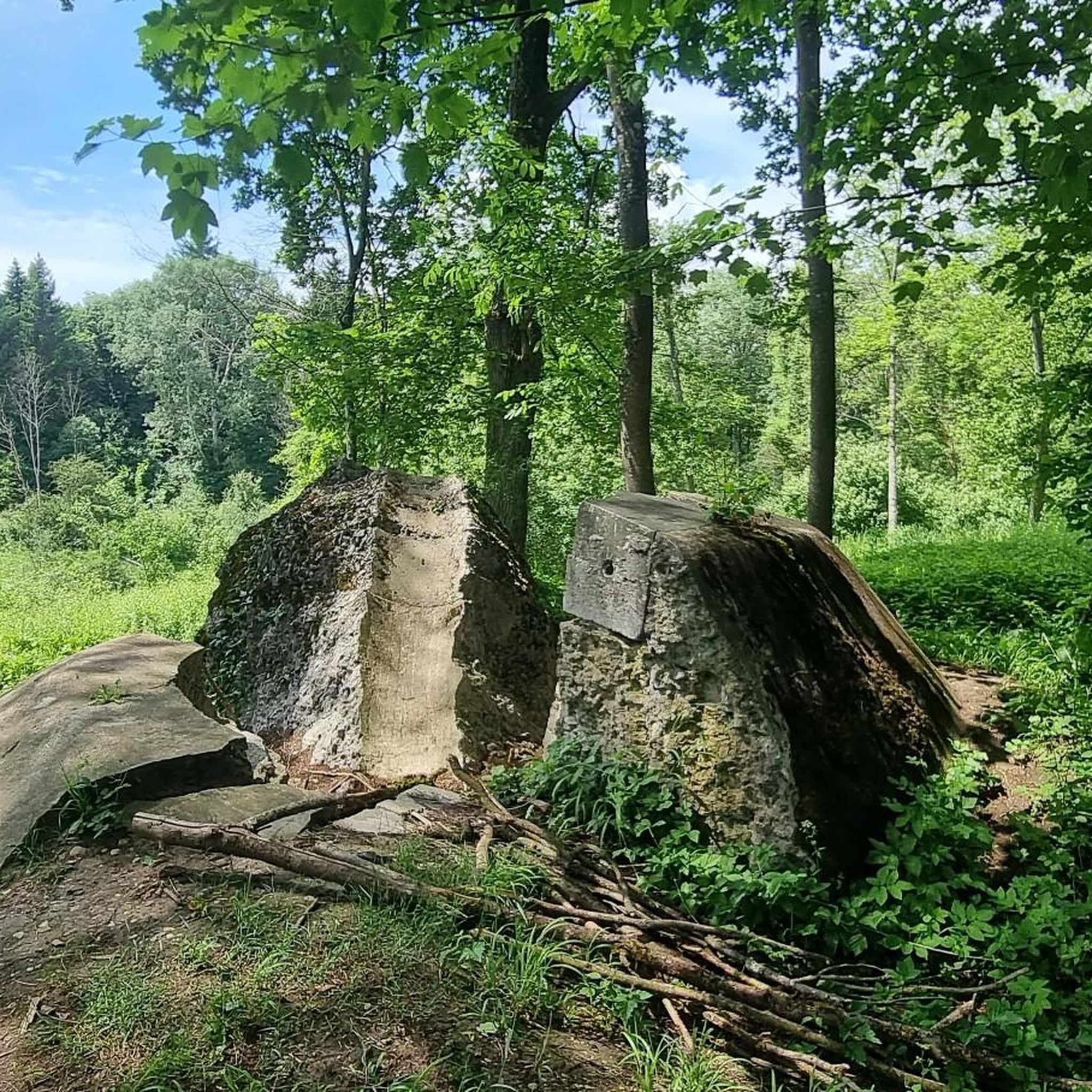
Cycling in Stanglettenschütt
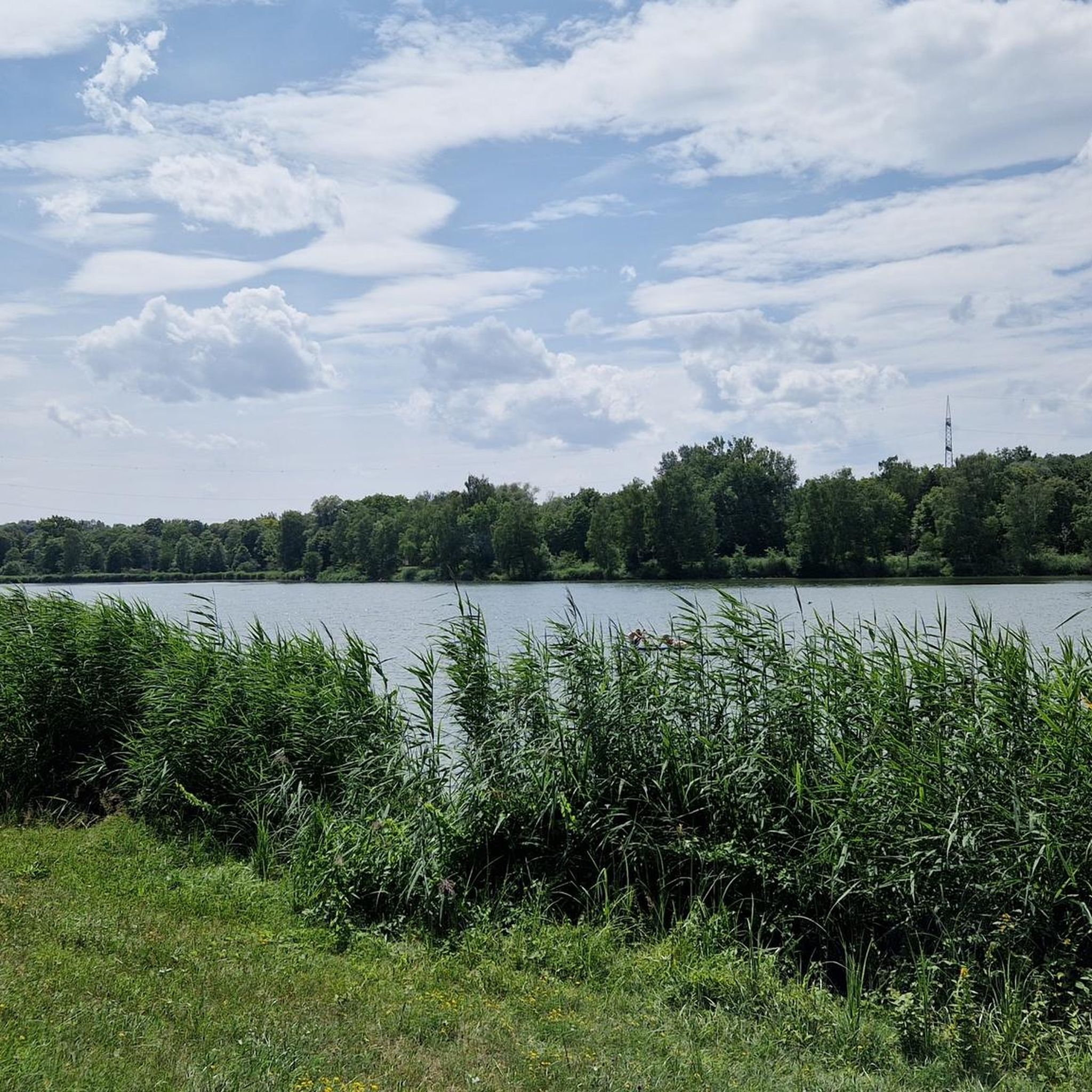
Cycling around Baggersee
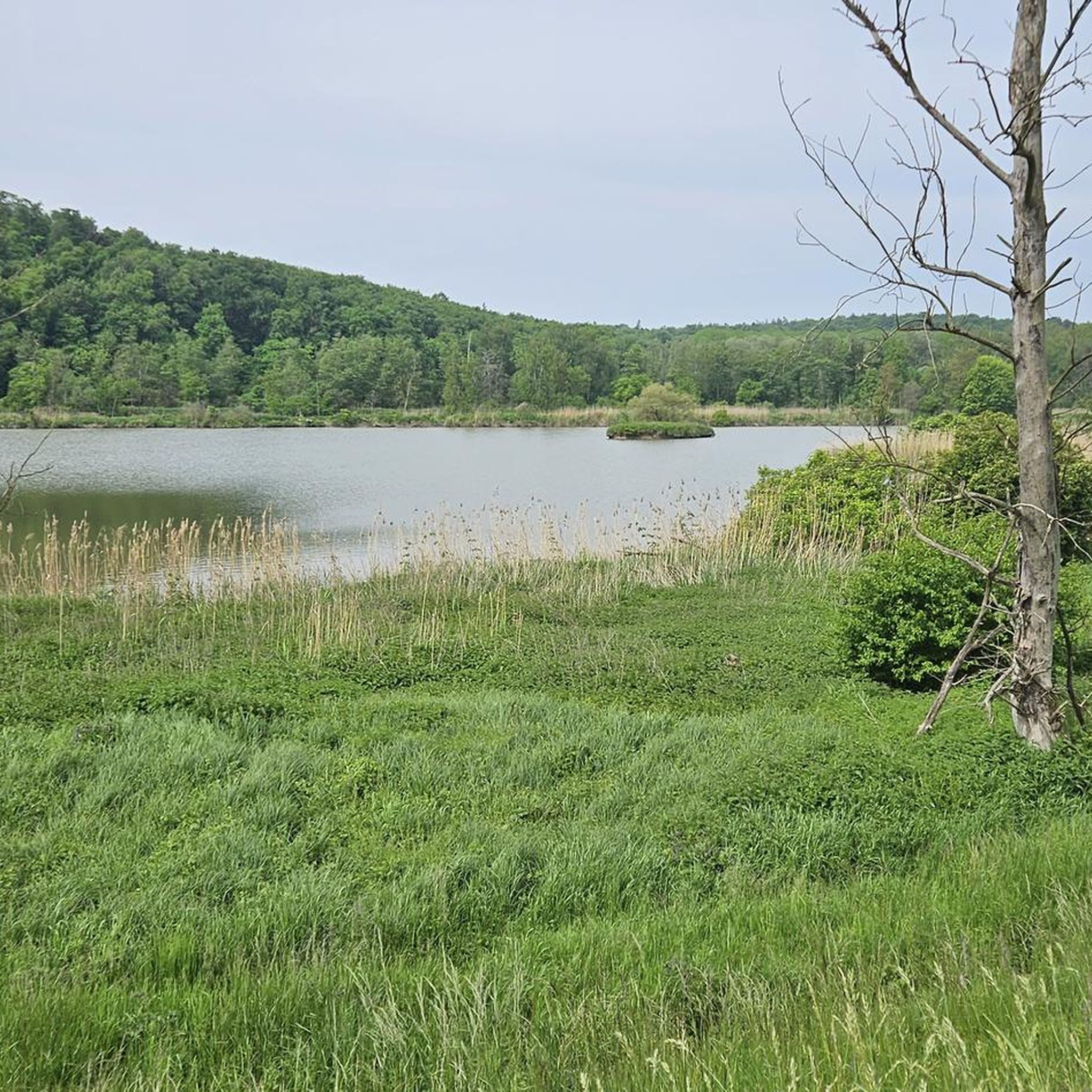
Cycling around Auwaldsee
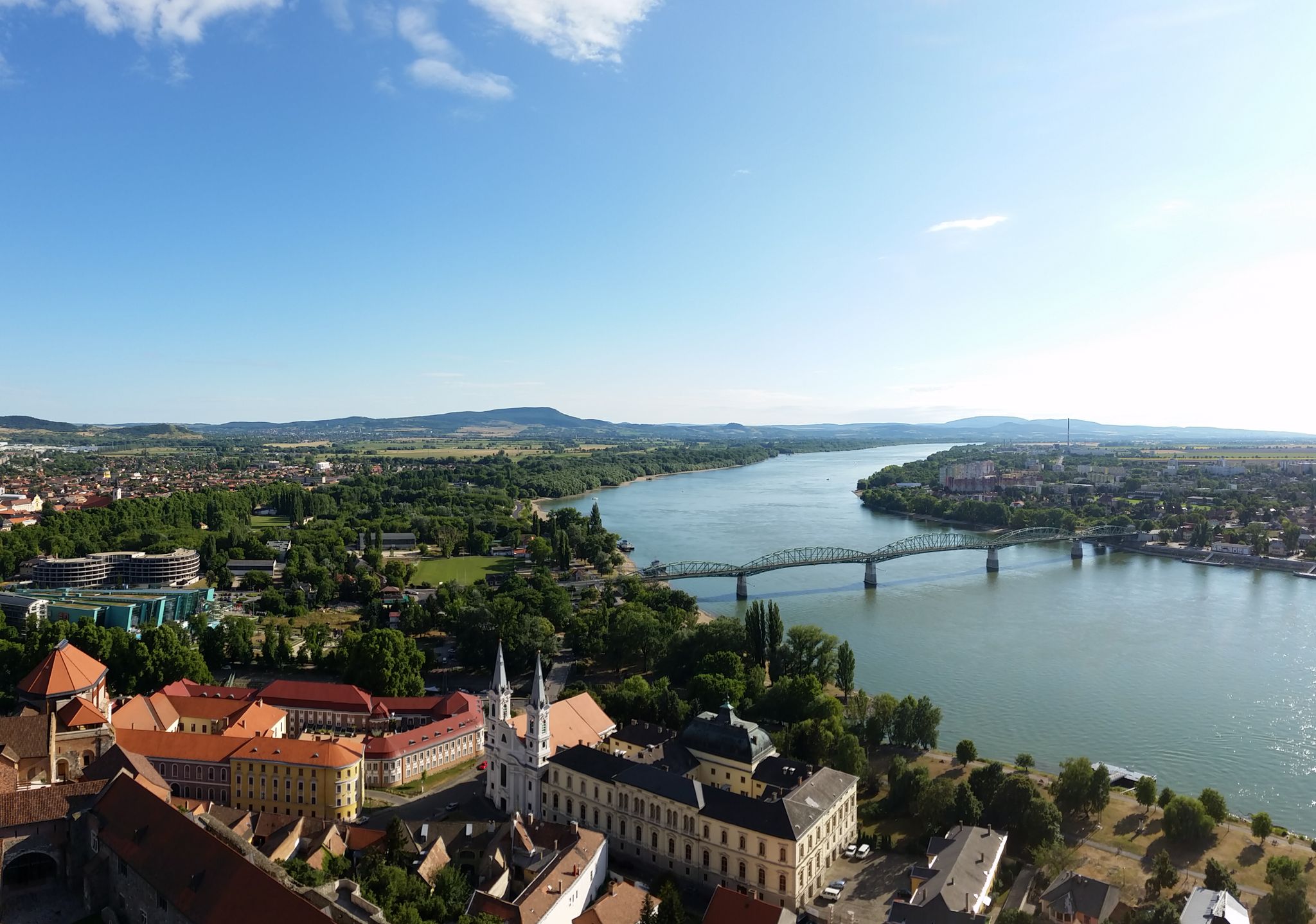
The Danube Cycle Path – From Donaueschingen to Budapest
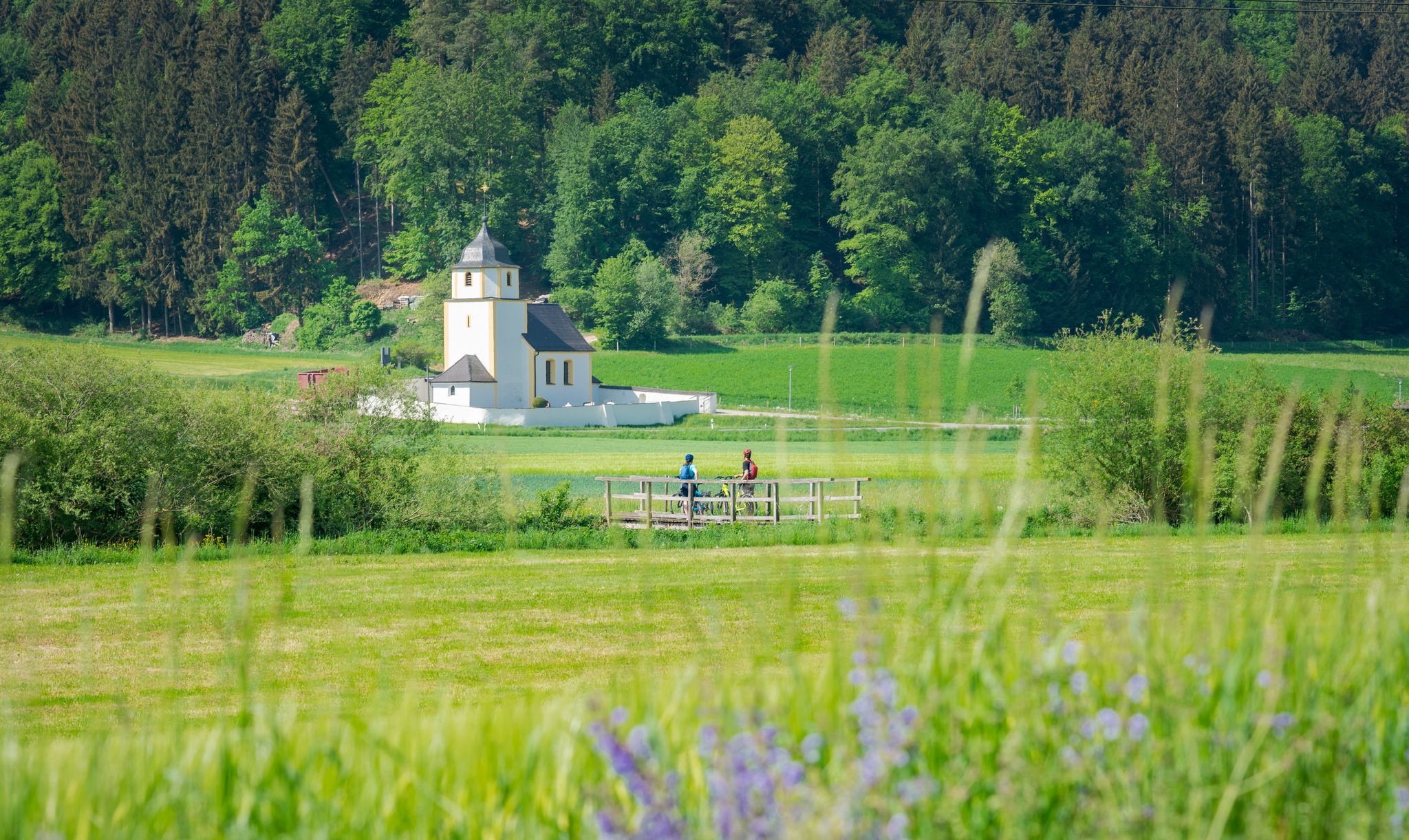
A cycling paradise in Bavaria – Altmühl Valley Nature Park
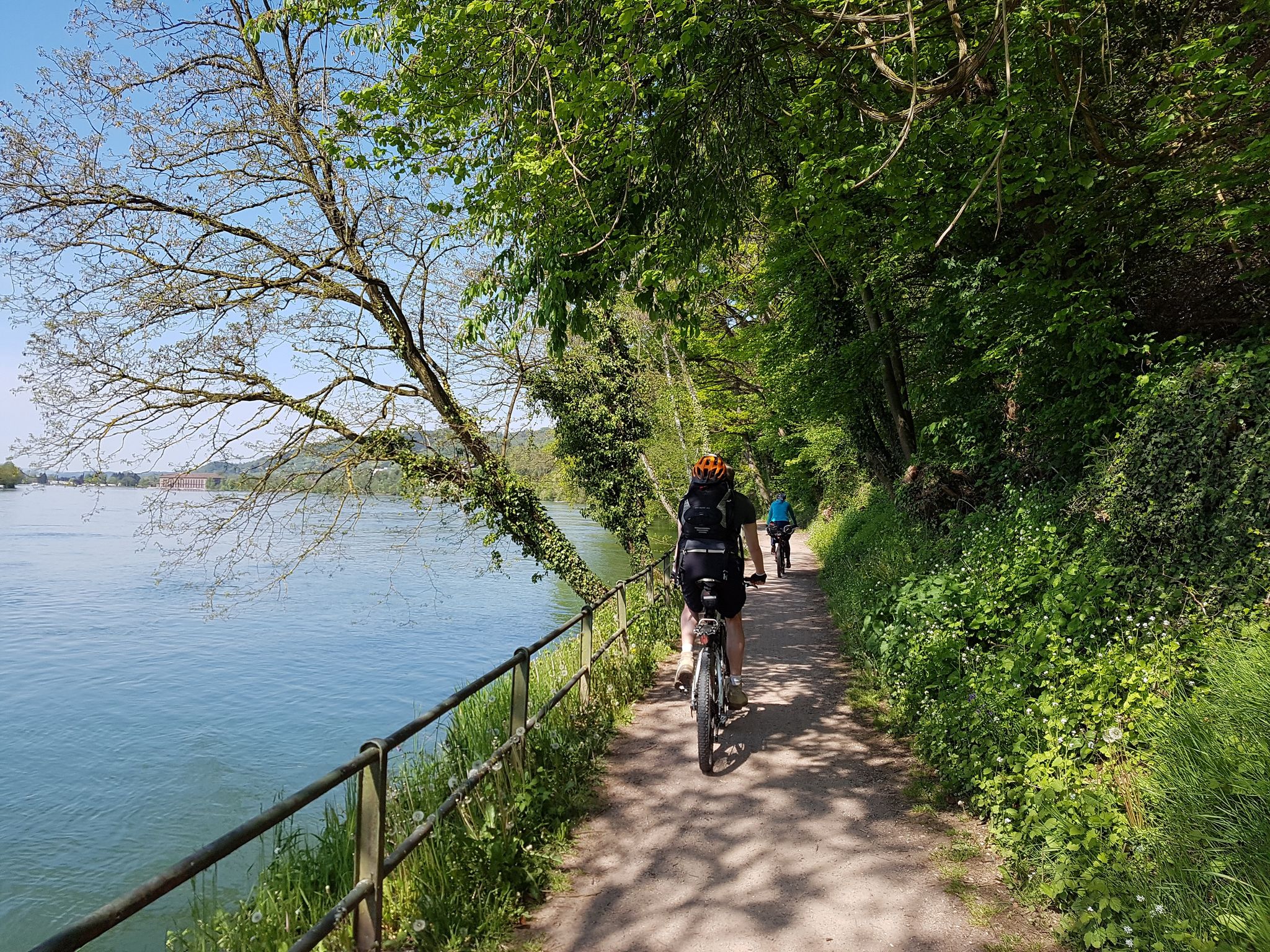
D-Route 6: Danube Route
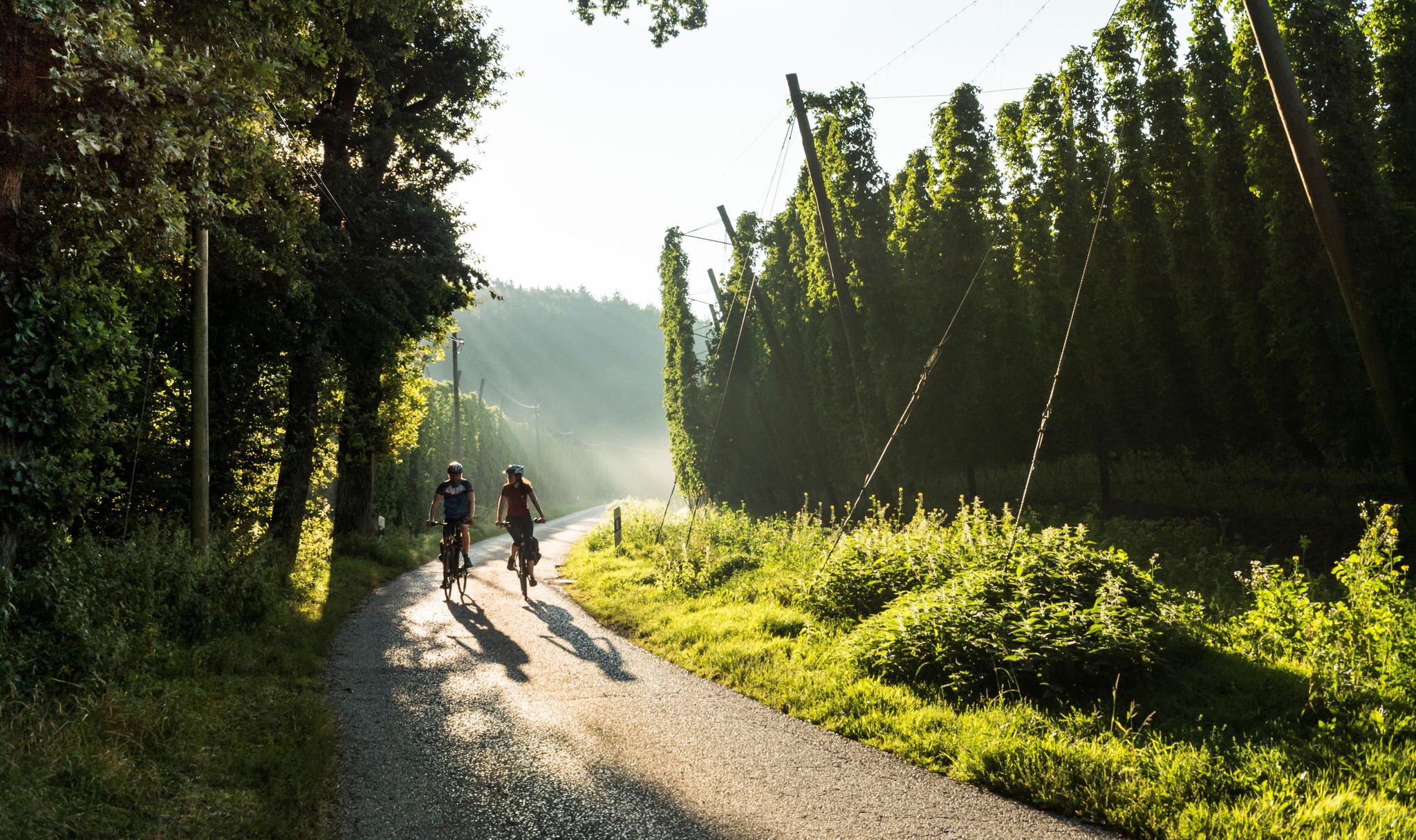
Beer and bikes – day Tours around Ingolstadt in Bavaria
Rides around Ingolstadt – cycling in the heart of Bavaria
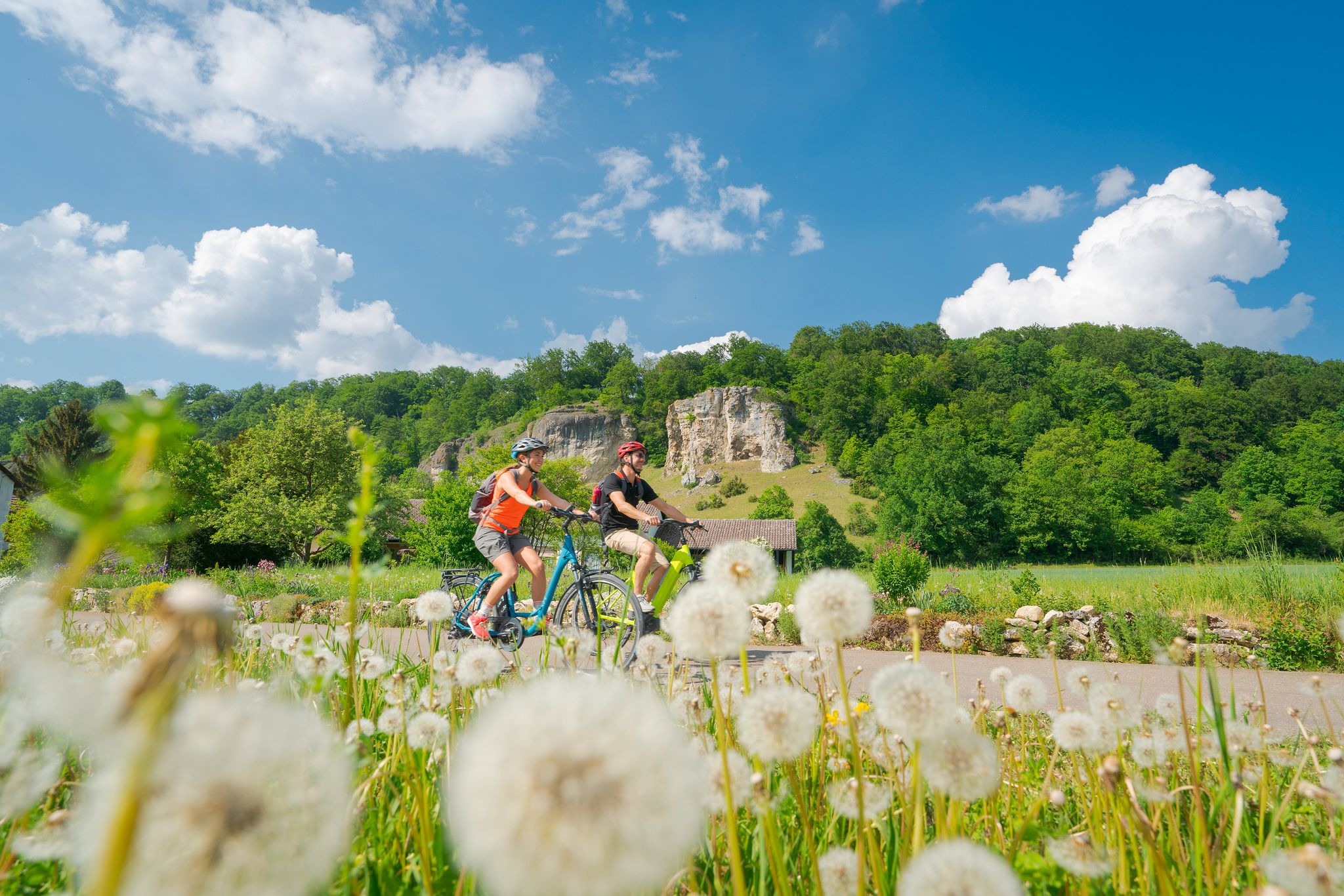
Discover the green heart of Bavaria – Altmühltal Nature Park by bike
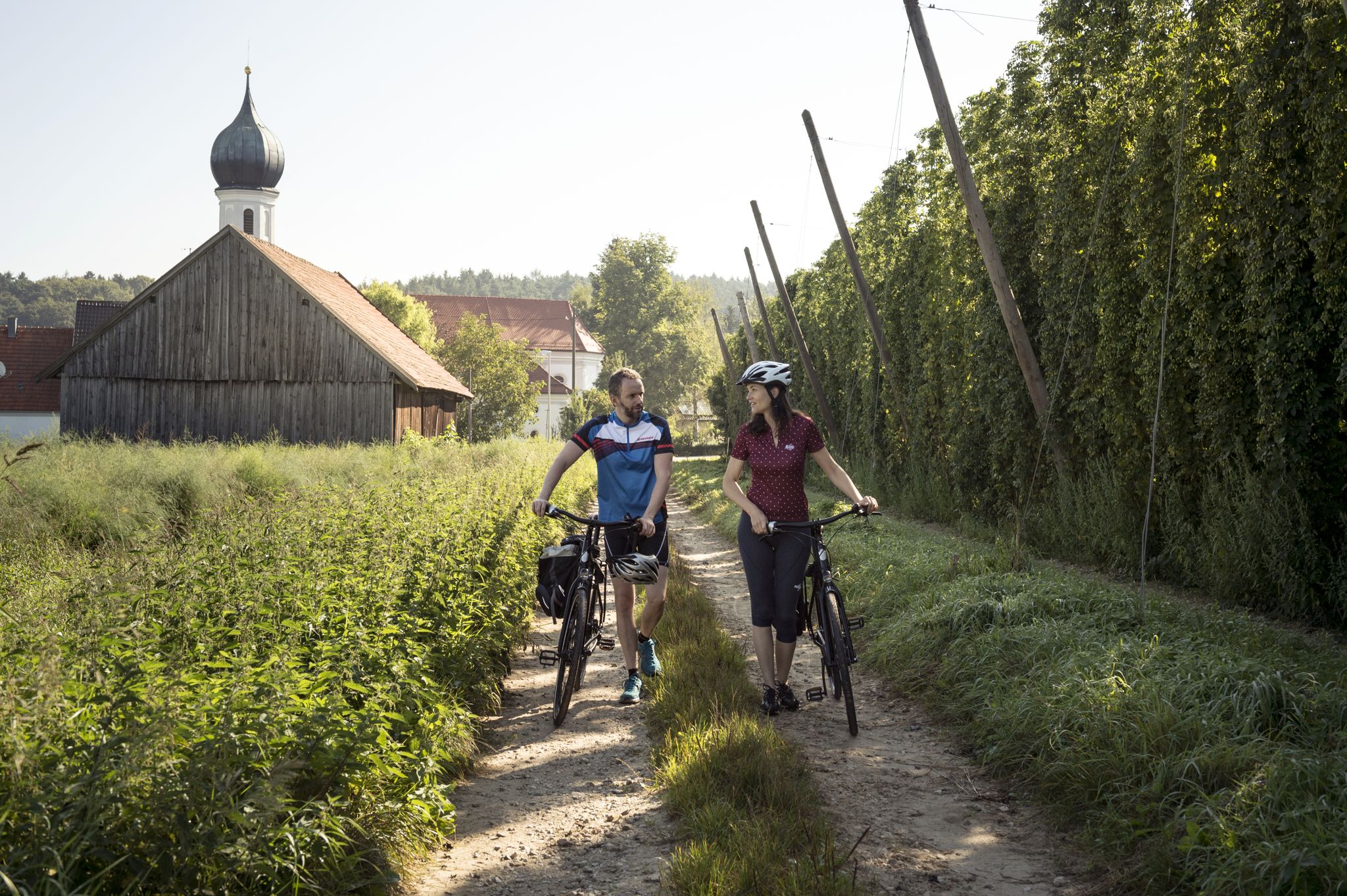
Hops, beer gardens & breweries – Cycling the Hop Loop in Upper Bavaria
Other adventures around Ingolstadt


Tips from the Community

Please do not walk on the boardwalk
0
0

First day of spring, the Donau floodplains smell of wild garlic
0
0


Altmannstein Castle Ruins The Lords of Stein are mentioned in documents as early as the 12th century, but due to the frequency of this place name in this area, concrete conclusions are difficult to draw. The castle was built and named after Count Altmann II of Abensberg in 1232. His grandson Ulrich II sold the castle in 1291 to Duke Ludwig of Bavaria, the later emperor. From 1340 onwards, it was pawned, first to the Hautzendorf family, then again to the previous owners from Abensberg. In 1446, the Nurembergers conquered the castle during their campaign against the robber barons of the Regensburg region. The last Count of Abensberg, Niclas, was caught between the warring Wittelsbachs and was murdered in 1485 on the orders of the Bavarian Duke Christopher the Strong of Bavaria-Munich. During the Thirty Years' War, the castle was destroyed by the Swedes in 1632, and it has remained in ruins ever since. In 1911, the architect Georg Wirth acquired the ruins and had a historicist residential building built there – typical of the period. In 1991, the complex was extensively renovated by the municipality. Today, the complex is entered via a wooden bridge that leads to the outer bailey. Its entrance area is covered by buildings from 1911, intended to create a historic impression, but originating from the castle romanticism of the turn of the century. Behind it lies the most impressive part of the castle: the mighty keep, made of 18 m high, made of humped ashlars. Its walls are 3 m thick, and the entrance is 4.5 m high. It protected the access area to the inner bailey. Unfortunately, the tower is not accessible. Behind it is the palace, built of ashlars and rubble. The mix of building stones suggests a later construction using stones from an earlier building. A few remnants of defensive and moat walls also remain. The unusual location of a rectangular tower made of rubble stone outside the castle at the foot of the castle rock is unusual. It was probably part of a later wall connecting the town. Source: www.Burgenseite.de
2
0
Sandersdorf Castle The present castle dates back to a medieval castle built by the Lords of Sandersdorf as Wittelsbach ministerials. The family has been documented since the 12th century. In 1420, the castle was plundered by Duke Henry of Bavaria-Landshut while he was at war with Duke Ludwig the Bearded of Bavaria-Ingolstadt. In 1425, the castle was granted to the Muggenthal family; the first owner of this family, Erhart von Muggendal, rebuilt it. Hans Heinrich von Muggenthal succeeded in keeping peasant revolts and the Reformation away from his domain. The Sandersdorf Castle Brewery was founded in 1550. The castle was destroyed during the Thirty Years' War; Albrecht Ulrich von Muggenthal had it rebuilt as a four-winged castle by 1646. It retains this form to this day. In 1675, Dominikus de Bassus inherited Sandersdorf Castle, but he witnessed its destruction in 1703 during the War of the Spanish Succession. In May 1787, the castle was searched by Bavarian officials because it was considered an "Illuminati nest." Thomas de Bassus was a member of the Illuminati Order, founded in Ingolstadt by Adam Weishaupt in 1776; his castle was a meeting place for many of the secret society's meetings. Numerous secret documents were confiscated during the search. Around 1900, the castle was partially renovated and refurbished under the direction of the Munich architect Gabriel von Seidl. In 2008, the castle was sold by Margarethe Baroness de Bassus, along with the forest lands, to the Wittelsbach Equalization Fund. In March 2022, the castle was sold to Dr. Horst-Florian Jaeck. Parts of it are to be opened to the public. The richly structured four-winged building complex was built on medieval foundations in the 16th century, rebuilt after destruction in the 17th and 18th centuries, and remodeled in the 19th century. The high main wing faces east; it has high stepped gables on its narrow sides and three oriels with gabled tops on the wide sides facing the valley, in front of which is a kind of moat with two octagonal corner turrets. The lower castle wings to the north and south face west. The castle chapel of St. Joseph, with its octagonal domed tower, is located in the inner courtyard. Source: www.wikipedia.de
2
0

I recommend stopping off for an ice cream or coffee at the Dolce Vita ice cream parlor in Neustadt an der Donau.
0
0

This church, often referred to as St. Michael's, is a significant religious and historical building in the region. Here are some points of interest: ### General Information - **Year of Construction**: The church dates back to the **first half of the 13th century** and is an example of Romanesque architecture. - **Architecture**: It is a flat-roofed chancel tower church, meaning the sanctuary is located on the ground floor of the square tower. ### Historical Significance 1. **Religious Function**: St. Michael's serves as a Catholic parish church and is an important site for the community. 2. **Cultural Heritage**: The church is not only a place of faith but also part of the cultural heritage of Kleinmehring and the surrounding region. ### Special Features - **Surroundings**: The church is surrounded by a high wall, giving it a striking appearance. - **Design**: The interior design is often simple, but testifies to the long history and religious significance of the place. ### Summary The **church in Kleinmehring** is a fascinating example of Romanesque architecture and plays a central role in the religious life of the community. It combines history, faith, and community in a striking way.
0
0

Nice bike tour, also with children
0
0
Frequently Asked Questions
How many touring cycling routes are available around Ingolstadt?
There are over 800 touring cycling routes around Ingolstadt, catering to various skill levels. Over 550 of these are rated as easy, with more than 200 moderate and 80 difficult options available.
What is the best time of year for touring cycling in Ingolstadt?
The best time for touring cycling in Ingolstadt is typically between late spring and early autumn, from May to September. During these months, the weather is generally pleasant, and the natural landscapes are in full bloom, offering ideal conditions for exploring the region.
What do other touring cyclists say about the routes in Ingolstadt?
The touring cycling routes in Ingolstadt are highly rated by the komoot community, with an average score of 4.5 stars from over 3,000 reviews. More than 25,000 touring cyclists have used komoot to explore the varied terrain, often praising the well-developed cycling networks and the blend of natural beauty with historical attractions.
Are there easy touring cycling routes suitable for beginners in Ingolstadt?
Yes, Ingolstadt offers many easy routes perfect for beginners. An excellent option is the Baggersee Ingolstadt – Kneipp Water Treading Facility Pförring loop from Ingolstadt Hbf, which is 17.0 km long and features minimal elevation changes, making it a relaxed ride.
Are there challenging touring cycling routes for experienced cyclists?
For experienced cyclists seeking a challenge, Ingolstadt provides several difficult routes. The Schlösser- und Burgen-Tour is a demanding 77.0 km path that takes you through a landscape dotted with historic castles and fortified complexes, offering rewarding climbs and views.
What kind of terrain can I expect on touring cycling routes around Ingolstadt?
The terrain around Ingolstadt is diverse. You'll find predominantly flat routes along the Danube River and through idyllic river valleys like the Schambachtal. Other areas, such as the Altmühltal Nature Park, offer more undulating paths with rewarding climbs. You can also cycle through the expansive Hallertau hop fields, which present a unique cultural landscape.
Are there family-friendly touring cycling routes in Ingolstadt?
Absolutely. The region is known for its family-friendly options, particularly routes that follow former railway lines or river paths. The Schambach valley cycle path is a popular choice, offering a largely flat and traffic-free experience through the scenic Schambach Valley, ideal for families.
Can I find circular touring cycling routes around Ingolstadt?
Yes, many touring cycling routes around Ingolstadt are designed as loops, allowing you to start and end at the same point. An example is the Gravel Path Along the Danube – Baggersee Ingolstadt loop from Ingolstadt Hbf, a moderate 32.7 km route that explores riverside paths and the city's largest lake.
What historical landmarks or natural features can I see along the routes?
Touring cycling routes around Ingolstadt offer a rich blend of historical landmarks and natural beauty. You can encounter historic castles like Vohburg Castle, Prunn Castle, and Neuburg Castle. Natural features include the extensive floodplains of the Danube, the idyllic Schambach Valley, and the Baggersee Ingolstadt. Within the city, landmarks like the Kreuztor and Klenze Park are easily accessible.
Are there any routes that pass by castles or historic towns?
Many routes highlight the region's rich history. The View of Kipfenberg Castle – View of Prunn Castle loop from Ingolstadt Audi is a difficult 136.5 km route that takes you past several impressive castles. Another route, View of the Danube – Neuburg Castle on the Danube loop from Ingolstadt Nord, leads to the historic Neuburg Castle.
What options are there for public transport with a bike in Ingolstadt?
Ingolstadt's public transport system (VGI) generally allows bikes, though restrictions may apply during peak hours or on certain services. The Ingolstadt Hauptbahnhof (main station) and Nordbahnhof are key hubs for accessing routes and often have dedicated bicycle parking. It's advisable to check the VGI website for current regulations regarding bike transport.
Where can I park my car when starting a touring cycling route in Ingolstadt?
Many touring cycling routes around Ingolstadt offer convenient starting points with parking facilities. Major train stations like Ingolstadt Hauptbahnhof and Ingolstadt Nordbahnhof often have parking options. Additionally, routes that begin from specific attractions or parks, such as the Riverside floodplain landscape along the Danube – Großmehring Danube Bridge loop from Ingolstadt Nord, may have nearby parking available.
Are there any routes that explore the Hallertau hop fields?
Yes, Ingolstadt serves as a gateway to the Hallertau, one of the world's largest contiguous hop-growing regions. While specific routes are not listed, many local touring cycling paths extend into this area, offering an idyllic panorama of this unique cultural landscape. These routes provide a sporting challenge combined with scenic views of the hop gardens.
Most popular routes around Ingolstadt
Most popular attractions around Ingolstadt

Get inspired with the komoot mobile app


Didn’t find what you were looking for?
Check out more Cycling routes throughout Ingolstadt below and find the perfect route in your destination.
Explore more
Browse the best Cycling routes in other regions.
