The best traffic-free bike rides around Ingolstadt
4.5
(3058)
25,636
riders
424
rides
No traffic touring cycling routes around Ingolstadt traverse a varied landscape shaped by the Danube River and its floodplains, offering flat and scenic paths. The region extends into the low mountain landscape of the Altmühltal Nature Park, featuring juniper heath and dry grasslands with some elevation changes. Cyclists can also explore the Hallertau hop fields, one of the world's largest hop-growing areas, providing unique cultural scenery. Ingolstadt itself is surrounded by green spaces like the Glacis, contributing to a network…
Last updated: July 10, 2026
4.8
(95)
398
riders
46.5km
02:53
300m
310m
Moderate bike ride. Good fitness required. Mostly paved surfaces. Suitable for all skill levels.
4.6
(36)
146
riders
77.0km
05:03
210m
210m
Hard bike ride. Very good fitness required. Mostly paved surfaces. Suitable for all skill levels.

Sign up for free
4.5
(208)
1,202
riders
Moderate bike ride. Good fitness required. Mostly paved surfaces. Suitable for all skill levels.
4.6
(84)
512
riders
Moderate bike ride. Good fitness required. Mostly paved surfaces. Suitable for all skill levels.
4.7
(287)
1,274
riders
48.3km
03:26
90m
90m
Moderate bike ride. Good fitness required. Mostly paved surfaces. Suitable for all skill levels.
Get access to more routes and recommendations from other explorers.
Sign up for free
Already have an account?
Our route recommendations are based on thousands of hikes, rides, and runs completed by other people on komoot.
Start today with a free account
Your next adventure awaits.
Login or Signup
Popular around Ingolstadt
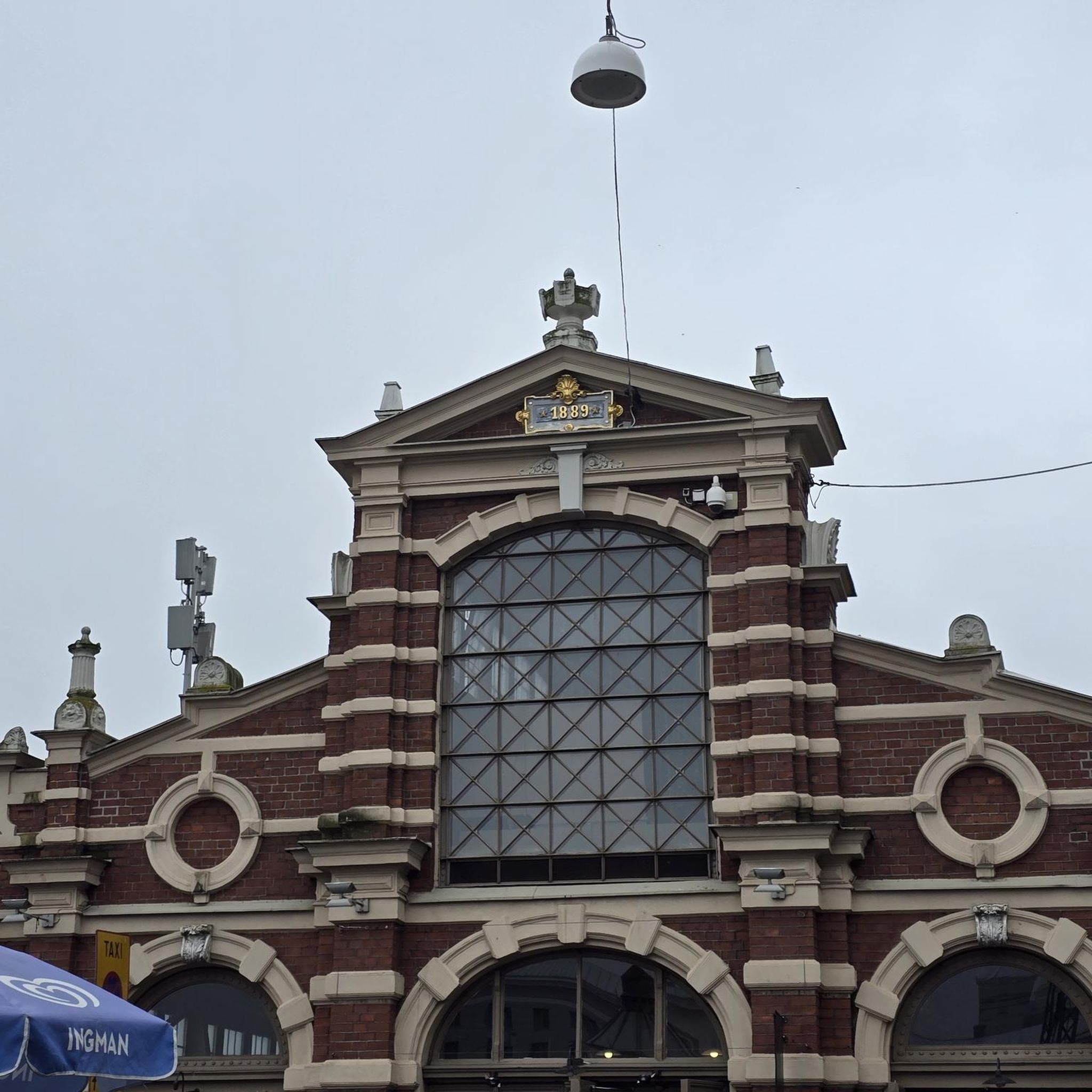
Traffic-free bike rides around Auwaldsee

Traffic-free bike rides in Stanglettenschütt

Traffic-free bike rides around Baggersee
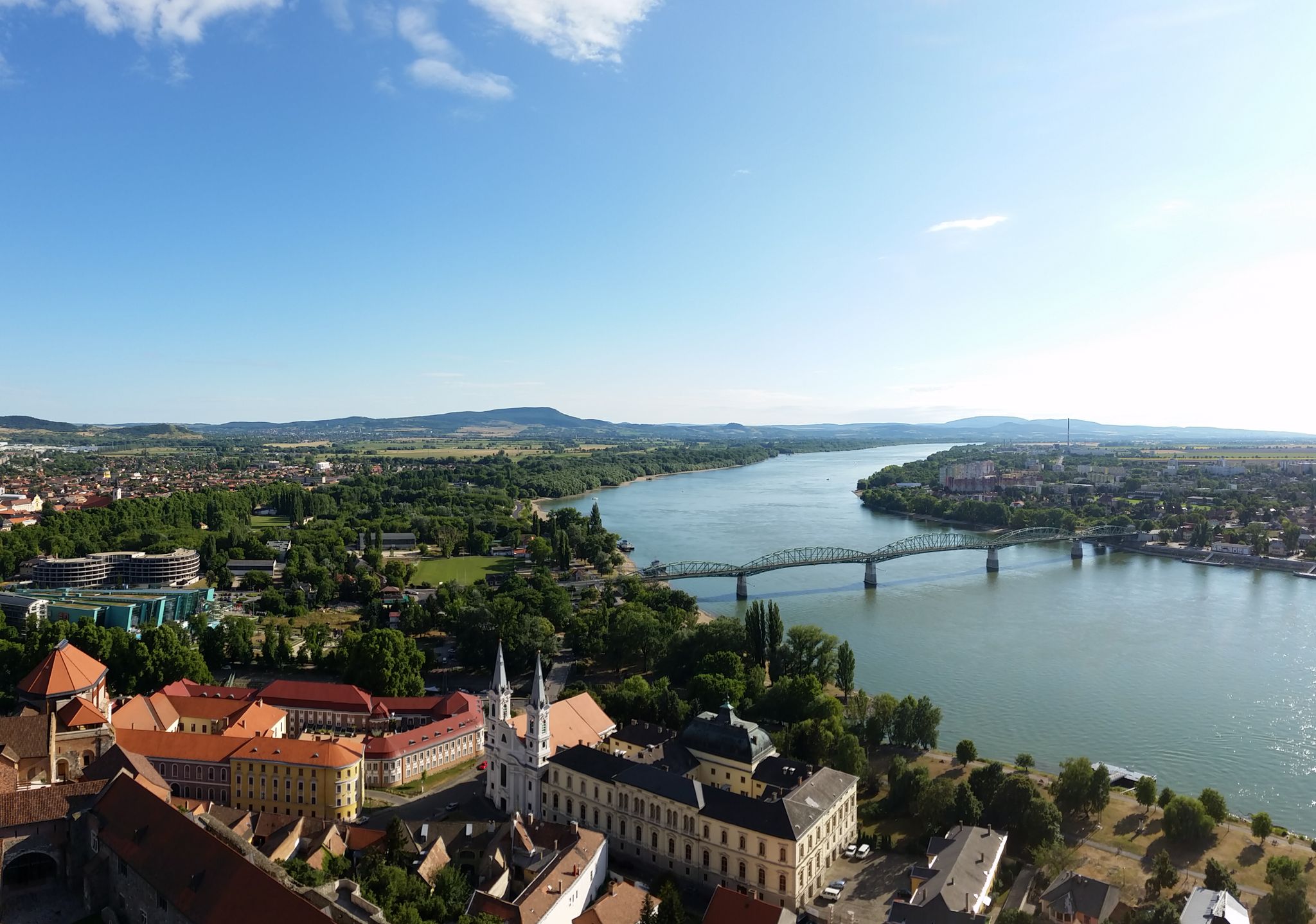
The Danube Cycle Path – From Donaueschingen to Budapest
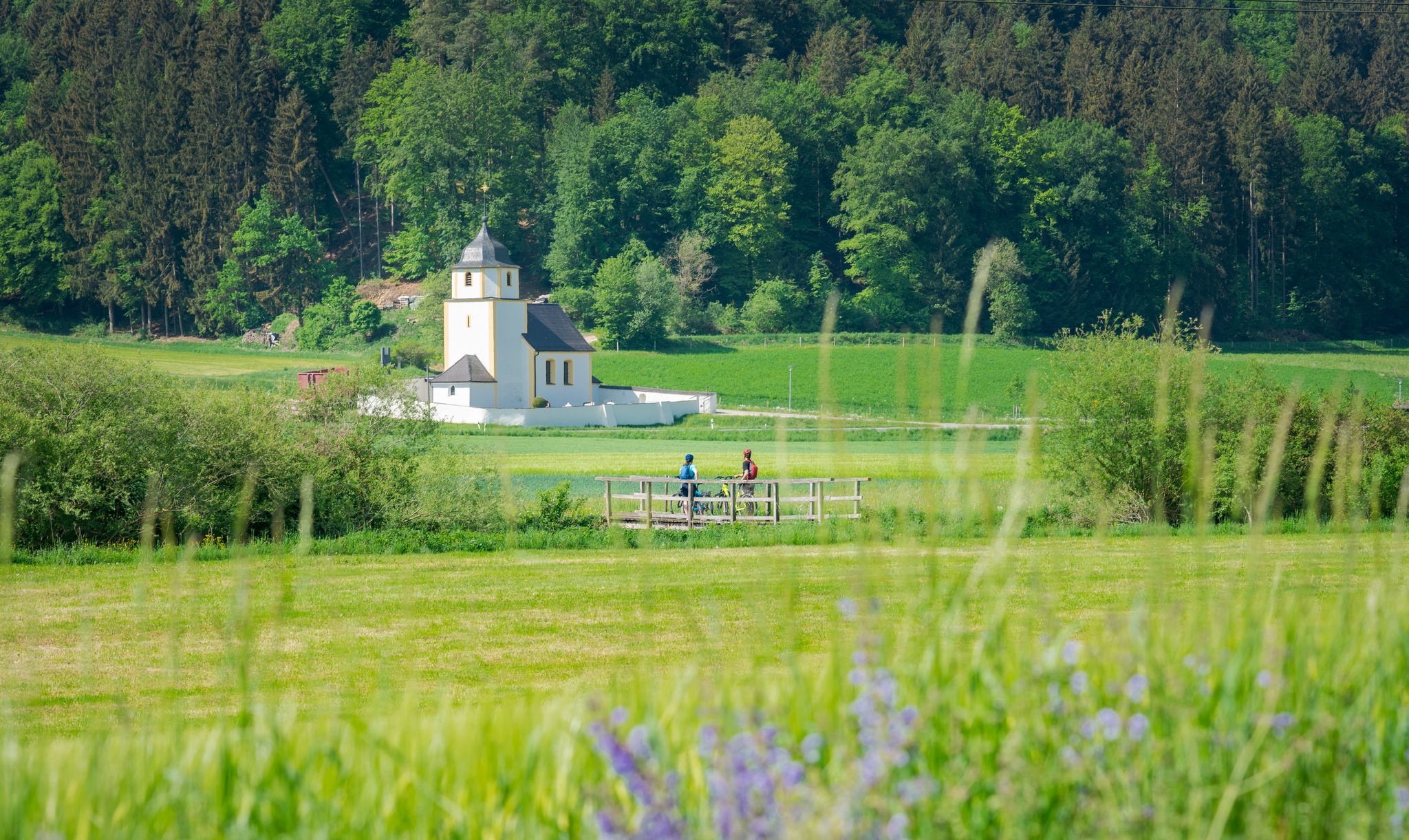
A cycling paradise in Bavaria – Altmühl Valley Nature Park
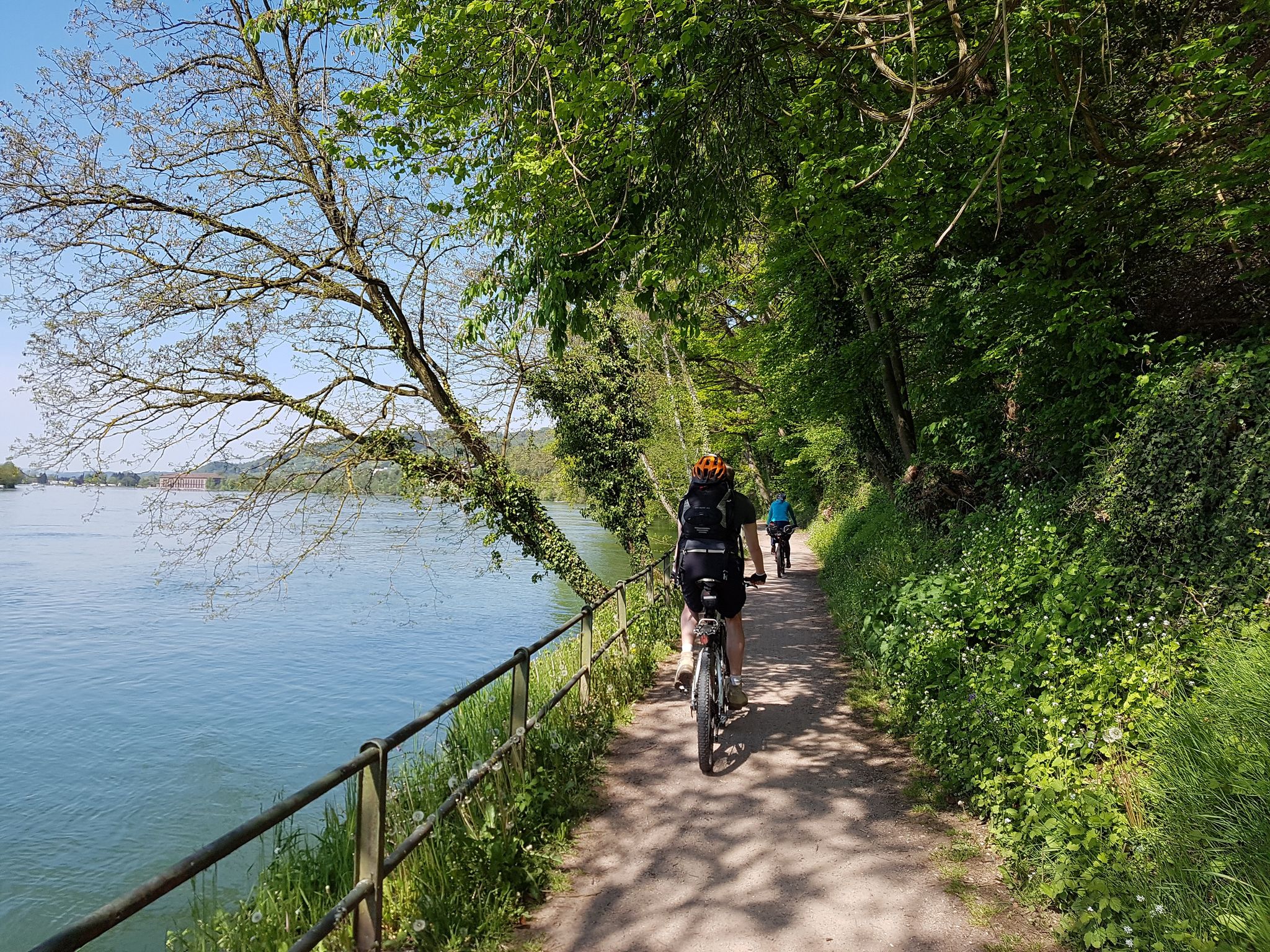
D-Route 6: Danube Route
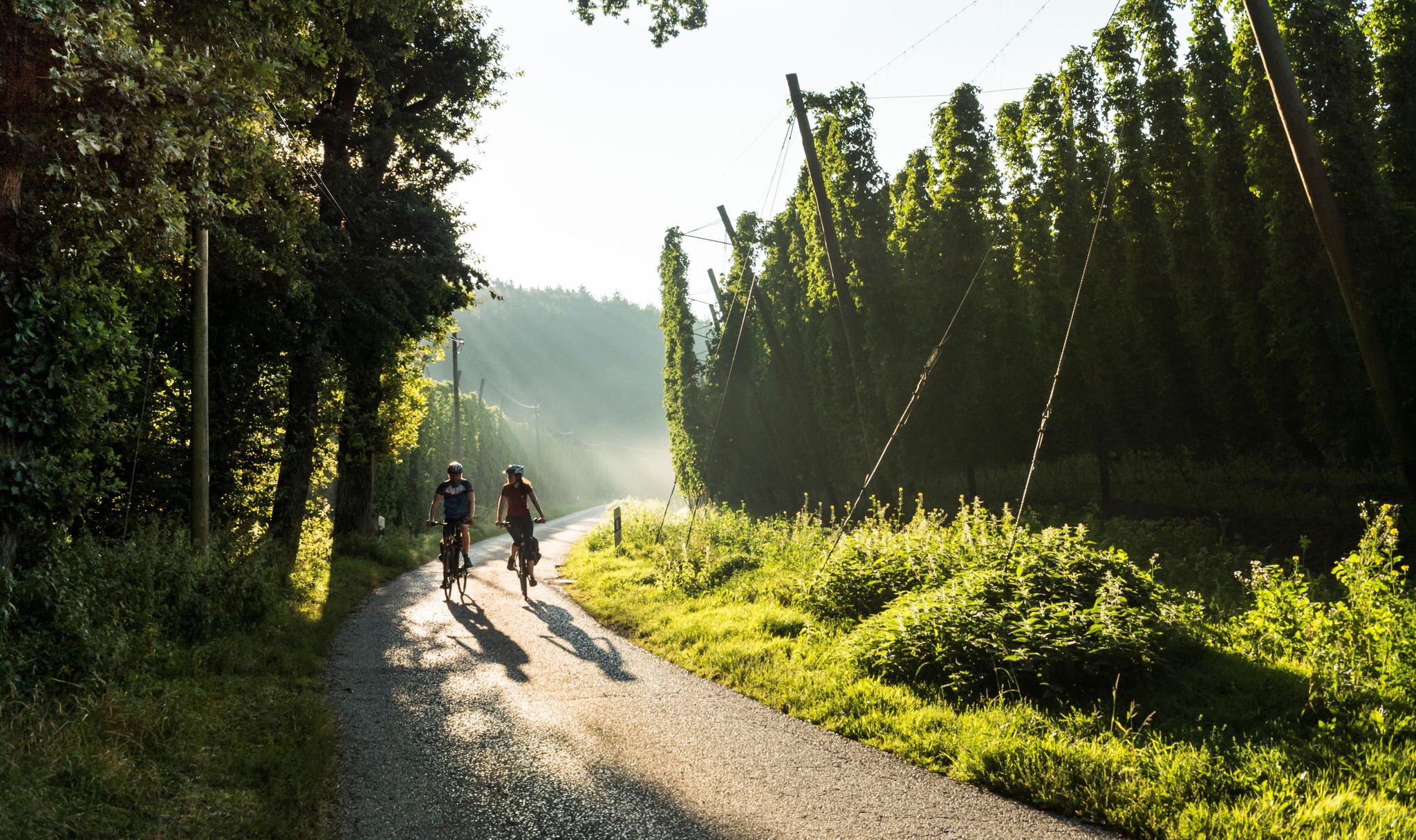
Beer and bikes – day Tours around Ingolstadt in Bavaria
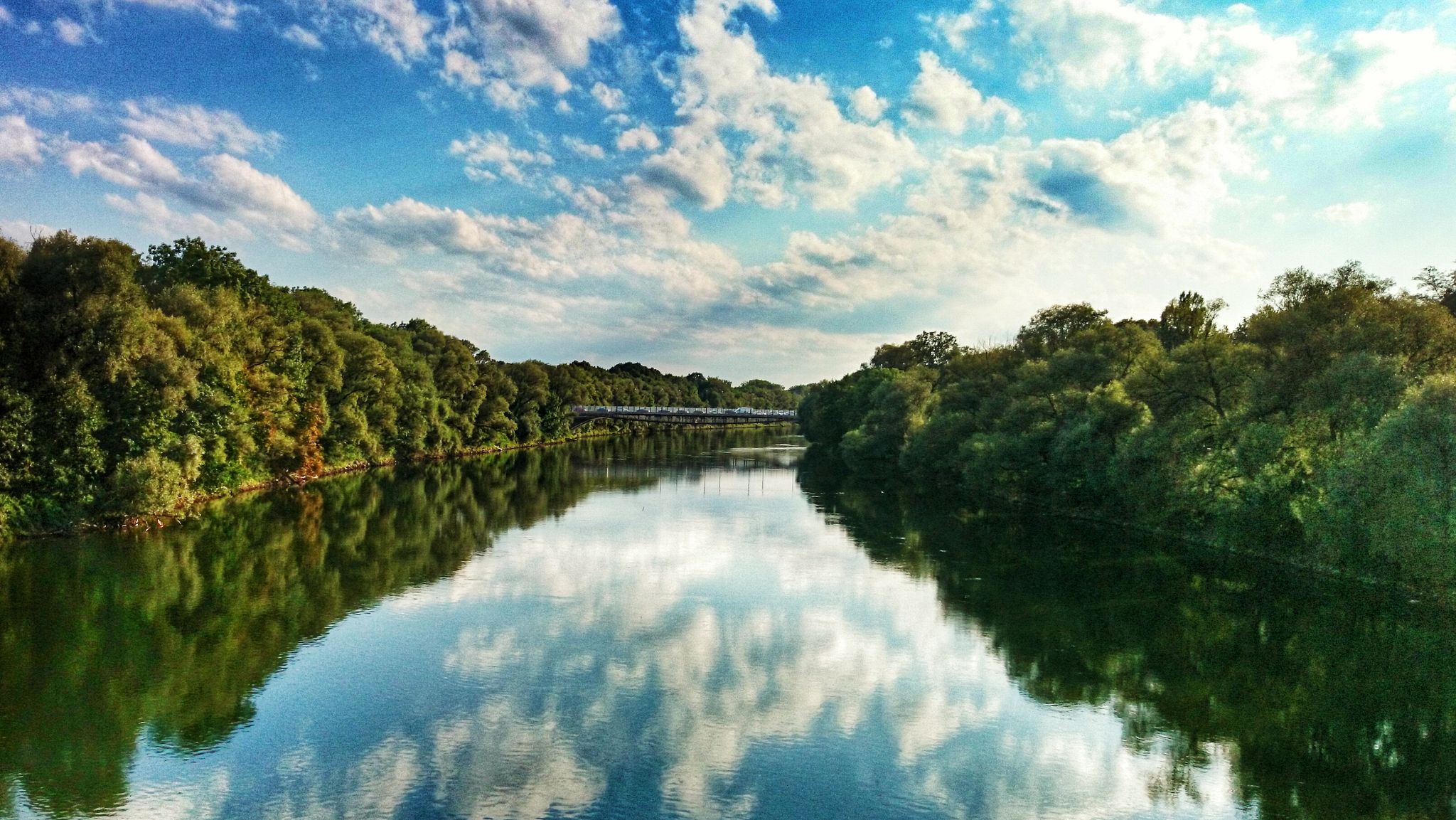
Rides around Ingolstadt – cycling in the heart of Bavaria
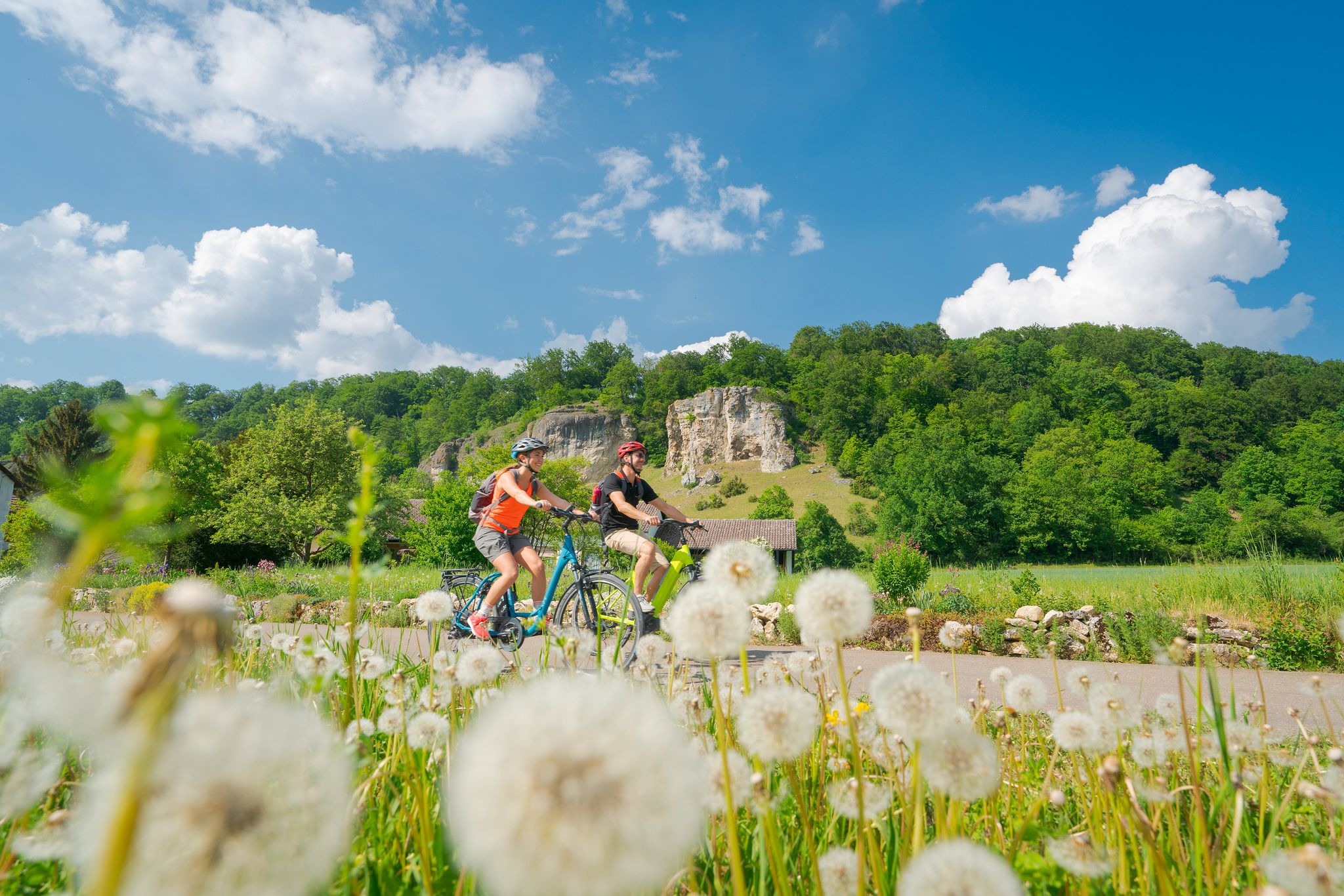
Discover the green heart of Bavaria – Altmühltal Nature Park by bike
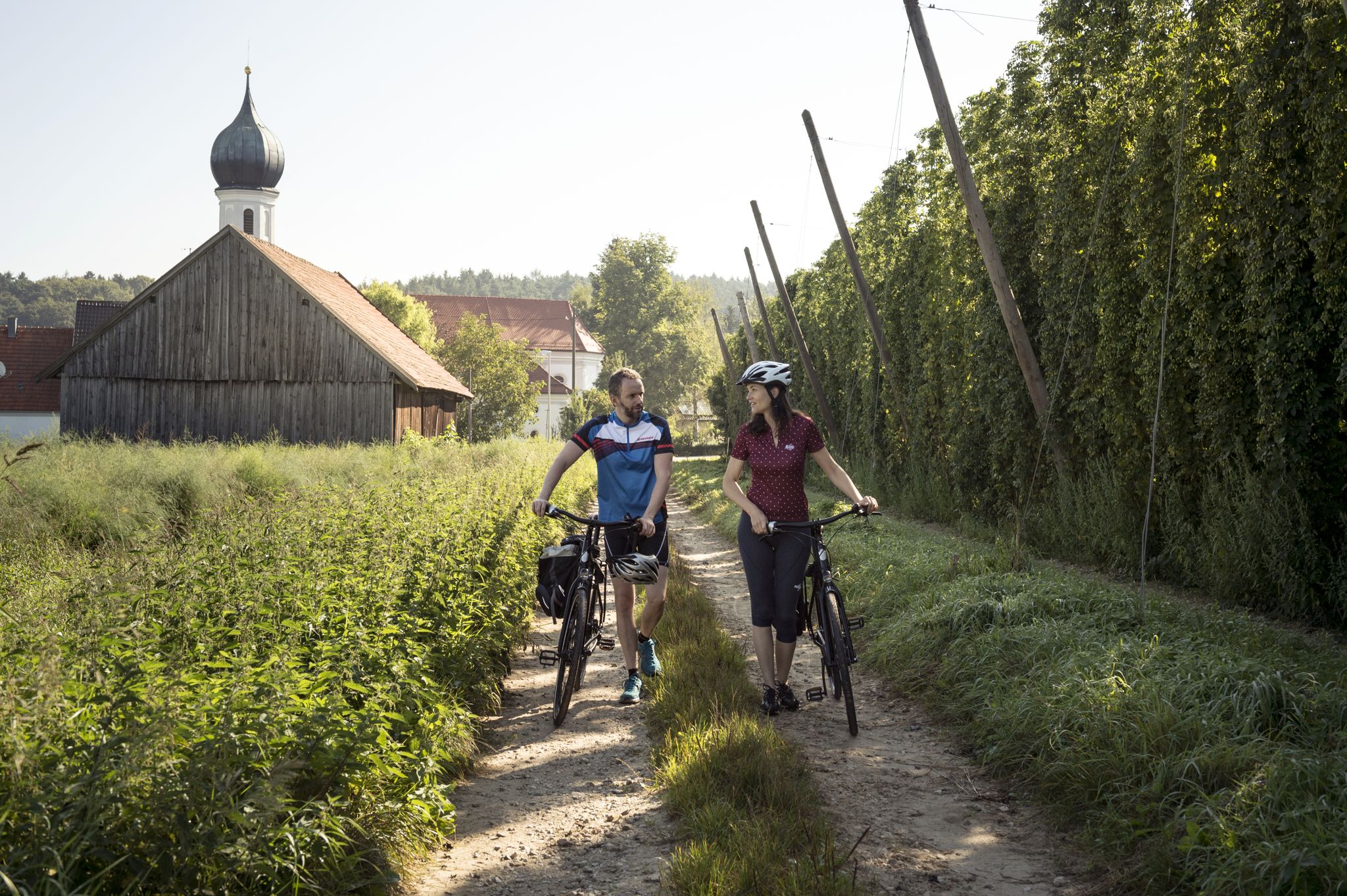
Hops, beer gardens & breweries – Cycling the Hop Loop in Upper Bavaria
Other adventures around Ingolstadt


Tips from the Community

Please do not walk on the boardwalk
0
0

First day of spring, the Donau floodplains smell of wild garlic
0
0

Altmannstein Castle Ruins The Lords of Stein are mentioned in documents as early as the 12th century, but due to the frequency of this place name in this area, concrete conclusions are difficult to draw. The castle was built and named after Count Altmann II of Abensberg in 1232. His grandson Ulrich II sold the castle in 1291 to Duke Ludwig of Bavaria, the later emperor. From 1340 onwards, it was pawned, first to the Hautzendorf family, then again to the previous owners from Abensberg. In 1446, the Nurembergers conquered the castle during their campaign against the robber barons of the Regensburg region. The last Count of Abensberg, Niclas, was caught between the warring Wittelsbachs and was murdered in 1485 on the orders of the Bavarian Duke Christopher the Strong of Bavaria-Munich. During the Thirty Years' War, the castle was destroyed by the Swedes in 1632, and it has remained in ruins ever since. In 1911, the architect Georg Wirth acquired the ruins and had a historicist residential building built there – typical of the period. In 1991, the complex was extensively renovated by the municipality. Today, the complex is entered via a wooden bridge that leads to the outer bailey. Its entrance area is covered by buildings from 1911, intended to create a historic impression, but originating from the castle romanticism of the turn of the century. Behind it lies the most impressive part of the castle: the mighty keep, made of 18 m high, made of humped ashlars. Its walls are 3 m thick, and the entrance is 4.5 m high. It protected the access area to the inner bailey. Unfortunately, the tower is not accessible. Behind it is the palace, built of ashlars and rubble. The mix of building stones suggests a later construction using stones from an earlier building. A few remnants of defensive and moat walls also remain. The unusual location of a rectangular tower made of rubble stone outside the castle at the foot of the castle rock is unusual. It was probably part of a later wall connecting the town. Source: www.Burgenseite.de
2
0
Sandersdorf Castle The present castle dates back to a medieval castle built by the Lords of Sandersdorf as Wittelsbach ministerials. The family has been documented since the 12th century. In 1420, the castle was plundered by Duke Henry of Bavaria-Landshut while he was at war with Duke Ludwig the Bearded of Bavaria-Ingolstadt. In 1425, the castle was granted to the Muggenthal family; the first owner of this family, Erhart von Muggendal, rebuilt it. Hans Heinrich von Muggenthal succeeded in keeping peasant revolts and the Reformation away from his domain. The Sandersdorf Castle Brewery was founded in 1550. The castle was destroyed during the Thirty Years' War; Albrecht Ulrich von Muggenthal had it rebuilt as a four-winged castle by 1646. It retains this form to this day. In 1675, Dominikus de Bassus inherited Sandersdorf Castle, but he witnessed its destruction in 1703 during the War of the Spanish Succession. In May 1787, the castle was searched by Bavarian officials because it was considered an "Illuminati nest." Thomas de Bassus was a member of the Illuminati Order, founded in Ingolstadt by Adam Weishaupt in 1776; his castle was a meeting place for many of the secret society's meetings. Numerous secret documents were confiscated during the search. Around 1900, the castle was partially renovated and refurbished under the direction of the Munich architect Gabriel von Seidl. In 2008, the castle was sold by Margarethe Baroness de Bassus, along with the forest lands, to the Wittelsbach Equalization Fund. In March 2022, the castle was sold to Dr. Horst-Florian Jaeck. Parts of it are to be opened to the public. The richly structured four-winged building complex was built on medieval foundations in the 16th century, rebuilt after destruction in the 17th and 18th centuries, and remodeled in the 19th century. The high main wing faces east; it has high stepped gables on its narrow sides and three oriels with gabled tops on the wide sides facing the valley, in front of which is a kind of moat with two octagonal corner turrets. The lower castle wings to the north and south face west. The castle chapel of St. Joseph, with its octagonal domed tower, is located in the inner courtyard. Source: www.wikipedia.de
2
0

The castle towers imposingly.
3
0
A beautiful landscape can be found here.
3
0
It's just relaxing here.
3
0

View of the castle and the Danube in the background the city
1
0
Frequently Asked Questions
How many no-traffic touring cycling routes are available around Ingolstadt?
There are over 400 dedicated no-traffic touring cycling routes around Ingolstadt listed on komoot. These routes cater to various skill levels, with more than 280 being easy, 88 moderate, and 44 difficult, ensuring options for every cyclist.
What kind of terrain can I expect on the no-traffic cycling routes near Ingolstadt?
The terrain varies significantly. Many routes, especially those along the Danube River and its floodplains, are relatively flat and paved, offering easy rides. For more challenging options, routes closer to the Altmühltal Nature Park feature low mountain landscapes with climbs. The Schambach valley cycle path, for instance, includes some elevation changes, providing a diverse experience.
Are there any circular no-traffic cycling routes around Ingolstadt?
Yes, many of the no-traffic routes are designed as circular tours, allowing you to start and end at the same point. An example is the "Gravel Path Along the Danube – Baggersee Ingolstadt loop from Ingolstadt Hbf", which offers a scenic loop around the Baggersee and along the Danube.
What are the best times of year for no-traffic bike touring in Ingolstadt?
The best times for no-traffic bike touring in Ingolstadt are generally spring (April to June) and autumn (September to October). During these seasons, the weather is pleasant, and the natural landscapes, such as the Hallertau hop fields or the Danube floodplains, are particularly beautiful. Summer can also be enjoyable, but be prepared for warmer temperatures.
Are there family-friendly no-traffic cycling routes suitable for beginners?
Absolutely. Ingolstadt is known for its extensive network of well-maintained cycle paths, many of which are flat and traffic-free, making them ideal for families and beginners. Routes along the Danube River, like the section leading to the Riverside floodplain landscape along the Danube loop from Ingolstadt Nord, are excellent choices, offering gentle gradients and scenic views.
Can I bring my dog on the no-traffic cycling routes?
Many of the no-traffic cycling routes around Ingolstadt are suitable for cycling with dogs, especially those through natural areas like the Danube floodplains or the Glacis green spaces. Always ensure your dog is on a leash, and be mindful of other cyclists and pedestrians. Check local regulations for specific areas, particularly nature reserves.
What natural features or landmarks can I see along these routes?
You'll encounter a variety of natural and historical sights. Many routes follow the Danube River, offering views of its floodplains. The region is also close to the Altmühltal Nature Park. Historically, you can see landmarks like the New Palace, Ingolstadt, or the Ingolstadt Dam and Reservoir. The "Schlösser- und Burgen-Tour" specifically highlights castles and fortresses in the wider region.
Are there places to eat or stay along the no-traffic cycling routes?
Yes, Ingolstadt and the surrounding towns along the major cycle paths offer numerous opportunities for refreshments and accommodation. You'll find traditional Bavarian inns, cafes, and restaurants, especially in the city center and smaller villages. Many establishments are cyclist-friendly, providing places to store bikes.
How accessible are the starting points of these routes by public transport or car?
Ingolstadt is well-connected by public transport, including train services to Ingolstadt Hbf, which can serve as a convenient starting point for many routes. For those arriving by car, parking facilities are available in and around Ingolstadt, often near popular trailheads or recreational areas like the Baggersee. Many routes are designed to be easily accessible from the city.
What do other touring cyclists enjoy most about the no-traffic routes in Ingolstadt?
The area is highly rated by the komoot community, with an average score of 4.47 stars. Reviewers often praise the well-maintained, traffic-free paths, the scenic river landscapes along the Danube, and the peaceful atmosphere that allows for relaxed cycling. The variety of routes, from flat riverside paths to more challenging terrain near the Altmühltal, is also frequently highlighted.
Are there any routes that pass by lakes or water bodies?
Yes, several routes incorporate lakes and water bodies. The Gravel Path Along the Danube – Baggersee Ingolstadt loop specifically features the Baggersee Ingolstadt, a popular recreational lake. Other routes may pass by the Ingolstadt Dam and Reservoir or other smaller lakes in the region, offering pleasant views and potential spots for a break.
Most popular routes around Ingolstadt
Most popular attractions around Ingolstadt

Get inspired with the komoot mobile app


Didn’t find what you were looking for?
Check out more Cycling routes throughout Ingolstadt below and find the perfect route in your destination.
Explore more
Browse the best Cycling routes in other regions.
