The best running trails around Insheim
4.4
(823)
17,036
runners
716
runs
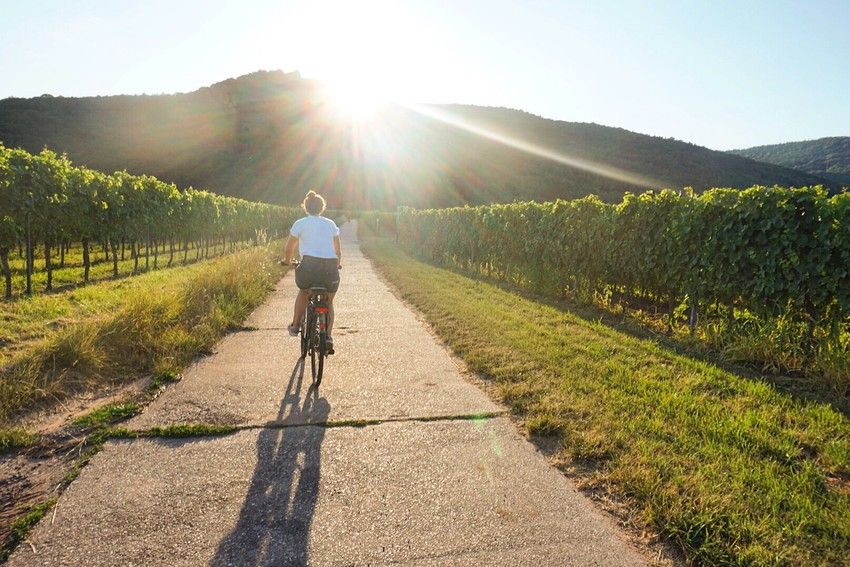
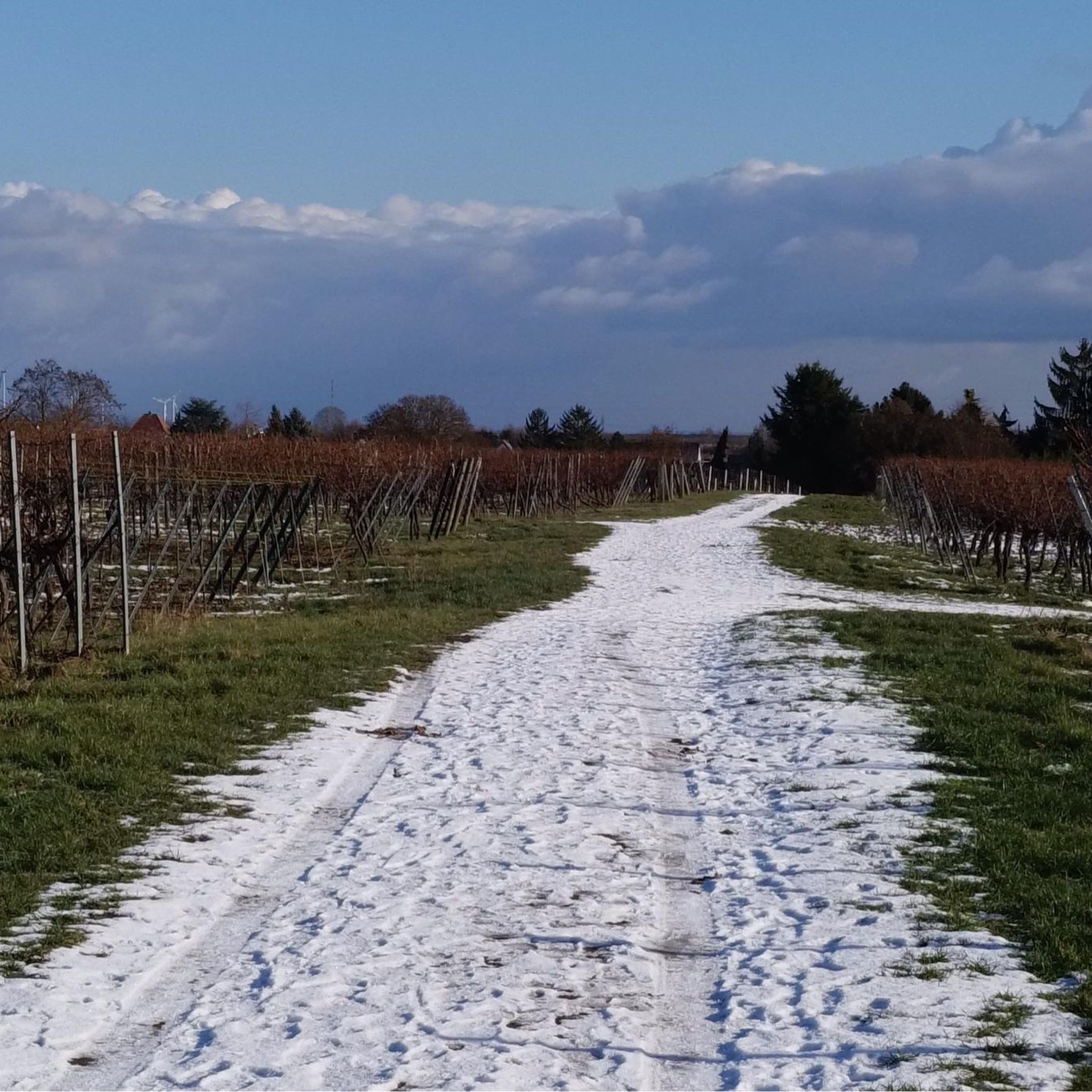
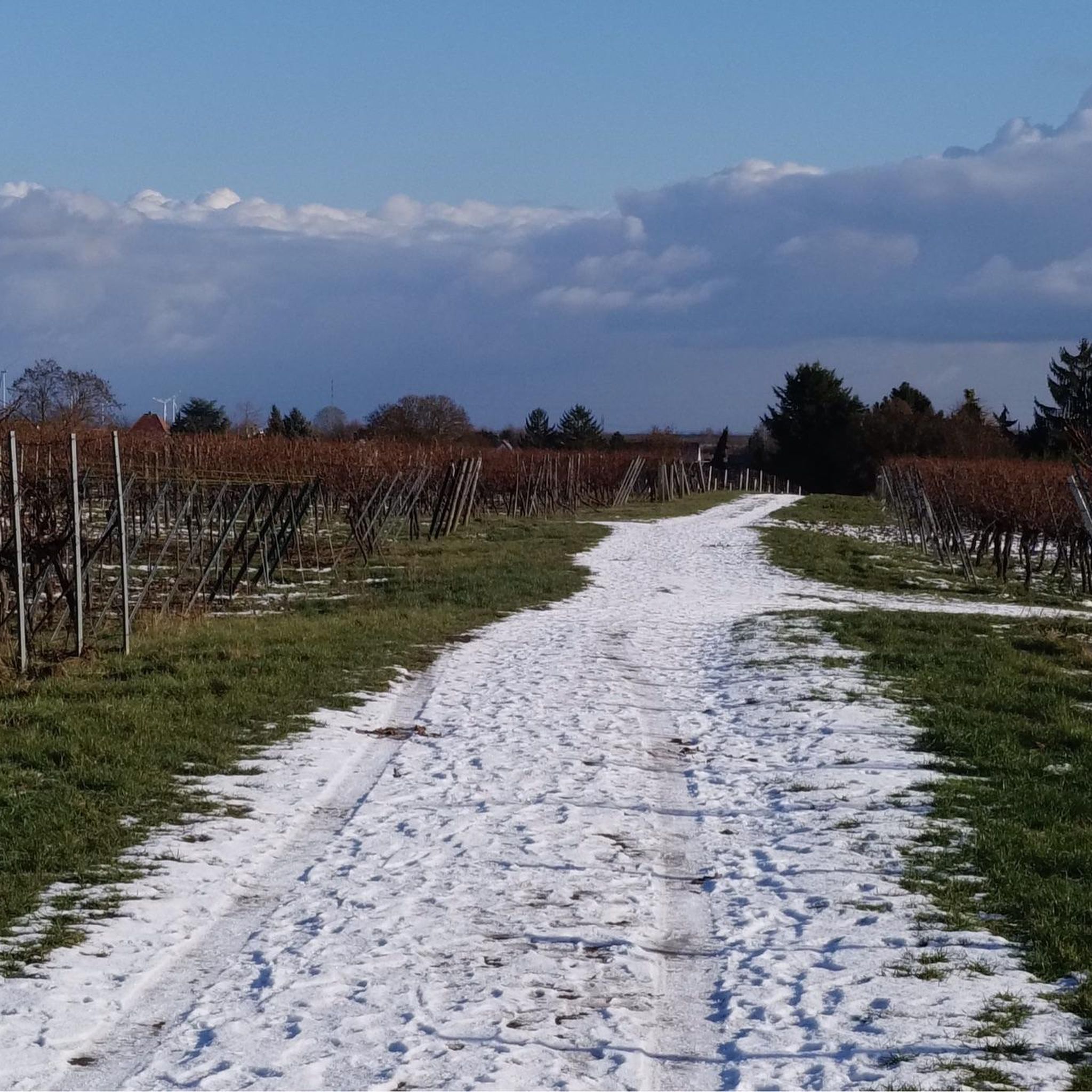
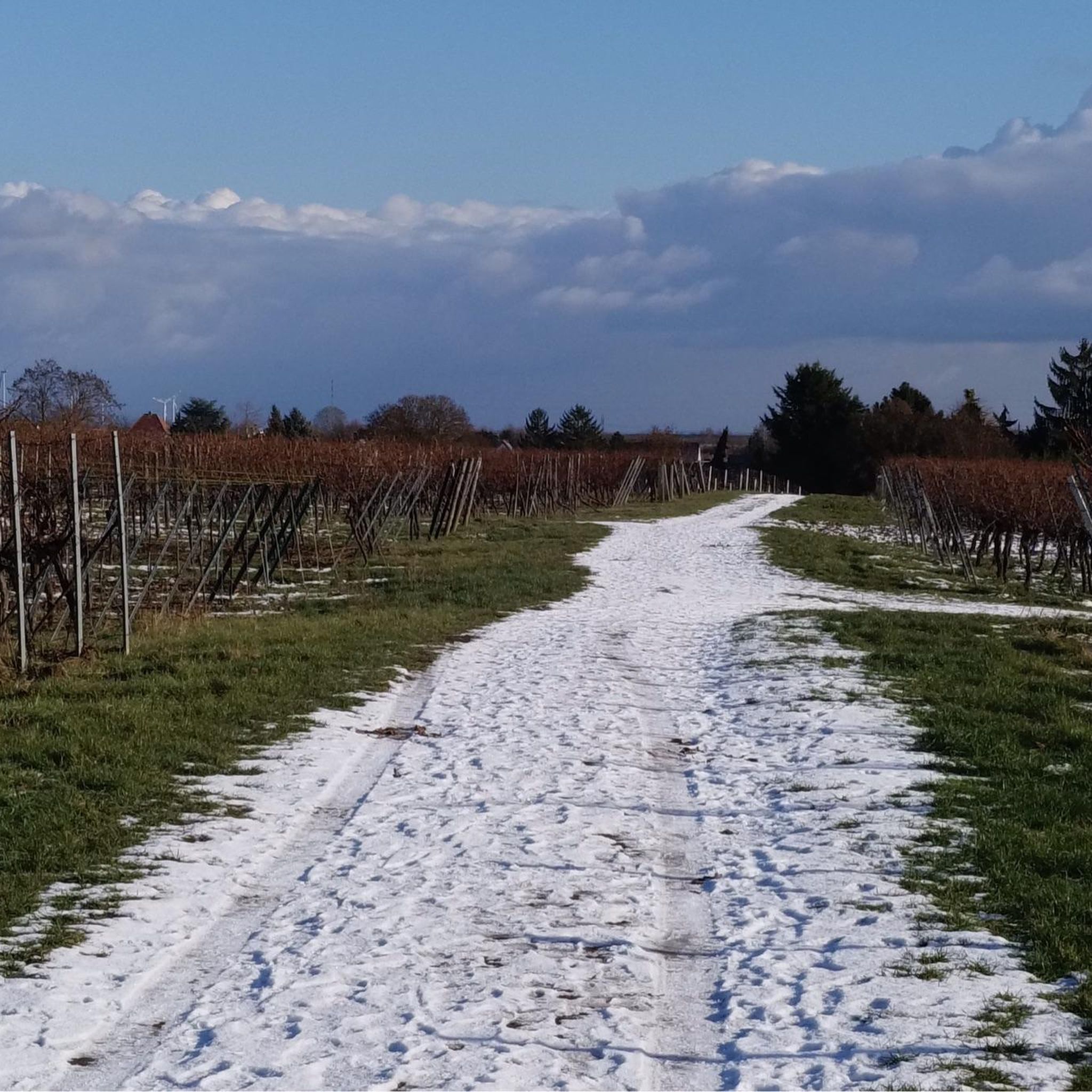
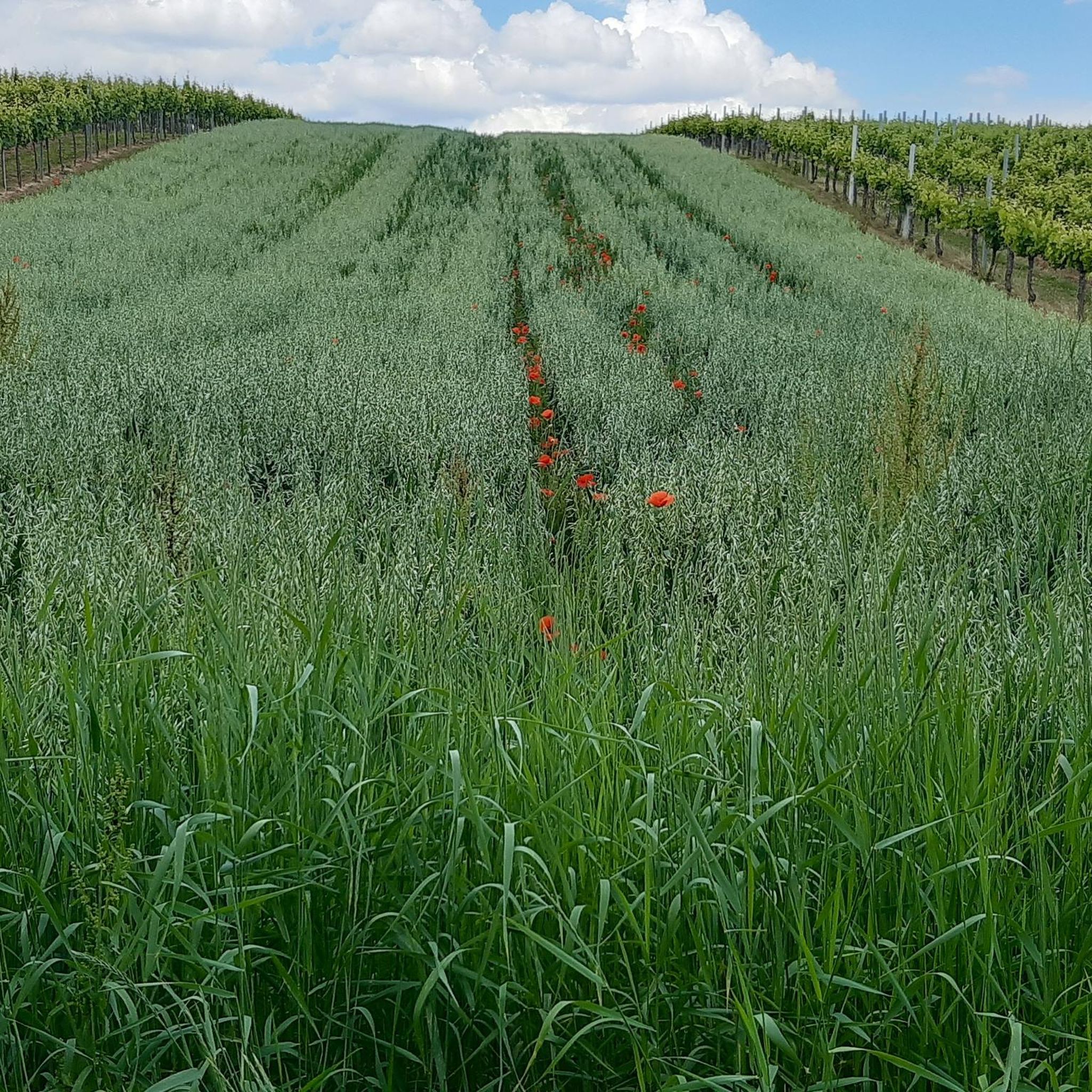
Jogging around Insheim offers diverse terrain through the Rheinland-Pfalz region of Germany. The landscape features a mix of rolling hills such as Trappel-Berg and Insheimer Berg, alongside flatter routes through valleys like Spreiss-Tal. Joggers can explore shaded paths within forests like Oberwald and Kremmelswald, or enjoy scenic routes winding through vineyards along the German Wine Route. This variety provides options for different fitness levels and preferences.
Best jogging routes around Insheim
- The most popular jogging route is Marienkapelle Hayna loop…
Last updated: October 12, 2026
4.2
(9)
95
runners
Easy run. Great for any fitness level. Mostly paved surfaces. Suitable for all skill levels.
3.6
(5)
76
runners
Moderate run. Good fitness required. Mostly paved surfaces. Suitable for all skill levels.

5.0
(2)
38
runners
4.02km
00:27
10m
10m
Easy run. Great for any fitness level. Mostly paved surfaces. Suitable for all skill levels.
4.0
(3)
30
runners
Moderate run. Good fitness required. Mostly paved surfaces. Suitable for all skill levels.
24
runners
6.25km
00:39
10m
10m
Moderate run. Good fitness required. Mostly paved surfaces. Suitable for all skill levels.
Get access to more routes and recommendations from other explorers.
Already have an account?
Our route recommendations are based on thousands of hikes, rides, and runs completed by other people on komoot.
Start today with a free account
Your next adventure awaits.
Other adventures around Insheim

Tips from the Community

🎨 Design & Symbolism The fountain was designed in 1989 by the renowned Palatinate artist couple Prof. Gernot Rumpf and Barbara Rumpf. It is rich in bronze figures that reflect the history and identity of the village of Hayna.
1
0
⛲️ In Hayna, a district of the municipality of Herxheim near Landau in the Palatinate, the village fountain (often also called the tobacco fountain) is a central landmark and popular meeting place.
1
0

Knight Stefan von Mörlheim, co-founder of the Cistercian monastery of Eußerthal, donated his manor, including a chapel, to the monastery in Mörlheim around 1148. After a turbulent history, the dilapidated St. Martin's Church in Mörlheim passed into Catholic ownership in 1705. The monastery church in Eußerthal and the church in Mörlheim still display a mitre and abbot's staff alongside the cross on their steeples – ecclesiastical symbols that Heinrich Wilhelm, Baron von und zu Sickingen, was permitted to wear as a layman. In 1754, Heinrich Wilhelm, Baron von und zu Sickingen, had the Mörlheim church rebuilt. It was consecrated on September 14, 1754. One hundred and fifty years later, at the beginning of the 20th century, the church had once again fallen into disrepair. The swinging of the bells in the bell tower had weakened the church ceiling, and the cramped space was no longer sufficient for the congregation. One hundred years ago, on July 1, 1912, the reconstruction of the church into the present one began, based on plans by the architect Johannes Albert Boßlet. It was extended to the west, and the existing beamed ceiling was replaced by a Baroque-style lath and plaster ceiling suspended from the roof truss, visually resting on newly added wall piers. Finally, a church tower nearly 30 meters high was erected. Two bells call the faithful to prayer, and the city of Landau owns the clock and its large clock faces. The reconstruction of the church, and especially the construction of the new church tower, was made possible by the Bavarian Church Community Ordinance of 1912. According to this ordinance, even landowners outside the parish could be assessed for the construction and maintenance of religious buildings. A good 75 percent of the land in Mörlheim subject to these assessments formerly belonged to outsiders, the so-called "outsiders." The extensive renovation of the church in 2008 has given the Mörlheim church a great splendor. (Egon Ehmer)
0
0

Holy Cross Church, a Neoclassical plastered building, architect: presumably Friedrich Samuel Schwarze (building inspector in the "Bavarian Rhine District"), 1820, chancel and sacristy added in 1862. War memorial 1914/18, relief tondo, 1920s; to the right of the main entrance of the Catholic Church of the Holy Cross are three panels and a relief made of yellow sandstone. The relief depicts a mounted soldier with a lance fighting a dragon. Stone crucifix at the church, 19th century. At the chancel: Neoclassical tombstones, dated 1803 and 1813.
1
0
The small, round chapel with niches, situated at the edge of the forest, was built in 1994 according to the plans of architect Hermann Wiechmann from Hayna, largely through the volunteer efforts of the Marienkapelle e.V. (St. Mary's Chapel Association), and consecrated in 1996. Its striking features include a conical roof with a spire and bell, as well as modern stained-glass windows. An old field chapel on Kapellenweg (Chapel Path) had been demolished in 1960 due to its dilapidated condition. A promise was made to build a new, more attractive chapel elsewhere. The chapel contains a neo-Gothic Pietà and an 18th-century statue of St. John Nepomuk, both painted. Also of note is the photographic documentation of those killed and missing in action during both World Wars.
1
0
Hayna has had an independent parish since 1785. A new church was built in 1722 to replace the medieval one, which was then demolished in 1820 to make way for the present church, Holy Cross (Church of the Finding of the True Cross). The altar, sculpted by Leopold Hafner of Passau, depicts a Tree of Life.
0
0

very good starting point
0
0

a very beautiful and pleasant forest path
3
0
Frequently Asked Questions
What kind of terrain can I expect on running routes around Insheim?
The Insheim area offers a diverse range of terrain for runners. You'll find routes through rolling hills like Trappel-Berg and Insheimer Berg, as well as flatter paths through valleys such as Spreiss-Tal. Many trails also wind through shaded forests like Oberwald and Kremmelswald, or scenic vineyards along the German Wine Route, providing a varied running experience.
Are there running routes suitable for beginners in Insheim?
Yes, Insheim has plenty of options for beginners. Out of nearly 700 running routes, about 95 are classified as easy. An excellent starting point is the Marienkapelle Hayna loop from Hayna, an easy 2.5-mile (4.0 km) trail with gentle gradients through the local countryside.
Can I find longer running trails for more challenging workouts?
Absolutely. For those seeking a longer run, Insheim offers numerous moderate and difficult routes. For example, the Marienkapelle Hayna – Holy Cross Church, Hayna loop from Hayna is a moderate 7.7-mile (12.45 km) path that provides a good challenge and takes you through varied landscapes.
What are some interesting sights or landmarks I can see while jogging in Insheim?
Many running routes in Insheim offer scenic views and pass by historical landmarks. You might encounter picturesque vineyards, or even catch glimpses of nearby castles and ruins. For instance, the region is close to historic sites like Landeck Castle and Madenburg Castle Ruins, which offer stunning panoramic views over the Rhine Valley.
Are there any circular running routes available in Insheim?
Yes, many of the running routes around Insheim are circular, making them convenient for starting and ending at the same point. A popular moderate circular route is the Quodbach – Cows in Palatinate loop from Insheim, which is about 4.4 miles (7.1 km) and takes you through agricultural landscapes with open views.
What do other runners say about the trails in Insheim?
The running routes in Insheim are highly regarded by the komoot community, holding an average rating of 4.4 stars from over 600 reviews. More than 12,000 runners have used komoot to explore the area, often praising the diverse terrain, scenic vineyards, and well-maintained paths that cater to various fitness levels.
Are there running routes that offer views of the Palatinate vineyards?
Absolutely. Insheim is situated along the German Wine Route, so many running paths offer beautiful views of the Palatinate vineyards. The View of Palatinate Vineyards – Duck House by the Trail loop from Insheim is a moderate 3.7-mile (6.05 km) route specifically designed to showcase these picturesque landscapes.
What is the best time of year to go jogging in Insheim?
Insheim is beautiful for jogging throughout much of the year. Spring offers blossoming almond trees along the German Wine Route, while autumn provides golden vineyard scenery. The forests like Oberwald and Kremmelswald offer shaded paths during warmer months, making it pleasant for running.
Are there any running routes that pass by interesting natural features?
Yes, the region around Insheim is rich in natural features. Beyond the vineyards and forests, you can find routes that traverse hills like Trappel-Berg and Insheimer Berg, or follow valleys such as Spreiss-Tal and Schambach. These natural elements provide varied scenery and sometimes offer opportunities for hill training.
How many running routes are available in total around Insheim?
There are nearly 700 running routes available around Insheim, offering a wide selection for all preferences. This includes approximately 95 easy routes, over 500 moderate options, and about 80 more challenging trails, ensuring there's something for every runner.
Are there any routes that combine open fields with historical points of interest?
Yes, some routes offer a blend of open landscapes and historical elements. The Insheimer Jägerhäusel – Marienkapelle Hayna loop from Hayna is a moderate 5.0-mile (8.1 km) path that combines open fields with sections near historical points of interest, providing both scenic beauty and a touch of local history.
Most popular attractions around Insheim

Get inspired with the komoot mobile app


Explore more
Browse the best Running Trails & Routes in other regions.
