The best walks and hikes around Insheim
4.5
(7674)
31,611
hikers
975
hikes
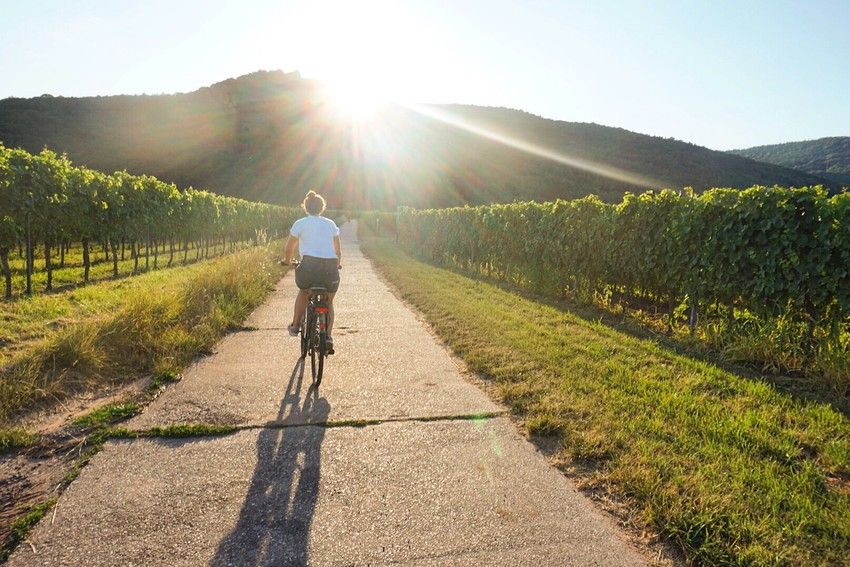
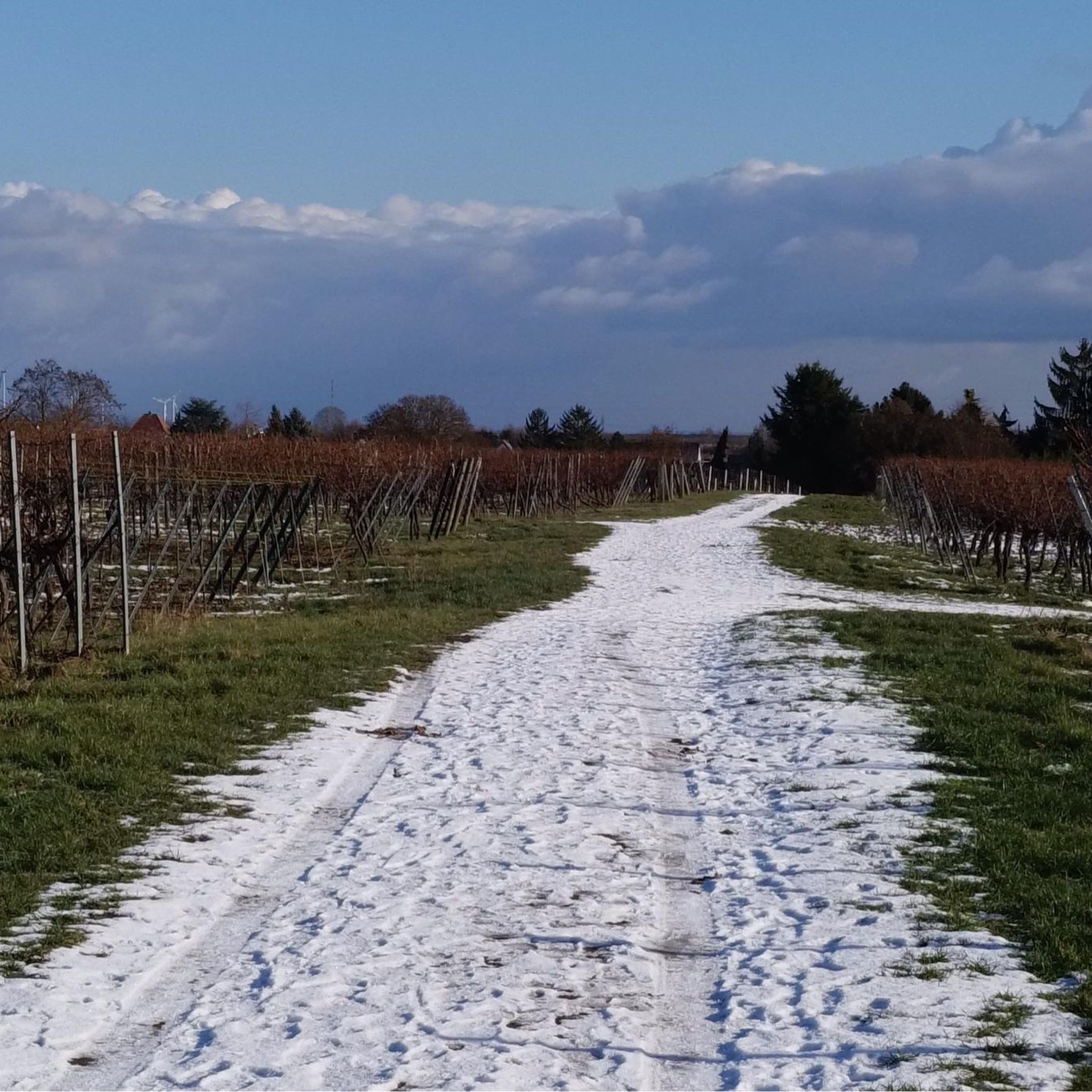
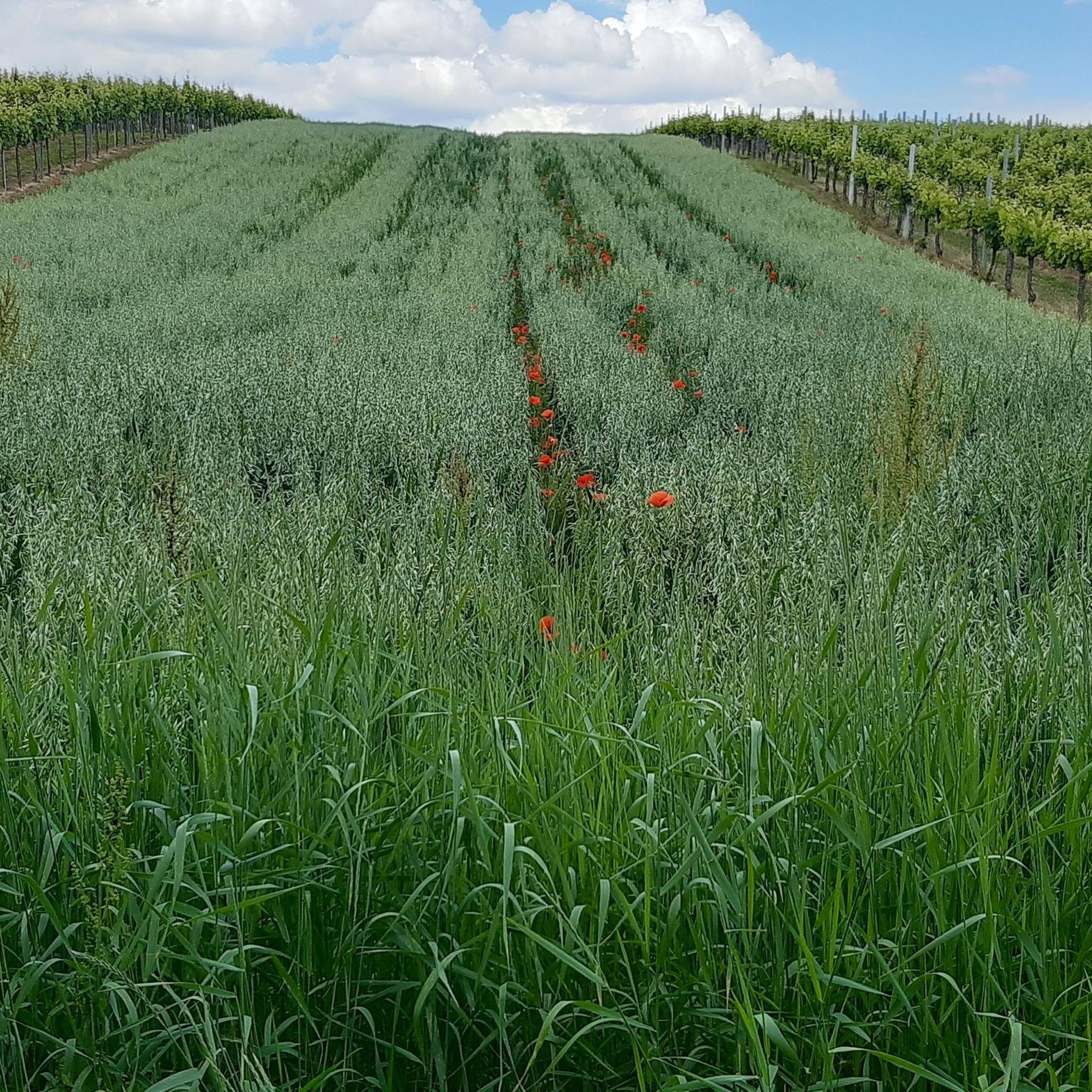
Hiking around Insheim offers diverse landscapes, situated between the Haardt, which forms the eastern edge of the Palatinate Forest, and the Rhine plain. The region is characterized by rolling hills such as Trappel-Berg and Insheimer Berg, alongside valleys like Spreiss-Tal. Extensive vineyards are prominent, providing routes with views across the Rhine plain, while the nearby Palatinate Forest offers wooded areas for exploration.
Best hiking trails around Insheim
- The most popular hiking route is Marienkapelle Hayna – Tobacco Fountain loop from…
Last updated: October 11, 2026
4.2
(6)
43
hikers
3.34km
00:51
10m
10m
Easy hike. Great for any fitness level. Easily-accessible paths. Suitable for all skill levels.
2.8
(5)
31
hikers
5.10km
01:18
10m
10m
Easy hike. Great for any fitness level. Easily-accessible paths. Suitable for all skill levels.

4.8
(6)
21
hikers
9.92km
02:31
20m
20m
Moderate hike. Good fitness required. Easily-accessible paths. Suitable for all skill levels.
5.0
(7)
20
hikers
6.04km
01:34
40m
40m
Easy hike. Great for any fitness level. Easily-accessible paths. Suitable for all skill levels.
5.0
(3)
11
hikers
7.04km
01:50
50m
50m
Easy hike. Great for any fitness level. Easily-accessible paths. Suitable for all skill levels.
Get access to more routes and recommendations from other explorers.
Already have an account?
Our route recommendations are based on thousands of hikes, rides, and runs completed by other people on komoot.
Start today with a free account
Your next adventure awaits.
Other adventures around Insheim

Tips from the Community


Attention: Open only on holidays and Sundays at noon, otherwise from 5:00 PM
1
0

Wayside cross, Baroque, erected according to the inscription on the base on May 6, 1788, east of the village; Niedergewanne field The inscription reads: THIS CROSS ERECTED BY JOHANN MICHAEL RANG AND THIS HUSBAND ANNAMARIA WEICHLIN HAINA, MAY 6, 1788
1
0
War memorial 1914/18, relief tondo, 1920s; To the right of the main entrance of the Catholic Church of the Holy Cross are three panels and a relief made of yellow sandstone. The relief depicts a mounted soldier with a lance fighting a dragon.
0
0
Holy Cross Church, a Neoclassical plastered building, architect: presumably Friedrich Samuel Schwarze (building inspector in the "Bavarian Rhine District"), 1820, chancel and sacristy added in 1862. War memorial 1914/18, relief tondo, 1920s; to the right of the main entrance of the Catholic Church of the Holy Cross are three panels and a relief made of yellow sandstone. The relief depicts a mounted soldier with a lance fighting a dragon. Stone crucifix at the church, 19th century. At the chancel: Neoclassical tombstones, dated 1803 and 1813.
1
0
Wayside shrine, 19th century, Kapellenweg
0
0
Wayside cross, sandstone, circa 1900, Waldstraße, near No. 16 The inscription reads: This cross was erected To the glory of God and for the well-being of Our deceased parents By Georg Weigel and his wife
1
0
Frequently Asked Questions
How many hiking trails are available around Insheim?
There are over 950 hiking trails around Insheim, offering a wide range of options from easy strolls through vineyards to more challenging routes within the Palatinate Forest.
What types of landscapes will I encounter on hikes near Insheim?
Hikes around Insheim feature diverse landscapes, including rolling hills like Trappel-Berg and Insheimer Berg, picturesque valleys such as Spreiss-Tal, and expansive vineyards. You'll also find routes along the eastern edge of the Palatinate Forest, providing tranquil wooded areas and often offering impressive views across the Rhine plain.
Are there any family-friendly hiking routes in Insheim?
Yes, Insheim offers many family-friendly options. Over 690 of the trails are rated as easy. A pleasant choice is the Hiking loop from Hayna, an easy 5.1 km path that provides a gentle walk through the surrounding terrain.
Can I bring my dog on the hiking trails around Insheim?
Many trails around Insheim are suitable for dogs, especially the numerous paths through vineyards and the Palatinate Forest. It's always recommended to keep dogs on a leash, especially near wildlife or in agricultural areas. For specific route details, check individual tour descriptions on komoot.
What are some notable landmarks or attractions I can see while hiking?
The region is rich in historical sites and viewpoints. You can hike to impressive castle ruins such as Landeck Castle or the Madenburg Castle Ruins, both offering splendid views. The Neukastel castle ruins (castle rock) also provide impressive vistas of the Upper Rhine Graben.
Are there circular hiking routes available in Insheim?
Yes, many routes around Insheim are designed as circular walks. For example, the Marienkapelle Hayna – Tobacco Fountain loop from Hayna is an easy 3.3 km circular trail that explores the local countryside. Another option is the König Joseph I Memorial loop from Insheim, an easy 6 km route starting directly from Insheim.
What is the best time of year to go hiking in Insheim?
Insheim is beautiful year-round, but spring and autumn are particularly appealing. In spring, the 'Blütenweg' (blossom trail) and fruit groves are in full bloom. Autumn offers vibrant colors in the Palatinate Forest and is ideal for 'wine hikes' through the vineyards during harvest season. Clear days often provide the best panoramic views across the Rhine plain.
Are there any moderate or difficult hiking trails for experienced hikers?
While many trails are easy, there are also options for more experienced hikers. The region offers 241 moderate and 19 difficult routes. An example of a moderate trail is the Tobacco Fountain – Märzenbecher Nature Monument loop from Hayna, a 10.1 km route leading through varied landscapes.
What do other hikers enjoy most about the trails in Insheim?
The hiking trails in Insheim are highly rated by the komoot community, with an average score of 4.5 stars from over 6,800 reviews. Hikers often praise the diverse scenery, from rolling vineyards to the tranquil Palatinate Forest, and the well-maintained paths that cater to various skill levels.
Are there places to eat or drink along the hiking routes?
Yes, the region is known for its picturesque wine villages, which often feature local taverns (Weinstuben) and restaurants. Some castle ruins, like Madenburg Castle and Landeck Castle, also include dining options. The Weingut Junker – Weinstube Hoppeditzel loop from Insheim is an example of a route that passes by a winery, offering a chance to experience local culture and cuisine.
Is there public transport or parking available for trailheads?
Insheim is part of the Südliche Weinstraße region, which generally has good infrastructure. While specific public transport connections to every trailhead may vary, the village of Insheim itself is accessible. Parking is typically available in or near the villages that serve as starting points for many routes. It's advisable to check local signage for parking regulations.
Most popular attractions around Insheim

Get inspired with the komoot mobile app


Explore more
Browse the best Hikes in other regions.
