Attractions and Places To See around Elvas - Top 20
Best attractions and places to see around Elvas, a UNESCO World Heritage site in Portugal, offer a rich blend of history, architectural wonders, and cultural significance. The city is renowned for its extensive fortifications and strategic military past, making it a unique destination for exploration. Visitors can discover a multitude of attractions, from impressive landmarks to significant cultural sites and picturesque points of interest. The region provides diverse opportunities for those interested in historical exploration and scenic views.
Best attractions…
Last updated: October 5, 2026
Plaza Alta
Highlight • Historical Site
Translated by Google •
Tip by

Amoreira Aqueduct
Highlight • Monument
Translated by Google •
Tip by

Sign up now to discover places like this
Get recommendations on the best single tracks, peaks, & plenty of other exciting outdoor places.
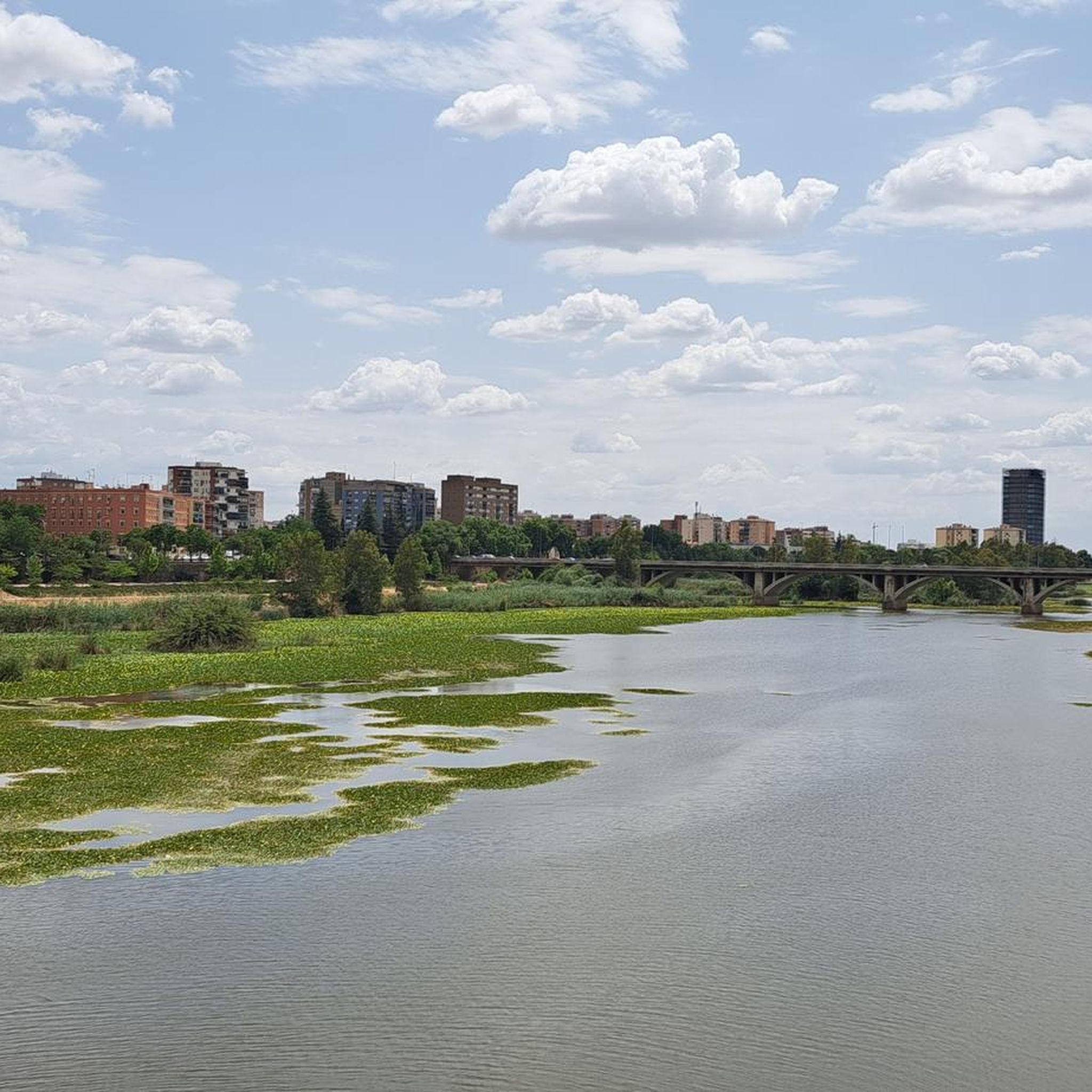
Puente de Palmas
Highlight • Bridge
Translated by Google •
Tip by
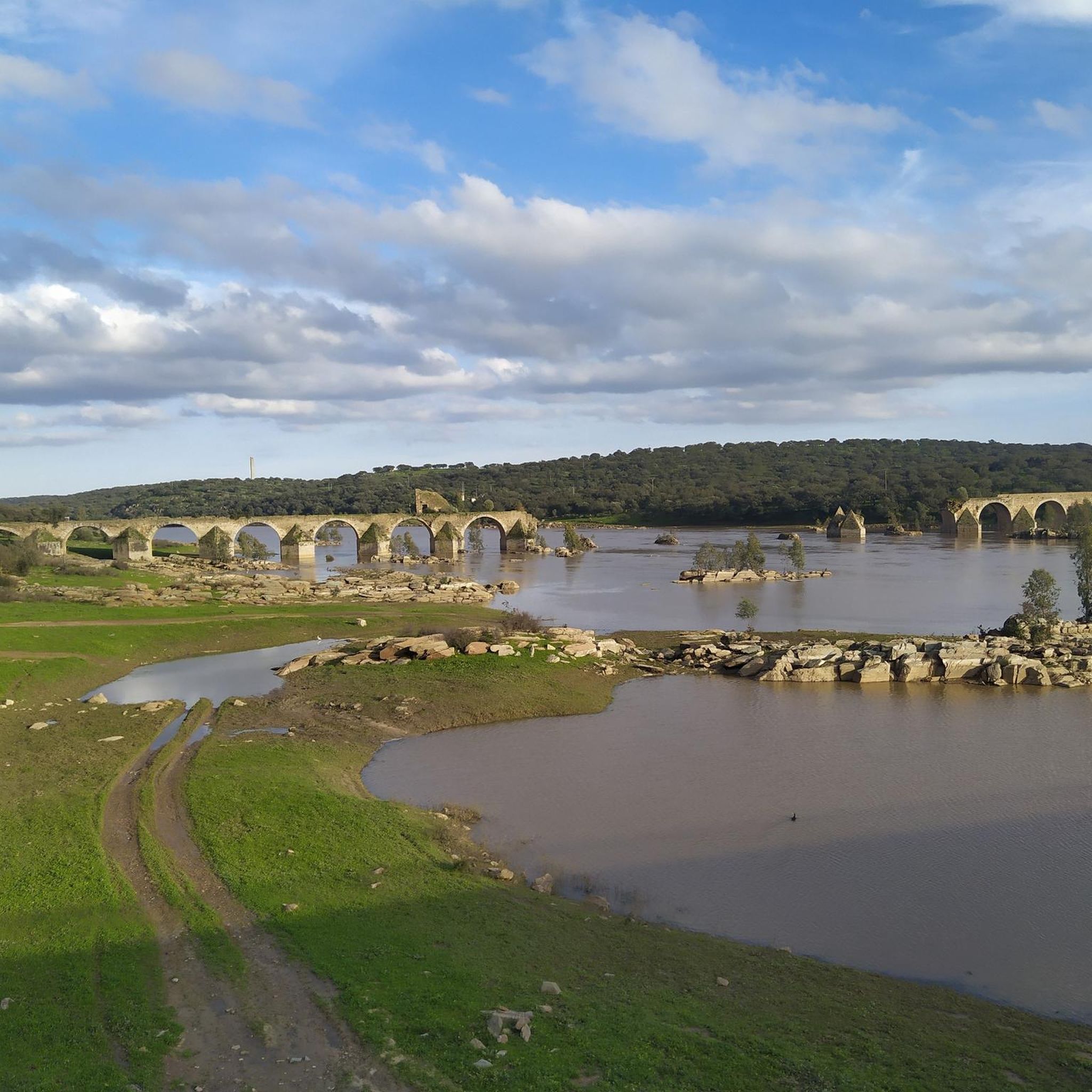
Capela dos Ossos de Campo Maior
Highlight • Religious Site
Translated by Google •
Tip by

Alcazaba of Badajoz
Highlight • Castle
Translated by Google •
Tip by
Sign up for free to discover even more attractions around Elvas.
Already have an account?
Start today with a free account
Your next adventure awaits.


Tips from the Community

A beautiful square of medieval origin, renovated between the 17th and 18th centuries.
1
1


If you pass through Badajoz, you shouldn't miss visiting at least its Puerta de Palmas, its Alcazaba, and its cathedral.
1
0

It connects the town of Amoreira to the city of Elvas. With a length of 8.5 kilometres, 843 arches with more than five arcades and towers that rise to 31 metres in height, it is considered the largest aqueduct in the Iberian Peninsula. It has been classified as a National Monument since 1910 and is part of the site called the Border and Garrison Town of Elvas and its Fortifications, classified by UNESCO as a World Heritage Site since 2012. (Source: Wikipedia)
15
1

The Palmas Bridge is the oldest bridge in Badajoz, situated over the Guadiana River. It was built in 1596 during the reign of Philip II, although it was built on a previous bridge dating from 1460. This Herrerian-style bridge is 585 metres long and has 32 arches. Over the centuries, the bridge has undergone several repairs due to flooding of the river. At one end of the bridge is the Puerta de Palmas, one of the main entrances to the city in times past, and at the other end, a hornwork built in the 17th century to protect the bridgehead.
6
0

Segovia is not the only city on the peninsula to have a Roman aqueduct. The Amoreia aqueduct is located in the parish of São Brás e São Lourenço, within the municipality of Elvas, district of Portalegre, in Portugal. It was declared a World Heritage Site in 2012. The Amoreira aqueduct is part of the "Border garrison and fortifications of the city of Elvas" complex.
10
1

In the town of Elvas stands the fascinating "Aqueduto da Amoreira". The structure is from the 16th century and supplied the city with water.
1
0
The Plaza Alta in the city of Badajoz was its nerve center for a long time, especially when the area of the Alcazaba began to become too small. This square also stands out, in addition to its history, for its excellent architecture, and among all its elements, its arches stand out, which served as shelter for lots of stalls during the markets that were held since the Middle Ages.
11
1
Frequently Asked Questions
What historical sites can I explore in Elvas?
Elvas is a UNESCO World Heritage site renowned for its extensive fortifications and rich military past. You can explore the impressive Amoreira Aqueduct, a 17th-century engineering marvel, and the well-preserved Alcazaba of Badajoz. Other significant historical sites include Forte de Santa Luzia, Forte da Graça, Elvas Castle, and the Elvas Historic Center with its unique star-shaped city walls. Don't miss the Plaza Alta in Badajoz, known for its Moorish arches and historical significance as a market hub.
Are there any family-friendly attractions in Elvas?
Yes, several attractions in and around Elvas are suitable for families. The Amoreira Aqueduct offers an impressive sight for all ages, and the Puente de Palmas is also considered family-friendly. Exploring the historic city walls and castles like Elvas Castle or the Alcazaba of Badajoz can be an engaging experience for children. The main square, Praça da República, Elvas, is also a pleasant spot for families to visit.
What are the best viewpoints to appreciate Elvas' fortifications?
For stunning panoramic views of Elvas and its fortifications, head to Forte da Graça, which is perched on a hill overlooking the city. Elvas Castle, situated at the highest point of the city, also offers excellent vistas. The Alcazaba of Badajoz provides another great viewpoint to appreciate the region's historical architecture.
What cultural experiences can I find in Elvas?
Elvas offers a rich array of cultural sites. You can visit the Military Museum of Elvas to learn about Portugal's military history, explore the Igreja de Nossa Senhora da Assunção in Praça da República, or discover the Casa da História Judaica de Elvas, a small museum on the site of a former synagogue. The Elvas Contemporary Art Museum (MACE) also houses an impressive collection of Portuguese contemporary art.
Are there opportunities for outdoor activities like hiking or cycling near Elvas?
Absolutely! The region around Elvas offers various outdoor activities. For hiking, the Serra de São Mamede Natural Park is a popular natural attraction with diverse terrain and stunning views. You can find numerous running trails, including a challenging 18.5 km loop from Elvas that passes the Amoreira Aqueduct and Forte da Graça. For cycling enthusiasts, there are gravel biking and road cycling routes available. Explore more options on the Gravel biking around Elvas, Running Trails around Elvas, and Road Cycling Routes around Elvas guide pages.
What is the Amoreira Aqueduct and why is it significant?
The Amoreira Aqueduct is a striking 16th to 17th-century structure, considered one of Elvas's most iconic landmarks. Stretching over eight kilometers with 843 arches and reaching up to 31 meters in height, it's an impressive feat of engineering and a vital part of Elvas's UNESCO World Heritage status. It still supplies water to a fountain in a large square in Elvas, and visitors can walk along sections of it.
What is the best time to visit Elvas for outdoor activities?
While specific weather data isn't provided, generally, spring and autumn offer pleasant temperatures for exploring Elvas's outdoor attractions and fortifications. Summers can be quite hot, which might make extensive outdoor activities less comfortable. Winter offers milder temperatures but can be wetter. Always check local forecasts before planning your visit.
Are there any hidden gems or unique points of interest in Elvas?
Beyond the major fortifications, Elvas has charming hidden corners. Explore the picturesque Largo de Santa Clara with its beautiful fountain, or wander down Rua das Beatas, often described as one of the most beautiful streets in Elvas. The Elvas Market (Casa das Barcas) offers a taste of local life, and you might even have the opportunity to hear traditional musical instruments called Roncas.
What makes Elvas's city walls unique?
Elvas's city walls are part of the largest bulwarked dry-ditch system in the world. These 14th to 17th-century fortifications were designed in a revolutionary star shape, making Elvas virtually impregnable. They are a key reason for the city's UNESCO World Heritage status and offer a fascinating glimpse into military architecture.
Is Elvas wheelchair accessible?
Some attractions in the region, such as the Puente de Palmas, are noted as wheelchair accessible. However, due to the historic nature of Elvas with its cobbled streets, fortifications, and hilly terrain, accessibility can vary. It's advisable to check specific accessibility details for individual sites before your visit.
What is the significance of Praça da República in Elvas?
The Praça da República, Elvas, is considered the heart of the city. It features the 16th-century Igreja de Nossa Senhora da Assunção, which served as the city's cathedral until 1881, and the tourism office. The square itself is notable for its basalt, marble, and sandstone cubes that create unique geometric patterns.
What is the Puente de Palmas?
The Puente de Palmas is the oldest bridge in Badajoz, situated over the Guadiana River. Completed in 1596, this Herrerian-style bridge is 585 meters long and features 32 arches. It was built on the site of an earlier bridge from 1460 and has undergone several repairs due to river flooding over the centuries. It's a significant historical landmark.
Most popular attractions around Elvas

Get inspired with the komoot mobile app


Explore more
Still not found the Highlight you’re looking for? See guides of the top attractions in other regions:
