The best traffic-free bike rides around Elvas
4.0
(42)
1,735
riders
6
rides
No traffic road cycling routes around Elvas are situated in the eastern Alentejo region of Portugal, characterized by rolling rural landscapes, olive groves, and historic fortifications. The area features a well-suited road network, with many routes offering mostly well-paved surfaces. Cyclists can explore diverse terrain, from gentle plains to routes with significant elevation gain, often crossing into nearby Spain.
Best no traffic road cycling routes around Elvas
- The most popular no traffic road cycling route is Arronches, Alegrete and Esperança…
Last updated: July 7, 2026
61.5km
02:53
700m
700m
This moderate 38.2-mile road cycling loop from Arronches offers diverse landscapes, cork forests, and views of Castelo do Alegrete.
4.0
(2)
33
riders
73.3km
03:02
330m
330m
Moderate road ride. Good fitness required. Mostly well-paved surfaces and easy to ride.

Sign up for free
5.0
(2)
28
riders
95.8km
04:50
200m
200m
Moderate road ride. Good fitness required. Some segments of this route may be unpaved and difficult to ride.
8
riders
Moderate road ride. Good fitness required. Mostly well-paved surfaces and easy to ride.
4
riders
58.2km
03:05
840m
840m
Moderate road ride. Good fitness required. Some segments of this route may be unpaved and difficult to ride.
Our route recommendations are based on thousands of hikes, rides, and runs completed by other people on komoot.
Start today with a free account
Your next adventure awaits.
Login or Signup
Popular around Elvas

Tips from the Community

The Puerta de Palmas is the most iconic monument in Badajoz and served as the main entrance to the fortified city for centuries.
1
0
A beautiful square of medieval origin, renovated between the 17th and 18th centuries.
0
1

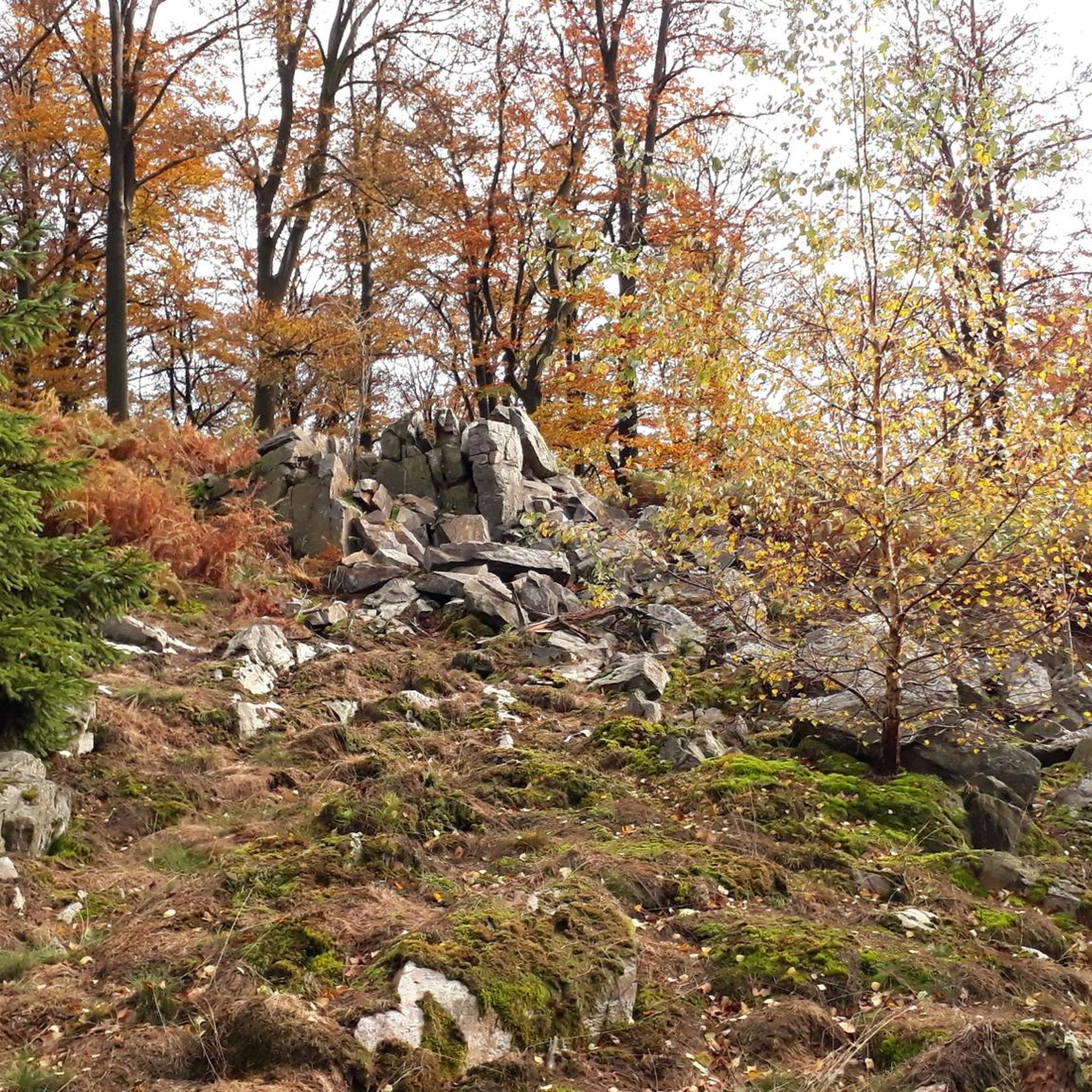
For those planning to hike in the Alegrete area, the main reference route is the PR3 PTG – Percurso de Alegrete. This circular route offers a complete immersion in the Serra de São Mamede Natural Park, combining the medieval heritage of the village with montado landscapes and water lines. The Main Route (PR3 PTG) The PR3 PTG - Percurso de Alegrete is about 11.4 km long and is classified as medium/low difficulty. The recommended starting and ending point is near Fonte Nova, although many hikers start their journey in the village of Alegrete itself to explore the historic center right away. Castle and Village: The Castle of Alegrete is the (literal) highlight of the hike. Situated at about 500 meters above sea level, it offers a panoramic view of the Alentejo border region. Don't miss the Clock Tower (Torre do Relógio). Nature and Biodiversity: The trail crosses areas of cork oak montado, pine forests, and riparian areas. It is an excellent place for bird watching (such as the robin or the titmouse) and, near the water lines, you can find rare vegetation like the royal fern. Religious Heritage: During your passage through the village, you can also visit the small Chapel of Mercy (Capela da Misericórdia), which is part of the local historical complex. Practical Hiking Tips Time of Year: Avoid the months of July and August due to the extreme temperatures in the Alentejo. Autumn and spring are ideal for the colors of the vegetation and mild temperatures. In winter, be careful with the ground, which can become quite slippery on cobblestones and rocky trails. Equipment: Use footwear with good grip (the ascents and descents to the castle and river have sections of loose stones). Bring enough water, as outside the village, refueling points are scarce. Safety and Respect: Always follow the official signage (yellow and red marks).
0
0

If you pass through Badajoz, you shouldn't miss visiting at least its Puerta de Palmas, its Alcazaba, and its cathedral.
1
0


I have done all three. Thanks, colleagues.
1
0

Castelo do Alegrete is an imposing medieval fortress located on a rocky outcrop near the village of Alegrete, Portugal. Dating back to at least the 13th century (with probably older origins), it played a key role in defending the border with Spain. It features a large quadrilateral wall with cubic towers. Although part of the castle is in ruins, it still retains elements such as parapets, gates and arrow slits. It offers spectacular views of the surrounding landscape and is an important national monument, a testimony to the defensive history of the region.
0
0
Castelo do Alegrete is an imposing medieval fortress located on a rocky outcrop near the village of Alegrete, Portugal. Dating back to at least the 13th century (with probably older origins), it played a key role in defending the border with Spain. It features a large quadrilateral wall with cubic towers. Although part of the castle is in ruins, it still retains elements such as parapets, gates and arrow slits. It offers spectacular views of the surrounding landscape and is an important national monument, a testimony to the defensive history of the region.
1
0
Frequently Asked Questions
How many traffic-free road cycling routes are available around Elvas?
There are 6 dedicated traffic-free road cycling routes around Elvas featured in this guide. These routes offer a range of distances and difficulties, allowing cyclists to explore the region's quiet roads and beautiful landscapes.
What makes the road cycling routes around Elvas particularly traffic-free?
Elvas is nestled in the eastern Alentejo, an area characterized by rolling rural landscapes and quiet country roads. Many routes utilize these less-trafficked roads, offering a peaceful cycling experience away from heavy vehicle traffic. The region's extensive network of cycling routes, approved by the Portuguese Cycling Federation, often prioritizes scenic and tranquil paths.
What is the quality of the road surfaces on these traffic-free routes?
The roads in the Elvas region are generally well-paved, providing smooth and enjoyable surfaces for road cycling. While some very minor country roads might have less ideal surfaces, the routes highlighted in this guide are chosen for their suitability for road bikes.
When is the best time of year to enjoy traffic-free road cycling in Elvas?
The Alentejo region, where Elvas is located, experiences hot summers. Spring (March to May) and Autumn (September to November) are generally considered the best times for cycling, offering pleasant temperatures and comfortable conditions for longer rides. Winter can also be suitable, with milder temperatures compared to many other European regions.
Are there any family-friendly traffic-free road cycling options near Elvas?
Yes, there are options suitable for families. For instance, the Valverde de Leganés loop from MEIAC is an easy route, covering about 48 km with moderate elevation gain, making it a good choice for families looking for a relaxed ride on quiet roads.
What historical landmarks can I see along these quiet road cycling routes?
The routes often pass by or offer views of significant historical sites. You can cycle near the impressive Amoreira Aqueduct, a monumental structure stretching 8.5 kilometers. Other routes might offer glimpses of the UNESCO World Heritage fortifications of Elvas, including the Fort of Graça or the Castle of Elvas, providing stunning backdrops to your ride.
Are there any routes that cross into Spain, offering a unique experience?
Yes, Elvas's proximity to the Spanish border allows for cross-border cycling adventures. Routes like the Puente de Palmas – Cathedral of Saint John the Baptist loop or the Puente de Palmas – Alcazaba of Badajoz loop take you into Spain, allowing you to experience the cultural blend of the region and explore landmarks like the Puente de Palmas and the Alcazaba of Badajoz.
What kind of scenery can I expect on these traffic-free road cycling routes?
You can expect diverse and picturesque scenery. The routes traverse the sun-baked plains of the eastern Alentejo, characterized by rolling rural landscapes dotted with olive groves and orchards. You'll also encounter impressive historical architecture, such as the grand aqueduct and the fortified city walls, offering a blend of natural beauty and cultural heritage.
Are there any challenging traffic-free road cycling routes for experienced cyclists?
Yes, for experienced cyclists seeking a challenge, routes like the Puente de Palmas – Alcazaba of Badajoz loop offer a more difficult ride. This route covers nearly 100 km and provides a significant distance to test endurance while still enjoying the quiet roads of the region.
What do other road cyclists enjoy the most about road cycling in Elvas?
The area is highly rated by the komoot community, with an average score of 4.1 stars. Reviewers often praise the tranquility of the routes, the stunning historical backdrops, and the opportunity to experience the authentic Alentejo landscape away from heavy traffic. The well-maintained roads and the unique cross-border cycling opportunities are also frequently highlighted.
Can I find circular traffic-free road cycling routes around Elvas?
Many of the routes around Elvas are designed as loops, allowing you to start and end your ride in the same location without retracing your path. Examples include the Arronches, Alegrete and Esperança Loop, which offers a comprehensive tour of the surrounding countryside.
Are there opportunities to see wildlife on these quiet road cycling routes?
While not specifically designated for wildlife spotting, the rural and natural landscapes of the Alentejo, especially near areas like the Serra de São Mamede Natural Park, can offer opportunities to observe local flora and fauna. Cyclists might encounter various bird species and Mediterranean vegetation along the quieter sections of the routes.
Most popular attractions around Elvas

Get inspired with the komoot mobile app


Explore more
Browse the best Road cycling routes in other regions.
