The best cycling routes around Castanheira De Pera
4.1
(9)
171
riders
21
rides
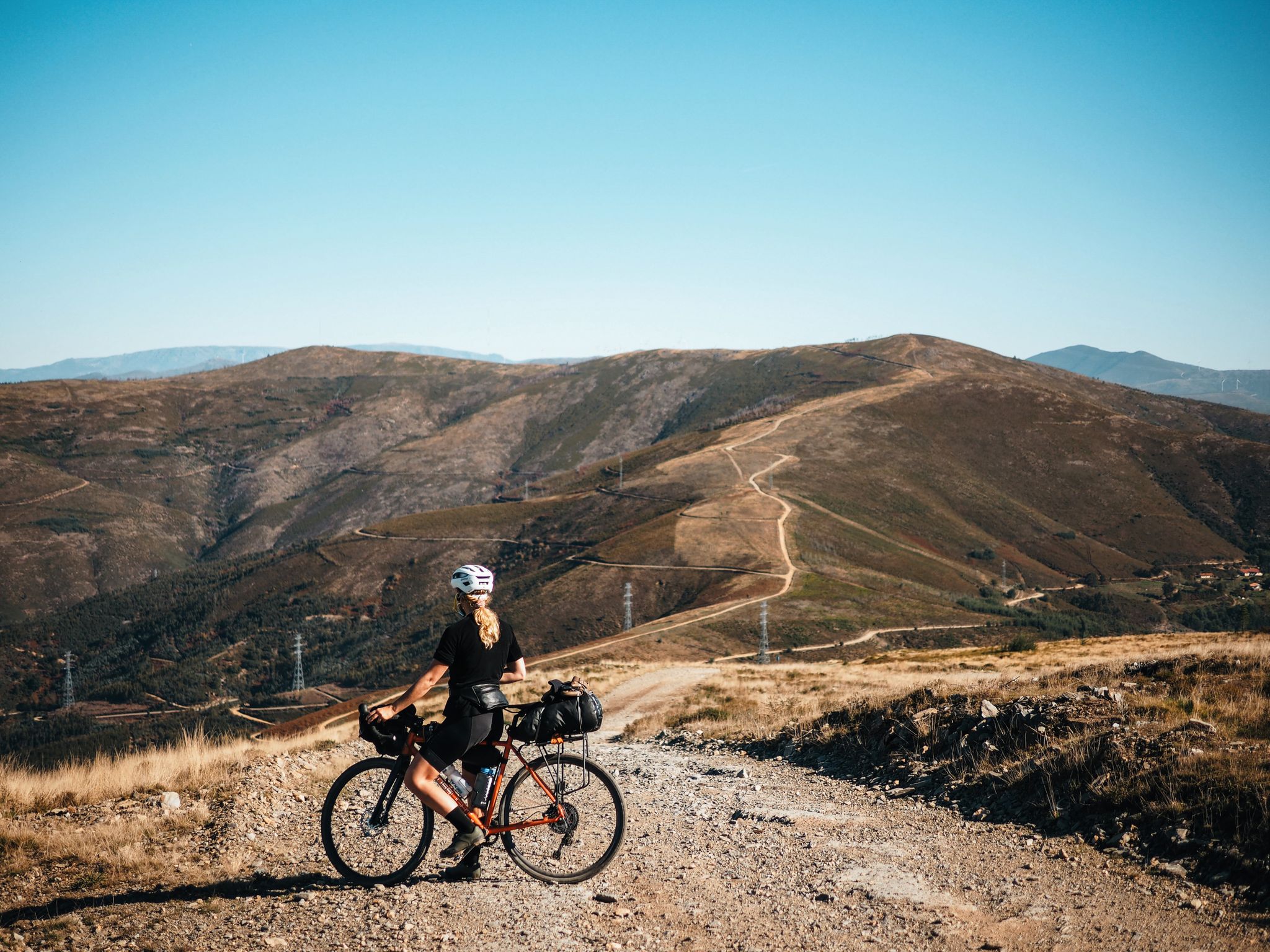
Touring cycling around Castanheira De Pera offers a diverse landscape characterized by rolling hills, dense forests, and river valleys. The region features varied terrain, from gentle slopes suitable for easy touring bike trails to more challenging ascents. Cyclists can expect routes that navigate through rural areas, providing a mix of paved roads and quieter paths. The topography supports a range of cycling experiences, with elevations that contribute to scenic viewpoints.
Best touring cycling routes around Castanheira De Pera
- The most…
Last updated: July 8, 2026
16
riders
98.5km
07:09
2,060m
2,060m
Hard bike ride. Very good fitness required. Mostly paved surfaces. Suitable for all skill levels.
4.0
(1)
14
riders
28.4km
01:54
430m
430m
Moderate bike ride. Good fitness required. Mostly paved surfaces. Suitable for all skill levels.

Sign up for free
4.5
(2)
11
riders
26.2km
01:38
270m
270m
Moderate bike ride. Good fitness required. Mostly paved surfaces. Suitable for all skill levels.
11
riders
52.6km
03:31
820m
820m
Hard bike ride. Very good fitness required. Mostly paved surfaces. Suitable for all skill levels.
10
riders
22.1km
01:41
560m
560m
Hard bike ride. Very good fitness required. Mostly paved surfaces. Suitable for all skill levels.
Get access to more routes and recommendations from other explorers.
Sign up for free
Already have an account?
Our route recommendations are based on thousands of hikes, rides, and runs completed by other people on komoot.
Start today with a free account
Your next adventure awaits.
Login or Signup

Other adventures around Castanheira De Pera

Tips from the Community


Good for drinking anything cold 👌🏻
0
0

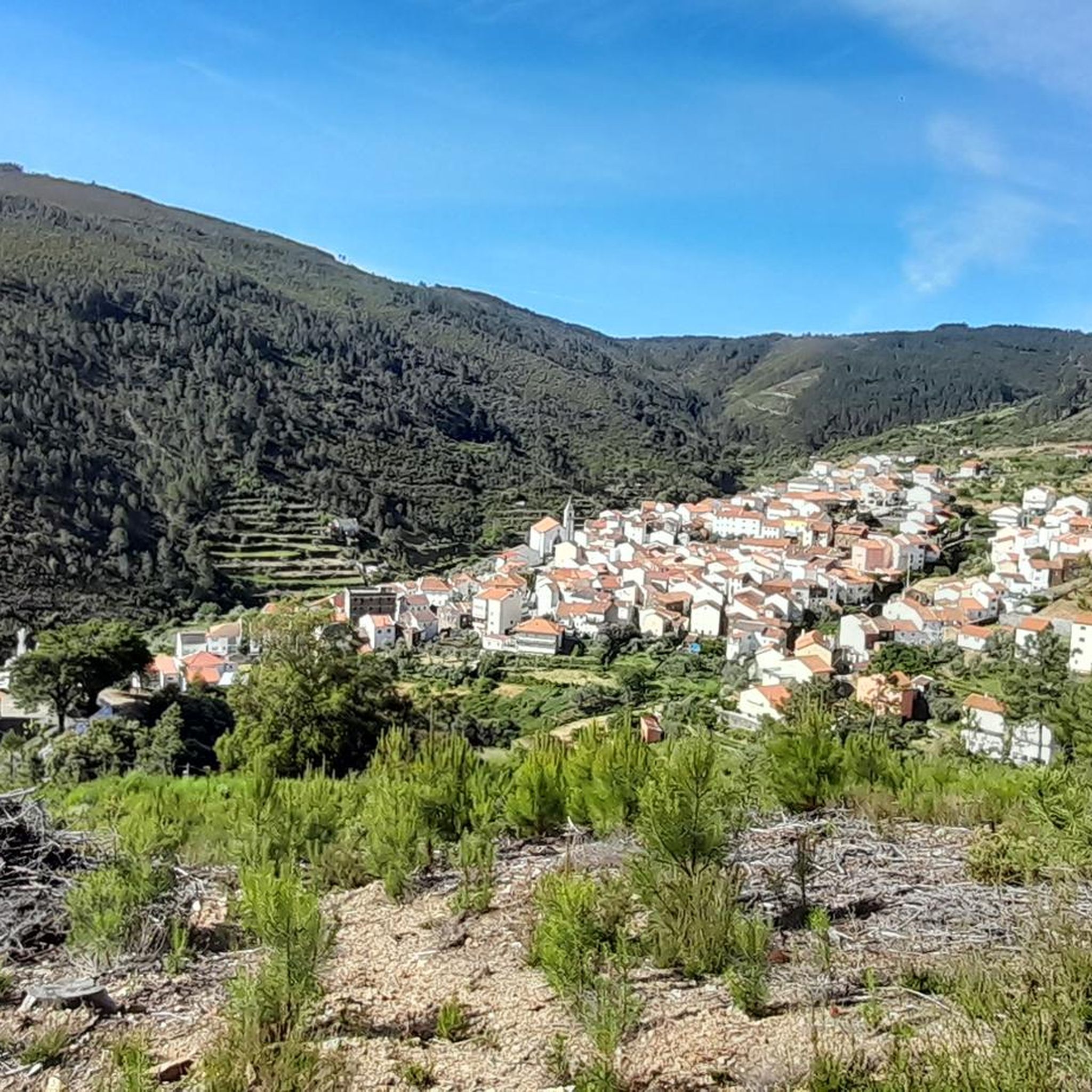
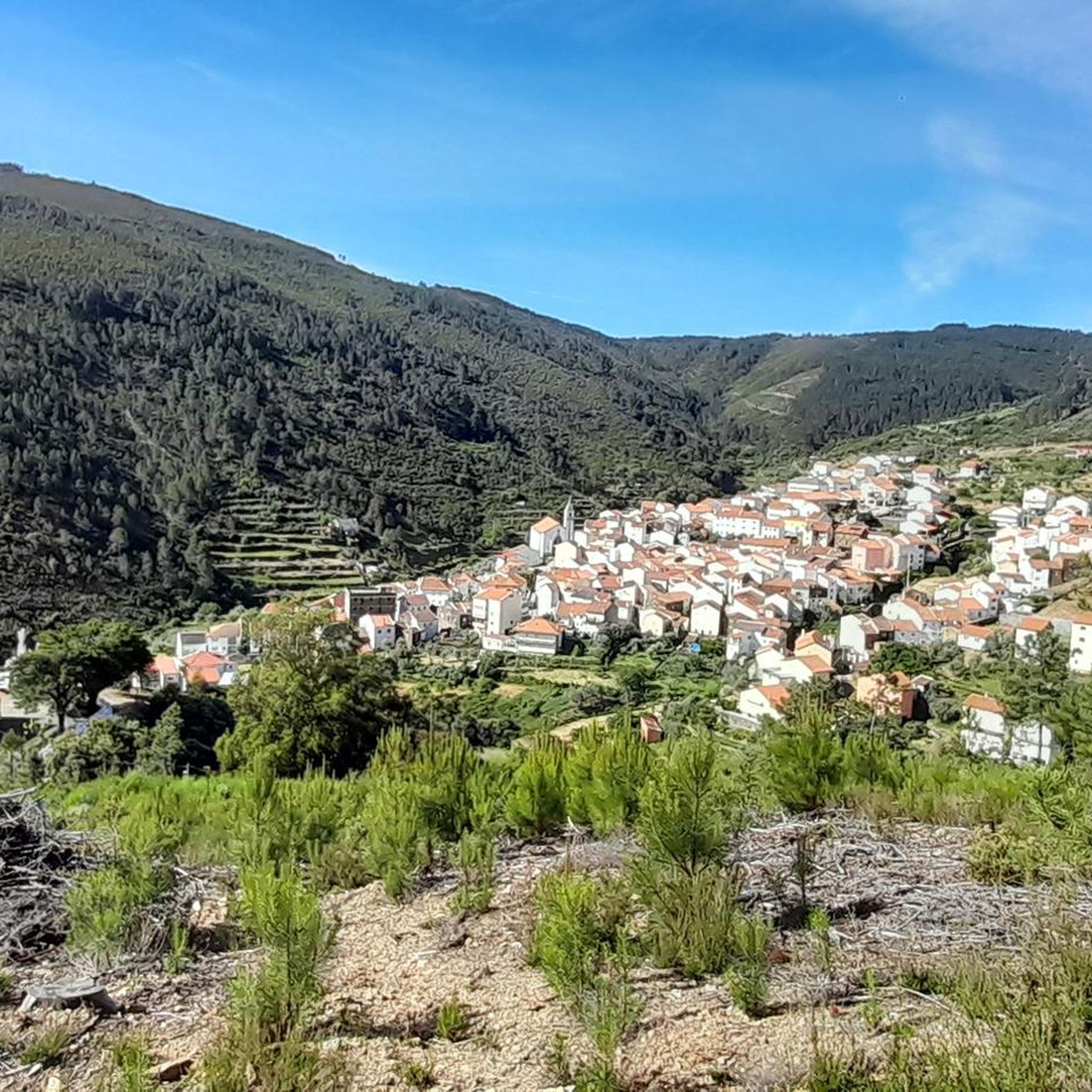
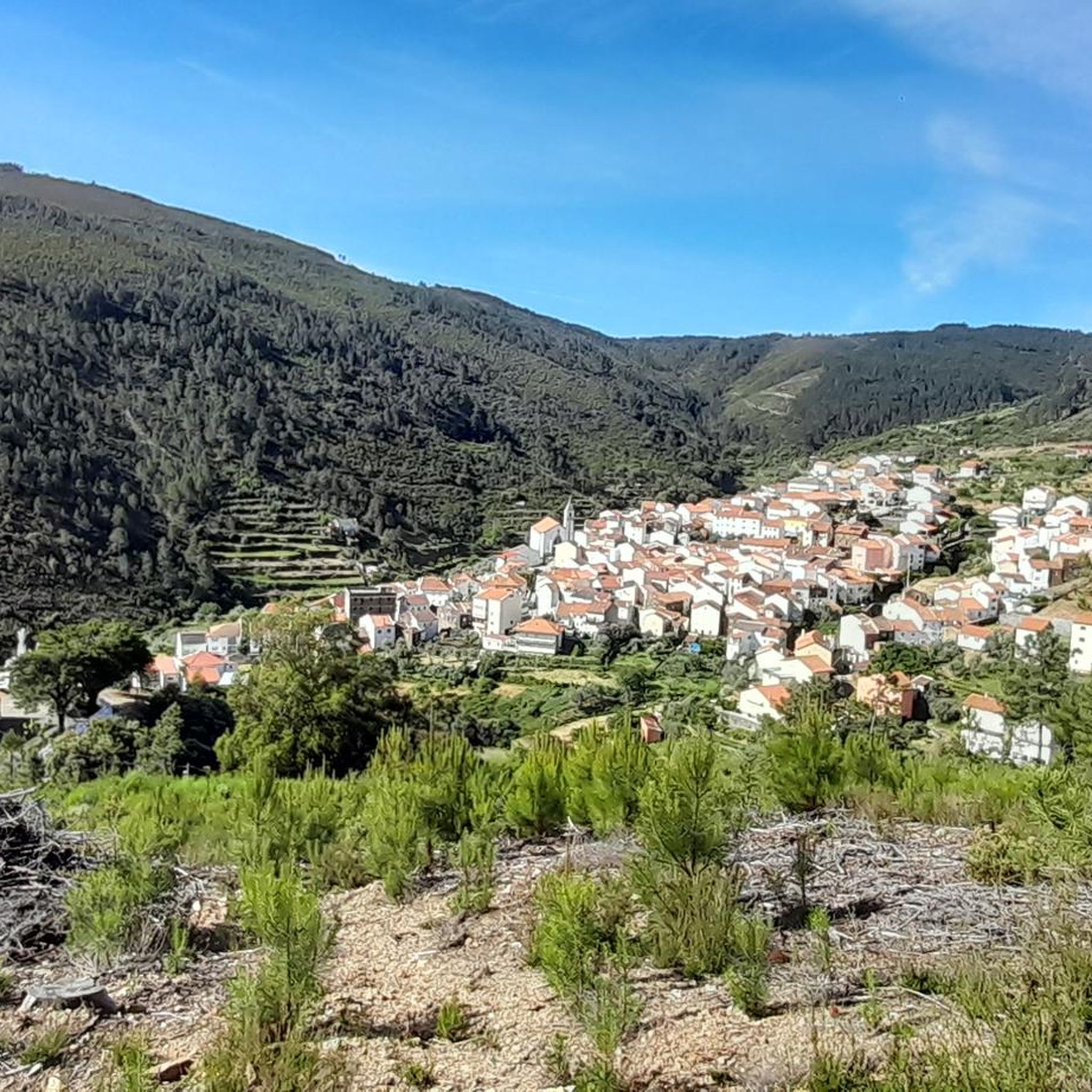
Candal is part of the so-called "Serra da Lousã", an area characterized by lush nature and breathtaking landscapes. This village is a typical example of the "aldeias de xisto" (schist villages), built entirely with local stone, which integrate harmoniously into the surrounding environment. Candal offers an atmosphere of peace and tranquility, with its traditional houses, waterways and paths surrounded by vegetation.
1
0

Hidden among the dense greenery of the Serra da Lousã, the Castle has stood since the 11th century, guarding the right bank of the Arouce River. Entry is free, as is parking, and the surroundings are pure enchantment. From here, there are trails that wind through schist villages, cross magical forests and reveal breathtaking viewpoints. A perfect starting point for those who enjoy running between history and nature.
2
0

Arouce Castle, better known as Lousã Castle, can be visited free of charge. For the excellent view, it's worth climbing the tower.
2
0

A number of dropouts have settled in Talasnal, some of whom also run small restaurants and hostels.
3
2
The castle, built in the second half of the 11th century, is located in the Serra da Lousã, on the right bank of the Arouce River. Free entry, easy and free parking. Great hiking trails nearby (PR3 Rota da Levada).
3
3
Talasnal is one of the best-known and most sought-after shale villages among tourists visiting the region. Its size and layout, as well as all the details of its restored houses, make this village the postcard of Lousã. The main alley follows the slope of the hill, in a steep route. It leads to quelhas and alleys, which create an environment of discovery that everyone enjoys exploring, waiting for the surprise of a new corner.
3
1
Frequently Asked Questions
How many touring cycling routes are available around Castanheira De Pera?
There are over 20 touring cycling routes in the Castanheira De Pera region, offering a variety of experiences for different skill levels.
What is the overall difficulty level of touring cycling routes in Castanheira De Pera?
The routes in Castanheira De Pera cater to a range of abilities. While there is one easy route, the majority are moderate (6 routes) or difficult (15 routes), featuring significant elevation changes through the region's rolling hills and forests.
Are there easy touring cycling routes suitable for beginners in Castanheira De Pera?
Yes, there is at least one easy touring cycling route available. For those looking for a gentle introduction, consider exploring paths that stick to the river valleys or less elevated areas, which offer a more relaxed ride through the scenic landscape.
Where can I find challenging touring cycling routes in Castanheira De Pera?
For experienced cyclists seeking a challenge, the region offers 15 difficult routes. A notable option is the Serra da Lousã – Lousã Castle loop from Lousã, which covers 61.6 miles (99.2 km) with significant elevation gain through the Serra da Lousã.
Are there any circular touring cycling routes in the area?
Many of the touring cycling routes in Castanheira De Pera are designed as loops, allowing you to start and finish at the same point. Examples include the Lousã Castle – Serpins Roundabout Sculpture loop from Lousã and the Serpins Roundabout Sculpture – Casa da Eira Rest Area loop from Lousã.
What interesting places or landmarks can I explore while cycling?
The region is rich in historical and natural attractions. You can visit the historic Lousã Castle, explore charming Schist Villages like Talasnal, or discover the tranquil Fragas de São Simão River Beach. Many routes pass by these points of interest, offering opportunities to pause and explore.
Are there any waterfalls I can visit along the touring cycling routes?
Yes, Castanheira De Pera is known for its beautiful waterfalls. You can find natural wonders like the Pedra Ferida Waterfall or the Ribeira de Espinho Waterfalls. Some routes may offer detours or pass close to these scenic spots.
Are there viewpoints along the touring cycling routes?
Given the region's rolling hills and varied terrain, many touring cycling routes offer scenic viewpoints. These elevated spots provide panoramic vistas of the dense forests, river valleys, and surrounding landscapes, perfect for a break and photo opportunities.
When is the best time of year for touring cycling in Castanheira De Pera?
The spring (April to June) and autumn (September to October) months generally offer the most pleasant weather for touring cycling in Castanheira De Pera. Temperatures are milder, and the natural scenery is particularly vibrant, making for comfortable and picturesque rides.
What do other touring cyclists say about the routes in Castanheira De Pera?
The touring cycling routes in Castanheira De Pera are highly rated by the komoot community, with an average score of 4.1 stars from around 10 reviews. Cyclists often praise the diverse landscape, the mix of paved and quieter paths, and the challenging yet rewarding ascents through the forested hills.
Are there family-friendly touring cycling routes in Castanheira De Pera?
While many routes feature significant elevation, there are options suitable for families, particularly those looking for less strenuous rides. Focus on the easier routes or sections along flatter river valleys. Always check the route's difficulty and elevation profile before heading out with children.
Where can I park my car when going on a touring cycling trip?
Parking is generally available in the main towns and villages, such as Lousã, which often serve as starting points for many routes. Look for designated parking areas or public car parks within these communities. It's advisable to check local signage for any restrictions.
Is there public transport access to the touring cycling trails?
Public transport options, such as local bus services, connect some of the towns and villages in the region. However, direct access to specific trailheads might be limited. Planning your route to start and end in a town with good public transport links is recommended if you're not driving.
Most popular attractions around Castanheira De Pera

Get inspired with the komoot mobile app


Explore more
Browse the best Cycling routes in other regions.
