The best running trails around Weißensberg
4.3
(28)
272
runners
28
runs
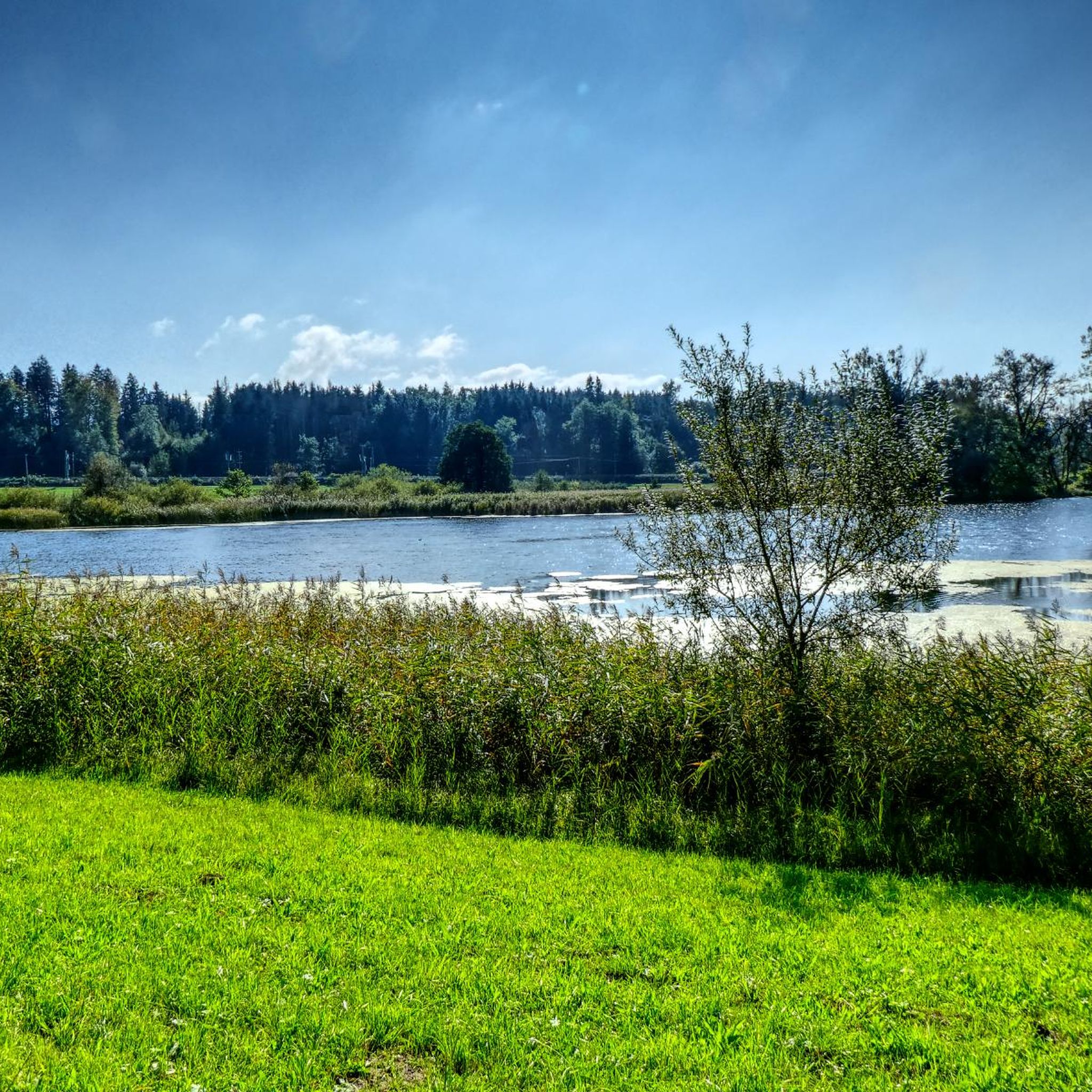
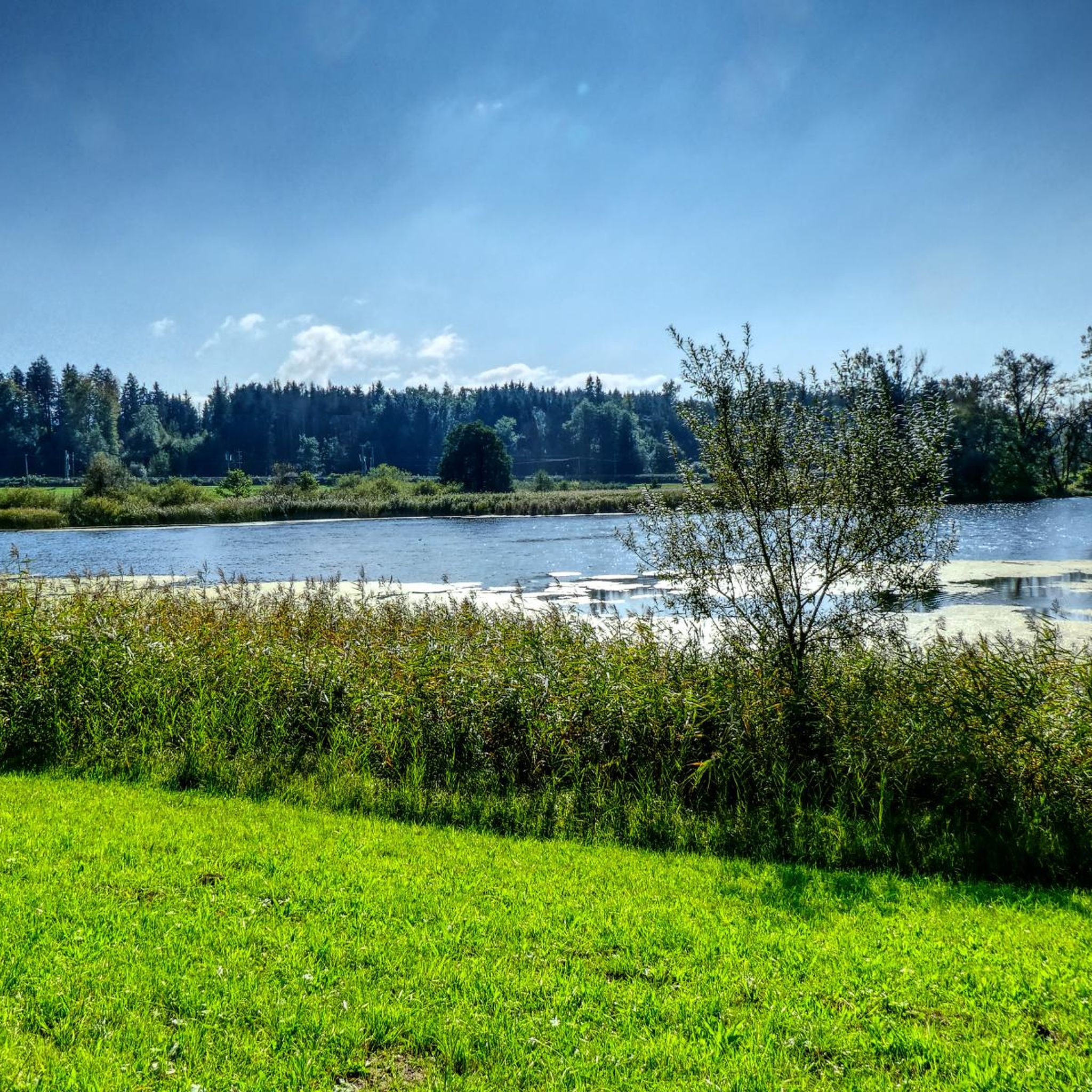
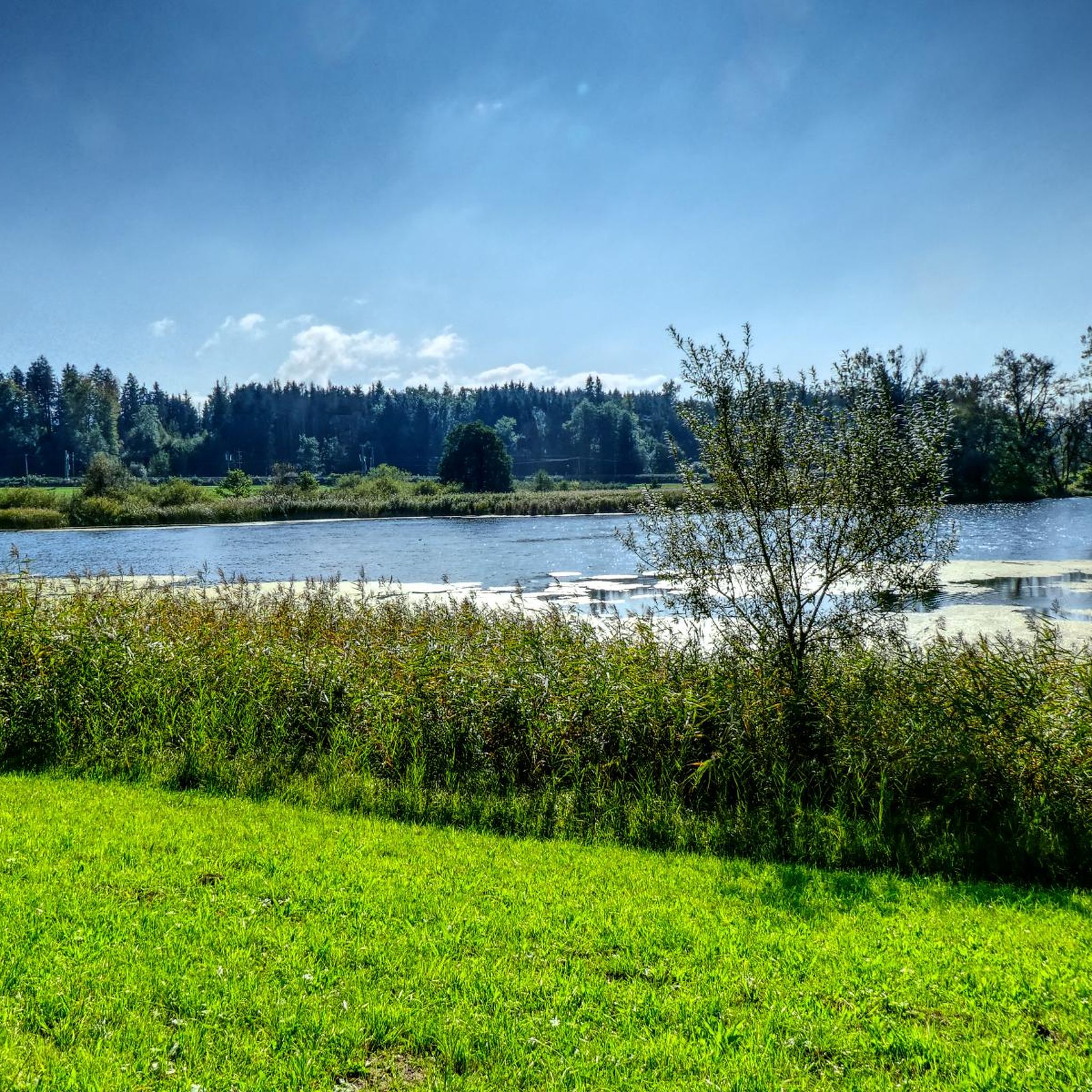
Jogging routes around Weißensberg offer diverse landscapes for outdoor activity. The region is characterized by its proximity to Lake Constance, providing flat lakeside paths, and the rolling hills of the Allgäu, which feature forests and elevated viewpoints. Smaller lakes and ponds also contribute to the natural running environment. This varied terrain caters to different fitness levels, from gentle runs to more challenging trails with elevation changes.
Best jogging routes around Weißensberg
- The most popular jogging route is Washerwomen at the…
Last updated: June 26, 2026
4.5
(4)
19
runners
9.74km
01:04
100m
100m
Moderate run. Good fitness required. Mostly paved surfaces. Suitable for all skill levels.
4.0
(3)
17
runners
8.40km
00:53
70m
70m
Moderate run. Good fitness required. Mostly paved surfaces. Suitable for all skill levels.

Sign up for free
20
runners
5.91km
00:37
40m
40m
Moderate run. Good fitness required. Mostly paved surfaces. Suitable for all skill levels.
5.0
(2)
15
runners
8.15km
00:51
70m
70m
Moderate run. Good fitness required. Mostly paved surfaces. Suitable for all skill levels.
5.0
(2)
14
runners
6.72km
00:43
100m
100m
Moderate run. Good fitness required. Mostly paved surfaces. Suitable for all skill levels.
Get access to more routes and recommendations from other explorers.
Sign up for free
Already have an account?
Our route recommendations are based on thousands of hikes, rides, and runs completed by other people on komoot.
Start today with a free account
Your next adventure awaits.
Login or Signup

Tips from the Community

Golf club with extensive grounds incl. Lake Constance view above Lindau and associated hotel with castle flair
0
0

There are pilgrim stamps outside the main entrance.
0
0

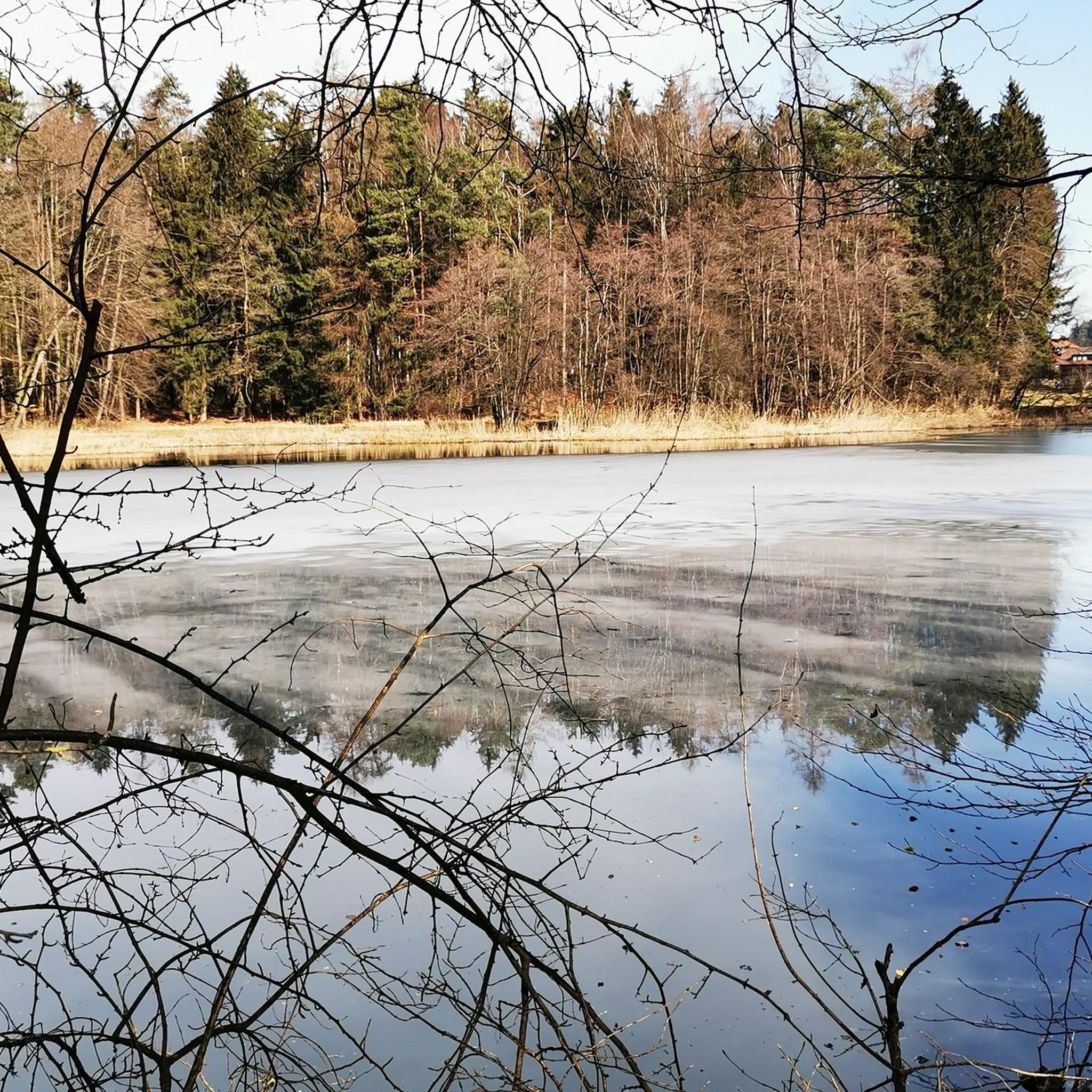
Great trail even in winter.
1
0


Quirky trail with a history
1
0

The church in its current form dates back to 1871 and was built in the neo-Gothic style on a hill. Due to its location, it serves both as a cemetery and a parish church. Once you've made the climb, you can enjoy a beautiful view.
2
0

Köchlinstr. – Bräuweg, closed during the day; parking Obereutinerweg – Friedhofweg Foundation stone laid June 6, 1869 / Consecration August 17, 1871 Hardly anything today reminds us of the old farming village of "Ruti," which lay at the foot of its village church, St. Verena. Not even the current St. Verena Church itself, as it is a new building. The remains of its 15th-century predecessor are likely still in the choir walls and the tower substructure. However, as early as 1275, there is mention of a church in Reutin, and in 1399, perhaps as early as 1330, it is mentioned as "Sant Fren ze Ruti." By 1528 at the latest, when Lindau became Protestant, Reutin also adopted the new faith. In 1534, Verena experienced a Reformed "iconoclasm." Actually, it was just a small tower, because the council commissioned financiers to remove the images and demanded that everything be done "quietly and orderly." In 1712, the church was thoroughly renovated and received three new bells in 1737. In 1739, the parish was separated from St. Stephen's. In 1781, lightning struck and set the tower on fire. Two bells were presumably lost, because new ones were ordered that same year. Their sound accompanied the changes in Reutin in the 19th century. The population began to grow, and the religious situation changed. While in 1810 there was a single Catholic for every 639 Protestants, by 1895 there were already 837 Catholics and 914 Protestants. This was due to a large influx of civil servants and soldiers after Lindau fell to Bavaria in 1806. In 1910, the parish had 1,196 Protestants, but this growth likely did not occur "naturally." One chronicler lamented that Reutin had so few children. In 1868, the old St. Verena Church was demolished to make way for a new building. Shortly before, Pastor Georg Kreitmair had moved to Nuremberg. He viewed his transfer as a relief. The hardship in the Reutin rectory was so great that the pastor's children waited for deaths so they could buy bread again. They probably earned a few pennies as singers or pallbearers. Anton Harrer, who had already rebuilt the Lindau harbor in 1856, served as construction manager. During the laying of the foundation stone, the choir scaffold collapsed, and some singers suffered "moderate bruises." In 1925, St. Verena received Bavaria's first electric church heating system. Their community center, Villa Lugeck on Steigstraße, was once home to the von Weizsäcker family, and Carl Friedrich and Richard von Weizsäcker were both regular visitors.
4
0
Frequently Asked Questions
How many running routes are available around Weißensberg?
There are nearly 30 dedicated running routes around Weißensberg, offering a variety of experiences for different fitness levels. You'll find everything from easy jogs to more challenging trails with elevation changes.
What kind of terrain can I expect on the jogging trails in Weißensberg?
The region offers diverse terrain. You can enjoy generally flat, well-suited lakeside paths near Lake Constance, or explore the rolling hills and forests of the Allgäu region, which feature more varied and sometimes challenging inclines. Many routes, like the Washerwomen at the Wäschetroch loop from Weißensberg, are predominantly on paved paths, while others offer a mix of surfaces.
Are there easy or beginner-friendly jogging routes in Weißensberg?
Yes, Weißensberg offers several easy jogging routes, with 5 trails specifically categorized as easy. These are perfect for beginners or those looking for a relaxed run. The proximity to Lake Constance also means there are many flat, accessible paths ideal for a gentle jog.
What scenic views or natural features can I enjoy while running near Weißensberg?
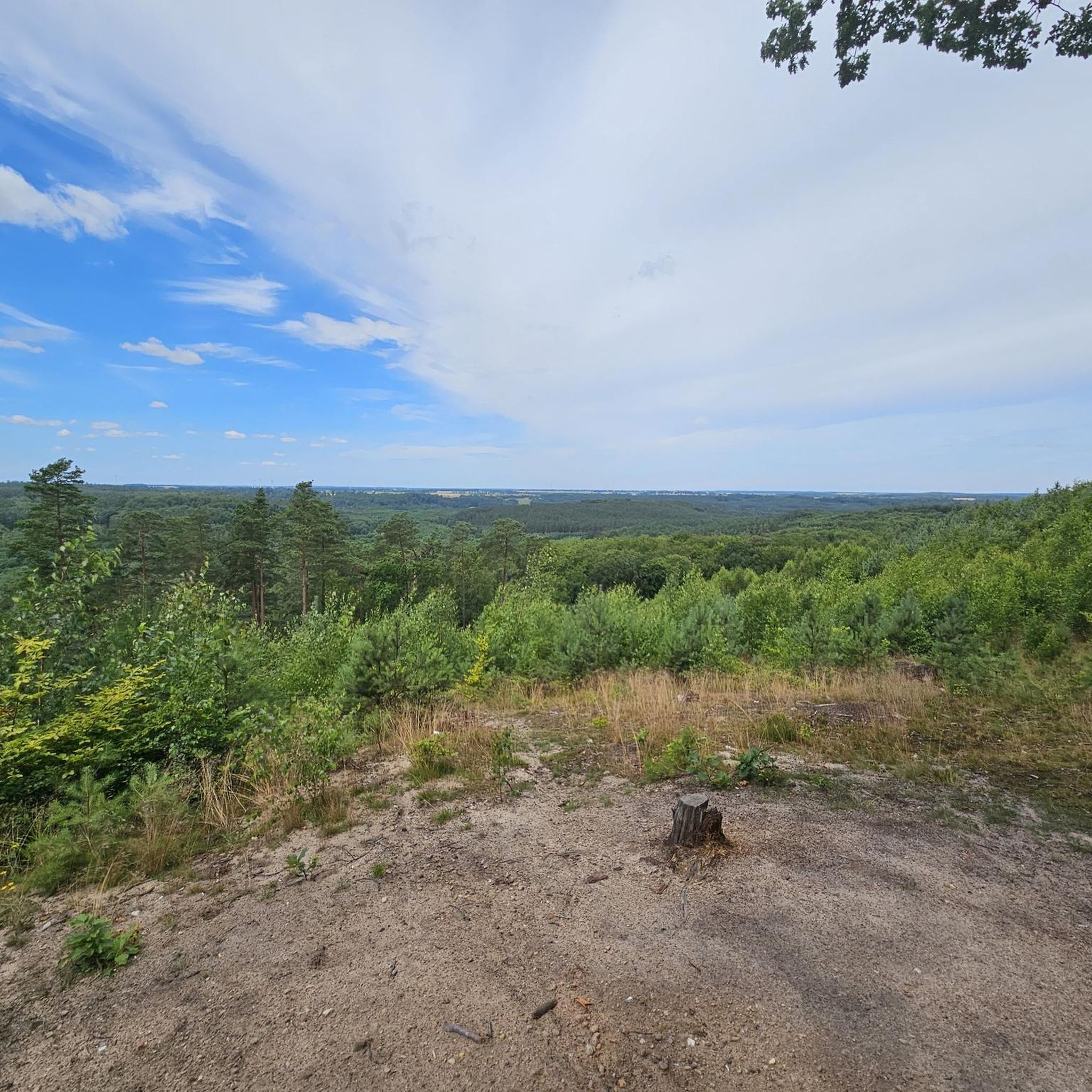
Jogging around Weißensberg provides stunning natural beauty. You can enjoy serene views of Lake Constance, panoramic vistas of the Allgäu landscape, and tranquil runs through forests and past smaller lakes and ponds. Routes like the View of the Allgäu Countryside loop from Weißensberg are specifically known for their scenic beauty.
Are there any circular running routes in the Weißensberg area?
Yes, many of the running routes around Weißensberg are circular, allowing you to start and finish at the same point. Examples include the popular Washerwomen at the Wäschetroch loop from Weißensberg and the Running loop from Hugelitz, providing convenient options for your run.
What do other runners say about the trails in Weißensberg?
The running routes in Weißensberg are highly regarded by the komoot community, with an average rating of 4.4 stars from over 20 reviews. Runners often praise the diverse landscapes, from the peaceful lakeside paths to the scenic Allgäu hills, and the well-maintained nature of the trails.
Are there any notable landmarks or attractions near the running routes?
While jogging, you might encounter various points of interest. The region is home to several castles, such as Achberg Castle and Deuringschlössle. For breathtaking views, consider routes that offer glimpses of the Pfänder Summit or viewpoints like View of Bregenz and Lake Constance.
Can I bring my dog on the running trails in Weißensberg?
Many outdoor trails in the Weißensberg region are dog-friendly, allowing you to enjoy a run with your canine companion. However, it's always recommended to keep your dog on a leash, especially in nature reserves, agricultural areas, and near wildlife, to ensure safety and respect for the environment.
Are there family-friendly running paths suitable for children?
Yes, Weißensberg offers several family-friendly running paths. The flatter sections, particularly those near Lake Constance or around smaller ponds, are ideal for families with children. These routes provide a safe and enjoyable environment for all ages to experience the outdoors.
Is parking available near the running trailheads in Weißensberg?
Yes, parking is generally available near the starting points of many running trails in Weißensberg. While specific parking details vary by route, the area is well-equipped for visitors arriving by car, making it convenient to access the diverse network of paths.
What is the best time of year for running in Weißensberg?
Weißensberg is suitable for running throughout much of the year. Spring and autumn offer pleasant temperatures and beautiful scenery. Summer is also great, especially for shaded forest routes or early morning/late evening runs. Even in winter, some routes remain accessible, though conditions may vary, particularly in higher elevations or after snowfall.
Are there any running routes that offer significant elevation gain for a more challenging workout?
Yes, if you're looking for a more challenging run, the trails extending into the Allgäu region often feature rolling hills and more significant elevation changes. These routes provide a good workout and reward you with panoramic views, sometimes including glimpses of Lake Constance and the Alps.
Most popular routes around Weißensberg
Most popular attractions around Weißensberg

Get inspired with the komoot mobile app


Explore more
Browse the best Running Trails & Routes in other regions.
