Top 20 Lakes around Denny Lodge
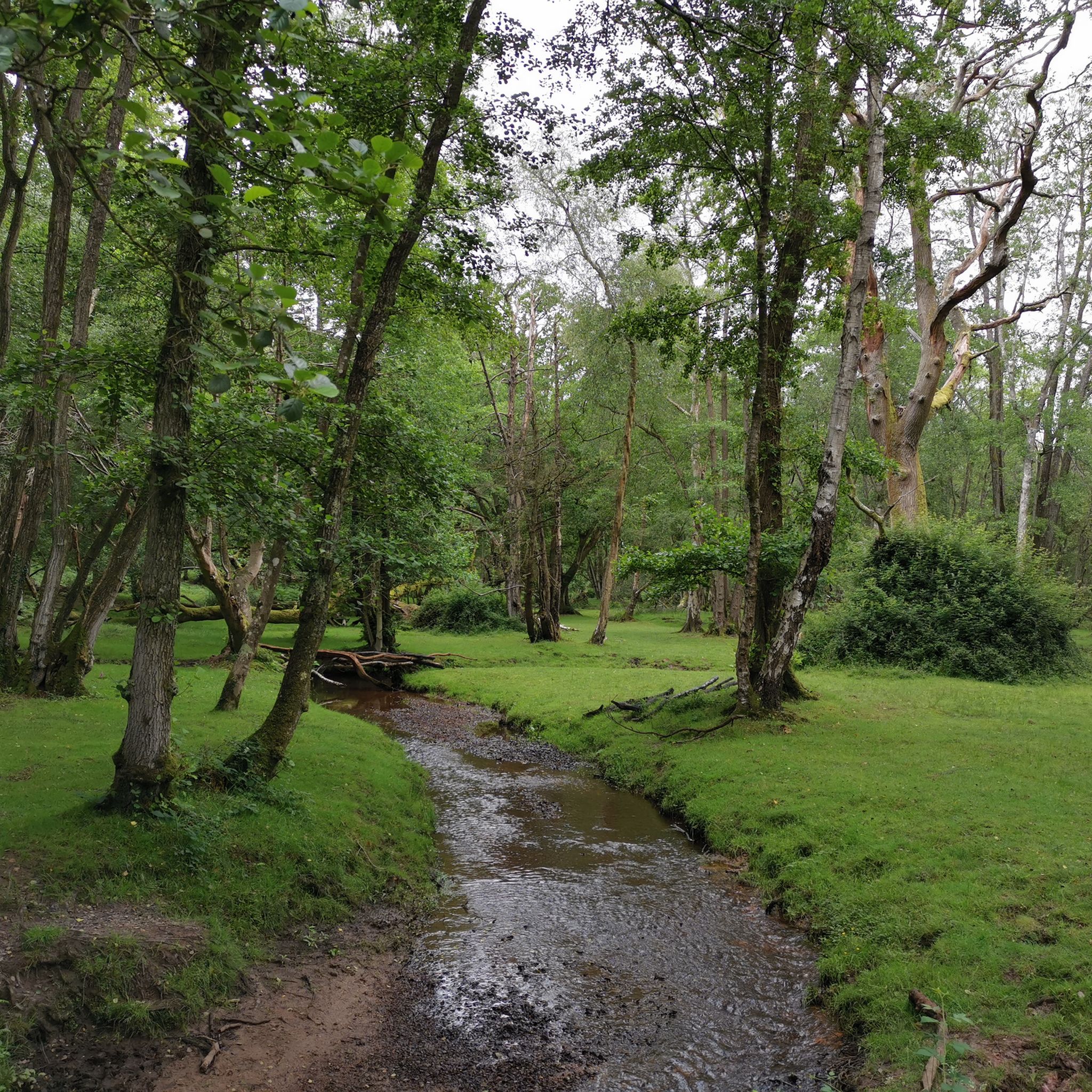
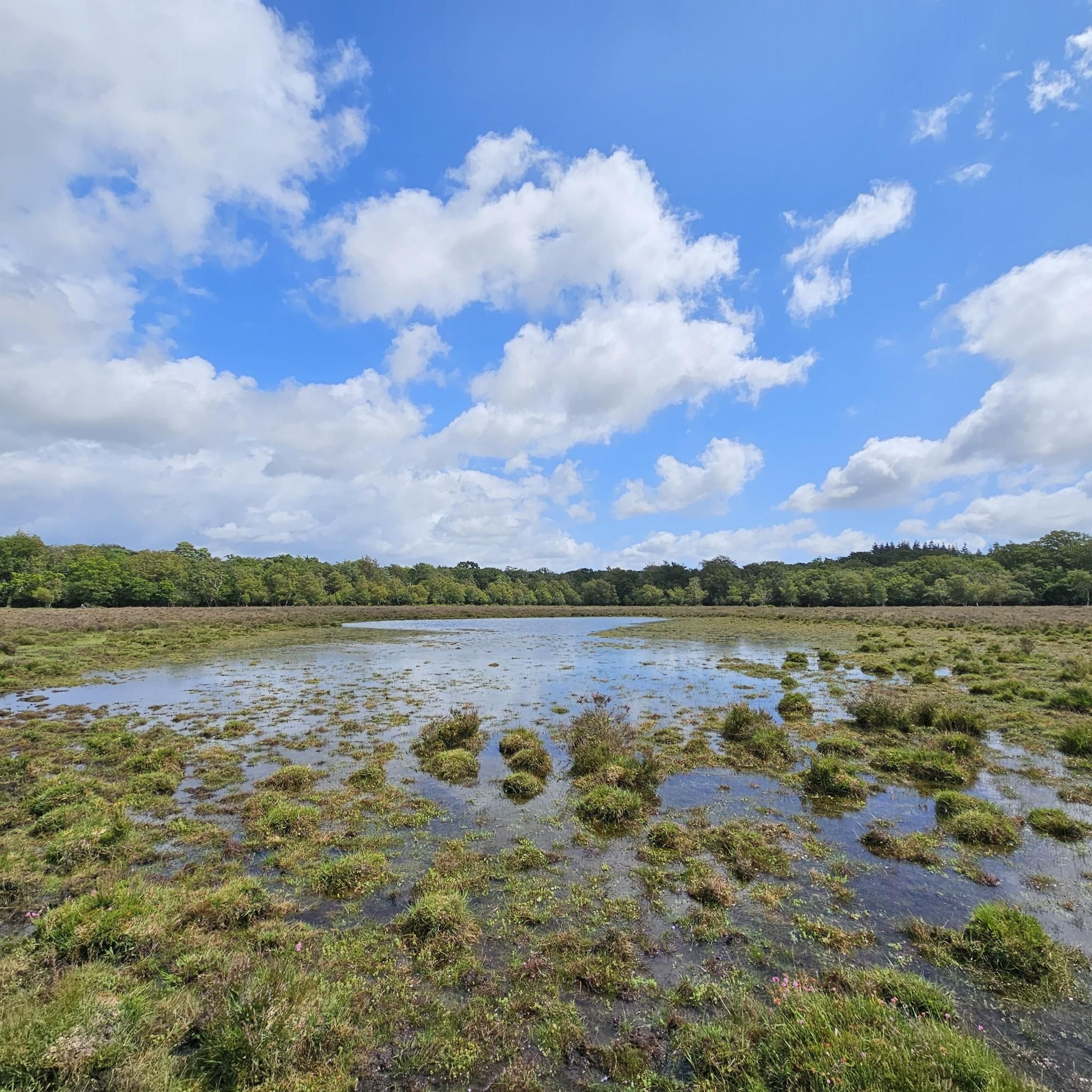
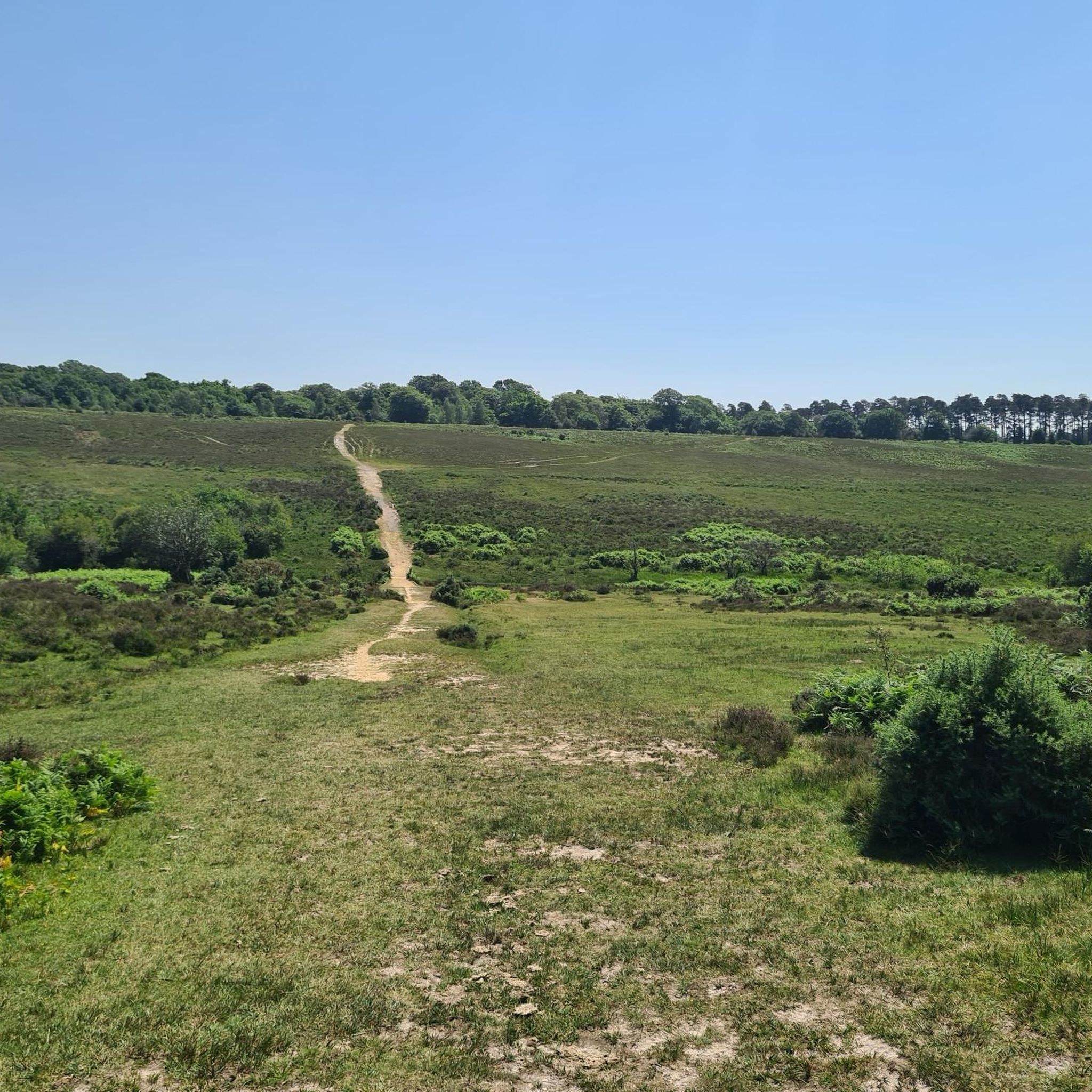
Lakes around Denny Lodge are characterized by smaller bodies of water, ponds, and wetland areas within its expansive heathland and bogland landscape. This New Forest location is known for its ecological value, supporting diverse plant and animal species. The interplay of water, heath, and woodland creates picturesque landscapes for exploration. While not featuring large traditional lakes, the area offers numerous intimate water features that contribute to its natural beauty.
Best lakes around Denny Lodge
- The most popular lakes is Normandy…
Last updated: July 1, 2026
Hatchet Pond
Highlight • Lake
Tip by

Normandy Lagoon Nature Reserve
Highlight • Historical Site
Tip by

Sign up now to discover places like this
Get recommendations on the best single tracks, peaks, & plenty of other exciting outdoor places.
Sign up for free
Lymington and Keyhaven Marshes Nature Reserve
Highlight • Viewpoint
Tip by

Lymington and Keyhaven Marshes
Highlight (Segment) • Natural
Tip by

Eyeworth Pond
Highlight • Structure
Tip by

Sign up for free to discover even more lakes around Denny Lodge.
Sign up for free
Already have an account?
Start today with a free account
Your next adventure awaits.
Login or Signup


Tips from the Community


If you're walking with a dog that has a tendency to find mud, I recommend keeping it on a lead on the sea wall if the sea is any distance at all from the wall. Smelly, gloopy mud is present just about anywhere between Lymington and Milford-on-Sea!
0
0

The marshes were once used as salterns for the thriving salt industry. The salterns are first mentioned in 1132, and continued in use until 1865. They were replaced by oyster beds, but are now disused marshland with some enclosing banks. A circular mound 1.2 metres high and 12 metres across is all that remains of a mill, and there is another mound with an overgrown brick structure and rectangular pond of unknown date. Just north of the marshes, in Lower Pennington, are several 18th-century salt boiling houses. The marshes are a site of special scientific interest and an area of outstanding natural beauty. They are part of the New Forest National Park, and in summer are grazed by cattle and ponies owned by New Forest commoners. Part of the marshes behind the sea wall are a national nature reserve managed by English Nature, and a local nature reserve managed by Hampshire County Council. Part of the intertidal mudland is also a nature reserve. The marshes and tidal muds offer a variety of wildlife habitats, which are important for gulls and terns in spring/summer and waders and wildfowl in autumn/winter.
0
1
Lymington Reedbeds nature reserve is home to a range of fascinating species. Sea birds are abundant and warblers sing all through the year. Migratory birds return to the reedbeds time after time, and during the winter the reserve come to life with waders and water fowl. If you’re lucky, you may even spot an otter or a water vole. Whether you’re a keen birder or simply looking to reconnect with nature, Lymington Reedbeds Nature Reserve is a wonderful place to visit. In the spring, vibrant marsh-marigold bring a welcome splash of colour to the reserve and the air is filled with the songs of sedge and reed warblers. As autumn arrives, watch migrant birds such as yellow wagtail, swallow and martins build up their food stores and rest among the reeds before they depart for warmer climes.
0
0
Lymington and Keyhaven Marshes is a beautiful area of coastline. The internationally important coastal marshes and mudflats are teeming with fish and, as a result, thousands of sea birds and waders flock here. The Trust leases the offshore coastal marsh and mudflats to help protect this unique and historical coastal habitat. Covering nearly 740 hectares between the mouth of the Lymington River and the village of Keyhaven, this coastal reserve offers fantastic views across the Solent to Hurst Castle and the Isle of Wight. Although this is our largest nature reserve, it is not one for exploring but for admiring the stunning vistas. Visit in the spring to see arriving migrant birds such as wheatear, swallow and tern. Vast numbers of black-headed gull can be found nesting on the islands among the mudflats and open water. Out at sea, cormorant dive for fish beneath the waves. Listen to the distinctive high-pitched sounds of redshank and oystercatcher as they wade through the marshes, looking for crustaceans, fish and molluscs to feed on. In summer, discover specialist, salt-tolerant plants among the shingle banks on Hurst Spit. Yellow horned-poppy, sea campion and sea aster flourish here, surviving the salt spray carried on the breeze.
0
0

Keen bird watchers this is a must lots of different birds around the area. Great views of the Isle of Wight
1
0

This is a terrific place to walk through, with fantastic wetland and sea views all around. Normandy Lagoon (a lake) is a nature reserve adjacent to the Normandy Marsh reserve to the north of it. Lots of wildlife here and very blue (the water) and very green (gorgeous woodlands around). You might need a good jacket as it can get very windy here and in colder months it can be very cold!
1
0

Frequently Asked Questions
What kind of bodies of water can I expect to find around Denny Lodge?
Denny Lodge, located within the New Forest, is characterized by its expansive heathland and bogland. You'll find smaller ponds, streams, and wetland areas rather than large, traditional lakes. These intimate water features are crucial for the area's ecological value and offer unique natural beauty.
What wildlife can I observe around the lakes near Denny Lodge?
The wetlands and ponds around Denny Lodge are rich in wildlife. At Hatchet Pond, you can often see New Forest ponies, donkeys, and cows. Nature reserves like Normandy Lagoon Nature Reserve and Lymington and Keyhaven Marshes Nature Reserve are excellent for bird watching, with various species of gulls, terns, waders, and wildfowl, including brent geese in winter.
Are there any historical sites associated with the lakes in the Denny Lodge area?
Yes, Normandy Lagoon Nature Reserve is a historical site where the marshes were once used as salterns for the salt industry until 1865. Eyeworth Pond was created in the late 19th century to power a nearby gunpowder mill, and you can find Roman remains in the surrounding woodlands.
Are there family-friendly lakes or walks suitable for families near Denny Lodge?
Several spots are great for families. Hatchet Pond is a serene place where children can enjoy seeing New Forest ponies, donkeys, and cows. Lymington and Keyhaven Marshes Nature Reserve offers easy walks along the seawall with opportunities for bird spotting. Eyeworth Pond is also a good picnic spot with surrounding woodlands to explore.
What are some picturesque spots for photography around the lakes?
For stunning views, Hatchet Pond is known as a beautiful spot for watching the sunset. The Lymington and Keyhaven Marshes Nature Reserve offers breathtaking views across mudflats and the Solent, ideal for landscape and wildlife photography. The interplay of water, heath, and woodland throughout Denny Lodge creates many picturesque scenes.
Can I go bird watching around the lakes near Denny Lodge?
Absolutely. Normandy Lagoon Nature Reserve and Lymington and Keyhaven Marshes Nature Reserve are prime locations for bird watching. You can spot various species of gulls, terns, waders, and wildfowl, with large numbers of brent geese seeking refuge in the marshes during winter.
What is the best time of year to visit the lakes around Denny Lodge?
The New Forest, including Denny Lodge, offers beauty year-round. Spring brings vibrant marsh-marigold and the songs of warblers. Summer is popular for walks and sunsets, though it can get busy. Autumn sees migrant birds preparing for warmer climes, and winter offers opportunities to see large numbers of waders and wildfowl.
Are there good walking trails around the lakes near Denny Lodge?
Yes, the area offers a network of footpaths. You can find easy hikes around Denny Lodge that often pass by these water features. For specific routes, check out the Easy hikes around Denny Lodge guide, which includes trails like the 'Ashurst Stroll' and 'The Drift Inn loop'.
What cycling opportunities are available near the lakes in Denny Lodge?
The New Forest offers extensive cycling routes. You can explore various trails near the lakes, suitable for different skill levels. For detailed routes, refer to the Cycling around Denny Lodge guide or the Road Cycling Routes around Denny Lodge guide.
Are the lakes and wetlands around Denny Lodge accessible by public transport?
While Denny Lodge itself is primarily accessed by car, some areas within the wider New Forest are reachable by public transport. However, direct public transport links to the smaller, more intimate water features within Denny Lodge may be limited. Planning your visit with local bus services or considering a combination of transport methods is advisable.
Can I bring my dog to the lakes and walking trails around Denny Lodge?
Many areas in the New Forest are dog-friendly, including walking trails around the lakes. However, it's crucial to keep dogs on a lead, especially near livestock (ponies, donkeys, cattle) and in nature reserves to protect wildlife and prevent disturbance. Always check local signage for specific restrictions.
What are the main natural features to see around the water bodies in Denny Lodge?
The main natural features include expansive heathland, bogland, and woodland inclosures that surround the ponds and wetlands. These diverse ecosystems support unique flora and fauna. The interplay of these elements creates a distinctive and picturesque landscape, particularly evident in areas like Hatchet Pond set within roadside heathland.
Are there cafes or pubs near the lakes in Denny Lodge?
Denny Lodge is a rural area, so cafes and pubs are not directly adjacent to every water feature. However, nearby villages within the New Forest will offer options. For example, Fritham, near Eyeworth Pond, has a pub. It's recommended to check specific locations for amenities before your visit.
Most popular routes around Denny Lodge
Most popular attractions around Denny Lodge

Get inspired with the komoot mobile app


Explore more
Still not found your perfect lake around Denny Lodge? Check out the guides of these regions to see even more beautiful places.
