Attractions and Places To See around Compton Verney - Top 20
Best attractions and places to see around Compton Verney include a blend of cultural heritage, natural beauty, and artistic sites. The area features historical architecture, renowned art collections, and landscaped parkland. Compton Verney Art Gallery and Park, housed in an 18th-century Georgian mansion, offers diverse art collections and 120 acres of parkland. Nearby, visitors can explore historic estates, ancient churches, and significant battle sites.
Best attractions and places to see around Compton Verney
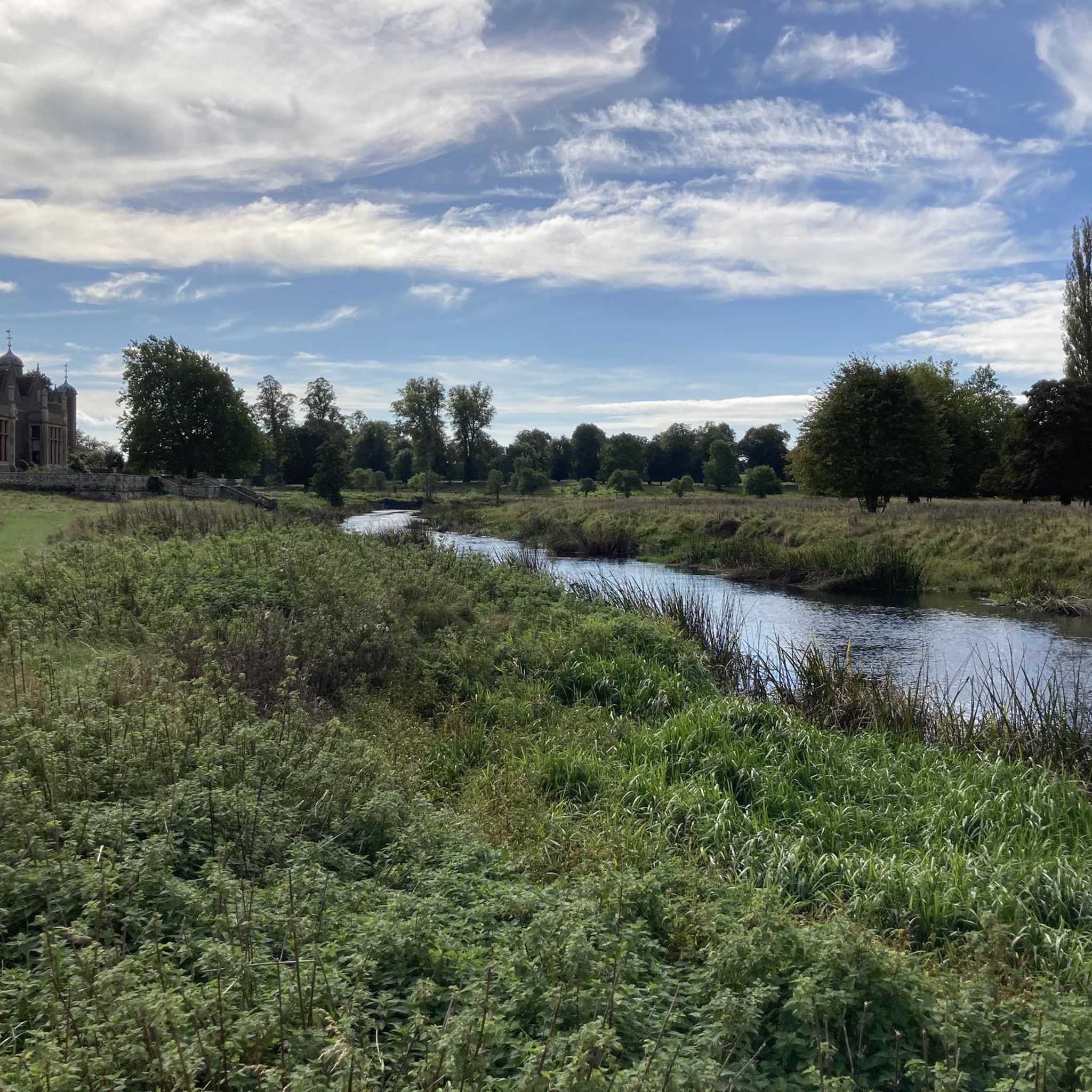
- The most popular attractions is Charlecote Park, a historical site that is a historic house and garden owned by the National Trust. It features an estate with wildlife like fallow deer and Jacob sheep, and gardens including a riverside parterre.
- Another must-see spot is Battle of Edgehill Site, a historical site. This location commemorates a significant battle of the First English Civil War in 1642, with an information board detailing the event.
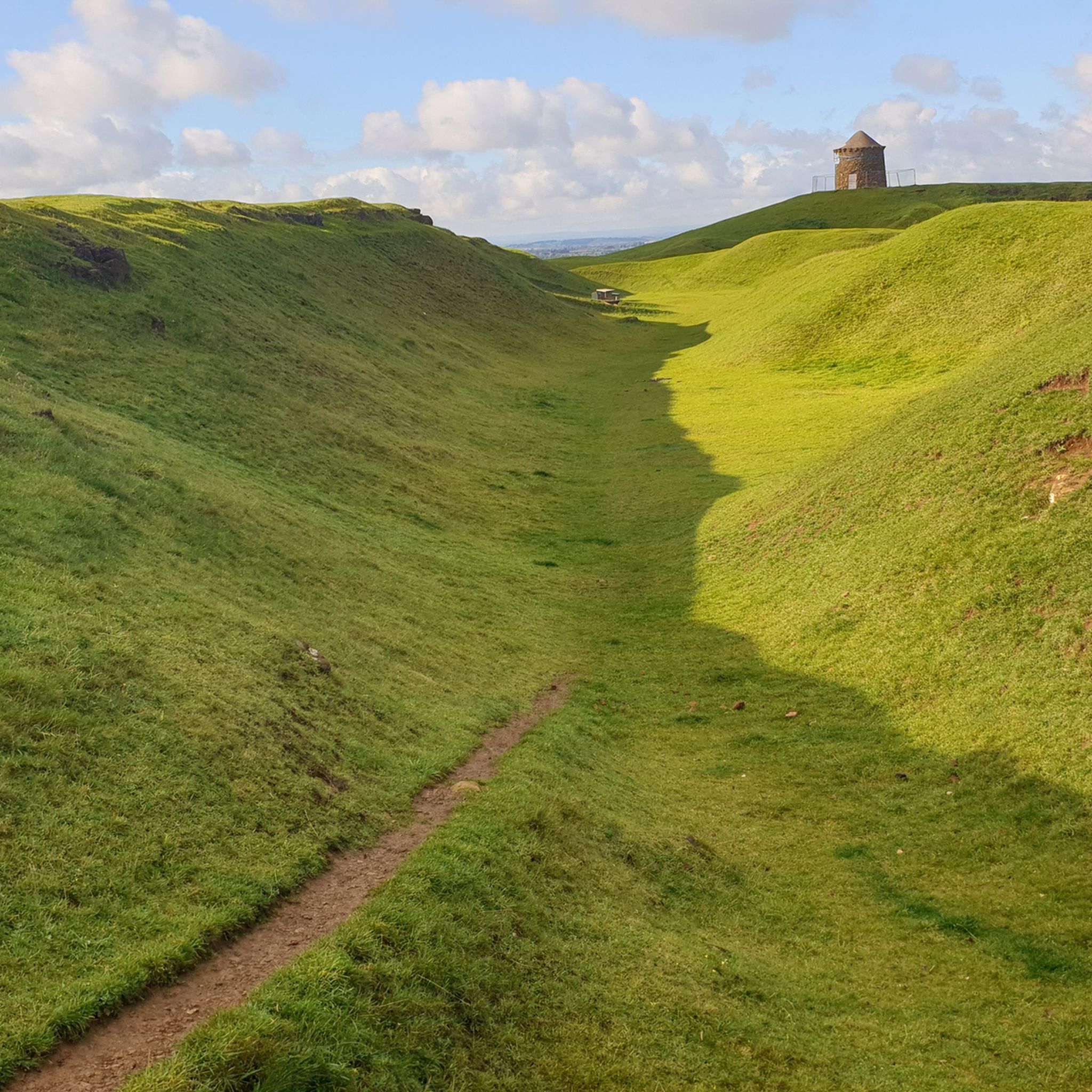
- Visitors also love All Saints' Church, Burton Dassett, a Grade I-listed historical site. This church has 12th-century origins, 13th-century wall paintings, and medieval tiles, offering a spiritual and tranquil experience.
- Compton Verney is known for historical sites, religious buildings, and natural monuments. The area offers a variety of attractions to see and explore, from art galleries and landscaped parks to battlefields and ancient churches.
- The attractions around Compton Verney are appreciated by the komoot community, with 3 highlights, 20 photos, and 86 upvotes.
Last updated: October 19, 2026
Charlecote Park
Highlight • Historical Site
Charlecote Park covers 185 acres (75 ha), backing on to the River Avon. William Shakespeare has been alleged to have poached rabbits and deer in the park as a young man and been brought before magistrates as a result.
From 1605 to 1640 the house was organised by Sir Thomas Lucy. He had twelve children with Lady Alice Lucy who ran the house after he died. She was known for her piety and distributing alms to the poor each Christmas. Her eldest three sons inherited the house in turn and it then fell to her grandchild Sir Davenport Lucy.
In the Tudor great hall, the 1680 painting Charlecote Park by Sir Godfrey Kneller, is said to be one of the earliest depictions of a black presence in the West Midlands (excluding Roman legionnaires). The painting, of Captain Thomas Lucy, shows a black boy in the background dressed in a blue livery coat and red stockings and wearing a gleaming, metal collar around his neck. The National Trust's Charlecote brochure describes the boy as a "black page boy". In 1735 a black child called Philip Lucy was baptised at Charlecote.
The lands immediately adjoining the house were further landscaped by Capability Brown in about 1760. This resulted in Charlecote becoming a hostelry destination for notable tourists to Stratford from the late 17th to mid-18th century, including Washington Irving (1818), Sir Walter Scott (1828) and Nathaniel Hawthorn (c 1850).
Charlecote was inherited in 1823 by George Hammond Lucy (d 1845), who married Mary Elizabeth Williams of Bodelwyddan Castle, from whose extensive diaries the current "behind the scenes of Victorian Charlecote" are based upon. GH Lucy's second son Henry inherited the estate from his elder brother in 1847. After the deaths of both Mary Elizabeth and Henry in 1890, the house was rented out by Henry's eldest daughter and heiress, Ada Christina (d 1943). She had married Sir Henry Ramsay-Fairfax, (d 1944), a line of the Fairfax Baronets, who on marriage assumed the name Fairfax-Lucy.
From this point onwards, the family began selling off parts of the outlying estate to fund their extensive lifestyle, and post-World War II in 1946, Sir Montgomerie Fairfax-Lucy, who had inherited the residual estate from his mother Ada, presented Charlecote to the National Trust in-lieu of death duties. Sir Montgomerie was succeeded in 1965 by his brother, Sir Brian, whose wife, Lady Alice, researched the history of Charlecote, and assisted the National Trust with the restoration of the house.
Tip by

Battle of Edgehill Site
Highlight • Historical Site
All attempts at constitutional compromise between King Charles and Parliament broke down early in 1642. Both the King and Parliament raised large armies to gain their way by force of arms. In October, at his temporary base near Shrewsbury, the King decided to march to London in order to force a decisive confrontation with Parliament's main army, commanded by the Earl of Essex.
Late on 22 October, both armies unexpectedly found the enemy to be close by. The next day, the Royalist army descended from Edge Hill to force battle. After the Parliamentarian artillery opened a cannonade, the Royalists attacked. Both armies consisted mostly of inexperienced and sometimes ill-equipped troops. Many men from both sides fled or fell out to loot enemy baggage, and neither army was able to gain a decisive advantage.
Tip by
Sign up now to discover places like this
Get recommendations on the best single tracks, peaks, & plenty of other exciting outdoor places.
All Saints' Church, Burton Dassett
Highlight • Historical Site
Tip by

St. Giles Church, Chesterton
Highlight • Historical Site
It is built of Limestone and Northampton stone, in the perpendicular style, but has been altered by successive generations. It was generally restored in 1862. The walls are three foot thick and have been buttressed up, externally. The most notable feature is the length of the embattlemented parapet, which runs the whole length of the Chancel. The square tower was built of old material in the 17th Century.
The history of Chesterton Church is closely linked to that of the Peyto family who are said to have come over with William the Conqueror. Although they had previously owned land at Chesterton, it was not until the middle of the 14th Century that they came to live in the village. They built their big house to the north west of the church and established the fish ponds, over which they had to cross on their way to worship. Their later and more stylish Manor House built on the hill to the north of the church was pulled down in 1802.
The Peyto’s were prominent men of their time. They included lawyers, soldiers and Members of Parliament. In the Civil War, Sir Edward Peyto supported Cromwell’s Parliamentarians, successfully leading the defence of Warwick Castle against the Royalists. The Peyto line ended in 1746 and the Manor and the Estate passed to the Verney family to whom they were linked by an earlier marriage. The Verneys are still the Patrons of Chesterton Church, through Lord Willoughby de Broke, 21st. Baron.
In Victorian times heating was from three open fires in the central aisle with an under floor flue leading to a chimney within the Tower.
For many years Chesterton was the Mother Church of the district, with coffins being carried from as far away as Bishop’s Itchington for burial. The registers date from 1538 and are now held in the County Archives.
Tip by
Edge Hill Climb from Kineton
Highlight (Segment) • Climb
Tip by

Sign up for free to discover even more attractions around Compton Verney.
Already have an account?
Start today with a free account
Your next adventure awaits.
Tips from the Community

Edgehill is a great little climb. Steady, never too steep (max about 11%), good road and few cars.
0
0
Nice and steady climb up the edge 😉. About a kilometer of steady 10-14%. Smooth road, modest traffic. Great threshold climb for training.
0
0

This is the location of the Battle of Edgehill, a pitched battle of the First English Civil War occurring on Sunday 23rd October 1642. A detailed information board stands here describing how the event unfolded, offering a fascinating window into the area's past.
1
0


The Battle of Edgehill (or Edge Hill) was a pitched battle of the First English Civil War. It was fought near Edge Hill and Kineton in southern Warwickshire on Sunday, 23 October 1642. All attempts at constitutional compromise between King Charles and Parliament broke down early in 1642. Both the King and Parliament raised large armies to gain their way by force of arms. In October, at his temporary base near Shrewsbury, the King decided to march to London in order to force a decisive confrontation with Parliament's main army, commanded by the Earl of Essex. Late on 22 October, both armies unexpectedly found the enemy to be close by. The next day, the Royalist army descended from Edge Hill to force battle. After the Parliamentarian artillery opened a cannonade, the Royalists attacked. Both armies consisted mostly of inexperienced and sometimes ill-equipped troops. Many men from both sides fled or fell out to loot enemy baggage, and neither army was able to gain a decisive advantage.
1
0

Currently no. 136 in the best road climbs of the country list this climb on the B4086 near the village of Ratley is a steady 10% gradient for just over 1km. It does ramp up a bit to a max of 13%.
1
0


Frequently Asked Questions
What historical sites can I visit around Compton Verney?
The area around Compton Verney is rich in history. You can explore Charlecote Park, a historic house and garden owned by the National Trust, with origins dating back to 1558. Another significant site is the Battle of Edgehill Site, commemorating a major battle of the First English Civil War in 1642. Additionally, visit All Saints' Church, Burton Dassett, a Grade I-listed church with 12th-century origins and medieval wall paintings, or St. Giles Church, Chesterton, founded in the 11th century.
Are there family-friendly attractions near Compton Verney?
Yes, several attractions cater to families. Compton Verney Art Gallery and Park itself offers family-friendly activities such as play areas, sandpits, and a woodland playground within its 120 acres of parkland. Charlecote Park is also family-friendly, featuring an estate with wildlife like fallow deer and Jacob sheep. The Battle of Edgehill Site and All Saints' Church, Burton Dassett are also noted as family-friendly historical sites.
What natural features and outdoor spaces can I explore at Compton Verney?
Compton Verney is set within 120 acres of parkland originally landscaped by Lancelot 'Capability' Brown. You can explore stunning grounds featuring lakes and woodlands, perfect for walks and wildlife observation. The park also includes 'Sculptures in the Park,' a Sensory Dye Garden, a bird hide, and an Ice House Coppice with ancient woodland. These areas support diverse habitats and species.
What kind of art collections can I see at Compton Verney Art Gallery?
Compton Verney Art Gallery, housed in an 18th-century Georgian mansion, features six permanent collections. These include Medieval Germanic art (1450-1650), Naples art (1600-1800), ancient Chinese bronzes, British Portraits (with a focus on the Tudor period), the largest collection of British Folk Art in the UK, and the Marx-Lambert collection of 20th-century textiles and collectibles. The gallery also hosts a changing program of temporary art exhibitions.
Are there hiking trails available near Compton Verney?
Yes, there are several hiking opportunities nearby. You can find easy routes like the 'Compton Pools – Stone Bridge at Compton Verney loop from Compton Verney CP' (6.1 km) or the 'Compton Pools loop from Combrook' (3.4 km). For a moderate challenge, consider the 'Pittern Hill Trig Point – Kineton loop from Combrook' (10.9 km). More hiking options are available in the Hiking around Compton Verney guide.
What cycling routes are available around Compton Verney?
The area offers various cycling routes. For road cycling, you can try the 'Kineton War Memorial – Gilks Garage Café loop from Kineton CP' (32.6 km, easy) or the 'View of Chesterton Windmill – Chesterton Windmill loop from Moreton Morrell CP' (24.1 km, easy). Mountain biking enthusiasts can explore routes like the 'HS2 Construction Site – Ufton Village Stocks loop from Chesterton Windmill' (23.7 km, moderate). Discover more options in the Road Cycling Routes around Compton Verney guide and MTB Trails around Compton Verney guide.
What do visitors enjoy most about the attractions around Compton Verney?
Visitors frequently praise the historical depth and natural beauty of the area. For instance, Charlecote Park is loved for its expansive grounds and deer park, making it a great day out for a picnic. The Battle of Edgehill Site offers a fascinating window into the past with its detailed information board. All Saints' Church, Burton Dassett is appreciated for its spiritual and tranquil atmosphere, historical significance, and architectural interest.
Is there a good viewpoint or scenic spot near Compton Verney?
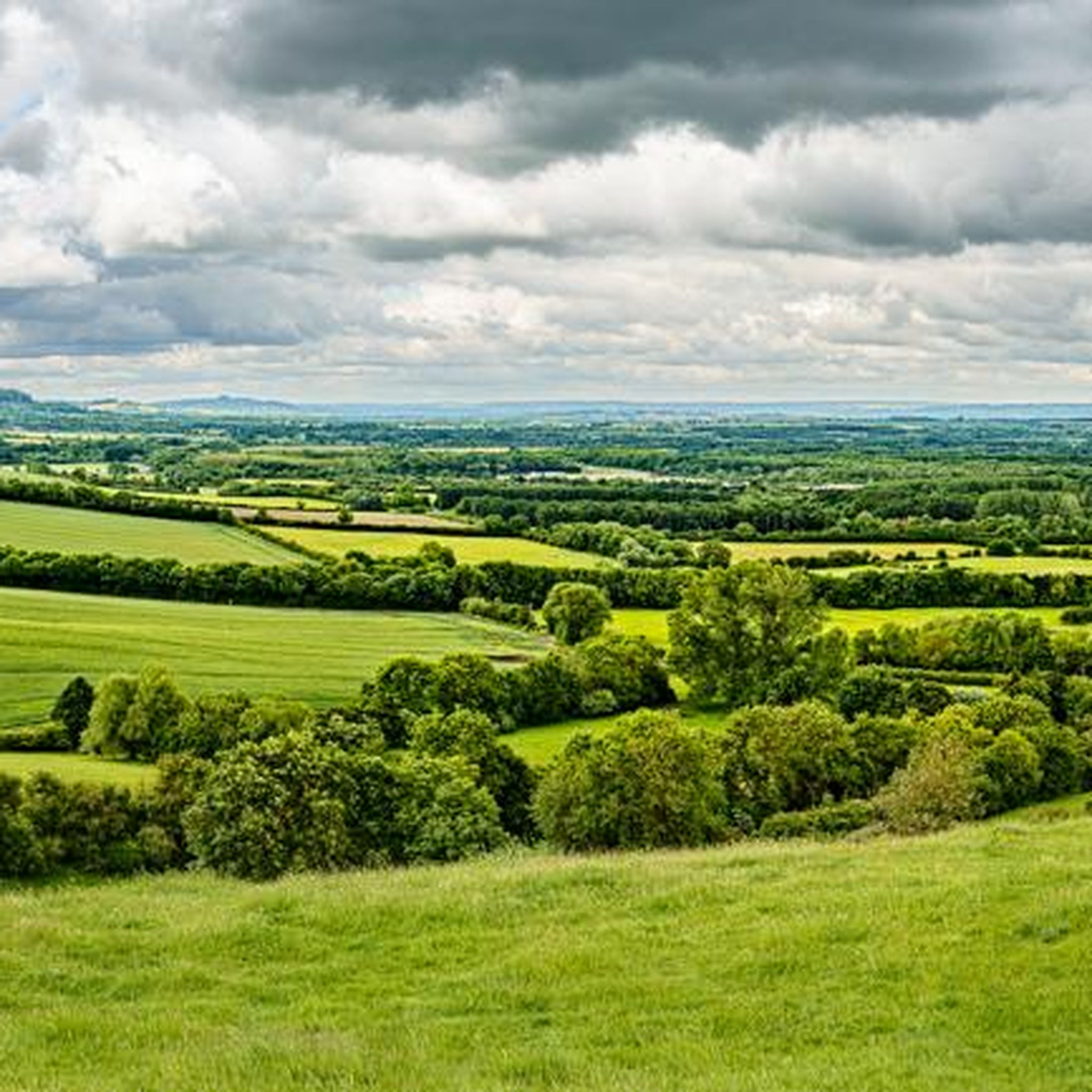
Yes, the Battle of Edgehill Site is not only historically significant but also serves as a viewpoint. From here, you can take in scenic views of the surrounding landscape, which played a role in the First English Civil War.
Can I find easy walking routes suitable for all abilities?
Yes, there are several easy walking routes. For example, the 'Compton Pools – Stone Bridge at Compton Verney loop from Compton Verney CP' is an easy 6.1 km walk. Another easy option is the 'Compton Pools loop from Combrook,' covering 3.4 km. These routes are generally suitable for a relaxed stroll through the countryside. More details can be found in the Hiking around Compton Verney guide.
What is the best time of year to visit Compton Verney and its surrounding attractions?
The parkland and gardens at Compton Verney are particularly beautiful in spring and summer when the flowers are in bloom and the weather is pleasant for outdoor activities. Autumn offers stunning foliage. While the art gallery is open year-round, visiting during warmer months allows for full enjoyment of the 'Capability' Brown-designed parkland, walking trails, and outdoor sculptures. Winter walks can also be charming, especially if followed by a visit to a local cafe.
Are there any unique religious buildings to visit in the area?
Beyond the chapel at Compton Verney, you can visit All Saints' Church, Burton Dassett, a Grade I-listed church with 12th-century origins, 13th-century wall paintings, and medieval tiles. Another notable religious site is St. Giles Church, Chesterton, an 11th-century church built of Limestone and Northampton stone, known for its unique embattled parapet.
What kind of wildlife can I expect to see in the parkland at Compton Verney?
The 120 acres of parkland at Compton Verney, including its lakes and woodlands, support diverse habitats. You can observe various species, including fish, frogs, water boatmen, and dragonflies in the lake. The bird hide offers opportunities for birdwatching, and the wider parkland is home to various local wildlife.
Most popular routes around Compton Verney
Most popular attractions around Compton Verney

Get inspired with the komoot mobile app


Explore more
Still not found the Highlight you’re looking for? See guides of the top attractions in other regions:
