The best road cycling routes around Clyst St. Mary
4.3
(278)
16,108
riders
450
rides
Road cycling routes around Clyst St. Mary traverse a varied landscape characterized by the River Clyst and its extensive natural floodplain, leading towards the Exe Estuary. The area features gently rolling terrain within the Clyst Valley, with elevations rising to approximately 550 feet (167 meters) at White Down Copse. Cyclists can find well-paved surfaces, though some routes may include unpaved segments, connecting villages and natural features.
Best road cycling routes around Clyst St. Mary
- The most popular road cycling route…
Last updated: July 1, 2026
5.0
(5)
387
riders
62.5km
02:40
350m
350m
Moderate road ride. Good fitness required. Some segments of this route may be unpaved and difficult to ride.
5.0
(1)
88
riders
67.9km
03:12
700m
700m
Moderate road ride. Good fitness required. Mostly well-paved surfaces and easy to ride.

Sign up for free
89
riders
50.3km
02:27
420m
420m
Moderate road ride. Good fitness required. Mostly well-paved surfaces and easy to ride.
19
riders
51.8km
02:45
740m
740m
Moderate road ride. Good fitness required. Mostly well-paved surfaces and easy to ride.
4.0
(1)
17
riders
39.3km
02:03
470m
470m
Moderate road ride. Good fitness required. Mostly well-paved surfaces and easy to ride.
Get access to more routes and recommendations from other explorers.
Sign up for free
Already have an account?
Our route recommendations are based on thousands of hikes, rides, and runs completed by other people on komoot.
Start today with a free account
Your next adventure awaits.
Login or Signup
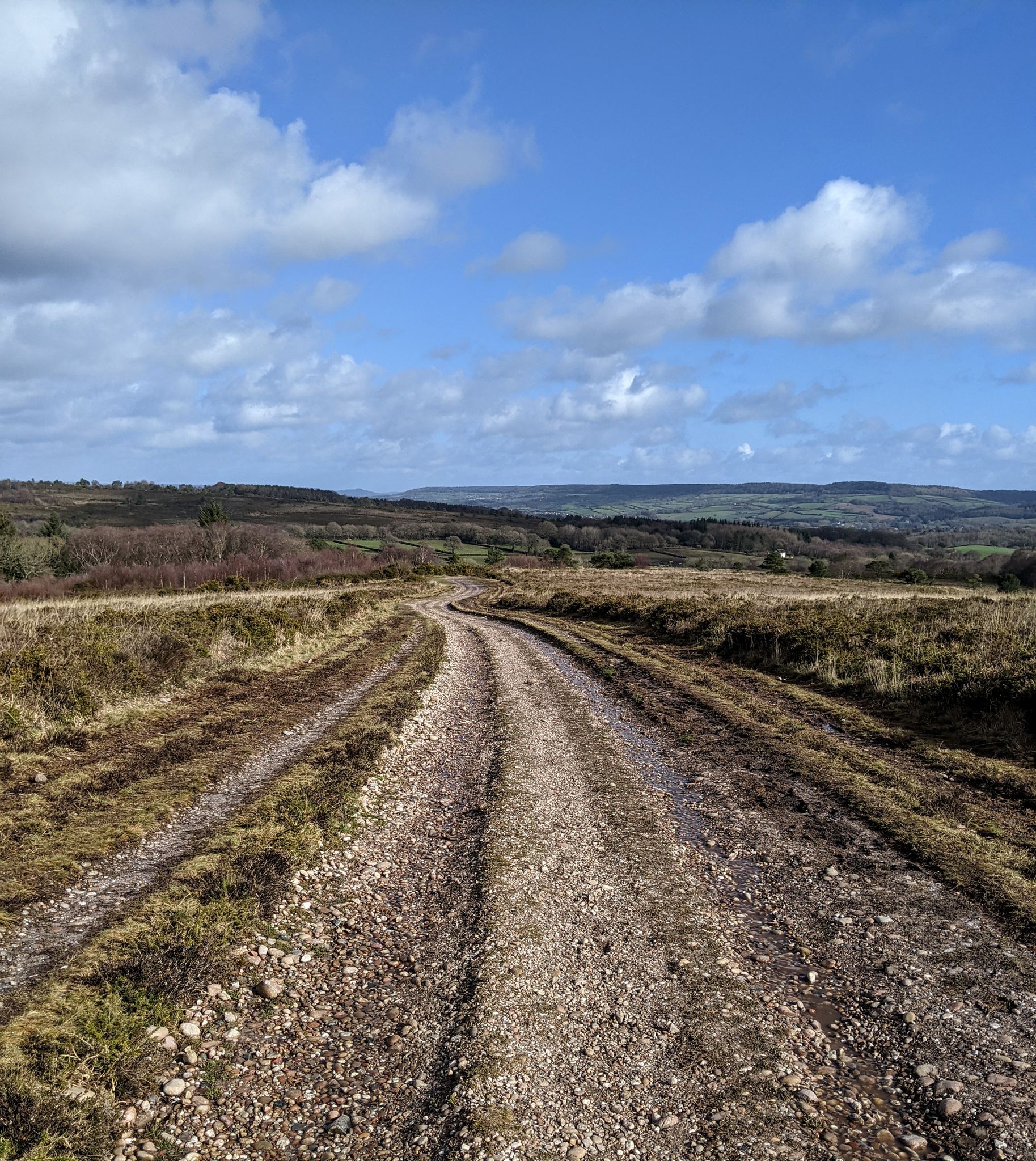

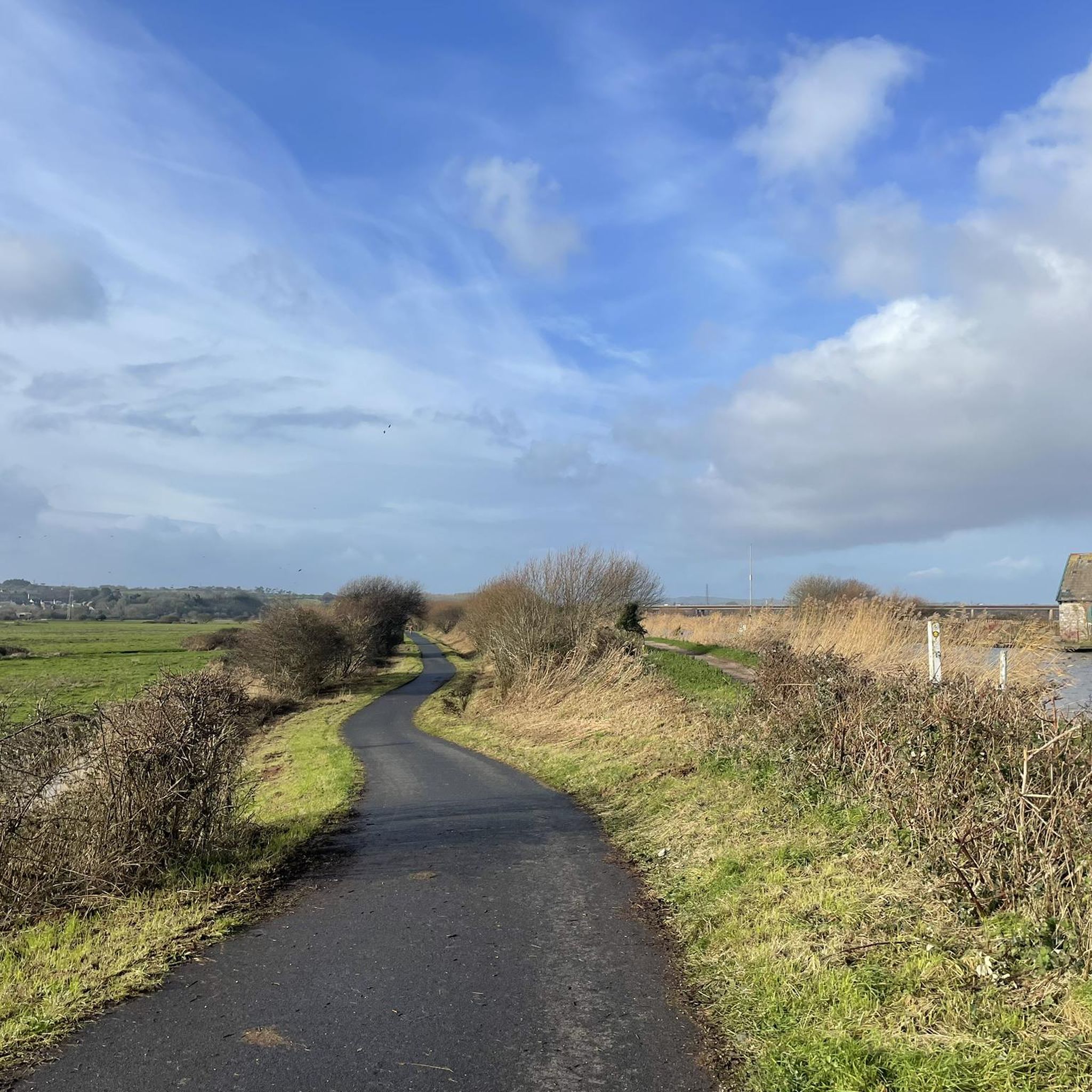
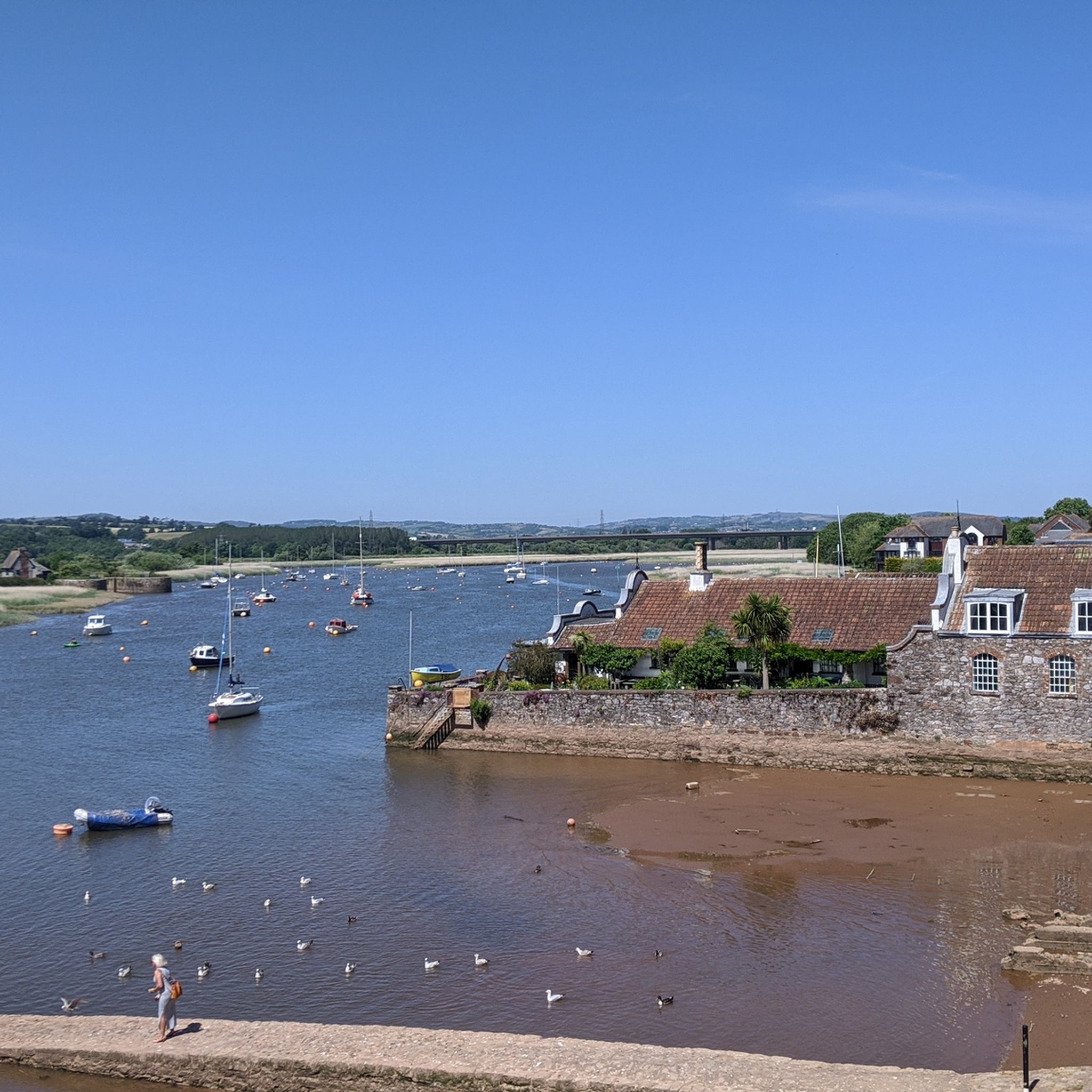
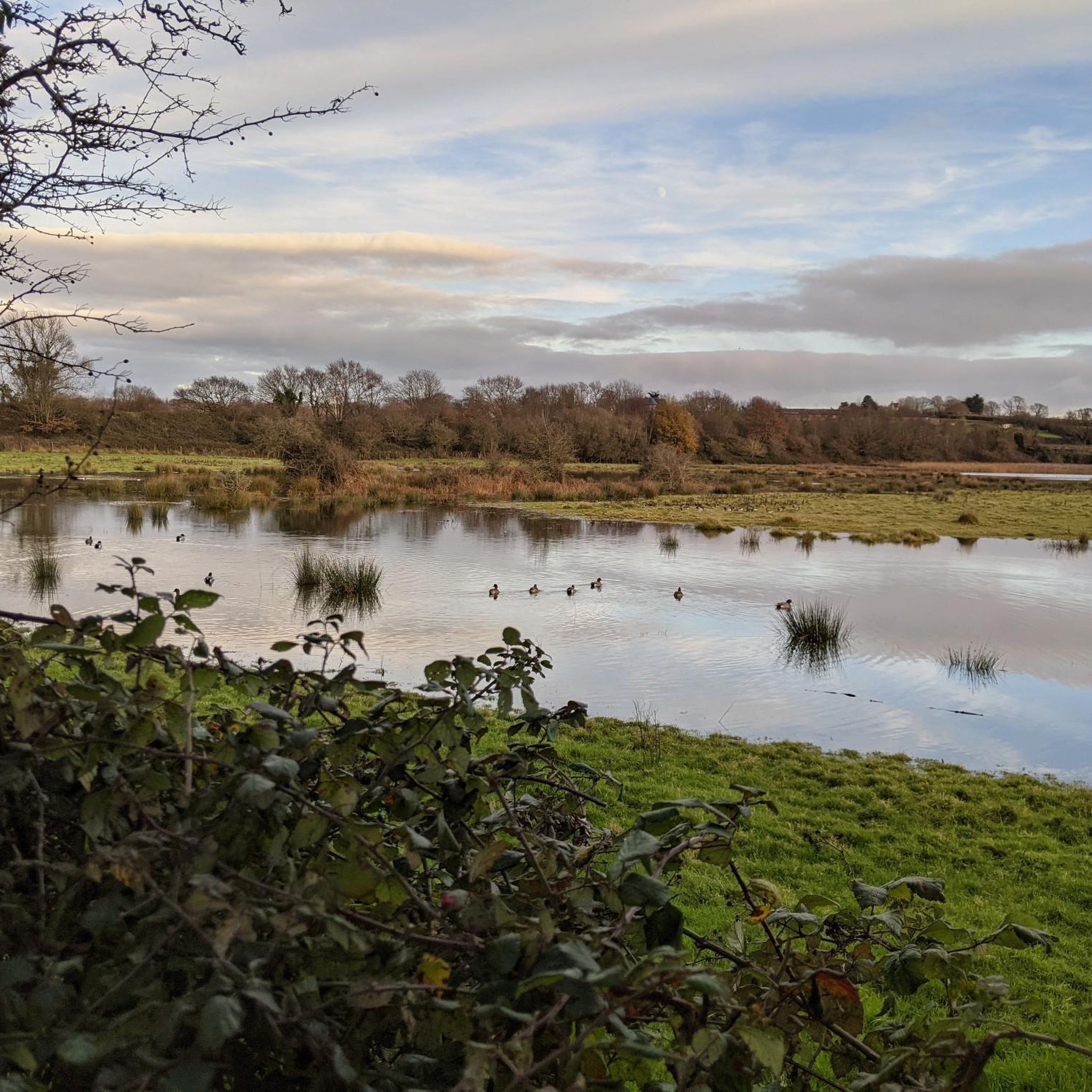
Other adventures around Clyst St. Mary

Tips from the Community

If you enjoy a dramatic entrance, Jacob’s Ladder is Sidmouth’s version of a red carpet—just with more cardio! These iconic white wooden steps link the lush Connaught Gardens to a stunning pebble beach below. As you descend, you get a "bird’s-eye" view of the red Triassic cliffs that look like giant slices of rusty gingerbread. Reach the bottom and you’re in a world of rock pools and crashing waves. Legend says if you climb back up without stopping, you’ve earned an extra large Devon cream tea at the top. Challenge accepted?
0
0


Harnessing the power of moving water to drive a mill wheel is an ancient invention of human ingenuity, whose origins can be traced back to ancient times. Thanks to such a design, a watercourse – natural or artificial – made it possible to simply replace human or animal muscle power with the power of natural elements, for example, to grind grain into corn or press oil from fruit. There are essentially two drive variants for watermills: * Either the flowing water simply hits the blades of the water wheel from below to set it in motion; or * the water is guided above the wheel – usually through a so-called "mill channel" – and falls onto the blades. This design utilizes natural gravity to achieve greater efficiency.
2
0

There's a few disabled parking spaces right on the Quay and the walks are all wheelchair user friendly, there's bus routes and train station all within a mile of the quay. If like me on your walk you like to re-stall your batteries and have a hot or cold drink there's lots of great pubs restaurants and little cafes on the Quay and they all welcome dogs, if you check out what's on in Exeter you might be lucky to see one of the many events they hold like morse dancing, the boat racing, mental health walk, the food festivals and many more, enjoy the ruins and history walks also.
0
0

Car park and numerous food outlets alongside the river perfect to spend a time to relax
1
0

Exeter Quay, also known as Exeter Quayside, is a district of Exeter on the River Exe and the Exeter Ship Canal. It was used as a port since prehistoric times, when a sandstone outcrop was used to unload the ships of overseas traders.[1] However, in 1381, the Countess Weir closed the river to shipping. In 1566, a canal was completed to allow ships access. Over time, the number of ships using the quay increased, and so the quay was extended in the late 17th century. Further extension took place in 1830 when a new canal basin was dug. However, in 1840, the railway reached Exeter, and shipping began to decline. The quay is no longer used for shipping, but mainly for recreational purposes.
2
0

Frequently Asked Questions
How many road cycling routes are available around Clyst St. Mary, and what are their difficulty levels?
There are over 460 road cycling routes around Clyst St. Mary. These include a wide range of difficulties: approximately 110 easy routes, over 270 moderate routes, and around 80 more challenging options for experienced cyclists.
Are there family-friendly road cycling routes suitable for all ages?
Yes, the area is excellent for family cycling. The Exe Estuary Trail is a fantastic option, being predominantly traffic-free, well-surfaced, and largely flat, making it ideal for all types of bikes and skill levels. The developing Clyst Valley Trail also aims to provide a fully accessible, traffic-free path.
Which road cycling routes offer the most scenic views?
Many routes offer beautiful scenery. The Cockwood Harbour – Turf Hotel & Marina loop from Newcourt provides stunning views of the Exe Estuary and coastal areas. The Clyst Valley itself offers gently rolling landscapes and views over the river valley, while the Exe Estuary Trail showcases diverse wildlife and charming riverside towns.
Are there any circular road cycling routes around Clyst St. Mary?
Yes, many of the road cycling routes around Clyst St. Mary are designed as loops. For example, the Exeter Ship Canal shared path – Exeter Canal Swing Bridge loop from Newcourt is a popular circular route that takes you through the historic canal area.
Where can I find more challenging road cycling routes with significant climbs?
For those seeking more challenging rides, routes like the Hembury Hill Lane – Boston Tea Party Café Honiton loop from Newcourt explore inland areas with notable elevation gains, reaching over 700 meters (2,300 feet) on some paths. The broader region offers routes with climbs up to 3,000 feet.
What attractions or landmarks can I see along the road cycling routes?
You can explore several interesting points. The Exeter Ship Canal is a historic landmark, and the Exe Estuary Trail offers views of the estuary and its wildlife. Further afield, you might encounter the Otter Estuary Nature Reserve for birdwatching, or the beautiful grounds of Killerton House.
What do other road cyclists enjoy the most about road cycling in Clyst St. Mary?
The area is highly rated by the komoot community, with an average score of 4.2 stars from over 260 reviews. Cyclists often praise the varied terrain, from flat estuary paths to rolling hills, and the scenic beauty of the river valleys and coastal views.
Are there options for road cycling routes with low traffic?
Yes, the region offers excellent low-traffic and traffic-free options. The Exe Estuary Trail is largely traffic-free, providing a safe and pleasant experience. The ongoing development of the Clyst Valley Trail also aims to create predominantly traffic-free routes, connecting to existing networks.
Can I access road cycling routes using public transport?
Clyst St. Mary is well-connected, and the Exe Estuary Trail, in particular, links towns like Exmouth, Exeter, and Dawlish, which are accessible by train. Many local bus services also operate in the area, though checking specific routes and bike carriage policies is advisable.
Are there any long-distance road cycling routes available?
Yes, you can find several long-distance routes. For example, the Sidmouth Esplanade – Sidmouth Beach loop from Newcourt covers over 52 kilometers (32 miles), and the Cockwood Harbour – Turf Hotel & Marina loop from Newcourt is approximately 62.5 kilometers (38.8 miles), offering extended riding experiences.
What is the best time of year to go road cycling in Clyst St. Mary?
The spring and summer months generally offer the most favorable weather for road cycling in Devon, with milder temperatures and longer daylight hours. However, the varied landscape means routes can be enjoyed year-round, with autumn providing beautiful foliage and winter offering crisp, quiet rides, though some paths may be affected by wetter conditions.
Are there places to stop for refreshments like cafes or pubs along the routes?
Yes, many routes pass through or near charming towns and villages along the Exe Estuary and within the Clyst Valley, such as Topsham and Lympstone. These locations often have cafes, pubs, and other amenities where cyclists can stop for refreshments.
Most popular attractions around Clyst St. Mary

Get inspired with the komoot mobile app


Explore more
Browse the best Road cycling routes in other regions.
