The 10 Most Amazing Peaks around Streat
Best mountain peaks around Streat are found within the South Downs National Park, an area characterized by rolling chalk hills and significant high points. This region offers diverse landscapes, from open grasslands to wooded escarpments, providing numerous opportunities for exploration. Visitors can experience panoramic views across the Weald and towards the coast from these elevated positions. The area is known for its natural beauty and historical significance.
Best mountain peaks around Streat
- The most popular mountain peaks is Ditchling Beacon…
Last updated: June 23, 2026
Ditchling Beacon
Highlight • Natural Monument
Tip by

Blackcap Summit and Trig Point
Highlight • Viewpoint
Tip by

Sign up now to discover places like this
Get recommendations on the best single tracks, peaks, & plenty of other exciting outdoor places.
Sign up for free
Lewes Beacon on Mount Harry
Highlight • Historical Site
Historically, the beacon was used as a signal point …
Tip by

Wolstonbury Hill
Highlight • Natural Monument
Tip by

Iford Hill Track
Highlight • Climb
Tip by

Sign up for free to discover even more peaks around Streat.
Sign up for free
Already have an account?
Start today with a free account
Your next adventure awaits.
Login or Signup
Other adventures around Streat

Tips from the Community

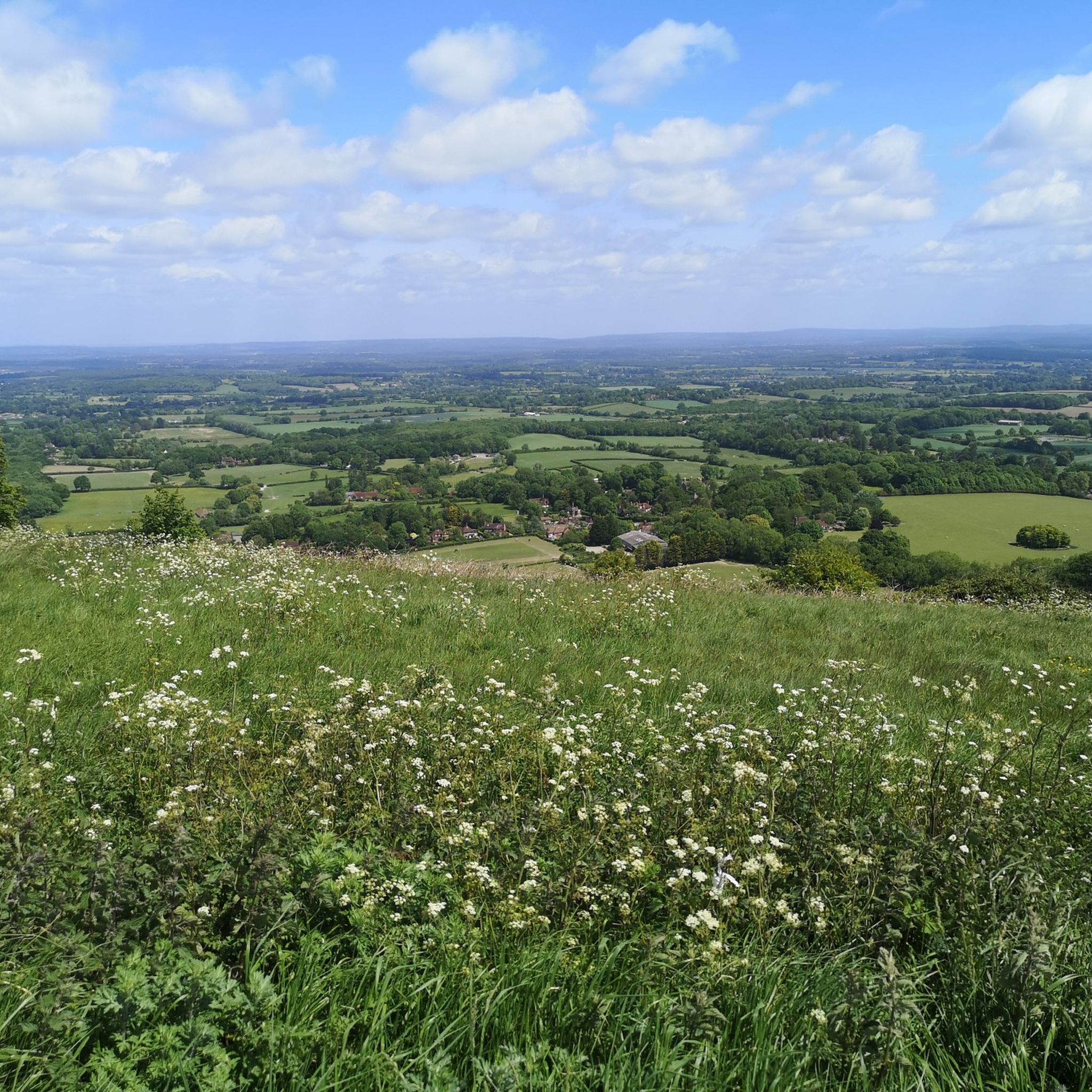
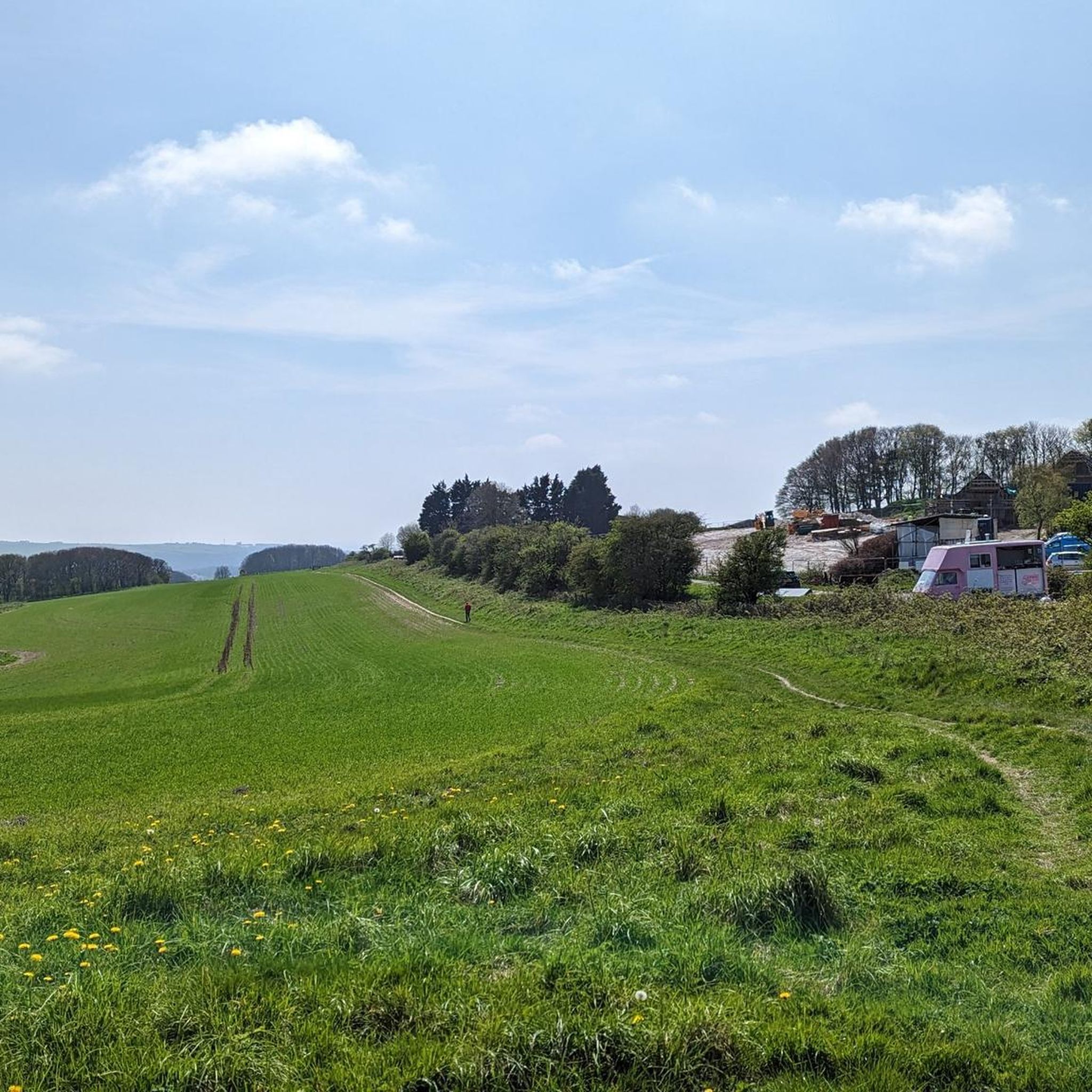
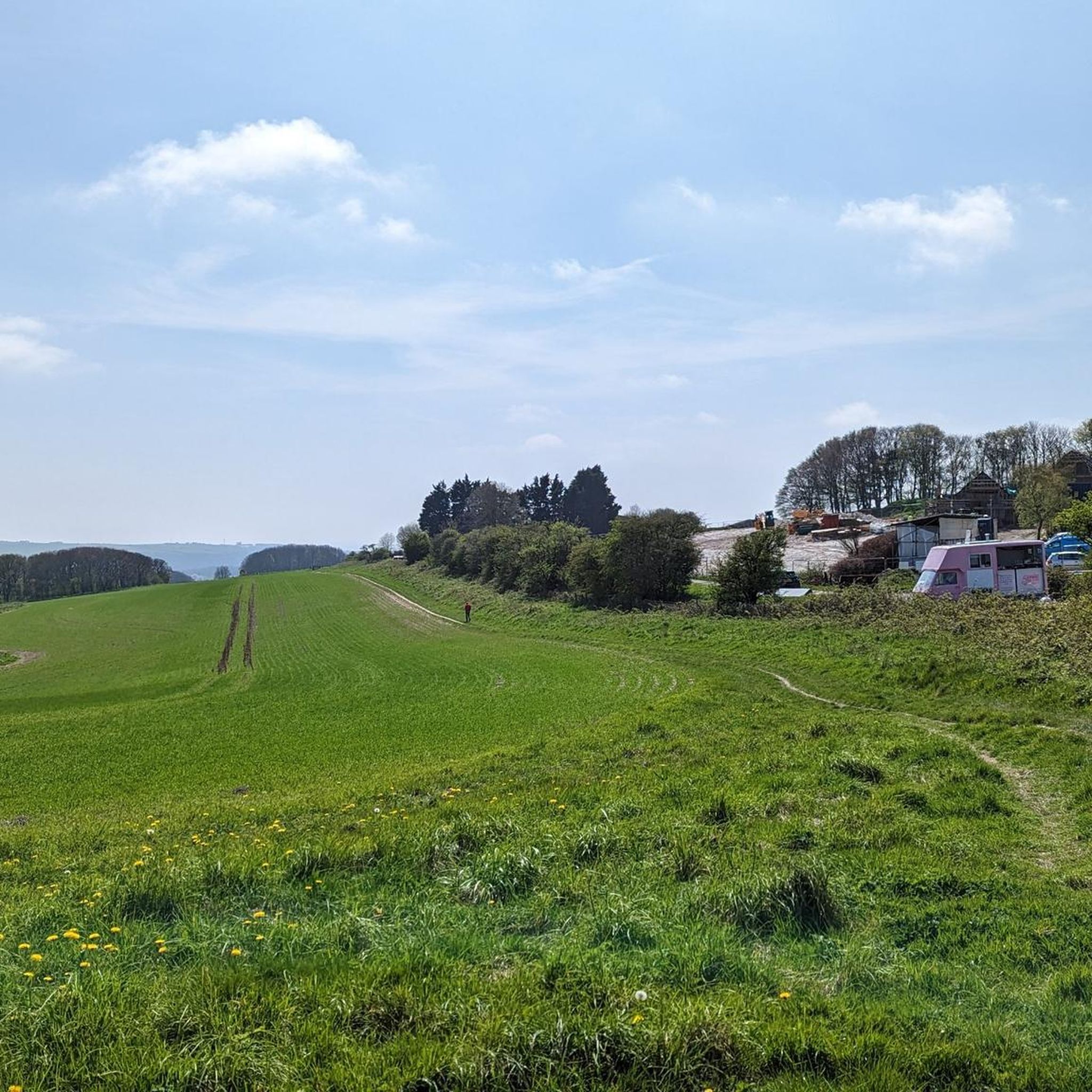
At over 650 feet (200 m), Ditchling Beacon gives you a good climb and a great vantage point to see out over the surrounding countryside. To the north you look back at the lush countryside of the Weald, to the south are views of Brighton, and to the east and west, the rolling undulating views out over the South Downs.
1
1

Nice enough trig pointed hilltop and easy enough to get to with grand views out over the South Downs.
0
0

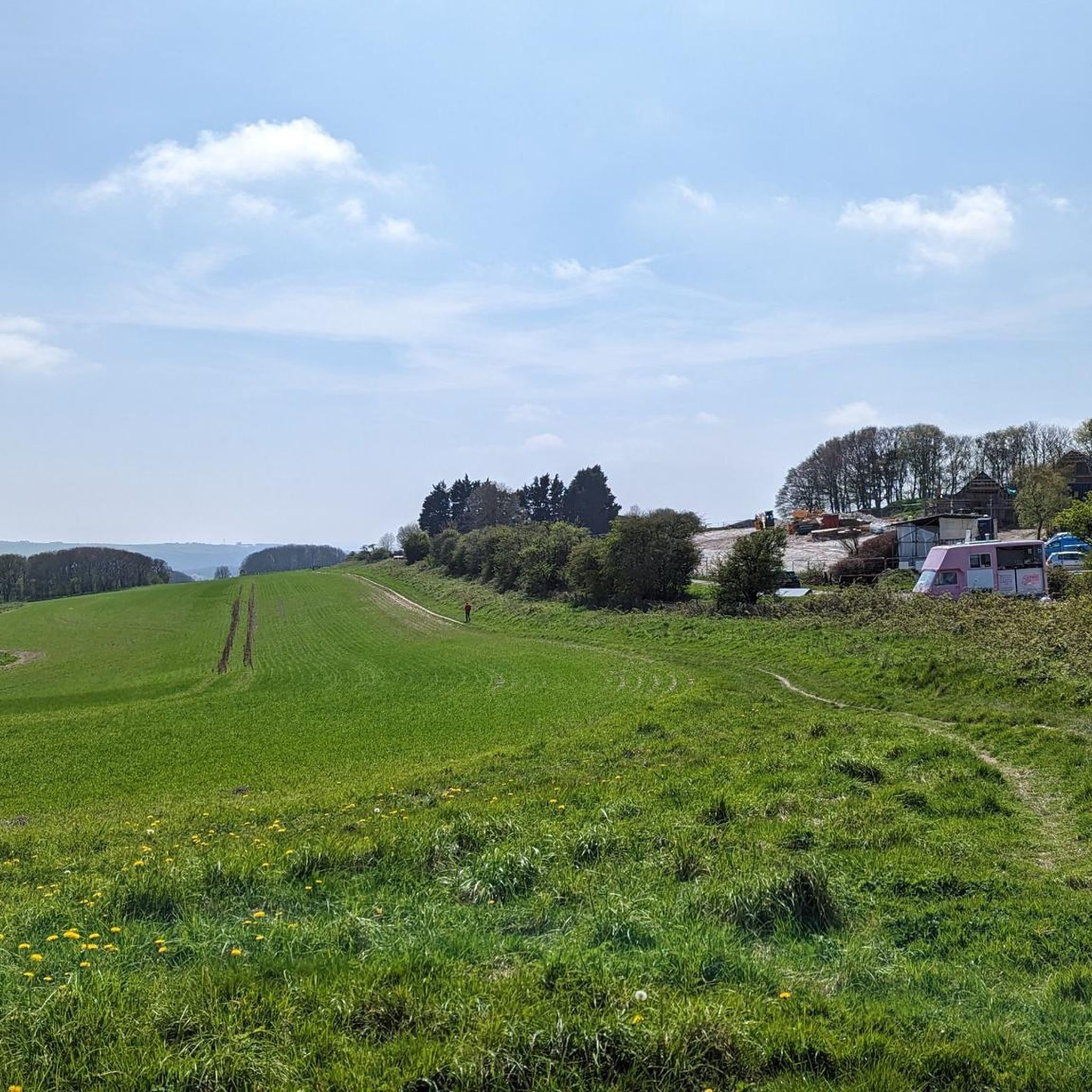
Ice cream van also serving Tea today (Easter Monday). view from the top on a nice clear day
0
0

Mount Harry rises to a height of 627 feet (191 m) and offers panoramic views of the surrounding countryside, including the South Downs and the Ouse Valley. It's characterised by the tall brazier, known as Lewes Beacon. This was erected in 2002 as a reminder of the beacon that stood here from the 16th century to warn of danger.
0
0

The locally well-known Lewes Beacon stands on top of Mount Harry and commands beautiful views over the town and surrounding countryside. Historically, the beacon was used as a signal point during times of conflict and also as a place for locals to gather and celebrate. Today, the landmark is a popular spot for walkers and anyone looking for a refreshing nature fix.
2
0
Black Cap is a prominent hill located in the South Downs National Park in East Sussex. The hill stands at 206 m high and provides some glorious panoramic views across the surrounding countryside and coastline.
1
0
Ditchling Beacon is the highest point in East Sussex, England, with an elevation of 248 m (814 ft). It is south of Ditchling and to the north-east of Brighton. It is a large chalk hill with a particularly steep northern face, covered with open grassland and sheep-grazing areas. It is the third-highest point on the South Downs, behind Butser Hill (270 m (890 ft) and Crown Tegleaze (253 m (830 ft).
2
0
Frequently Asked Questions
What are the most notable high points or 'peaks' around Streat?
The Streat area, situated within the South Downs National Park, features several prominent chalk hills that offer expansive views. Among the most notable are Ditchling Beacon, which is the highest point along the Sussex Downs at 248 meters (814 ft) and includes an Iron Age hillfort. Another popular spot is Blackcap Summit and Trig Point, a National Trust-owned area at 206 meters (676 ft) with wonderful views over the Weald. Wolstonbury Hill, also rising to 206 meters (676 ft), provides panoramic views of both the Downs and the Weald.
What kind of views can I expect from the high points around Streat?
From the elevated positions around Streat, you can expect stunning panoramic views. For example, from Ditchling Beacon, you can see south towards the sea, north across the Weald, and east-west across the rolling South Downs. Blackcap Summit offers wonderful views over the Weald to the North, while Wolstonbury Hill provides vistas that include the Clayton Windmills and Ditchling Beacon.
Are there easy or family-friendly walks among the high points near Streat?
Yes, the South Downs National Park offers a variety of trails suitable for different fitness levels. While some climbs can be challenging, there are many easy walks available. For specific routes, you can explore the Easy hikes around Streat guide, which features options like the Plumpton Village loop or the East Chiltington Church loop, perfect for a more relaxed outing.
What historical features can be found on the high points around Streat?
The region is rich in history. For instance, Ditchling Beacon is not only a natural landmark but also an important archaeological site, featuring an Iron Age hillfort. Exploring these areas allows you to connect with both the natural beauty and the ancient past of the South Downs.
What is the best time of year to visit the high points around Streat?
The South Downs are beautiful year-round, but spring and summer offer the best conditions for hiking, with warmer weather and wildflowers in bloom, such as the iconic chalkhill blue butterfly seen on Swanborough Hill. Autumn provides stunning foliage, while winter can offer crisp, clear views, though trails may be muddier.
Are there challenging climbs for experienced hikers near Streat?
Absolutely. The South Downs National Park provides several challenging ascents. For example, the climb to Wolstonbury Hill from the north is considered quite challenging, rewarding hikers with great views. Similarly, Iford Hill Track, part of the South Downs Way, is known as a tough climb that offers spectacular rewards.
What do komoot users enjoy most about the high points around Streat?
Komoot users frequently praise the incredible panoramic views and the sense of accomplishment from reaching the summits. Many highlight the diverse landscapes, from open grasslands to wooded escarpments, and the opportunity to experience both natural beauty and historical sites like the Iron Age hillfort at Ditchling Beacon. The area has garnered over 500 upvotes and more than 70 photos shared by visitors.
Can I bring my dog on the trails around Streat's high points?
Many trails within the South Downs National Park are dog-friendly, but it's always recommended to keep dogs on a lead, especially near livestock or on nature reserves, to protect wildlife and ensure safety for everyone. Always check local signage for specific restrictions.
Are there other outdoor activities besides hiking near Streat's high points?
Yes, the area is popular for various outdoor activities. Gravel biking is a prominent activity, with challenging routes like the Ditchling Beacon Climb. You can find more options in the Gravel biking around Streat guide. The South Downs Way, which passes through the area, is also popular for long-distance walking and cycling.
Where can I find more detailed hiking routes around Streat?
For a comprehensive selection of hiking routes, you can refer to the Hiking around Streat guide. This guide includes various options, from moderate trails like the Blackcap – Ditchling Beacon loop to easier walks, helping you plan your adventure.
Are there less crowded options for exploring the high points near Streat?
While popular spots like Ditchling Beacon can attract visitors, the vastness of the South Downs National Park means you can often find quieter trails. Exploring some of the less-frequented paths or visiting during off-peak hours (early mornings or weekdays) can offer a more solitary experience. Areas like Swanborough Hill, while offering big vistas, might be less crowded than the most famous landmarks.
What should I wear when hiking the high points around Streat?
Given the varied terrain and potential for changing weather in the South Downs, it's advisable to wear layers, sturdy hiking boots with good ankle support, and waterproof outerwear. Even on sunny days, the exposed hilltops can be windy. Don't forget sun protection, water, and snacks.
Most popular attractions around Streat

Get inspired with the komoot mobile app


Explore more
See even more amazing summits around Streat with these guides:
