The best cycling routes around Zwettl-Niederösterreich
4.5
(283)
1,861
riders
217
rides
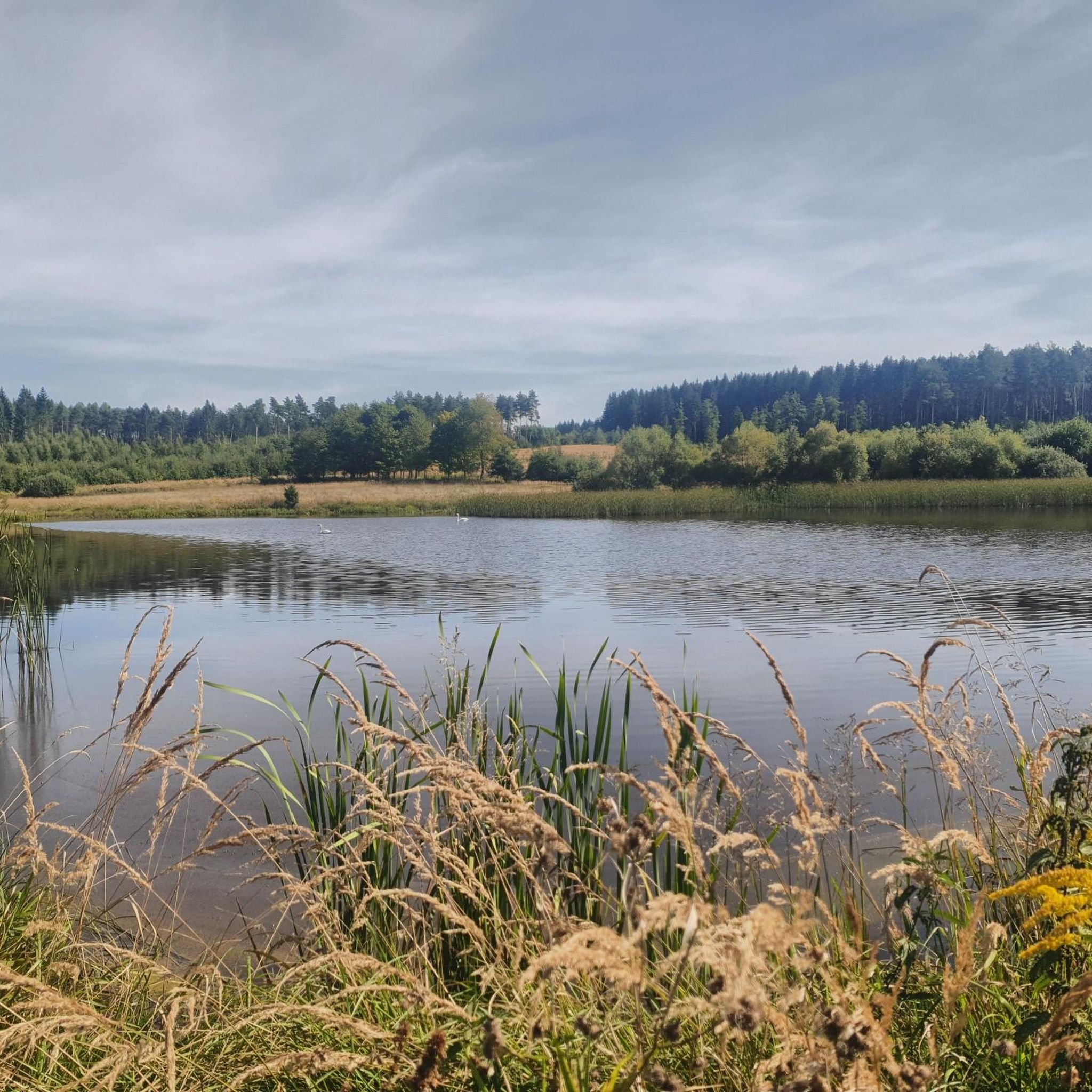
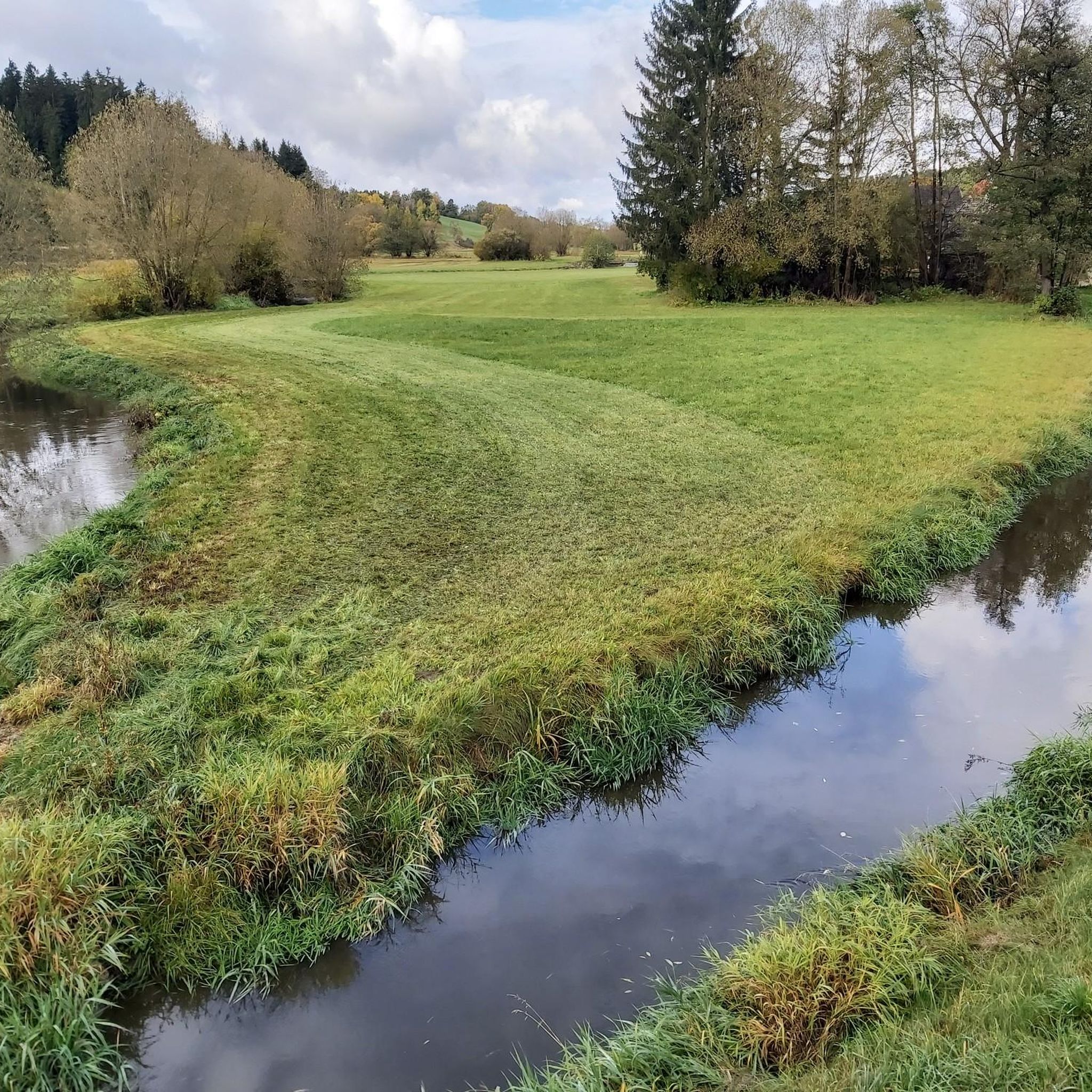
Touring cycling around Zwettl-Niederösterreich offers a diverse landscape within the Waldviertel region, characterized by forests, river valleys, and granite rock formations. The area is situated between the Kamp and Zwettl rivers, providing tranquil riverine scenery and paths through pine forests and meadows. Terraced landscapes and strip fields are also prominent features, alongside reservoirs like Ottenstein, which are integrated into many cycling routes.
Best touring cycling routes around Zwettl-Niederösterreich
- The most popular touring cycling route is Ottenstein reservoir – Plague Column…
Last updated: July 15, 2026
4.8
(15)
97
riders
Hard bike ride. Very good fitness required. Mostly paved surfaces. Suitable for all skill levels.
4.1
(19)
81
riders
Hard bike ride. Very good fitness required. Mostly paved surfaces. Suitable for all skill levels.

Sign up for free
4.4
(16)
62
riders
Moderate bike ride. Good fitness required. Mostly paved surfaces. Suitable for all skill levels.
5.0
(2)
54
riders
Hard bike ride. Very good fitness required. You may need to push your bike for some segments of this route.
5.0
(2)
49
riders
Hard bike ride. Good fitness required. You may need to push your bike for some segments of this route.
Get access to more routes and recommendations from other explorers.
Sign up for free
Already have an account?
Our route recommendations are based on thousands of hikes, rides, and runs completed by other people on komoot.
Start today with a free account
Your next adventure awaits.
Login or Signup
Popular around Zwettl-Niederösterreich
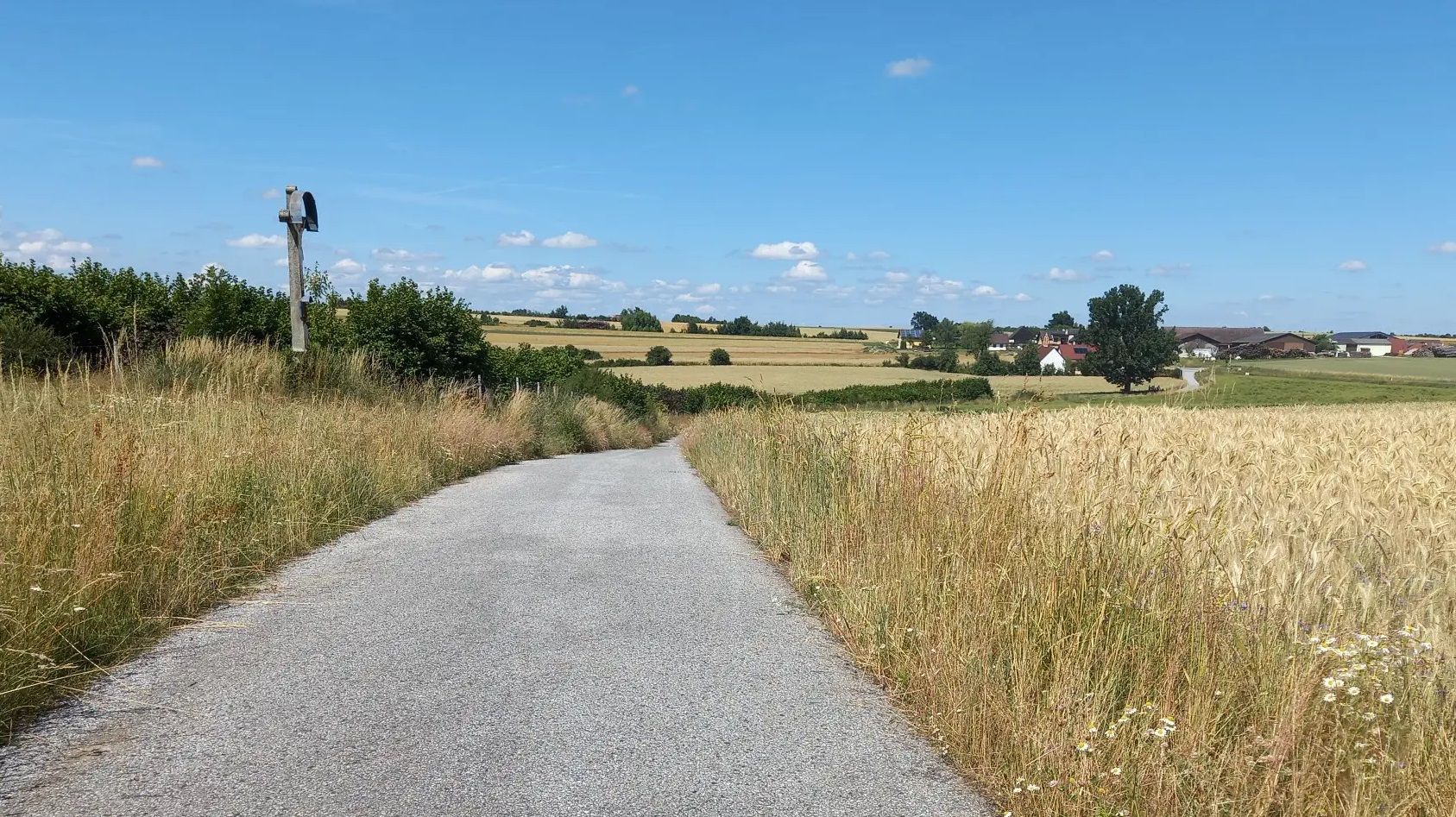
Cycling away from the crowds – Austria’s Kamp-Thaya-March Cycle Route
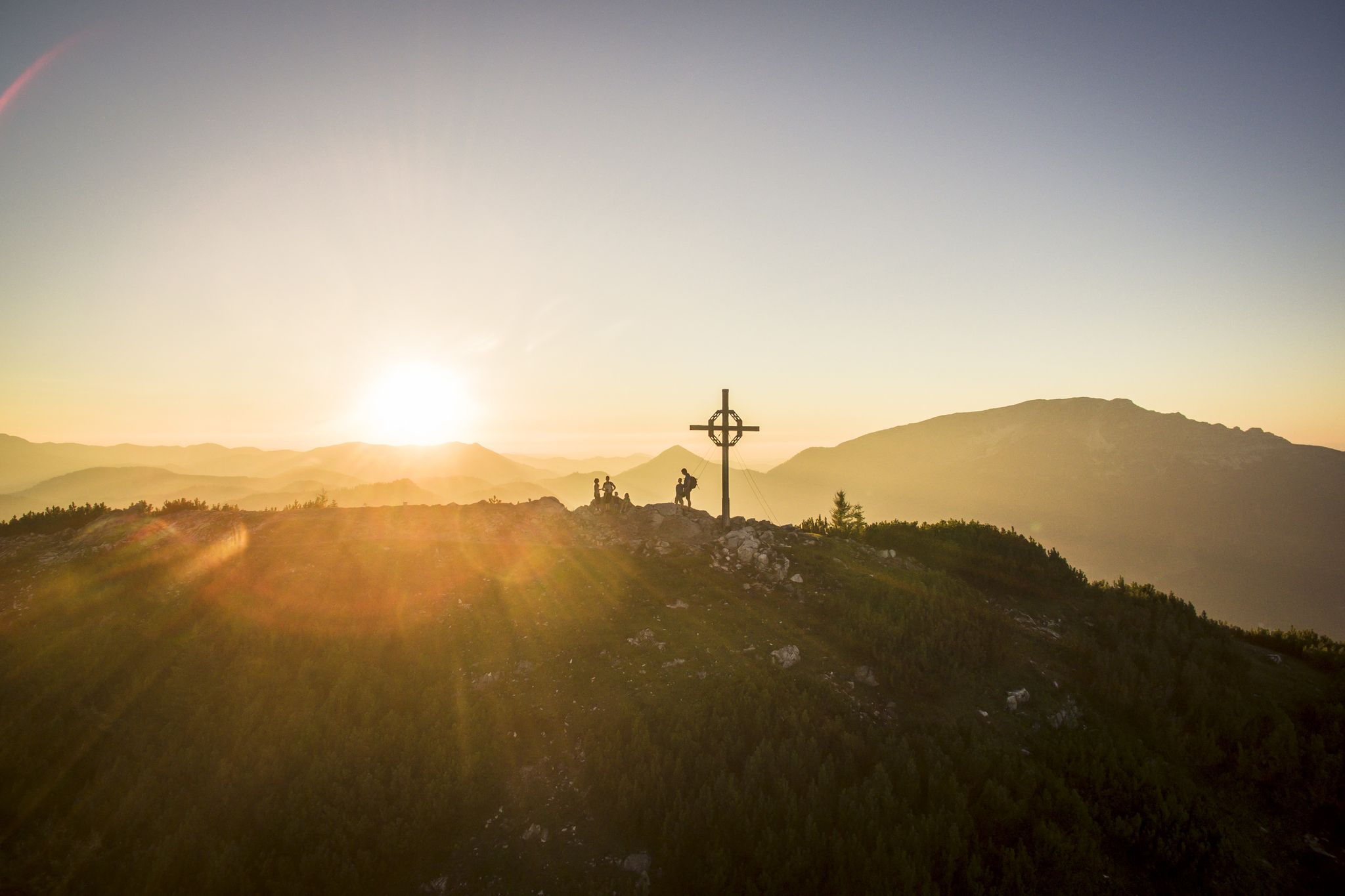
Hiking with a view – certified hiking villages in Lower Austria
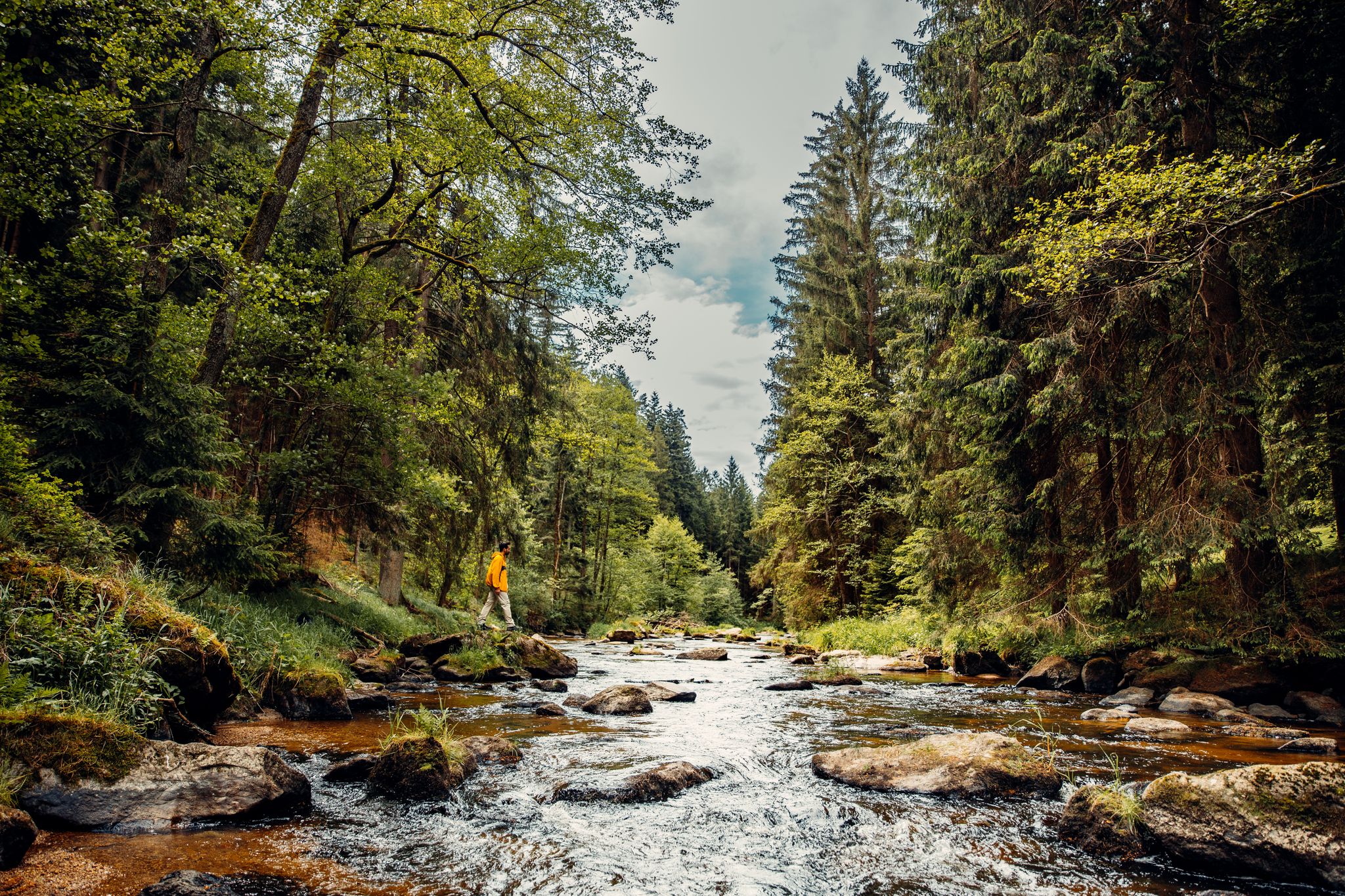
Cliffs, a gorge and vineyards – day hikes in the Waldviertel
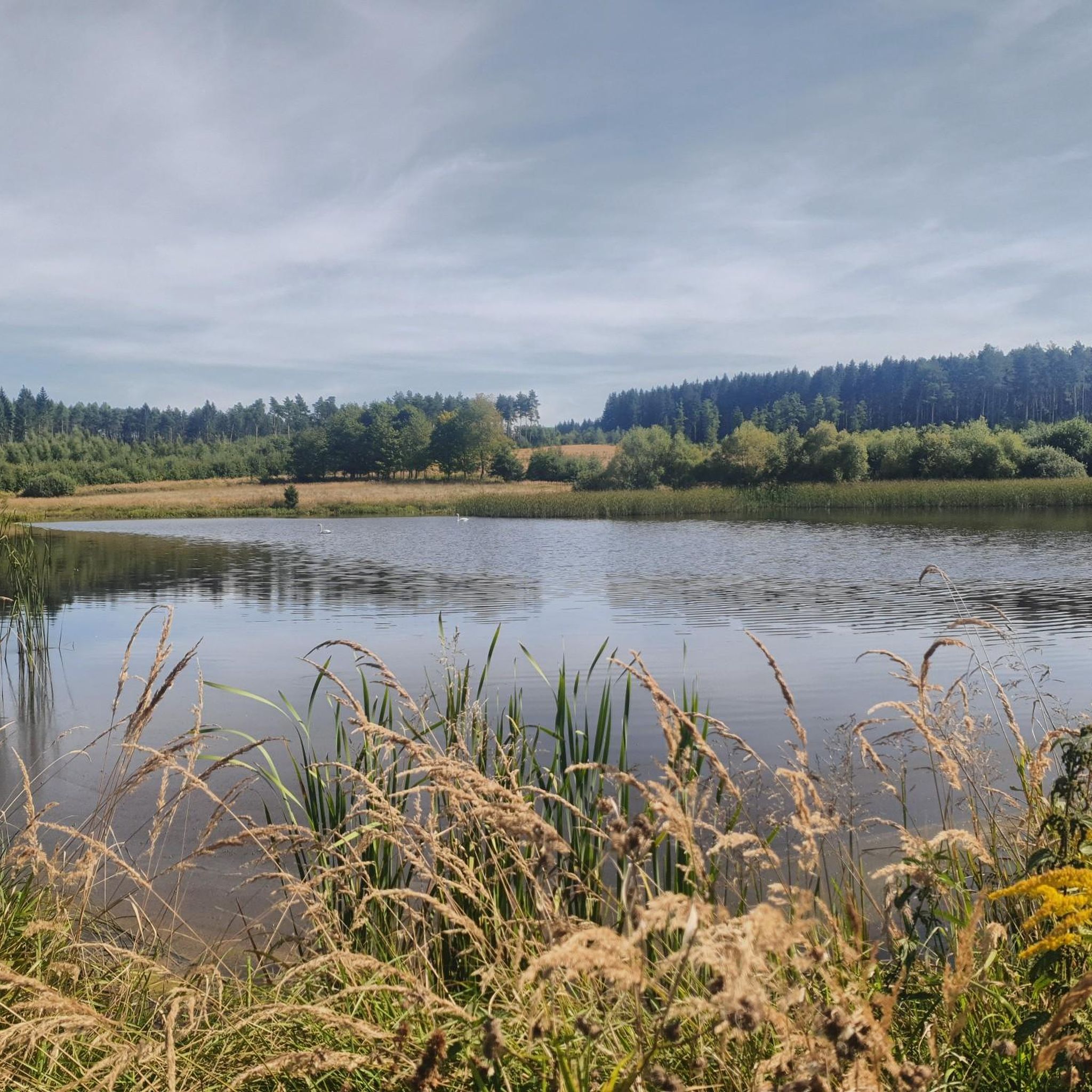
Hiking around Zwettl-Niederösterreich
MTB Trails around Zwettl-Niederösterreich
Running Trails around Zwettl-Niederösterreich
Road Cycling Routes around Zwettl-Niederösterreich
Gravel biking around Zwettl-Niederösterreich
Other adventures around Zwettl-Niederösterreich


Tips from the Community

The Ottenstein reservoir, is the largest of the Kamp lakes and is among the richest waters in fish in Austria and at the same time among the best predatory fish waters in Europe. Its water surface is 4.3 km² and extends with its fjord-like, branched side arms, with a length of more than 14 km, up to Zwettl. The deepest point is 69 m.
0
0

The old cult object, a statue of the Virgin with Child, has now been displaced by the construction of a Lourdes grotto and a statue of Our Lady of Lourdes. To the left of the grotto stands Saint Francis of Assisi in a semicircular niche. The statue depicts the saint in his characteristic brown habit, accompanied by an ox. He carries a crozier and holds a book, referring to his role as a religious role model and founder of an order. In the ivy-covered Lourdes grotto stands a statue of the Virgin of Lourdes. She wears a white dress with a blue sash. To the right of the grotto stands Saint Florian in a semicircular niche. He is depicted as a Roman soldier with armor, a cloak, and a spear.
0
0
The municipal authorities succeeded in winning over Master Hundertwasser to plan and build a fountain system in the main square. The presentation of the fountain model met with great approval from the people of Zwettl, but also with vehement rejection. In 1994, the fountain system, consisting of three main elements – the two fountain columns with collecting basins and the pavilion – was handed over to the public. It has since been a popular meeting point in the heart of the city. Friedensreich Hundertwasser died in February 2000 at the age of 71.
0
0
Until the end of the 19th century, a monumental public fountain stood in the middle of the main square, the terminus of the oldest Zwettl water pipeline dating back to the early 17th century; a place where the population met, not just to fetch water. In 1925, a war memorial was erected here, and from the mid-20th century onwards, the square in the heart of the city was primarily used as a parking area. In the early 1990s, the municipality of Zwettl decided to redesign the main square. The aim was to give the city an attractive center again and thus preserve the tradition of the old Zwettl main square for the present and the future. Friedensreich Hundertwasser, born Friedrich Stowasser in 1928, had owned an old mill on the banks of the Kamp river above Zwettl since the 1970s.
0
0
Originally, after the town's founding, Trinity Square was part of Zwettl's main square, which at that time stretched as an extensive triangular plaza from the townhouses behind the Hundertwasser Fountain to the level of the Hausleitner house above the "Zur Goldenen Rose" inn. The construction of houses along the lower Landstraße, the so-called "Grätzl," significantly narrowed the main square, and the addition of the cross street eventually divided it into two squares.
0
0
During the Baroque period, people everywhere were eager to express their gratitude for overcoming the plague years and the Turkish Wars by erecting plague or Trinity columns. In 1727, the pillory in the upper square was replaced by the richly sculpted sandstone column created by Kaspar Högl of Eggenburg. During the last renovation in 1998, extensive environmental damage to the figures was repaired, and the entire column was painted a light yellow. The four life-size statues are, in the center at the front, the Immaculate Conception; to her left, St. Sebastian (pierced by five arrows); to her right, St. Roch (pointing to the plague boil on his thigh); and St. Florian (holding a flag in one hand and a bucket of water in the other). The iron fountain in the immediate vicinity of the Trinity Column is a gift from the then-mayor, Eugen Beck, of the twin town of Plochingen near Stuttgart.
0
0

Most beautiful place in Zwettl.
0
0
Quiet, shady, beautiful view.
0
0
Frequently Asked Questions
How many touring cycling routes are available in Zwettl-Niederösterreich?
There are over 220 touring cycling routes available in Zwettl-Niederösterreich, offering a wide range of options for different skill levels and preferences.
What are the general characteristics of the touring cycling routes in Zwettl-Niederösterreich?
The routes in Zwettl-Niederösterreich are characterized by a diverse landscape within the Waldviertel region, featuring refreshing green forests, idyllic river valleys, impressive granite rock formations, and blooming poppy, rapeseed, and hop fields. You'll find tranquil riverine scenery along the Kamp and Zwettl rivers, paths through pine forests and meadows, and terraced landscapes. Many routes also integrate reservoirs like Ottenstein.
What do other cyclists say about touring cycling in Zwettl-Niederösterreich?
The touring cycling routes in Zwettl-Niederösterreich are highly rated by the komoot community, with an average score of 4.5 stars from over 260 reviews. Cyclists often praise the varied terrain, the scenic beauty of the river valleys and forests, and the well-maintained paths.
Are there any family-friendly touring cycling routes in Zwettl-Niederösterreich?
Yes, Zwettl-Niederösterreich offers family-friendly cycling paths, particularly along the serene Zwettl river valley. These routes often feature gentle gradients and pass through pine forests and flower meadows, making them suitable for families. While specific routes are not always designated 'family-friendly' in the data, many of the easier and moderate routes are suitable for a relaxed family outing.
Can I bring my dog on the touring cycling routes?
Many natural areas in Zwettl-Niederösterreich are dog-friendly, but it's always recommended to keep your dog on a leash, especially in nature reserves or areas with wildlife. While specific dog-friendly routes aren't explicitly listed, the region's extensive network of paths through forests and along rivers generally welcomes well-behaved dogs.
What kind of terrain and difficulty can I expect on the touring cycling routes?
The routes vary significantly in terrain and difficulty. You'll find everything from predominantly paved paths to forest and field tracks, which can be wet after rain. Difficulty ranges from easy (around 15 routes) and moderate (over 90 routes) to more challenging options (over 110 routes) with greater elevation gains, catering to all fitness levels.
Are there any circular touring cycling routes in the area?
Yes, many touring cycling routes in Zwettl-Niederösterreich are designed as loops, allowing you to start and end at the same point. For example, the Ottenstein reservoir – Plague Column at the main square in Zwettl loop from Moidrams is a popular circular route exploring the scenic Ottenstein reservoir area.
What natural landmarks or attractions can I see along the cycling routes?
While cycling, you can explore several natural landmarks. The Lohnbach Waterfall is a notable natural monument where the Lohnbach descends in several stages. The Ottenstein reservoir itself, with its fjord-like arms and wooded shores, is a significant natural feature integrated into many tours.
Are there any cultural or historical sights to visit while touring cycling?
Absolutely. The historic Cistercian monastery, Zwettl Abbey, is a significant cultural highlight that several routes pass by or near. The Kuenringer town of Zwettl also offers a rich historical experience with its well-preserved town walls, baroque townhouses, and the main square featuring a fountain by Friedensreich Hundertwasser.
Where can I find parking near the cycling routes?
Parking is generally available in and around Zwettl. For routes starting near the town center, you can find parking in Zwettl city. If you're heading towards the Ottenstein Reservoir, there are designated parking areas. For specific trailheads, local maps often indicate parking options, and many routes naturally start from accessible points in villages or towns.
Are there any routes that pass by the Ottenstein Reservoir?
Yes, the Ottenstein reservoir is a prominent feature in many touring cycling routes. A popular option is the Ottenstein reservoir – Plague Column at the main square in Zwettl loop from Moidrams, which allows you to explore the beautiful reservoir area with its fjord-like, branching arms and wooded shores.
What is the best time of year to go touring cycling in Zwettl-Niederösterreich?
The spring and autumn months are generally ideal for touring cycling in Zwettl-Niederösterreich. In spring, you can enjoy the blooming poppy, rapeseed, and hop fields, while autumn offers pleasant temperatures and beautiful foliage. Summer is also suitable, but some forest and field tracks might be wet after rain.
Can I access the cycling routes using public transport?
Zwettl-Niederösterreich has public transport connections that can bring you to the region. While direct access to every trailhead via public transport might vary, the town of Zwettl itself is well-connected, and many routes start from or pass through villages accessible by local buses or trains, allowing you to combine cycling with public transport.
Most popular routes around Zwettl-Niederösterreich
Most popular attractions around Zwettl-Niederösterreich

Get inspired with the komoot mobile app


Explore more
Browse the best Cycling routes in other regions.
