The best traffic-free bike rides around Zwettl-Niederösterreich
5.0
(8)
62
riders
18
rides
Gravel biking around Zwettl-Niederösterreich is characterized by its diverse landscapes, situated between the Kamp and Zwettl rivers. The region features rolling hills and tranquil riverine scenery, offering varied terrain for cycling. Notable natural features include the Zwettl monastic landscape and the fjord-like Ottenstein Reservoir with its wooded shores. The broader Waldviertel region provides a natural environment suitable for outdoor activities.
Best no traffic gravel bike trails around Zwettl-Niederösterreich
- The most popular no traffic gravel bike trail is Plague Column at…
Last updated: July 10, 2026
10
riders
Hard gravel ride. Good fitness required. You may need to push your bike for some segments of this route.
7
riders
Hard gravel ride. Very good fitness required. You may need to push your bike for some segments of this route.

Sign up for free
3
riders
12.7km
00:53
150m
150m
Easy gravel ride. Great for any fitness level. Mostly paved surfaces. Suitable for all skill levels.
2
riders
Moderate gravel ride. Good fitness required. Mostly paved surfaces. Suitable for all skill levels.
2
riders
81.2km
05:15
1,170m
1,170m
Hard gravel ride. Very good fitness required. Mostly paved surfaces. Suitable for all skill levels.
Get access to more routes and recommendations from other explorers.
Sign up for free
Already have an account?
Our route recommendations are based on thousands of hikes, rides, and runs completed by other people on komoot.
Start today with a free account
Your next adventure awaits.
Login or Signup
Popular around Zwettl-Niederösterreich
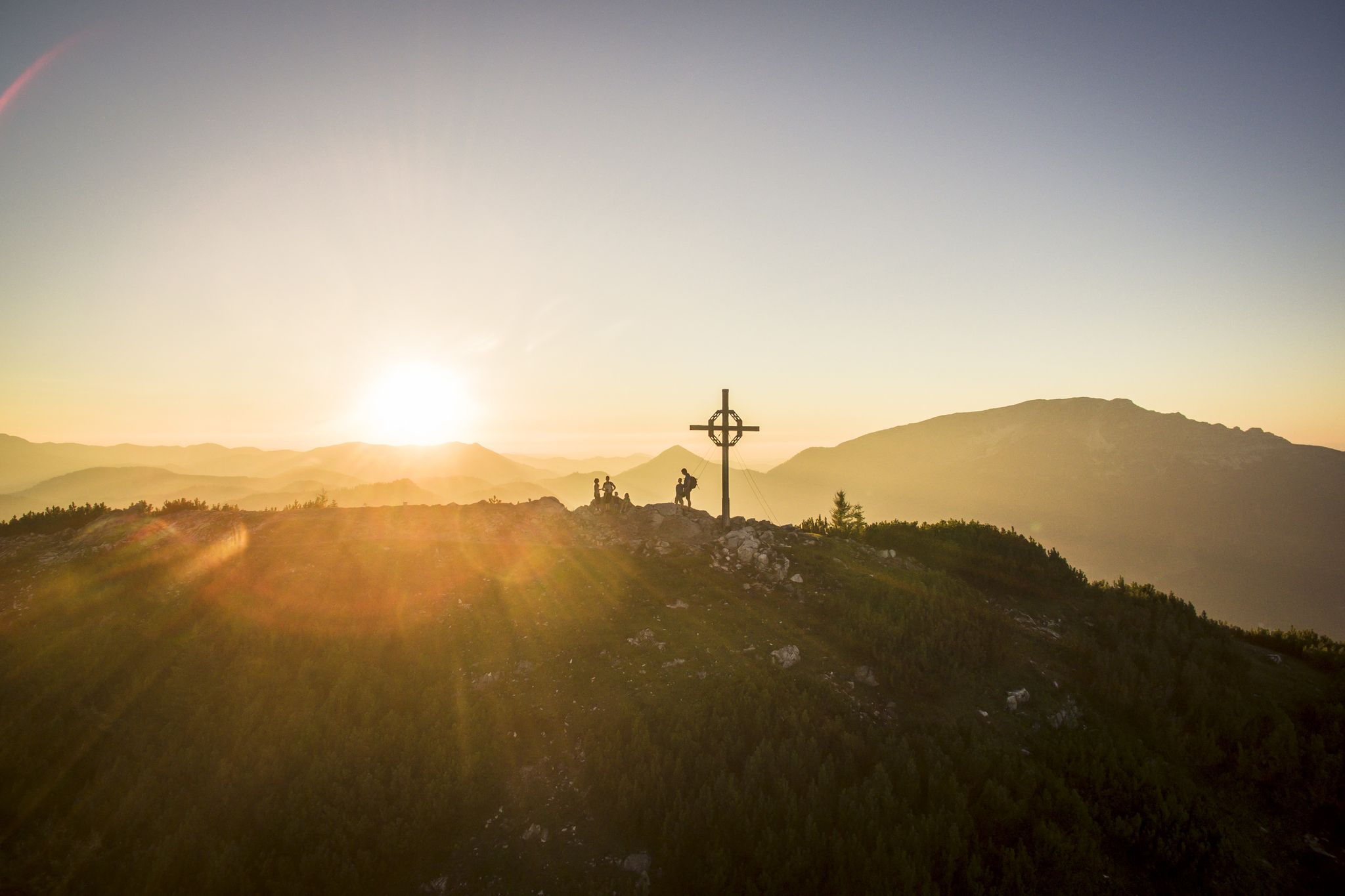
Hiking with a view – certified hiking villages in Lower Austria
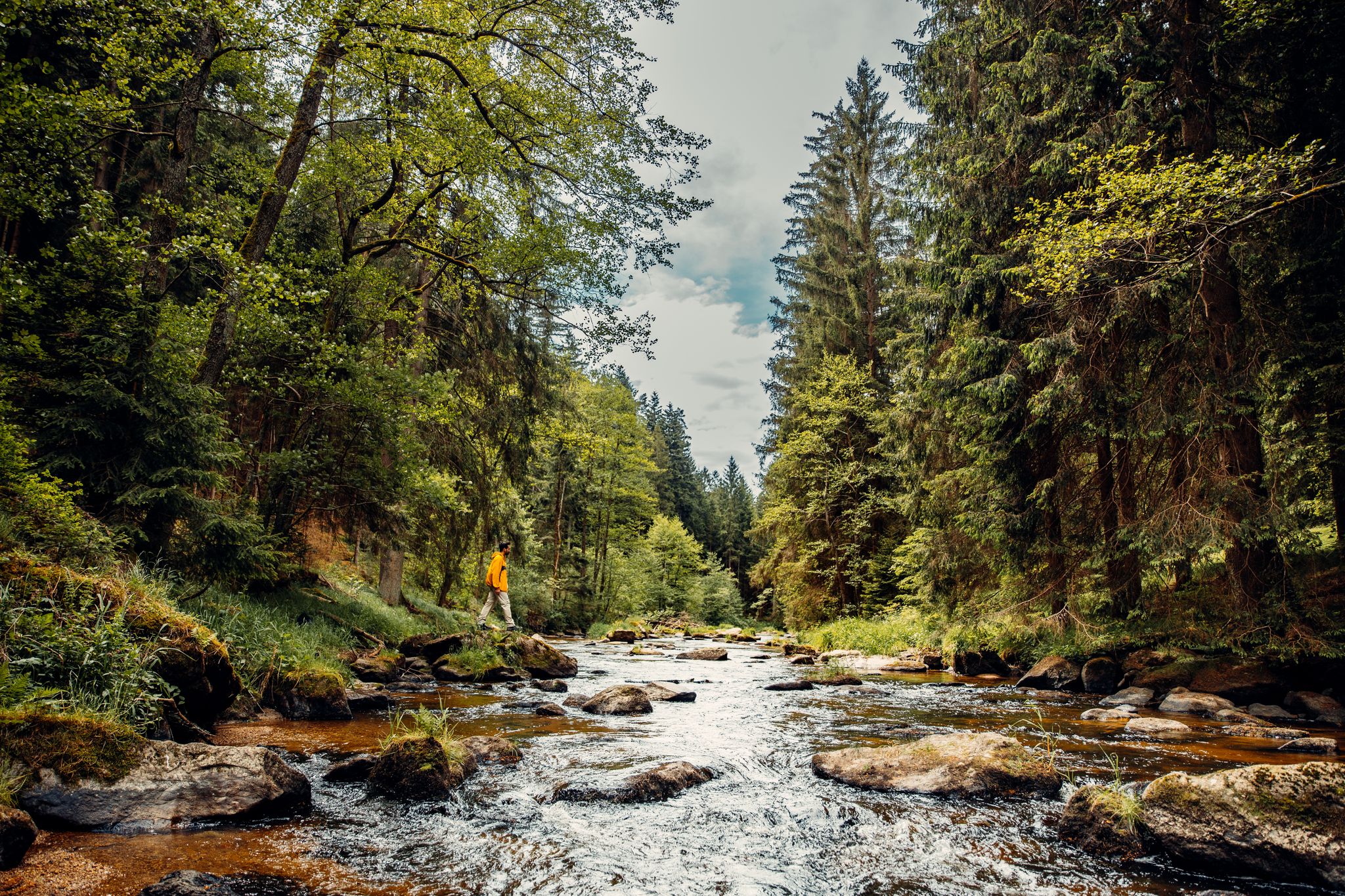
Cliffs, a gorge and vineyards – day hikes in the Waldviertel
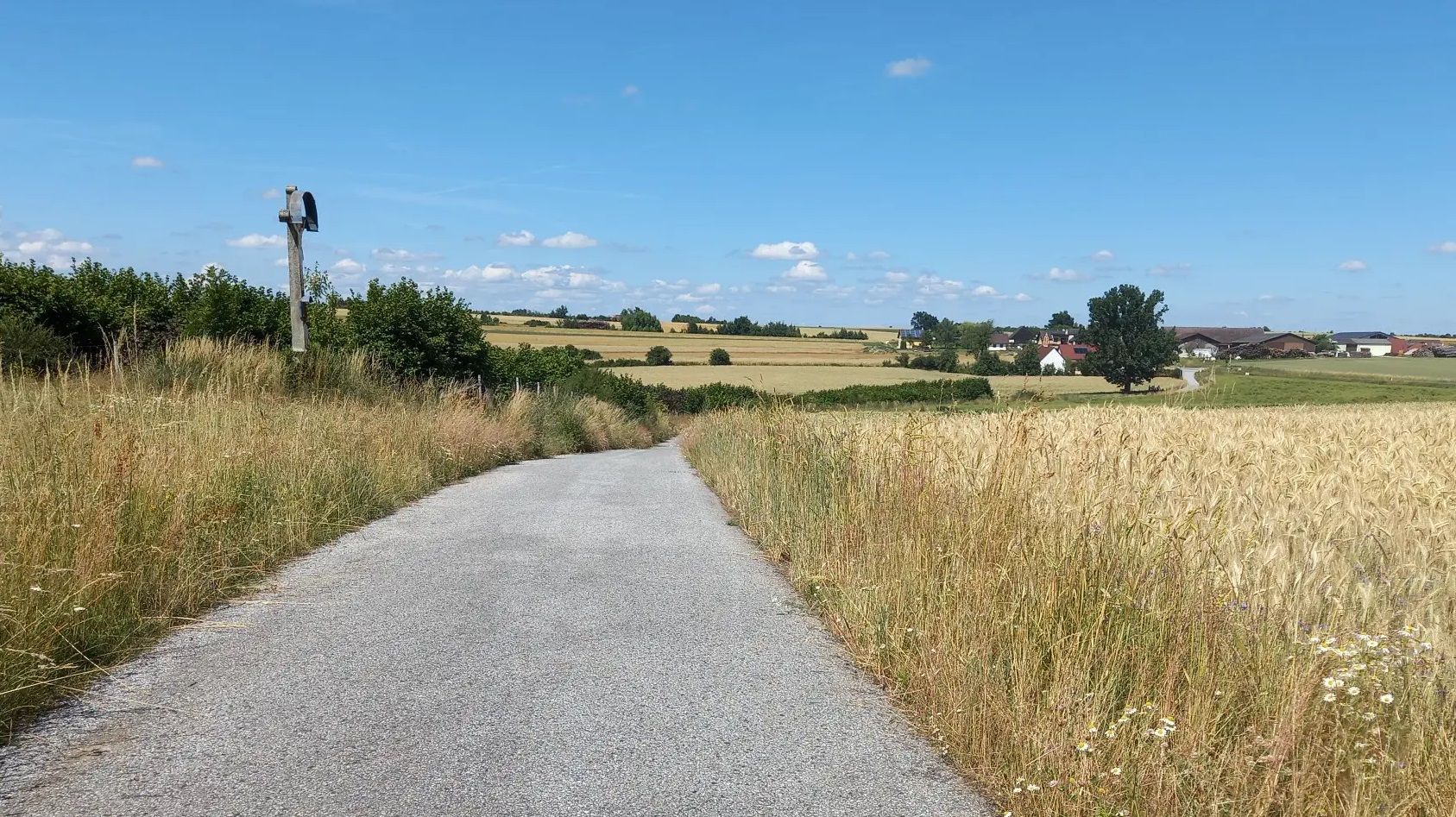
Cycling away from the crowds – Austria’s Kamp-Thaya-March Cycle Route

Traffic-free bike rides around Zwettl-Niederösterreich

Traffic-free bike rides around Zwettl-Niederösterreich
Other adventures around Zwettl-Niederösterreich


Tips from the Community

The Ottenstein reservoir, is the largest of the Kamp lakes and is among the richest waters in fish in Austria and at the same time among the best predatory fish waters in Europe. Its water surface is 4.3 km² and extends with its fjord-like, branched side arms, with a length of more than 14 km, up to Zwettl. The deepest point is 69 m.
1
0

At the Kamp, above Zwettl, a weir with a mill race and a power station were to be built, in which two turbines with a total of 100 HP would generate enough electricity to operate at least 950 light bulbs in Zwettl, each with a luminous intensity of 16 standard candles. [The "standard candle" was an old unit of measurement for luminous intensity = the light of a paraffin candle with a diameter of 20 mm, whose wick was trimmed so that the flame burned 50 mm high.] Initially, it was planned to generate high-voltage direct current, which was to be transported to Zwettl via an approximately 2.8 km long overhead line to a transformer. The costs for all preparatory work (including land and usage rights acquired as early as April 1892) were borne in equal parts by Wichtl, Göschl, and Löscher out of their own pockets.
0
0
In 1892, when the use of electrical energy was still in its infancy worldwide, three Zwettl businessmen made the bold decision to build an "electrical power and light central" (= a power plant) in this city. They were the 40-year-old master miller Alois Wichtl (Kuenringerstraße 3), the innkeeper Karl Löscher (Ottenschlager Straße 2), then just 38 years old, and the 43-year-old master cabinetmaker Friedrich Göschl (Kamptalstraße 22). They consulted the Viennese electrical engineer Franz Kröttlinger and became convinced that they had found the ideal location for their power plant in the Kamptal, near the Gschwendtmühle. Here, both the drop, water level, and water volume seemed suitable for the project to the technician.
0
0
In 1984, the municipality, in cooperation with the Nature Friends and the local savings bank, created a memorial plaque with a relief image of Emperor Franz Joseph. The monument is still popularly called Kaiserbüste (Emperor's Bust), even though there is no longer a bust of an emperor here.
0
0
The old cult object, a statue of the Virgin with Child, has now been displaced by the construction of a Lourdes grotto and a statue of Our Lady of Lourdes. To the left of the grotto stands Saint Francis of Assisi in a semicircular niche. The statue depicts the saint in his characteristic brown habit, accompanied by an ox. He carries a crozier and holds a book, referring to his role as a religious role model and founder of an order. In the ivy-covered Lourdes grotto stands a statue of the Virgin of Lourdes. She wears a white dress with a blue sash. To the right of the grotto stands Saint Florian in a semicircular niche. He is depicted as a Roman soldier with armor, a cloak, and a spear.
0
0

A nice little place located right next to the B38.
0
0

A trip to Jaidhof Castle is particularly worthwhile due to the combination of historical architecture, spiritual tranquility, and nature experience.
0
0

Really lovingly arranged, and always worth a photo.
0
0
Frequently Asked Questions
How many no-traffic gravel bike trails are available around Zwettl-Niederösterreich?
Zwettl-Niederösterreich offers a diverse selection of over 15 dedicated no-traffic gravel bike trails. These routes cater to various skill levels, allowing you to explore the region's beautiful landscapes with peace of mind.
Are there any beginner-friendly no-traffic gravel routes in Zwettl-Niederösterreich?
Yes, beginners can enjoy the scenic routes around Zwettl. For an easier ride, consider the Kaiser Franz Joseph Memorial – Center of Zwettl loop from Moidrams, which is rated as easy and offers a pleasant introduction to gravel biking in the area.
What kind of natural features can I expect to see on these gravel trails?
The no-traffic gravel trails in Zwettl-Niederösterreich often lead through tranquil riverine scenery along the Kamp and Zwettl rivers, rolling hills, and wooded shores. You can also discover highlights like the picturesque Lohnbach Waterfall, where the Lohnbach stream descends eight meters in several stages, or the fjord-like Ottenstein reservoir.
Are there any circular no-traffic gravel routes available?
Yes, many of the gravel routes in the region are designed as loops, allowing you to start and end at the same point. An example is the Plague Column at the main square in Zwettl – Center of Zwettl loop from Kleinotten, offering a comprehensive tour of the area's charm.
What cultural sights or landmarks can I visit along the no-traffic gravel trails?
The routes often pass by significant historical and cultural sites. You can explore the Zwettl monastic landscape, which received the European Heritage Label, or visit the historic Old Town of Zwettl with its well-preserved town walls. The Burg Rappottenstein and Arbesbach Castle Ruins are also notable attractions in the wider region.
What is the best time of year for gravel biking in Zwettl-Niederösterreich?
The region is enjoyable for gravel biking throughout much of the year. Spring and autumn offer pleasant temperatures and vibrant scenery, while summer provides longer daylight hours. Even in winter, some traffic-free routes can be accessible, though conditions may vary.
Are there any long-distance no-traffic gravel cycling options?
For those seeking longer rides, routes like the Jaidhof Castle – Ottenstein reservoir loop from Rastenfeld offer significant distances, allowing for extended exploration of the region's diverse landscapes on low-traffic paths.
Where can I find parking for these no-traffic gravel bike trails?
Many trailheads and starting points in Zwettl-Niederösterreich, particularly in and around the main towns like Zwettl, offer designated parking areas. It's advisable to check specific route details for the most convenient parking options.
What do other gravel bikers enjoy most about the no-traffic trails in Zwettl-Niederösterreich?
The komoot community highly rates the gravel biking experience here, with an average score of 5.0 stars. Reviewers often praise the quiet, scenic nature of the routes, the diverse landscapes, and the opportunity to combine mindful exercise with regional exploration away from busy roads.
Can I reach any of these no-traffic gravel trails using public transport?
Zwettl-Niederösterreich has public transport connections that can help you access various parts of the region. While direct access to every trailhead might vary, using public transport to reach Zwettl town center can be a good starting point for many routes.
Are there any challenging no-traffic gravel routes for advanced riders?
Yes, advanced riders will find challenging options with significant elevation gains. Routes such as the Plague Column at the main square in Zwettl – Kamp River loop from Friedersbach, with its considerable ascent, provide a demanding yet rewarding experience on low-traffic gravel paths.
Most popular routes around Zwettl-Niederösterreich
Most popular attractions around Zwettl-Niederösterreich

Get inspired with the komoot mobile app


Explore more
Browse the best Gravel rides in other regions.
