Attractions and Places To See around Caxton - Top 20
Best attractions and places to see around Caxton, Cambridgeshire, include a variety of historical sites, natural landscapes, and dedicated cycling routes. This rural village offers insights into English history with its medieval moated sites and historic churches. The surrounding area provides opportunities for outdoor exploration, particularly for those interested in cycling and walking through the Cambridgeshire countryside. Visitors can explore significant landmarks and enjoy the natural beauty of the region.
Best attractions and places to see around Caxton
- The most…
Last updated: October 18, 2026
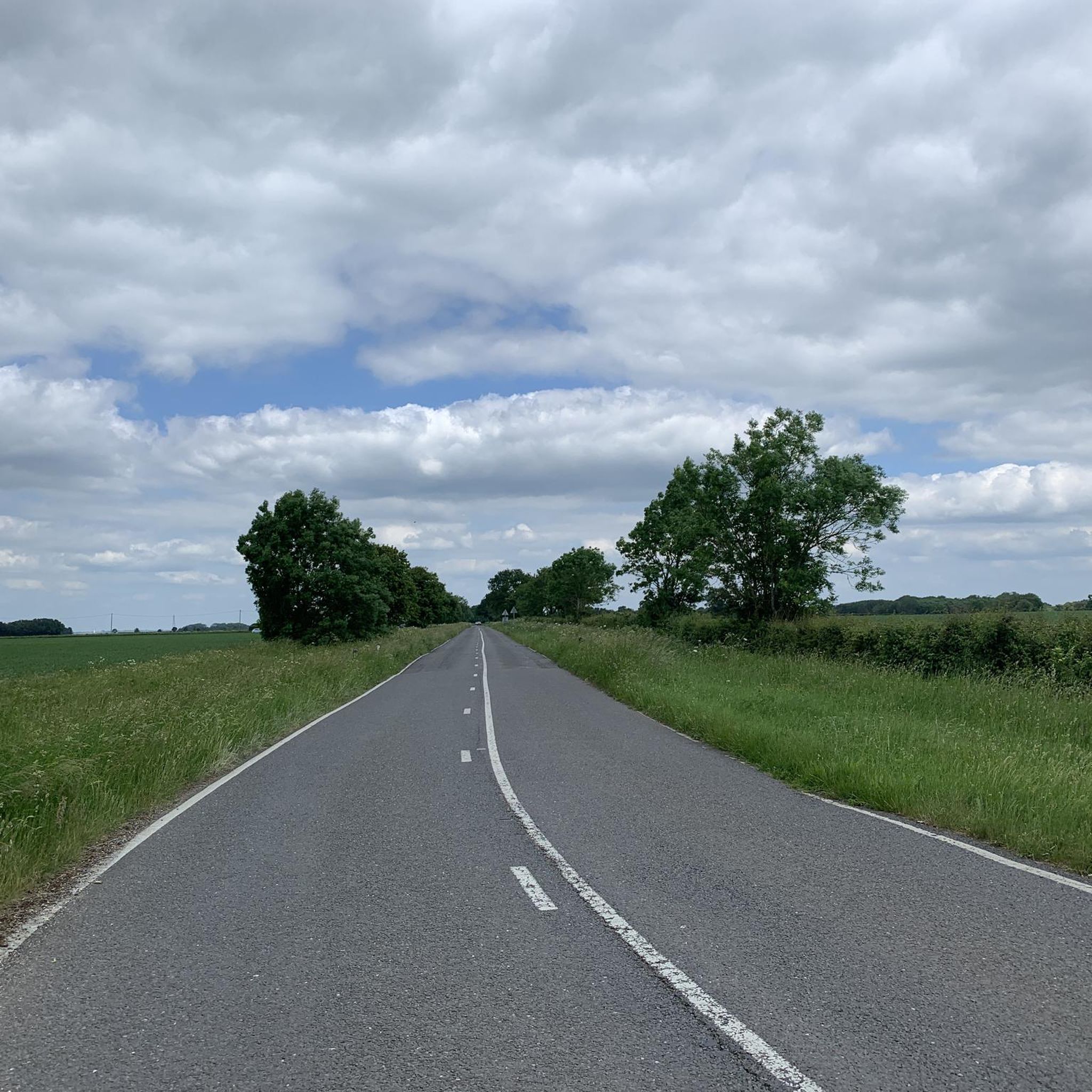
Cambridge to St Ives Guided Busway Cycle Path
Highlight (Segment) • Cycleway
Tip by

Wimpole Hall and Gardens
Highlight • Historical Site
Tip by

Sign up now to discover places like this
Get recommendations on the best single tracks, peaks, & plenty of other exciting outdoor places.
Wimpole's Folly
Highlight • Historical Site
Tip by
Far Fen Lake
Highlight • Lake
Tip by
Greenwich Meridian marker at Orwell
Highlight (Segment) • Monument
Tip by

Sign up for free to discover even more attractions around Caxton.
Already have an account?
Start today with a free account
Your next adventure awaits.

Tips from the Community

The "invention" of the prime meridian – more precisely, the scientifically based division of the globe into longitude and latitude, with the prime meridian running at this point as the central reference line – in the second half of the 19th century was an epochal masterpiece in the field of cartography and navigation, particularly significant for seafaring at the time. Even today, in the age of modern GPS navigation based on satellites orbiting the Earth, coordinates based on this principle continue to be used to determine location. A film (in German) from the highly recommended series "Treasures of the World – Heritage of Humanity" explains the UNESCO World Heritage-listed sites in Greenwich and discusses the problem of longitude measurement solved there. This episode can be found in the ARD media library under the following link =>> https://www.ardmediathek.de/video/schaetze-der-welt/maritime-greenwich-grossbritannien-folge-194/swr/Y3JpZDovL3N3ci5kZS83MDM1NjMw
0
0

Parking is £2. There is a portaloo and a bin in the carpark. This hike was limited in what you could see, in August the trees and weeds blocked most of the view. For safety note that the pathway takes the narrow road that cars are entering and exiting. There are two crossings over the guided path where the buses are traveling at speed. The first part of the walk by the Ouse was lovely as was the last part on a field where you ton off by the weight limited bridge. I would imagine in winter the path would be a mush pit.
0
0

In the winter months guided tours of 45 mins only going every 30 mins (selected times only) and only the ground floor is a accessible.
0
0

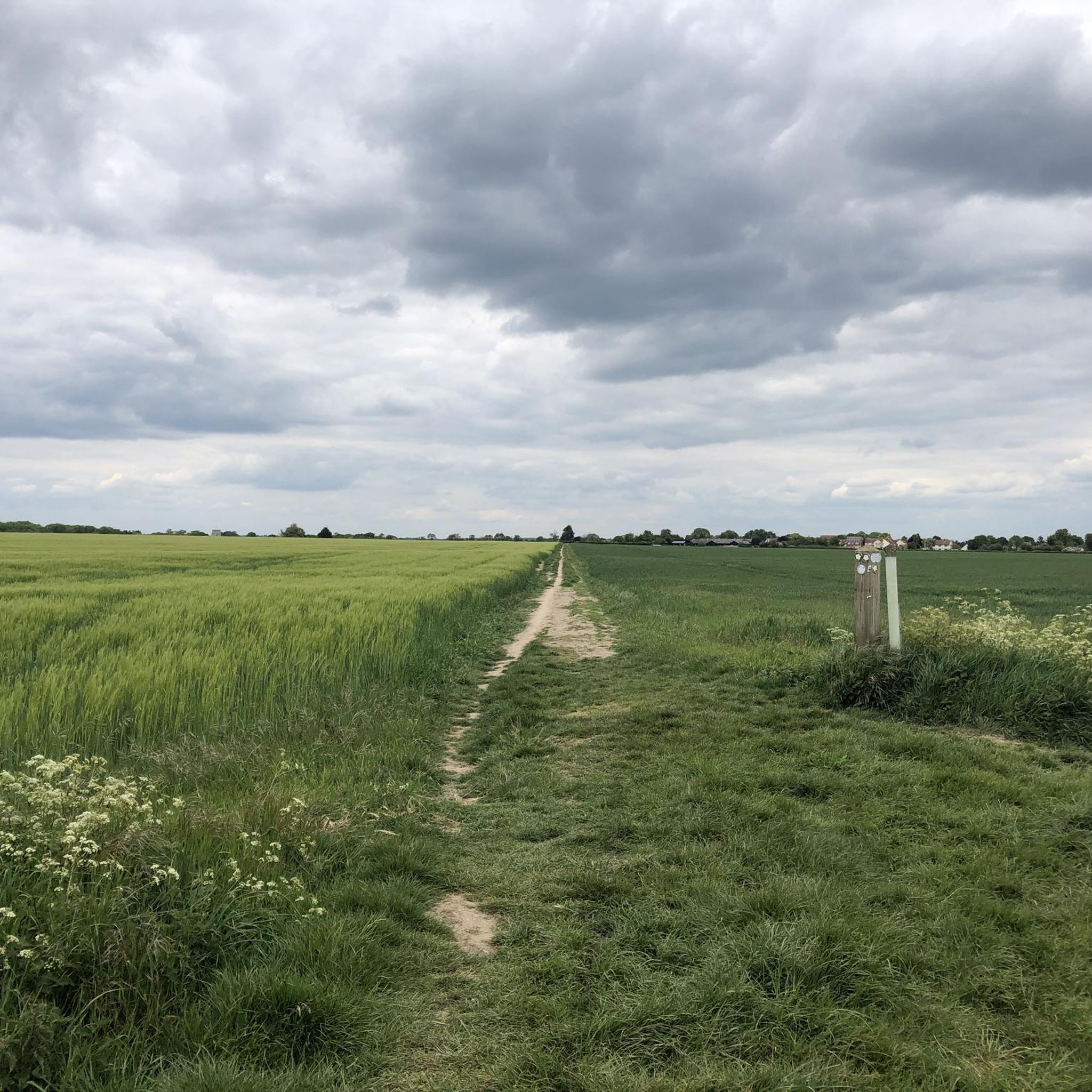
Easy walk from the National Trust owned Hall and Stable buildings. Great views looking back towards the Hall, and on a good day, back towards Royston
1
0

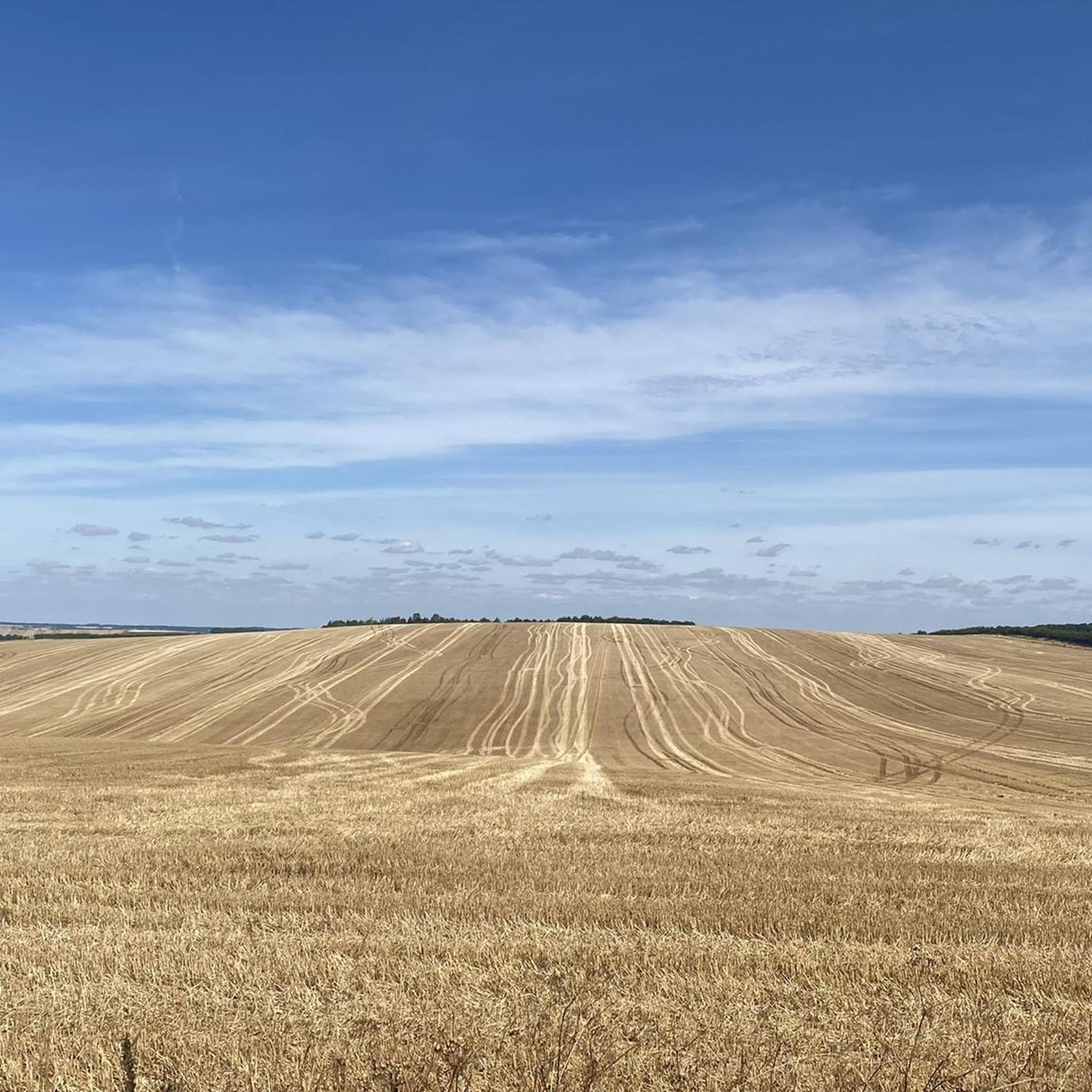
The bus whizzes through the yellow grain landscape like oiled lightning. The intercity bus from Cambridge to St Ivy rolls over a special lane bus track and reaches an impressive speed. Today he transports the four of us to the "Fen Drayton Lakes Nature Reserve", in the lake landscape we hike and do "birdwatching". “Fen Drayton Lakes was originally a flooded sand and gravel pit bordering river floodplains. Today the area is a magnet for a variety of wildlife including otters, dragonflies, ducks, swans and geese. There is something to see (and hear) here all year round.” (https://www.rspb.org.uk/reserves-and-events/reserves-a-z/fen-drayton-lakes/)
0
0
** "Folly (literally "foolishness"), plural follies, is an English term in garden design and architecture for an unusual ornamental building, [...] primarily related to landscape gardens in England. The bizarre conspicuousness of the building is intentional, the provocative uselessness of the system is programmatic. [...]" (https://de.wikipedia.org/wiki/Folly_(Garden Art)) Over the extensive pasture slopes we climb to the western ridges of the park at oddly grown, ancient willows. The visual axis of the Lindenallee leads the view over to the picturesque Folly in the northern part. Between the "Serpentine Lakes" the "Japanese Bridge" connects the areas of the park. Behind it we climb up to the artificial ruins of the Folly and enjoy the view for a while before the early dawn drives us down the slope back to the entrance.
1
0
"Wimpole Estate" is therefore on the schedule for today, which is cloudy at first and remains cloudy from a weather point of view. The only travel day without sun in the sky leads us first through the premises of Wimpole Hall. (https://artuk.org/visit/venues/national-trust-wimpole-hall-6723) I don't want to dwell on the whole powerful aristocratic fuss here; after all, the British have a much more relaxed relationship with the aristocratic upper class, which has always lovingly enslaved the population. We are not alone in visiting the spacious rooms of the Hall.
2
0
"Wimpole Estate" is therefore on the schedule for today, which is cloudy at first and remains cloudy from a weather point of view. The only travel day without sun in the sky leads us first through the premises of Wimpole Hall. (https://artuk.org/visit/venues/national-trust-wimpole-hall-6723)"Wimpole Hall is just south of the center of its park, from which the views extend north-south and east-west cross direction. The northern park retains many of the features bestowed on it by Lancelot Brown, who greatly expanded it in that direction. He advised the second Earl of Hardwicke from the mid-1760s to the mid-1770s. […] To the north of the Ha-ha (No Joke*) lies a series of serpentine lakes, identified by Brown from the late 17th century Lord Radnor's Fishponds. These are traversed by a wooden Chinese bridge […] leading to a grassy slope planted with trees , on the top of which stands the Gothic-style Folly Castle**, built […] in 1768-1772. A short stretch of linden and chestnut avenue [...] frames the view of Folly Castle. The Park or Home Farm is on the edge of the North Park, some 200 yards east of the Walled Garden, and is an unaltered remnant of a late 18th-century model farm designed by Sir John Soane for the third Lord Hardwicke.” (https://www.parksandgardens.org/places/wimpole-hall)
2
0
Frequently Asked Questions
What historical sites can I visit around Caxton?
Caxton and its surroundings are rich in history. You can explore medieval moated sites like the Caxton Moats and Caxton Pastures, or visit the historic St Andrew's Church. Don't miss the impressive Wimpole Hall and Gardens, which includes the gothic Wimpole's Folly, an extravagant tower from the mid-1770s.
Are there any natural attractions or nature reserves near Caxton?
Yes, the area offers several natural spots. Far Fen Lake is part of the RSPB Nature Reserve, known for its island and opportunities for birdwatching. The Bourn Brook also runs through Caxton parish, adding to the natural beauty of the countryside.
What cycling routes are available around Caxton?
Caxton is a great base for cyclists. The Cambridge to St Ives Guided Busway Cycle Path is a popular, flat, and car-free route suitable for families. For more options, you can find various touring bicycle routes, including moderate and easy trails, in the Cycling around Caxton guide.
Are there family-friendly activities or attractions in the Caxton area?
Absolutely! Many attractions are suitable for families. The Wimpole Hall and Gardens estate features woodland, parkland, and a farm, which is sure to delight young visitors. The Cambridge to St Ives Guided Busway Cycle Path is also safe and easy for family cycling.
Where can I find hiking or walking trails near Caxton?
There are several walking opportunities around Caxton. The grounds of Wimpole Hall and Gardens offer extensive parkland for walks. For dedicated routes, explore the Easy hikes around Caxton guide, which includes trails around Cambourne Nature Reserve.
What is the Caxton Gibbet?
The Caxton Gibbet is a historical structure for which Caxton is most famous. It was historically used for the public display of executed criminals, offering a glimpse into a darker aspect of English history.
Are there any unique landmarks or viewpoints to discover?
Beyond the historical sites, you can visit the Greenwich Meridian marker at Orwell, a significant man-made monument. For scenic views, the gothic Wimpole's Folly offers great vistas across the parkland.
What do visitors enjoy most about the attractions around Caxton?
Visitors particularly appreciate the blend of history and nature. The car-free and flat nature of the Cambridge to St Ives Guided Busway Cycle Path is highly rated for its ease and pleasant scenery. The extensive grounds of Wimpole Hall and Gardens are also a favorite for their beauty and historical significance.
Are there mountain biking trails near Caxton?
Yes, if you're interested in mountain biking, there are trails available. You can find various moderate and easy MTB routes in the MTB Trails around Caxton guide, such as those exploring the Banks of the River Ouse or around Childerley Hall.
Is there public transport or parking available for attractions?
While specific public transport details for every attraction vary, the Cambridge to St Ives Guided Busway Cycle Path is designed with a parallel bus lane, making it accessible. For Wimpole Hall and Gardens, there are facilities including a cafe and toilets on site, and parking is generally available at major attractions. For Far Fen Lake, parking is £2.
Are any attractions wheelchair accessible?
The Greenwich Meridian marker at Orwell is noted as wheelchair accessible, located at the roadside. For other attractions, it's advisable to check individual site information for specific accessibility details, especially for historical buildings or natural trails.
What is the best time of year to visit Caxton for outdoor activities?
The Cambridgeshire countryside is enjoyable throughout the year, but spring and summer offer pleasant weather for cycling and walking. Autumn provides beautiful scenery for walks, while winter can be suitable for outdoor activities if you are prepared for cooler conditions. Always check local weather forecasts before your visit.
Most popular attractions around Caxton

Get inspired with the komoot mobile app


Explore more
Still not found the Highlight you’re looking for? See guides of the top attractions in other regions:
