The best walks and hikes around Wensin
4.5
(5519)
18,245
hikers
465
hikes
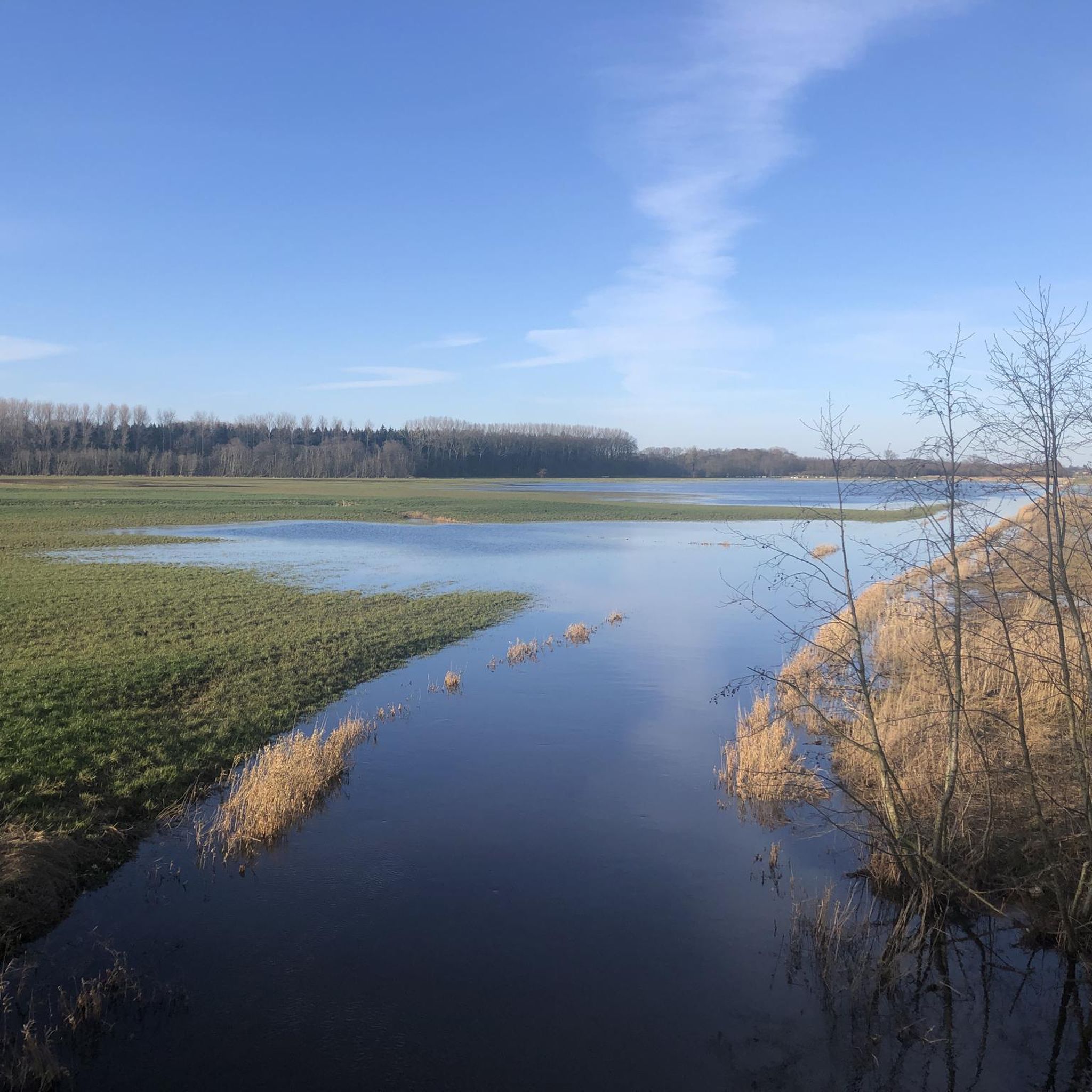
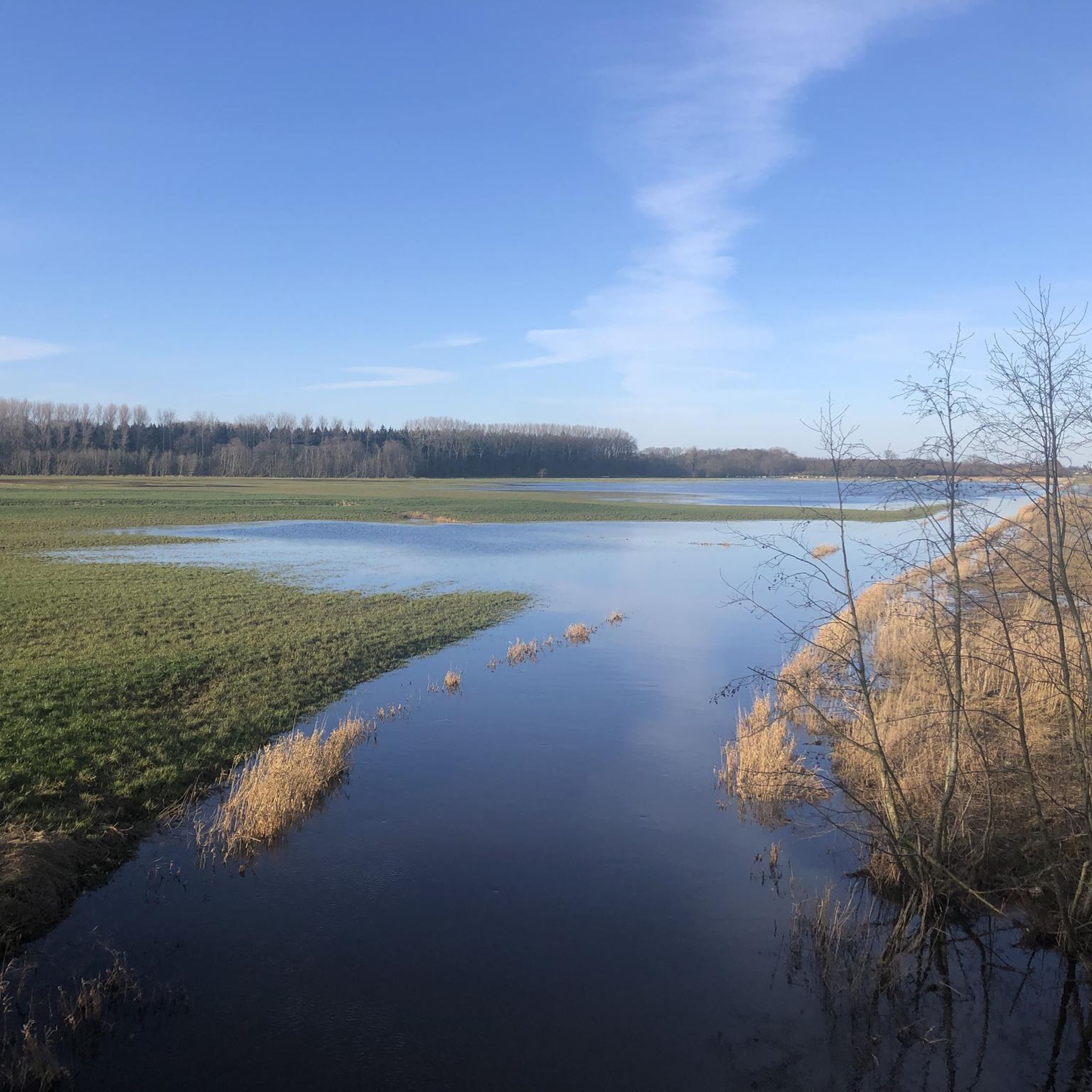
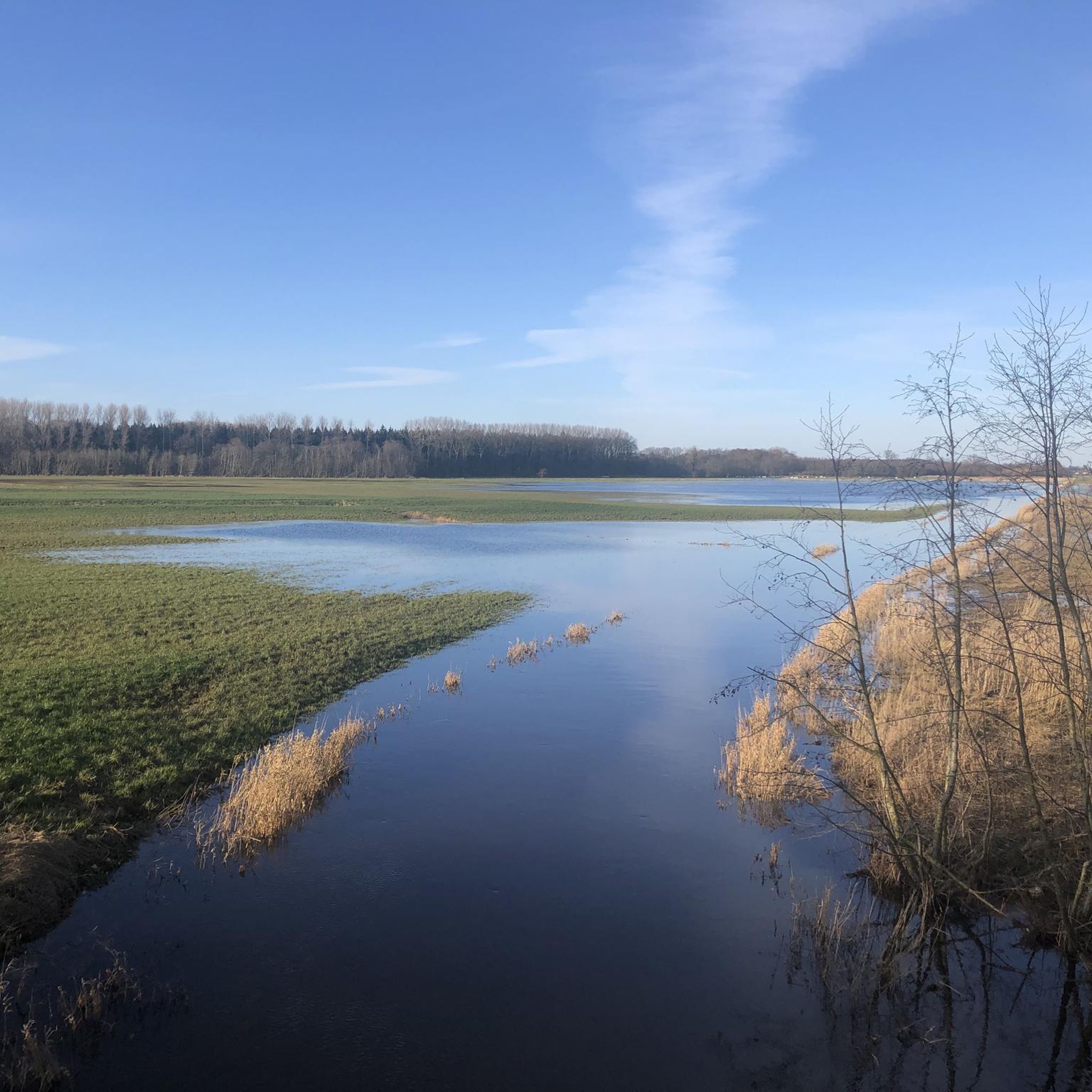
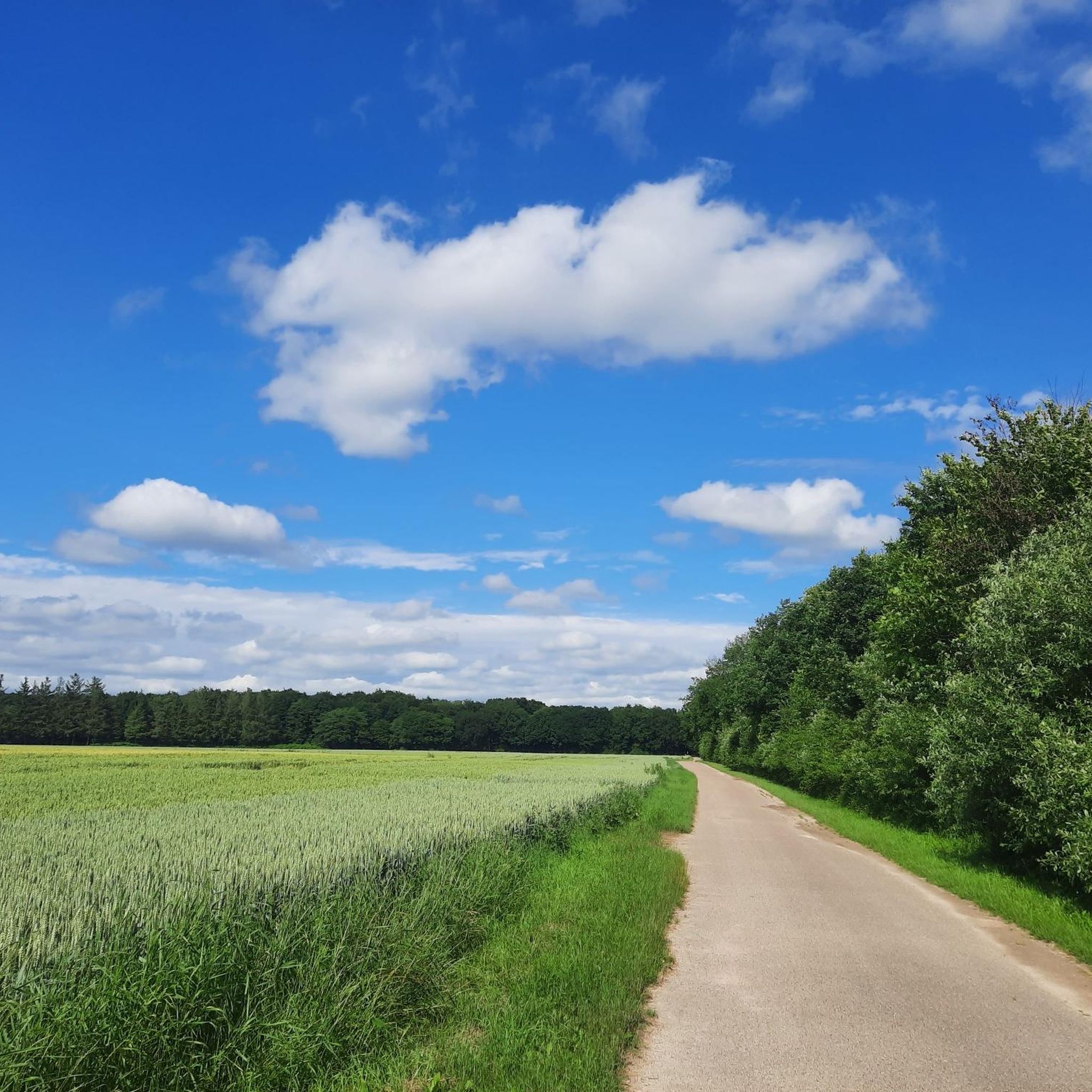
Hiking around Wensin offers diverse natural landscapes, including Lake Warder, re-wetted moorlands, and deciduous forests. The region is characterized by its significant 360-hectare lake, extensive floodplains, and vital habitats for various bird species. Trails are generally accessible, catering to different fitness levels, from casual strolls to more challenging treks.
Best hiking trails around Wensin
- The most popular hiking route is Quaal-Wardersee circular route - Holstein Switzerland, a 4.8 miles (7.7 km) trail that takes 1 hour 57 minutes to…
Last updated: August 15, 2026
3.8
(12)
52
hikers
7.65km
01:57
20m
20m
Easy hike. Great for any fitness level. Easily-accessible paths. Suitable for all skill levels.
4.1
(24)
65
hikers
13.3km
03:24
60m
60m
Moderate hike. Good fitness required. Easily-accessible paths. Suitable for all skill levels.

Sign up for free
3.9
(19)
57
hikers
9.43km
02:26
50m
40m
Moderate hike. Good fitness required. Easily-accessible paths. Suitable for all skill levels.
3.3
(18)
49
hikers
28.4km
07:16
100m
100m
Hard hike. Very good fitness required. Easily-accessible paths. Suitable for all skill levels.
4.6
(9)
27
hikers
7.23km
01:53
50m
50m
Easy hike. Great for any fitness level. Easily-accessible paths. Suitable for all skill levels.
Get access to more routes and recommendations from other explorers.
Sign up for free
Already have an account?
Our route recommendations are based on thousands of hikes, rides, and runs completed by other people on komoot.
Start today with a free account
Your next adventure awaits.
Login or Signup

Tips from the Community

Hidden swimming spot with trail
0
0

From here you have a great view of Lake Warder.
0
0

The Warder Church is a parish church and was first documented around 1198. Its name derives from a peninsula in Lake Warder, where a chapel is said to have once stood. It is located in the municipality of Rohlstorf, directly on Lake Wadersee, and belongs to the Evangelical Lutheran parish of Warder. The present church is a parish church belonging to the Rohlstorf estate. A parish church, also called an estate church, is a village church located near an estate and under the patronage of the lord of the manor. Among other things, it is his responsibility to maintain the church building.
0
0
One of the oldest churches in the church district is Warder, founded around 1200. Its name is derived from a peninsula in Lake Warder, on which a chapel is said to have stood.
0
0
East of Herreninsel, on the right bank, lies the district of Schlutup, with the mouth of the Lübecker Landgraben. Opposite, the Dummersdorfer Ufer begins with its Stülper Huk. The Trave then widens eastward to the aforementioned Pötenitzer Wiek. The Stepenitz flows into Lake Dassow. The Trave estuary between the Pötenitzer Wiek and the open Bay of Lübeck, bordered west by Travemünde and east by Priwall, is essentially an estuary.
0
0
The seaports begin north of the Holsten Gate. At the northern end of the Old Town Island near the Burgtor, the city moat, the Stadttrave, and the Kanaltrave rivers merge again. Lübeck's trading ports are located between the Holsten Gate and the Teerhof Island, which was artificially created by a cut in the 19th century. Where the cut and the old fairway meet, the Schwartau flows in from the north. On the peninsula between this and the old Trave lies the Slavic hillfort Liubice. Past the Schellbruch nature reserve and the fishing village of Gothmund, it flows to Herreninsel, today a peninsula, to the north of which it is crossed by the Herrentunnel. From Travemünde, connecting the Norder-/Südermole, it is considered an inland body of water; a regular inflow of water from the Bay of Lübeck ensures a salinity of between 2 and 5 g/kg. Due to its glacial origin, the estuary between Herreninsel and the mouth of the Bay of Lübeck, including the widening
0
0
The Wakenitz, which originally bordered the old town to the east, is channeled under the Kanaltrave at the Rehderbrücke (formerly the Krähenbrücke) through a culvert into the Krähenteich (Crow Pond), and from there flows through the Mühlenteich (Mill Pond) into the Stadttrave (Lübeck dialect: Obertrave). This is part of the original Travelauf (Trave River) on the western edge of the old town. On its left bank are the salt warehouses. North of the Holstentor, this Travelauf becomes part of the Untertrave (Lübeck dialect: Stadttrave), but remains officially called the Stadttrave until its confluence with the Kanaltrave. On the right bank, on the street An der Obertrave, stands the University of Music. West of the former ramparts runs the Lübeck city moat.
0
0
Near the village of Lübeck, now part of the city of Genin, the Elbe-Lübeck Canal flows into the river from the south. Long sections of the Elbe-Lübeck Canal were built between 1895 and 1900 along the Stecknitz. Simultaneously with the construction of the canal, the river was deepened and widened from the canal mouth to the edge of the old town, forming the KanalTrave. Near Lübeck's old town, the river's course was redesigned to meet the needs of shipping and medieval city defense, forking into several branches south of Lübeck Cathedral. First, the city moat branches off to the west, then the KanalTrave branches off to the east from the original Travelauf, flowing in the former bed of the Wakenitz to Klughafen on the northeast side of the old town.
0
0
Frequently Asked Questions
How many hiking trails are available around Wensin?
There are over 470 hiking routes available around Wensin, catering to various preferences and skill levels. You'll find a wide selection of paths to explore the region's diverse landscapes.
What types of terrain can I expect on hikes around Wensin?
Hiking around Wensin offers a mix of serene lake environments, unique re-wetted moorlands, and diverse deciduous forest ecosystems. Trails are generally accessible, ranging from easy, flat paths around Lake Warder to slightly more challenging routes with gentle elevation changes through woodlands.
Are there any easy or family-friendly hiking options in Wensin?
Yes, Wensin has many easy and family-friendly options. Over 320 of the routes are classified as easy. A great choice is the Quaal-Wardersee circular route - Holstein Switzerland, which is 4.8 miles (7.7 km) long and offers beautiful views of Lake Warder without significant elevation gain.
What natural features or landmarks can I see while hiking in Wensin?
Wensin is rich in natural beauty. You can explore the significant Lake Warder (Wardersee), which is a crucial resting area for migratory birds. The re-wetted Muggesfelder Moor offers a unique landscape and is a vital habitat for cranes. Additionally, natural deciduous forests adjacent to Lake Warder are home to various bird species. For specific sights, consider visiting the Lakeside promenade at the Great Segeberg Lake or the View of the Großer Plöner See from the southern shore.
Are there any circular hiking routes around Wensin?
Yes, circular routes are very popular in Wensin. The Quaal-Wardersee circular route - Holstein Switzerland is a well-loved easy option. For a moderate challenge, the Wardersee – Church of Warder loop from Trave-Land provides varied scenery around the lake, including woodlands.
What do other hikers say about the trails in Wensin?
The hiking routes in Wensin are highly regarded by the komoot community, with an average score of 4.5 stars from over 4,700 reviews. Hikers often praise the serene lake environments, the unique moorlands, and the diverse forest ecosystems, highlighting the accessibility and variety of trails for different ability levels.
Can I bring my dog on the hiking trails in Wensin?
While specific regulations for dogs on every trail can vary, Wensin's natural landscapes, including forests and open areas around Lake Warder, are generally welcoming for dogs. It's always recommended to keep dogs on a leash, especially in areas with wildlife like the Muggesfelder Moor, and to check local signage for any specific restrictions.
What is the best time of year to go hiking in Wensin?
Wensin offers beautiful hiking experiences throughout the year. Spring and autumn are particularly pleasant for their mild temperatures and vibrant natural colors. Spring brings migratory birds to Lake Warder, while autumn showcases the deciduous forests in their full glory. Summer is also great for enjoying the lake, and even winter can offer peaceful, crisp walks, though some paths might be muddy.
Are there any longer or more challenging hikes available?
Yes, for those seeking a greater challenge, Wensin offers more demanding routes. The Wardersee – Church of Warder loop from Gnissau, Abzw. Strenglin is a difficult 28.4 km (17.6 miles) path that takes over 7 hours to complete, offering an extensive exploration of the region.
What kind of wildlife can I spot while hiking in Wensin?
Wensin is a haven for wildlife, especially birds. Around Lake Warder, you can observe migratory birds like geese, ducks, swans, and waders. The reed beds provide habitat for elusive species such as the bittern and marsh harrier. In the deciduous forests, look out for red kites, middle spotted woodpeckers, and black woodpeckers. With luck, you might even spot a sea eagle hunting over the lake.
Are there any specific trails that focus on the moorland areas?
Yes, to experience the unique moorland landscape, consider the 'Gut Muggesfelde – Muggesfelder Moor loop'. This area, bordering the Tarbeker Moor, is a re-wetted moorland and a vital habitat for cranes, some of which reside there year-round. While not explicitly listed in the provided routes, it's a notable feature of the region.
Most popular attractions around Wensin

Get inspired with the komoot mobile app


Explore more
Browse the best Hikes in other regions.
