Attractions and Places To See around Bishop Wilton - Top 20
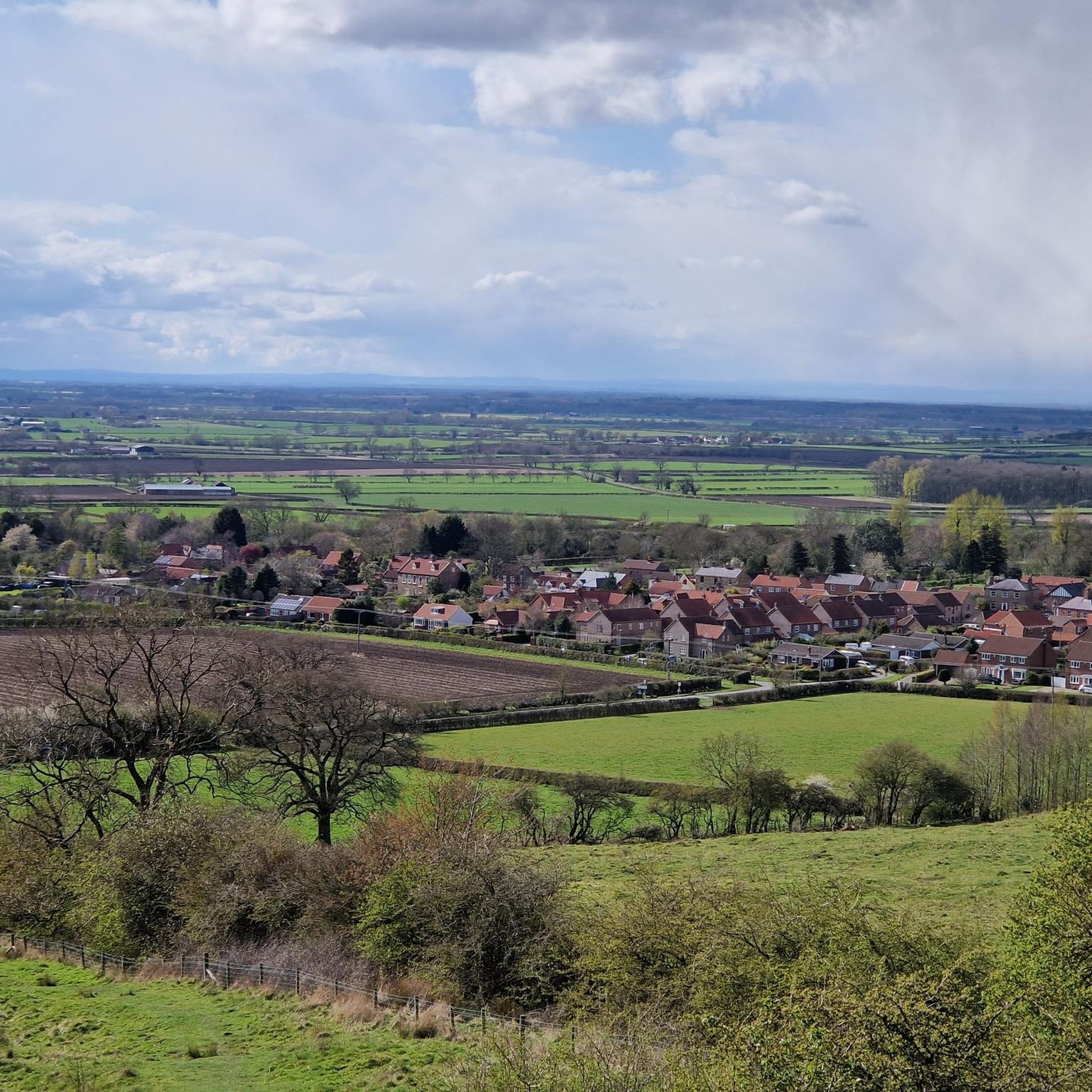
Best attractions and places to see around Bishop Wilton include a blend of historical landmarks and natural beauty in the East Riding of Yorkshire. This picturesque village serves as a gateway to the Yorkshire Wolds, characterized by rolling hills, forests, and grasslands. Visitors can explore significant architectural details, ancient earthworks, and enjoy expansive panoramic views. The area offers numerous opportunities for outdoor enthusiasts, particularly for walking and cycling.
Best attractions and places to see around Bishop Wilton
- The most popular attractions is Wharram Percy — Deserted Medieval Village, a settlement that is one of the best-preserved deserted medieval villages in Britain. It features the outlines of lost houses and the crumbling remains of St Martin’s Church, offering insight into its 600-year history before abandonment.
- Another must-see spot is Kirkham Priory Ruins, a historical site located next to the River Derwent. These incredible ruins are an Augustinian priory founded in 1120, offering visitors a glimpse into medieval ecclesiastical architecture and history.
- Visitors also love Stamford Bridge Railway Viaduct, an impressive old railway bridge built from red brick with 15 arches. This structure stands as the largest remaining remnant of a historic railway line and now forms part of the Sustrans National Cycle Network, offering a picturesque vantage point.
- Bishop Wilton is known for its historical sites, natural features, and walking and cycling routes. The region offers a variety of attractions to see and explore, from ancient ruins to scenic waterways and panoramic viewpoints.
- The attractions around Bishop Wilton are appreciated by the komoot community, with more than 90 upvotes and over 100 photos shared by visitors.
Last updated: October 9, 2026
Wharram Percy — Deserted Medieval Village
Highlight • Settlement
Tip by

Kirkham Priory Ruins
Highlight • Historical Site
The site is maintained by English Heritage and you will need to pay to get in, it's definitely worth the entry fee though. An unmissable experience, particularly if you are into history like I am.
Tip by

Sign up now to discover places like this
Get recommendations on the best single tracks, peaks, & plenty of other exciting outdoor places.
Pocklington Canal
Highlight (Segment) • Historical Site
Lots of history on wikipedia: en.wikipedia.org/wiki/Pocklington_Canal
Maps (and other useful pages) on the Pocklington Canal Amenity Society website: pocklingtoncanalsociety.org/maps
Tip by

Stamford Bridge Railway Viaduct
Highlight • Bridge
Once a vital link for the railway connecting York and Market Weighton, this structure stands as the largest remaining remnant of that historic railway line. Today, it has transformed into a tranquil and traffic-free crossing, offering a picturesque vantage point to admire the waterway below.
Tip by

Howsham Mill and Weir
Highlight • River
The mill fell into ruins in the mid 1900s before being picked up by the Renewable Heritage Trust and restored to all its glory in 2006. Today, the mill is an events space, environmental education centre and produces energy in the form of hydroelectricity.
Tip by
Sign up for free to discover even more attractions around Bishop Wilton.
Already have an account?
Start today with a free account
Your next adventure awaits.
Tips from the Community

The oldest surviving cast-iron railway bridge of its kind in Britain, dating back to 1847. - The last train crossed the viaduct on 27 November 1965, after which the line was closed and the structure fell into disuse. By 1991, its condition had deteriorated so badly that East Yorkshire Borough Council planned to demolish it, estimating costs at £60,000. Thanks to local protests and rail heritage campaigners, the demolition was halted. The viaduct was restored and now forms part of the Sustrans National Cycle Network, preserving its legacy for public enjoyment.
0
0
Howsham Mill, attributed to John Carr of York, is a well-preserved example of an 18th-century watermill. The mill uses both a restored waterwheel and Archimedes screw to generate electricity, providing a sustainable energy solution for the local area, and the site is part of a larger effort to promote environmental awareness and education, showcasing how renewable energy can be implemented in a historical setting.
0
0
The remains of this Augustinian priory include a gatehouse adorned with the De Roos family heraldry. You can also learn about the priory's role in World War II, including Winston Churchill's secret visit and its use in training and testing for D-Day.
0
0
A beautiful rural canal of two halves, the upper reaches of the Pocklington Canal between Canal Head and Melbourne is characterised by un-restored locks, tree lined towpaths, and classic humpbacked bridges. Only the lower reaches of the canal is open to boats, lying in an open landscape of floodplains and meadows, rich in wildlife, and identifiable by its distinctive swing bridges. Once threatened, the canal was saved by the work of local volunteers and campaigners, and is now home to three Sites of Special Scientific Interest. Look out for Church Bridge and Swing Bridge No. 7 on the Pocklington Canal – both recently restored. Lots of history on wikipedia: https://en.wikipedia.org/wiki/Pocklington_Canal Maps (and other useful pages) on the Pocklington Canal Amenity Society website: https://www.pocklingtoncanalsociety.org/maps
2
0
Fascinating diversion during a long trek and I agree with Michael Tilley, walking along the Yorkshire Wolds Way, skirting around Deep Dale and then descending in to Wharram Percy is a cracking walk. Plenty of information boards to read to learn about the site. https://www.english-heritage.org.uk/visit/places/wharram-percy-deserted-medieval-village/history/ Re. the above comment: the Yorkshire Wolds Way Partnership does think about the walkers. Hence their accessibility action plan and associated information available on several websites.
1
0
Fascinating diversion during a long trek. Plenty of information boards to read to learn about the site. https://www.english-heritage.org.uk/visit/places/wharram-percy-deserted-medieval-village/history/
2
0

This is a beautiful rural canal that stretches 9.5 miles (15 km) between East Cottingwith and Canal Head. The canal path is lined with trees and passes by numerous original locks and elegant humpbacked bridges. It's a delightful stretch of walking – truly.
1
0
The current Howsham Mill is on the site of an earlier mill built in 1755 that milled flour for the Howsham Estate for almost 200 years. The mill fell into ruins in the mid 1900s before being picked up by the Renewable Heritage Trust and restored to all its glory in 2006. Today, the mill is an events space, environmental education centre and produces energy in the form of hydroelectricity.
2
0
Frequently Asked Questions
What historical sites can I explore around Bishop Wilton?
Beyond the village itself, you can visit the fascinating Wharram Percy — Deserted Medieval Village, one of Britain's best-preserved deserted medieval settlements, showcasing outlines of lost houses and St Martin’s Church. Another significant historical site is Kirkham Priory Ruins, an Augustinian priory founded in 1120. Within Bishop Wilton, you can also observe the earthworks of the former Archbishop's Moated Palace and ancient sites like Kitty Hill Round Barrow and Cot Nab.
Where can I experience natural beauty and panoramic views near Bishop Wilton?
The village is a gateway to the Yorkshire Wolds, offering rolling hills and scenic landscapes. You can find expansive panoramic views from Bishop Wilton Wold, also known as Garrowby Hill, which is the highest point in the Wolds. The tranquil communal meadow lands of The Ings also provide a peaceful setting for walks.
Are there good walking or hiking opportunities around Bishop Wilton?
Yes, Bishop Wilton is an excellent starting point for walks. The Minster Way passes through the village, and the broader Wolds Way is nearby. You can find various hiking routes, including moderate and difficult options, such as the 'Millington Wood Nature Reserve – Minster Way Public Bridleway loop' or the 'Sylvan Dale – Minster Way Public Bridleway loop'. For more details on routes, explore the Hiking around Bishop Wilton guide.
What family-friendly attractions are available in the Bishop Wilton area?
Families can enjoy exploring the historical sites like Kirkham Priory Ruins and the impressive Stamford Bridge Railway Viaduct, which is now part of a cycle network. The Pocklington Canal offers pleasant walks along its towpaths, rich in wildlife. Children often enjoy paddling in the shallow Bishop Wilton Beck that meanders through the village center.
Are there cycling routes or trails near Bishop Wilton?
Absolutely. Bishop Wilton is a favored spot for cycling. The Stamford Bridge Railway Viaduct is part of the Sustrans National Cycle Network, offering a traffic-free crossing. There are also mountain biking trails available, such as the 'Fridaythorpe, Thixendale and Kirkby Underdale loop'. You can find more cycling options in the MTB Trails around Bishop Wilton guide.
Where can I find local amenities like cafes or pubs in Bishop Wilton?
The village has the Bishop Wilton Community Shop, which includes a cafe popular with cyclists and locals. For a traditional experience, The Fleece Inn is a local pub offering food and accommodation, and it hosts various village events. During the summer months (typically June to September), the Shia Cafe is also open, known for its food and ice cream.
What is the significance of St. Edith's Church in Bishop Wilton?
St. Edith's Church, often called 'The Queen of the Wolds,' is a historic Norman church and a central feature of the village. It is notable for its significant architectural details, including a late Norman south doorway arch, and a unique tiled floor that replicates a section of the Vatican's.
Are there any easy walks suitable for all abilities near Bishop Wilton?
Yes, there are several easy hikes around Bishop Wilton. Options include the 'Minster Way – The Nookers Rest loop' and the 'Wood Gate – View of Millington – Millington Wood Nature Reserve loop'. These routes are generally shorter and less challenging. For more details, refer to the Easy hikes around Bishop Wilton guide.
What is the Pocklington Canal and what can I see there?
The Pocklington Canal is a beautiful rural waterway stretching 9.5 miles. It features tree-lined towpaths, original locks, and elegant humpbacked bridges. The canal is rich in wildlife and passes through open landscapes of floodplains and meadows. It's an ideal spot for tranquil walks and wildlife spotting.
What is the Stamford Bridge Railway Viaduct and its history?
The Stamford Bridge Railway Viaduct is an impressive old railway bridge made of red brick with 15 arches, spanning the River Derwent. Built in 1847, it was once a vital link for the railway. After falling into disuse, it was saved from demolition by local protests and restored. Today, it forms part of the Sustrans National Cycle Network, offering picturesque views.
Can I find information about the annual Bishop Wilton Show?
Yes, Bishop Wilton hosts an annual show every July. This event attracts many visitors and features a range of entertainment and activities, providing a lively local experience.
What is Howsham Mill and Weir?
The Howsham Mill and Weir is a historic site on the River Derwent. The mill, originally built in 1755, fell into disrepair but has since been restored. It now functions as an events space, an environmental education center, and generates hydroelectricity. The weir itself is an interesting feature of the river.
Most popular routes around Bishop Wilton
Most popular attractions around Bishop Wilton

Get inspired with the komoot mobile app


Explore more
Still not found the Highlight you’re looking for? See guides of the top attractions in other regions:
