Top 20 Caves around Lanaken
Best caves around Lanaken are primarily man-made limestone and marl quarries, offering a unique blend of history and geology in the Limburg region near the Belgian-Dutch border. These extensive underground systems, often referred to as "grotten," were formed by centuries of mineral extraction. The area provides insights into ancient mining practices and geological formations dating back millions of years. Visitors can explore these historical sites, which now serve various purposes from cultural attractions to natural habitats.
Best caves around Lanaken
…Last updated: July 1, 2026
Château Neercanne
Highlight • Castle
Translated by Google •
Tip by

Strooberg Quarry
Highlight • Cave
The green, sloping Bemelerberg has a marl wall on one side like on a postcard. Here the yellow limestone rises high into the air and …
Translated by Google •
Tip by

Sign up now to discover places like this
Get recommendations on the best single tracks, peaks, & plenty of other exciting outdoor places.
Sign up for free
Geulhemmerberg Climb and Cave Dwellings
Highlight (Segment) • Climb
Translated by Google •
Tip by

Trichterberggroeve Limestone Quarry
Highlight • Natural Monument
Translated by Google •
Tip by

Savelsbos — The Henkeput
Highlight • Cave
Translated by Google •
Tip by
Sign up for free to discover even more caves around Lanaken.
Sign up for free
Already have an account?
Start today with a free account
Your next adventure awaits.
Login or Signup
Popular around Lanaken
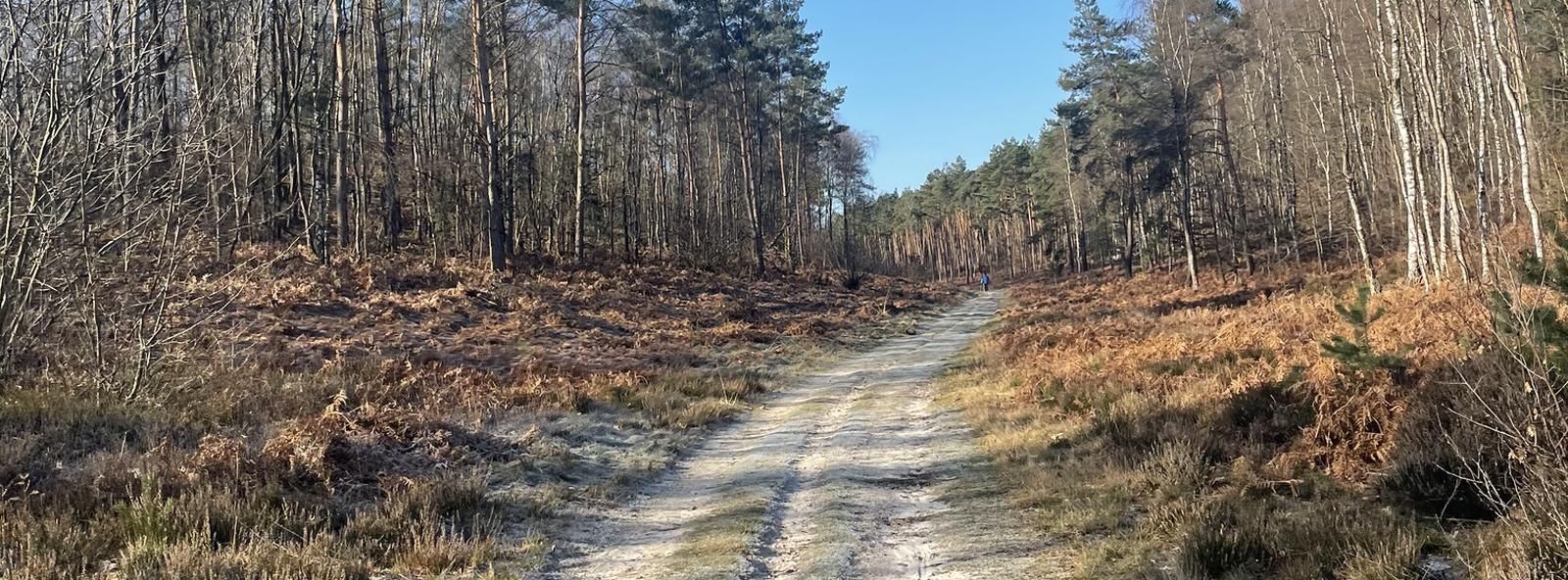
Belgium’s Hoge Kempen and Meuse Valley – Bram Tankink’s best rides
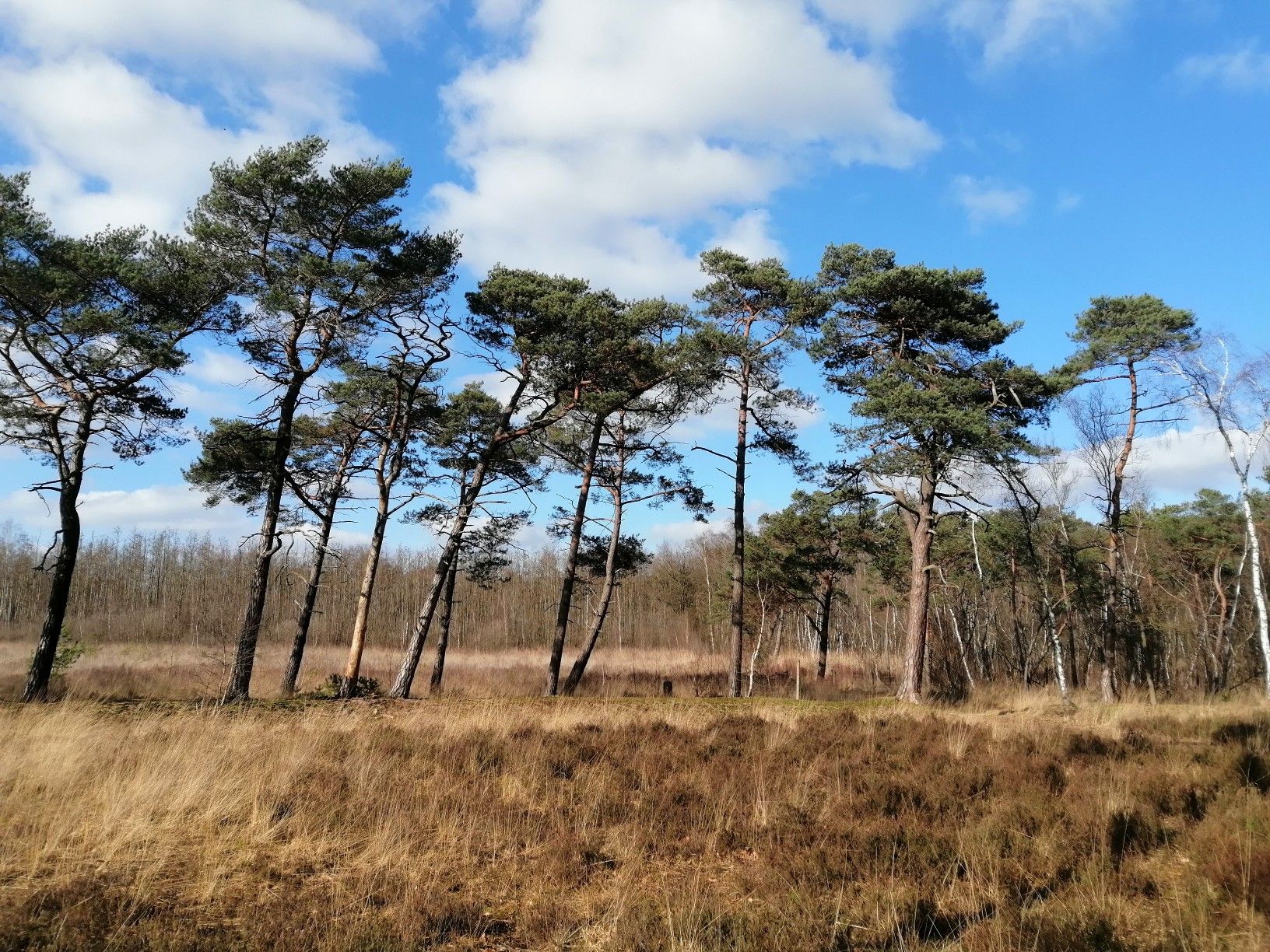
From Flanders to the Ardennes — GR 5 in Belgium
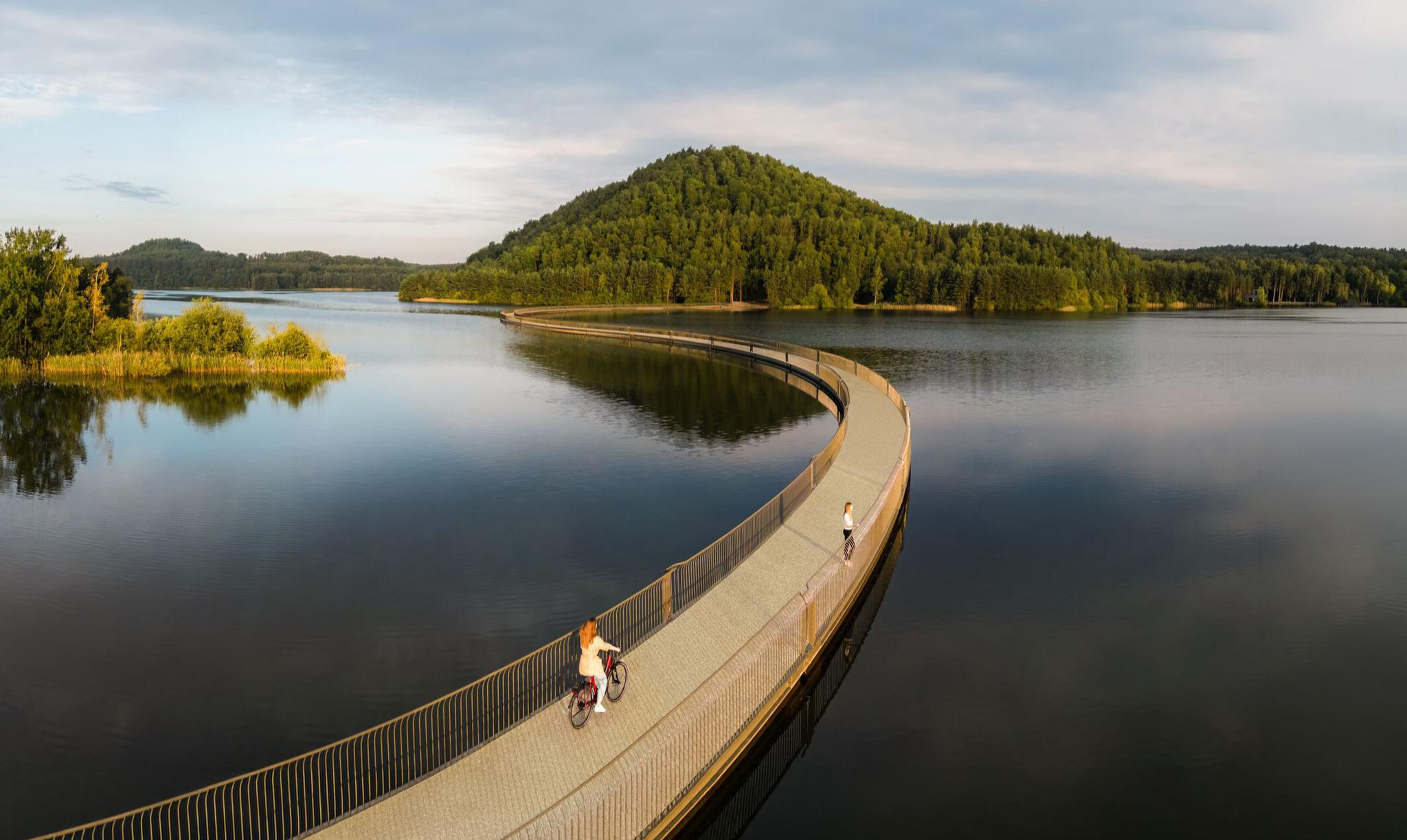
Three days through Belgian Limburg – art, heritage and views
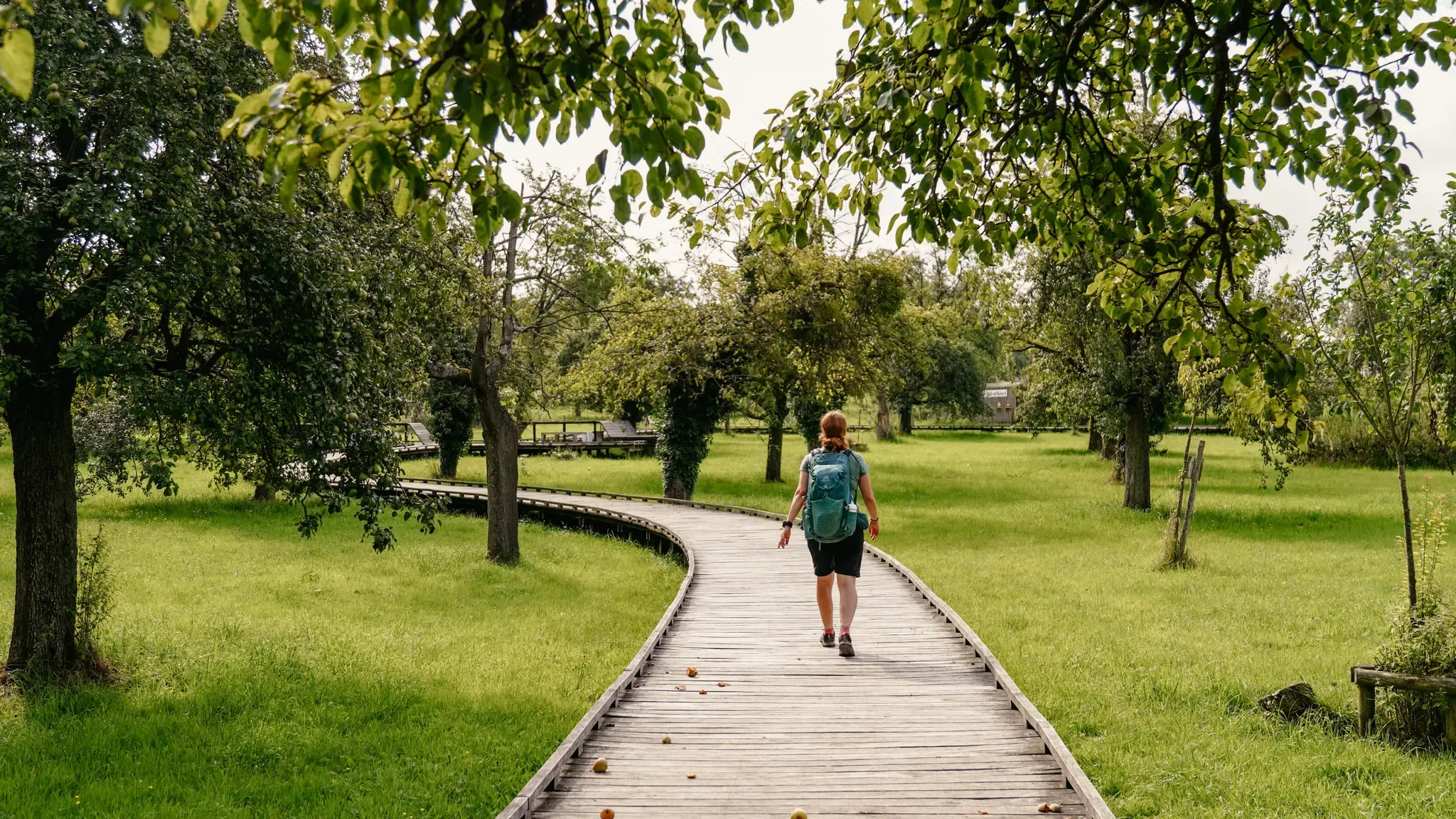
Hiking in Flanders – between dunes, forest and the scenic Meuse
Three-day National Park Trail (from Genk Station)
Belgium's best – the most beautiful hiking routes in Flanders
Hiking in Flanders – National Park Trail through Hoge Kempen
Camping Trail: 111 km National Park Trail, from Campsite to Campsite
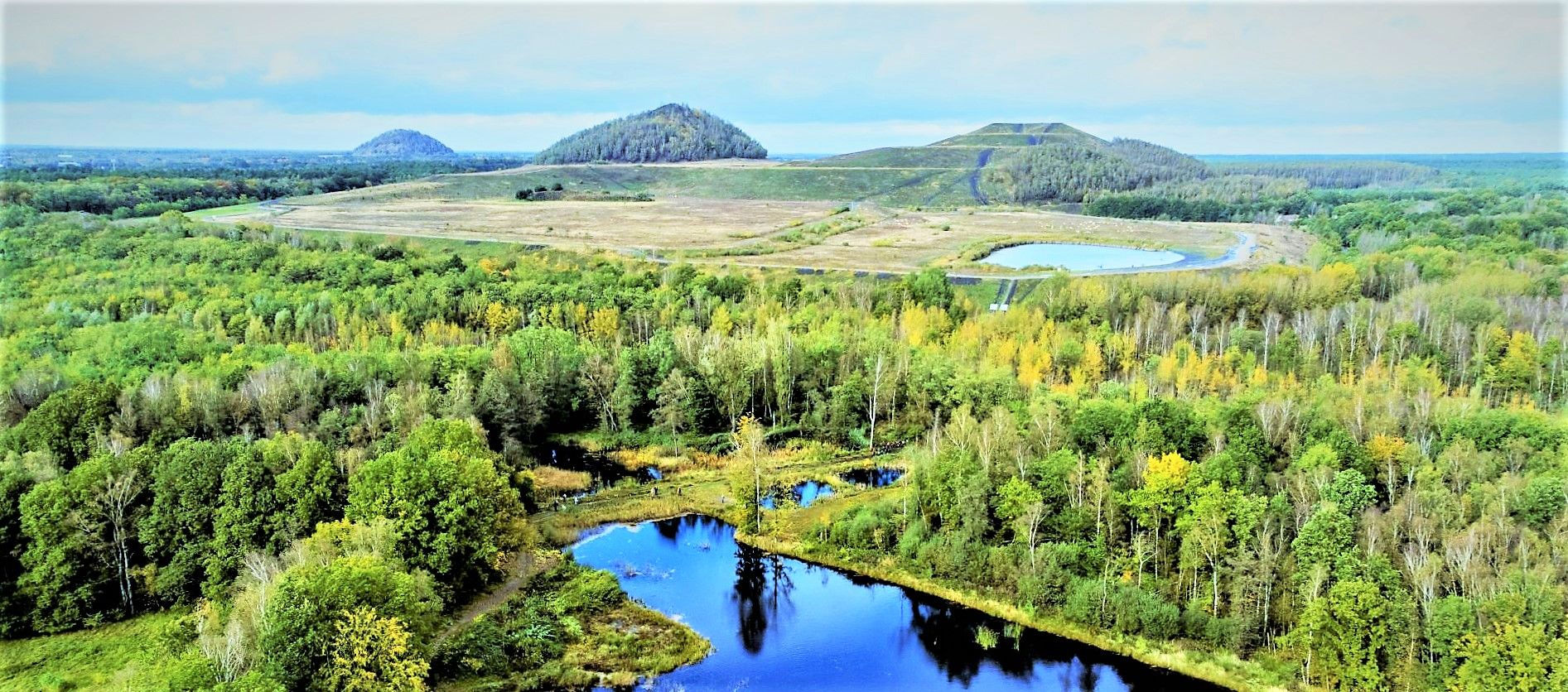
National Park Trail - 110 kilometers through Hoge Kempen National Park

One with nature - Mountain biking network Hoge Kempen
Other adventures around Lanaken


Tips from the Community

we tried to return to Maastricht using the Arriva bus. However, it was a small bus and only 3 seats were available. My friends walked.
0
0

Here you have a view of old marl quarries. You can see a marl wall with meadows, cows, or sheep.
0
0

The Strooberggroeve is a Limburg marl quarry in the Dutch municipality of Eijsden-Margraten. The underground quarry is located north of Bemelen under the Bemelerberg on the north side of the mouth of the dry valley Koelbosgrub in the Meuse valley. The quarry is located on the western edge of the Plateau of Margraten in the transition to the Meuse valley. At this point, the plateau drops steeply for a few meters. https://nl.wikipedia.org/wiki/Strooberggroeve
1
0

Very nice walking route along the chateau. Beautiful panorama. With a house in the valley below that used to be the border post.
4
0

Neercanne Castle was built on the original site of Roman fortifications, the caves of which still exist and are used as wine cellars. The original staircase with a banister on wide columns is still in the hall. The ceiling features relief depictions of weapon trophies. The castle is currently in use as a hotel and restaurant.
7
0

A mysterious deep hole that appeals to the imagination. Good thing there is a sturdy fence around it!
0
0

The Trichterberg quarry is located in the forest to the left of the steep Eckelraderweg, between Gronsveld and Eckelrade. Diagonally opposite are dole chambers. The quarry has been designated as a “Geological Monument”. Steep limestone walls with here and there sawn surfaces and a few small corridor remains are the only remains. Not much is known about the Trichterberg quarry. That is why Peter Jennekens, Kevin Amendt and Rob Habets wrote a source overview for the magazine of the Study Group Underground Limestone Quarries - Natural History Society in Limburg. Based on this, they cautiously conclude that the origin of the quarry must lie somewhere between the years 1846 and 1867. The entire PDF with all sources can be found at https://www.sok.nl (November 2013 edition).
5
0

Frequently Asked Questions
What kind of 'caves' can I expect to find around Lanaken?
The 'caves' around Lanaken are primarily extensive man-made limestone and marl quarries, rather than natural geological formations. These underground systems, often called 'grotten,' were created over centuries of mineral extraction. They offer a unique blend of history, geology, and local culture, showcasing ancient mining practices and geological formations dating back millions of years. A prime example is the Grotten van Kanne, a vast network of passages created by 'blokbrekers' extracting marl.
Are there any historical cave dwellings to visit?
Yes, you can visit the Geulhemmerberg Climb and Cave Dwellings. At the base of this climb, you can still see old rock dwellings where block breakers once lived, offering a glimpse into the region's past.
What unique geological features can I see in the quarries?
The Trichterberggroeve Limestone Quarry is designated as a Geological Monument and features steep limestone walls with examples of 'geological organ pipes,' where limestone has been dissolved by rainwater. The Strooberg Quarry also features a prominent marl wall, showcasing the yellow limestone that rises high into the air.
Are there any family-friendly cave experiences?
While specific family-friendly tours vary, the historical and geological aspects of the quarries can be engaging for families. The Trichterberggroeve Limestone Quarry is listed as family-friendly. Guided tours of the Grotten van Kanne often include educational elements about history, geology, and current uses like mushroom cultivation, which can be interesting for all ages.
What is the best time to visit the caves around Lanaken?
The underground environment of many quarries, like the Grotten van Kanne, maintains a constant temperature of 11-12°C year-round. This makes them a cool escape during summer and relatively mild in winter. Guided tours are often available throughout the year, but it's always best to check specific opening hours and tour availability for individual locations.
Can I find any flint caves in the area?
Yes, the Thier des Vignes Flint Caves are located near the Albert Canal locks in Klein Ternaaien. These are very old flint caves, protected in the Natagora site, with 13 cave entrances along the path. They are dark, cool, and atmospheric, and exploring them requires a flashlight and good hiking shoes.
Are there opportunities for hiking or other outdoor activities near these caves?
Absolutely. The region around Lanaken offers numerous outdoor activities. You can find various hiking routes, including those in the Hoge Kempen National Park and RivierPark Maasvallei. For specific trails, you can explore the Hiking around Lanaken guide. There are also options for Mountain Hikes and Gravel biking in the wider area.
What is the historical significance of the Grotten van Kanne?
The Grotten van Kanne are extensive man-made quarries where marl was extracted for centuries, with mining dating back to around 1700 and continuing until 1970. Traces of the quarry workers, known as 'blokbrekers,' including old work fronts and inscriptions, are still visible. These caves also house a museum that educates visitors about the geology and history of marl extraction.
Are there any unique uses for the caves today?
Many of the former quarries have found new purposes. The Grotten van Kanne, for instance, are used for cultivating mushrooms, storing local specialty beers like 'Grottenbier,' and maturing sparkling wines. Parts of the caves also serve as event spaces and provide a wintering habitat for thousands of bats.
Is there a castle with underground features nearby?
Yes, Château Neercanne, the only culinary terraced castle in the Netherlands, features old limestone quarries that are now used as a wine cellar and dining room. It's a historic site with beautiful views and culinary offerings.
How long does it typically take to explore the caves?
The duration of your visit will depend on the specific location and whether you join a guided tour. For example, guided tours of the extensive Grotten van Kanne typically last a few hours, offering a comprehensive look at their history and features. Shorter visits might be possible for publicly accessible quarry areas like the Strooberg Quarry or Trichterberggroeve Limestone Quarry.
What should I wear when visiting the caves?
Given the constant cool temperature (around 11-12°C) and high humidity (around 96%) in many of the underground quarries, it's advisable to wear warm clothing, even in summer. Comfortable, sturdy shoes are also recommended, especially if you plan to explore areas with uneven terrain or damp surfaces, such as the Thier des Vignes Flint Caves.
Most popular routes around Lanaken
Most popular attractions around Lanaken

Get inspired with the komoot mobile app


Explore more
Extend your search for the best caves by checking out these guides of the top ones around Lanaken:
