The best cycling routes around Lanaken
4.4
(619)
4,734
riders
81
rides
Touring cycling around Lanaken offers routes through varied landscapes, including heathland, forests, and river valleys. The region is characterized by its gentle topography, with minimal elevation changes, making it suitable for accessible cycling. It features areas like the Mechelse Heide and parts of the Hoge Kempen National Park, providing natural environments for exploration. Historic water castles and former railway lines also form part of the local scenery.
Best touring cycling routes around Lanaken
- The most popular touring cycling route is…
Last updated: June 21, 2026
4.6
(140)
712
riders
69.5km
04:02
280m
280m
Moderate bike ride. Good fitness required. Mostly paved surfaces. Suitable for all skill levels.
4.6
(79)
412
riders
35.0km
02:02
100m
100m
Moderate bike ride. Good fitness required. Mostly paved surfaces. Suitable for all skill levels.

Sign up for free
3.6
(5)
377
riders
Hard bike ride. Good fitness required. You may need to push your bike for some segments of this route.
4.4
(34)
180
riders
36.2km
02:10
160m
160m
Moderate bike ride. Good fitness required. Mostly paved surfaces. Suitable for all skill levels.
4.5
(38)
181
riders
39.6km
02:24
250m
250m
Moderate bike ride. Good fitness required. Mostly paved surfaces. Suitable for all skill levels.
Get access to more routes and recommendations from other explorers.
Sign up for free
Already have an account?
Our route recommendations are based on thousands of hikes, rides, and runs completed by other people on komoot.
Start today with a free account
Your next adventure awaits.
Login or Signup
Popular around Lanaken
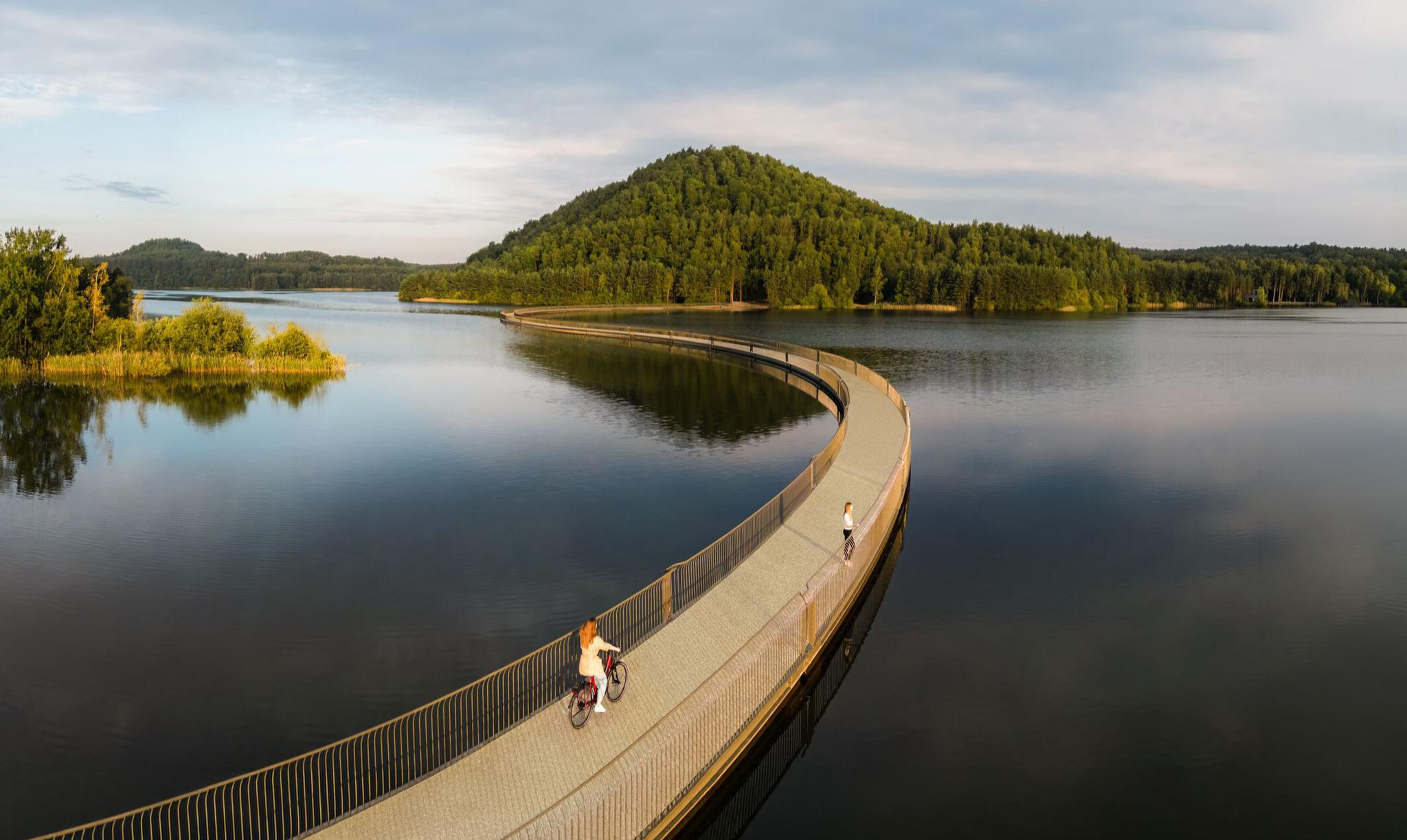
Three days through Belgian Limburg – art, heritage and views
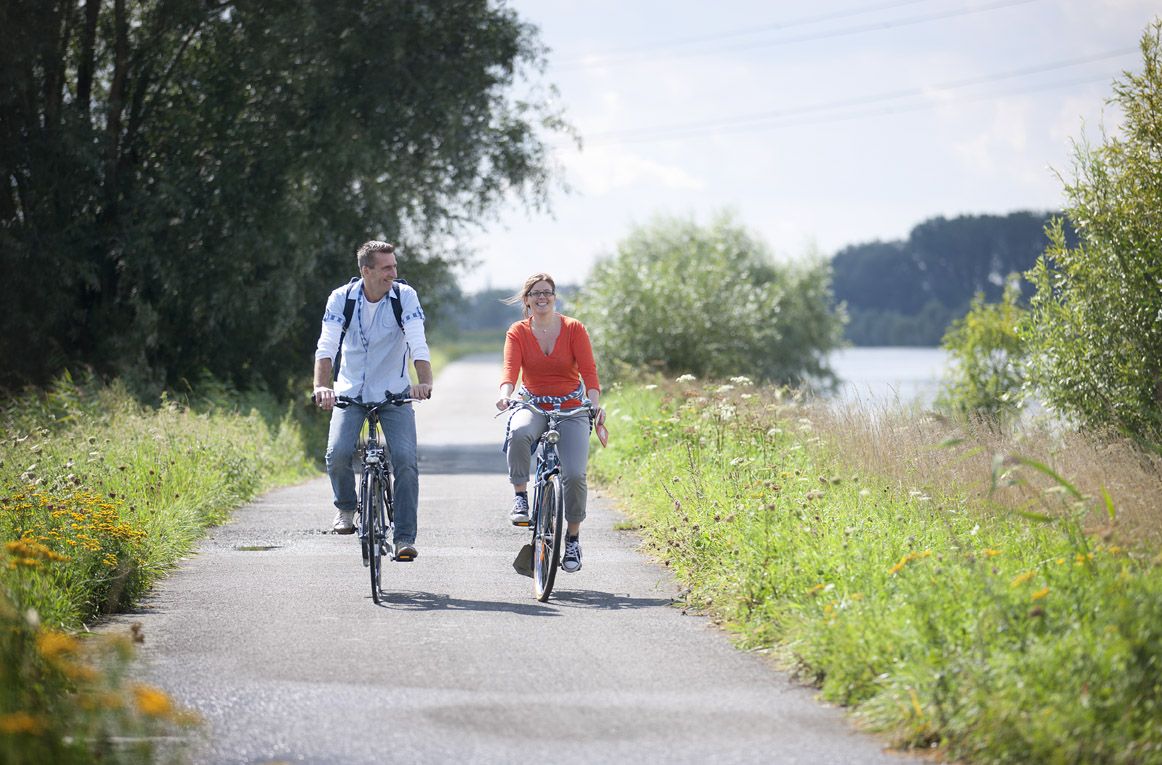
Flanders by bike: cycling along the water
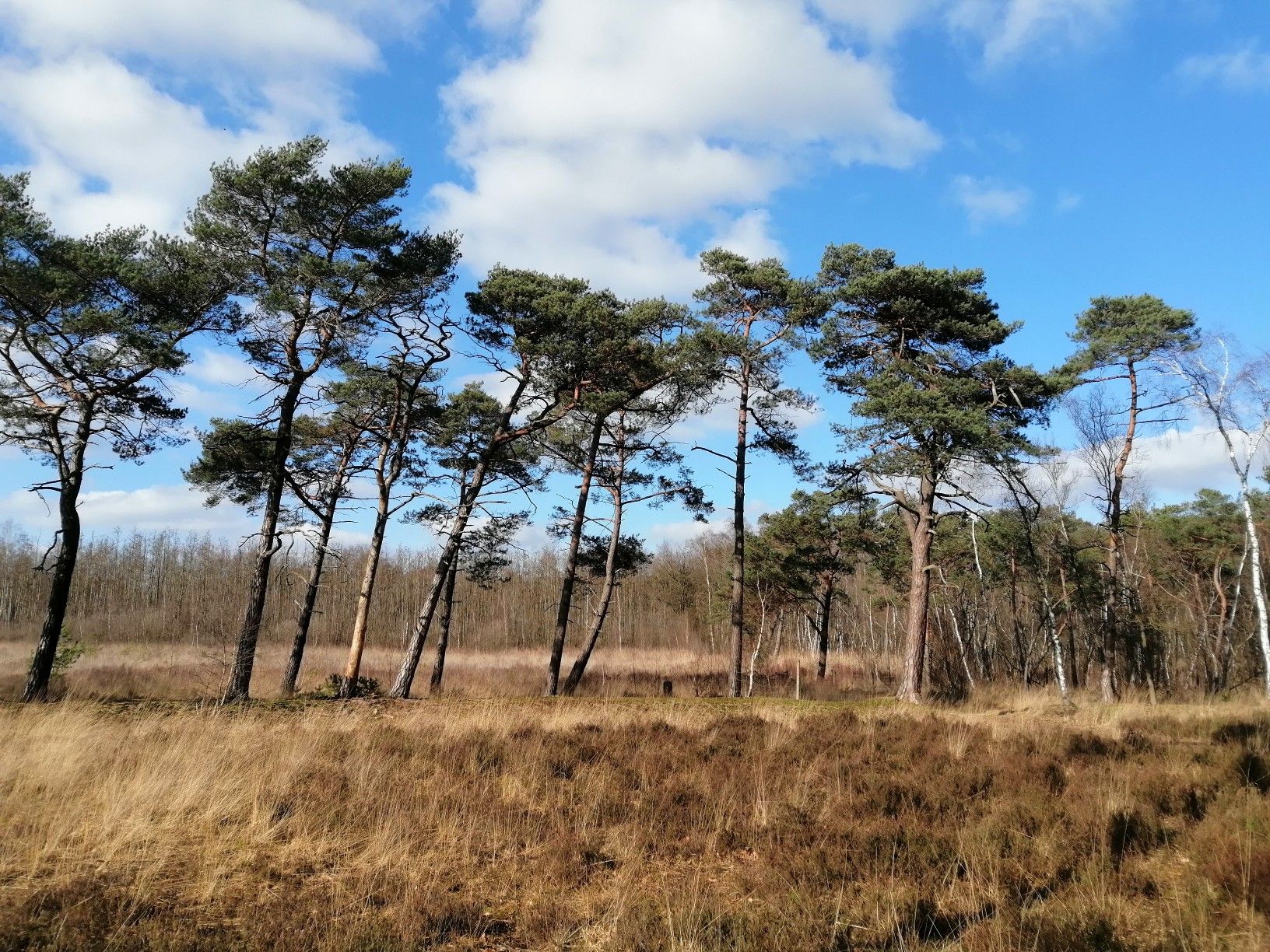
From Flanders to the Ardennes — GR 5 in Belgium
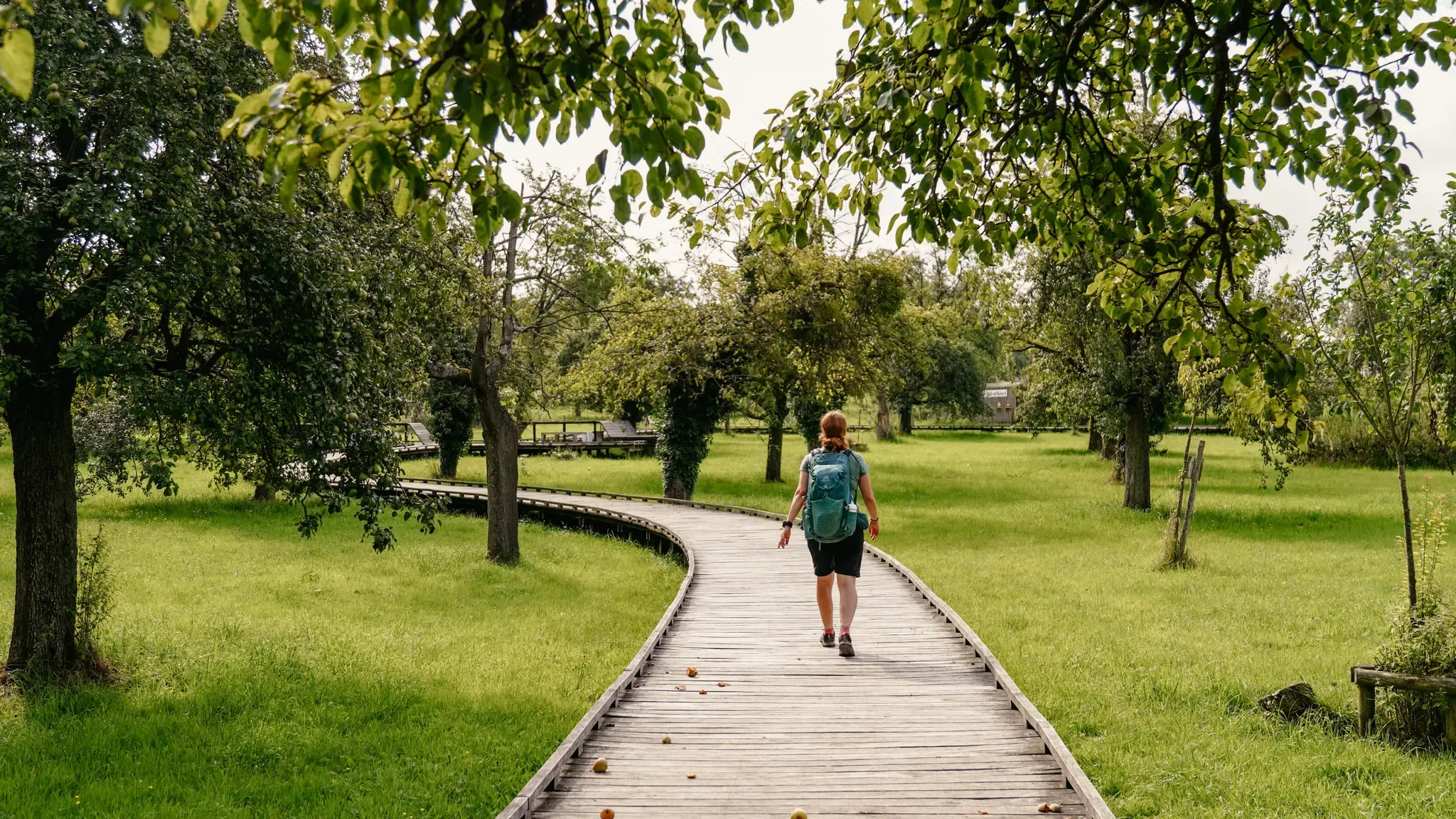
Hiking in Flanders – between dunes, forest and the scenic Meuse
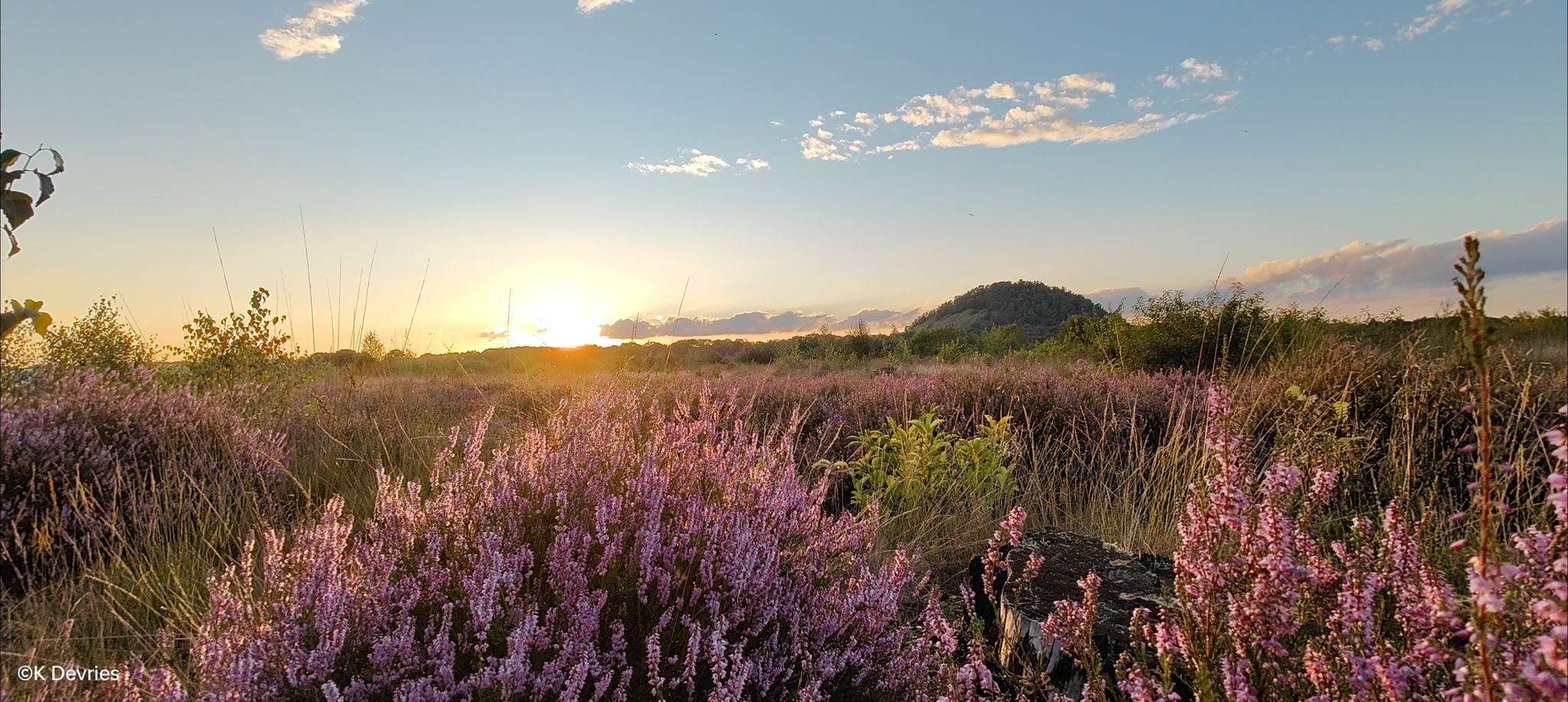
Three-day National Park Trail (from Genk Station)
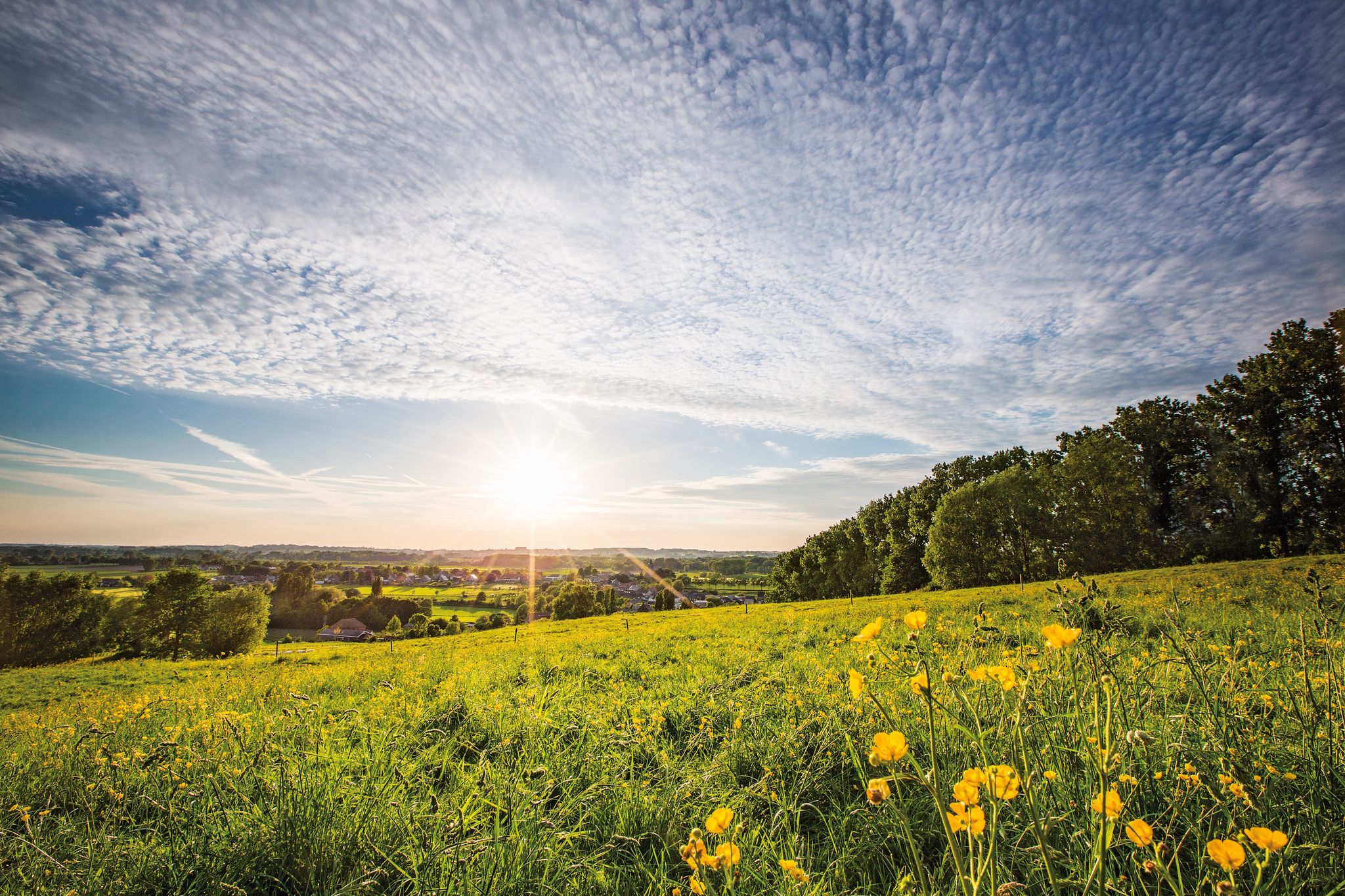
Belgium's best – the most beautiful hiking routes in Flanders
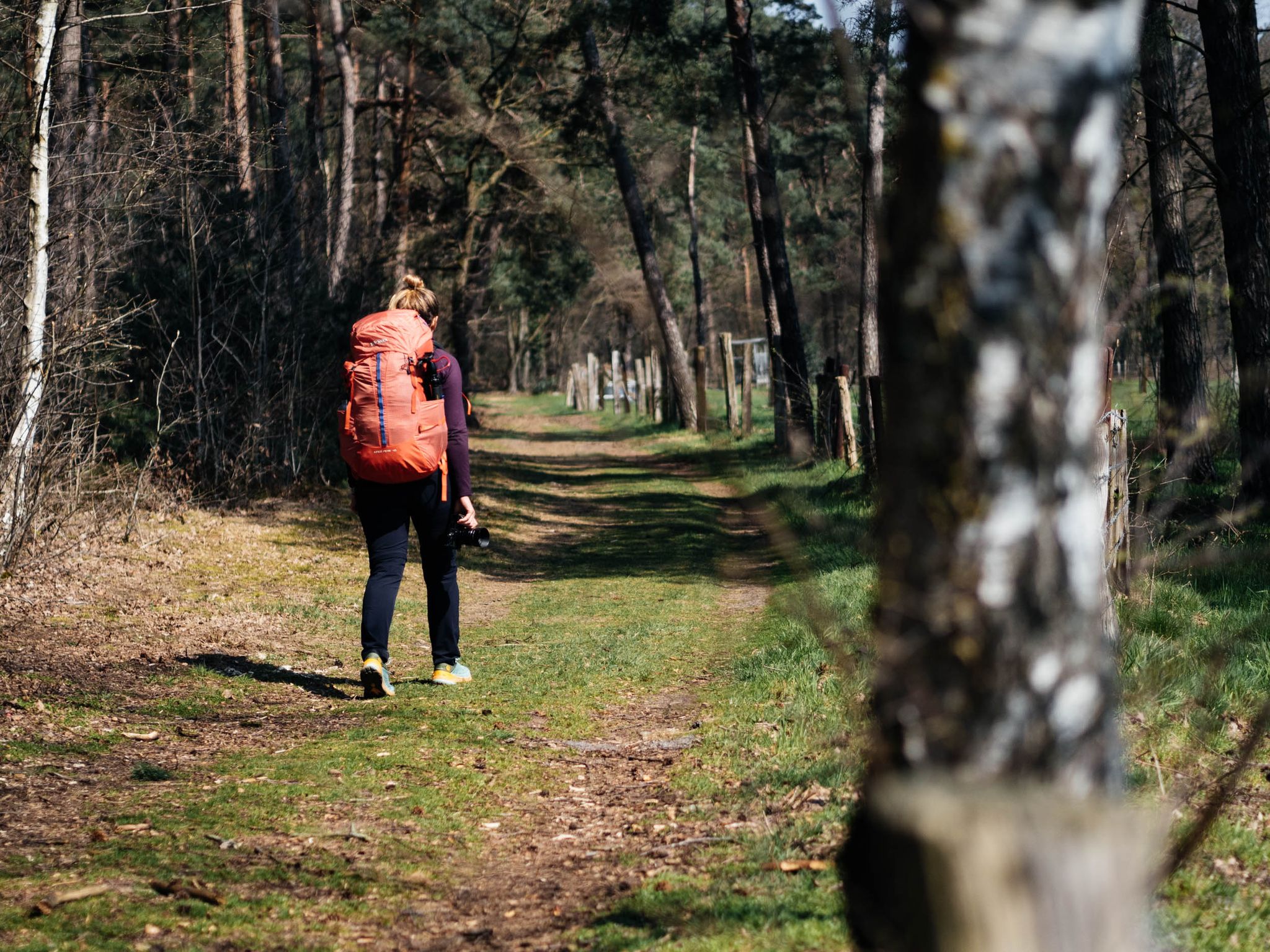
Hiking in Flanders – National Park Trail through Hoge Kempen
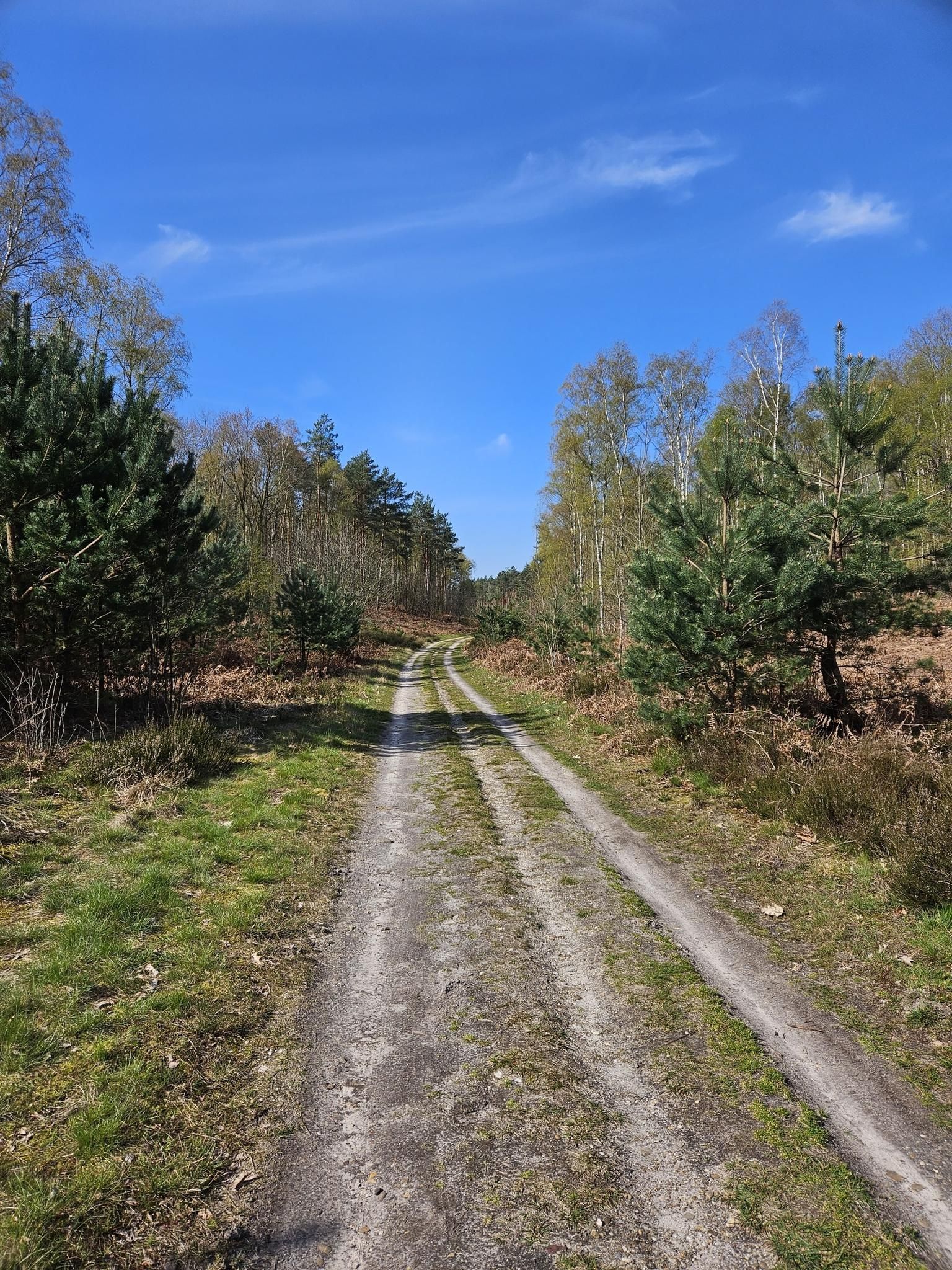
Camping Trail: 111 km National Park Trail, from Campsite to Campsite
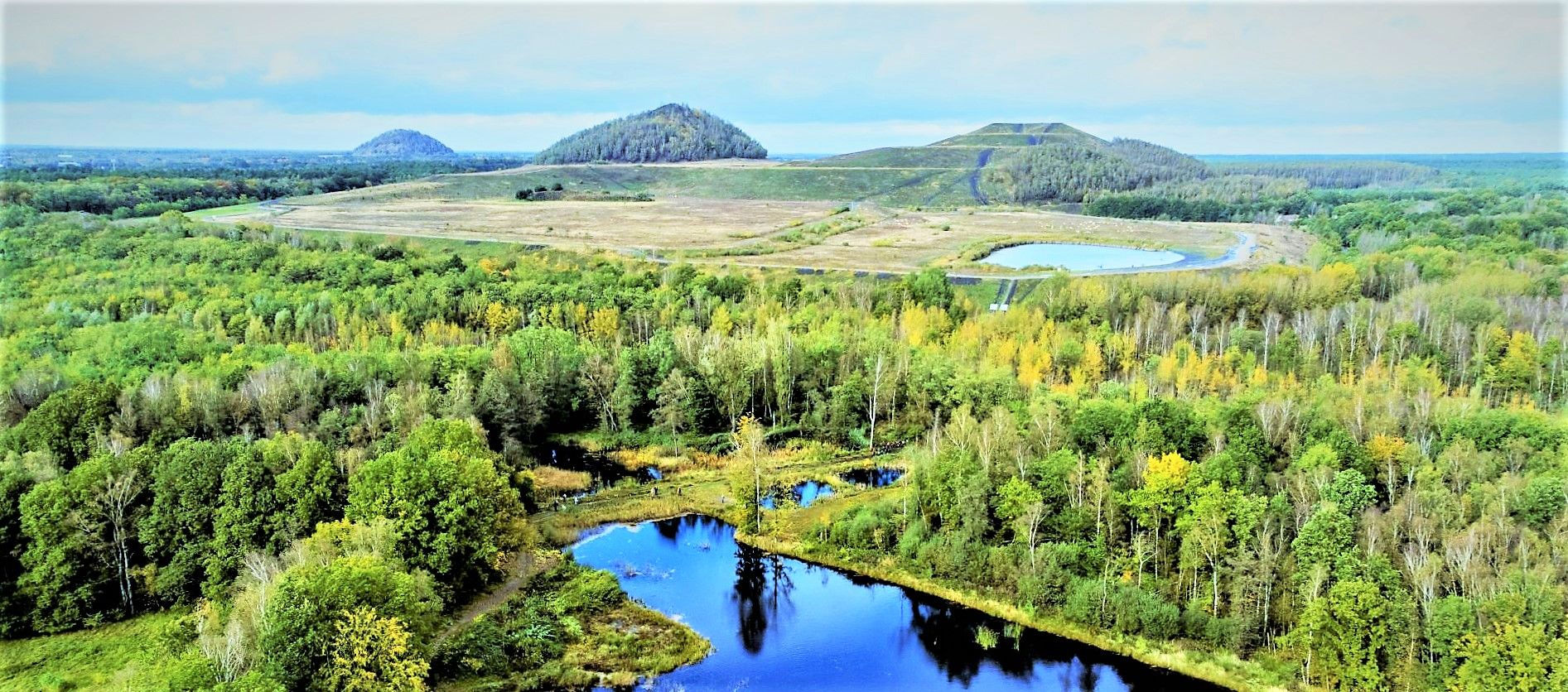
National Park Trail - 110 kilometers through Hoge Kempen National Park
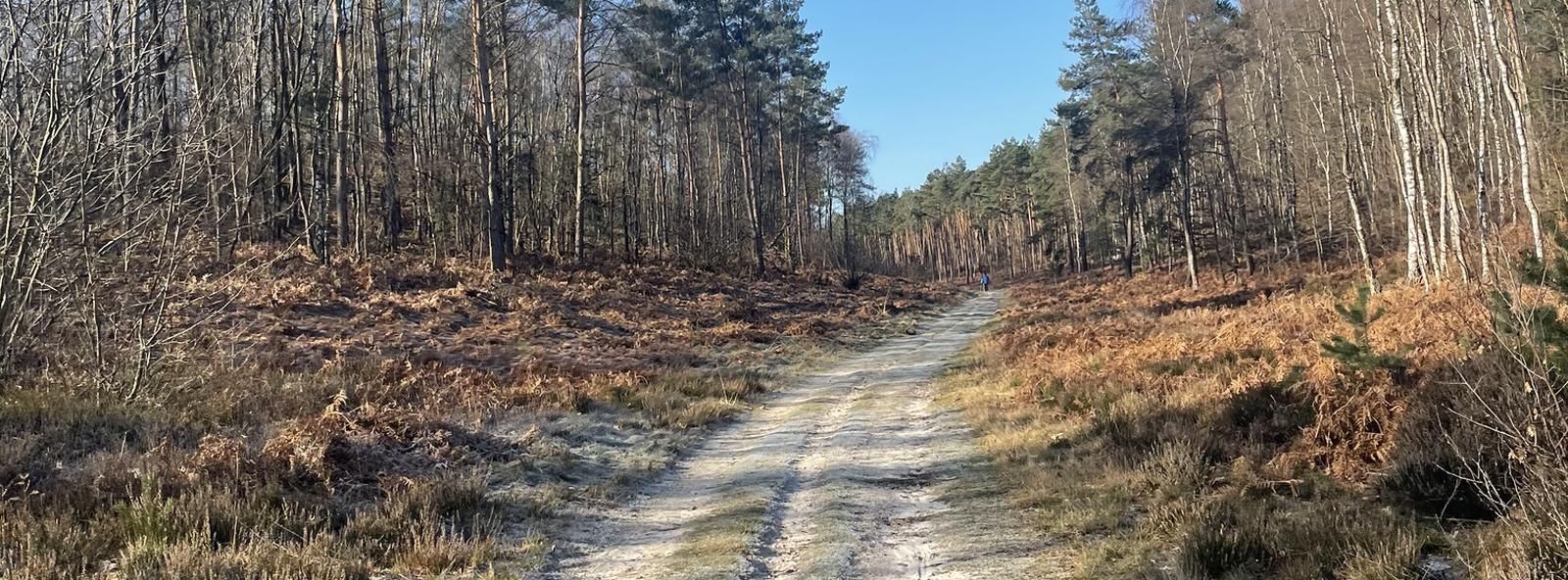
Belgium’s Hoge Kempen and Meuse Valley – Bram Tankink’s best rides
Other adventures around Lanaken


Tips from the Community

always nice along the water. there is always life there
0
0

The castle and fortress of Pietersheim were the seat of the lordship of Pietersheim. Remains of the 12th-century moated castle of Pietersheim bear witness to a long history. Just a stone's throw from the castle ruins, on the site of the former outbuilding of the moated castle, stands 'Palace Pietersheim', which in its current neoclassical form dates from the early 20th century.
0
0
Connecterra is the main gateway to Hoge Kempen National Park. This unique area is located on the former mining site of Eisden, bordering Dilsen-Stokkem. A quarter of a century ago, the mine was still operating at full capacity; now it is a true nature paradise. There are big plans for this area in the making for the coming years, respecting both nature and cultural heritage. The hiking area has been developed and the routes offer some of the most beautiful panoramas in Flanders, with a breathtaking scenery of mountains and lakes. In total, five routes will lead you through the area. The hiking area connects to the 'Mechelse Heide' and 'Station As' walking paths. In the new visitor center, you will find information about the national park and can relax with a drink in the tearoom. Outside, children can have fun in the playground. The spiral tower is accessible up to the first floor and offers a glimpse of what Connecterra has to offer.
0
0
Cycling across the heath takes you right through the Hoge Kempen National Park. In this park, vast pine forests alternate with endless heathlands. Thanks to the new connection between cycle nodes 550 and 551, nature is presented to you on a platter. You cycle across the Mechelse Heide, with 700 hectares, one of the largest heathland areas in Flanders. The highlight of this route is undoubtedly the almost 300-meter-long wooden bridge, a recognizable element in the landscape. From the bridge, you have a panoramic view of the natural surroundings.
0
0

The Kikbeek Source Valley is a unique nature reserve of approximately 120 hectares in the municipality of Maasmechelen. It is part of the Hoge Kempen National Park and situated in and around the former sand and gravel quarry from which the meandering Kikbeek stream originates. This landscape is characterized by alternating open heathlands, forests and marshlands, small ponds, and the source itself, which together form a rich ecological fabric where walking routes lead visitors past water, heathland, reed beds, and forests in an atmosphere of tranquility and natural diversity. The valley is situated on both sides of paths normally included in the network of walks, such as the green and blue loops of the Mechelse Heide, which start from the parking lot at Camping Kikmolen, for example, and loop through the area with views of ponds, heathland, and woodlands. This valley is ecologically valuable, and the combination of a former quarry, seepage zones, and wetlands creates habitats for numerous insects, birds, and plants typical of wet and semi-open nature. The area provides a window into the ancient geology and landscape history of this region, where nature has gradually recovered since the time of human use. However, the situation around the valley and its hiking trails has been in flux for years and is not always accessible as it once was. Due to a landslide in the Kikbeekbron valley, the area is officially closed to recreation, and the blue and green hiking trails that run through it have remained inaccessible to visitors for some time. Research by the Agency for Nature and Forests, in collaboration with geotechnical experts, has revealed that there are risks of further landslides and slope instability, making the valley unsafe to access for the time being, and recreational use has been temporarily suspended. Clear signs on site inform visitors that access is prohibited and that alternative routes outside the valley must be followed. This situation serves as a precautionary measure as long as the stability of the former quarry and surrounding areas is maintained. At the same time, larger nature restoration and water management projects are planned or underway in this area. The Agency for Nature and Forests is carrying out the Blue Deal project at the Kikbeek spring, one of the largest of its kind in Flanders. The goal is to restore the ecosystem of the original valley, strengthen wetlands, and retain more water in the area. This extensive intervention is linked to sustainable water management, biodiversity, and the long-term health of the area. Parts of the valley are temporarily closed to enable methodical implementation. Due to these circumstances, the hiking trails through the former quarry and along the Kikbeek spring are currently not open as you know them from previous hiking maps, and the green and blue loops, which were equally enjoyable for a walk around the pond and through the heathland, are not accessible to recreational users. Yet, for many nature lovers, including myself, the allure of this area is hard to resist. Despite the official closures and clearly indicated restrictions, I have walked past the signs and barriers precisely because the paths are still partially visible and because the sensory experience of the landscape remains very inviting. The story of my walk through the valley, even though it was technically prohibited by the managers, reveals the appeal of this landscape. The tranquil water features, the transition from open heathland to woodland, and the atmosphere of a hidden stream valley invite exploration even when restricted zones indicate it's not officially permitted. This personal touch contrasts the formal, protective management of vulnerable natural areas with the human tendency to seek out the peace and beauty of such places, even if that means straying slightly off the beaten track.
0
0
The open space at the intersection of the Munsterbeek stream in Bilzen lies in a landscape where natural stream valleys and rural tranquility seamlessly intertwine. It's a place not made of concrete or buildings, but rather a natural link in the fabric of water, forest, and farmland. The Munsterbeek, one of the many streams in the valley, flows through this area and is part of a larger network of rivers and streams that form the valley structure of the humid Haspengouw and Kempen regions. What makes this area special is not a monument or a major landmark in itself, but the spatial openness itself—meadows, meandering streams, the edges of the Munsterbos forest, and the soft relief of the landscape—which together create a sense of freedom and connection with nature. The region's spatial vision explicitly emphasizes the importance of such open spaces for water storage, nature development, and the ecological structure around the Demer and its tributaries, such as the Munsterbeek. Along the Munsterbeek stream, for example, you can see how the province is taking steps to allow the water to meander more naturally, which not only benefits biodiversity but also creates a landscape that breathes and creates space. The stream's old meanders have been restored so that the stream can once again follow its original curves and the banks support a richer ecosystem. Around this open space are other green elements, such as the Munsterbos, a large woodland area that is part of the Hoge Kempen National Park and marks the transition between different landscapes. Here you'll find numerous hiking trails, ponds, and streams that, together with open grasslands, form a continuous network of nature and tranquility. This open space along the Munsterbeek stream is therefore not an isolated spot with a name on a sign, but a landscape to experience: a place where water follows its own course, where nature is given space to breathe, and where walkers or cyclists can escape the urban rhythm for a moment and feel the connection between earth, stream, and horizon.
0
0

The coal mining past lives on...
7
1
Pietersheim Castle, located in the green heart of Lanaken, is a beautiful example of Limburg heritage and forms the historical center of the vast Pietersheim domain. The castle originally dates from the 14th century, although it has been rebuilt and expanded several times in later centuries, showing a mix of medieval and neoclassical elements. The castle is surrounded by a park-like landscape with forests, avenues, and ponds, making it a popular spot for hiking and nature lovers. Along the paths around the castle, you will encounter historical stones, old avenues, and sometimes subtle references to the domain's rich past. In the past, the castle played an important role in the region as the residence of noble families and as the center of the surrounding estate.
4
0
Frequently Asked Questions
How many touring cycling routes are available around Lanaken?
There are over 85 touring cycling routes around Lanaken, offering a wide variety of options for different skill levels and preferences.
Are there easy touring cycling routes suitable for beginners in Lanaken?
Yes, Lanaken offers many accessible routes. Approximately half of the touring cycling routes, around 43, are classified as easy, making them ideal for beginners or those looking for a relaxed ride.
What kind of landscapes can I expect to see on touring cycling routes in Lanaken?
Touring cycling around Lanaken features varied landscapes, including extensive heathland, dense forests, and serene river valleys. You'll also encounter historic water castles and former railway lines, particularly in areas like the Mechelse Heide and parts of the Hoge Kempen National Park.
Are there any long-distance touring cycling routes near Lanaken?
For those seeking longer rides, routes like As Bicycle Bridge – Station As loop from Lanaken cover over 52 km, connecting historical railway infrastructure with scenic countryside. Another option is the As Bicycle Bridge – Former N730 loop from Lanaken, which is over 50 km long.
What are some challenging touring cycling routes in Lanaken?
For a more challenging experience, consider routes like the Water Castle Pietersheim – Hoge Kempen National Park loop from Lanaken. This 35.6 km route is rated as difficult and leads through historic landmarks and the diverse landscapes of Hoge Kempen National Park.
What can I see along the touring cycling routes in Lanaken?
Many routes pass by interesting natural and historical sites. You might encounter highlights such as Château Neercanne, or natural formations like the Strooberg Quarry. The region also features unique geological sites like the Marl Cliff along the Geul.
Are there circular touring cycling routes available in Lanaken?
Yes, many touring cycling routes in Lanaken are designed as loops, allowing you to start and end at the same point. Examples include Cycling through the Mechelse Heide – Mechelse Heide loop from Rekem and Mechelse Heide – View of the Kikbeekbron Valley loop from Lanaken.
What do other touring cyclists enjoy most about cycling in Lanaken?
The area is highly rated by the komoot community, with an average score of 4.3 stars from over 589 reviews. Cyclists often praise the region's varied terrain, the gentle topography with minimal elevation changes, and the well-maintained paths through natural reserves and historic sites.
Is Lanaken suitable for family-friendly touring cycling?
Given the region's gentle topography and the abundance of easy routes, Lanaken is very suitable for family-friendly touring cycling. The paths through heathland and forests offer a safe and enjoyable environment for all ages.
Are there any specific viewpoints along the touring cycling routes?
While specific named viewpoints are not detailed for every route, the Mechelse Heide – View of the Kikbeekbron Valley loop from Lanaken explicitly highlights a view of the Kikbeekbron Valley, offering scenic vistas of the natural landscape.
What is the best time of year for touring cycling in Lanaken?
Lanaken's touring cycling routes are enjoyable throughout much of the year. Spring and autumn offer pleasant temperatures and beautiful scenery, especially when the heathland is in bloom or the leaves change color. Summer is also popular, but it's advisable to start early to avoid the midday heat.
Most popular routes around Lanaken
Most popular attractions around Lanaken

Get inspired with the komoot mobile app


Explore more
Browse the best Cycling routes in other regions.
