Attractions and Places To See around Diest - Top 20
Best attractions and places to see around Diest include a rich array of historical landmarks, cultural sites, and natural areas. The city, situated on the River Demer, is recognized for its high number of protected heritage sites and its historical link to the House of Orange-Nassau. Visitors can explore diverse landscapes, from the tranquil Webbekoms Broek nature reserve to the extensive Merode Forest. Diest offers a blend of historical significance and natural beauty for exploration.
Best attractions and places to see around Diest
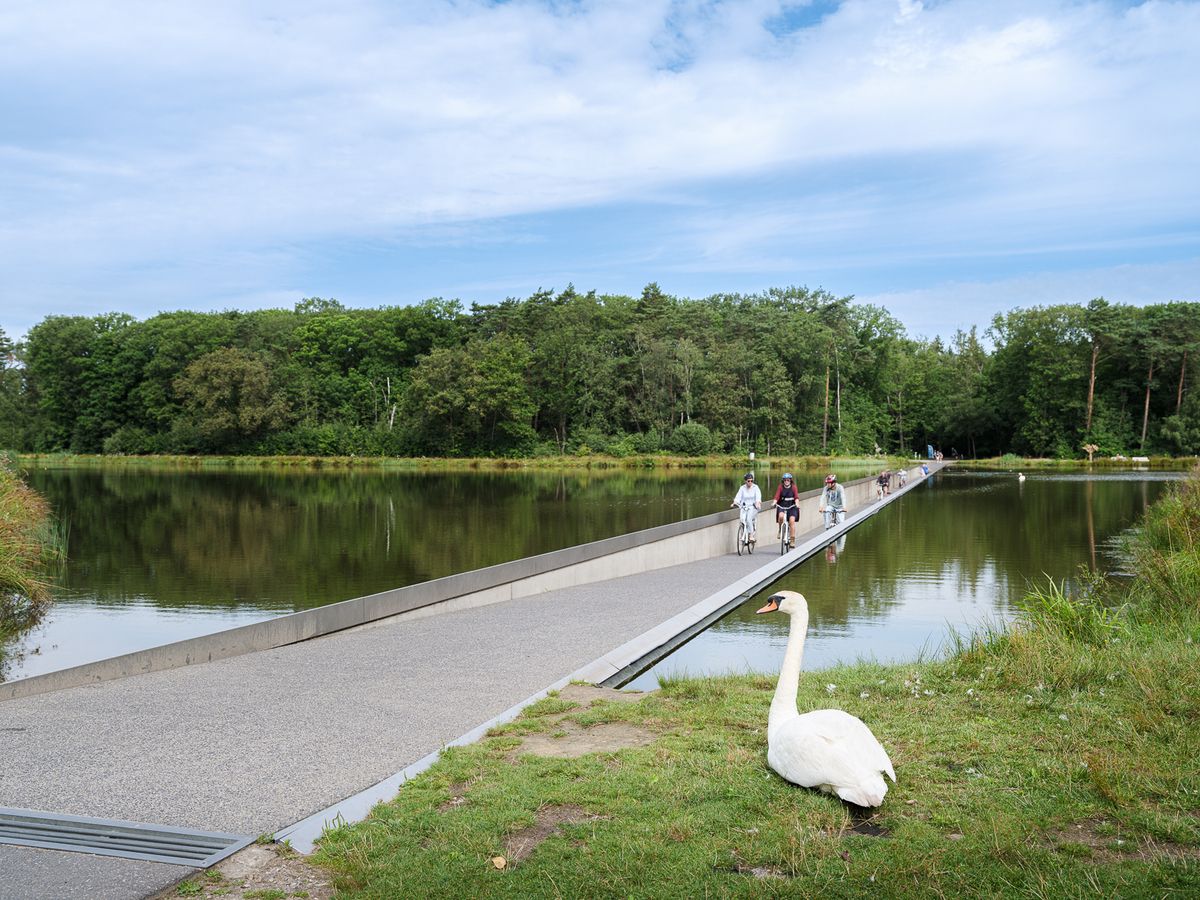
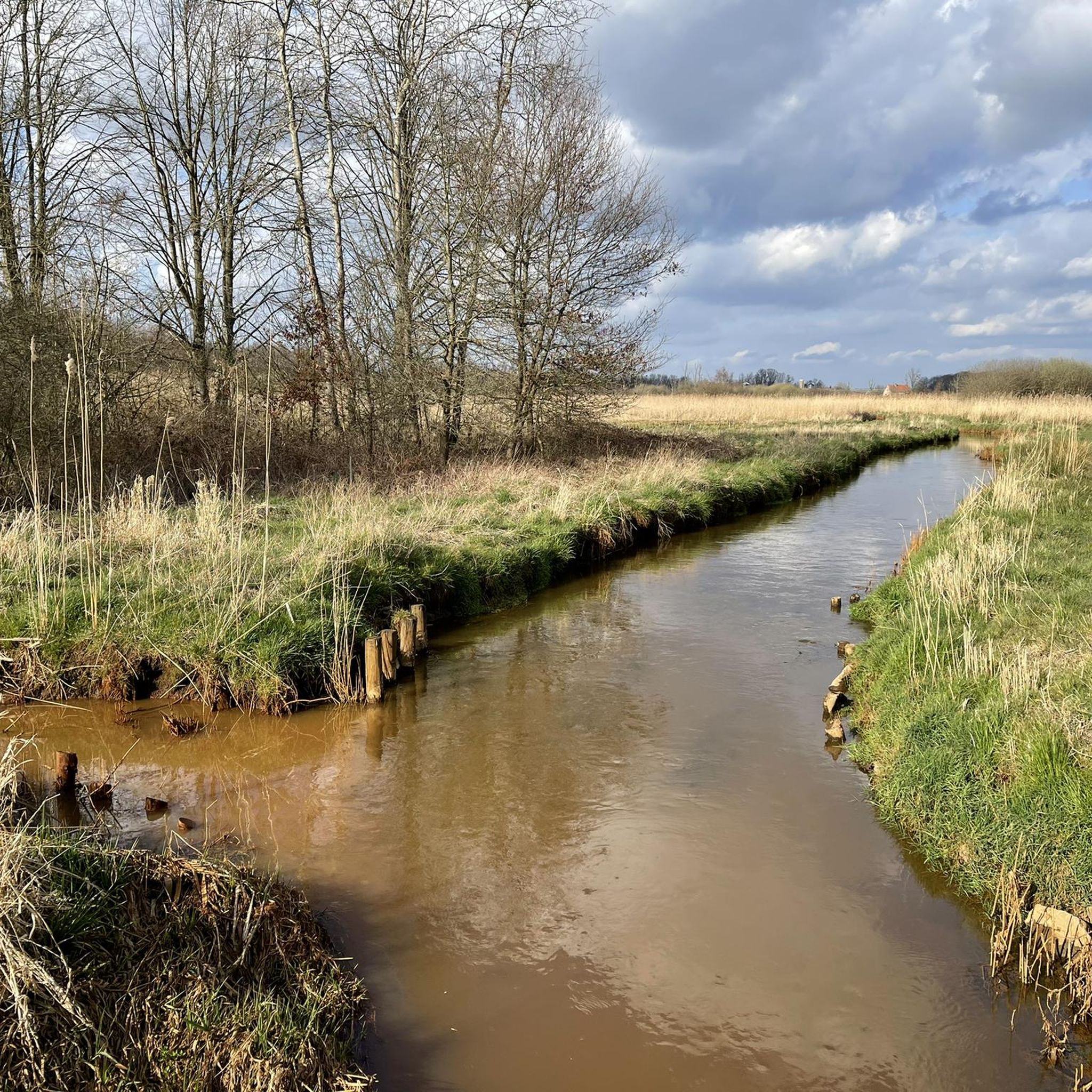
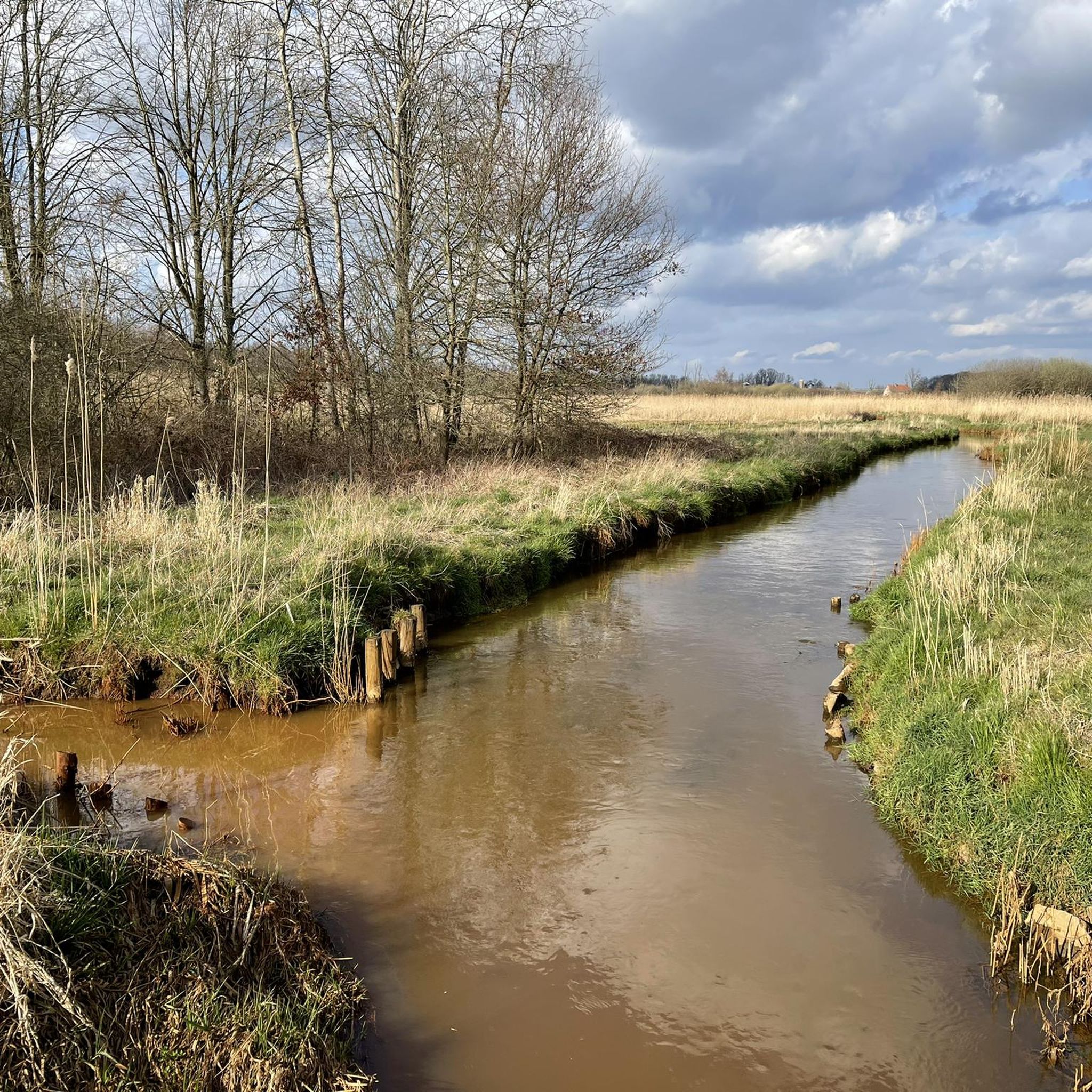
- The most popular attractions is Footbridge over the Weefberg Pond, a bridge offering a nice spot just off the cycle path. This location provides views of the fens before the passage over the sand dunes.
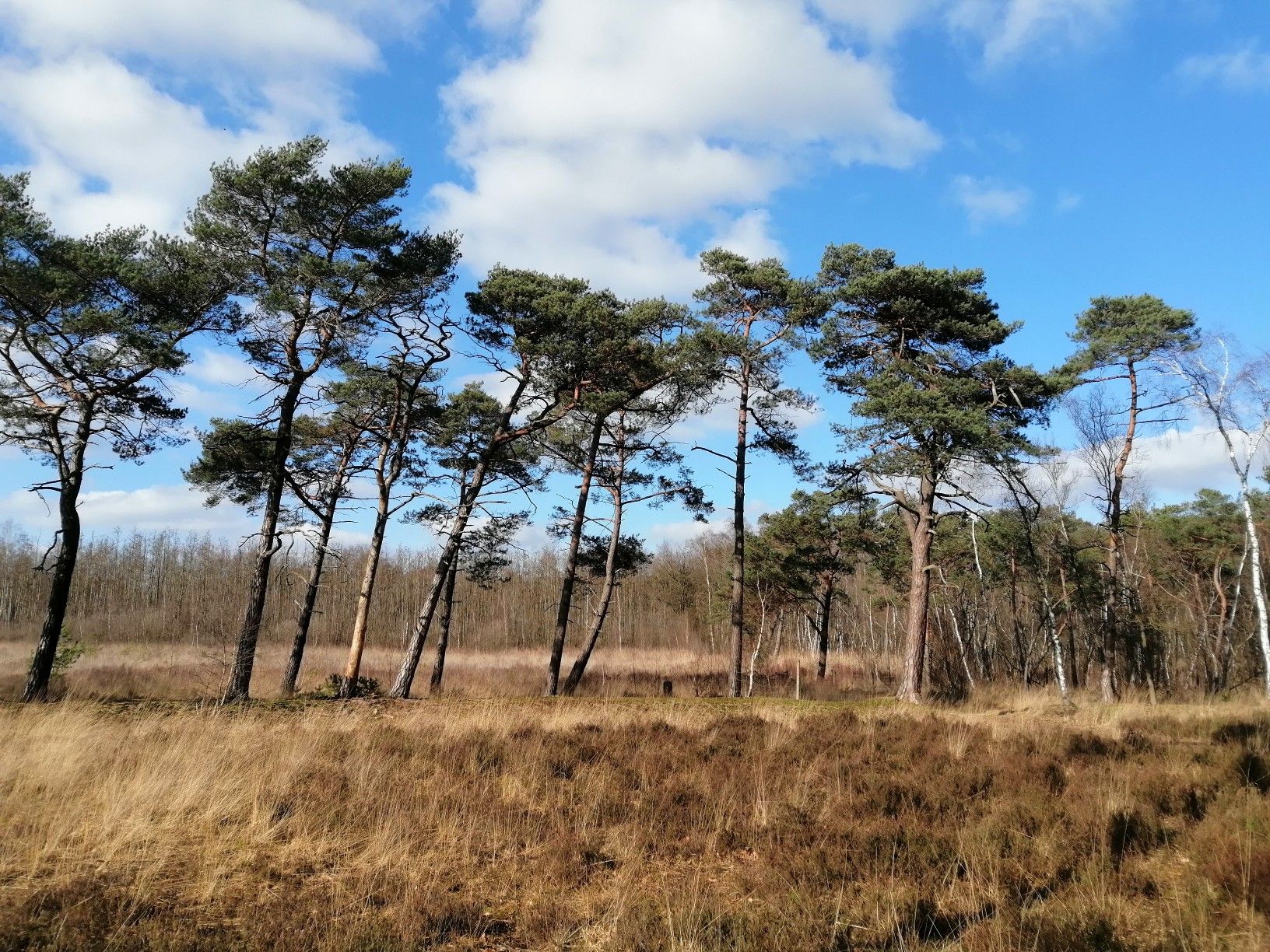
- Another must-see spot is Averbode Forest and Heath Ponds, a natural area where extensive forests alternate with fens, marshes, and heathland. Visitors can expect diverse natural landscapes ideal for walking.
- Visitors also love Averbode Abbey, a religious building founded in 1134. This Norbertine Abbey is a living embodiment of spirituality and culture, offering a monastery café, bakery, and shop on its grounds.
- Diest is known for its historical landmarks, cultural sites, and natural features. The area provides a variety of attractions to see and explore, from UNESCO World Heritage sites to nature reserves.
- The attractions around Diest are appreciated by the komoot community, with more than 1500 upvotes and over 1000 photos shared by visitors.
Last updated: October 9, 2026
Averbode Abbey
Highlight • Religious Site
On the grounds, you will also find an experience center dedicated to traditional crafts. The old farm buildings now house a monastery café with its own brewery, a bakery, and a monastery shop.
By the way: You can also stay overnight in one of the guest rooms.
Information and registration: gastenkwartier@abdijaverbode.be.
Translated by Google •
Tip by

Footbridge over the Weefberg Pond
Highlight • Bridge
Translated by Google •
Tip by

Sign up now to discover places like this
Get recommendations on the best single tracks, peaks, & plenty of other exciting outdoor places.
Averbode Forest and Heath Ponds
Highlight • Natural
Translated by Google •
Tip by

Reed Pond
Highlight • Lake
Translated by Google •
Tip by

The Laat Pond
Highlight • Lake
Translated by Google •
Tip by

Sign up for free to discover even more attractions around Diest.
Already have an account?
Start today with a free account
Your next adventure awaits.



Tips from the Community

One of my favorite places in the area.
7
0

A bridge provides a connection between two banks. Usually a bridge is over water: a ditch, a canal, moat, river, lake, ravine, ...
11
2
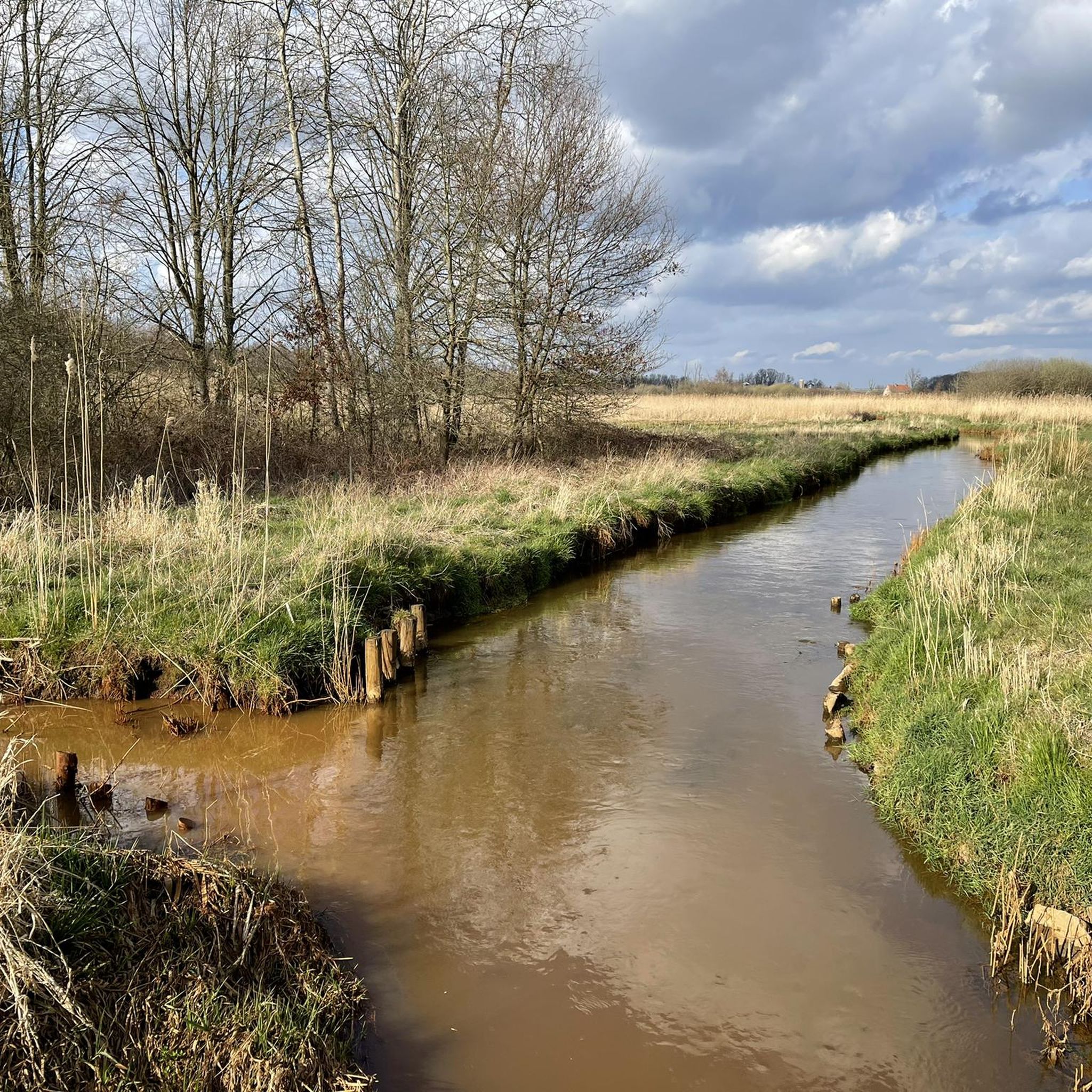
Be sure to bring your binoculars so you can better spot the water birds and watch their antics
6
3

Beautiful and nice bridge over the fen, with a wonderful view...
15
3

Nice spot just off the cycle path.
15
0

There are extensive forests around Averbode Abbey, interspersed with fens, swamps, heaths and grasslands, now managed by Natuurpunt. Early hikers may see a great egret fishing in the reed pond here.
8
3

In the church of Averbode Abbey, the Averbode altarpiece can recently be admired again in the context of "Flemish masters in their place". The reredos was purchased 40 years ago by the Antwerp Museum of Antiquities. It is, like any altarpiece, the work of several painters, carpenters and the like. The sculptor or at least coordinator was Jacob van Cothem from Antwerp, where the protected Gothic reredos was purchased. It is a special work of great value and has been displayed in a climate cabinet since the end of November, opposite that other work of art, the painting by Jan Erasmus Quellinus: "Saint Augustine gives his rule to Norbertus". The altarpiece was removed from Averbode for about 150 years and originally stood at the altar of the abbey's previous Gothic church. You see some photos above (details, the cabinet with the complete work and a description plate).
13
1
The Gothic gatehouse of Averbode Abbey from the 14th century is built from iron sandstone, two stories high, with a steep gable roof between stepped gables with the original roof truss. The ground floor on the field side consists of a basket arch entrance gate and pedestrian gate between the heavy buttresses, the upper floor has elaborate niches with neo-Gothic statues, placed after a major restoration of 1909-1910, by J. Geerts between monastery frames in the center and a cross frame on the far left and right. On the inside, the first floor contains a small niche between four asymmetrically placed windows. On the second floor, the facade is openwork with two ball frames and a central round-arched window. Centrally located in the roof on the roof frame is a loading hatch with a lifting beam in a lifting box. https://inventaris.onroerenderfgoed.be/erfgoedobjecten/42758 There was also a restoration in 1988-1989.
14
0
Frequently Asked Questions
What historical landmarks can I visit in Diest?
Diest boasts a rich history with several notable landmarks. You can explore the impressive Citadel of Diest, a 19th-century military fortification, or visit the Sint-Sulpitiuskerk, the city's main church housing the Museum for Religious Art and the tomb of Philip William of Orange-Nassau. Other historical sites include the Town Hall, the Allerheiligenkapel, and the Lakenhalle.
Are there any UNESCO World Heritage sites in Diest?
Yes, Diest is home to the Diest Beguinage (Begijnhof van Diest), a tranquil complex founded in 1253 and recognized as a UNESCO World Heritage site. It features houses from the 17th and 18th centuries, a monumental entrance gate, and a church dedicated to Saint Catherine.
Where can I learn about Diest's history and its connection to the House of Orange-Nassau?
To delve into Diest's past, visit the Stadsmuseum 'De Hofstadt', located in the cellars of the historic Town Hall. This museum showcases the city's history and features an art collection, including pieces dedicated to the Princes of Orange-Nassau, who ruled Diest for centuries. You can also visit De Gulden Maene, the house where Saint John Berchmans was born, which offers free entry daily.
What natural areas are there to explore around Diest?
Diest offers diverse natural beauty. You can take a canoe trip on the Demer River, explore the tranquil Webbekoms Broek nature reserve, or venture into the extensive Merode Forest. Other natural highlights include Averbode Forest and Heath Ponds, known for its varied landscapes, and scenic spots like the Footbridge over the Weefberg Pond.
Are there any scenic viewpoints or tranquil spots in nature?
Absolutely. The Allerheiligenkapel offers an exceptional view of the town from its nearby stairs. For tranquil natural settings, the Footbridge over the Weefberg Pond provides a nice spot just off a cycle path with views of fens. The Reed Pond and The Laat Pond are also cherished spots for their peaceful atmosphere and natural beauty.
What outdoor activities can I do near Diest's attractions?
Beyond sightseeing, Diest and its surroundings are great for outdoor activities. You can find numerous routes for mountain biking, gravel biking, and hiking. For detailed routes and guides, check out the MTB Trails around Diest, Gravel biking around Diest, and Hiking around Diest guides.
Are there hiking trails suitable for different skill levels?
Yes, the area around Diest offers a variety of hiking trails. For example, the Hiking around Diest guide includes moderate trails like the 'Deurn Walk' and the 'Diesters Broek Viewing Platform – Webbekoms Broek Nature Reserve loop'. Many natural areas, such as Averbode Forest and Heath Ponds, have accessible paths, though some forest paths can be more challenging, especially in wet weather.
Are there family-friendly attractions in Diest?
Diest offers several family-friendly options. The Provinciedomein Halve Maan includes a swimming pool and a children's park. Natural spots like the Footbridge over the Weefberg Pond and the Reed Pond are pleasant for walks with children. The Averbode Abbey also has an experience center, bakery, and shop that can be interesting for families.
What is the best time of year to visit Diest?
Diest's attractions can be enjoyed year-round. Spring and summer offer pleasant weather for exploring natural reserves like Webbekoms Broek and outdoor activities. Autumn brings beautiful foliage to areas like Merode Forest. Even in winter, many historical sites and museums remain open, and some natural areas are suitable for winter walks, though sturdy shoes are recommended for potentially muddy trails.
What do visitors particularly enjoy about the attractions around Diest?
Visitors appreciate the blend of historical significance and natural beauty. Many enjoy the tranquility of the Diest Beguinage and the rich history found in sites like the Citadel and Sint-Sulpitiuskerk. The natural areas, such as Averbode Forest and Heath Ponds, are highly rated for their diverse landscapes and opportunities for peaceful walks. The scenic viewpoints and serene ponds are also frequently highlighted as favorite spots.
Is there free entry to museums in Diest?
Yes, all museums in Diest offer free entry, making it an accessible cultural destination. This includes the Stadsmuseum 'De Hofstadt' and the Museum for Religious Art within the Sint-Sulpitiuskerk.
Are there any unique cultural points of interest in Diest?
Beyond the main historical sites, Diest offers unique cultural points. You can visit the Gasthuisapotheekmuseum, an 18th-century pharmacy providing insight into historical pharmaceutical practices. The city also has several historical refuge houses, such as the Refuge shelter of the Tongerlo Norbertine Abbey, and you might even spot some interesting street art.
Most popular attractions around Diest

Get inspired with the komoot mobile app


Explore more
Still not found the Highlight you’re looking for? See guides of the top attractions in other regions:
