The best cycling routes around Ledegem
4.4
(1346)
12,650
riders
30
rides
Touring cycling around Ledegem, located in West Flanders, Belgium, offers a well-developed cycling infrastructure across diverse landscapes. The region is characterized by natural greenery and a cultural landscape, providing varied routes for cyclists. Its "node" networks allow for easy route planning and connections to points of interest. The area features generally flat terrain with minor elevation changes, suitable for touring cyclists.
Best touring cycling routes around Ledegem
- The most popular touring cycling route is College Bridge – Buda Island loop…
Last updated: August 15, 2026
4.5
(4)
49
riders
42.3km
02:26
110m
110m
Moderate bike ride. Good fitness required. Mostly paved surfaces. Suitable for all skill levels.
21
riders
Easy bike ride. Great for any fitness level. Mostly paved surfaces. Suitable for all skill levels.

Sign up for free
4.8
(4)
11
riders
31.3km
01:50
70m
70m
Easy bike ride. Great for any fitness level. Mostly paved surfaces. Suitable for all skill levels.
4.4
(8)
10
riders
21.2km
01:14
50m
50m
Easy bike ride. Great for any fitness level. Mostly paved surfaces. Suitable for all skill levels.
5
riders
18.4km
01:05
40m
40m
Easy bike ride. Great for any fitness level. Mostly paved surfaces. Suitable for all skill levels.
Get access to more routes and recommendations from other explorers.
Sign up for free
Already have an account?
Our route recommendations are based on thousands of hikes, rides, and runs completed by other people on komoot.
Start today with a free account
Your next adventure awaits.
Login or Signup
Tips from the Community

A miniature version of the castle to give visually impaired people a tangible image of the castle. Equipped with Braille.
0
0

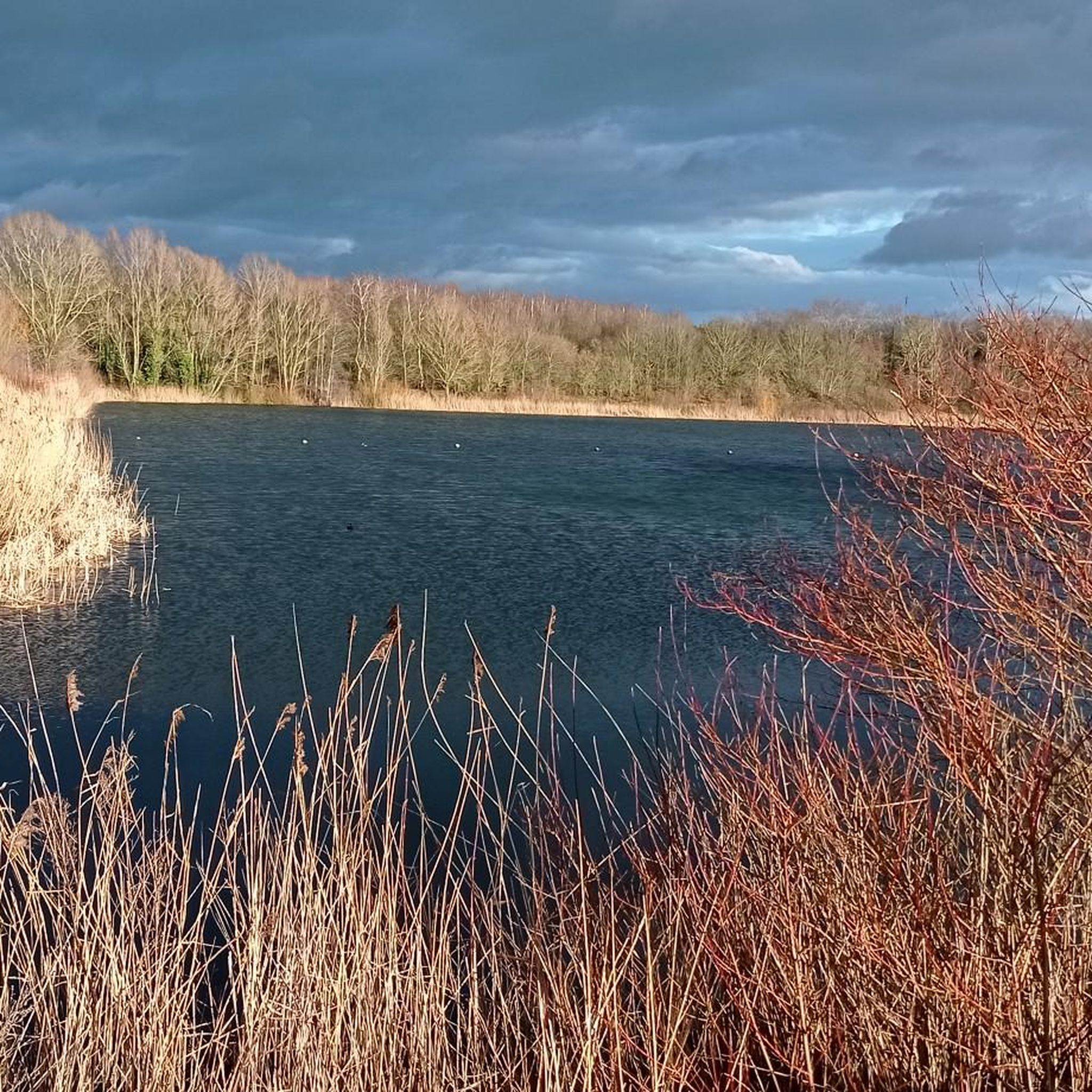
Nice view, you seem to be in the middle of nowhere
1
0

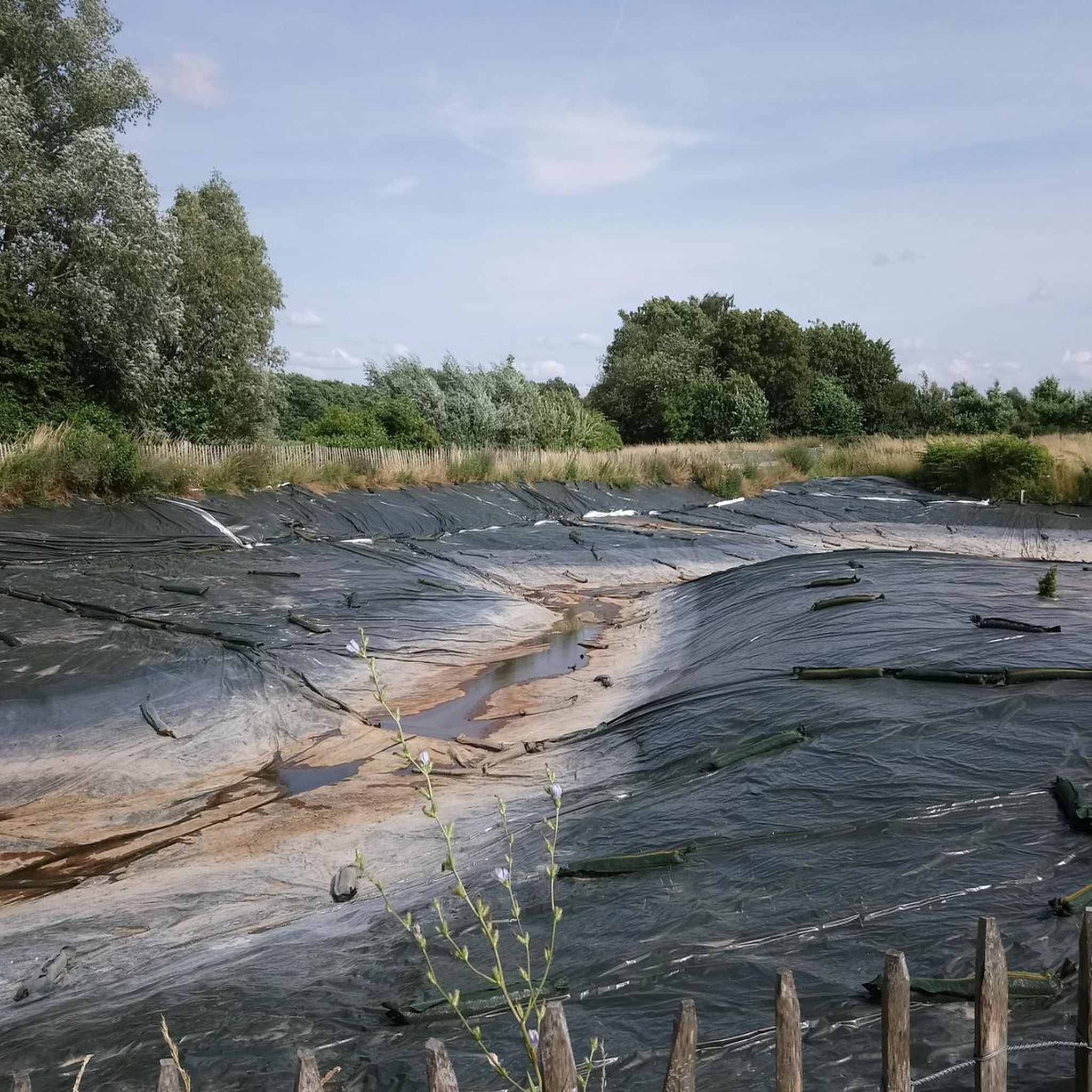
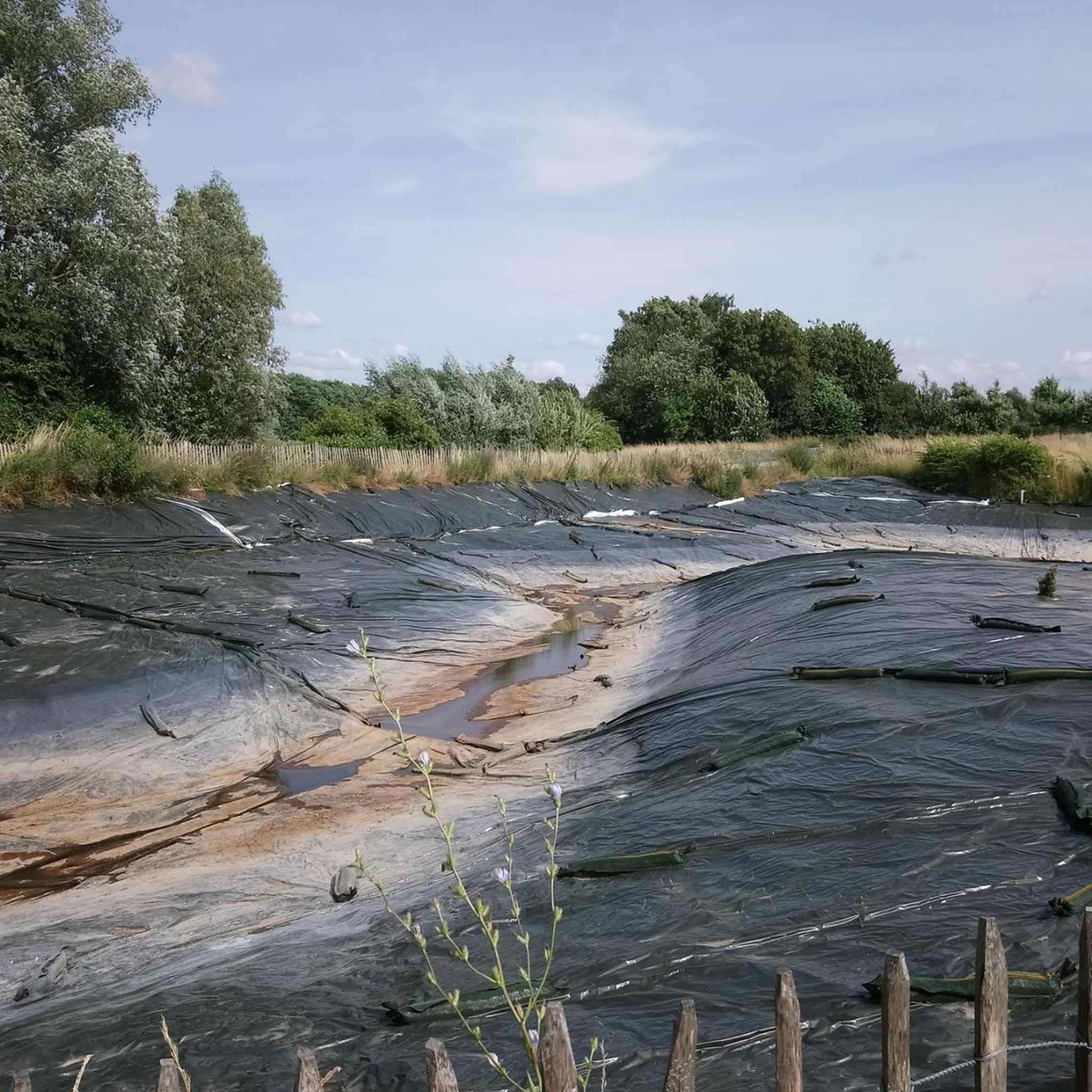
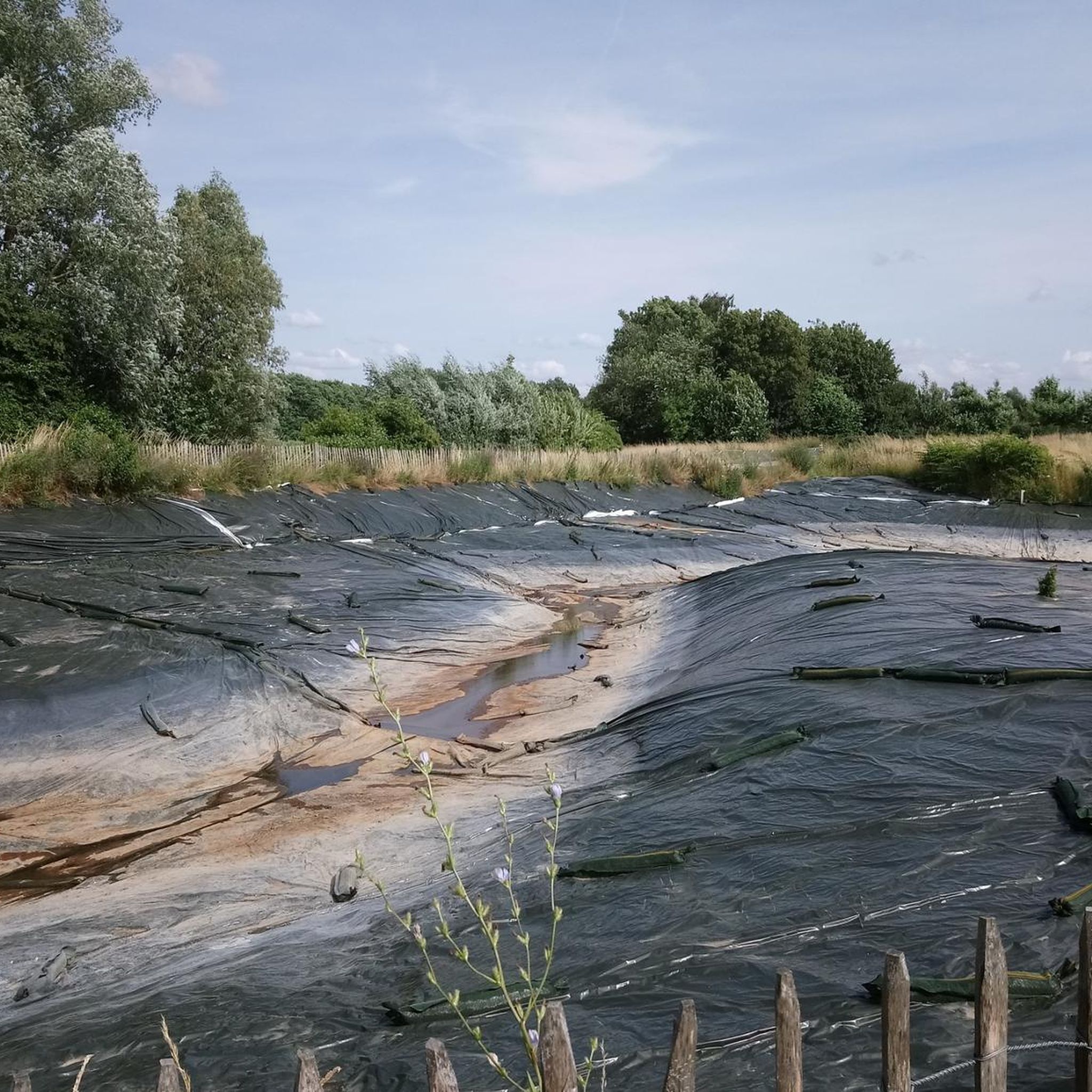
The Ledegemse Meersen area has two hiking loops: A smaller, elevated loop on a semi-paved surface that remains accessible year-round, and a larger loop that more or less follows the boundaries of the area. This unpaved path will be inaccessible during periods of high water. A wooden bridge crosses the Heulebeek stream, and boardwalks have been constructed. You can choose your own route by switching between the two loops.
2
0
Monument commemorating the residents of Rollegem-Kapelle who died as soldiers or were killed or missing as civilians during the First World War.
2
0
The St. John the Baptist Church dates from the early 20th century, after the old church was demolished in 1910. The church's history dates back to 1213, when a chapel, founded by Willem van Rollegem, stood here. Around 1640, this chapel was expanded, as well as in 1761. In 1801, Rollegem-Kapelle became an independent parish, splitting from that of Moorsele. Source: Wikipedia
2
0
The information board on site explains: The first mention of the parish of St. Eloois-Winkel, dating from 1382, can be found in Gullegem history. It mentions "Capelle ten Wynckel," located in the north of Gullinghem. Wynckel derives from the Germanic "Wynka," meaning corner. There is also mention of a chapel or place of worship. This was located next to the St. Hubert Inn. People would go to the chapel for Mass; they would go to (the) chapel. This is also why Winkel is also called Kapelle. It was a sparsely populated, wooded, and marshy area. At the urging of Jean-Baptist Mulle to the Bishop of Tournai, Wynckele-Capelle was assigned an assistant priest with a permanent residence. It was again Jean-Baptist Mulle who used all his influence to make Wynckele-Capelle an independent parish. Despite strong protests from the pastor of Gullegem, the Bishop of Tournai issued a decree on January 10, 1747, establishing Wynckele Capelle as a separate parish. This only concerned the spiritual authority. For administrative authority, the Winkel residents remained subject to the rulers of Gullegem. It was during the French occupation, on June 12, 1795, that St. Eloois-Winkel also became administratively independent. The foundation stone was laid in 1755, and the very first church was consecrated in 1758. During the night of June 8–9, 1953, the church burned down completely. On July 20, 1959, Bishop Mgr. Emilius Josephus De Smedt consecrated the new church amidst a large audience. But... this was without the controversial Way of the Cross by Marcel Notebaert.
3
0
The St. Eligius Church is relatively recent: after the old one, dating from the mid-18th century, was destroyed by fire in 1953, it was decided to rebuild it with its original appearance, but with a modern interior. The first section of the tower, dating from 1755, was preserved. The second section was built using materials from the original church. The choir was redesigned. Upon entering, you'll encounter a very different view than you might expect based on the exterior: a mix of neoclassical (arches, tympanums, etc.) and modern elements (such as the Stations of the Cross by Marcel Notebaert, which initially drew considerable criticism from locals).
3
0

beautiful view of Dadizele
1
0
Frequently Asked Questions
How many touring cycling routes are available in Ledegem?
Ledegem and the surrounding West Flanders region offer an extensive network of cycling routes. Within the immediate area, komoot lists 27 touring cycling routes, with 20 classified as easy and 7 as moderate. The broader region boasts over 100 routes, catering to various preferences.
What is the best time of year for touring cycling in Ledegem?
The months of April and August are particularly popular for cycling in Ledegem. The region generally offers pleasant conditions for touring cyclists during spring and late summer, allowing you to enjoy the natural greenery and cultural landscapes.
What kind of terrain can I expect on touring cycling routes around Ledegem?
The touring cycling routes around Ledegem are characterized by generally flat terrain with only minor elevation changes, making them suitable for touring cyclists of all levels. You'll traverse natural greenery and the cultural landscape of West Flanders, often utilizing the region's well-developed 'node' networks for easy navigation.
What cultural and historical sites can I see along the touring cycling routes?
Many routes pass by significant landmarks. For instance, the College Bridge – Buda Island loop from Sint-Eloois-Winkel connects cultural landmarks in the wider West Flanders area. You can also explore historical castles on the Wallemote Castle – Rumbeke Castle loop from Sint-Eloois-Winkel. Other notable sites in the region include the Peereboomhuis, Kasteel van Moorsele, and the Passchendaele Memorial Gardens.
Are there any natural features or provincial domains to explore?
Yes, several routes lead through or near natural areas. The Bergelen Provincial Park – Bench With View of Dadizele loop from Ledegem takes you through the Bergelen Provincial domain. You can also find natural highlights like Polygon Wood - Lange Dreve and the De Zavelput Nature Reserve in the vicinity.
Can I find local establishments like cafes or restaurants along the routes?
Yes, the region's cycling paths often provide opportunities to stop at local establishments. You might encounter places like the Dagschotelkot or Fruithoeve 't Beurtegoed in Sint-Eloois-Winkel, or eateries such as Château Superette and ViaVida in Dadizele, perfect for a break during your ride.
Are there family-friendly touring cycling routes in Ledegem?
Ledegem offers a good selection of easy routes suitable for families. With 20 easy routes available, many are designed to be accessible and enjoyable for all ages, often featuring flat terrain and well-maintained paths. The 'node' network system also allows for customizable, shorter rides.
Is there parking available near the touring cycling routes?
While specific parking areas for each route are not detailed, Ledegem, as a cycle-friendly region, generally provides accessible parking options in and around its towns and villages, often near starting points of popular routes or public amenities. It's advisable to check local signage upon arrival.
How can I access the touring cycling routes using public transport?
Ledegem is part of the West Flanders region, which has a public transport network. While direct access to every trailhead by public transport might vary, major towns in the area are typically well-connected by bus or train, allowing you to bring your bike and start your tour from there. For detailed information, consult local public transport schedules.
What do other touring cyclists enjoy the most about touring cycling in Ledegem?
The touring cycling experience in Ledegem is highly rated by the komoot community, with an average score of 4.3 stars from over 1300 reviews. Cyclists often praise the well-developed cycling infrastructure, the diverse and scenic landscapes, and the ease of planning routes using the 'node' networks. The blend of natural beauty and cultural points of interest is also frequently highlighted.
Are the touring cycling routes in Ledegem generally circular?
Many of the touring cycling routes around Ledegem are designed as loops, offering convenient circular journeys that bring you back to your starting point. Examples include the Kezelberg Military Cemetery – De Grote Macht Windmill (1817) loop from Ledegem and the Kezelbergpad – Kezelbergroute Cycle Path loop from Ledegem, making planning easier for cyclists.
What is the longest touring cycling route available in Ledegem?
Among the listed routes, the College Bridge – Buda Island loop from Sint-Eloois-Winkel is one of the longer options, covering 26.8 miles (43.1 km). This moderate route offers a substantial ride connecting various cultural landmarks.
Most popular attractions around Ledegem

Get inspired with the komoot mobile app


Explore more
Browse the best Cycling routes in other regions.
