Attractions and Places To See around Ittre - Top 20
Best attractions and places to see around Ittre include a variety of historical landmarks, natural features, and cultural sites within Walloon Brabant, Belgium. The municipality features a diverse landscape of fertile plateaus, grasslands, and extensive wooded areas, integrated with local river networks. Visitors can explore rural religious architecture, engineering marvels, and significant historical sites. Ittre and its surroundings offer a blend of natural beauty and cultural heritage.
Best attractions and places to see around Ittre
- The most popular attractions is Hallerbos — The Bluebell Forest, a forest known for its rich botany. It is a Flemish nature reserve and a Natura 2000 protected area, recognized for its purple carpet of wild bluebells and white wood anemones that bloom around mid-April.
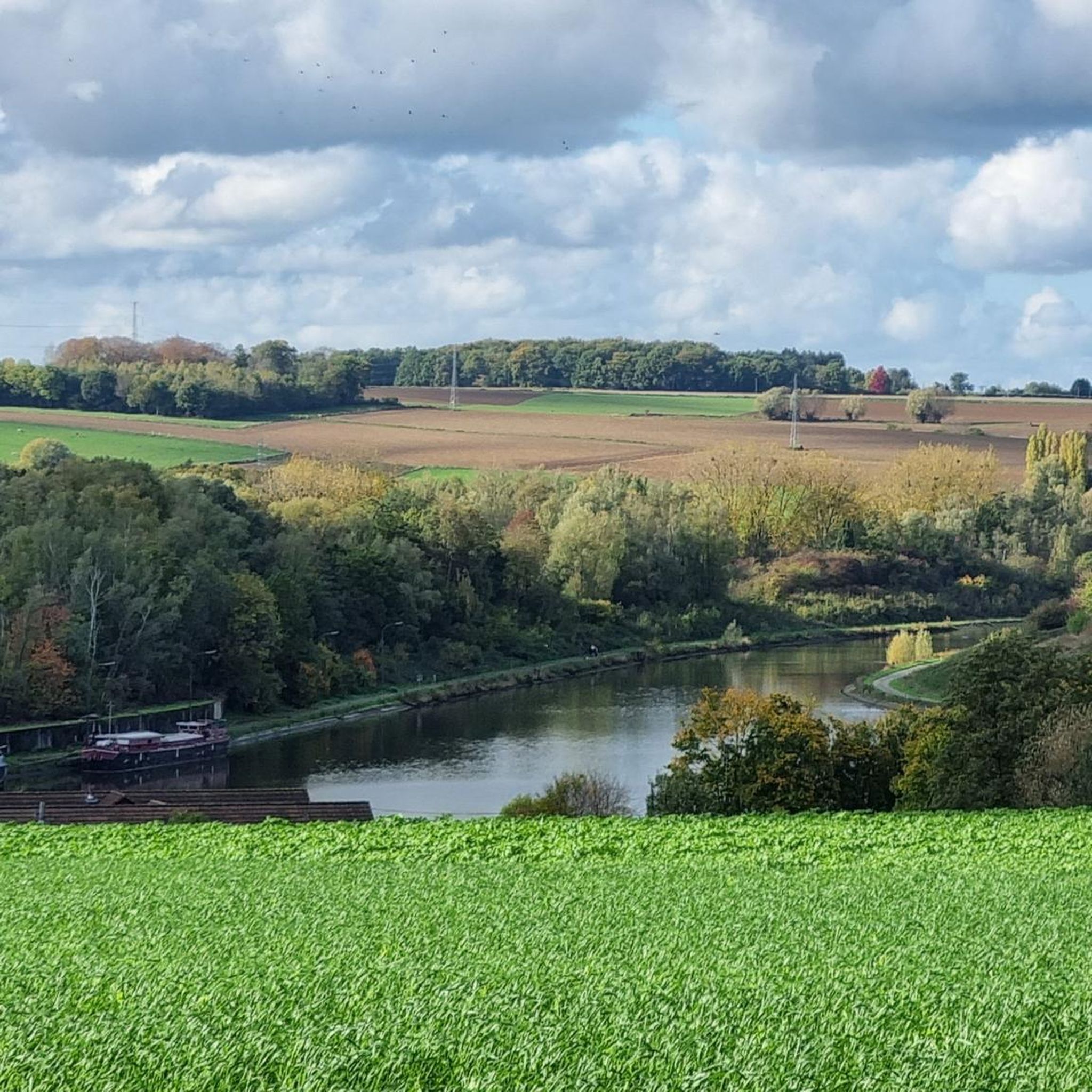
- Another must-see spot is Ronquières Houseboat Village, a settlement located along the old disused canal. It is situated between lock number 26 and 27, offering a unique view of canal life.
- Visitors also love The Enchanted Forest Mural (Het Betoverde Bos), Pacapime, Halle, a man-made monument. This impressive mural along the Brussels-Charleroi canal spans 2000 square meters, depicting a harmonious future between humans and nature.
- Ittre is known for its historical landmarks, natural landscapes, and cultural sites. The area offers a variety of attractions to see and explore, from ancient churches to modern art installations.
- The attractions around Ittre are appreciated by the komoot community, with more than 500 upvotes and over 100 photos shared by visitors.
Last updated: October 10, 2026
Ronquières Houseboat Village
Highlight (Segment) • Settlement
It is located between lock number 26 and 27.
Lock 27 is still in use to bring in these "accommodation" boats.
After Lock 27, the old abandoned canal joins the current canal.
Translated by Google •
Tip by

The Enchanted Forest Mural (Het Betoverde Bos), Pacapime, Halle
Highlight • Monument
The artwork was created by the artist collective Treepack and tells the story of several children in an enchanted forest who find paper and cardboard among the waste with which they make origami animals. They dream of a better future in which people and nature live together in harmony. To their surprise, a magical spell brings the crafted animals to life. Children from the city of Halle served as models for the figures in the artwork.
Translated by Google •
Tip by
Sign up now to discover places like this
Get recommendations on the best single tracks, peaks, & plenty of other exciting outdoor places.
View of the Lion's Mound at Waterloo
Highlight • Monument
The panorama is located near the Lion of Waterloo in Braine-l'Alleud. Since 2015, the panorama has been part of the Mémorial 1815 museum.
The painting is located in a building that can be characterized as a roundabout in terms of architectural style. The raised center of the rotunda and the perspective talent of Louis DuMoulin gives the viewer the feeling that he is looking out at scenes set during the Battle of Waterloo. In addition to the visual aspect, sound effects are played to give the viewer the most realistic experience possible of the battle between the infantry and the cavalry.
In July 2008, the International Panorama Council had the panorama added to Belgium's preliminary proposal for the UNESCO World Heritage List.
nl.wikipedia.org/wiki/Panorama_van_de_Slag_bij_Waterloo
Translated by Google •
Tip by
Ronquières Inclined Plane
Highlight • Monument
Translated by Google •
Tip by

Lovers' Tunnel
Highlight (Segment) • Structure
Translated by Google •
Tip by

Sign up for free to discover even more attractions around Ittre.
Already have an account?
Start today with a free account
Your next adventure awaits.
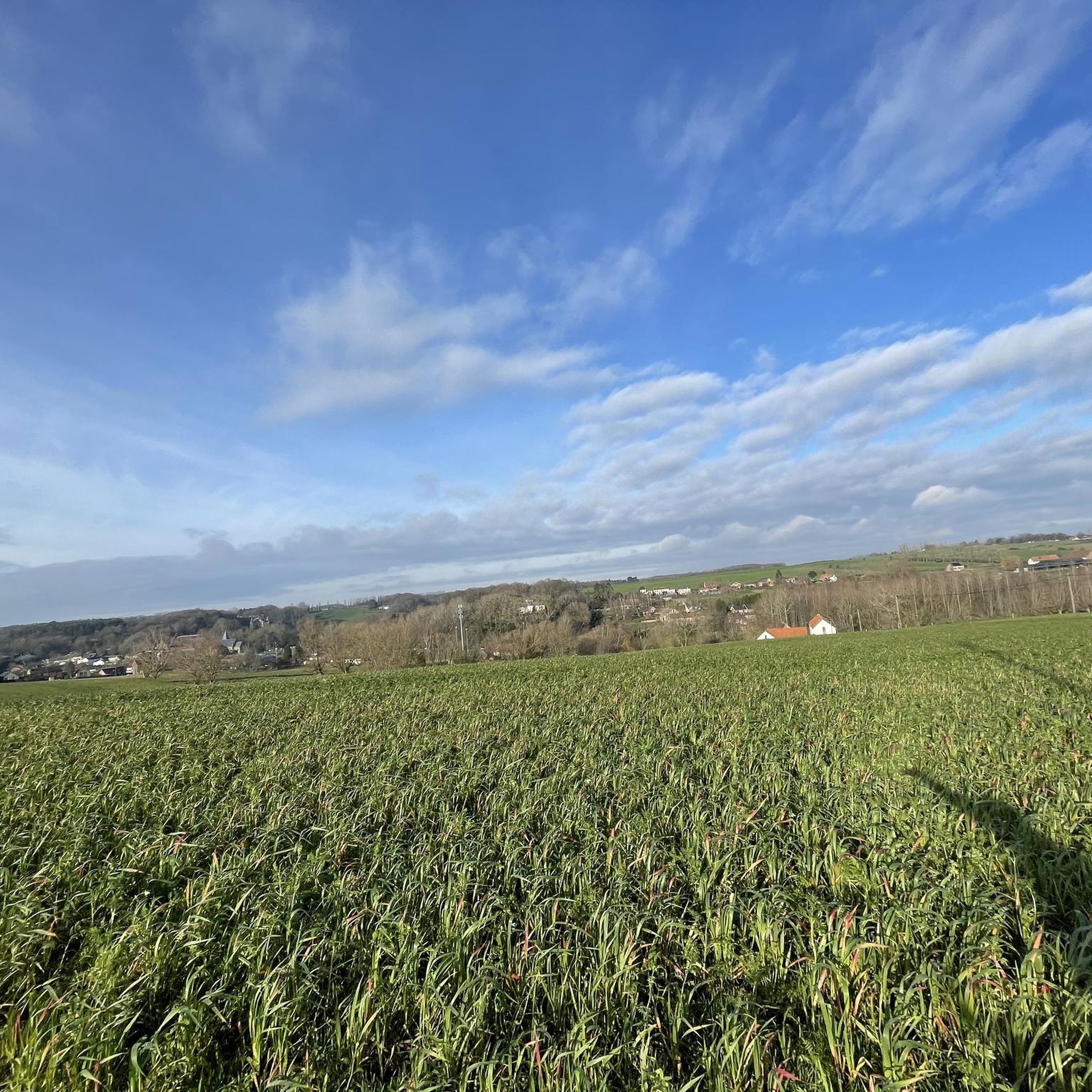
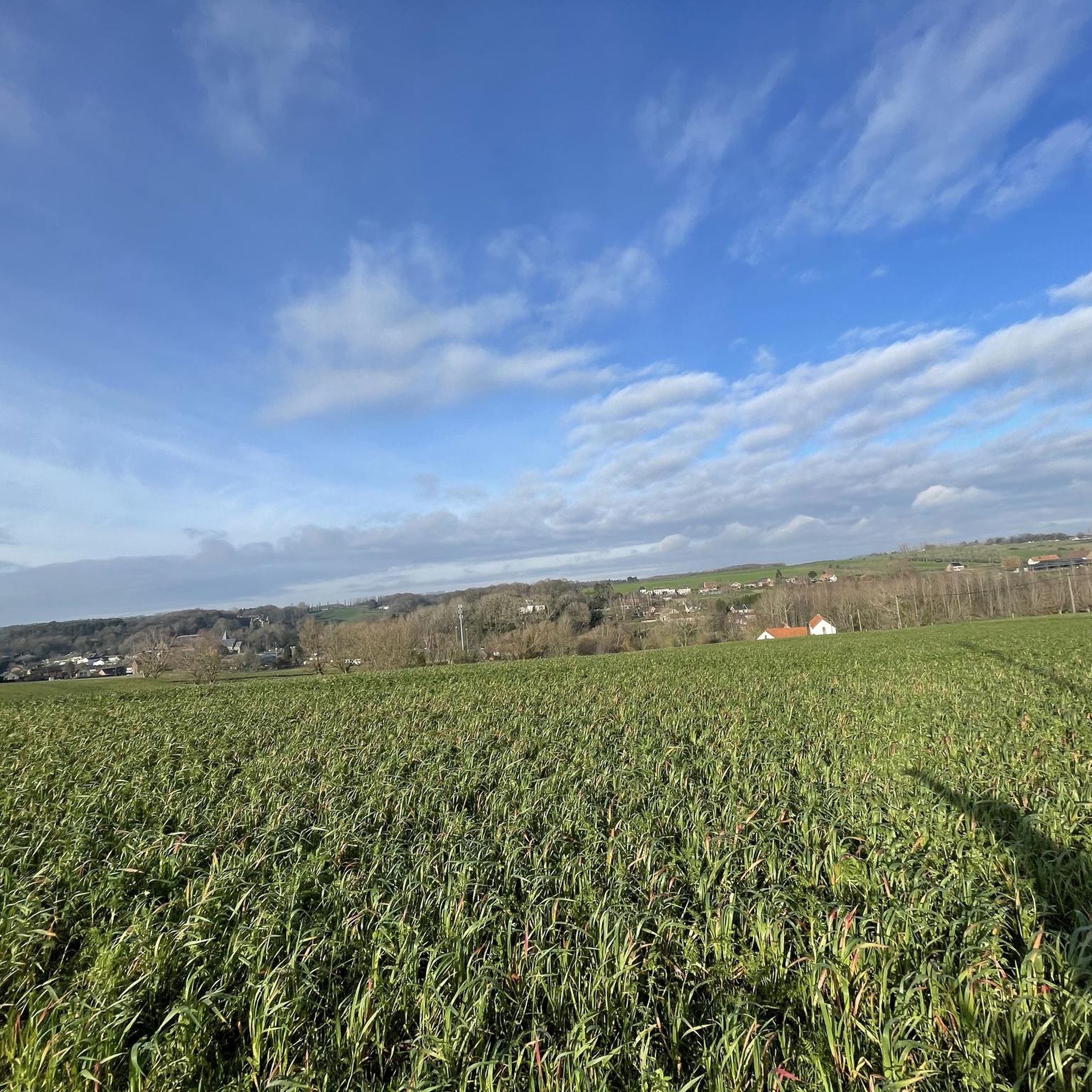
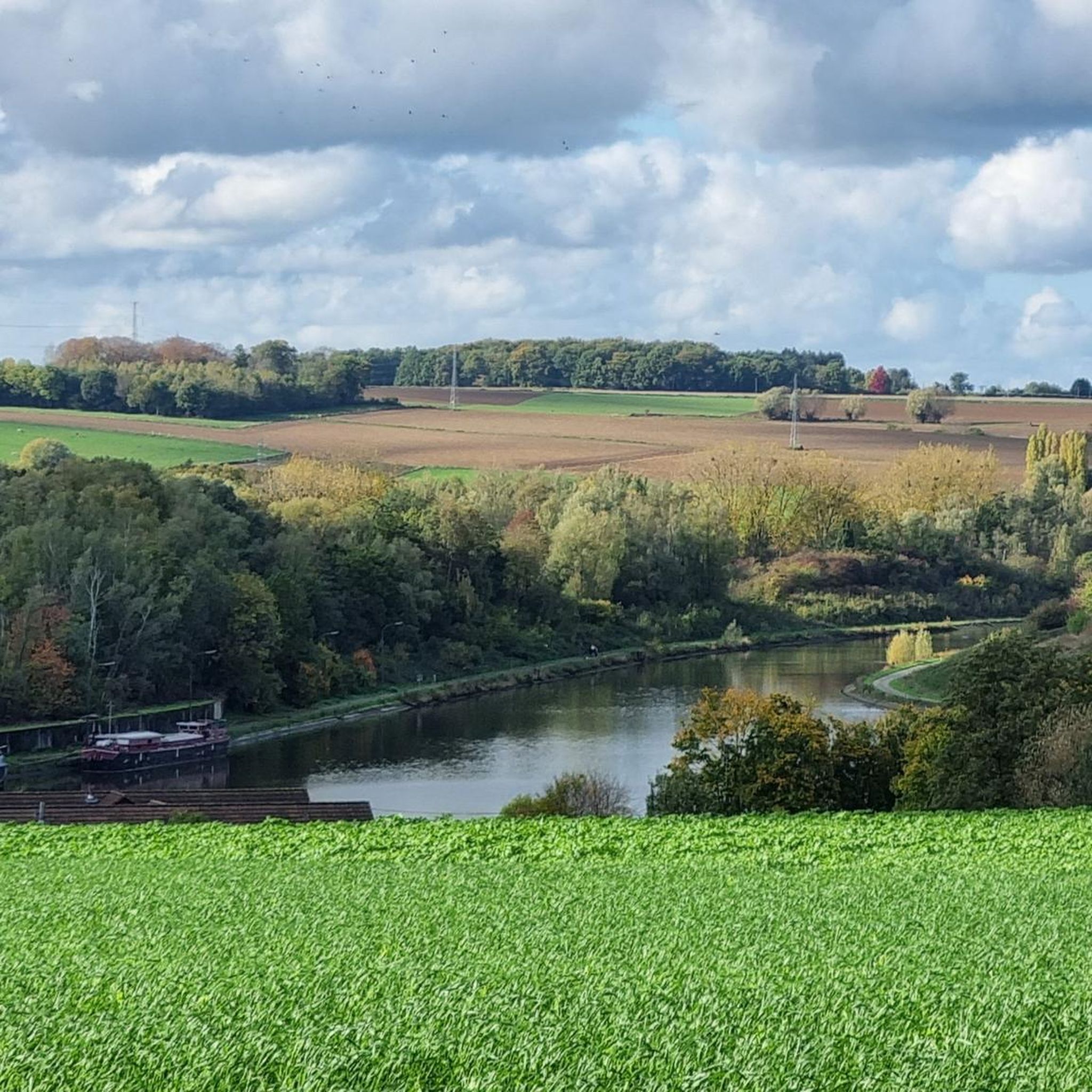
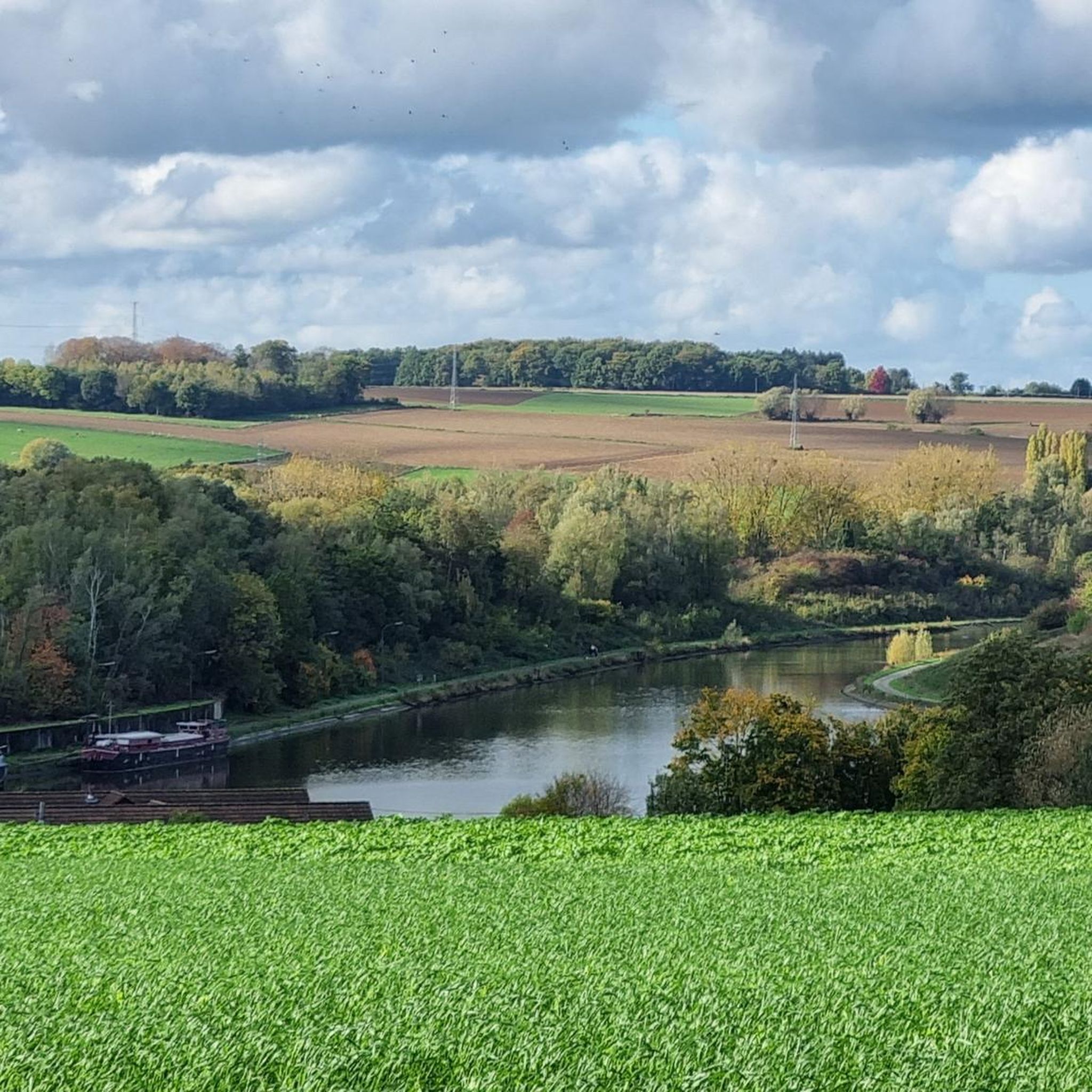

Tips from the Community


Friendly residents, I was even offered an aperitif :)
1
0

Already 2 times with friends 👌👌👌 very beautiful hike to do 👍☀️👍
2
0

A charming 19th-century pedestrian tunnel, originally part of the old "sentier de l'Hayette-Robinette" that ran through the Château de la Folie estate around 1859. When the path was moved outside the castle walls, the tunnel was created, later given the romantic name "Tunnel des Amoureux" by Marcel Tricot, the founder of the Goûter Matrimonial.
7
0

View of the famous Lion of Waterloo and its accompanying mound, which will celebrate its bicentennial in 2026. They were constructed at the request of King William I Frederik, using clay soil from the surrounding area. William I, who lived from 1772 to 1843, was the first and only king of the United Kingdom of the Netherlands. He commissioned many works and is also known as the merchant king and the canal king. His son, William II, was second-in-command of the British-Dutch-German forces. After his supposedly courageous actions at the Battle of Quatre-Bras, two days before Waterloo, he was also called "the hero of Waterloo." King William I commissioned the construction of the Lion of Waterloo in his honor. However, the British considered him a troublemaker, who took unnecessary risks and made many mistakes. Moreover, the one-sided and unjustified focus on the role of the impulsive William led to many Dutch heroes being ignored during the battle. You can read more about this at https://geschiedenismagazine.nl/was-de-prins-van-oranje-wel-de-held-van-waterloo-1815 The mound is 41 meters high, has a diameter of 169 meters, and slopes at a 30-degree angle. It is crowned by a lion, symbolizing the victory of the monarchies of the time. Sources: - https://www.regiedergebouwen.be/nl/projects/de-leeuw-van-waterloo - https://historiek.net/koning-willem-i-der-nederlanden/172414/
6
0

The Ronquières inclined plane is a unique boat lift. Built in 1968, it allows barges to overcome a drop of nearly 70 meters thanks to a system of sliding trays. The structure can be observed from the cycle path along the canal.
0
0

The symbol of the terrible Battle of Waterloo towers over the place where the Allies defeated Napoleon's Imperial troops. The famous lion still roars at France from its 40-metre-high mound.
5
0
Frequently Asked Questions
What natural features can I explore around Ittre?
Ittre and its surroundings boast a diverse natural landscape. A must-see is Hallerbos — The Bluebell Forest, renowned for its enchanting purple carpet of wild bluebells in spring. The area also features woodlands like Bois des Rocs, known for its rich botany and volcanic rock outcrops, as well as fertile plateaus, grasslands, springs, and extensive wooded areas integrated with local river networks.
When is the best time to visit Hallerbos for the bluebells?
The best time to witness the spectacular purple carpet of wild bluebells and white wood anemones in Hallerbos — The Bluebell Forest is around mid-April. This period transforms the forest into a magical landscape, attracting nature lovers and photographers.
What historical landmarks can I visit in and around Ittre?
Ittre offers several historical landmarks. You can visit the Church of Saint-Laurent in Haut-Ittre, featuring Romanesque and Gothic elements, or the more recent Church of Saint-Rémy in Ittre. Other notable sites include the remains of La Tour d'Asquempont in Virginal and the historic Maison du Baudet. Slightly further afield, but a significant historical site, is the View of the Lion's Mound at Waterloo, which includes the Panorama of the Battle of Waterloo.
Are there any unique cultural sites or engineering marvels in the area?
Yes, Ittre is home to unique cultural and engineering sites. The Ronquières Inclined Plane is an impressive engineering feat, allowing barges to overcome a significant drop. You can also discover the The Enchanted Forest Mural (Het Betoverde Bos), Pacapime, Halle, one of Europe's largest murals, depicting a harmonious future between humans and nature. The Musée de la Forge (Forge Museum) in Ittre also offers a glimpse into traditional craftsmanship.
Are there family-friendly attractions around Ittre?
Many attractions around Ittre are suitable for families. Hallerbos — The Bluebell Forest is a wonderful place for a family walk, especially during spring. The Ronquières Houseboat Village offers a unique view of canal life, and the The Enchanted Forest Mural is an engaging visual experience for all ages. The Lion's Mound at Waterloo also provides an educational and immersive historical experience.
What outdoor activities can I do near Ittre's attractions?
The region around Ittre is excellent for outdoor activities. You can find numerous routes for hiking, cycling, and gravel biking. For hiking, consider trails like the 'Tramway Path – Bois des Nones Forest loop' or 'The Ittre lock – Saint-Remy Church of Ittre loop'. Cyclists can enjoy routes such as 'The swing bridge of Arquennes – Ronquières Houseboat Village loop'. For more options, explore the guides for Hiking around Ittre, Cycling around Ittre, and Gravel biking around Ittre.
What do visitors enjoy most about the attractions around Ittre?
Visitors particularly appreciate the natural beauty and historical significance of the area. The magical appearance of Hallerbos — The Bluebell Forest during spring is a crowd favorite. The unique atmosphere of the Ronquières Houseboat Village and the impressive scale of The Enchanted Forest Mural also receive high praise. Many find the historical sites, like the Lion's Mound at Waterloo, to be very immersive and educational.
Are there any wheelchair-accessible attractions in the area?
Yes, The Enchanted Forest Mural (Het Betoverde Bos), Pacapime, Halle is noted as being wheelchair-accessible, offering an impressive visual experience along the Brussels-Charleroi canal.
How far is the Lion's Mound and Panorama of the Battle of Waterloo from Ittre?
The Lion's Mound and Panorama of the Battle of Waterloo is located near Braine-l'Alleud, which is a short distance from Ittre, making it an accessible historical day trip.
What is the Ronquières Houseboat Village?
The Ronquières Houseboat Village is a unique settlement located along the old disused canal that connects Seneffe to Ronquières. Situated between lock number 26 and 27, it offers a distinctive view of canal life and is a beautiful area for walking or cycling.
Are there any easy walks or beginner-friendly trails near Ittre?
Yes, there are several easy to moderate trails suitable for beginners or those looking for a relaxed walk. Many routes along the old canal, such as those around the Ronquières Houseboat Village, are relatively flat and offer pleasant scenery. For specific routes, you can check the Hiking around Ittre guide for options with varying difficulty levels.
What is the best time of year to visit Ittre for general sightseeing?
Spring (mid-April for the bluebells in Hallerbos) and early autumn are generally considered the best times to visit Ittre for general sightseeing and outdoor activities. The weather is usually pleasant, and the natural landscapes are at their most vibrant, whether with spring blooms or autumn foliage.
Most popular attractions around Ittre

Get inspired with the komoot mobile app


Explore more
Still not found the Highlight you’re looking for? See guides of the top attractions in other regions:
