Attractions and Places To See around Court-Saint-Étienne - Top 20
Best attractions and places to see around Court-Saint-Étienne include a blend of historical landmarks, cultural sites, and natural beauty in the Walloon Region of Belgium. The area features rolling hills and scenic landscapes, offering a variety of outdoor exploration opportunities. Its rich cultural heritage encompasses rural architecture, industrial history, and significant commemorative monuments. Visitors can explore both the town's immediate vicinity and notable sites in the surrounding areas.
Best attractions and places to see around Court-Saint-Étienne
- The most popular attractions…
Last updated: October 10, 2026
Villers-la-Ville Abbey
Highlight • Historical Site
Translated by Google •
Tip by

Villers Abbey Mill
Highlight • Historical Site
Translated by Google •
Tip by

Sign up now to discover places like this
Get recommendations on the best single tracks, peaks, & plenty of other exciting outdoor places.
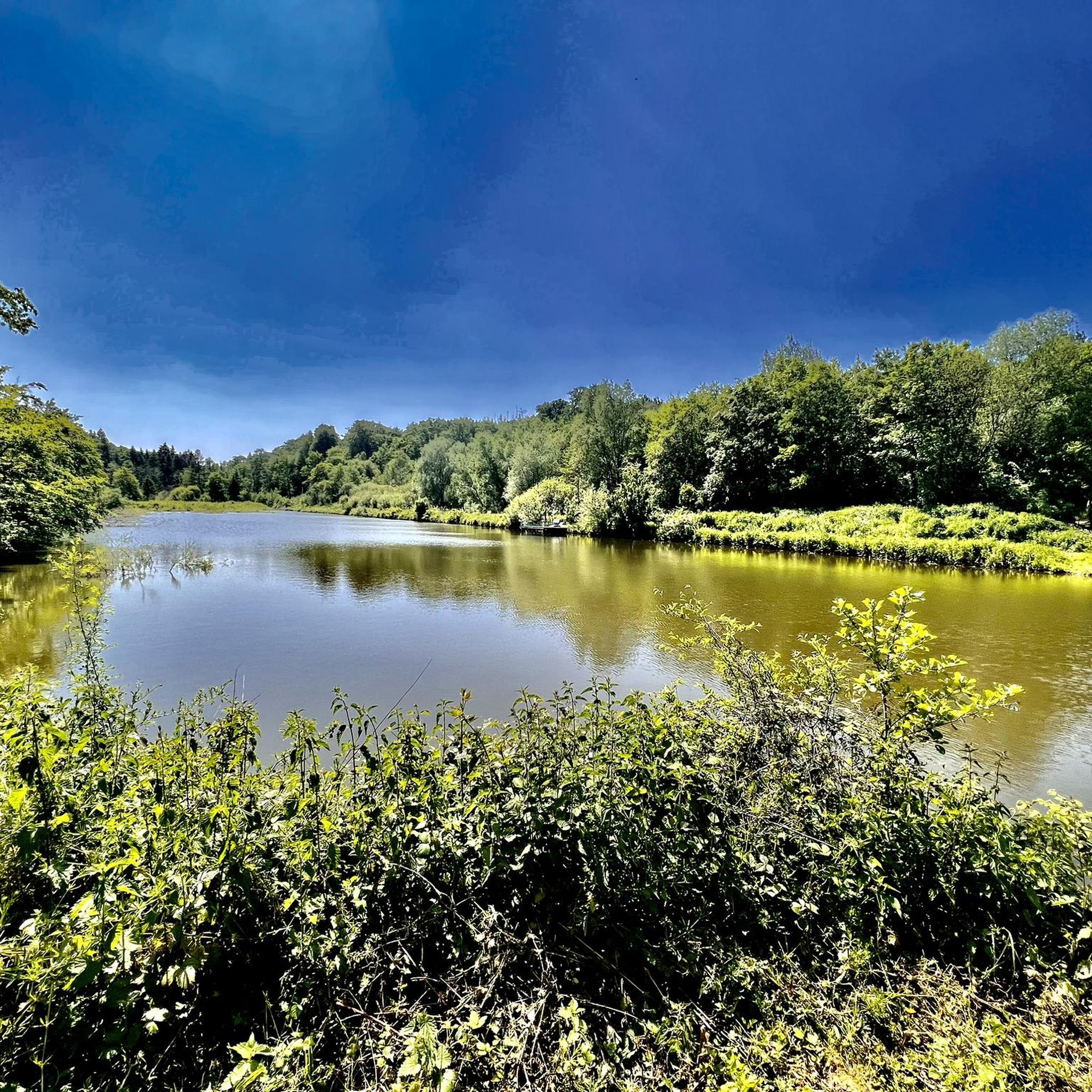
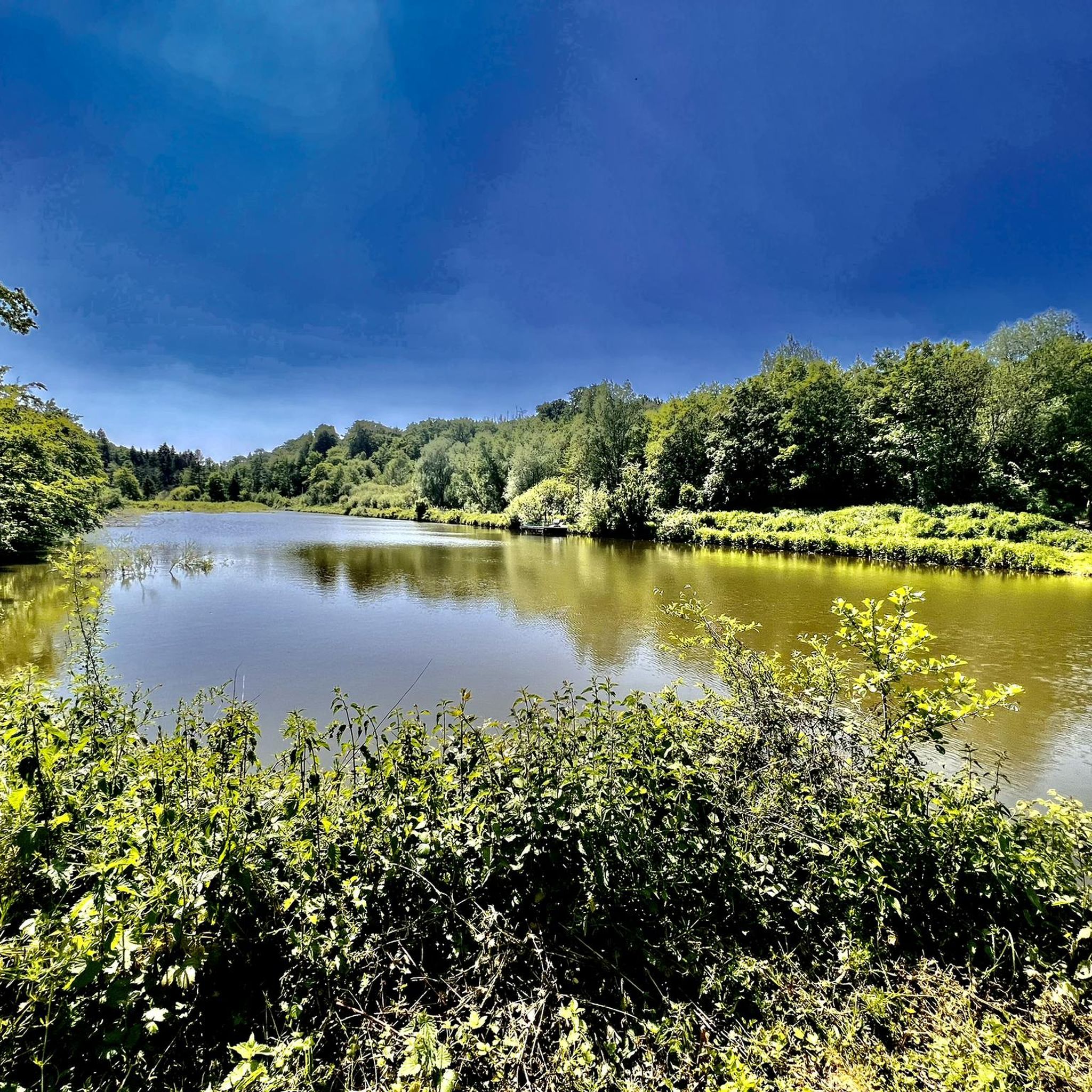
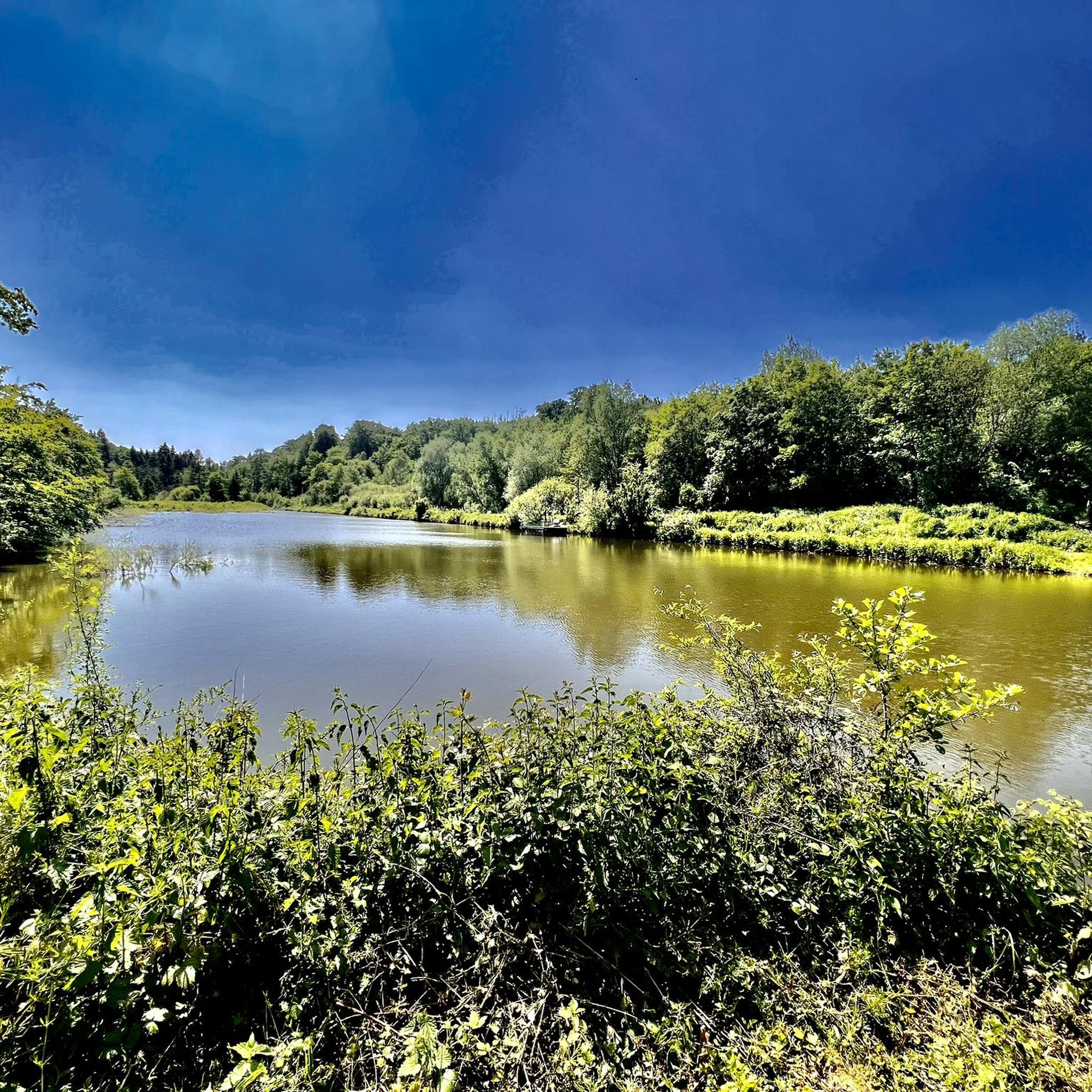
Lake Genval
Highlight • Lake
Translated by Google •
Tip by

Porte de Namur
Highlight • Monument
Translated by Google •
Tip by

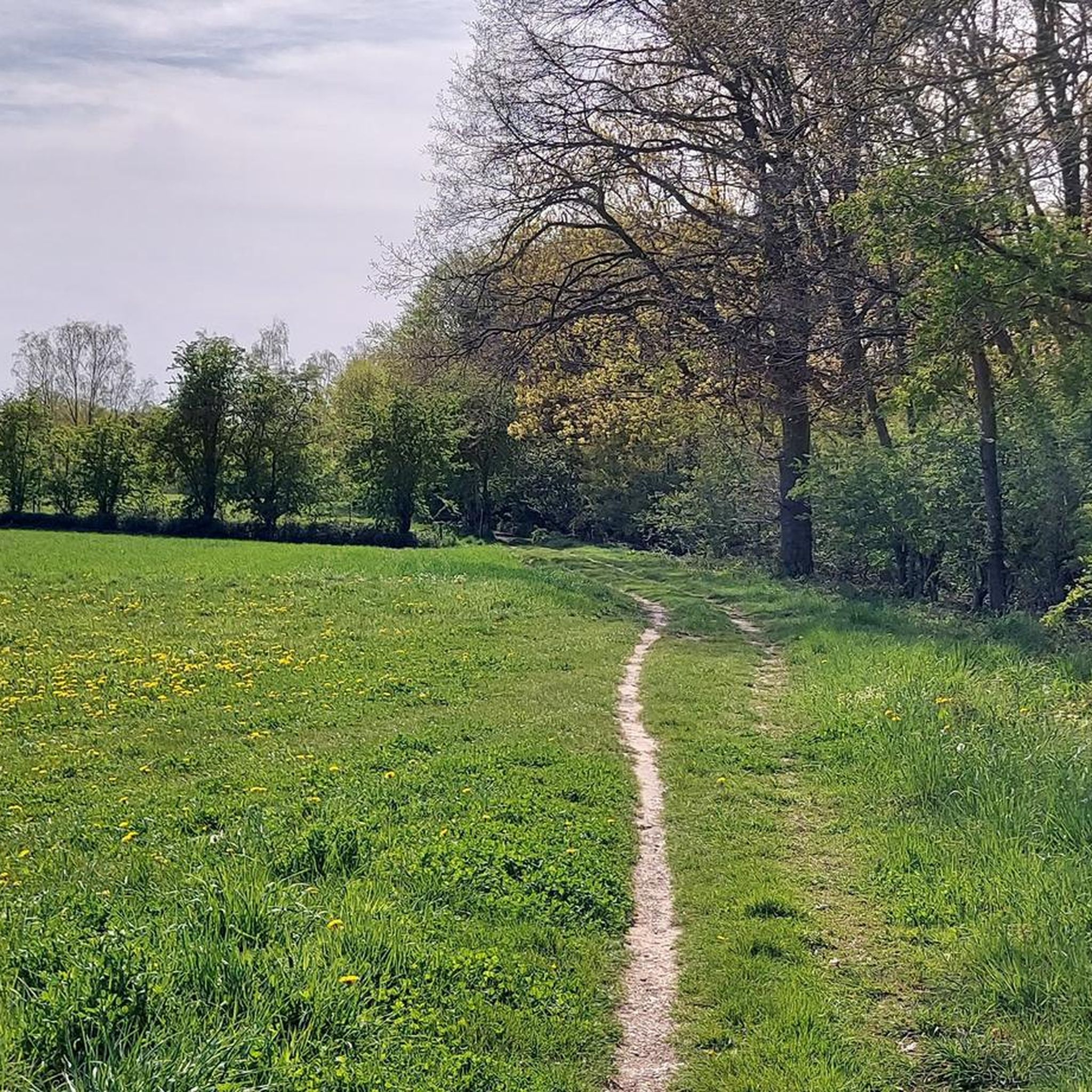
Through a beautiful forest
Highlight (Segment) • Forest
Translated by Google •
Tip by

Sign up for free to discover even more attractions around Court-Saint-Étienne.
Already have an account?
Start today with a free account
Your next adventure awaits.
Tips from the Community

Mill, history & enjoyment A wonderful place to stop after your visit to the abbey. Behind the building, the authentic water wheel still turns, powered by the river Thyle – a beautiful piece of living history. In the 19th century, Victor Hugo himself stayed here several times, finding inspiration for his work. Today, this is still an atmospheric stop: discover more about the abbey in the visitor centre and then enjoy the terrace or the historic vaulted rooms at Bistro de l’Abbaye. Be sure to try one of the artisanal abbey beers from the in-house microbrewery. 🍺 History, water, atmosphere, and a delicious local beer… a stop you don't want to miss! 😉
4
0
The Mills of Villers Abbey is where history & the present meet. The historic Abbey Mill is the ultimate gateway to the magical Cistercian site of Villers-la-Ville. This 13th-century monumental building, where the monks once ground their grain and baked 2000 loaves weekly for the poor, now serves as the modern visitor centre and the atmospheric Bistro de l'Abbaye. It forms the perfect starting or stopping point for your walk or bike ride.
5
0
The imposing Porte de Namur was built in 1725 under the leadership of the influential abbot Jacques de Lierneux. What makes this gate extra special is that it had a double function. The exterior (which you are now looking at) was erected in a rich, classic Renaissance style of brick and bluestone to impress high-ranking guests. On top of the gate passage is a robust stone tower room. Historically, this served as a guardhouse and prison cell for the abbey, which was allowed to exercise its own jurisdiction at the time. A monumental transition from the open nature to the ancient abbey domain!
4
0
Villers Abbey – a ruin to pause at 😉 The Abbey of Villers-la-Ville is an impressive Cistercian ruin from 1146 and one of the largest and best-preserved medieval abbey sites in Europe. Wander among the gigantic Gothic walls, columns, and roofless vaults where nature and centuries-old architecture are beautifully intertwined. The abbey experienced its greatest flourishing in the 13th century, but after centuries of wars and changes, monastic life came to an abrupt end in 1796. During the French Revolution, the monks were expelled and the abbey was sold. Buildings were dismantled stone by stone, after which wind, rain, and encroaching nature slowly formed the complex into an impressive ruin. In the 19th century, Villers grew into a beloved spot for artists and romantics. Victor Hugo (French writer, poet, playwright, and political thinker) was also fascinated by the ruins and visited the abbey several times. Thanks to restoration and heritage conservation, the site is beautifully preserved today. The combination of history, architecture, and nature makes a visit particularly atmospheric. Tip: allow at least 1.5 to 2 hours to discover the abbey at a leisurely pace. Admission – entrance fees: Adults: €10 Children (6 to 12 years): €4 Children (under 6 years): free Seniors (65+): €8 People with disabilities: free Dogs are welcome on a leash. An absolute recommendation for those who love history, mysterious ruins, and photogenic places!
5
0

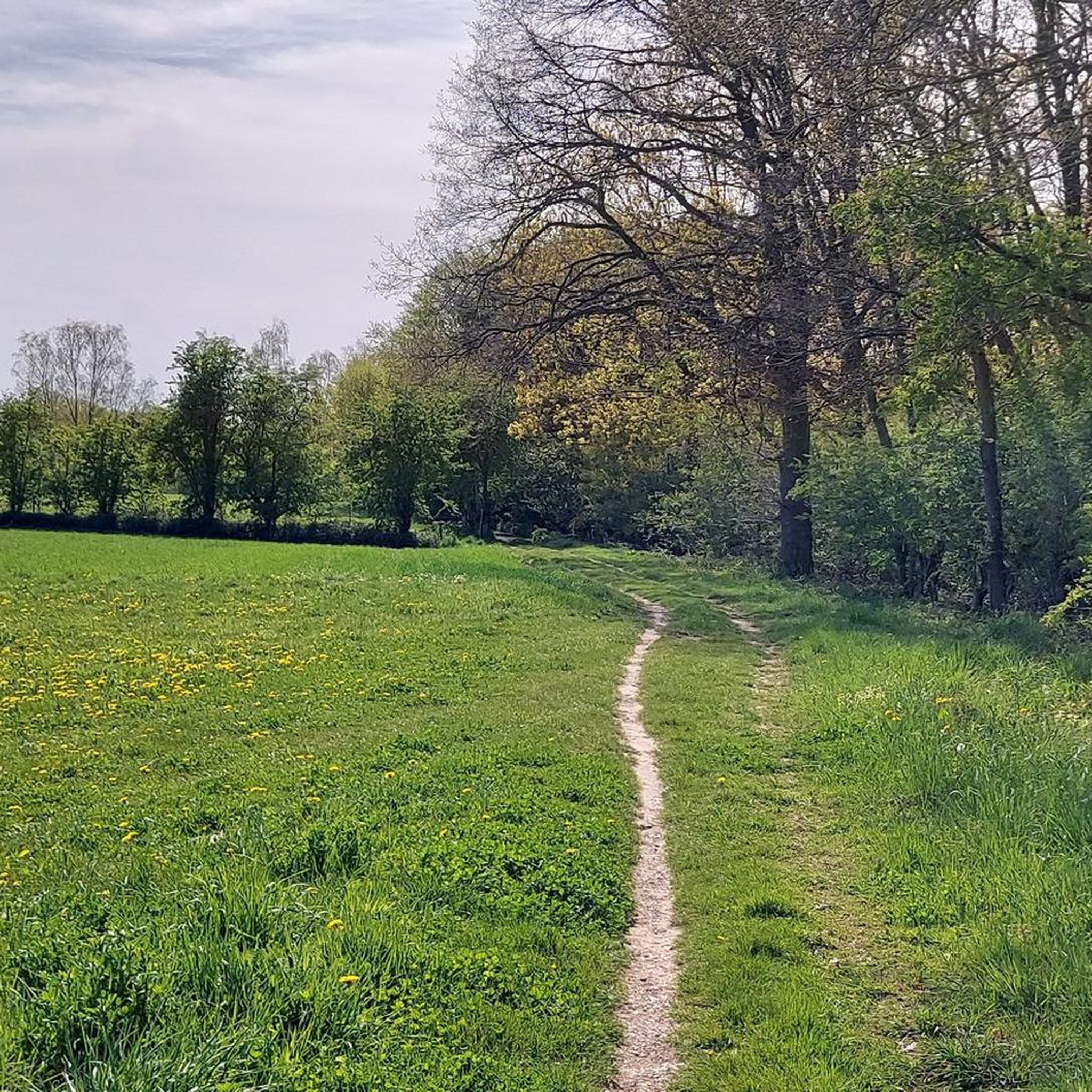
It is difficult to imagine a more beautiful setting for a hike than that of Villers-la-Ville. After walking along the impressive ruins of the old Cistercian abbey, the path gradually escapes into the surrounding woods and countryside. Here, old stones and nature seem to have found a perfect balance. A walk where every turn tells a story.
2
0

The Porte de Namur – Heritage of the Abbey of Villers-la-Ville The Porte de Namur dates from 1725 and is an impressive remnant of the former abbey of Villers-la-Ville. It was built under Abbot Jacques Hache, the 61st abbot of the abbey, who led it from 1716 to 1734. The gate stands right next to the ruins of the abbey and is located near the tourist information point (Syndicat d’Initiative). It spans the rue de l’Abbaye (national road RN274) and provides access to the Notre-Dame des Affligés chapel and the village of Mellery. On the left, there is a reconstructed terraced vineyard supported by slate retaining walls – a nod to the abbey’s wine-making past. The Namur Gate is built in a classical style, with two tall pilasters supporting a red brick entablature. At the top, a triangular pediment adorns the gate, containing niches, the coat of arms of Abbot Hache and his motto: Fortiter et Suaviter – ‘strong and gentle’.
5
0
The mill was built in the 13th century. Part of the building housed the abbey bakery. At the beginning of the 14th century, it delivered more than 2,000 loaves of brown bread every week, intended for the poor who presented themselves at the porter's lodge. Hydraulic wheels operated the millstones for grinding wheat and barley, but also for sawing wood and pressing oil. In the 19th century, the mill-bakery was transformed into a hotel: the Hôtel des Ruines. Victor Hugo stayed there several times.
9
0
Villers Abbey was founded in 1146 by the Cistercians. With the presence of slate and rich silt soil, all the conditions were present to found an abbey in this area. The domain surrounding the historical heritage is 30 hectares in size and houses eight gardens with different themes, a historical mill and a monk's pharmacy. Exhibitions, concerts and shows are regularly held on the site. If there is nothing to do, you can still settle down in the bistro to taste the abbey's beer.
9
0
Frequently Asked Questions
What historical sites can I explore around Court-Saint-Étienne?
The region is rich in history. A must-visit is the Villers-la-Ville Abbey, a UNESCO World Heritage Site with 900 years of history, including extensive ruins, medieval gardens, and vaults. You can also explore the Villers Abbey Mill, which once housed an abbey bakery, and the classical Porte de Namur, a remnant of the 1725 abbey walls. Within Court-Saint-Étienne itself, you'll find the significant Mausolée Goblet d'Alviella, the industrial remnants of Usines Henricot (Hall n°11), and the historic Moulin de Beaurieux.
Are there any natural features or viewpoints worth visiting?
Yes, the area offers scenic natural spots. Lake Genval is a beautiful lake popular for walks, angling, sailing, and canoeing, with several restaurants along its shores. You can also visit the intriguing Pierre qui tourne (The Turning Stone), a large flat stone with local legends. For panoramic views, the View of the Lion's Mound at Waterloo offers a commanding perspective of the historic battlefield.
What outdoor activities can I do near these attractions?
Court-Saint-Étienne is surrounded by rolling hills and scenic landscapes, perfect for outdoor activities. You can find numerous routes for running, road cycling, and gravel biking. For example, explore running trails like 'Chapelle du Try-au-Chêne' or 'Céroux-Mousty Station – Forest Descent Path'. Road cyclists can enjoy routes such as 'Sombreffe Castle – Corroy-le-Château Castle', while gravel bikers might like 'Gravel Path by the River' or 'Sonian Forest Path – Lake Genval'. You can find detailed routes and guides for these activities on the Running Trails around Court-Saint-Étienne, Road Cycling Routes around Court-Saint-Étienne, and Gravel biking around Court-Saint-Étienne guide pages.
Are there family-friendly attractions around Court-Saint-Étienne?
Absolutely! Several attractions are great for families. The Villers-la-Ville Abbey offers vast grounds to explore, captivating both adults and children with its historical ruins. Lake Genval provides opportunities for leisurely walks and water activities. The View of the Lion's Mound at Waterloo and the Mémorial 1815 museum offer an engaging historical experience, including a cylindrical painting with sound effects that brings the Battle of Waterloo to life.
What is the best time to visit Court-Saint-Étienne for outdoor activities?
The region's rolling hills and scenic landscapes are enjoyable throughout much of the year. Spring and autumn offer pleasant temperatures for hiking and cycling, with beautiful foliage changes. Summer is also popular, especially for activities around Lake Genval. Some attractions, like Villers-la-Ville Abbey, have extended opening hours during the warmer months (April to October).
Can I find hiking trails near Court-Saint-Étienne?
Yes, Court-Saint-Étienne is known for its variety of hiking trails. Popular routes include the 'Circuit de la Thyle,' which follows brooks and passes ancient ruins, and the 'Mont Saint-Remy Trail,' offering panoramic views. The town's rural heritage means you'll encounter numerous large farms dotting the bucolic landscape. For specific routes and details, check out the Running Trails around Court-Saint-Étienne guide, which includes many walking-friendly paths.
What cultural heritage does Court-Saint-Étienne offer?
Court-Saint-Étienne boasts a rich cultural heritage, blending rural architecture, religious and philosophical sites, and commemorative monuments. Beyond the grand Villers-la-Ville Abbey, you can explore the unique Mausolée Goblet d'Alviella with its enigmatic symbols, the Chapelle castrale de Sart, and the Monument Français commemorating fallen soldiers from WWII. The town also has a history of industry, evident in the former Émile Henricot factories.
What do visitors enjoy most about the attractions around Court-Saint-Étienne?
Visitors frequently praise the historical depth and scenic beauty of the area. The Villers-la-Ville Abbey is particularly appreciated for its impressive ruins and the sense of history it evokes. The View of the Lion's Mound at Waterloo is noted for making history 'come alive' through its panorama and museum. The tranquil environment of Lake Genval is also a favorite for its beautiful setting. The komoot community has shared over 600 photos and given more than 900 upvotes to the attractions in the region, highlighting their appeal.
Are there any hidden gems or lesser-known spots to discover?
Beyond the major highlights, Court-Saint-Étienne holds some intriguing lesser-known sites. The Pierre qui tourne (The Turning Stone) is a local legend with a mysterious past. The remnants of the Usines Henricot (Hall n°11) offer a glimpse into the town's industrial heritage, showcasing 19th-century iron architecture. The Moulin de Beaurieux, with mentions dating back to 1312, also provides a quiet historical escape.
What are the options for cycling around Court-Saint-Étienne?
The region offers diverse cycling opportunities. You can find numerous routes for both road cycling and gravel biking, catering to various skill levels. Road cyclists can explore routes like 'Mur de Wavre Climb – Moskesstraat Climb' or 'RAVeL 141 – Old Canal Path'. For gravel biking, options include 'Gravel Path by the River' and 'Sonian Forest Path – Lake Genval'. Detailed routes and guides are available on the Road Cycling Routes around Court-Saint-Étienne and Gravel biking around Court-Saint-Étienne guide pages.
Is the Battle of Waterloo site easily accessible from Court-Saint-Étienne?
Yes, the Battle of Waterloo site, including the View of the Lion's Mound at Waterloo and the Mémorial 1815 museum, is located near Court-Saint-Étienne. It's a popular and easily accessible destination for those interested in history, offering a comprehensive experience of the famous battle.
Are there any specific architectural highlights in Court-Saint-Étienne?
Beyond the ruins of Villers-la-Ville Abbey, the town itself features notable architectural elements. The Mausolée Goblet d'Alviella is a significant architectural and philosophical monument. The Usines Henricot (Hall n°11) stands as a representative example of 19th-century iron architecture, notable for its metal framework. The Chapelle castrale de Sart is a Gothic ogival chapel built with bricks on a base of local schists.
Most popular routes around Court-Saint-Étienne
Most popular attractions around Court-Saint-Étienne

Get inspired with the komoot mobile app


Explore more
Still not found the Highlight you’re looking for? See guides of the top attractions in other regions:
