The best running trails around Court-Saint-Étienne
4.5
(64)
1,991
runners
115
runs
Jogging routes around Court-Saint-Étienne offer access to scenic rural landscapes and extensive green spaces. The region is characterized by a network of well-maintained paths, including sections of the Ravel greenways, providing varied terrain for runners. These routes often lead through natural settings, featuring forests and open countryside. The area's commitment to preserving its natural beauty ensures inviting environments for outdoor activities.
Best jogging routes around Court-Saint-Étienne
- The most popular jogging route is Chapelle du Try-au-Chêne – Through a beautiful forest…
Last updated: October 20, 2026
4.0
(2)
280
runners
Hard run. Very good fitness required. Mostly paved surfaces. Suitable for all skill levels.
5.0
(1)
104
runners
20.8km
02:26
360m
360m
Hard run. Very good fitness required. Mostly paved surfaces. Suitable for all skill levels.

4.3
(3)
85
runners
Moderate run. Good fitness required. Mostly paved surfaces. Suitable for all skill levels.
5.0
(2)
74
runners
33.1km
03:51
560m
560m
Hard run. Very good fitness required. Mostly paved surfaces. Suitable for all skill levels.
3.5
(2)
122
runners
11.5km
01:14
110m
110m
Moderate run. Good fitness required. Mostly paved surfaces. Suitable for all skill levels.
Get access to more routes and recommendations from other explorers.
Already have an account?
Our route recommendations are based on thousands of hikes, rides, and runs completed by other people on komoot.
Start today with a free account
Your next adventure awaits.
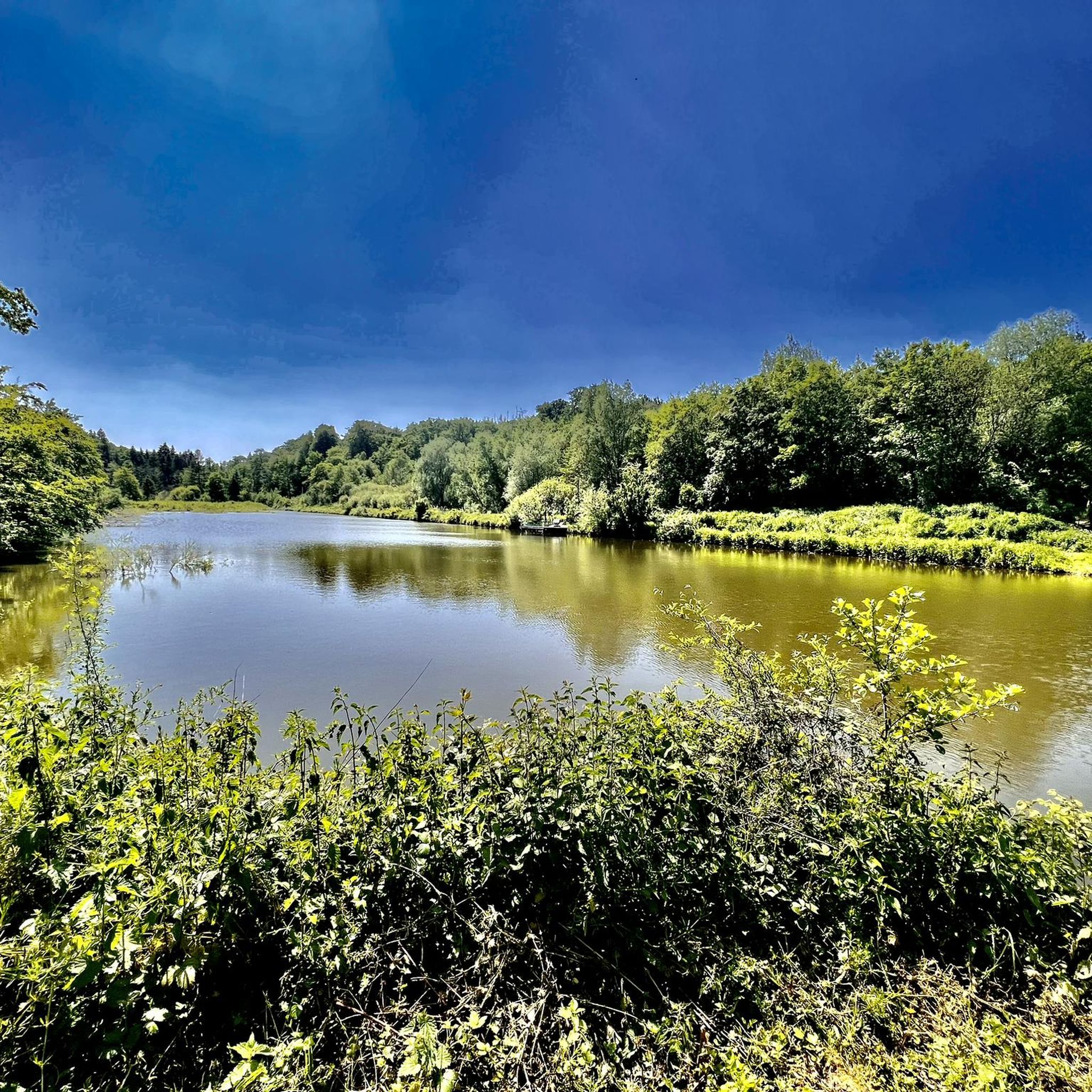
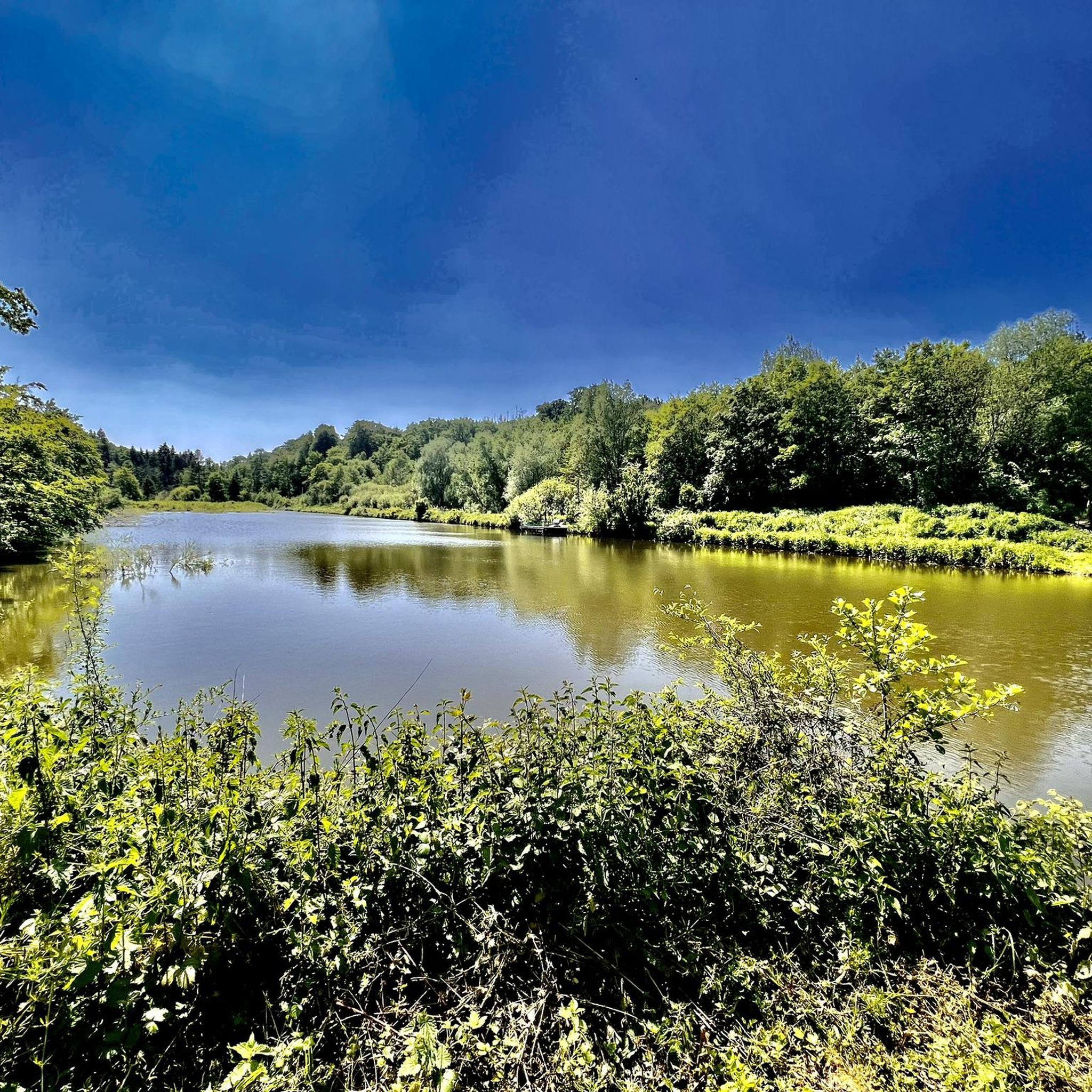
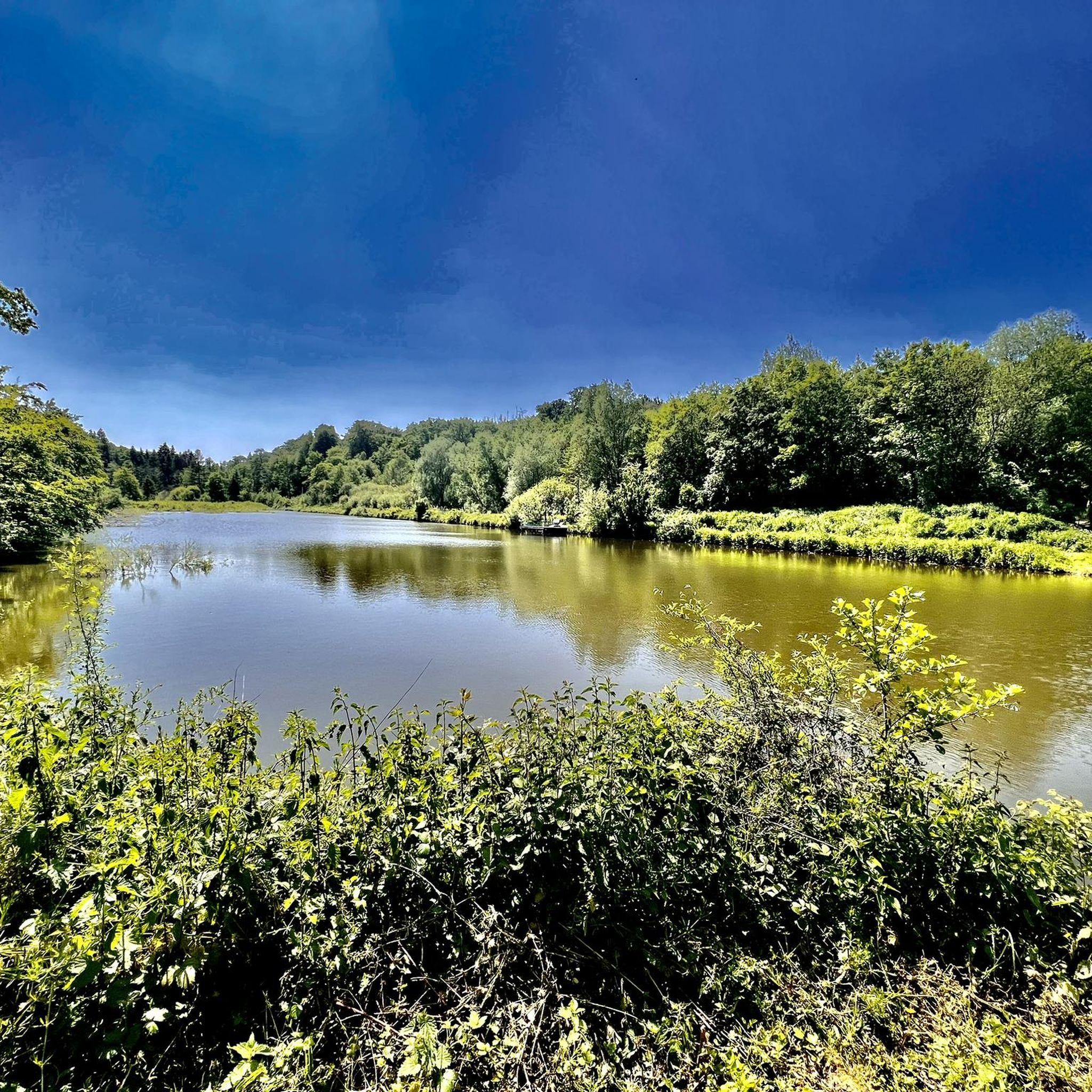
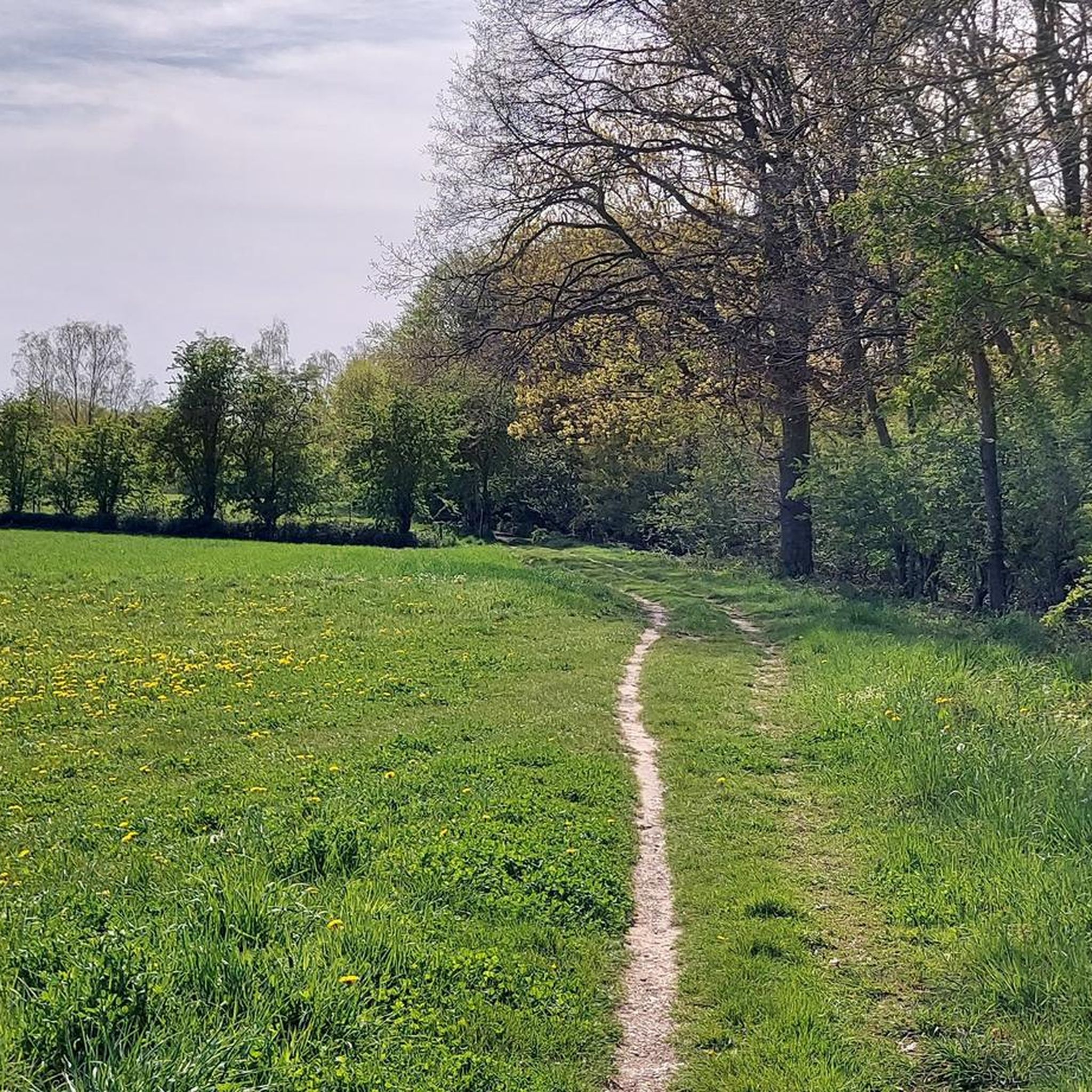
Tips from the Community

Mill, history & enjoyment A wonderful place to stop after your visit to the abbey. Behind the building, the authentic water wheel still turns, powered by the river Thyle – a beautiful piece of living history. In the 19th century, Victor Hugo himself stayed here several times, finding inspiration for his work. Today, this is still an atmospheric stop: discover more about the abbey in the visitor centre and then enjoy the terrace or the historic vaulted rooms at Bistro de l’Abbaye. Be sure to try one of the artisanal abbey beers from the in-house microbrewery. 🍺 History, water, atmosphere, and a delicious local beer… a stop you don't want to miss! 😉
4
0
The Mills of Villers Abbey is where history & the present meet. The historic Abbey Mill is the ultimate gateway to the magical Cistercian site of Villers-la-Ville. This 13th-century monumental building, where the monks once ground their grain and baked 2000 loaves weekly for the poor, now serves as the modern visitor centre and the atmospheric Bistro de l'Abbaye. It forms the perfect starting or stopping point for your walk or bike ride.
5
0
Visit Abdij Villers-la-Ville Abdij van Villers – a ruin to reflect on 😉 The Abdij van Villers-la-Ville is an impressive Cistercian ruin from 1146 and one of the largest and best-preserved medieval abbey sites in Europe. Wander among the gigantic Gothic walls, columns, and roofless vaults where nature and centuries-old architecture are beautifully intertwined. The abbey reached its peak in the 13th century, but after centuries of wars and changes, monastic life came to an abrupt end in 1796. During the French Revolution, the monks were expelled and the abbey was sold. Buildings were dismantled stone by stone, after which wind, rain, and encroaching nature slowly transformed the complex into an impressive ruin. In the 19th century, Villers became a beloved spot for artists and romantics. Victor Hugo (French writer, poet, playwright, and political thinker) was also fascinated by the ruins and visited the abbey several times. Thanks to restoration and heritage conservation, the site is beautifully preserved today. The combination of history, architecture, and nature makes a visit particularly atmospheric. Tip: allow at least 1.5 to 2 hours to explore the abbey at a leisurely pace. Admission – entrance fees: Adults: €10 Children (6 to 12 years): €4 Children (under 6 years): free Seniors (65+): €8 People with disabilities: free Dogs are welcome on a leash. An absolute must-see for anyone who loves history, mysterious ruins, and photogenic places! “Post tenebras, spero lucem” – “After darkness, I hope for light.” 🌑➡️☀️
5
0
The imposing Porte de Namur was built in 1725 under the leadership of the influential abbot Jacques de Lierneux. What makes this gate extra special is that it had a double function. The exterior (which you are now looking at) was erected in a rich, classic Renaissance style of brick and bluestone to impress high-ranking guests. On top of the gate passage is a robust stone tower room. Historically, this served as a guardhouse and prison cell for the abbey, which was allowed to exercise its own jurisdiction at the time. A monumental transition from the open nature to the ancient abbey domain!
4
0
Feel free to take a seat on the wooden benches near this classic 18th-century forest chapel. Our Lady of Sorrows was not historically visited for a standard prayer: it was an important refuge for pilgrims and the sick suffering from severe pain, deep grief, or life's 'trials'. What passers-by often don't know is that this peaceful crossroads was once a strategic access road to the mighty, nearby Villers Abbey. Travelers were obliged to stop here at the time to pray for safe passage through the then still inhospitable, dense Ardennes forests where robbers were active. Today, it is fortunately an oasis of peace where you can catch your breath in the shade of the monumental oak trees!
5
0
Its impressive purple carpet of wild bluebells can be admired every spring. The peak period to witness this floral splendor is usually between mid-April and early May. The bloom lasts only about two weeks and is highly dependent on the early spring weather and the sunbeams filtering through the still bare canopy. Make sure to stay on the official paths during this period to avoid trampling the fragile bulbs!
4
0
Beautiful hiking trail runs under the railway. With special lighting, you can take beautiful photos here. (Highlight is in the wrong location = passed on to the editorial team)
4
0
Although the historic watermill itself is hidden behind the greenery, you are here at an important piece of monastic heritage. This mill on the Thyle was already built in 1293 after the Cistercian monks from the Abbey of Villers were granted permission to divert the stream for more water power. Through the centuries, the complex served as a grain mill, forge, oil press, and in the 19th century even as a marble and wood sawmill. During the French Revolution, the mill was nationalized and sold. Please note: the grounds are private property today.
5
0
Frequently Asked Questions
How many running routes are available in Court-Saint-Étienne?
There are over 100 running routes around Court-Saint-Étienne, catering to various fitness levels. You'll find a good mix of easy, moderate, and difficult trails to explore.
What kind of terrain can I expect on the jogging trails in Court-Saint-Étienne?
The jogging trails in Court-Saint-Étienne primarily feature scenic rural landscapes, extensive green spaces, and forest paths. Many routes incorporate sections of the Ravel, a network of well-maintained greenways, offering varied terrain for runners.
Are there any easy running routes for beginners in Court-Saint-Étienne?
Yes, Court-Saint-Étienne offers several easy running routes, with at least 7 trails specifically categorized as easy. These are perfect for beginners or those looking for a more relaxed run through the pleasant countryside.
What do other runners enjoy most about the trails in Court-Saint-Étienne?
The running routes in Court-Saint-Étienne are highly rated by the komoot community, with an average score of 4.3 stars from over 50 reviews. Runners often praise the beautiful forest settings, the varied terrain, and the peaceful rural environment.
Are there any challenging running trails for experienced runners?
Absolutely. For experienced runners seeking a challenge, there are 13 difficult routes available. A notable option is the Porte de Namur – Saint Apolline Chapel loop from La Roche, a demanding 20.2-mile (32.6 km) trail with significant elevation gain.
Can I find any moderate-difficulty running routes in the area?
Yes, the majority of running routes in Court-Saint-Étienne are of moderate difficulty, with 83 such trails available. A great option is the Céroux-Mousty Station – Forest Descent Path loop from Court-Saint-Étienne, which is 7.1 miles (11.5 km) long and offers a pleasant forest descent.
Are there any interesting landmarks or natural features to see along the running routes?
Yes, the region offers unique features. For instance, you might encounter 'the strangest rolling stone,' a four-ton megalith with local legends, which can add an element of discovery to your run. For more historical sights, the Villers-la-Ville Abbey is a significant historical site nearby.
Are the running trails in Court-Saint-Étienne suitable for families?
While specific family-friendly routes are not explicitly detailed, the presence of numerous easy and moderate trails through green spaces and rural landscapes suggests many options could be suitable for families. Look for shorter, flatter routes for a more comfortable family outing.
Can I bring my dog on the running trails?
Many outdoor trails in Belgium are dog-friendly, especially in rural and forest areas. However, it's always recommended to check local signage or specific route descriptions on komoot for any restrictions, especially regarding nature reserves or private lands. Always keep your dog on a leash and clean up after them.
Is parking available near the running trails?
Given the rural nature of many routes, parking is often available at trailheads or in nearby villages. For specific routes, checking the komoot tour details or local maps for designated parking areas is advisable.
Are there any circular running routes in Court-Saint-Étienne?
Yes, many of the running routes in Court-Saint-Étienne are designed as loops, allowing you to start and finish at the same point. For example, the Lac d’Agnissart – From Bousval to Lasne loop from Bousval is a moderate 7.3-mile (11.8 km) path that offers a scenic loop through the countryside.
What is the best time of year to go jogging in Court-Saint-Étienne?
Court-Saint-Étienne's green and rural environment makes it pleasant for jogging throughout much of the year. Spring and autumn offer mild temperatures and beautiful scenery. Summer is also great, especially in shaded forest areas. Even in winter, many trails remain accessible, though conditions may vary.
Most popular routes around Court-Saint-Étienne
Most popular attractions around Court-Saint-Étienne

Get inspired with the komoot mobile app


Explore more
Browse the best Running Trails & Routes in other regions.
