Attractions and Places To See around Ramillies - Top 20
Best attractions and places to see around Ramillies, a municipality in the Belgian province of Walloon Brabant, offer insights into local heritage and history. The area features protected sites and nearby points of interest, providing a blend of cultural significance and natural landscapes. Visitors can explore historical landmarks, religious buildings, and expansive estates. The region around Ramillies also presents opportunities for outdoor activities.
Best attractions and places to see around Ramillies
- The most popular attractions is Hélécine Estate, an estate featuring a castle and a 28-hectare park. The estate includes a nature reserve, playgrounds, and fishing ponds, making it suitable for families and outdoor activities.
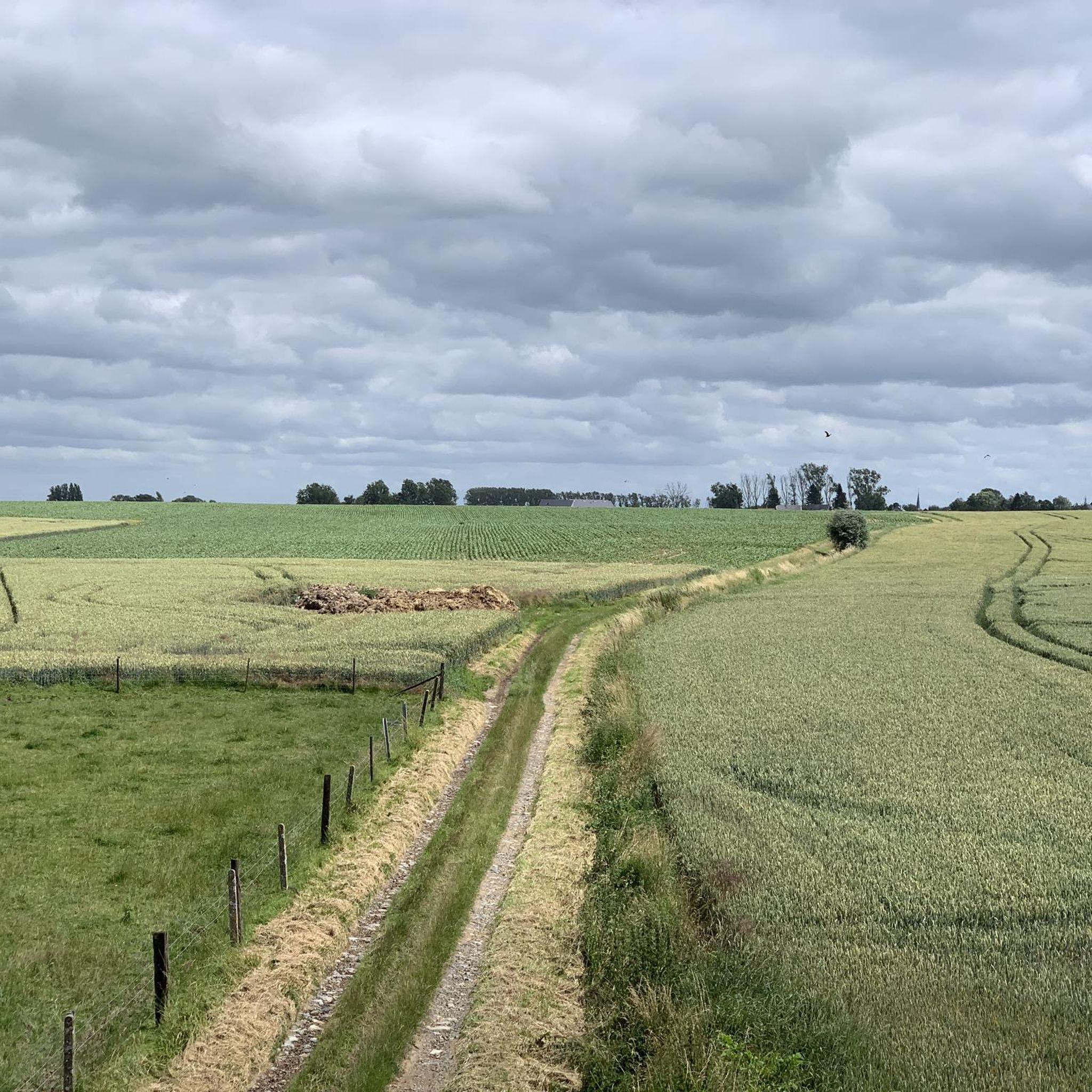
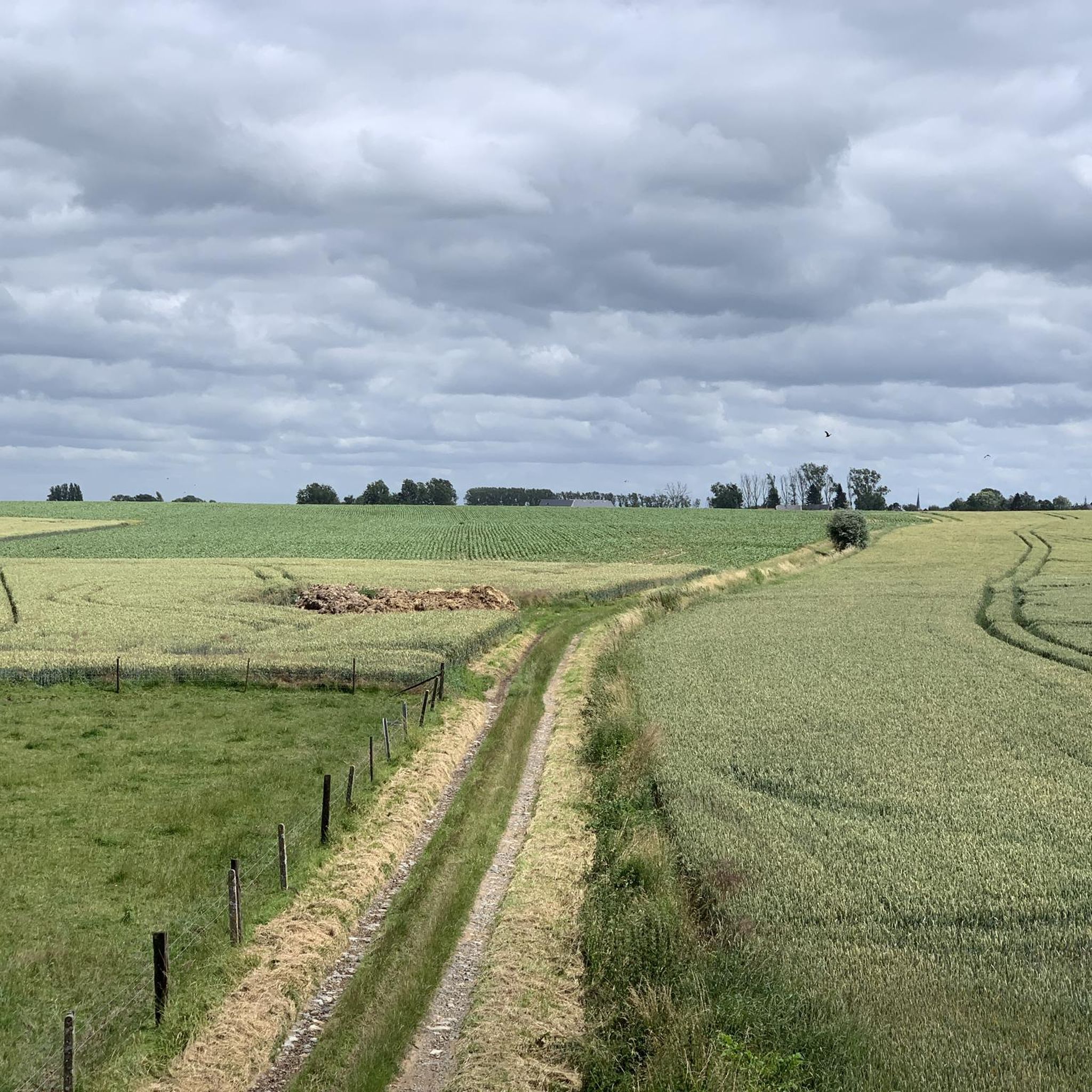
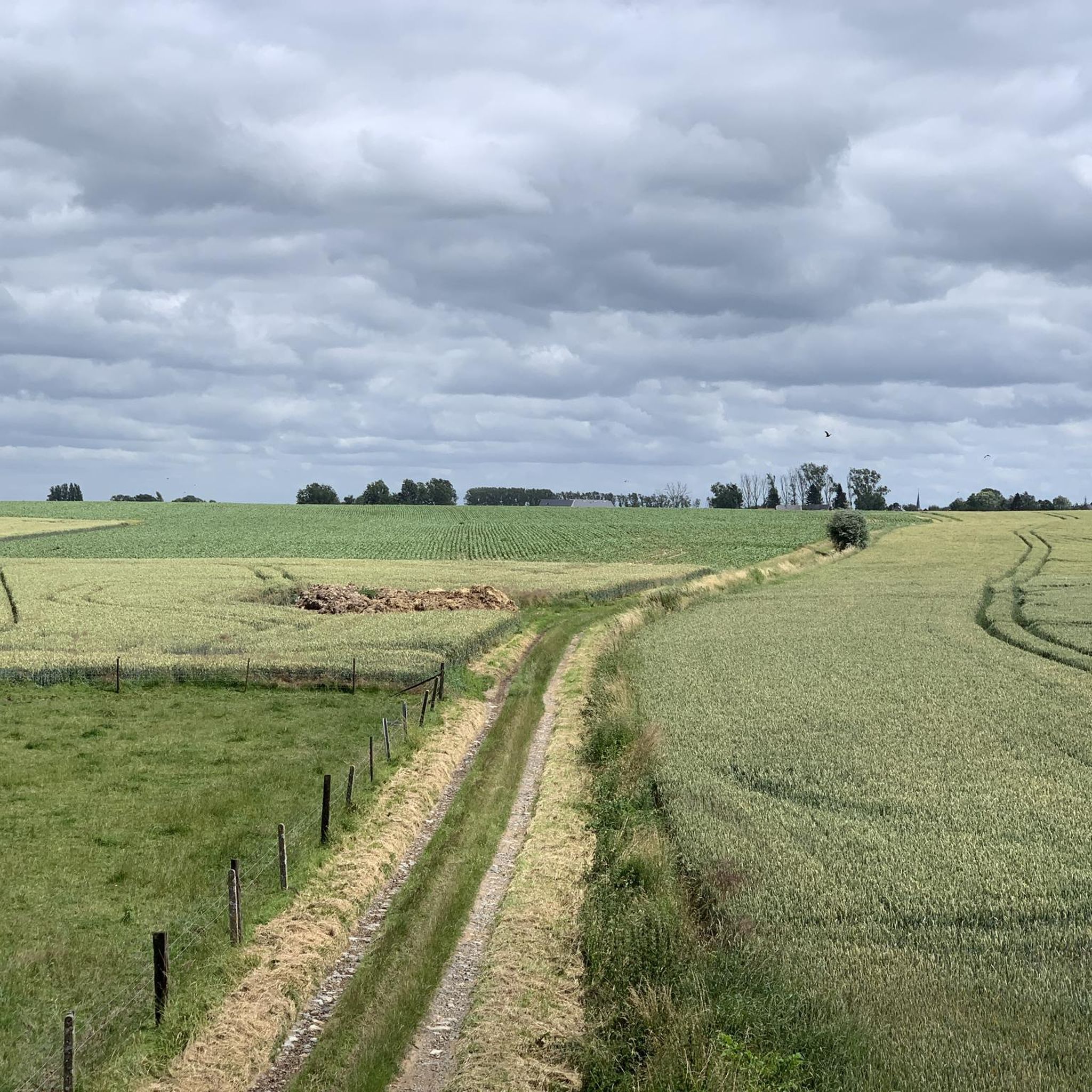
- Another must-see spot is Ferme de Wahenges, a historical farm complex. This large white farm, isolated on the Brabant plateau, has a history dating back to Roman times and is a protected heritage site.
- Visitors also love Château d'Opheylissem, a historical castle. This site, originally a monastery founded in the early 12th century, features an 18th-century castle surrounded by a pedestrian park.
- Ramillies is known for its historical sites, religious buildings, and expansive estates. The area offers a variety of attractions to see and explore, from ancient burial mounds to protected architectural heritage.
- The attractions around Ramillies are appreciated by the komoot community, with more than 70 upvotes and over 110 photos shared.
Last updated: August 16, 2026
Hélécine Estate
Highlight • Parking
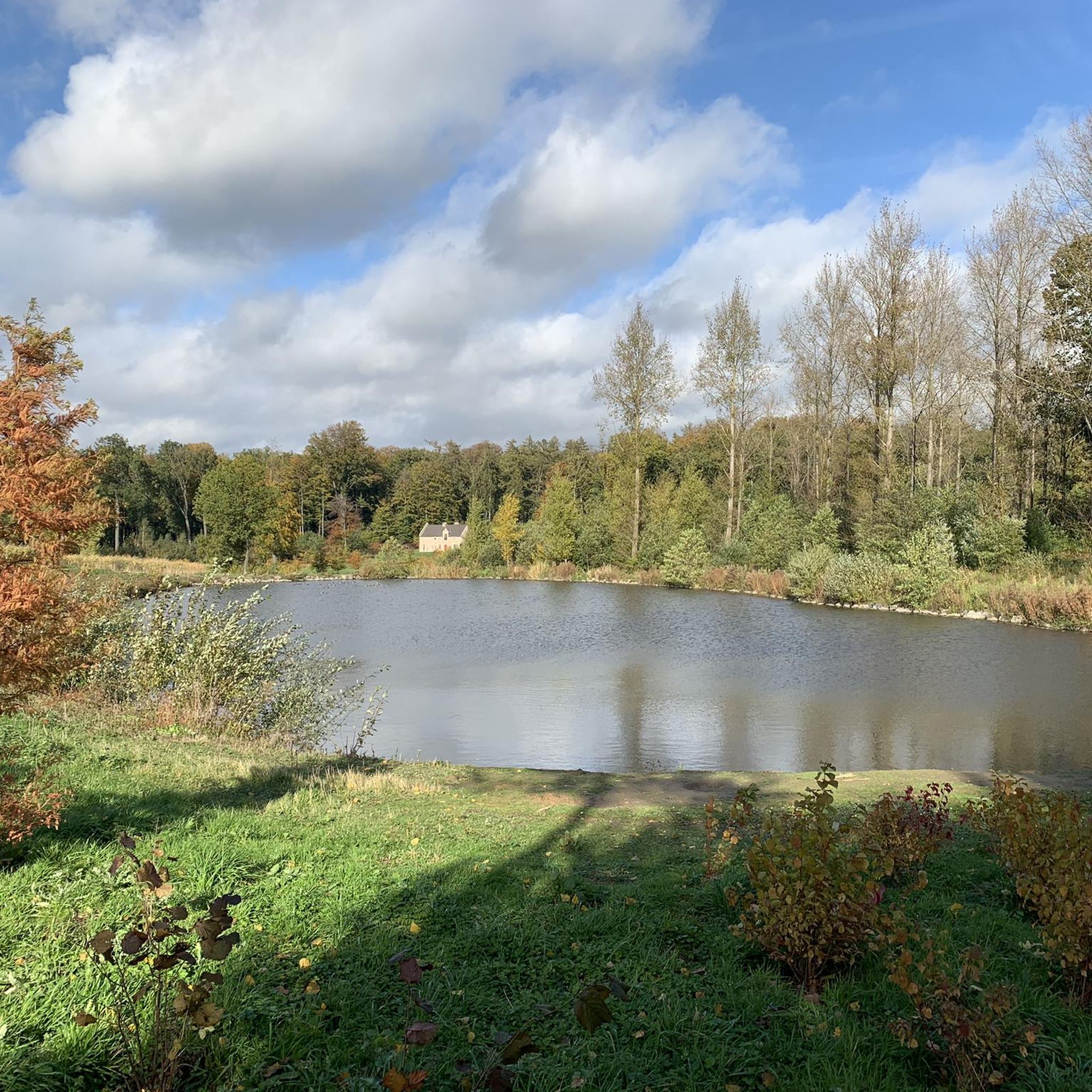
The 28-hectare walking park includes a nature reserve, two playgrounds, a new aerial structure, a giant sundial, a 19th-century icehouse, an educational pond, and three fishing ponds. Come and play landscaped mini-golf and pétanque. The estate is ideal for families, school groups, and those seeking relaxation in the countryside.
Two ponds are open for trout and carp fishing from the second Sunday of March to mid-November.
destinationbw.be/fr/decouvrir/les-incontournables/le-chateau-dhelecine
Translated by Google •
Tip by

Ferme de Wahenges
Highlight • Structure
Translated by Google •
Tip by

Sign up now to discover places like this
Get recommendations on the best single tracks, peaks, & plenty of other exciting outdoor places.
Sign up for free
Saint Gorgonius Church, Hoegaarden
Highlight • Religious Site
The plan unfolds three naves of six bays on pillars behind a high tower of bluestone, crowned with an onion-shaped roofing, and two side portals with a baroque influence (shell motifs but also niches and contoured volutes). A long choir, flanked by outbuildings, ends in a semicircular apse that is lit by two window registers. Brick nave, punctuated on the outside by classicist pilasters of bluestone, and sandstone segmental arch windows with few projecting keys. Rich and stately interior enlivened with yellow and white stucco and numerous Louis XV ornaments (keys, cartouches under the entablature, upper wall panels, pillar shafts, belt arches of the barrel vault). Pillars on bluestone bases, crowned with composite capitals decorated with putti heads. Side aisles covered with Bohemian caps.
Inventory of Immovable Heritage: Parish Church of Saint-Gorgonius, id.erfgoed.net/erfgoedobjecten/43489
Translated by Google •
Tip by
Opprebais Quarry Lake
Highlight • Lake
The lake, fed by groundwater, is surrounded by rock faces and vegetation.
Owned by the Société Wallonne Des Eaux, the quarry is closed to the public: access to the water and swimming are prohibited: the site had to be fenced off to prevent any intrusion as the place is dangerous due to its depth (up to 30m), the water temperature (risk of thermal shock) and the presence of rocks. The place is also known to diving clubs.
A path, enhanced by a fitness trail, allows you to walk around it.
Showing Translation
Tip by

Château d'Opheylissem
Highlight • Castle
Translated by Google •
Tip by
Sign up for free to discover even more attractions around Ramillies.
Sign up for free
Already have an account?
Start today with a free account
Your next adventure awaits.
Login or Signup

Tips from the Community

The exploitation of the Opprebais quarry began during the construction of the Namur-Louvain road around 1755, under the impetus of Empress Maria Theresa of Austria: quartzite was extracted there, a very hard stone mainly used for making paving stones but still present in its natural state in certain areas of the municipality. Some parts of the Opprebais castle-farm are built with quartzite rubble stones. Production stopped for the first time and, in 1935, the quarry was flooded. Activity resumed from 1958 to 1975. The lake, fed by groundwater, is surrounded by rock faces and vegetation. Owned by the Société Wallonne Des Eaux, the quarry is closed to the public: access to the water and swimming are prohibited: the site had to be fenced off to prevent any intrusion as the place is dangerous due to its depth (up to 30m), the water temperature (risk of thermal shock) and the presence of rocks. The place is also known to diving clubs. A path, enhanced by a fitness trail, allows you to walk around it.
0
0

The description is very accurate. Thank you.
1
0

beautiful church inside you can enjoy the peace and quiet and possibly light a candle
1
0

Always very pleasant to walk/run in this beautiful park
1
0

Former collegiate church. Beautiful homogeneous building, situated on the hill that dominates the landscape, built in 1744 by the Leuven architect J.A. Hustin. Chronogram on the large cartouche in the west facade of the tower. The plan unfolds three naves of six bays on pillars behind a high tower of bluestone, crowned with an onion-shaped roofing, and two side portals with a baroque influence (shell motifs but also niches and contoured volutes). A long choir, flanked by outbuildings, ends in a semicircular apse that is lit by two window registers. Brick nave, punctuated on the outside by classicist pilasters of bluestone, and sandstone segmental arch windows with few projecting keys. Rich and stately interior enlivened with yellow and white stucco and numerous Louis XV ornaments (keys, cartouches under the entablature, upper wall panels, pillar shafts, belt arches of the barrel vault). Pillars on bluestone bases, crowned with composite capitals decorated with putti heads. Side aisles covered with Bohemian caps. Inventory of Immovable Heritage: Parish Church of Saint-Gorgonius, https://id.erfgoed.net/erfgoedobjecten/43489
8
0

You can see the tower from far above the cornfields...
4
1
Perfect place for a picnic: the lawn at the third pond (the other two are not allowed) and a beautiful picnic spot at the back of the park. Pop Up Bar with terrace open Wednesdays, weekends, public holidays and school holidays.
6
0
Located in the far east of Walloon Brabant, 40 km from Brussels and Liège, Hélécine Castle stands in the middle of a 28-hectare park. Let yourself be charmed by the many facets of this exceptional site and its activities organized throughout the season. The 28-hectare walking park includes a nature reserve, two playgrounds, a new aerial structure, a giant sundial, a 19th-century icehouse, an educational pond, and three fishing ponds. Come and play landscaped mini-golf and pétanque. The estate is ideal for families, school groups, and those seeking relaxation in the countryside. Two ponds are open for trout and carp fishing from the second Sunday of March to mid-November. https://www.destinationbw.be/fr/decouvrir/les-incontournables/le-chateau-dhelecine/ https://www.youtube.com/watch?v=bA1mJ_m4eVQ
7
0
Frequently Asked Questions
What historical sites can I explore around Ramillies?
The region around Ramillies is rich in history. You can visit the ancient Tumulus of Hottomont, a protected heritage site. Another significant historical landmark is Ferme de Wahenges, a large farm complex with a history dating back to Roman times, recognized as an exceptional heritage site of Wallonia.
Are there any castles or estates to visit near Ramillies?
Yes, the area features several notable estates and castles. The most popular is Hélécine Estate, which includes Hélécine Castle set within a 28-hectare park. You can also explore Château d'Opheylissem, a historical castle that originated as a monastery in the early 12th century.
What religious buildings are worth seeing around Ramillies?
Several churches with historical significance are located nearby. The Saint Gorgonius Church in Hoegaarden, built in 1744, is known for its baroque-influenced architecture and rich interior. Another beautiful site is the Church of Our Lady of the Visitation in Mélin, a neoclassical building with a striking bell tower and an ancient Renaissance organ.
What kind of outdoor activities can I do near Ramillies?
The region around Ramillies offers various opportunities for outdoor activities. You can find numerous trails for running, mountain biking, and cycling. For specific routes, explore the Running Trails around Ramillies, MTB Trails around Ramillies, and Cycling around Ramillies guides.
Are there family-friendly attractions in the Ramillies area?
Absolutely! Hélécine Estate is ideal for families, featuring two playgrounds, an aerial structure, a giant sundial, and fishing ponds within its 28-hectare park. The estate also hosts various activities throughout the season.
What are some protected heritage sites in Ramillies itself?
Within Ramillies, you can find several protected heritage sites. These include the Tumulus of Hottomont, the Chapel of Saint-Feuillen (excluding the sacristy) in Autre-Eglise, and the Presbytery Church of Saint-Hubert and its outbuildings in Ramillies-Offus.
What do visitors enjoy most about the attractions around Ramillies?
Visitors appreciate the blend of historical significance and natural beauty. Many enjoy the peaceful environment of places like Ferme de Wahenges and the extensive walking opportunities at Hélécine Estate. The architectural details of the churches and castles also receive positive feedback.
Are there any natural features or parks to explore?
Yes, the most prominent natural feature is the 28-hectare park at Hélécine Estate, which includes a nature reserve, an educational pond, and three fishing ponds. The broader region also offers scenic landscapes perfect for walking and cycling.
What is the best time to visit Ramillies for outdoor activities?
The area is generally pleasant for outdoor activities from spring through autumn. During these seasons, the weather is suitable for exploring the parks, historical sites, and enjoying the various running, cycling, and mountain biking trails.
Can I find any hidden gems or less-known spots around Ramillies?
Beyond the main attractions, the region is dotted with charming, less-known sites. The Ferme de Wahenges, though protected, offers a glimpse into rural architecture and history in a quiet setting. Exploring the small villages and their local churches, like the Church of Our Lady of the Visitation in Mélin, can also reveal unique discoveries.
Are there specific architectural styles or historical periods represented in the attractions?
The attractions around Ramillies showcase a range of architectural styles and historical periods. You'll find structures from Roman times (like the origins of Ferme de Wahenges), 12th-century monastic foundations (at Château d'Opheylissem), 18th-century baroque influences (in Saint Gorgonius Church), and neoclassical designs (like the Church of Our Lady of the Visitation).
Where can I find information about hiking trails near Ramillies?
For hiking enthusiasts, the area offers various trails. While specific hiking guides are not listed, the Running Trails around Ramillies guide can provide options for walks and runs, often overlapping with scenic hiking paths through the countryside and past local landmarks.
Most popular routes around Ramillies
Most popular attractions around Ramillies

Get inspired with the komoot mobile app


Explore more
Still not found the Highlight you’re looking for? See guides of the top attractions in other regions:
