The best cycling routes around Anthisnes
4.3
(37)
608
riders
41
rides
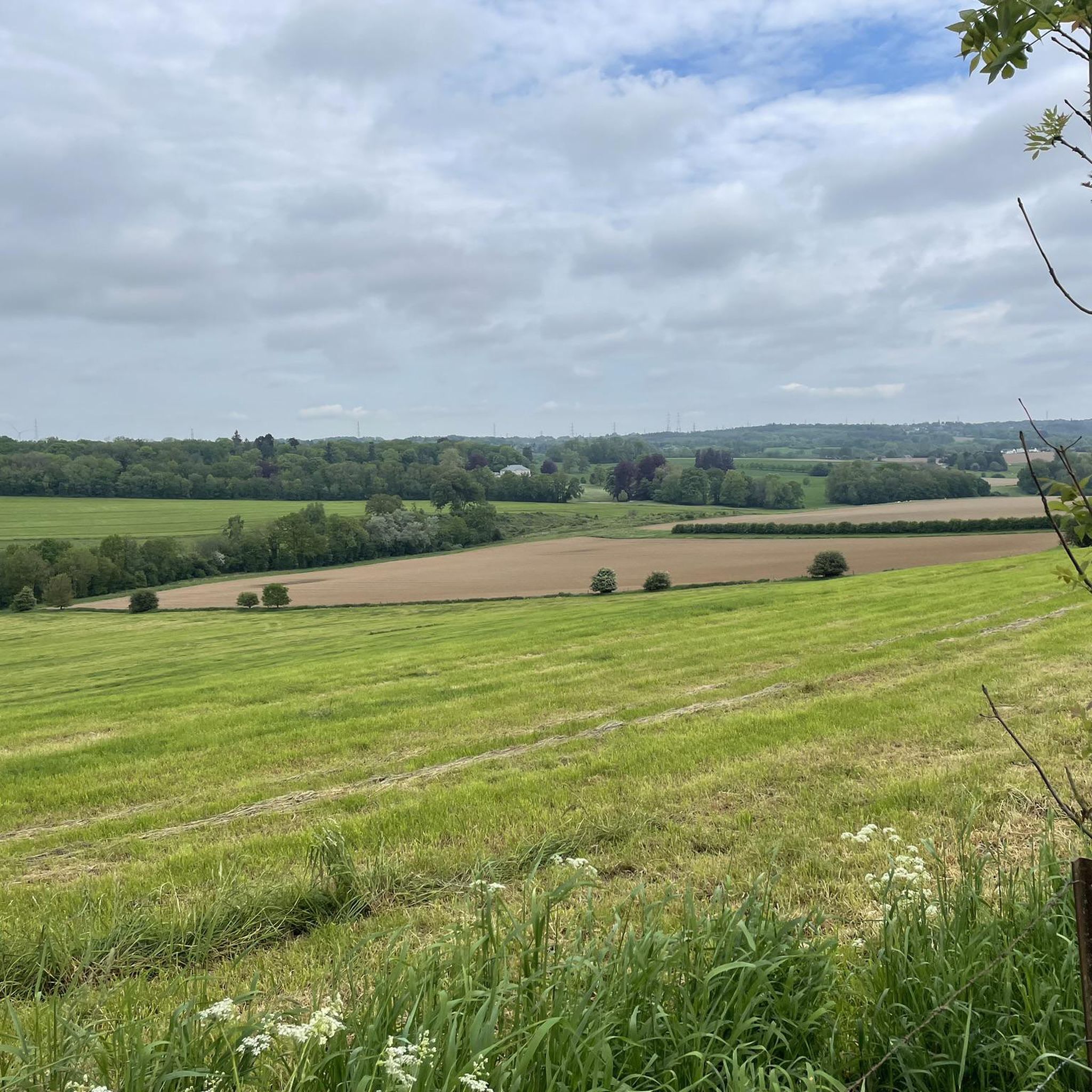
Touring cycling routes around Anthisnes traverse the undulating countryside of the Province of Liège, characterized by rolling hills and river valleys. The region features a mix of forested areas, particularly within the Ardennes, and agricultural landscapes. Routes often follow the Ourthe River, providing varied terrain for cyclists.
Best touring cycling routes around Anthisnes
- The most popular touring cycling route is RAVeL route along the Ourthe – Ourthe River loop from Hody, a 48.5 miles (78.0 km) trail that takes about…
Last updated: July 4, 2026
4.6
(25)
181
riders
76.0km
04:52
760m
750m
Hard bike ride. Very good fitness required. Mostly paved surfaces. Suitable for all skill levels.
5.0
(1)
242
riders
26.0km
02:34
630m
630m
Hard bike ride. Very good fitness required. You may need to push your bike for some segments of this route.

Sign up for free
2.0
(1)
25
riders
59.3km
03:53
760m
760m
Hard bike ride. Very good fitness required. Mostly paved surfaces. Suitable for all skill levels.
21
riders
8.95km
00:51
230m
230m
Hard bike ride. Good fitness required. You may need to push your bike for some segments of this route.
8
riders
18.0km
01:09
220m
220m
Moderate bike ride. Good fitness required. Mostly paved surfaces. Suitable for all skill levels.
Get access to more routes and recommendations from other explorers.
Sign up for free
Already have an account?
Our route recommendations are based on thousands of hikes, rides, and runs completed by other people on komoot.
Start today with a free account
Your next adventure awaits.
Login or Signup
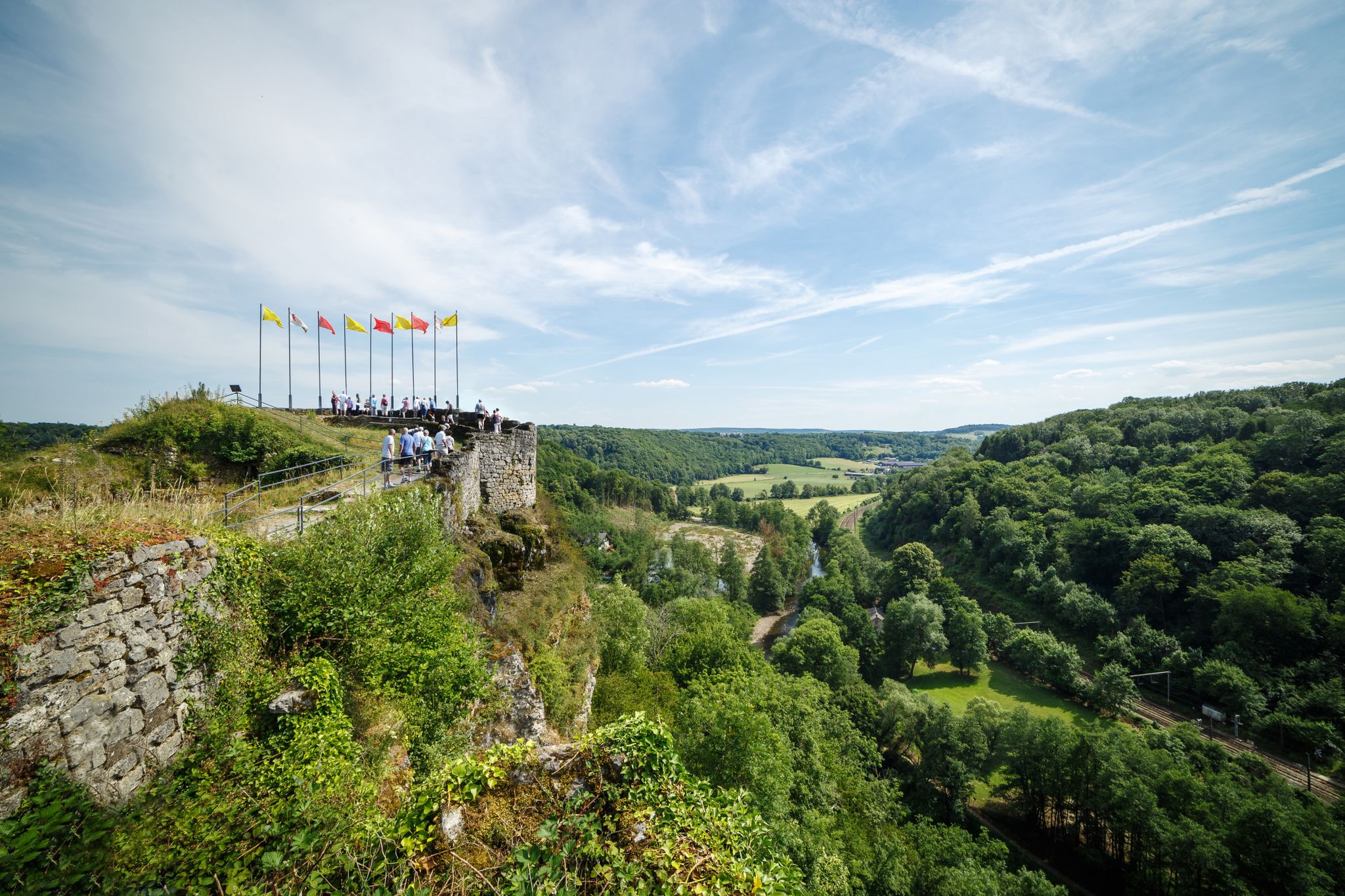
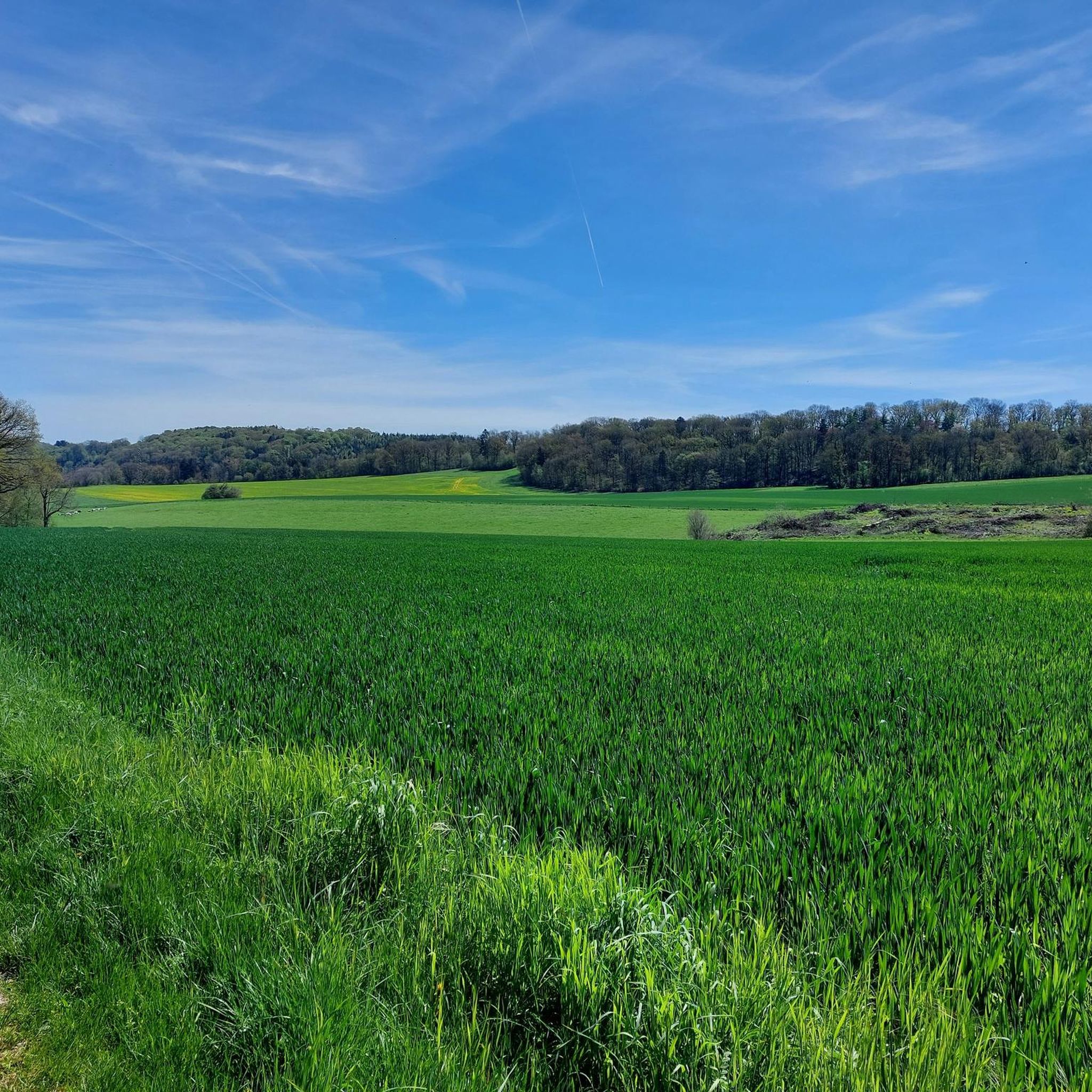
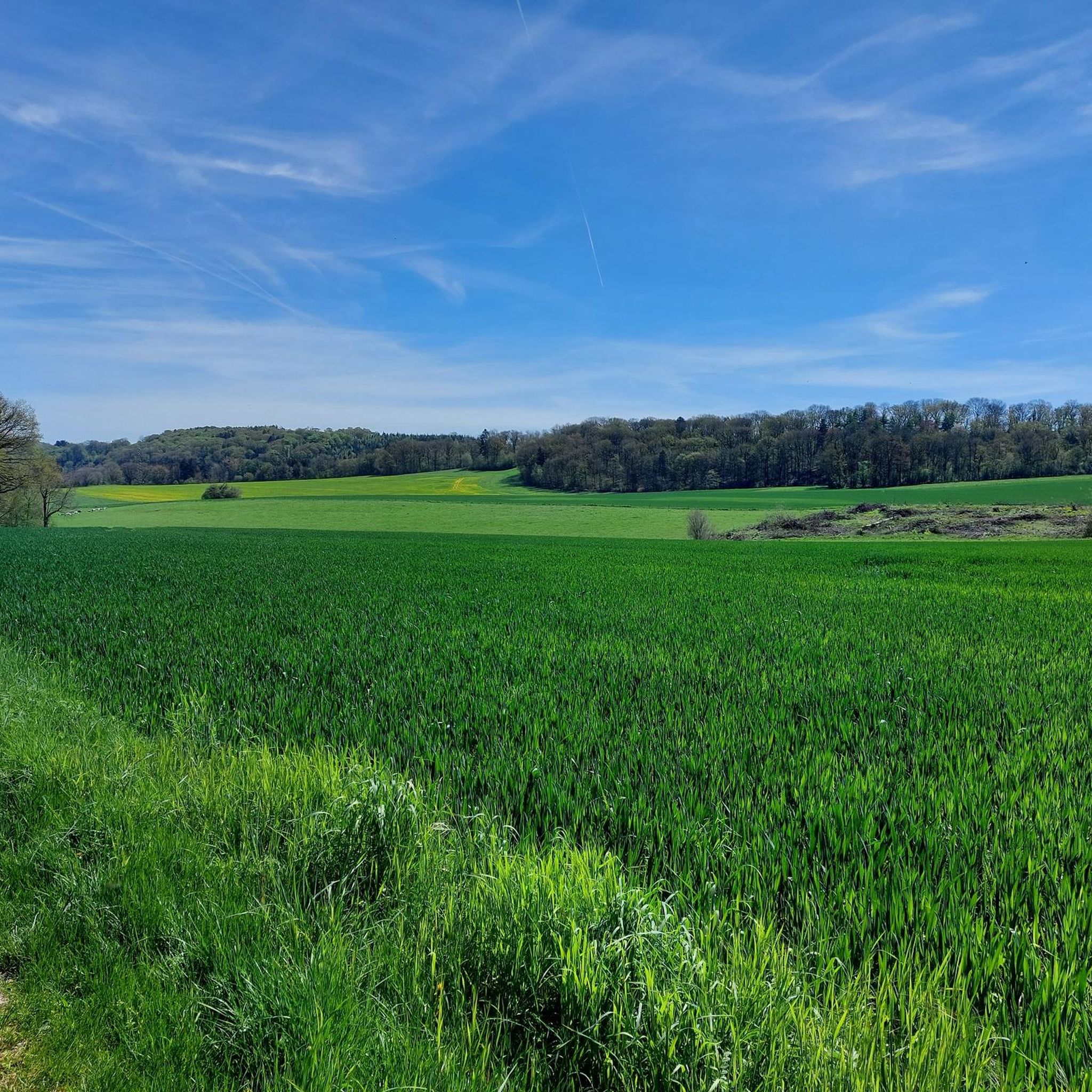
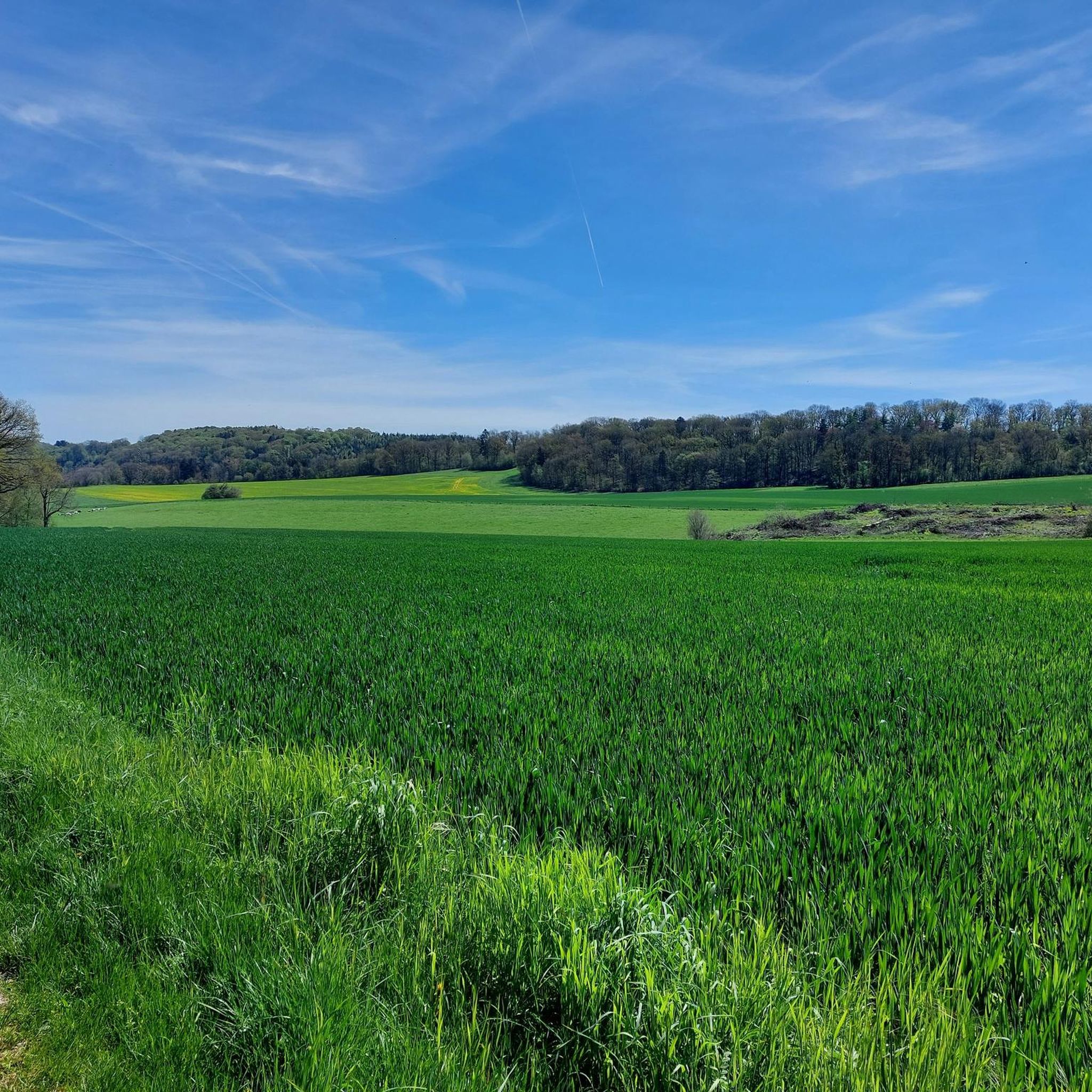


Other adventures around Anthisnes

Tips from the Community

Formerly spelled Comblenz, this locality, like its neighbor Comblain-la-Tour, owes its name to the Latin confluentes which means confluence. The German city of Koblenz has the same etymology. "The first castellan of Comblain whose name we know was probably Raoul de Comblain (Rr dulfus de Comblenz) whose wife was called Ide (October 11, 1146)" (source: "Les Echos de Comblain" n°1970.12, Emile Detaille). The inhabitants of Comblain-au-Pont are called Comblennois.
3
0
The stunning scenery makes up for the bumpy road surface in some places.
2
0
Conveniently located on the Ourthe cycle path
2
0
The permit was obtained based on two vishydrodynamics for a total power of 420 kW. The production was calculated at 1649 MWh/year, based on readings from 1998 to 2017 and taking into account a reserved flow rate of 10 m³/s.
3
0

The following information is taken from an information panel on site: Framed by an avenue of protected purple beech trees, the Château de Dieupart presents itself in a significantly altered form today. Nevertheless, it retains an impressive late 17th-century façade on its southwest side, constructed of sandstone and limestone rubble. Some original architectural elements are still recognizable, including tall, round-arched windows on the ground floor and characteristic relieving arches. The history of the site begins in the 15th century, when an ironworks with a blast furnace and forge developed here. In 1889, parts of these old facilities were converted into a power station. Later, the château was repurposed and transformed into a camping and caravanning center. On the heights above Dieupart, there once stood another château, the "Vieux-Jardin" (Old Garden). This medieval structure no longer exists; it was destroyed in 1286 by John I of Brabant. According to legend, some of the limestone blocks used in the Church of Saints-Anges in Dieupart came from this former fortress. Remnants of the structure can still be found in the woods above the southern slope of Dieupart. The Château de Dieupart has been a listed historical monument since December 11, 1986.
44
0


Durbuy is first mentioned in 1078 (as Dolbui) and in 1084 (under the current name). The first traces of habitation are found during excavations in the Anticlinaal cave by Count Pierre d'Ursel. The d'Ursel family still inhabits Durbuy Castle. Before the current castle, there were already others. Based on the archives of Luxembourg, a castle was destroyed and in the eleventh century, another was built by Henry II the Lame, who had received the domain from his mother Rageline, sister of Pope Stephen II, and her husband Albert II of Namur. Around 1156, that castle was severely damaged by flames and during the succession wars of the Duchy of Limburg, it was destroyed several more times. From 1412, Durbuy came into the hands of the House of Burgundy and at the end of the fifteenth century, the then-existing castle was destroyed by Maximilian of Austria, like all the castles of the la Marck family: besides Durbuy, these also include the castles of Logne and La Roche. In 1628, Baron Antoine Schetz of Grobendonck leased the Durbuy estate for 40,000 gold marks, a very considerable sum. Besides being a baron, he was also Count of Grobbendonk, Lord of Tilburg and Goirle, Pulle and Pulderbos, and Wezemaal. He was in the service of the Spanish and had led the defense of 's-Hertogenbosch during the Eighty Years' War. At the age of 71, he was also governor of the city of Leuven during the Siege of Leuven. And he was the first in a long line of the d'Ursel family who, to this day, inhabit the castle. In 1731, the castle was rebuilt by the then Duke of Ursel. Countess Auguste d'Ursel, who acquired the d'Ursel family's possessions in Durbuy, then modernized the castle from 1880 to 1882 with the help of architect Thirian from Namur. During the Second World War, the castle was occupied several times and in 1944, during the Battle of the Bulge, it was used as a field hospital by the American liberators, with the billiard table serving as an operating table. Sources: historical overviews in Word documents on the website of Count Jean-Michel d'Ursel, current resident, at https://www.chateaudedurbuy.be/historique.html
6
0
At approximately 37 meters, the top of the Anticline, also known as the Homalius Rock and especially the Falize Rock, is literally the highest point in Durbuy. It has been a highlight for many visitors for years, thanks in part to the surroundings and beautiful water features. The rock is somewhat older than the average visitor. It's said to be more than 300 million years old. However, the rock layers are much older: around 375 million years old. The name Anticline comes from the geological phenomenon known as an anticline. It's the opposite of a syncline. While the former is a fold formed over many years, with the innermost layers being the oldest and the folds running downwards, synclines have folds running downwards. Such folds can form for various reasons and range from very small to large, as seen here. Originally, everything was, of course, horizontal. The inverted U-shape created by uplift in Durbuy is not only beautiful to see but also special. And Durbuy has beautifully highlighted this. Another beautiful anticline can be found in Han-sur-Lesse, also in the Famenne-Ardenne region, albeit in the province of Namur (here we are in Luxembourg), where it has been given the name "Tête de bouc" (Tick of the Rock). There's a waterfall and a large water feature at the end of the expansive pond in front of the rock, which you can also climb. And everywhere there's space to admire it all while sitting and relaxing—or enjoying the water. Don't forget the many smaller works of art and curiosities, and take a look in the water.
7
0
Frequently Asked Questions
How many touring cycling routes are available in Anthisnes?
Anthisnes offers a wide selection of touring cycling routes, with over 45 options available on komoot. These routes cater to various skill levels, from easy riverside paths to more challenging climbs through the Ardennes.
What kind of terrain can I expect on touring cycling routes in Anthisnes?
The terrain around Anthisnes is diverse, featuring undulating countryside, rolling hills, and picturesque river valleys, particularly along the Ourthe River. You'll encounter a mix of paved roads, gravel paths, and forested sections, characteristic of the Ardennes region. Routes like the Arboretum de la Tessenière – Beautiful gravel path loop from Anthisnes specifically highlight gravel sections.
Are there any easy touring cycling routes suitable for beginners or families in Anthisnes?
Yes, Anthisnes has 9 easy touring cycling routes. An example is the Hoyoux Castle in Clavier – Gravel path in Belgium loop from Acterre, which is just over 11 km long and features a gravel path, making it a good option for a relaxed ride. The region's Ourthe Riverside Trail loops also include easier, shorter options suitable for any fitness level.
What are some notable natural features or viewpoints along the cycling routes?
The Ourthe Valley is a prominent natural feature, offering serene riverside paths and impressive views. You can find a View over the Ourthe Valley and the Rochers de Sy. The region is also part of the Ardennes, known for its dense forests, providing shaded routes and immersion in nature. Roche-aux-Faucons (Falcon's Rock) is another prominent natural monument offering spectacular panoramic views of the valley, accessible via forest paths.
Can I find circular touring cycling routes in Anthisnes?
Yes, many of the touring cycling routes in Anthisnes are designed as loops, allowing you to start and end at the same point. Examples include the popular RAVeL route along the Ourthe – Ourthe River loop from Hody and the Ourthe Canal – Lock on the canal loop from Anthisnes.
What historical landmarks or attractions can I visit while cycling in Anthisnes?
The region around Anthisnes is dotted with historical castles. You can explore sites like Bomal-sur-Ourthe Castle, Colonster castle, or the Dieupart Castle Estate. Additionally, natural attractions like the Coléoptère Cave offer unique points of interest.
What do other touring cyclists say about the routes in Anthisnes?
The touring cycling routes in Anthisnes are highly regarded by the komoot community, with an average rating of 4.4 stars from over 35 reviews. Cyclists often praise the varied terrain, the scenic beauty of the Ourthe Valley, and the extensive network of paths that cater to different abilities.
Are there any routes that follow canals or rivers?
Absolutely. The Ourthe River and its valley are central to many touring cycling experiences in Anthisnes. Routes like the Lock on the canal – RAVeL along the Ourthe loop from Limont Hestreux offer extensive canal-side and riverside cycling, providing flat and scenic paths.
What is the best time of year to go touring cycling in Anthisnes?
The spring, summer, and early autumn months generally offer the most pleasant conditions for touring cycling in Anthisnes. During these seasons, the weather is typically mild, and the natural landscapes of the Ourthe Valley and Ardennes forests are at their most vibrant. Always check local weather forecasts before heading out.
Are there options for more challenging touring cycling routes in Anthisnes?
Yes, for experienced touring cyclists seeking a challenge, Anthisnes offers 10 difficult routes. The RAVeL route along the Ourthe – Ourthe River loop from Hody, for instance, is a demanding 78 km ride with significant elevation gain, requiring good fitness.
Where can I find information about public transport options to reach cycling trailheads in Anthisnes?
While specific public transport details for every trailhead are not provided here, Anthisnes is located in the Province of Liège, Belgium. For detailed information on bus and train connections to Anthisnes and surrounding villages, it's best to consult the official websites of Belgian public transport operators (e.g., TEC for buses, SNCB for trains) for up-to-date schedules and routes.
Are there any specific cycling networks or marked paths in the Anthisnes region?
Anthisnes is part of the broader Ardennes region, which is known for its extensive network of cycling routes. Many routes utilize the RAVeL network (Réseau Autonome des Voies Lentes), which are dedicated paths for non-motorized traffic, often following old railway lines or riverbanks, such as those found along the Ourthe River.
Most popular routes around Anthisnes
Most popular attractions around Anthisnes

Get inspired with the komoot mobile app


Explore more
Browse the best Cycling routes in other regions.
