The best road cycling routes around Flémalle
3.9
(18)
1,870
riders
122
rides
Road cycling routes around Flémalle are primarily situated within the Meuse Valley, offering varied landscapes for cyclists. The region features well-maintained paths along the Meuse River, often integrated into the extensive RAVeL network and the EuroVelo 19 route. Cyclists can expect a mix of riverside trails, forested sections, and gentle hills, providing diverse terrain for different skill levels. The topography includes both relatively flat sections along the river and routes with moderate ascents.
Best road cycling routes around Flémalle
- The most popular road cycling route is Ourthe Riverside Trail – Waterfall on the Hoyoux loop from Flémalle-Haute, a 56.5 miles (90.9 km) trail that takes about 4 hours 3 minutes to complete. This moderate route follows the Ourthe River, offering scenic views and a mix of riverside and valley terrain.
- Another top favourite among local road cyclists is Néblon Valley – Ourthe Riverside Trail loop from Flémalle-Haute, a moderate 51.5 miles (82.9 km) path. This route explores the Néblon Valley and Ourthe Riverside, characterized by varied landscapes and consistent gradients.
- Local road cyclists also love the View from the Col de Hautregard – Côte de Bonsgnée loop from Flémalle-Grande, a 50.4 miles (81.1 km) trail leading through rolling hills and offering panoramic viewpoints, often completed in about 3 hours 39 minutes.
- Road cycling around Flémalle is defined by the Meuse River Valley, extensive RAVeL network paths, and forested areas. The network offers options for different ability levels, from leisurely riverside rides to routes with more significant climbs.
- The routes in Flémalle are highly rated by the komoot community with an average score of 4.3 stars from more than 10 reviews. More than 1,700 road cyclists have used komoot to explore Flémalle's varied terrain.
Last updated: July 11, 2026
3.0
(1)
125
riders
90.9km
04:02
780m
780m
Moderate road ride. Good fitness required. Mostly well-paved surfaces and easy to ride.
70
riders
82.1km
03:41
720m
720m
Moderate road ride. Good fitness required. Mostly well-paved surfaces and easy to ride.

Sign up for free
2.3
(3)
126
riders
57.1km
02:25
230m
230m
Moderate road ride. Good fitness required. Mostly well-paved surfaces and easy to ride.
117
riders
84.7km
03:47
620m
620m
Moderate road ride. Good fitness required. Some segments of this route may be unpaved and difficult to ride.
46
riders
113km
05:32
1,590m
1,590m
Hard road ride. Very good fitness required. Mostly well-paved surfaces and easy to ride.
Get access to more routes and recommendations from other explorers.
Sign up for free
Already have an account?
Our route recommendations are based on thousands of hikes, rides, and runs completed by other people on komoot.
Start today with a free account
Your next adventure awaits.
Login or Signup
Tips from the Community

Augustinian Abbey on the Meuse River, whose origins date back to 1075. The complex features an impressive corner tower, gateway, abbey church, dovecote, watermill, brewery, and other outbuildings. Later, it also housed a tax collection house and the abbot's palace. Today, it's a large school complex that can be very busy on a Wednesday afternoon.
0
0
One of Liège's most beautiful castles, originating in the 11th century, completely surrounded by a moat. Striking are the checkerboard facades in limestone and brown sandstone and the pepper-pot-like turrets. Various owners succeeded one another over the centuries. For two centuries (16th-17th century), it was owned by the powerful de Merode family, who gave the castle its current appearance. They sold it to the Van den Steen family in 1720. The last descendant of the family, Count Guy vanden Steen, bequeathed it to the province in 1999. He was a sculptor, among other things, and many of his bronze statues still adorn the gardens. He did, however, incorporate a distinctive symbolism, depicting nude female figures mating with beetles. The 22-hectare estate also features an Italian ornamental garden with water features and bronze statues, a 19th-century vegetable garden with orangeries, a 19th-century icehouse, and many listed trees. The castle also has its own church within the moat on a peninsula. Over the centuries, the owners have amassed numerous curiosities that can be seen in the castle, which is now a provincial property and open to visitors.
0
0

It is a private place, but it sometimes opens its doors for group visits or specific events.
0
0

Since 1965, the Oteppe castle and its surrounding estate (65 ha) have been run as a holiday centre ("L'Hirondelle") with a hotel, campsite, holiday chalets and bungalows, swimming pools, playground and fishing ponds; as a result, the village's population has almost doubled during the summer months.
2
0

Warfusée Castle impresses with its majestic 18th-century building complex. It sits in the middle of a vast park arranged around a pond. Its central paved path alone is worth a detour for cycling enthusiasts.
0
0


I didn't get any further because of new asphalt, probably two weeks after my post there is fantastic asphalt here!!
0
0

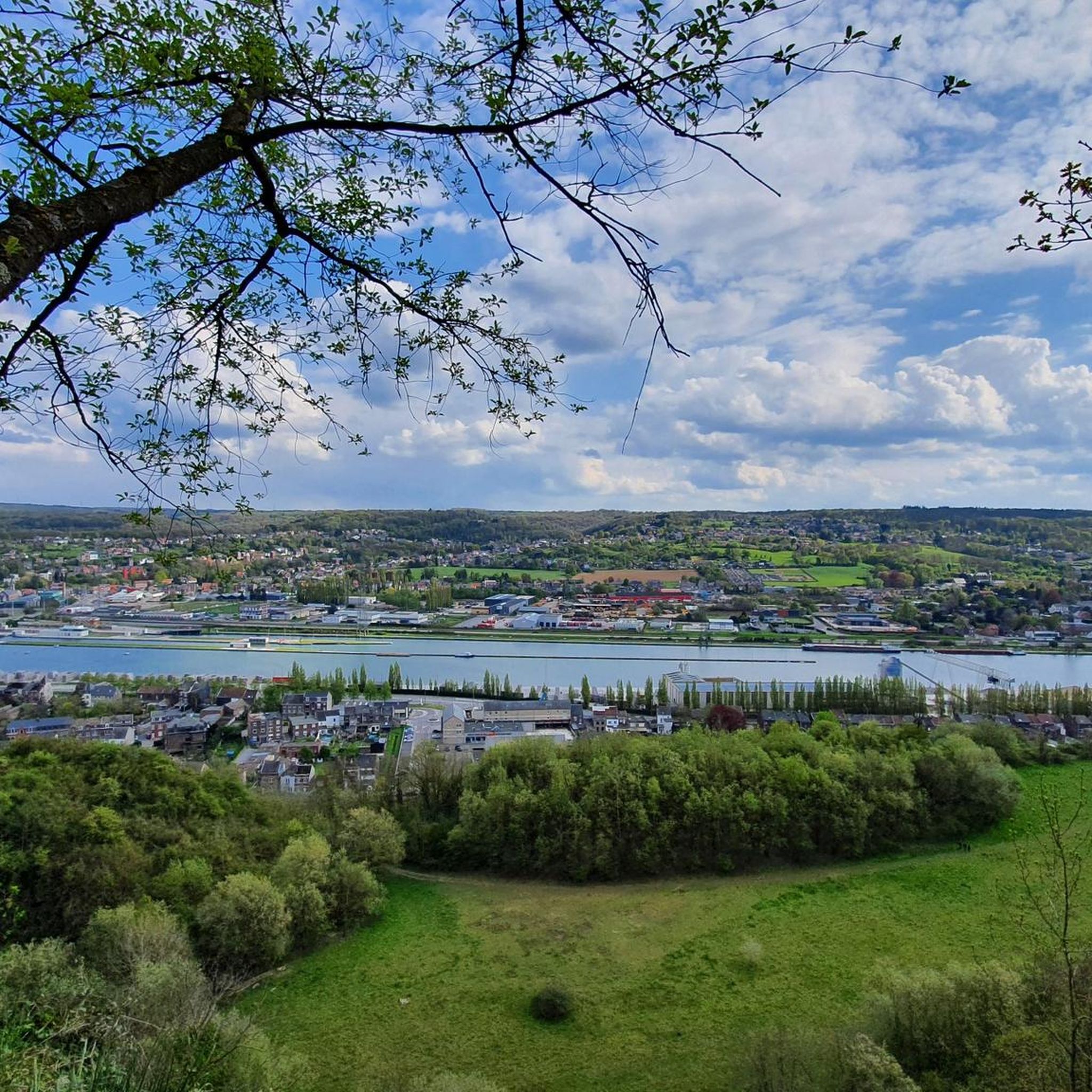
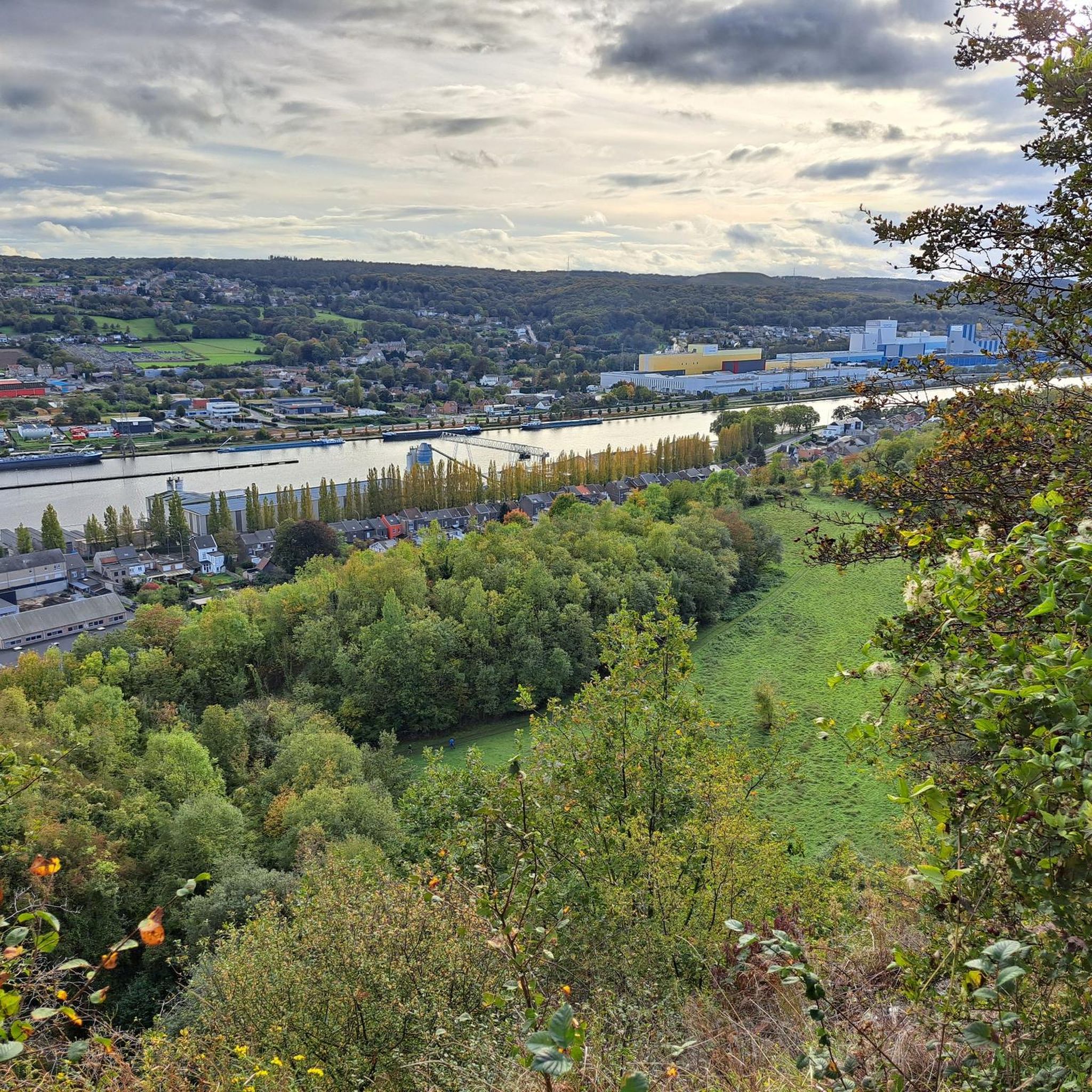
View over Huy, on the left Tihange nuclear power plant, on the right Huy centre and citadel.
0
0
Frequently Asked Questions
What kind of terrain can I expect when road cycling around Flémalle?
Road cycling around Flémalle offers a diverse landscape. You'll find many routes along the Meuse River, which are often relatively flat and integrated into the extensive RAVeL network and the EuroVelo 19 route, providing smooth, well-maintained paths. Beyond the riverbanks, routes can lead through forested sections and gentle hills, offering varied gradients. While many paths are peaceful, there are also options for more challenging rides with ascents, such as those found near Warfusée Castle.
How many road cycling routes are available in Flémalle?
Flémalle offers a wide selection for road cyclists, with over 100 routes available. This includes 20 easy routes, 73 moderate routes, and 14 more difficult options, ensuring there's something for every skill level.
Are there routes suitable for beginners or less experienced road cyclists?
Yes, Flémalle has 20 easy road cycling routes perfect for beginners or those looking for a more relaxed ride. Many of these routes follow the Meuse River along the RAVeL network, which are largely gradient-free and provide a safe, enjoyable experience away from motor traffic.
Are there challenging road cycling routes for experienced riders?
Absolutely. For experienced road cyclists seeking a challenge, Flémalle offers 14 difficult routes. These often include significant ascents and descents, such as the "Sart d'Avette Climb" near Warfusée Castle, providing a more demanding experience. An example is the Harzé Castle – Côte de Berleur loop from Flémalle-Haute, which covers over 113 km with substantial elevation gain.
What notable landmarks or viewpoints can I see along the road cycling routes?
Road cycling routes in Flémalle often pass by a rich array of landmarks and offer scenic viewpoints. You can encounter historical sites like the Fort of Flémalle, or cycle past various castles such as Colonster castle or Lexhy Castle. The region also offers panoramic views, for instance, from the View from the Col de Hautregard – Côte de Bonsgnée loop from Flémalle-Grande. The Meuse River Valley itself provides picturesque scenery throughout your ride.
Are there any circular road cycling routes in Flémalle?
Yes, many road cycling routes in Flémalle are designed as loops, allowing you to start and end at the same point. Examples include the popular Ourthe Riverside Trail – Waterfall on the Hoyoux loop from Flémalle-Haute or the Néblon Valley – Ourthe Riverside Trail loop from Flémalle-Haute, both offering diverse landscapes.
Are there any routes that feature waterfalls?
Yes, some routes in the Flémalle area incorporate natural features like waterfalls. For instance, the Waterfall on the Hoyoux – Hoyoux Valley loop from Flémalle-Grande specifically highlights a waterfall along its path, offering a scenic point of interest during your ride.
What is the best time of year for road cycling in Flémalle?
The Meuse Valley region, including Flémalle, is generally pleasant for road cycling from spring through autumn. The weather is typically mild, making it ideal for enjoying the riverside paths, forested areas, and historical sites. Summer offers longer daylight hours, while spring and autumn provide beautiful natural scenery with changing foliage.
Is it easy to access the road cycling routes by public transport?
Flémalle is situated within a well-connected region. The extensive RAVeL network, which forms a significant part of the cycling infrastructure, often utilizes old railway lines, suggesting good accessibility. For specific route access points, it's advisable to check local public transport schedules for connections to Flémalle and surrounding villages.
Where can I park my car when going road cycling in Flémalle?
While specific parking areas for each route are not detailed, Flémalle and its surrounding towns typically offer public parking options. Many routes, especially those starting from Flémalle-Haute or Flémalle-Grande, will have accessible parking in or near the town centers. It's recommended to check local parking regulations upon arrival.
Are there places to stop for refreshments or food along the routes?
Yes, as routes often pass through cozy villages and along the Meuse River, you'll find opportunities for refreshment stops. The region has a strong cycling community, and many towns along the EuroVelo 19 and RAVeL networks cater to cyclists with cafes, pubs, and restaurants. Planning your route with komoot allows you to see points of interest and potential stops along the way.
What do other road cyclists say about the routes in Flémalle?
The road cycling routes around Flémalle are highly regarded by the komoot community, with an average rating of 4.3 stars from over 10 reviews. More than 1,700 road cyclists have used komoot to explore the varied terrain, often praising the well-maintained paths, scenic river views, and the mix of flat sections and challenging climbs.
Most popular attractions around Flémalle

Get inspired with the komoot mobile app


Explore more
Browse the best Road cycling routes in other regions.
