Top 20 Castles around Herve
Best castles around Herve are found in a region known for its picturesque landscapes and historical significance. The area features a high density of castles, ranging from medieval fortresses to moated structures. These landmarks offer insights into the rich architectural heritage of the broader region. The Herve plateau provides a scenic backdrop for exploring these historical sites.
Best castles around Herve
- The most popular castles is Ruins of Franchimont Castle, a medieval fortress built in the 11th century on…
Last updated: October 9, 2026
Commandery of Sint-Pieters-Voeren
Highlight • Castle
The place is known for its coming. Daniel de Fouron …
Translated by Google •
Tip by

Mheer Castle
Highlight • Castle
Translated by Google •
Tip by

Sign up now to discover places like this
Get recommendations on the best single tracks, peaks, & plenty of other exciting outdoor places.
Beusdael Castle
Highlight • Castle
Translated by Google •
Tip by
Ruins of Franchimont Castle
Highlight • Castle
Translated by Google •
Tip by

Clermont-sur-Berwinne Village Center
Highlight • Settlement
The entire town center is worth seeing, but especially the church from 1695 dedicated to Saint James the Elder, the …
Translated by Google •
Tip by

Sign up for free to discover even more castles around Herve.
Already have an account?
Start today with a free account
Your next adventure awaits.
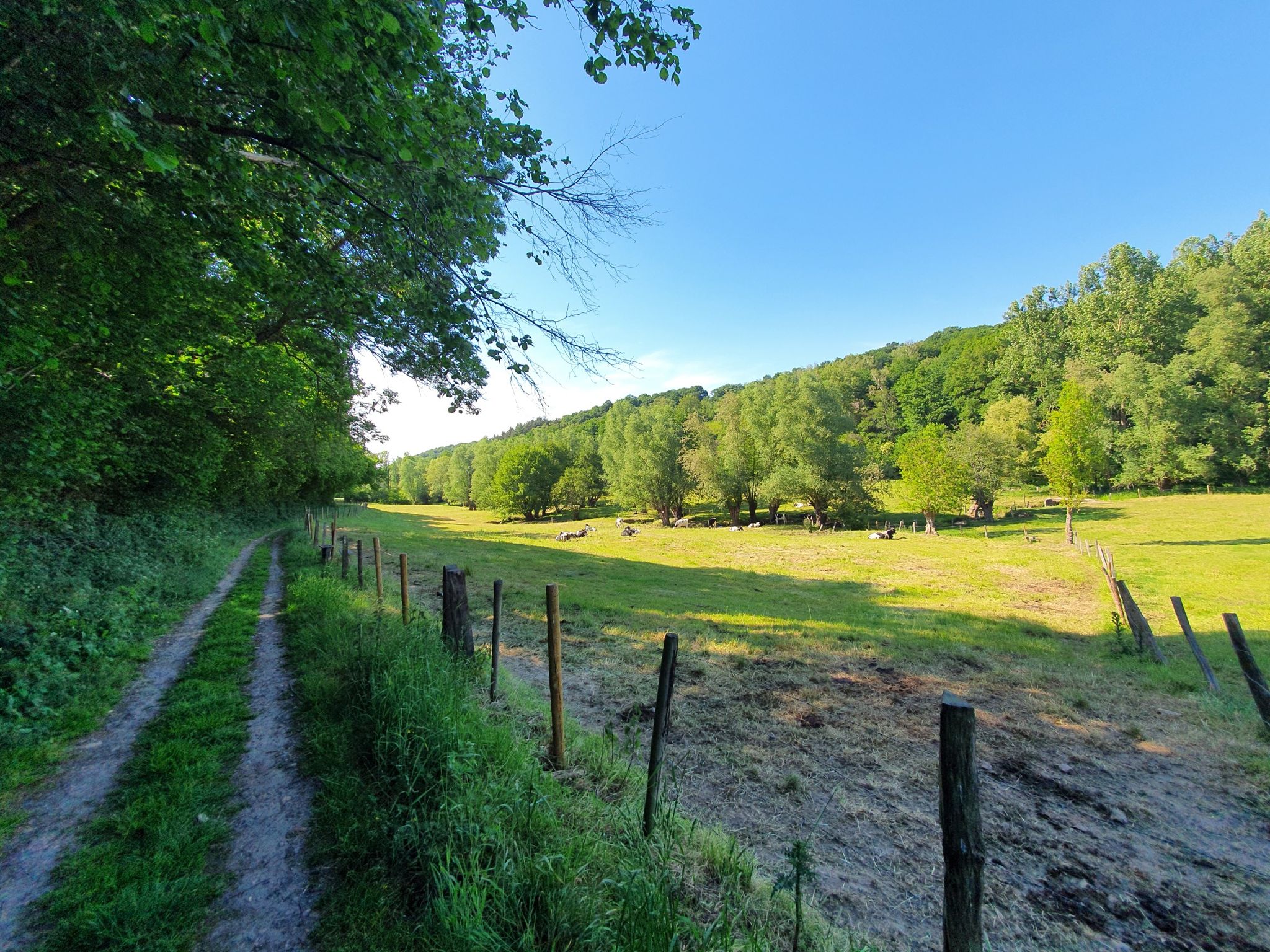
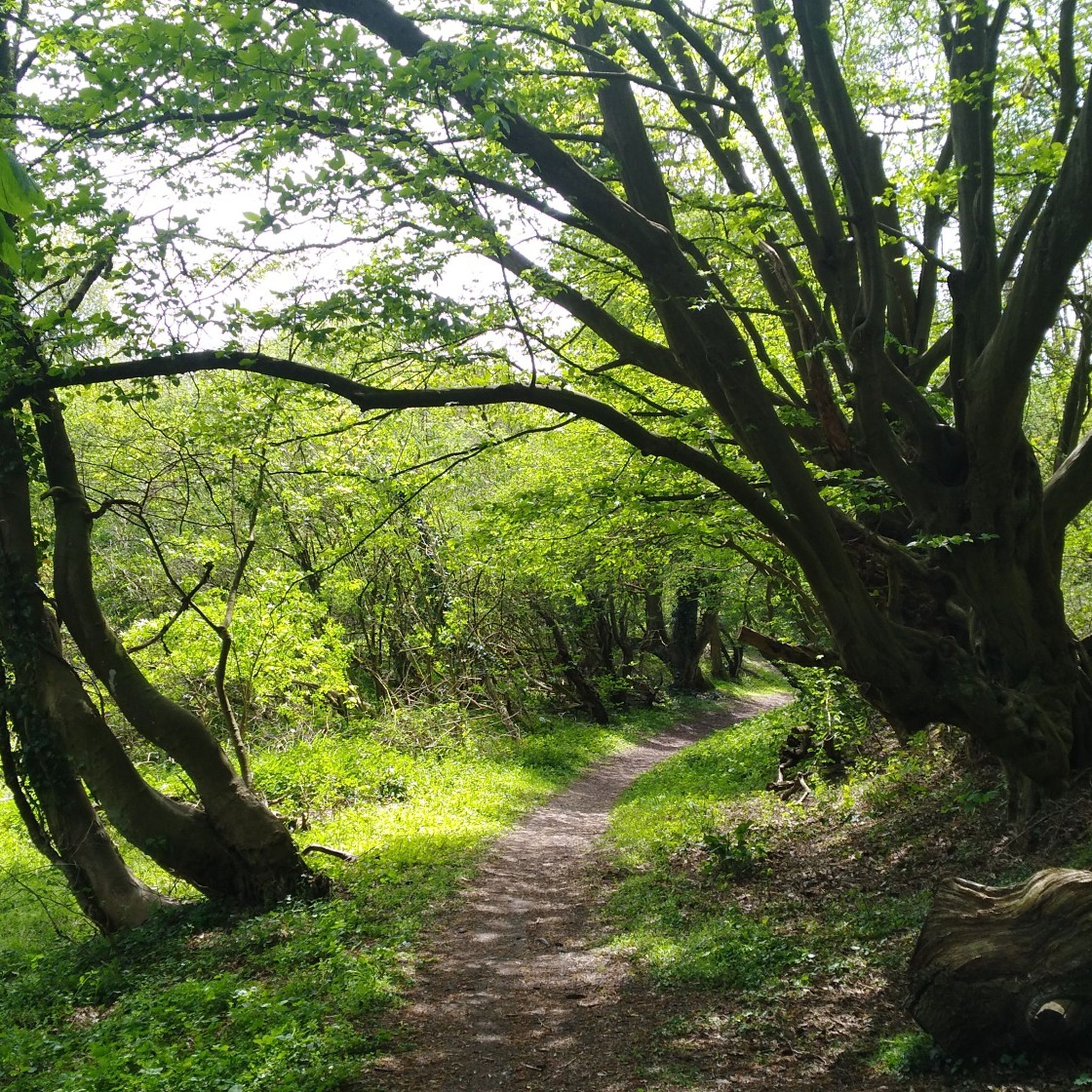
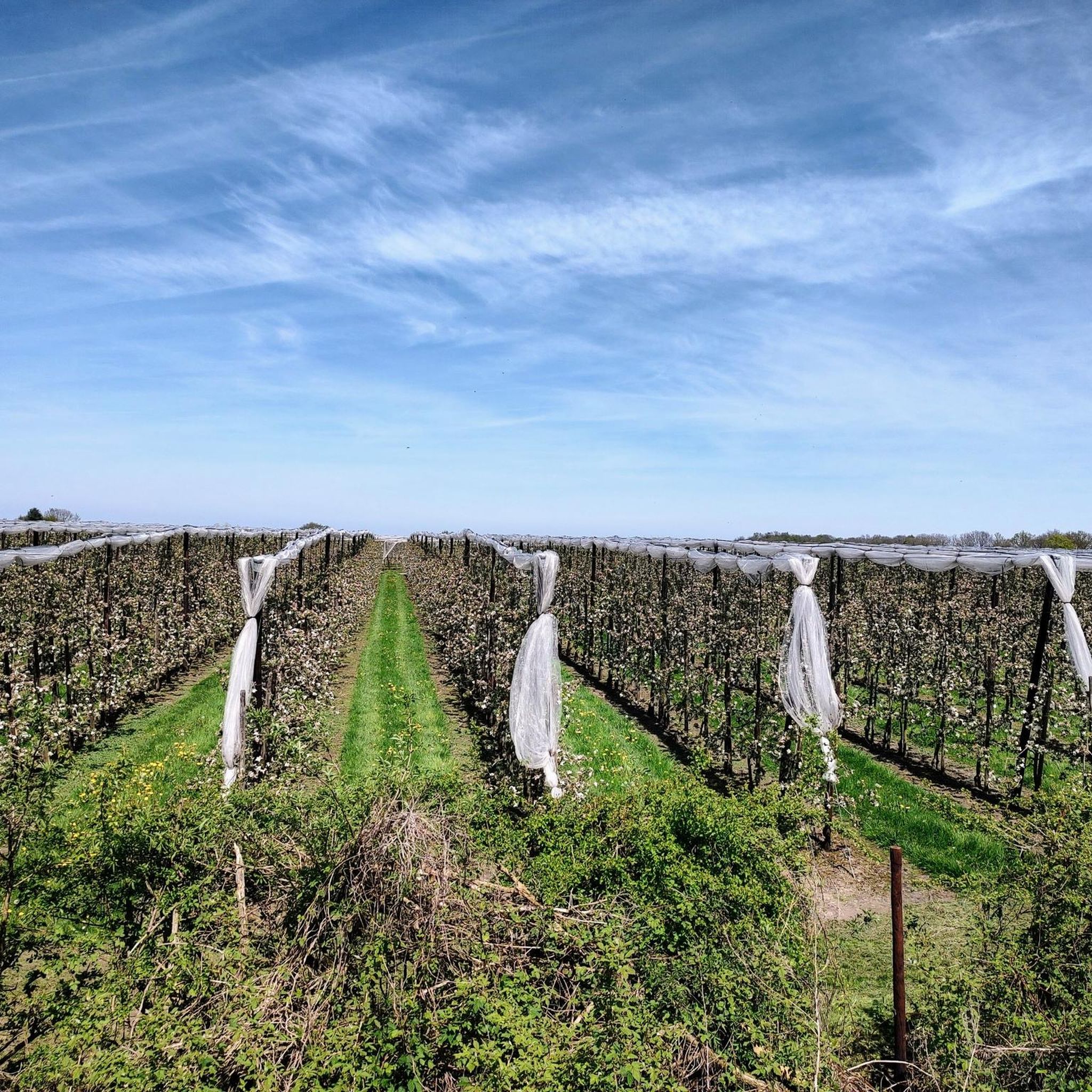
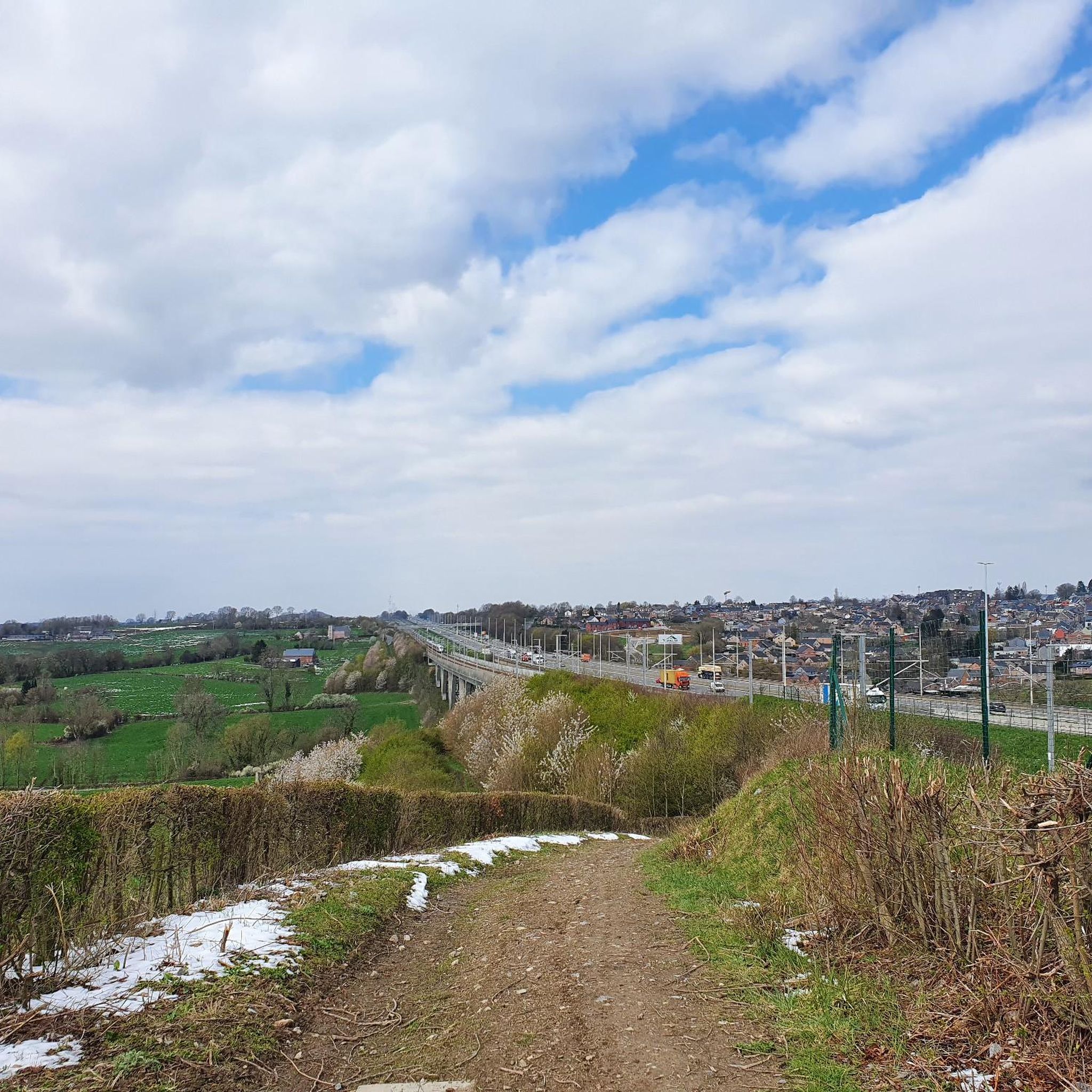
Other adventures around Herve

Tips from the Community

A really beautiful place with a lot of charm
3
0

The Commanderie is a textbook example of the Maasland Renaissance style, recognizable by: brick construction combined with Namur stone; straight, symmetrical volumes; decorative tiers of brick; a closed, almost monastic courtyard.
11
0

Beautiful historic location, worth a stop.
8
0

Commanderie Castle is one of the most historically significant buildings in the region. Its origins date back to the Middle Ages: as early as the 13th century, a settlement of the Teutonic Knights existed here, from which the name "Commanderie" is derived. The castle was not only a stately residence but also an administrative and economic center for the surrounding lands. The complex is surrounded by a moat and has been rebuilt and expanded several times over the centuries. A characteristic feature is the combination of medieval foundations with later Renaissance and Baroque elements. Particularly striking are the picturesque courtyard, the historic farm buildings, and the castle grounds surrounded by avenues and meadows. After the end of the Order's rule, the property passed into private hands and was used for agricultural purposes for a time. Today, Commanderie Castle is privately owned but parts of it are used for cultural and tourist activities. The castle represents the eventful history of the border region between Belgium, the Netherlands, and Germany and reflects the influence of religious orders of knights on the cultural landscape of this region.
14
0

Beusdael Castle is a medieval castle located in the village of Sippenaeken, just across the Belgian border from the Dutch province of Limburg. The castle dates back to the 13th century and features a characteristic round keep (defense tower). It has been renovated several times over the centuries, but still retains much of its historic charm. The castle is privately owned and not open to the public.
6
0
Mheer Castle is a beautiful medieval castle located in the Limburg hills, in the village of Mheer (municipality of Eijsden-Margraten). Originally dating from the 14th century, it was later expanded and converted into a stately country house with a distinctive courtyard. The castle is privately owned and not open to the public, but it can be easily admired from the road. Surrounded by meadows and ancient trees, Mheer Castle is a picturesque part of the South Limburg landscape.
6
0
The castle's origins date back to the 11th century. It was first documented in 1155, but the first buildings probably date back to the time of Bishops Henry of Verdun (1075–1091) and Otbert (1091–1119). As one of twelve residences of the Prince-Bishop of Liège, it served to defend the eastern border of the principality.
35
0

The first written mention of Mheer Castle dates from 1314 when it was referred to as "a stone house". It is suspected that this concerns more specifically the current west wing of the castle.
6
0
Frequently Asked Questions
What are the most historically significant castles near Herve?
The region boasts several castles with deep historical roots. The Commandery of Sint-Pieters-Voeren, for instance, dates back to the 13th century as a settlement of the Teutonic Knights. The Ruins of Franchimont Castle, an imposing medieval fortress, originated in the 11th century and played a role in defending the principality's eastern border.
Are there any castles near Herve that are open to the public?
Yes, the Ruins of Franchimont Castle in Theux are open for visitors to explore its impressive medieval remains. While the Commandery of Sint-Pieters-Voeren is privately owned, parts are dedicated to cultural and tourist activities. Beusdael Castle is privately owned and not open to the public, but can be admired from a distance.
What kind of architecture can I expect to see at the castles around Herve?
You'll find a blend of architectural styles reflecting centuries of history. The Commandery of Sint-Pieters-Voeren showcases Meuse Renaissance style with its brick and Namur stone construction. Beusdael Castle features a distinctive 13th-century round keep, while the Ruins of Franchimont Castle highlight the robust design of a late medieval passive fortress, including its over 20-meter-high keep.
Are there any family-friendly activities or events at the castles?
The Ruins of Franchimont Castle hosts a medieval fair, 'La Franchefoire,' every third weekend of August in odd-numbered years. This event offers entertainment, crafts, and folklore, providing a festive and cultural experience for all ages.
What outdoor activities can I do near these castles?
The region around Herve offers various outdoor activities. You can find numerous road cycling routes, touring bicycle routes, and gravel biking trails that pass by or near these historical sites, allowing you to combine castle viewing with active exploration of the picturesque landscapes.
Are there any castles with unique natural features nearby?
Yes, the Commandery of Sint-Pieters-Voeren is notable for being surrounded by a moat and includes the source of the Voer river, which feeds the oldest fish farm in Belgium. The larger surroundings, park, and trout ponds add to its natural appeal.
Can I visit the castles using public transport?
While some castles are accessible by public transport to nearby towns, direct access to the castle gates can be limited. Planning your visit with local bus schedules or considering a combination of public transport and walking/cycling is recommended. For specific routes, it's best to check local transport providers.
What is the best time of year to visit the castles around Herve?
The castles can be visited year-round, but spring and autumn offer pleasant weather for exploring the outdoor ruins and surrounding landscapes. If you're interested in cultural events, visiting in August during an odd-numbered year would allow you to experience the medieval fair at Ruins of Franchimont Castle.
Are there any hidden gem castles or lesser-known historical sites in the area?
While not a full castle, the Clermont-sur-Berwinne Village Center is considered one of the most beautiful villages in Wallonia. It features a church from 1695, an old town hall, and remnants of a former castle, offering a charming historical experience beyond the main fortresses.
What do visitors enjoy most about the castles around Herve?
Visitors appreciate the rich history and imposing architecture of these sites. The community has shared over 300 photos and given over 641 upvotes to the highlights, indicating a strong interest in the medieval fortresses, moated castles, and historic commanderies. The scenic backdrop of the Herve plateau also adds to the appeal.
Are there any castles near Herve that are particularly good for photography?
The Ruins of Franchimont Castle, with its imposing remains on a rocky outcrop, offers dramatic photographic opportunities. Beusdael Castle, with its distinctive round keep and moated setting, also presents a picturesque subject, especially when viewed from a distance.
Can I find cafes or pubs near the castles for refreshments?
Yes, for example, at the Commandery of Sint-Pieters-Voeren, you can enjoy fish farm products directly at the castle pond. In the villages surrounding the castles, such as Theux near Franchimont or Clermont-sur-Berwinne, you will find local cafes and pubs to relax and refuel.
Most popular routes around Herve
Most popular attractions around Herve

Get inspired with the komoot mobile app


Explore more
Looking for the best castles somewhere else? Discover other guides around Herve:
