The best MTB trails around Fléron
3.9
(83)
614
riders
23
rides
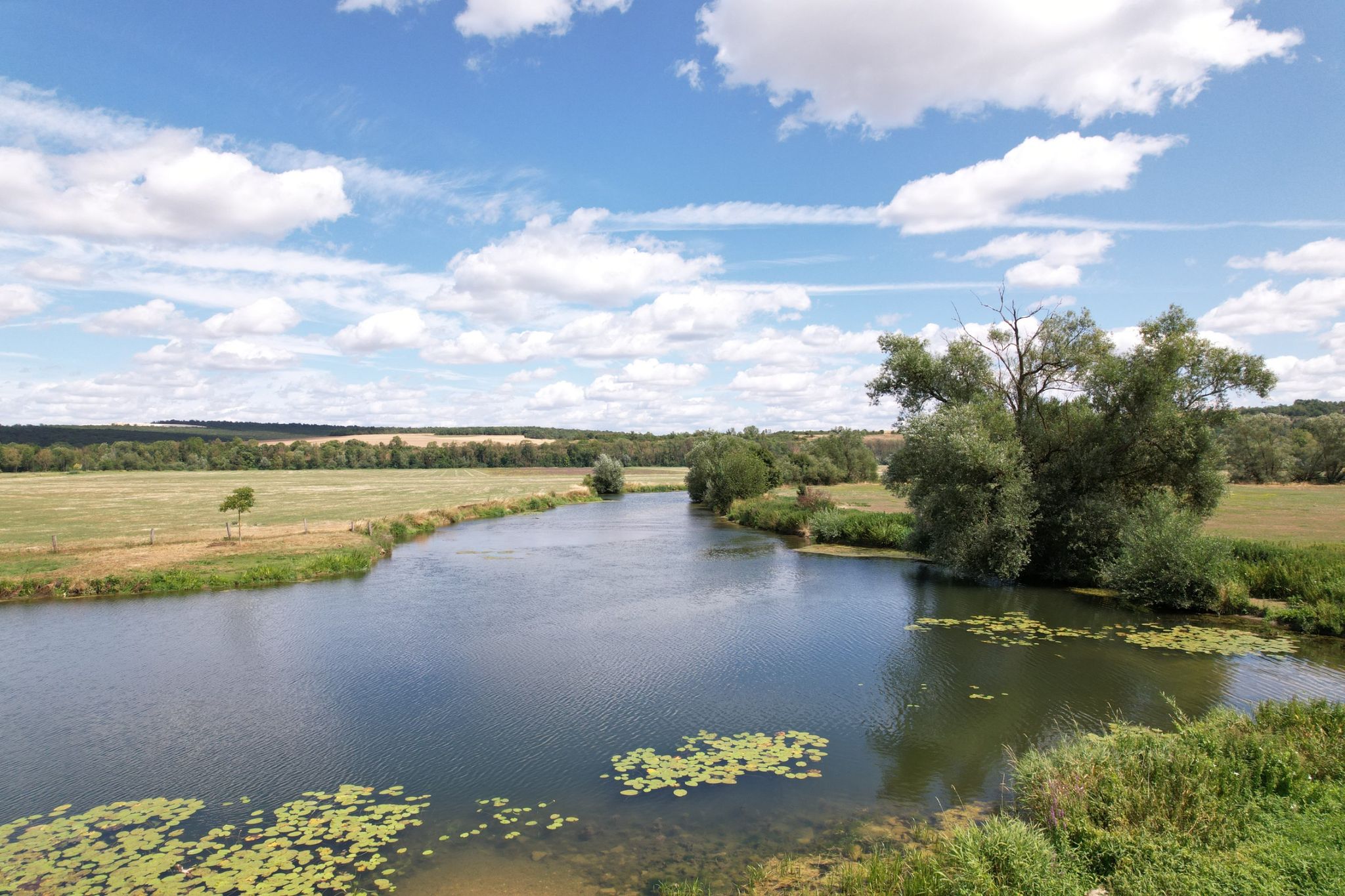
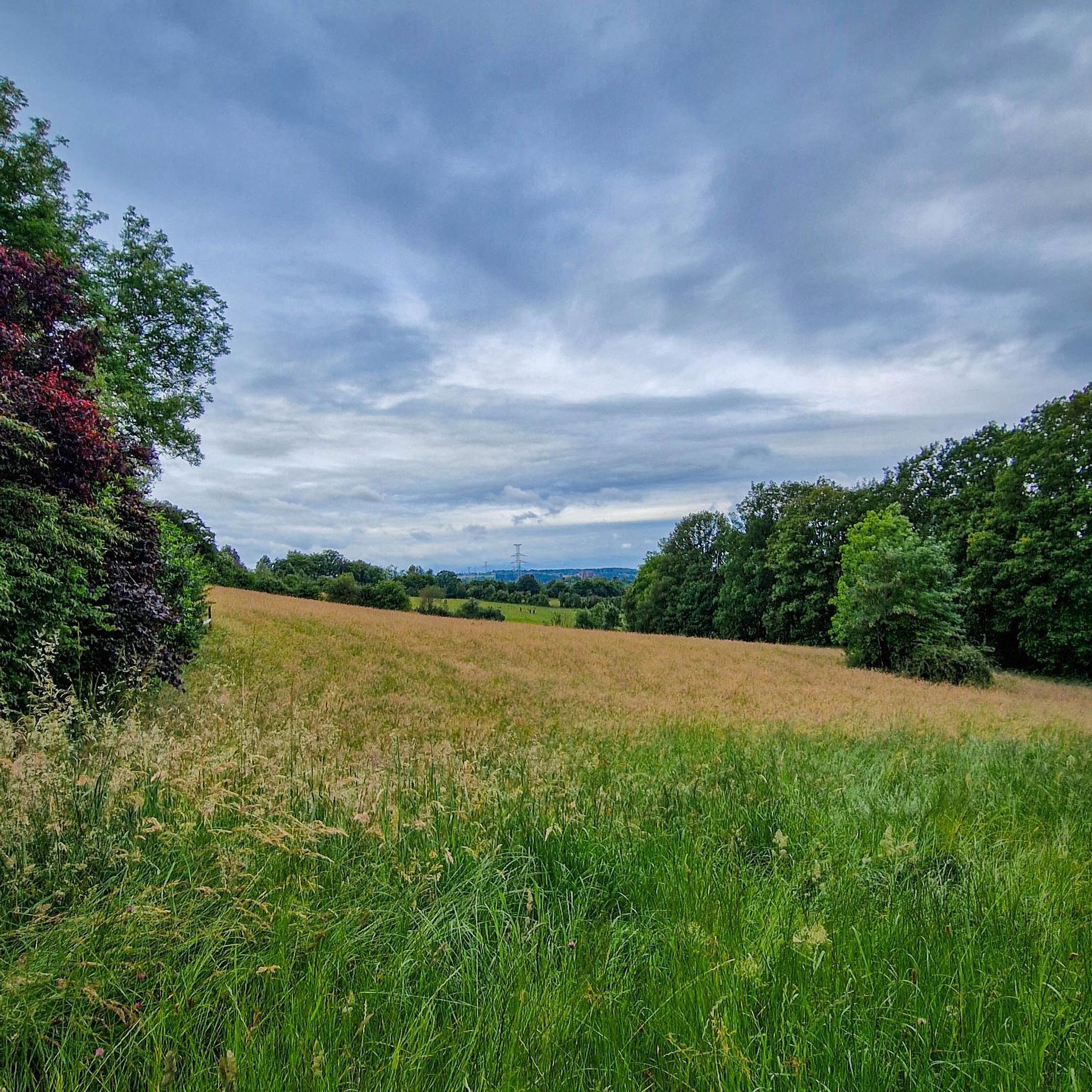
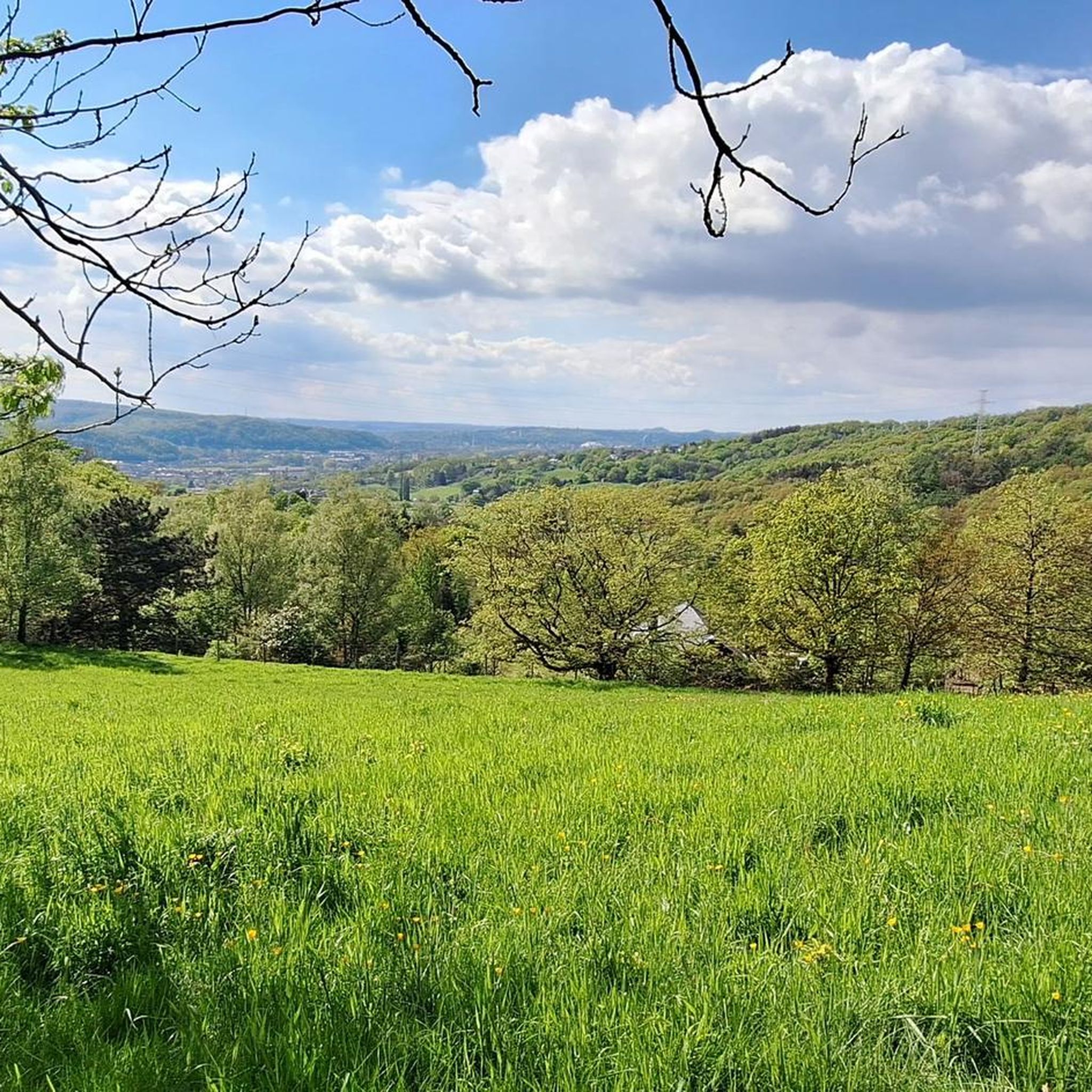
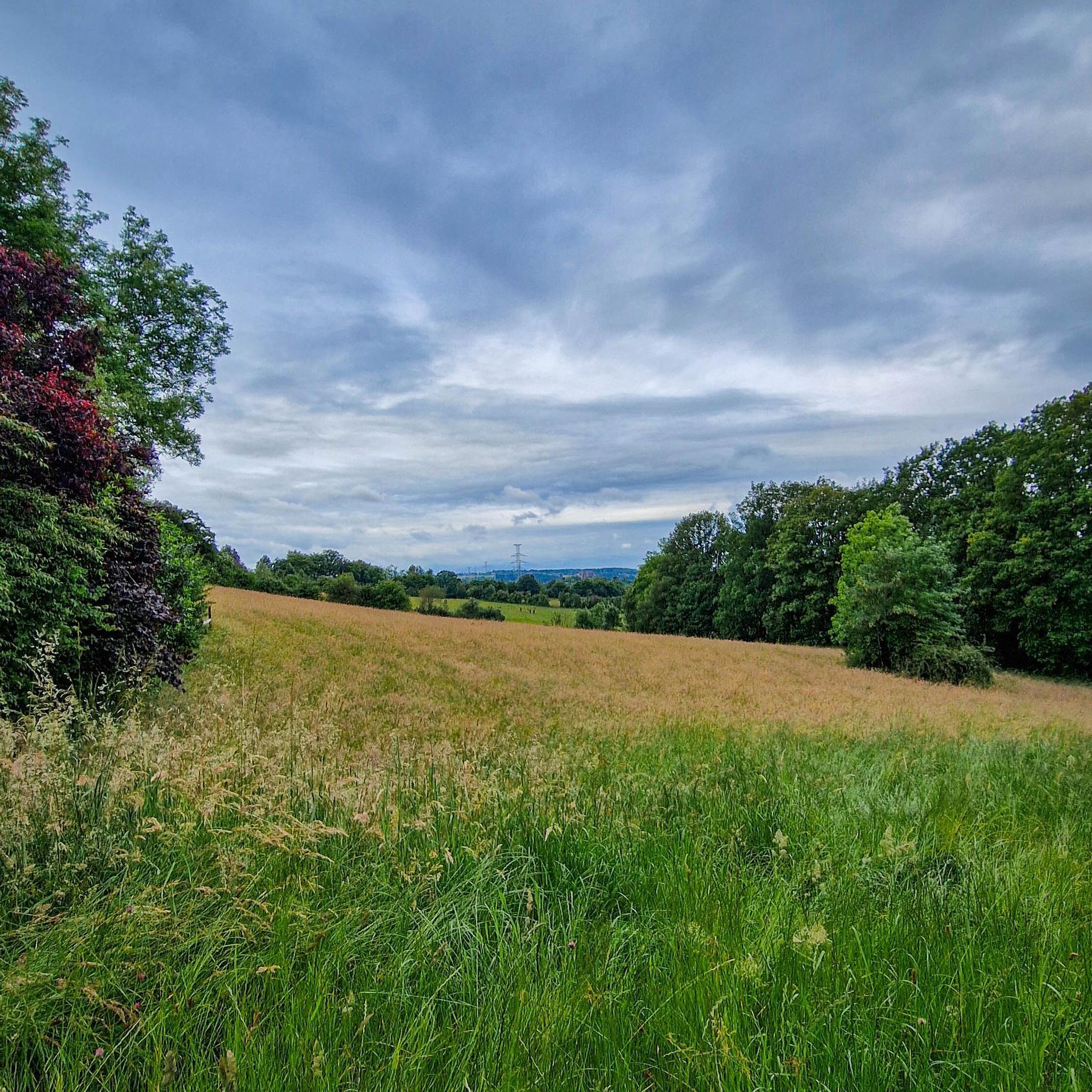
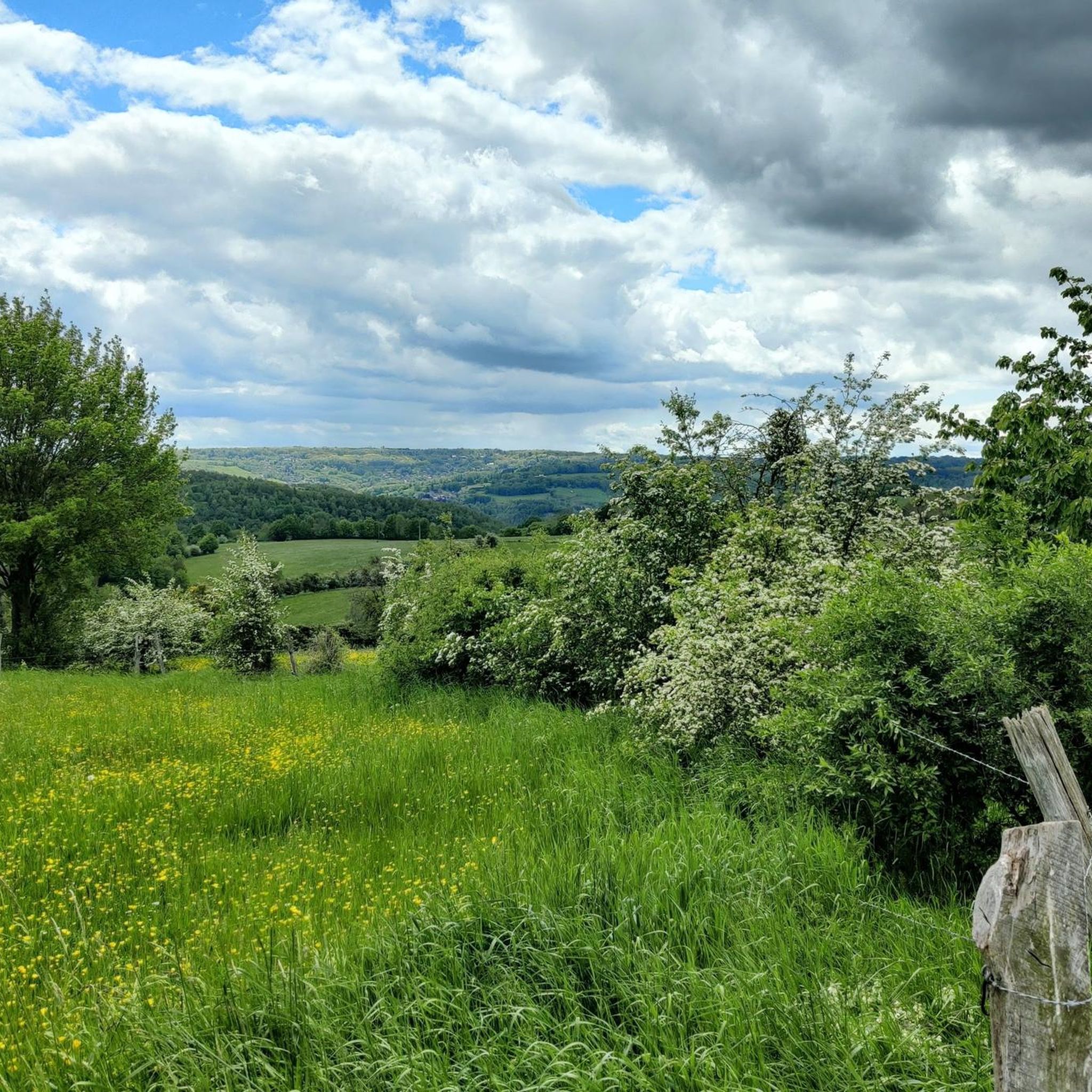
Mountain biking around Fléron, located in the province of Liège, Belgium, offers diverse terrain for riders. The region features rolling hills, dense forests, and characteristic hedgerows, providing varied landscapes for mountain bike trails. Its geographical position contributes to a mix of wooded areas and open stretches, with elevation changes suitable for different skill levels. This area is known for its engaging and dynamic mountain biking experiences.
Best mountain bike trails around Fléron
- The most popular mountain bike trail is Wadeleux…
Last updated: July 4, 2026
4.4
(27)
244
riders
59.4km
04:35
840m
840m
Hard mountain bike ride. Good fitness required. Advanced riding skills necessary. Some portions of the route may require you to push your bike.
4.0
(6)
104
riders
31.2km
02:52
860m
860m
Moderate mountain bike ride. Good fitness required. Suitable for all skill levels.

Sign up for free
4.9
(9)
63
riders
46.4km
02:37
380m
380m
Moderate mountain bike ride. Good fitness required. Suitable for all skill levels.
5.0
(6)
34
riders
39.2km
03:47
970m
970m
Hard mountain bike ride. Very good fitness required. Advanced riding skills necessary. Some portions of the route may require you to push your bike.
4.8
(4)
17
riders
48.9km
03:25
570m
570m
Moderate mountain bike ride. Good fitness required. Advanced riding skills necessary.
Get access to more routes and recommendations from other explorers.
Sign up for free
Already have an account?
Our route recommendations are based on thousands of hikes, rides, and runs completed by other people on komoot.
Start today with a free account
Your next adventure awaits.
Login or Signup

Other adventures around Fléron

Tips from the Community

One of the 12 forts of the defense belt around Liège. Played a role in both WWI and WWII. Guided tours by appointment. Nowadays used as an adventure course.
0
0
Nice resting spot with recreation by the ponds
0
0
One of the 12 forts that formed a defensive belt around Liège. Played a role in both world wars. Can be visited by appointment. Now also used as a sporty adventure area.
0
0

The fort of Chaudfontaine is one of the twelve forts built for the defense of Liège, in Belgium, at the end of the 19th century on the initiative of the Belgian general Henri Alexis Brialmont. Built from 1888 to 1892, as a modern concrete infrastructure, equipped with the most modern weapons of the time, the fort of Chaudfontaine is one of the six small forts of the Liège belt. Dominating the Vesdre valley on the right bank at an altitude of 220 m, it is located, with that of Embourg, south of the fort of Fléron and east of that of Boncelles. During the First World War, after two days of resistance, the fort surrendered on August 13, 1914, following the explosion of a German shell in the vault of the ammunition store. The street leading to the fort was renamed "rue du XIII Août" and a military cemetery was established there, as well as a monument in homage to 50 of the 71 victims buried in the necropolis and who perished in the fire of the fort (explosion). In 1933, the fort was renovated, rearmed, and consolidated. A thick layer of reinforced concrete, intended to withstand the heaviest equipment, reinforced the vaults. During the Second World War, during the Battle of France, the fort resisted for a few days, but, shelled by the Luftwaffe from the morning of May 17, 1940, it was abandoned at the end of the day after the explosion of a German grenade inside, then a shell at the entrance. A shooting club called "La Trairie" has been located there since 1983 in the casemates defending the moats. Since the 1990s, the fort of Chaudfontaine, renamed "Fort Adventure", has been occupied and developed by a company that organizes adventure courses there, for adults as well as for children.
1
0
The military cemetery of Chaudfontaine
1
0

The center of Aubel, located in the Land of Herve, is a charming village center with historic buildings, a lively market and a rich tradition of regional products such as syrup, cheese and cider.
12
0

Unfortunately, it's still not open as of today, October 30, 2025!
0
0

The Chapel of Wixhou is a Neo-Byzantine chapel dating from 1850. It stands on the site of an older chapel. The name "Wixhou" is possibly derived from the Germanic "wi-hout," meaning "sacred wood." This refers to a story from 1683 in which a woman gathering wood discovered a miraculous statue of the Virgin Mary. This statue, approximately 10 cm high, still stands in the chapel, which is therefore dedicated to Notre-Dame aux Bois-Bénits ("Our Lady of the Sacred Wood"). The chapel became a place of pilgrimage and features two coats of arms above the portal, including the coat of arms of the Argenteau family. The organ in the chapel was regularly played by the famous composer Franz Liszt, who was a guest at the nearby Château de Argenteau. The chapel is owned by the Van Zuylen family, residents of that castle. The neo-Byzantine decor and the historical ties with the Argenteau and Van Zuylen families give the chapel a special cultural value.
0
0
Frequently Asked Questions
How many mountain bike trails are available around Fléron?
There are over 25 mountain bike trails around Fléron, offering a diverse range of experiences for riders of all skill levels.
What is the best time of year for mountain biking in Fléron?
The best time for mountain biking in Fléron is generally during the spring and summer months. The weather is milder, making for more pleasant riding conditions. While autumn and winter offer a different challenge, trails can become muddy.
Are there mountain bike trails suitable for beginners in Fléron?
Yes, Fléron offers several routes suitable for beginners. There are 6 easy mountain bike trails that provide a gentler introduction to the region's terrain.
Are there challenging mountain bike routes for experienced riders in Fléron?
Absolutely. For experienced riders seeking a challenge, there are 2 difficult mountain bike routes available. One such route is the Fort Barchon – Julienne Ponds loop from Fléron, which covers over 58 km with significant elevation gain.
What kind of landscapes can I expect to see while mountain biking in Fléron?
Mountain biking in Fléron takes you through diverse landscapes characterized by rolling hills, dense forests, and meandering rivers like the Ourthe. You'll encounter a mix of wooded areas, open stretches, and picturesque valleys, providing a scenic backdrop for your ride.
Are there any mountain bike routes that feature waterfalls?
While not directly on the trails listed, the nearby Vallée du Ninglinspo is renowned for its cascading waterfalls and rocky outcrops, offering a visually rewarding experience for nature lovers. Some routes in the broader region may pass close to such natural features.
Can I find circular mountain bike routes in Fléron?
Yes, many of the mountain bike routes around Fléron are circular loops. For example, the Fort de Chaudfontaine – Pont du Diable Fountain loop from Fléron is a popular moderate circular route.
Are there any historical sites or landmarks along the mountain bike trails?
Yes, the region around Fléron is rich in history. You can find historical sites such as the Fort Battice Memorial, which is featured on the Wadeleux Woods – Fort Battice Memorial loop from Fléron. Other nearby attractions include Colonster castle and the Prince-Bishops' Palace in Liège.
Are there any viewpoints along the mountain bike trails in Fléron?
Yes, the varied terrain offers several opportunities for scenic views. The Roche-aux-Faucons Ridge Trail, for instance, provides magnificent views of the Ourthe valley. You can also find specific viewpoints like the Viewpoint of Miermont and Echalier in the wider region.
What do other mountain bikers say about the trails in Fléron?
The mountain bike trails in Fléron are highly rated by the komoot community, with an average score of 3.8 stars from over 90 reviews. Riders often praise the diverse terrain, the engaging experience, and the well-maintained paths through wooded areas.
Are there any mountain bike trails that are particularly long or offer significant elevation gain?
Yes, for those looking for longer rides and more climbing, routes like the Fort Barchon – Julienne Ponds loop from Fléron cover over 58 km with more than 800 meters of elevation gain, providing a substantial workout.
Is it possible to access mountain bike trails in Fléron using public transport?
While specific public transport connections to trailheads are not detailed, Fléron's proximity to larger towns and its location in eastern Belgium suggest that public transport options to the general area are available. It is advisable to check local bus or train schedules for connections to Fléron and then plan your route to the nearest trailhead.
Most popular attractions around Fléron

Get inspired with the komoot mobile app


Explore more
Browse the best MTB trails in other regions.
